
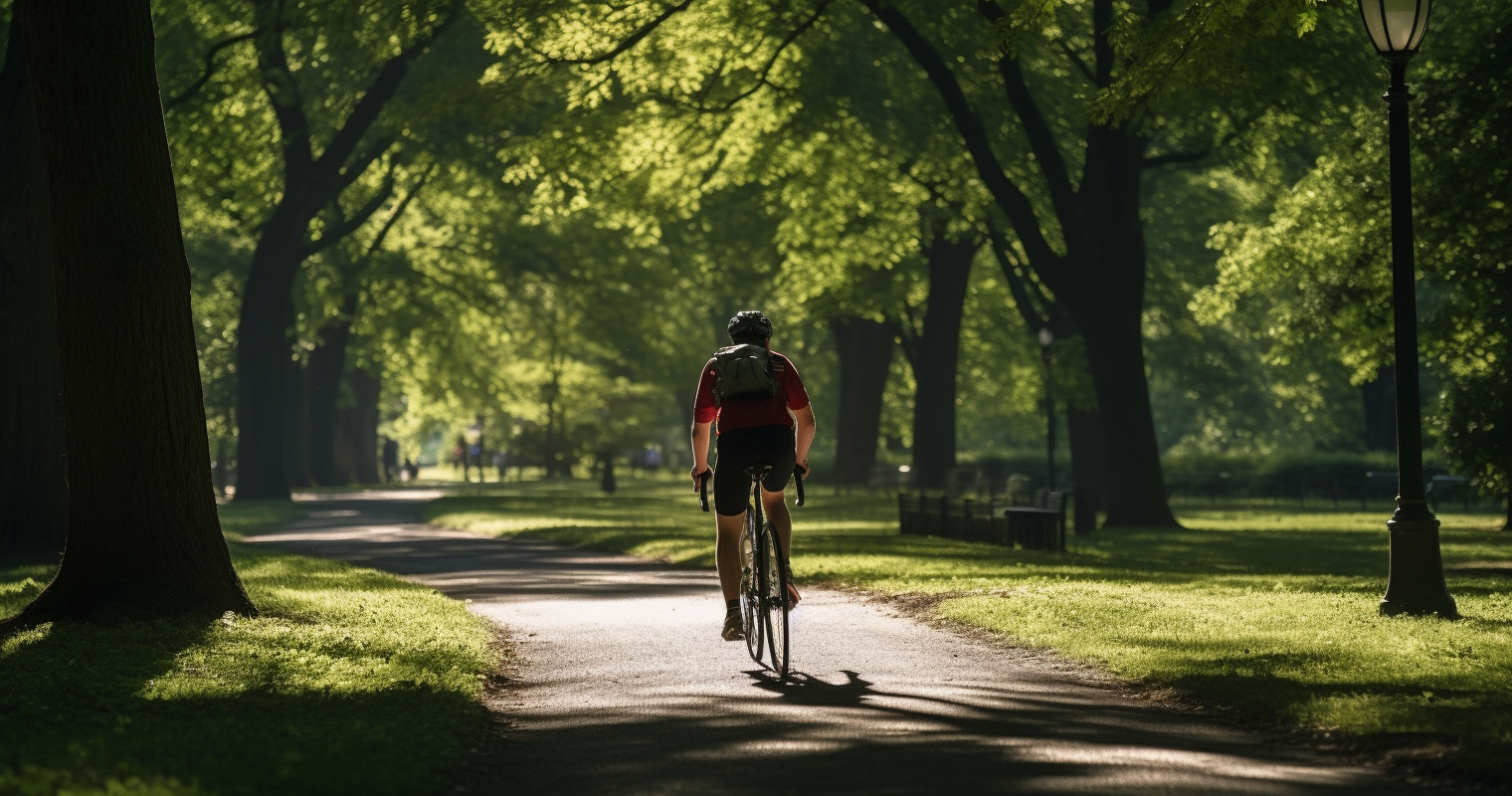
For expats in the Cayman Islands, cycling occupies an interesting position — useful for some as a mode of getting around, and genuinely enjoyable for many more as a recreational pursuit, yet far from a firmly rooted part of everyday transport life. Dedicated cycle infrastructure is sparse, road conditions demand respect, and private car use dominates — but the island’s level terrain, year-round warmth, and spectacular coastal scenery make two-wheeled travel an appealing and growing choice for those prepared to ride thoughtfully.
| Item | Details |
|---|---|
| Dedicated cycle lanes | Very few; Esterley Tibbetts Highway has lanes from West Bay to Britannia roundabout (as of 2025) |
| Helmet law (pedal cyclists) | Helmet wearing is required by the Road Code; motorised e-bikes subject to additional requirements (as of 2026) |
| Bicycle import duty | Bicycles and e-bikes are duty-free to import (as of 2025) |
| Bike registration | Not required for standard pedal bicycles (as of 2026) |
| Bike-share pricing (Cycle Cayman) | From USD $12.99/hour for visitors; from USD $24.99/month for residents (as of 2025) |
| Road safety strategy | National Road Safety Strategy 2023–2038 targets a 30% reduction in fatalities by 2028 and zero by 2038 |
How popular is cycling in the Cayman Islands — is it a common way to get around?
Historically, cycling in the Cayman Islands has been a niche pastime rather than a widely adopted means of transport. One veteran expat cyclist who arrived in Grand Cayman in 2011 recalls that pedal bikes used for everyday travel were almost nowhere to be seen — fitness and sport riders were out early in the mornings and on Sunday mornings, but anyone cycling for practical transportation purposes was a genuine rarity.
The situation has shifted somewhat in recent years. More people are now choosing to commute by bike or take advantage of electric bicycles for getting around, a trend driven partly by the rising cost of living pushing residents to reconsider how they travel. The change is noticeable, even if cycling remains far from the norm.
Put alongside cycling cultures in places like the Netherlands or Denmark — where bikes account for a substantial proportion of daily trips and the entire transport network is designed around them — the Cayman Islands sits at the opposite extreme. Car culture is deeply embedded here, as it is across much of the Caribbean and in comparable island economies such as Bermuda. Cycling is best understood as a fitness, sport, and leisure activity that a growing minority of residents are beginning to extend into shorter practical journeys.
What is the cycling infrastructure like in the Cayman Islands?
To put it plainly, dedicated cycling infrastructure in the Cayman Islands is thin on the ground. Designated cycle lanes are rare, with the most notable example being the lanes on the Esterley Tibbetts Highway stretching from West Bay to the Britannia roundabout. This is among the most significant pieces of cycling-specific road space on Grand Cayman, yet it covers only a modest portion of the island’s wider road network.
To improve awareness of shared road use, the National Roads Authority (NRA) has painted shared-lane markings — commonly called sharrows — on selected roads across Grand Cayman, including South Church Street near Paradise Restaurant and North Church Street near Delworth’s Esso. These white or green symbols, featuring two chevrons above a bicycle image, signal that cyclists and motor vehicles share the same carriageway.
A long-term national road safety plan sets out the government’s ambitions for improving conditions over the coming decade and a half, with proposals that include dedicated cycle paths, footpaths alongside all roads, speed cameras, and road safety education delivered through schools. The Cayman Islands National Road Safety Strategy 2023–2038 has set a target of reducing road fatalities by 30% by 2028, with the ultimate goal of eliminating them entirely by 2038.
The National Energy Policy similarly calls for bike lanes, financial incentives for sustainable transport, and appropriate cycling facilities — recognising that pushing riders onto congested roads without safe infrastructure is both dangerous and self-defeating. In reality, progress in translating these policy intentions into physical improvements has been gradual. The NRA (caymanroads.com) oversees road infrastructure and its website is the best starting point for keeping track of current and planned projects.
The picture is rather different on the Sister Islands. Cayman Brac has quiet coastal roads running along both its northern and southern shores, each approximately 9.5 miles (15 km) in length, while Little Cayman features a tranquil circuit around the entire island of roughly 10 miles (16 km). The substantially lower traffic volumes on these smaller islands make cycling there a far more relaxed experience than navigating Grand Cayman’s roads.
Is cycling safe in the Cayman Islands?
Road safety is a genuine and serious concern for anyone considering regular cycling in the Cayman Islands, and it should not be brushed aside lightly. Because cycling is uncommon relative to many other countries, motorists are not always accustomed to sharing the road with cyclists and do not consistently afford them appropriate space and caution. The Cayman Islands also lacks specific legal protections — such as a mandatory minimum overtaking distance — that cyclists benefit from in some other jurisdictions. Together, these factors mean that vigilance on the road is absolutely essential.
The broader road safety statistics give cause for thought. In 2022, there were 2,915 recorded road traffic collisions on Cayman’s roads, resulting in 32 serious injuries and 14 deaths. These figures encompass all road users, but they paint a clear picture of the general environment that cyclists are riding into.
A national road network safety assessment concluded that most roads scored three out of five stars or fewer for vehicle occupants, with still lower ratings recorded for pedestrians and cyclists. This profile is broadly consistent with many developing road safety environments and stands in marked contrast to the higher standards typical of countries such as the Netherlands or the Scandinavian nations.
Laws governing both cyclists and other road users do exist, but enforcement is inconsistent. Members of the local cycling community have called on police to apply road rules more rigorously, pointing to speeding vehicles as an ongoing hazard. The National Road Safety Strategy was developed jointly by the Royal Cayman Islands Police Service (RCIPS), the National Roads Authority, and the Department of Vehicle and Driver’s Licensing (DVDL). For the most current road safety data, consulting the NRA and RCIPS directly is advisable.
Wearing a well-fitted helmet is strongly recommended for every ride. The Cayman Cycling national federation’s code of conduct is explicit that “every bike ride begins with putting on a helmet,” and proper fit is emphasised alongside the act of wearing one. Front and rear lights and clear hand signals are also advised. Many seasoned local cyclists prefer to ride in the early morning or on weekends specifically to avoid the heaviest traffic periods, and group rides are a popular way to increase both safety and visibility on the road.
What are the rules of the road for cyclists in the Cayman Islands?
Anyone planning to cycle on public roads in the Cayman Islands should familiarise themselves with the cycling guidelines contained in the Cayman Islands Road Code, the most recent version of which dates to 2012. It can be accessed through the Department of Vehicle and Driver’s Licensing (DVDL) website at dvdl.gov.ky. Section 12 of the Road Code sets out the rules that apply specifically to cyclists.
These rules include wearing a helmet, wearing reflective clothing, using a cycle path where one is provided, keeping both hands on the handlebars except when signalling, and riding in single file. These are legal requirements rather than mere suggestions, and form the framework within which cyclists must operate.
Under Cayman law, bicycles are classified as vehicles. This means riding against the flow of traffic — that is, on the wrong side of the road — is illegal, even though it remains a widespread practice. Cyclists must travel with traffic on the left-hand side of the road, consistent with the driving conventions used in the UK and Australia.
All cyclists must follow traffic signs, road markings, and traffic light signals in accordance with the Road Code. No separately published alcohol limits for cyclists exist in Cayman law, but since bicycles are treated as vehicles, the general provisions of road traffic legislation apply. Readers are encouraged to check the current Traffic Act and Road Code through the DVDL to ensure they have the most up-to-date information.
E-bike regulation is a rapidly moving area as of 2026. Opposition Leader Joey Hew has urged the government to ease requirements for certain categories of e-bikes and micro-mobility devices, cautioning that excessive regulation risks discouraging greener forms of transport and making them financially out of reach for ordinary residents. New enforcement measures coming into effect from January 2026 require e-bike and scooter users to comply with legal standards established under the Traffic Law, with regulations reflecting the position that e-bikes operate as part of the general traffic environment. Anyone intending to ride an e-bike should verify the current rules with the DVDL before making a purchase or importing one.
Do I need to register my bike or have insurance to cycle in the Cayman Islands?
For a standard pedal bicycle, neither registration nor insurance is required. Under the law as it currently stands, any cycle equipped with crank pedals — regardless of speed capability, motor wattage, or method of propulsion — does not require insurance, inspection, or licensing, as it falls within the legal definition of a bicycle. This covers conventional road bikes, mountain bikes, hybrid bikes, and comparable human-powered cycles.
The position regarding e-bikes is considerably more complex and has been the subject of active debate in the Cayman Islands Parliament as recently as early 2026. The Traffic (Amendment and Validation) Bill 2026 included discussion of whether to retain a lower-speed exemption that would allow certain e-bikes or battery-assisted pedal cycles to remain outside insurance and registration requirements. Given this ongoing legislative activity, the rules may have evolved since this was written — always verify the current position with the DVDL at dvdl.gov.ky.
Although third-party liability cover is not compulsory for pedal cyclists, it may be worth exploring personal accident insurance given the road safety environment described above. Speak with local insurance brokers for information on currently available products and pricing, as this is not a separately regulated market for cyclists.
Are there public bike-sharing or rental schemes in the Cayman Islands?
Grand Cayman is served by a functioning bike-share scheme operated by Cycle Cayman. The scheme runs eight docking stations across the island: three in Camana Bay, one at Regatta Business Park, one at Cricket Square, one at the government administration building, one at Dart Park, and one at the Cayman Craft Market in George Town. Riders simply download the app, select a plan, and set off — the whole process is self-service via mobile.
As of 2025, Cycle Cayman’s rates begin from USD $12.99 per hour, with monthly resident plans starting from USD $24.99. The greatest concentration of stations is in the Seven Mile Beach and George Town area, which means the scheme is most convenient for those based or staying in that part of the island.
For longer hire periods or guided experiences, several operators cater to residents and visitors alike. Paddle Wheel Adventures runs guided bicycle tours through the scenic West Bay area, with options for both regular and electric bikes to suit a range of fitness levels. Paddle Wheel Adventures also provides daily and weekly bicycle rental from its store at The Grove on Seven Mile Beach, with e-bicycles, pedal bikes, and road bikes all available.
ECO Rides Cayman offers guided tours of the East End of Grand Cayman, with a modest selection of road and hybrid bikes — though not e-bikes — available to hire. On the Sister Islands, most resorts have bicycles that guests can borrow to explore their surroundings, simply returning them when done. Active Pursuit, based in Cayman Brac, runs bicycle rentals and guided tours for both visitors and island residents, and provides bicycle sales and repair services to the local community.
Where can I buy or service a bike in the Cayman Islands?
Purchasing a bike locally is entirely feasible, though the range of options is narrower than you would encounter in a larger market with a well-established cycling retail scene. The main bicycle retailers on Grand Cayman are Uncle Bill’s and Kirk Home Centre, both of which carry a broad selection of bicycles and accessories including helmets. Uncle Bill’s typically has a dedicated bike maintenance person on hand. These stores tend to focus on recreational, hybrid, and general-purpose bikes rather than high-performance road or mountain bikes.
For those seeking more specialist equipment, Paddle Wheel at The Grove is the place to go. The store offers bike parts and repair services with bronze, silver, and gold service packages available — with e-bikes attracting a slightly higher service cost. Paddle Wheel is also an authorised dealer for Felt, Bianchi, and Specialized bicycles and components, and operates as an eco-conscious, locally owned bicycle and kayak rental business.
Sheldon Anderson of Cayman Bike Repairs runs a mobile repair service across the island, covering gear and brake adjustments, wheel and tyre work, lighting, full overhauls, wheel truing, and spoke replacement. He also offers custom bike fitting tailored to a rider’s body dimensions and comfort preferences — a particularly valuable service given the island’s geography, which makes a mobile mechanic a practical choice.
Second-hand bicycles regularly appear through local classified listings, community Facebook groups, and expat networks, and can represent excellent value — especially when you first arrive and need a reliable bike quickly. As with any private purchase, it pays to inspect carefully before handing over money. New bikes bought from retailers should carry a manufacturer’s warranty; confirm the terms before completing the sale.
Can I bring my bike when I move to the Cayman Islands, and are there any import rules?
Cyclists relocating to the Cayman Islands will be pleased to learn that importing a bicycle is financially straightforward. Both standard bicycles and electronic bicycles (e-bikes) are duty-free on import, making them significantly more attractive to bring in than many other categories of goods that attract substantial duties in the islands.
This duty-free status applies whether you are shipping a bike as part of a full household removal or sending it separately. When arriving as a new resident, it is worth establishing whether your bicycle qualifies under a personal effects allowance within current customs rules, as this can simplify the process and reduce paperwork considerably. The Cayman Islands Customs and Border Control Authority handles all import procedures; their official resources at customs.gov.ky should be consulted before you ship anything, to confirm what documentation is currently required.
If you are shipping a high-value bicycle — a carbon-framed road bike or specialist e-bike, for example — professional packing, comprehensive transit insurance, and clear proof-of-purchase or valuation documentation are all strongly advisable. Although the bicycle itself is duty-free, separately shipped accessories or components may be classified differently and could attract duties, so declare everything accurately and check with customs in advance to avoid surprises.
Step-by-step: how to import your bicycle when relocating to the Cayman Islands
- Check current customs rules: Visit the Cayman Islands Customs and Border Control website at customs.gov.ky to confirm the current duty-free status of bicycles and any documentation required for importing personal effects.
- Obtain proof of purchase or valuation: Gather receipts, a valuation letter, or serial number records for your bicycle. This supports your customs declaration and can help resolve any queries at the border.
- Arrange professional packing: Have your bike professionally packed — particularly important for high-value road or mountain bikes. A hard-shell or reinforced bike case reduces the risk of transit damage.
- Arrange transit insurance: Insure your bike for the full replacement value during shipping. Standard freight insurance may not cover specialist equipment adequately.
- Declare the bike accurately: When completing your customs declaration, list the bicycle and any included accessories clearly. As e-bikes are subject to evolving regulations, specify the type and motor wattage if relevant.
- Check e-bike compliance on arrival: If importing an e-bike, verify with the DVDL (dvdl.gov.ky) whether your specific model requires any registration or meets the current legal definition of a bicycle versus a motor vehicle, given the rapidly changing regulatory landscape as of 2026.
What are the best cycling routes or destinations in the Cayman Islands?
Infrastructure gaps aside, cycling in the Cayman Islands can be a genuinely rewarding experience, especially on roads away from the busiest corridors. Riding along scenic coastal stretches, through mangrove-lined lanes, and across the island’s varied districts offers real pleasure, and the flat, well-kept roads mean most routes are accessible to cyclists of ordinary fitness — though the intensity of the midday sun demands careful consideration of timing.
The West Bay area, situated just north of Seven Mile Beach, provides a mixed-trail coastal loop that takes in sights including Hell, Barkers National Park, and the Cayman Turtle Farm. The West Bay Loop is supported by a fleet of more than 100 hire bikes — including cruisers, road bikes, hybrids, children’s bikes, and child buggies — making it one of the most established and family-friendly cycling destinations on the island.
Grand Cayman’s East End offers a contrasting experience, with light traffic and quiet roads that lend themselves to scenic coastal riding. Points of interest along the way include nature and wilderness reserves, the Wreck of the Ten Sails, a historic lighthouse, and rocky blowholes. While most tours in the area are rated as easy, a more demanding 50-mile (80 km) route is also available for serious cyclists looking for a genuine challenge.
Guided tour operators offer structured itineraries for those who prefer a planned experience. The Cayman Inland Escape takes riders along an 18.5-mile road course through the coastal village and farming hinterland of East End, while other options include a 19-mile coastal loop from East End to North Side and a 36-mile East End coastal route that extends all the way to Rum Point.
On the Sister Islands, Cayman Brac’s quiet northern and southern coastal roads each extend roughly 9.5 miles, while Little Cayman’s around-the-island loop measures approximately 10 miles — both offering a noticeably more peaceful ride than anything available on Grand Cayman. The Cayman Cycling national federation and the Cayman Islands Department of Tourism are both useful sources for route ideas, organised rides, and upcoming cycling events.
Frequently asked questions about cycling in the Cayman Islands
Is it realistic to commute by bicycle in Grand Cayman?
Commuting by bike is possible but calls for thoughtful planning. The island’s flat landscape is helpful, and some residents do ride to work — particularly those living within reach of the Seven Mile Beach corridor or George Town. That said, the limited network of cycle lanes, the volume of traffic on main roads, and the combination of heat and humidity make cycling to work most practical over shorter distances and during the cooler early-morning hours. The majority of cycling commuters choose to set off early to sidestep both congestion and the intensity of the midday heat.
Do I legally have to wear a helmet when cycling in the Cayman Islands?
Yes — the Road Code requires all pedal cyclists to wear a helmet, and this constitutes the legal standard that must be met. Requirements for e-bikes and motorised two-wheelers are more detailed and continue to evolve; verify the current position with the DVDL at dvdl.gov.ky. Whatever the precise legal picture, wearing a properly fitted helmet is strongly recommended in light of road conditions across the island.
Are e-bikes legal to ride in the Cayman Islands?
E-bike regulation is an area of active change as of 2026. Under current law, all cycles fitted with crank pedals do not require insurance, inspection, or licensing as they fall within the legal definition of a bicycle. However, new enforcement measures taking effect from January 2026 require e-bike users to comply with standards set out in the Traffic Law. The legislative position has been subject to parliamentary debate and may have shifted since the time of writing — always confirm the latest requirements with the DVDL before buying or riding an e-bike.
Is it safe to cycle on Grand Cayman’s main roads?
Because cycling is relatively uncommon, drivers are not always alert to cyclists or consistent in giving them adequate space. The Cayman Islands also lacks specific legal safeguards for cyclists, such as mandated minimum overtaking distances. Busier arterial routes and the main bypass carry real risks. Most experienced local cyclists choose quieter roads, ride together in groups, and favour early-morning or Sunday outings when traffic volumes are considerably lower.
Do I need to register my bicycle in the Cayman Islands?
Standard pedal bicycles — all crank pedal-equipped cycles — do not require registration, insurance, or inspection under current Cayman law. No registration with any authority is needed. If you are buying or importing an e-bike, always confirm the current regulatory position, as the rules for that category remain subject to change.
Will my bicycle attract import duties when I move to the Cayman Islands?
Bicycles and e-bikes are both duty-free to import into the Cayman Islands, which represents a meaningful financial advantage compared to most other imported goods. You are still required to declare your bike accurately at customs and to present supporting documentation such as proof of purchase. Check with Cayman Islands Customs and Border Control at customs.gov.ky for the current rules before arranging shipment.
Where can I buy a quality bike in the Cayman Islands?
Uncle Bill’s and Kirk Home Centre are the two main bicycle retailers on Grand Cayman, each stocking a wide range of bikes and accessories. For higher-specification or branded bikes, Paddle Wheel is an authorised dealer for Felt, Bianchi, and Specialized bicycles. Second-hand bikes are also regularly available through expat community groups and local classified listings — a practical route for anyone who arrives without their own bike and needs something reliable at short notice.
Are there organised cycling clubs or groups in the Cayman Islands?
Yes. Cayman Cycling, the national cycling federation, is committed to making the sport open and accessible to everyone in the community, organising events, competitive rides, and encouraging broad participation. Joining a club or group ride is one of the most sensible ways to explore the island by bike, as organised rides tend to follow safer routes and benefit from enhanced visibility on the road. Visit caymancycling.org for details on current clubs, events, and how to get involved.