
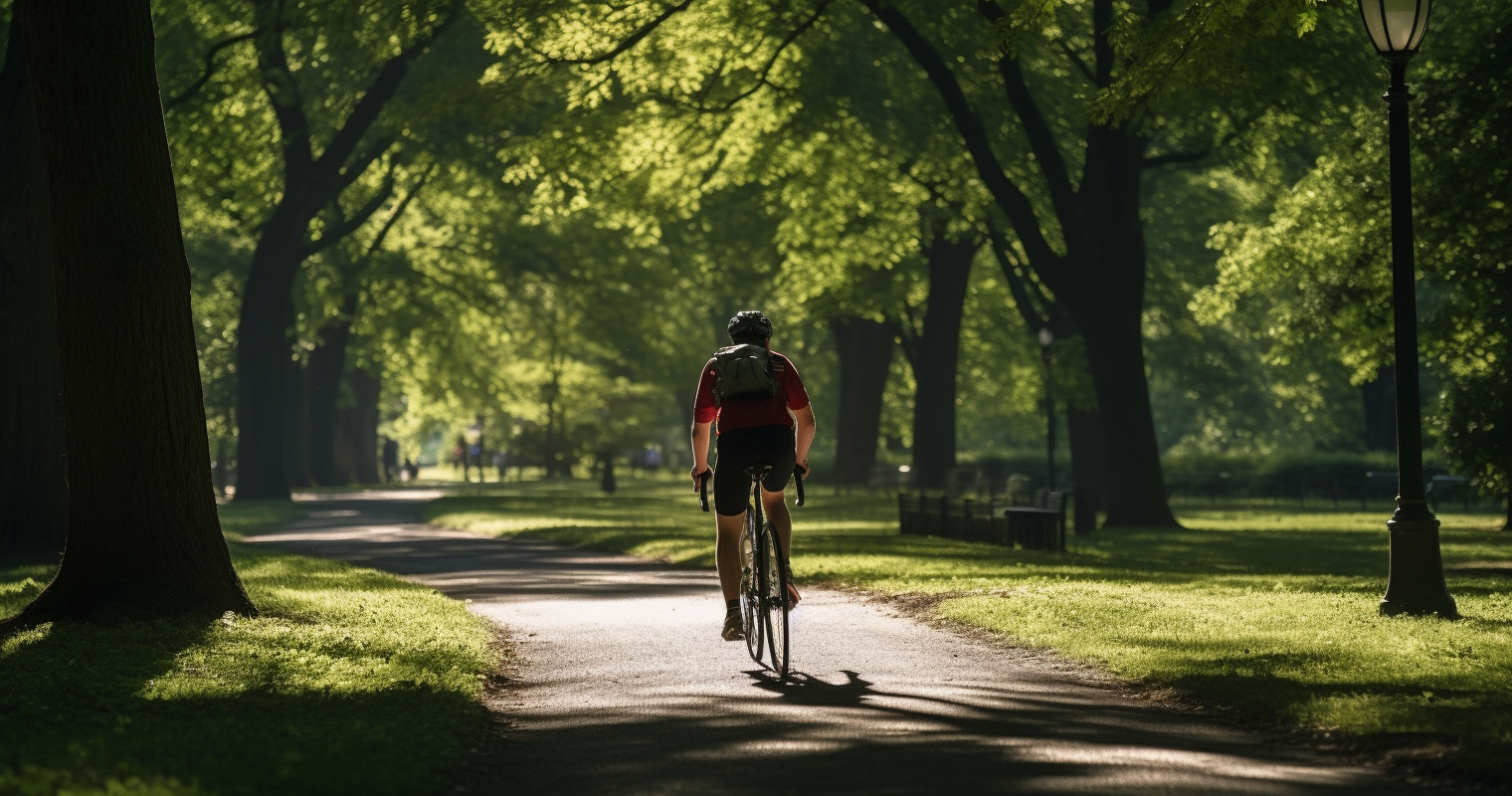
Among Asia’s most welcoming destinations for two-wheeled travel, Taiwan stands out for its exceptional recreational routes, its passionate cycling community, and a continuously expanding urban bike-share network. Scooters dominate short-distance urban travel, so bicycles are used less for daily commuting than in countries like the Netherlands or Denmark — yet the quality of infrastructure, the general awareness of cyclists among drivers, and the sheer range of available routes make cycling both a practical and deeply satisfying choice, whether for everyday trips or extended leisure rides.
| Item | Details |
|---|---|
| Bike-share scheme | YouBike 2.0 — available across Taipei, Taichung, Tainan, Kaohsiung and many other cities (as of 2025) |
| YouBike pricing | From NT$10–20 per 30 minutes for standard bikes; NT$20 per 30 minutes for e-assist models (as of 2024) |
| Helmet law | Not legally mandatory for standard bicycles; strongly recommended (as of 2025) |
| Alcohol limit for cyclists | Cycling under the influence is illegal; fines of NT$600–NT$1,200 apply (as of 2024) |
| Bike registration | Not mandatory for personal bicycles in Taiwan |
| National cycling route | Taiwan Cycling Route No. 1 — 968 km circumnavigation of the island, inaugurated December 2015 |
How popular is cycling in Taiwan — is it a common way to get around?
Recreational cycling has enjoyed growing enthusiasm in Taiwan for many years, yet historically the bicycle was a workhorse of everyday transport — a role that scooters and motorbikes have since claimed for themselves. As a result, Taiwan occupies a distinctive position compared with places like the Netherlands or Denmark, where bicycles function as the dominant mode of urban travel. In Taiwan, the bicycle is far more strongly associated with leisure pursuits, sport, and tourism than with the daily journey to work or school.
In Taipei, relatively few residents rely on the capital’s riverside bike paths for their commute. In Kaohsiung — which boasts one of the most extensive cycle trail networks in the country — the pattern is much the same: most riders take to the roads for recreation or exercise rather than out of necessity. Part of the reason is Taiwan’s humid climate; before cycling to work becomes widespread, office buildings would need to offer dedicated shower and changing rooms, along with secure bicycle parking.
Despite considerable public investment in cycle lanes and related infrastructure, and a substantial community of enthusiastic leisure cyclists, no city in Taiwan has developed a cycling culture approaching that of northwestern Europe. That said, cycling is far from a niche interest. A great many Taiwanese people have a profound passion for the sport — understandable, in part, because two of the world’s most recognisable bicycle manufacturers, Giant and Merida, both have their origins in Taiwan.
Taiwan is frequently celebrated as the cycling capital of Asia, a reputation built on outstanding infrastructure and the central role that cycling plays in the national identity. Completing a circuit of the entire island by bike — known locally as Huan Dao — has evolved into a beloved rite of passage for Taiwanese youth. For expats settling in Taiwan, this context is worth understanding: cycling commands genuine respect and admiration, even if it is not the transport mode of choice for most working adults.
For residents, YouBike has become woven into the fabric of daily life as a convenient, eco-friendly option for short journeys. So while pedalling to the office every morning may not be the norm, jumping on a bike for a quick errand, a weekend excursion, or a leisurely riverside ride is a thoroughly local habit — and one that newcomers can embrace with ease.
What is the cycling infrastructure like in Taiwan?
Taiwan offers a remarkably extensive array of cycling lanes, specialist bike shops, rest and service stations catering to long-distance riders, cycling events, and broader supporting infrastructure. The quality and coverage of these facilities varies between urban centres and the countryside, but viewed against regional benchmarks, Taiwan’s overall provision is highly impressive.
Taipei’s cycling infrastructure is particularly strong, with a well-developed system of bike paths tracing the city’s river corridors. Across Taiwan more broadly, many urban areas have been actively expanding their cycling networks: Taipei’s riverside paths and Kaohsiung’s city-wide trail system are prime examples. Kaohsiung, Taiwan’s second-largest city, has invested heavily in its off-road trail network, which now encompasses nearly 150 km of paved routes weaving past rivers, lakes, and wooded areas throughout the metropolitan area.
Taiwan has been effective at separating car traffic from motorcycles and bicycles, and the sheer volume of scooters on the road means that a dedicated combined lane for scooters and bicycles is a routine sight. Bridges and elevated sections of road frequently include their own cycle lanes, and stairways are often fitted with channels to allow cyclists to wheel their bikes up or down without dismounting — a practical touch that many cities overlook.
Beyond the urban areas, conditions become patchier. Cycle lanes may terminate abruptly, only to resume several blocks further along — a familiar frustration wherever cycling infrastructure is still being built out. Rural and mountain roads can be superb for sport cycling but do not always come with dedicated lanes. As with most countries, certain roads are entirely out of bounds for cyclists: Taiwan’s National Highways (國道) and Expressways (快速道路) strictly prohibit bicycle access.
Responsibility for cycling infrastructure policy at the national level rests with the Ministry of Transportation and Communications (MOTC), which developed Taiwan Cycling Route No. 1, officially launched on December 30, 2015. For current route information, planned upgrades, and live road updates, expats should refer to the MOTC official website and the Taiwan Tourism Administration’s cycling resource.
Is cycling safe in Taiwan?
Because Taiwanese drivers share the roads daily with large numbers of motorcycles and scooters, they tend to be naturally alert to smaller road users — which works in cyclists’ favour. It is rare to encounter a driver who cuts dangerously close or fails to acknowledge a passing cyclist. This general awareness makes Taiwan a considerably more comfortable environment for cycling than many comparable urban settings where drivers have little experience of sharing space with bikes.
Taiwan is a broadly safe country, but attentiveness is still essential when riding alongside motorbikes, buses, and heavy goods vehicles. On mountain and rural roads, watch for muddy or slippery surfaces, especially following rain. The west coast — heavily built up and industrialised — demands more vigilance than the quieter and more open east coast.
Bicycle-related accidents have risen in recent years, prompting authorities in northern Taiwan to revise the enforcement framework for public bike-share users in 2024. Taiwan’s Ministry of Transportation has noted that many such incidents stem from riders being unfamiliar with the relevant regulations. Expats are strongly encouraged to acquaint themselves with local traffic law before venturing onto busier roads.
On the subject of helmets: wearing one while cycling is not a legal requirement in Taiwan, but it is nonetheless strongly advisable as a safeguard against injury. This stands in contrast to countries such as Australia and New Zealand, where helmets are compulsory for all cyclists regardless of age. In practice, the majority of people — particularly those using shared bikes like YouBike — do not wear helmets, though safety consciousness is gradually increasing. For anyone riding on busy roads or mountain terrain, a helmet is an essential piece of kit.
The national road safety body publishes detailed accident statistics; expats should consult the Taiwan Road Safety Commission for up-to-date figures and guidance.
What are the rules of the road for cyclists in Taiwan?
Under Taiwanese law, bicycles are formally classified as a means of transportation. The Road Traffic Management and Penalty Act requires cyclists to comply with the same traffic regulations that govern other road users. A common misconception — that the absence of a licensing requirement means few rules apply — is simply wrong. The moment you ride onto a public road, the full framework of traffic law applies to you.
Key rules for cyclists include:
- Keep to the right: Traffic in Taiwan flows on the right-hand side, and cyclists must ride accordingly.
- Use designated lanes: Where a dedicated cycle lane exists, cyclists are required to use it. In the absence of a bike lane, cyclists should use the slow vehicle lane and stay as far to the right as practicable.
- Pavements are generally off-limits: Cycling on standard footpaths is prohibited unless local authorities have specifically designated them for shared use with signage or road markings.
- Lights at night are mandatory: Offences such as riding against traffic flow, ignoring red lights, or cycling without lights after dark can attract fines ranging from NT$300 to NT$1,200 (as of 2024).
- No cycling under the influence: Riding a bicycle while intoxicated is explicitly illegal. Article 73 of the Road Traffic Management and Penalty Act sets out fines of between NT$600 and NT$1,200 for this offence (as of 2024).
- Helmets: Not a legal requirement for standard bicycles, but strongly recommended — particularly for riders under 18.
- Highways and expressways are prohibited: National Highways (國道) and Expressways (快速道路) are closed to cyclists without exception.
- Pedestrians take priority: Pedestrians always have right of way, even on clearly marked cycling paths.
From July 2024, cities including Taipei, New Taipei, and Taoyuan have introduced a demerit point system specifically for YouBike users, aimed at improving compliance and encouraging safer riding habits. Accumulating three points within a twelve-month period results in a 14-day suspension of bike-share access; reaching seven points triggers a one-year ban. Riders reported for cycling under the influence of alcohol or drugs face a two-year suspension. This framework functions in a broadly similar way to penalty point systems applied to motor vehicle users in other countries, adapted here for the public bike-share context.
For the definitive and current legal requirements, refer to the Ministry of Transportation and Communications or the Taiwan Road Safety Commission.
Do I need to register my bike or have insurance to cycle in Taiwan?
Registering a personal bicycle with any government authority is not a legal requirement in Taiwan. Standard bicycles fall entirely outside the registration and compulsory insurance framework that applies to motor vehicles. This approach is consistent with practice across much of East Asia, and differs from some European countries — the Netherlands, for example, has widely used voluntary registration schemes to assist with theft recovery — but Taiwan has no comparable mandatory system in place.
Cycling insurance is similarly not compulsory for private bicycle owners in Taiwan, though it is highly advisable, especially for anyone riding on busy roads or embarking on longer touring trips. Wearing a helmet, observing traffic laws, and carrying appropriate insurance are all sensible steps for minimising personal risk. Personal accident cover and third-party liability policies designed for cyclists are available from Taiwanese insurers; expats seeking suitable coverage should compare options through a licensed provider or broker registered with the Financial Supervisory Commission (FSC), Taiwan’s financial regulatory authority.
YouBike users in Taipei face a specific requirement: those signing up for certain newer bike models must arrange injury insurance as part of the registration process. Riders who have not secured bicycle injury insurance are ineligible to rent YouBike 2.0E electric bikes (as of 2024). This obligation is built directly into the sign-up workflow and can be completed straightforwardly via the YouBike app.
Are there public bike-sharing or rental schemes in Taiwan?
YouBike, Taiwan’s public bicycle sharing programme, made its debut in Taipei in 2009 and has since extended its reach to much of the country. It is by a wide margin the dominant bike-share system on the island, and in scale and usability it is broadly comparable to systems such as Vélib’ in Paris or Citi Bike in New York — with the added advantage of seamless integration with Taiwan’s EasyCard transit payment platform.
YouBike currently operates across a range of cities and counties, including Taipei, Taoyuan, Hsinchu County, Hsinchu City, Miaoli County, Taichung City, Chiayi City, Tainan City, Kaohsiung City, and Pingtung County. However, coverage is not universal: the system has yet to be introduced to Keelung, Yilan, Hualien, Taitung, and Nantou, and is largely absent from most of Taiwan’s offshore islands.
Two versions of YouBike are currently in active use:
- YouBike 2.0: The standard iteration now found throughout Taiwan. These yellow-and-white bikes dock at compact modular stations and are fully integrated with the YouBike app for streamlined rentals and live availability data. They are fitted with built-in solar-powered lights that activate automatically at dusk.
- YouBike 2.0E (electric): These distinctive orange-and-white bikes deliver electric pedal-assist up to approximately 25–30 km/h, making them particularly well suited to hilly terrain and longer journeys.
Pricing (as of 2024): Standard YouBike 2.0 rates typically begin at NT$10–20 per 30 minutes for the first two hours, though this varies slightly by city; the rate rises progressively thereafter. The electric 2.0E model carries a higher tariff, generally starting at NT$20 per 30 minutes for the first two hours.
YouBike can be rented using an EasyCard or via the YouBike app. Residents with a Taiwanese SIM card and local phone number can register for membership and link an EasyCard for convenient tap-to-unlock rentals. Those without a local number can still access the service using a credit card.
For private rentals, the Giant brand operates over 300 stores across Taiwan, many of which offer hire bikes. Specialist rental businesses such as MathewBike in Taipei also provide touring bikes complete with relevant equipment. For current station maps, pricing, and real-time availability, visit the official YouBike website or your local municipal transport authority.
Where can I buy or service a bike in Taiwan?
Taiwan is a globally significant hub for bicycle manufacturing, supplying riders across the world with everything from entry-level city bikes to elite racing machines. Two of the planet’s most celebrated bicycle brands — Giant and Merida — were both established in Taiwan, coincidentally both in 1972. Giant was founded in Taichung; Merida has its headquarters in Changhua. The practical consequence for buyers is that high-quality bicycles are readily available at prices that are often more competitive than in many other countries, given how close you are to the source of production.
The strength of local cycling culture is reflected in the growing number of excellent bike shops that have opened across the island over the past decade, with many also offering quality hire bikes. Giant has the most widespread retail presence: its stores are densely distributed along the west coast, while east coast coverage is limited to larger towns and the Central Rift Valley corridor. Merida maintains its own dealer network spanning the entire island.
Beyond these flagship brands, independently run bike shops are plentiful in Taiwan’s cities — particularly in areas with strong cycling traditions, such as Taipei’s riverside precincts, Taichung, and Kaohsiung. The high density of development across Taiwan means that, on almost any route, you are rarely far from a bike shop, convenience store, or resting point. Servicing and repairs are generally both affordable and competent, a reflection of Taiwan’s long-established manufacturing heritage in the industry.
Second-hand bicycles can be found through online classified platforms and occasional community resale groups. Consumer rights in Taiwan are protected under the Consumer Protection Act, and reputable retailers will typically offer warranties on new purchases in line with local practice. When buying privately, inspect the bicycle carefully and, where possible, agree terms in writing.
Can I bring my bike when I move to Taiwan, and are there any import rules?
People relocating to Taiwan may be able to bring a bicycle into the country duty-free as part of a personal effects exemption. Taiwan Customs generally permits incoming residents to import used personal belongings without attracting duty, provided those items are genuinely personal in nature, were in use before arrival, and are not intended for resale or commercial purposes. A bicycle that is clearly a personal, well-used possession would ordinarily fall within this exemption.
If your bike is new, of high monetary value, or if customs officers conclude it does not meet the criteria for a personal effect, import duties and a 5% value-added tax (known locally as Business Tax) may become payable. The applicable customs duty rate for bicycles depends on the type and classification of the bike under Taiwan’s Customs Import Tariff schedule. Before arranging a shipment, consult the Customs Administration, Ministry of Finance website for current tariff codes, duty rates, and the precise terms of the personal effects exemption, as these details are subject to change and third-party sources may not reflect the latest position.
In practice, most expats who include a personal bicycle in a household removal find the process manageable, provided they can demonstrate that the bike was purchased and in regular use before the move. Engaging a licensed freight forwarder with experience of Taiwan’s customs procedures is advisable, and you should retain your original proof of purchase. If uncertainty remains, contact the Customs Administration directly or seek advice from a licensed customs broker based in Taiwan.
What are the best cycling routes or destinations in Taiwan?
Taiwan Cycling Route No. 1 (環島1號線) traces a 968 km circuit around the entire island, designed specifically to accommodate the beloved tradition of cycling the island’s perimeter — known in Mandarin as huan-dao (環島). The route is signposted throughout and marked on road surfaces, following a combination of dedicated cycle paths, quieter rural roads, and busier thoroughfares fitted with dedicated cycle lanes. Completing the full circuit typically takes between nine and twelve days, and riders can take advantage of 122 designated rest stops positioned along the way.
The east coast is widely regarded as the more rewarding half of any island circuit, offering lighter traffic, cleaner air, and scenery of a different order. Here, cyclists can ascend roads that wind through empty mountain landscapes, stop to soak in natural hot springs, or ride across terrain shaped by the collision of two tectonic plates. Tea plantations, the dramatic Qingshui Cliffs, and sweeping rice paddy vistas are all part of the experience.
Some of the most celebrated individual routes and destinations include:
- Sun Moon Lake Loop: Widely acclaimed as one of the most beautiful cycling circuits in the world, this approximately 29 km route encircles the stunning Sun Moon Lake in central Taiwan.
- East Rift Valley: A magnificent corridor of lush green valleys, tea gardens, and paddy fields bisected by rivers and mountain streams, offering exceptional cycling through some of Taiwan’s most picturesque agricultural landscapes.
- Taroko Gorge: Renowned for its towering marble cliffs, dramatic canyon scenery, and the brilliant emerald waters of the Liwu River threading through its depths.
- Taipei Riverside Bikeways: Taipei’s network of riverside paths provides ideal conditions for relaxed city cycling, particularly for weekend outings or casual exploration.
- Wuling Pass (KOM): The Taiwan KOM Challenge, widely considered one of the most demanding cycling races on earth, has been held annually since its launch in 2012. The Wuling Pass climb is a bucket-list objective for serious road cyclists worldwide.
- Kaohsiung city trails: Kaohsiung’s trail network of nearly 150 km of paved off-road paths offers outstanding options for recreational riding, family outings, and even commuting throughout the city.
- North Coast routes: Cyclists can discover the striking geological formations near Jinshan Hot Spring along the Fengzhimen Bikeway and the Jinshan-Wanli Bikeway, or trace the course of a former railway line through the historic Old Caoling Tunnel.
For detailed route planning, the Taiwan On 2 Wheels website, produced by the Taiwan Tourism Administration, offers an interactive map, event calendars, and curated route suggestions. The Chinese Taipei Cycling Association, Taiwan’s national cycling federation, is another valuable resource for information on organised events and routes across the island.
Frequently asked questions about cycling in Taiwan
Do I need a licence to cycle in Taiwan?
No licence is needed to ride a standard bicycle in Taiwan. A common misunderstanding is that the absence of a licensing requirement means cyclists can ride without regard for the rules — in fact, any cyclist using a public road is bound by the Road Traffic Management and Penalty Act and must follow all applicable traffic regulations. Note that e-bikes classified as Class 2 (throttle-driven, scooter-style machines) do require a valid driving licence; standard pedal-assist electric bicycles do not.
Is cycling in Taiwan safe for newcomers?
Taiwan is generally a very safe environment for cycling. The greatest hazards tend to be dense scooter and heavy vehicle traffic on the busy urban roads of the west coast. New arrivals are advised to begin on dedicated cycle paths, riverside trails, and the calmer roads of the east coast, building confidence gradually. Always use front and rear lights when riding after dark.
Can I use a YouBike with a foreign card or passport?
If you do not have a Taiwanese phone number, you can still rent a YouBike using a credit card. For regular users, linking an EasyCard — Taiwan’s contactless transit card — to your YouBike account makes the process of renting and returning bikes considerably more convenient. The same EasyCard works on the MRT, city buses, and at most convenience stores across Taiwan.
Are e-bikes widely available in Taiwan?
Yes. YouBike 2.0E electric models are deployed in a number of cities, offering pedal assistance up to approximately 25–30 km/h — a particularly welcome feature on hilly terrain or for covering longer distances. Private e-bike hire and retail options are also broadly available through Giant, Merida, and independent shops throughout the island.
Can I take my bike on a train in Taiwan?
It is possible to bring your bicycle on a train in Taiwan, but advance planning is essential. Not all services permit unboxed bikes, and policies differ between Taiwan Railways Administration (TRA) routes. Some services require the bicycle to be bagged or boxed; others provide dedicated bicycle carriages on specific lines. Consult the Taiwan Railways Administration website for the most current bike-on-train rules before you travel.
What is the best time of year to cycle in Taiwan?
The cooler, drier months between October and March are generally regarded as the prime season for cycling in Taiwan. Summer’s combination of intense humidity and typhoon season can make sustained riding both uncomfortable and at times hazardous. Spring — particularly March and April — is also a pleasant window for cycling, especially in the southern part of the island.
Do I need to register my bicycle with the authorities in Taiwan?
No formal registration of a personal bicycle is required in Taiwan. There is no national mandatory registration scheme for standard bikes. That said, keeping a note of your bicycle’s serial number and retaining proof of purchase is sensible practice for insurance claims and theft recovery, even though there is no government registration process to go through.
Is air quality a concern for cyclists in Taiwan?
Air quality can be a meaningful consideration for cyclists, particularly along the heavily industrialised west coast. Levels vary considerably by region and season and are tracked by the Environmental Protection Administration. It is worth checking real-time data through the Taiwan Air Quality Monitoring Network before setting out on longer rides, especially in western industrial zones. The east coast and higher mountain areas generally enjoy significantly cleaner air.