
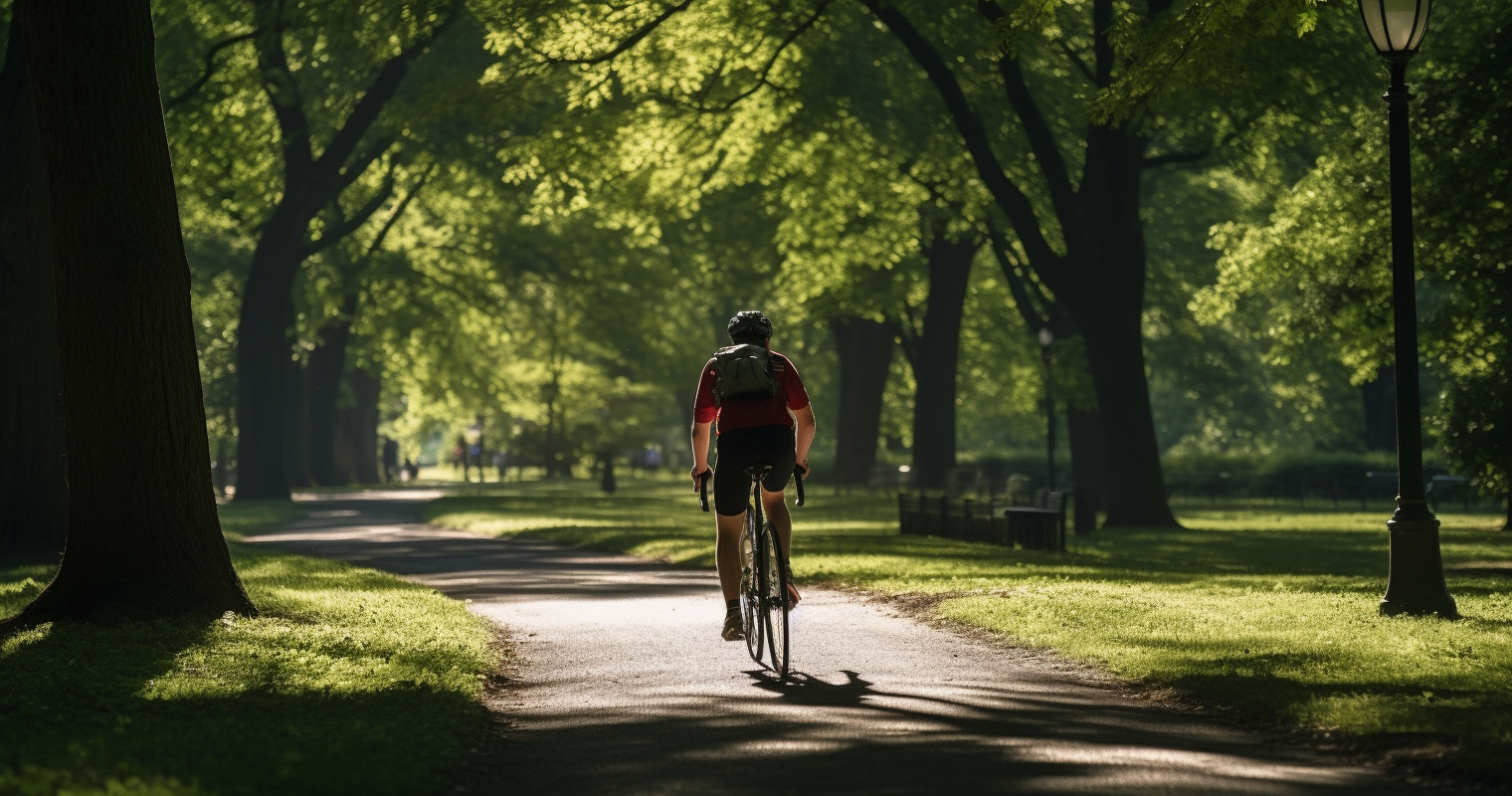
Thailand presents a rich yet demanding environment for those who ride bikes. Recreational and competitive cycling is flourishing — particularly in the northern reaches around Chiang Mai — but using a bicycle as a daily commuting tool remains constrained by dense traffic, inconsistent infrastructure, and punishing urban temperatures. For expats, cycling is best approached as a pursuit for leisure, fitness, or tourism, with practical commuting only realistic in smaller towns or purpose-built cycling zones.
| Item | Details |
|---|---|
| Helmet law (bicycle) | Not legally required for pedal cyclists under current law; strongly recommended |
| Helmet law (motorcycles/e-bikes) | Mandatory; fines up to 2,000 THB enforced from June 2025 |
| Road rule framework | Land Traffic Act (1979) — cyclists ride on the left |
| Bike registration | Not required for pedal bicycles |
| Import duty on bicycles | Typically 7–40% depending on bike type, plus 7% VAT (as of 2024); check Thai Customs for current rates |
| Best cycling season | November to February (cool, dry season) |
| Key bike-share scheme | Pun Pun (Bangkok); Happy Healthy Bike Lane hire near Suvarnabhumi Airport (~400 THB/4 hrs as of 2024) |
| Road safety rating | Among the highest road death rates globally — approx. 25.4 per 100,000 people (WHO data, as of 2025) |
How popular is cycling in Thailand — is it a common way to get around?
Thailand is a country where the motor vehicle reigns supreme, and although momentum is building behind cycling promotion, its contribution to everyday transport remains modest. In contrast to the Netherlands or Denmark — nations where cycling is woven into daily commuting habits and underpinned by generations of infrastructure investment — the cycling culture in Thailand is driven far more by leisure pursuits, sport, and tourism than by any functional transport role.
Authorities are increasingly treating cycling tourism as a tool for regional economic development, yet the use of bicycles for routine commuting is still embryonic in both cultural and infrastructural terms. In Bangkok and other major urban centres, motorbikes, private cars, and elevated rail systems dominate. The combination of oppressive heat, congested roads, and a shortage of safe cycling routes renders daily cycling impractical for most city dwellers.
Cycling in Thailand appeals to a wide spectrum of riders — from newcomers seeking gentle, flat routes through the historic plains of Ayutthaya, to seasoned cyclists hungry for the demanding mountain trails of the north. Expats arriving from countries where cycling commuting is the norm may find the transition jarring; the default expectation here is recreation rather than utility.
Thailand holds the distinction of being the most sought-after cycling tourism destination in Southeast Asia. Each year, hundreds of touring cyclists — from novices to seasoned adventurers — set off on routes spanning the country. Cycling clubs, weekend group rides, and thriving communities of road and mountain bike enthusiasts ensure there is a lively social dimension for anyone wanting to ride for fitness or sport.
What is the cycling infrastructure like in Thailand?
Thailand possesses the most developed road network in Southeast Asia, featuring well-surfaced highways, broad road shoulders, and a network of secondary roads — both sealed and gravel — that are especially prevalent in the mountainous north. Within cities, however, dedicated cycling infrastructure remains sparse and poorly integrated.
Traffic moves on the left in Thailand, and while road quality is generally acceptable, formally designated cycling lanes are few in number — though construction of new ones is gaining pace alongside growing public interest in cycling. In Bangkok, the existing cycle lanes have attracted considerable criticism: rather than providing safe passage, they are routinely occupied by parked motorbikes, street food vendors, and illegally parked cars, rendering them more hazardous than helpful.
The Bangkok Metropolitan Administration (BMA) and the Thailand Walking and Cycling Institute Foundation (TWCIF) are working together on a scheme to introduce walking and cycling corridors in four heavily congested districts of the capital, forming a cornerstone of a 2024–2032 master plan intended to transform Bangkok into a city where pedestrians and cyclists can move freely and connect easily with public transport. While this represents a promising direction, the initiative remains in its feasibility and pilot phases.
The four pilot locations — Lat Phrao 71, Phrom Phong, Sam Yot, and Tha Phra — are all tied to the city’s electric rail network. Beyond the capital, certain provinces have made independent investments in cycling paths. Sukhothai, for instance, features a dedicated bicycle route of roughly 15 kilometres that winds along the Mae Ramphan River, threading through rural villages and agricultural land before arriving at the celebrated Sukhothai Historical Park.
Studies conducted in Phuket have revealed a deep reliance on motorised transport among both residents and visitors, with analysis of street-level imagery confirming the underdevelopment of pedestrian and cycling facilities, especially in areas oriented towards tourism. Expats planning to move to major Thai cities are encouraged to consult the BMA’s Traffic and Transportation Department and the Thailand Walking and Cycling Institute Foundation for current route information and planned developments before forming expectations about available infrastructure.
Is cycling safe in Thailand?
Thailand consistently ranks among the countries with the highest road traffic death rates globally — 25.4 fatalities per 100,000 people, with more than 80% of deaths involving two- and three-wheeled motorised vehicles (as of 2025). Although these figures relate chiefly to motorbike riders rather than pedal cyclists, they paint a vivid picture of the road environment that all cyclists must contend with.
Motorcycles account for the majority of fatal accidents on Thai roads, which are frequently chaotic and congested. Motorists routinely ignore traffic regulations, vehicles speed and cut across lanes without warning, and large trucks behave unpredictably. Pedal cyclists share this environment and face particular exposure on major roads and highways.
The relatively flat and well-kept roads of urban Thailand stand in stark contrast to the exhilarating but demanding mountain routes of the north, yet even smooth city streets carry real dangers from fast and heavy traffic. In the south, rural roads can attract substantial traffic volumes with limited alternative routes available to cyclists.
Although helmets are not a legal requirement for pedal cyclists under Thai law, wearing one is emphatically recommended. There is currently no mandatory helmet legislation covering cyclists in Thailand, including children. Nevertheless, the country’s broader road safety statistics provide compelling reason to wear a certified helmet on every ride. Expats are encouraged to consult the Thailand Road Safety Centre and the WHO Thailand Office for the latest safety data and guidance.
The window from November to February represents the most favourable period for cycling in Thailand, offering cooler, drier conditions that make extended rides significantly more comfortable. Riding during the hot season (March–May) or the monsoon season (June–October) introduces additional hazards — heat exhaustion and slippery road surfaces being the most serious concerns.
What are the rules of the road for cyclists in Thailand?
All vehicles operating on Thailand’s roads — bicycles included — fall under the provisions of the Land Traffic Act (1979). This Act defines a bicycle as a vehicle propelled solely by the effort of its rider, without any engine towing or pushing it. As a consequence, cyclists are bound by the same general traffic regulations that apply to all other road users.
Under the Act, cyclists are obliged to ride as close as practicable to the left-hand edge of the road or within any designated bicycle lane. Where a bus lane exists on the left side, cyclists must ride as near to that lane as possible. Compliance with all traffic lights, road signs, and lane markings is also required.
In the event that a bicycle is involved in a collision with another vehicle, the cyclist must stop, render appropriate assistance to all parties affected, and report the accident to a traffic officer without delay. Leaving the scene of an accident is treated as a criminal matter.
On the question of helmets: pedal cyclists are not legally obliged to wear one under existing legislation, but the regulatory landscape for motorised two-wheelers is changing. From 1 June 2025, all motorcycle riders and their passengers must wear helmets or face a penalty of up to 2,000 baht, under the Royal Thai Police’s “Safe Roads Project.” This requirement covers motor-assisted cycles, e-bikes, and motorbikes — not conventional pedal bicycles — meaning expats who ride e-bikes must treat helmet use as a legal obligation.
Requirements concerning lights, alcohol limits, and age restrictions for cyclists are all addressed under the Land Traffic Act. The same drink-driving provisions that apply to motorists extend equally to cyclists, making it illegal to ride under the influence of alcohol. For a full and current account of the legal obligations placed on cyclists, readers should consult the Department of Land Transport (DLT), Thailand’s official transport authority. While rules are set at the national level, enforcement practices can vary between provinces and local authorities.
Do I need to register my bike or have insurance to cycle in Thailand?
Pedal bicycles in Thailand carry no registration requirement whatsoever. While motor vehicles must be formally registered with the Department of Land Transport and carry compulsory third-party insurance, these obligations do not extend to non-motorised bicycles. This approach is consistent with the standard practice seen in most countries, where such requirements are reserved for motorised transport.
There is likewise no legal requirement to hold third-party liability or personal accident insurance in order to ride a pedal bicycle in Thailand. That said, given the country’s road safety record, expats are strongly advised to ensure that their personal health or travel insurance policy provides explicit cover for cycling accidents, including those arising from road traffic incidents.
The position is less clear-cut for e-bikes and motor-assisted bicycles. Depending on their power output, such vehicles may be classified as motorcycles under Thai law, potentially triggering registration and insurance obligations. Expats considering the purchase of an e-bike should seek clarification on the current classification rules from the Department of Land Transport before proceeding.
Are there public bike-sharing or rental schemes in Thailand?
The Bangkok Metropolitan Authority has run the “Pun Pun” bicycle rental scheme, allowing users to hire designated bikes and return them to fixed drop-off points around the city. The bicycles are painted lime green and designed to be functional and unappealing to thieves. The scheme has had a troubled history of operational disruptions, so prospective users should verify current availability with the BMA before depending on it for transport.
The Happy Healthy Bike Lane, located close to Suvarnabhumi Airport, has had a transformative effect on Bangkok’s cycling scene, establishing itself as a popular hub for competitive cyclists, recreational riders, and visitors seeking a safe environment in which to rack up kilometres. The facility comprises 23.5 km of cycling lanes divided into separate tracks for competitive and leisure use. Bike hire is priced at approximately 400 THB (around USD 12) for four hours, with a refundable deposit of 1,000 THB required (as of 2024).
In addition to cycling tracks, the Happy Healthy Bike Lane offers bike storage, repair shops, apparel retailers, and shower and changing facilities. The venue operates daily and is accessible from the Airport Rail Link’s Suvarnabhumi station. Current pricing and opening hours can be found on the Happy and Healthy Bike Lane official website.
In popular tourist locations such as Chiang Mai, Pai, Ayutthaya, and Koh Samui, informal bicycle hire shops are plentiful and typically offer city bikes and mountain bikes on a daily or hourly basis. Rates are generally very reasonable — often starting from as little as 30–100 THB per day for a basic model (as of 2024), though prices vary considerably by location and bike quality. For current options in a specific area, contact the relevant local tourism authority or municipal tourism board.
Bicycles may now be carried on Bangkok’s MRT, BTS Skytrain, riverboats, and various other modes of public transport, making it practical to integrate cycling with the city’s broader transport network for longer journeys.
Where can I buy or service a bike in Thailand?
Thailand offers a well-supplied bicycle market catering to all budgets. Major cities — most notably Bangkok, Chiang Mai, and Phuket — host specialist retailers stocking internationally recognised brands including Trek, Giant, Specialized, and Merida. The established dealer networks of Giant and Trek are among the most widely distributed. New road bikes, mountain bikes, and hybrid commuter models are all readily available, though prices for top-end machines may be comparable to, or marginally above, those seen in Europe or Australia as a result of import duties.
A lively second-hand market exists, particularly in cycling-friendly cities such as Chiang Mai, where a resident community of serious cyclists and expats generates a reliable flow of quality used bikes. Online marketplaces, cycling-focused Facebook groups, and local expat forums are productive places to begin a search for second-hand bikes. As is common in private markets, consumer protections for used purchases are limited, so thorough inspection before buying is essential.
Bike repair services are available broadly — in cities, in smaller towns, and along the most frequented cycling routes. Roadside mechanics are a common sight in rural areas, though the availability of components for high-specification parts can be inconsistent outside major urban centres. Expats accustomed to the densely specialised cycle shop networks of countries like Germany or the Netherlands may notice a narrower range of boutique services, but routine and mid-range maintenance work is generally dependable and affordable.
Import duties levied by Thai customs — ranging from 7% to 40% of declared value, depending on bicycle type, including road bikes, mountain bikes, and children’s models — feed into the retail pricing of imported bicycles. Buying locally avoids these costs. It is advisable to keep receipts from new bike purchases, both for warranty purposes and in the event of insurance claims.
Can I bring my bike when I move to Thailand, and are there any import rules?
Importing a bicycle into Thailand when relocating is perfectly feasible, but import duties and VAT may be payable. The Thai Customs Department, operating under the Ministry of Finance, is the body responsible for setting and administering import regulations. Always consult the Thai Customs Department’s official website for up-to-date rates before arranging the shipment of your bike.
Duty rates applied to complete bicycles range from 7% to 40% of declared value, with road, mountain, and children’s bikes each attracting different rates, plus 7% VAT calculated on the combined cost, insurance, and freight (CIF) value (as of 2024). For a high-value road bike or carbon-frame model, the total tax burden can be substantial, so it warrants careful consideration when planning your relocation budget.
Thailand provides a personal effects exemption for items imported by individuals genuinely taking up residence in the country. Under this arrangement, personal belongings that have been owned and used for a period prior to the move may be imported free of duty or at a reduced rate. Eligibility conditions include demonstrable proof of relocation, confirmation that the goods are not for commercial use, and arrival of the items within a specified time frame relative to the owner’s entry into Thailand. The application of these exemptions to bicycles — especially expensive ones — can be nuanced. Consulting the Thai Customs Department directly, or engaging a licensed customs broker, is strongly recommended before shipping any bike of significant value.
Bicycles shipped independently, or purchased abroad and forwarded to Thailand after the owner has already arrived, are likely to attract full import duties and VAT with no exemption available. Retaining all purchase receipts, original documentation, and evidence of prior ownership will support any exemption application you do make.
What are the best cycling routes or destinations in Thailand?
The northern reaches of Thailand — encompassing Chiang Mai, Chiang Rai, and the Golden Triangle — are the favoured playground of the country’s cycling community. The mountainous topography, relatively temperate climate, and spectacular scenery combine to create conditions ideal for both relaxed recreational rides and physically demanding routes. This region is widely regarded as the spiritual home of Thai cycling, earning comparisons with celebrated cycling regions of Europe for the calibre of its road riding.
The steep mountain passes and well-established local scene of northern Thailand attract international riders in significant numbers, making it a natural home for both road racing and endurance touring. Doi Inthanon, Thailand’s highest summit at 2,565 metres and located approximately 100 km west of Chiang Mai, is a coveted challenge for serious cyclists visiting the region.
One of the most celebrated loops in the north takes in Pai, Mae Hong Son, and the surrounding highlands, delivering riders an immersive journey through remote settlements and breathtaking natural landscapes. The full circuit covers roughly 600 kilometres, with mountain panoramas, tranquil countryside, and traditional village culture accompanying riders throughout.
Cyclists seeking seclusion and unspoiled scenery will find the rural provinces of Nan and Isaan particularly rewarding, with lightly travelled roads meandering through authentic villages and verdant terrain. These areas draw long-distance tourers who prefer a quieter, more genuine experience removed from the usual tourist trail.
Southern Thailand offers an altogether different flavour — a blend of coastal cycling, lush tropical scenery, and charming seaside communities, with the stunning Andaman Sea coastline providing a dramatic backdrop for many routes. The south is widely considered a welcoming destination for a first cycling holiday, though riders are advised to stay clear of the main highways wherever possible.
For route planning, the Tourism Authority of Thailand (TAT) and community platforms such as Bicycle Thailand offer GPS files, detailed route maps, and trail guides covering destinations across the country. The Cycling Association of Thailand (CAT), the national cycling federation, is also a valuable resource for competitive riders and those looking for organised events.
The cool season spanning November to February represents the prime window for cycling across most of Thailand, offering milder temperatures and reduced humidity that make sustained riding far more pleasurable — drawing cyclists keen to discover the country’s varied landscapes, vibrant cities, and beautiful coastlines at their most accessible.
Frequently asked questions about cycling in Thailand
Do I have to wear a helmet when cycling in Thailand?
There is currently no law in Thailand compelling pedal cyclists to wear helmets, even children. Given the country’s road safety statistics, however, wearing a certified helmet is emphatically advisable. Riders of e-bikes or motor-assisted cycles are subject to a legal helmet requirement. The regulatory landscape around road safety is evolving, so it is worth checking the latest requirements with the Department of Land Transport periodically.
Is it realistic to cycle to work in Bangkok?
For the overwhelming majority of expats, commuting by bicycle in Bangkok on a daily basis is not a realistic proposition. Traffic is relentless, dedicated cycling infrastructure is thin on the ground and regularly encroached upon by motorbikes and food stalls, and the heat for much of the year makes arriving at an office by bike an unpleasant prospect. Historically, cycling paths in Bangkok have been designed with leisure users and athletes in mind rather than commuters, though the BMA’s 2024–2032 master plan is aimed at changing this. Using cycling for leisure, fitness, or weekend excursions is a far more achievable starting point for most expats.
Can I take my bicycle on public transport in Bangkok?
Yes — bicycles are permitted on the MRT, BTS Skytrain, riverboats, and other public transport services in Bangkok. The State Railway of Thailand has also repurposed certain train carriages to accommodate cyclists and their bicycles directly, replacing the previous practice of consigning bikes to the guard’s compartment. Always check with individual operators for up-to-date terms, size restrictions, and any time-of-day limitations before travelling.
What is the best time of year to cycle in Thailand?
November through February is the optimal period for cycling in Thailand, combining cooler temperatures with dry conditions that make long-distance riding considerably more enjoyable. The hot season from March to May brings punishing heat, while the rainy season from June to October introduces unpredictable downpours and hazardous road surfaces. Riders venturing into the far north should be aware that temperatures can occasionally dip below freezing overnight during December and January in some elevated areas.
Do I need to register my bicycle in Thailand?
No. Pedal bicycles are not subject to any registration requirement in Thailand. Registration and compulsory insurance obligations are confined to motorised vehicles. If you are considering a motor-assisted e-bike, however, its classification under Thai law could bring it within the scope of motorcycle regulations depending on its power output — always verify the current rules with the Department of Land Transport before buying.
How much will I pay in import duty if I bring my bike to Thailand?
Import duty on complete bicycles ranges from 7% to 40% of their declared value under Thai customs rules, with different rates applied to road bikes, mountain bikes, and children’s bikes, plus 7% VAT (as of 2024). Expats relocating to Thailand may qualify for a personal effects exemption, though the conditions can be complex, particularly for high-value bikes. Always confirm the current rules with the Thai Customs Department or a licensed customs broker before shipping your bicycle.
Are there organised cycling clubs or events in Thailand for expats?
Absolutely — Thailand has a lively and welcoming cycling community, most prominently in Chiang Mai, Bangkok, and Phuket. Many clubs are open to expat members and span the full range from relaxed social rides to serious competitive road racing. The Cycling Association of Thailand (CAT) is the national governing body for the sport and a useful first port of call for locating events and affiliated clubs. Expat forums online and cycling-focused Facebook groups are also excellent ways to find and connect with fellow riders soon after arriving in the country.
Is it safe to cycle in the south of Thailand near the Malaysian border?
The provinces around Yala and Thailand’s far southeastern corner have experienced ongoing separatist unrest, including a history of riots and violent incidents. Cyclists who are considering routes through this area should check the foreign travel advisory issued by their home government before making plans. The remainder of southern Thailand — including the well-loved cycling routes along the Andaman coast and the Gulf coast — is generally regarded as safe for cycling tourists and resident expats alike.