
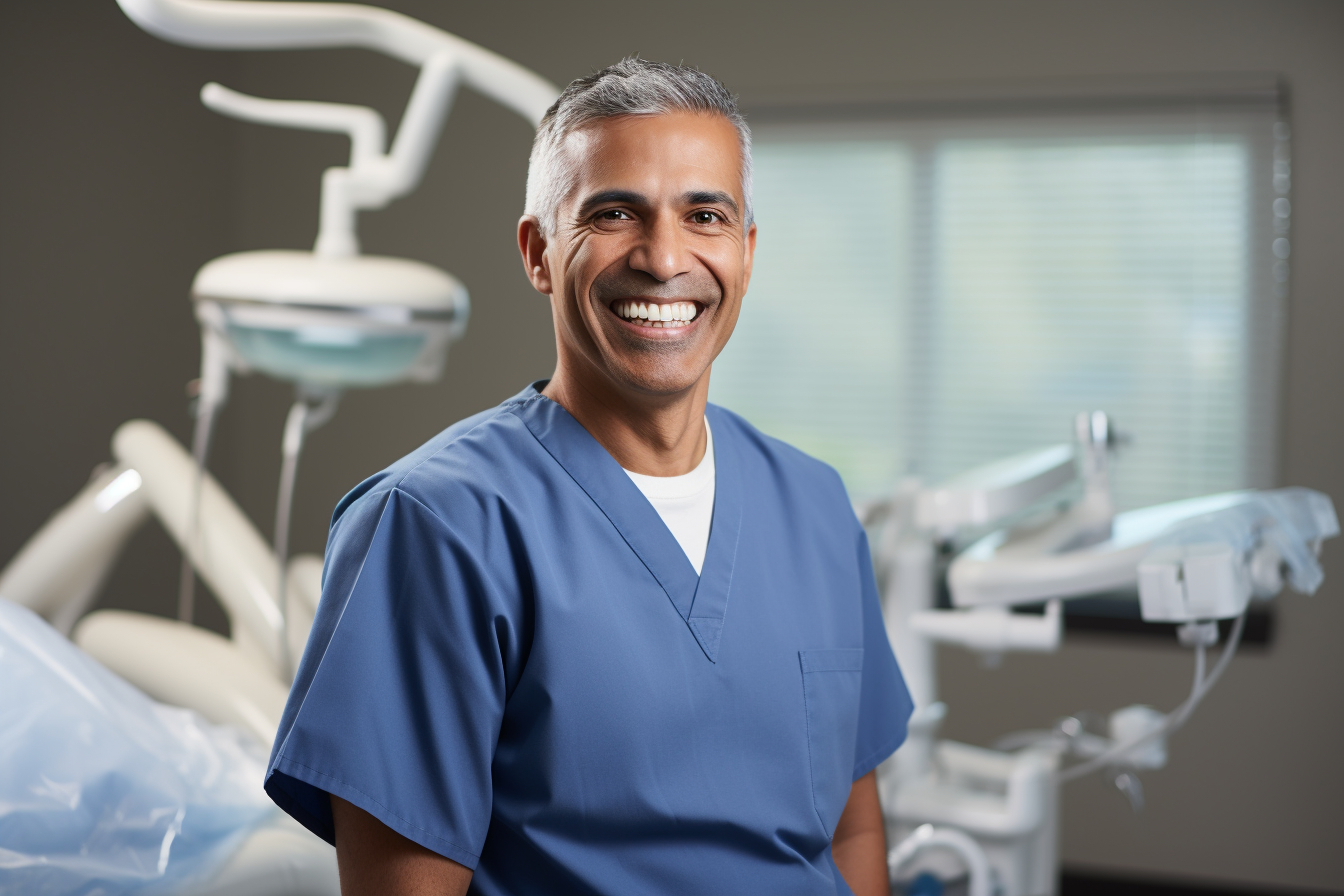
Dental services in Belize operate through a combined public and private framework. Government-run dental care is available at hospitals and clinics throughout the country, but provision is restricted to fundamental procedures and access can be unreliable outside of cities and towns. The majority of expatriates turn to private dental clinics, which offer a broader range of treatments, reduced waiting times, and fees that are generally well below those found in North America or Europe. Taking out private health insurance that includes a dental add-on is strongly advisable.
| Item | Details |
|---|---|
| System type | Mixed public–private; public dental is limited to basic procedures |
| Regulator | Ministry of Health & Wellness (health.gov.bz) |
| Number of dentists (as of 2024) | Fewer than 80 nationwide; very limited in rural districts |
| Typical private check-up cost | Generally well below equivalent costs in North America or Europe; contact individual clinics for current pricing |
| Insurance recommendation | International health insurance with dental rider strongly advised for expats |
| Emergency number | 911 (nationwide) |
How the dental care system in Belize works — public, private, or mixed?
Healthcare in Belize is delivered through both publicly funded and privately operated channels. The Ministry of Health and Wellness is the government body responsible for overseeing the entire health sector and functions as the principal provider of public health services across the country. As stated on its official website at health.gov.bz, the Ministry’s stated aim is to make quality, affordable, and comprehensive health services available to all people in Belize.
Both public and private providers make up Belize’s healthcare landscape. The public system, run by the Ministry of Health and Wellness, delivers care to citizens and legal residents at subsidised rates, but a significant proportion of residents and expats favour the private sector because of shorter waiting times and a higher overall standard of service.
Government dental services are accessible at hospitals and clinics, but coverage extends only to fundamental procedures. Many people choose private dental care instead, which covers a broader spectrum of treatments at prices that compare favourably with those in North America. This stands in contrast to certain Western European countries where state-funded dental programmes may include routine examinations, fillings, and some restorative treatments for all residents — Belize’s public dental provision is directed primarily at urgent and basic clinical needs rather than comprehensive oral healthcare.
Around 60 public health clinics exist across Belize to deliver primary medical and dental services to rural communities, but many of these face persistent challenges including insufficient staffing, inadequate funding, and shortages of both equipment and medicines. The practical reality of using public dental services therefore differs considerably from one location to another.
In recent years, the government has made efforts to strengthen health infrastructure in regional areas, organising services into four health regions — northern, central, western, and southern — that each provide primary and secondary care. Only the central region offers tertiary care services. Dental resources follow a comparable geographic pattern, with greater capacity concentrated in urban centres and district towns.
The private sector supplements public provision with certain tertiary care and diagnostic imaging services not available through government facilities. For expats, the private dental sector is almost always the realistic path to treatment beyond simple extractions or consultations at a public clinic.
How expats can find and register with a dentist in Belize
In contrast to healthcare systems in some countries where residents must formally enrol with a provider — such as registering with a GP practice in the United Kingdom, or signing up with a family health team in Canada — Belize largely operates on a direct appointment or walk-in basis. No national dental registration scheme requires expats to formally affiliate themselves with a particular dentist.
Anyone wishing to access treatment at a public healthcare facility must hold a Belize Health Information System (BHIS) card. This requirement applies equally to Belizean citizens and to expats. If you anticipate making use of public dental services, obtaining a BHIS card through the Ministry of Health and Wellness should be an early priority after you arrive in the country.
Private healthcare in Belize provides more rapid access to specialist services and a generally higher standard of clinical care. Private hospitals and clinics are concentrated primarily in larger urban areas such as Belize City and San Pedro. For expats living in well-established communities like Ambergris Caye, San Ignacio, and Placencia, private dental clinics are within reach and appointments can usually be made by telephone or in person. A large number of clinics also accept bookings via WhatsApp, which is the dominant messaging platform for appointment-making across much of the country.
Many expats observe that practitioners in Belize tend to provide a more personalised level of service, and it is not unusual to have direct WhatsApp contact with your dentist or even to receive home visits in some circumstances. This informal and attentive approach extends to dental practices in many parts of the country.
Useful ways to locate a dentist include: posting in expat Facebook communities (active groups exist for Ambergris Caye, the Cayo District, Placencia, and other areas), requesting a practitioner reference list from your home country’s embassy or consulate, and asking at the nearest regional hospital for a referral to a private dental clinic. The Ministry of Health and Wellness website remains the official source of information on public dental facilities and health regions.
Whether dental treatment is covered by public healthcare or social security in Belize
Belize operates a social security scheme rather than a universal state health insurance system. The Social Security Board (SSB) collects contributions from employees and employers, but its principal functions cover retirement pensions, maternity benefit, and sickness cash payments — not the direct funding of private medical or dental treatment.
Among current health policy developments, the government has been pursuing a National Health Insurance (NHI) programme. This initiative grew out of earlier healthcare reform work aimed at widening access to affordable, quality services. A pilot programme launched on the south side of Belize City in 2001 was subsequently extended to the southern region in 2006. A dedicated agency within the Social Security Board has been created to manage the financing and purchasing functions of the NHI fund.
The National Health Insurance programme was designed for underserved communities and covers roughly 40% of the population, though uptake is not uniform. Coverage under this scheme does not generally extend to comprehensive private dental treatment, orthodontic work, cosmetic procedures, or complex restorative dentistry. Expats should not assume that their SSB contributions will entitle them to subsidised dental care of the type they may be accustomed to from systems in Europe or elsewhere.
Public healthcare services can be accessed at nominal or no charge, whereas private healthcare typically demands direct payment or private insurance coverage. In practical terms, public dental care at hospitals and clinics is nominally open to legal residents but is restricted in scope. Routine check-ups, basic fillings, and tooth extractions may be available at low or zero cost through the public system, but orthodontics, root canal treatments, crowns, implants, and all cosmetic procedures belong exclusively to the private dental sphere and must be paid for out of pocket or through insurance.
For the most up-to-date information regarding social security entitlements, consult the Belize Social Security Board directly, as the rules governing coverage are subject to change.
What dental treatment typically costs in Belize and how payment works
The overall cost of medical and dental care in Belize sits considerably below North American levels — in the region of roughly half the equivalent cost. That said, prices vary substantially between different providers, between urban and rural locations, and in line with the complexity of the treatment involved. Clinics operating in tourist and expat-heavy areas such as Ambergris Caye or San Pedro may charge more than those in Belize City or inland communities. It is advisable to request a written cost estimate from any clinic before consenting to treatment.
As a general indication based on figures circulating among expats and market observers in 2024–2025, private dental fees in Belize are substantially lower than comparable charges in North America or Western Europe, although direct comparisons are imprecise given the scarcity of publicly available fee schedules. By way of illustration, a local dentist may charge approximately BZD $25 for a tooth extraction lasting around 30 minutes, while an orthodontic adjustment appointment might cost around BZD $150 for a 20-minute visit. These figures are indicative only and reflect conditions at the time of reporting; always verify current pricing with individual clinics before proceeding.
For broader context on cost differentials, in the United States a routine dental examination including cleaning and X-rays averages roughly USD $200, while a single dental implant can range from USD $1,600 to over USD $4,000. Belize’s private dental fees are generally well beneath these figures, which also makes the country an attractive destination for dental tourism alongside routine care. However, Belize lacks the volume of specialist provision found in larger healthcare markets, and complex or multi-phase treatments may still necessitate travel abroad.
Payment at private dental clinics in Belize is almost universally made directly and in advance, either in cash — both Belize dollars and US dollars are widely accepted — or by card where facilities permit. There is no standardised direct-billing arrangement between dental clinics and insurers, which means you will typically pay at the time of treatment and subsequently submit a claim to your insurer for reimbursement. Confirm payment arrangements with your chosen clinic ahead of your appointment and familiarise yourself with your insurer’s claims procedure beforehand.
Because specialist medical care within Belize can be relatively costly and limited in scope, many residents and expats travel to Chetumal in Mexico or to Melchor–Flores in Guatemala to access more affordable dental treatment. Cross-border dental visits are a firmly established practice in Belize, particularly for expensive or complex procedures such as implants, crowns, and orthodontic treatment.
Whether private health insurance covers dental treatment in Belize and if it is worthwhile
Given the restricted reach of quality healthcare facilities in Belize, an international health insurance policy is strongly recommended for expatriates. This is particularly pertinent for dental care, where the public system offers very limited coverage and private treatment must be funded directly.
Private health insurance policies allow expats to append additional benefits — including dental, optical, or maternity cover — to their core medical plan, ensuring broader protection for themselves and their families. Dental coverage is typically structured as an optional add-on or rider to a primary medical policy rather than being sold as a standalone product for expats in Belize.
Rather than selecting a policy on price alone, it is preferable to evaluate plans based on the breadth of benefits they offer. Identify your healthcare priorities and choose the areas of coverage that are most relevant to your circumstances — whether dental, optical, maternity, surgical, or prescription drug coverage. For dental coverage specifically, confirm whether routine examinations, X-rays, fillings, extractions, and more substantial restorative treatments such as crowns and root canals are included, and at what level of reimbursement.
Dental insurance policies commonly exclude cosmetic treatments such as whitening, veneers, and purely aesthetic work, orthodontic treatment for adults, and — critically — pre-existing dental conditions. If you have ongoing dental issues, disclose these fully when applying for cover and verify whether they are included before committing to a policy.
Some expats also opt for international insurance plans that extend coverage to treatment received abroad, which can be particularly useful if you anticipate travelling to Mexico or Guatemala for more involved procedures. Insurance providers frequently used by expats based in Belize include Cigna Global, Allianz Care, Aetna International, and April International, among others. Always examine the policy terms carefully and confirm current coverage conditions directly with your insurer, as exclusions and limits are subject to revision.
Expats are advised to secure comprehensive international health insurance prior to relocating to Belize. The policy should also incorporate cover for repatriation costs and air ambulance services, which can become essential when specialist care must be sought in another country.
The standard and quality of dental care in Belize
Belize is home to a number of well-regarded private dental clinics offering competent care at reasonable prices, which has contributed to the country’s growing appeal as a destination for medical tourism. In urban centres and popular expat communities, private dental clinics are generally well-equipped for routine and intermediate dental work, and the standard of care receives broadly positive feedback from expats who use these services regularly.
Dentists practising in Belize typically receive their training in Cuba, Jamaica, Guatemala, or Mexico. The country does not yet have its own domestic dental school operating at degree level, although a new training programme has been established. As of 2024, fewer than 80 dentists practise nationwide, with only two working in the Toledo District. This scarcity means that in rural and more remote parts of the country, even basic dental services can be difficult to reach.
The quality of healthcare provision varies considerably across Belize. Each town and village has clinics with different practitioners and varying levels of equipment and infrastructure. The best-resourced facilities are found in Belize City, Belmopan, San Pedro on Ambergris Caye, and San Ignacio. Expats residing in rural parts of Toledo, Stann Creek, or Orange Walk districts need to plan ahead for dental care, as local options may be scarce.
Certain dentists — particularly those based in Belize City — have developed specialisations in areas such as orthodontics and cosmetic dentistry, including teeth whitening and braces. For more advanced specialist treatments — implantology, oral surgery, endodontics, or prosthodontics — options within Belize are limited, and many expats find it more practical to travel to Mexico or Guatemala for such procedures.
While dental care in Belize is attractively priced, some residents and expats nevertheless seek more complex treatment abroad. This is a well-understood aspect of life in a small Central American country. For routine dental maintenance and intermediate treatments, the quality at established private clinics is generally regarded as satisfactory, and the personalised care often surpasses expectations.
Language and practical considerations for expats visiting a dentist in Belize
One of the most notable advantages Belize offers as an expat destination is that English functions as the country’s official language. Belizean doctors and dentists tend to be highly trained professionals fluent in both English and Spanish, which makes communication straightforward for most English-speaking patients. At the great majority of private dental clinics — and particularly in areas frequented by expats — consultations, consent documentation, and clinical explanations are conducted in English.
In more rural communities, certain clinic staff may be more comfortable conversing in Spanish or local Creole, and in areas close to the Guatemalan or Mexican border, Spanish is often the primary working language. If you are not proficient in Spanish, it is worth confirming in advance that English-speaking staff will be on hand at any clinic you plan to visit outside Belize City or the principal tourist centres.
There are a number of practical points worth keeping in mind. Dental clinics in Belize vary in how rigorously they document treatment plans. At reputable private clinics, you should expect to receive a written treatment plan and a cost estimate before work commences. Do not hesitate to request these in writing — this is standard practice in most healthcare contexts and safeguards both the patient and the provider. If you are undergoing complex treatment, asking for copies of your X-rays and a written summary of your dental history is sensible, as it will assist any subsequent dentist — whether in Belize or abroad — in understanding your clinical background.
Retirees and expats generally prefer using private practices for the combination of modern facilities and prompt service, and it is therefore common for expats to maintain private medical insurance. Arriving at an appointment with your insurance documents in order and a clear understanding of how reimbursement claims work will make the entire process considerably smoother.
What expats should do in a dental emergency in Belize
If you experience a dental emergency — whether a severe toothache, a fractured tooth, a dental abscess, or significant facial swelling — your first course of action should be to contact a private dental clinic directly. In expat communities, many clinics are able to accommodate urgent appointments at short notice, and as already noted, messaging a dentist via WhatsApp is a common and efficient way to get prompt advice and to arrange same-day care.
Emergency treatment is technically available at public hospitals and clinics, but ambulance services in Belize have limitations and response times can be unpredictable, especially in remote locations. For any emergency in Belize, the national emergency number is 911. However, hospital emergency departments are set up primarily to deal with medical emergencies rather than dental ones; specialist dental intervention is unlikely to be available through an A&E setting, although pain relief and basic procedures such as abscess drainage can generally be managed there.
Karl Heusner Memorial Hospital serves as both a regional facility and the country’s national referral centre, while seven district hospitals provide additional coverage across the country. If you are located in Belize City, Karl Heusner Memorial Hospital is the principal public facility and provides the widest range of emergency services in the nation. The Western Regional Hospital in Belmopan also operates a dental clinic.
In certain circumstances, patients may require transfer to Mexico or the United States to access higher-level care. For a serious dental emergency requiring oral surgery, maxillofacial treatment, or hospitalisation, evacuation to Chetumal in Mexico or another regional medical centre may become necessary. This makes it all the more important to hold travel and medical insurance that covers emergency dental treatment and, where applicable, medical evacuation.
Public and private healthcare provision in Belize should therefore be complemented by international health insurance that includes medical airlift and overseas evacuation cover. In a genuine dental emergency that poses a risk to life — such as an oral infection spreading to adjacent tissues — do not delay in attending hospital and contact your insurer’s emergency helpline without hesitation.
Costs for emergency dental treatment at private clinics will vary considerably depending on the procedure and the provider. Where possible, always ask for a cost estimate before treatment begins, and retain all receipts and clinical records for insurance reimbursement purposes.
How to access dental care in Belize as an expat — step by step
- Obtain your BHIS card. Register with the Ministry of Health and Wellness to receive your Belize Health Information System card. This is required for access to any public health facility, including public dental clinics. Visit your nearest regional health centre or hospital to register.
- Arrange international health insurance with dental cover. Before or shortly after arriving, take out a comprehensive international health insurance policy that includes dental treatment as a rider. Confirm the claims process — most Belize clinics will require upfront payment with reimbursement from your insurer afterwards.
- Locate a private dental clinic. Ask in local expat groups, check with your nearest embassy or consulate for referrals, or ask at your regional hospital for recommended private dental practitioners in your area. In major centres, walk-in consultations are often possible.
- Book an initial check-up and assessment. At your first appointment, ask the dentist to carry out a full assessment, take baseline X-rays, and provide you with a written treatment plan and cost estimate for any work required.
- Keep records of all treatment. Request copies of X-rays and a summary of any procedures performed. This is especially important if you travel between countries or plan to seek follow-up treatment elsewhere.
- Plan ahead for specialist treatment. If you require orthodontics, implants, or complex restorative work, discuss with your dentist whether this can be managed in Belize or whether referral to a neighbouring country — typically Mexico or Guatemala — would provide better access or value.
- Know your emergency contacts. Save the number of a trusted local dental clinic, the nearest hospital emergency department, and your insurer’s 24-hour emergency line. For all emergencies in Belize, the national emergency number is 911.
Frequently asked questions: dental care in Belize
Is dental care free in Belize?
Government dental services are nominally available at low or no cost to legal residents at public hospitals and clinics, but the range of treatments offered is limited and resources are constrained. Routine examinations, basic fillings, and extractions may be accessible through the public system, but most expats will make use of private dental clinics, where fees are paid directly or through insurance. Cosmetic work, orthodontics, and complex restorative procedures are available only through private providers.
Do I need to register with a dentist in Belize?
No formal dental registration system exists in Belize. To use public health facilities, you will need a BHIS (Belize Health Information System) card, obtainable through the Ministry of Health and Wellness. For private dental clinics, all that is required is contacting the clinic to arrange an appointment — there is no prior enrolment process.
How much does a dental check-up cost in Belize?
Private dental fees in Belize are generally well below comparable charges in North America or Western Europe. Exact costs depend on the clinic, the location, and the treating dentist, and pricing changes over time. Always contact individual clinics directly for current fee information and ask for a written estimate before any treatment takes place. The Ministry of Health and Wellness website at health.gov.bz can help you identify public facilities where costs may be lower.
Are there English-speaking dentists in Belize?
Yes. English is Belize’s official language, and the majority of dentists at private clinics — especially in Belize City, San Pedro, Belmopan, and San Ignacio — are fully fluent in English. In rural areas and towns close to the Guatemalan or Mexican border, Spanish tends to be more widely spoken at clinics, so it is worth enquiring about language availability in advance if this matters to you.
Does Belize’s Social Security Board cover dental treatment?
The Belize Social Security Board is primarily concerned with cash-based benefits — retirement pensions, sickness allowance, and maternity support — rather than with funding the cost of dental or medical treatment. Comprehensive dental coverage through SSB contributions is not available to most residents. Expats should not depend on their social security contributions to cover dental expenses and should instead arrange appropriate private insurance.
Can I use my international health insurance at a dentist in Belize?
Many private clinics in Belize will accept patients covered by international health insurance policies with dental riders, but direct billing between clinics and insurers is not widely established. In most situations, you will pay the clinic at the time of treatment and then submit a claim to your insurer for reimbursement. Bring your insurance documentation to every appointment, verify your dental coverage before treatment begins, and retain all receipts and treatment records for claims purposes.
What should I do if I need complex dental work — such as implants or orthodontics — in Belize?
Although some dentists in Belize City and other urban centres provide orthodontic and cosmetic dental services, complex multi-stage procedures such as full implant treatment or extensive restorative work can be limited in availability and quality away from the main centres. Many expats travel to Chetumal in Mexico or to Guatemala City for such procedures, where specialist facilities are more developed and costs can remain competitive. Speak with a trusted local dentist first and request a referral if your treatment needs exceed what is available locally.
What happens if I have a dental emergency in a rural part of Belize?
If you are in a rural area, your immediate options will be restricted. Contact the nearest health post or health centre for initial assessment and pain management. For anything more serious, you may need to travel to the nearest district or regional hospital. In any situation that threatens your life — such as a rapidly spreading oral infection — call 911 without delay and contact your insurer’s emergency line to arrange evacuation if necessary. This underlines why medical evacuation coverage is widely considered essential for expats living outside Belize’s main urban centres.
Latest: Expat Focus International Healthcare Update August 2026 →