
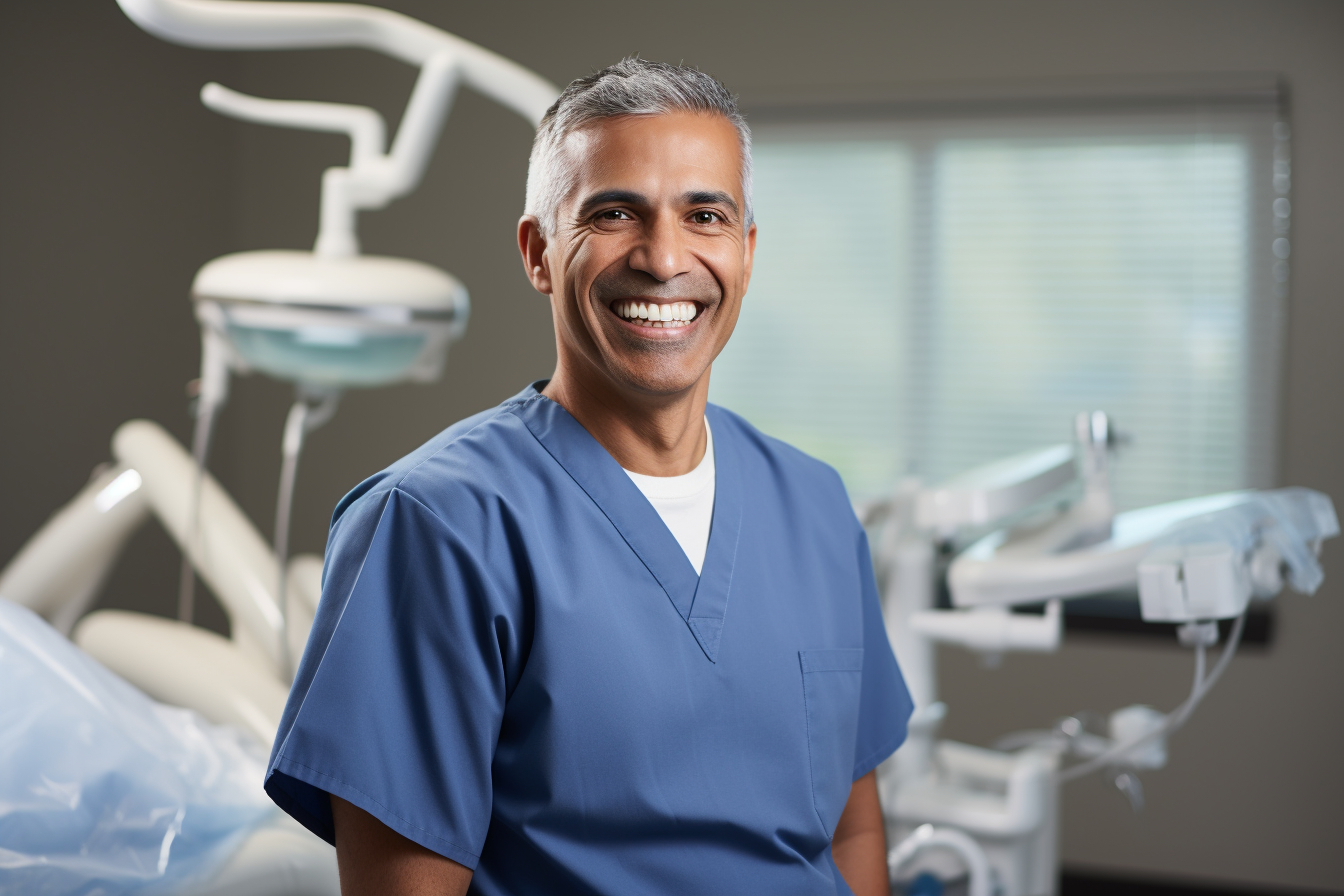
South Korea operates a hybrid dental care model: the National Health Insurance Service (NHIS) delivers partial, subsidised coverage for clinically necessary dental procedures, while cosmetic and elective work falls entirely outside public funding. Foreign residents who remain in the country for more than six months are generally obliged to join the NHIS and, once enrolled, enjoy the same dental entitlements as Korean nationals — although patient co-payments still apply to most covered treatments.
| Item | Details |
|---|---|
| Public health insurer | National Health Insurance Service (NHIS) |
| Expat NHIS eligibility | Mandatory enrolment for residents staying 6+ months (as of 2025) |
| NHIS dental co-payment | 30–50% of the cost of covered procedures (as of 2025) |
| NHIS-covered dental procedures | Extractions, fillings, root canals, periodontal treatment, routine check-ups; expanded cover for dentures and implants for those aged 65+ (as of 2025) |
| Typical implant cost (private, self-pay) | Approx. USD $1,000–$2,500 per implant (as of 2025); check current clinic pricing |
| Key official resource | NHIS English website (nhis.or.kr) |
How does the dental care system work in South Korea — is it public, private, or mixed?
The National Health Insurance Service (NHIS) serves as South Korea’s universal public healthcare framework — a single-payer structure through which virtually all citizens receive medical coverage. Dental care is incorporated within this wider system, though with notable constraints: a substantial number of dental procedures fall outside NHIS coverage entirely, and even those that qualify still require the patient to contribute a co-payment.
South Korea has maintained universal health coverage for more than three decades; however, the scope of dental benefits remains constrained. Public insurance with dental components addresses conditions such as tooth decay and gum disease, with patients typically bearing 30–50% of the treatment cost themselves, and the range of covered services being relatively limited. In practice, the NHIS functions as a foundation of essential dental protection rather than an all-inclusive dental plan.
This arrangement differs meaningfully from systems in which all dental treatment is wholly state-funded. Unlike the NHS in the United Kingdom — which provides a tiered schedule of subsidised dental care delivered through contracted NHS practitioners — South Korea’s NHIS restricts coverage to medically necessary procedures, leaving cosmetic and elective work entirely beyond the reach of public funding. The structure bears greater resemblance to Australia’s Medicare system, which similarly excludes most routine dental care from public cover and expects residents to rely on private insurance or direct payment for dental services.
NHIS funding is drawn from contributions made jointly by employees and employers, supplemented by government subsidies. Dental clinics throughout the country operate predominantly as private enterprises, yet the overwhelming majority are accredited to process NHIS billing for eligible treatments — meaning residents receive subsidised care at private clinics rather than through a dedicated network of publicly run dental practices.
How do expats find and register with a dentist in South Korea?
South Korea does not operate a dentist or GP registration model of the kind seen in several European countries. There is no requirement to formally enrol with a single dental practice. Instead, you are free to walk into any NHIS-accredited dental clinic and receive care as a patient, provided you bring your Alien Registration Card (ARC) and NHIS card.
To obtain healthcare, residents may attend hospitals, clinics, and pharmacies throughout the country. The majority of hospitals operate online appointment booking systems, and many provide translation support for foreign patients. Arranging an appointment is typically uncomplicated, and availability within the same week — or even the same day — is common at smaller clinics, particularly outside of Seoul.
Most clinics in Seoul — particularly in Gangnam, Hongdae, and Itaewon — accept NHIS and have experience treating international patients. These neighbourhoods are well-established expat hubs where English-speaking dental staff are relatively easy to locate. In other major cities such as Busan, Incheon, and Daejeon, English-friendly clinics exist but may demand a bit more effort to identify.
Useful resources for locating a dental practice include expat community groups on platforms such as Facebook (search for groups specific to your city), embassy referral lists, and the NHIS English-language website, which provides information on registered clinics and coverage entitlements. The Korean Dental Association is the national professional body and can be used to verify a dentist’s credentials. Many expats also rely on Naver Map or Kakao Map — both of which offer English interfaces — to search for nearby dental clinics and browse patient reviews.
When attending a dental clinic in South Korea, present your NHIS card or provide your resident registration number (or ARC if you are a foreigner). Before any treatment begins, ask whether it is covered by NHIS — the phrase 보험 적용돼요? means “Is this covered by insurance?” — and clinic staff will clarify your out-of-pocket share and any applicable NHIS discounts.
Is dental treatment covered by public healthcare or social security in South Korea?
For foreign nationals, participation in the NHIS is compulsory if you intend to reside in the country for more than six months. Once enrolled, a foreign resident holding an Alien Registration Card (ARC) is entitled to the same dental benefits as Korean nationals. This represents a meaningful advantage for long-term expats compared with countries where non-citizens may be excluded from public health entitlements altogether.
The NHIS provides partial coverage for clinically necessary dental procedures — not cosmetic treatments. Procedures typically included are tooth extractions, cavity fillings, root canal therapy, and periodontal (gum) treatment. Preventive care for children — specifically molar sealants for those aged 6 to 14 — is also incorporated. Older patients benefit from extended provisions: dentures and dental implants for patients aged 65 and over are partially covered, subject to certain conditions. Routine dental check-ups at hospitals or dental clinics are likewise included.
Cosmetic procedures such as veneers, tooth whitening, orthodontic treatment, and aesthetic crowns lie entirely outside NHIS coverage. This is a critical distinction for expats planning their dental care, as orthodontic work — whether conventional braces or aligners — is a common and potentially substantial expense that must be funded entirely by the patient.
Even for procedures that do qualify for NHIS coverage, a co-payment is still due — typically between 30% and 50% of the total cost depending on the procedure. This structure is broadly comparable to many European co-payment systems, such as those found in France or Germany, where public insurance funds a portion of the cost and the patient is responsible for the remainder.
Dental prosthetics — including partial or full dentures and dental implants — are covered for older adults under the NHIS scheme, with a 50–70% reduction in out-of-pocket costs for all individuals aged 65 and over, regardless of financial circumstances. Younger adults should expect partial coverage for routine restorative and preventive care, while any significant prosthetic or aesthetic treatment will be predominantly self-funded.
Always confirm your current entitlements and premium status directly with the NHIS, as coverage rules and co-payment rates are subject to periodic revision. If you receive medical coverage equivalent to NHIS benefits through foreign legislation, foreign insurance, or a contractual arrangement with your employer, you may apply to be exempted from mandatory NHIS subscription.
What does dental treatment typically cost in South Korea, and how is it paid for?
South Korea is widely recognised as a destination for high-quality dental care at competitive prices. Treatment costs vary according to the clinic, its location, the materials employed, and whether NHIS coverage applies. All figures provided below are approximate estimates and should be confirmed with individual clinics directly, as prices are subject to change.
| Procedure | Approximate cost (USD) |
|---|---|
| Routine check-up, cleaning and X-rays | $70–$200 |
| Professional scaling/cleaning (NHIS-subsidised for adults once per year) | ₩50,000–₩150,000 (approx. $40–$110) |
| Cavity filling (after NHIS co-pay) | ₩20,000–₩60,000 per tooth (approx. $15–$45) |
| Root canal treatment | $100–$300 (NHIS-subsidised); $300–$700 at private rates |
| Dental crown | $200–$500 per crown |
| Single dental implant (private, full cost) | $1,000–$2,500 per implant |
| Porcelain/zirconia veneers | $350–$650 per tooth |
General dentistry in South Korea is notably affordable by international standards. A routine check-up, cleaning, and X-rays typically falls in the range of $70 to $200 USD (as of 2025). Initial consultation fees are frequently free or below ₩50,000. Dental X-rays are generally bundled into consultations, though 3D CT scans may carry an additional charge. Professional scaling and cleaning usually costs between ₩50,000 and ₩150,000, depending on the degree of plaque build-up and the individual clinic.
Root canal therapy is priced at approximately $100 to $300 per tooth depending on the tooth’s position and complexity, while dental crowns — used to restore structurally compromised teeth — range from $200 to $500 per crown at private rates (as of 2024). Where root canal treatment is covered by NHIS, your out-of-pocket share will be reduced — confirm this with your clinic before proceeding.
The cost of a single dental implant in South Korea ranges from $1,000 to $2,500 USD, which compares very favourably with many Western countries where the same procedure can exceed $4,000 USD (as of 2025). Final pricing depends on the implant brand selected, whether bone grafting is needed, and the clinic’s location and standing.
With regard to payment, dental clinics and specialist practices typically expect settlement at the time of treatment, though some may accommodate direct billing arrangements with certain international insurers by prior agreement. For NHIS-enrolled residents, the applicable co-payment is settled at the clinic following treatment. Keeping itemised receipts is advisable for any potential reimbursement claims or insurance submissions.
Always request a written, itemised treatment plan before any procedure commences, and clarify explicitly whether each component is NHIS-covered or falls under private billing (비급여). It is prudent to ask about any additional costs — including initial consultations, diagnostic imaging, prescribed medications, or follow-up appointments — that may not be included in the initial estimate.
Does private health insurance cover dental treatment in South Korea, and is it worth getting?
Given that NHIS co-payments can still accumulate to considerable sums, many long-term expats choose to take out private health insurance to cover the gap left by public funding — particularly for dental work, vision care, and non-covered prescription medications. Private dental cover therefore tends to complement the NHIS rather than replace it entirely.
Private insurance can extend protection to services that fall outside or only partially within NHIS entitlements, such as dental implants, cosmetic procedures, or selected alternative therapies. For expats who anticipate requiring orthodontic treatment, veneers, or premium implant work, a private plan with a dental rider is likely to represent good value.
Foreign residents seeking broader dental protection — particularly for cosmetic or orthodontic care — can add private dental insurance to their coverage. International insurers offering Korea-compatible plans include providers such as AXA, with plans that can extend to aesthetic crowns, tooth whitening, or orthodontics not covered by NHIS. Always confirm whether a given provider has direct billing arrangements with Korean clinics, or whether you will be required to pay upfront and submit claims for reimbursement.
Korean dental clinics rarely accept overseas insurance directly. In most cases, you will pay at the point of treatment and subsequently submit receipts to your insurer. Some internationally oriented clinics will assist you in compiling the necessary documentation — such as itemised invoices and treatment summaries — though direct billing to a foreign insurer remains the exception rather than the rule.
Private plans frequently carry waiting periods of 30 to 90 days for pre-existing conditions. A common oversight is assuming such conditions are covered from day one. Reading the policy terms carefully is essential. Typical exclusions also include cosmetic procedures, teeth whitening, and any treatment classified as elective. Verify current policy terms directly with the insurer before committing, as exclusions and benefit caps differ considerably between plans.
If you are employed in South Korea, check whether your employer provides group health insurance incorporating a dental component, as many multinational companies and larger Korean firms include supplementary private coverage as part of their employee benefits package. The NHIS website also outlines the exemption process for those who hold qualifying foreign insurance.
What is the standard and quality of dental care like in South Korea?
South Korea is broadly regarded as one of the most advanced dental markets in the world. The Korean dental industry is a global leader in innovation, with more than 18,000 dental clinics operating nationwide — 5,700 of these in Seoul alone — producing an exceptionally high density of dental expertise. This competitive landscape tends to drive both quality standards and pricing transparency.
South Korean dentists are highly qualified, frequently holding degrees from prestigious universities. Dental clinics in the country are known for their rigorous standards, and many practitioners have undertaken training both domestically and abroad, ensuring familiarity with the latest clinical techniques and technologies. The Korean Dental Association (한국치과의사협회) is the professional and regulatory body responsible for overseeing dentist registration and practice standards.
Korean dental education is exceptionally demanding, requiring a minimum of six years of university-level dental study, a mandatory three-year specialist residency for implantologists, and ongoing continuing education of more than 200 hours annually. Many leading practitioners hold international certifications and have contributed to peer-reviewed research.
Korean dental clinics adhere to rigorous sterilisation protocols and routinely employ digital X-ray systems, 3D CT scanning, CAD/CAM technology, and guided implant surgery. Same-day crown fabrication via in-house milling equipment is increasingly prevalent, reducing the total number of clinic visits required for certain restorations.
In terms of geographic variation, Seoul — and Gangnam in particular — hosts the highest concentration of internationally oriented clinics with English-speaking staff. Major cities including Busan, Daegu, and Incheon also have well-equipped dental facilities, though consistent English-language support may be harder to find. In smaller cities and rural areas, dental services are generally available and of good quality, though identifying English-speaking practitioners will require more deliberate searching. Major hospitals in Seoul and Busan now offer comprehensive English assistance, and dedicated international patient services are provided at Seoul National University Hospital’s International Healthcare Centre and Asan Medical Centre’s foreign patient floor.
Are there language or practical barriers expats should be aware of when seeing a dentist in South Korea?
Certain treatments are partially covered by NHIS while others carry no subsidy at all, and pricing transparency can vary between clinics. Language differences and assumptions about insurance can also introduce confusion. Being prepared for these challenges in advance can make navigating dental care in South Korea considerably more straightforward.
The main practical hurdle for many expats is communication. While English is increasingly spoken at dental clinics in major urban centres — particularly those in neighbourhoods with large expat populations — it cannot be taken for granted at every practice. Consent forms, treatment plans, and invoices are typically produced in Korean, though internationally oriented clinics will generally provide English translations or bilingual staff to assist with explanations.
Two phrases worth learning before any dental appointment are 보험 적용돼요? (boheom jeok-yong dwaeyo?) — meaning “Is this covered by insurance?” — and 비급여 (bi-geumyeo), meaning “not covered by insurance.” Always establish which materials or treatment options fall under NHIS coverage before proceeding, as seemingly minor choices — such as opting for a ceramic rather than composite filling — can have a significant impact on your final bill.
Culturally, South Korean dental clinics tend to operate efficiently and with a direct approach to treatment recommendations. It is standard practice to discuss multiple treatment pathways simultaneously, and clinics will often present NHIS-covered and privately funded options side by side during the same consultation. Treatments that lie outside NHIS coverage will be billed entirely to the patient, and clinics will typically itemise both NHIS and private pricing during the initial discussion.
Most clinics have websites enabling patients to book appointments online, and many offer interpretation support for foreign patients. Bringing a Korean-speaking friend or colleague to your first appointment can be particularly helpful at practices without dedicated English support. A number of expat-focused apps and community platforms also maintain up-to-date directories of English-friendly dental clinics organised by city.
What should expats do in a dental emergency in South Korea?
South Korea has a well-established emergency healthcare infrastructure, and dental emergencies can generally be attended to promptly — especially in urban settings. Knowing in advance where to go and what to expect is the most effective preparation for an unexpected dental situation.
- Call 119 for medical emergencies. The emergency services number in South Korea is 119. Operators can assist in Korean and, in major cities, increasingly in English or through interpretation services. This line is most appropriate for serious swelling, physical trauma to the mouth or jaw, or suspected infections that may be spreading to the face or neck.
- Visit a private dental clinic during opening hours. For sharp dental pain, a fractured tooth, or a displaced filling, most private dental clinics across South Korea are able to accommodate urgent or same-day appointments. A number of clinics operate on both weekdays and weekends, making timely access to urgent dental care available to residents and visitors alike.
- Use a hospital emergency department for out-of-hours emergencies. Major general hospitals with dental departments — including Seoul National University Hospital, Severance Hospital (Yonsei), and Asan Medical Centre — are able to provide emergency dental treatment outside standard clinic hours. Bring your ARC and NHIS card to access subsidised treatment where it applies.
- Understand the costs involved. Emergency dental treatment at private clinics can range from ₩100,000 for a straightforward consultation to ₩500,000 or more for procedures, with upfront payment typically required before any insurance reimbursement is processed. NHIS-enrolled residents will pay the applicable co-payments on covered emergency treatments; uninsured visitors will be charged full private rates.
- Contact your insurer. If you hold private health insurance or international coverage, notify your insurer promptly and retain all itemised receipts. Travel or international insurance policies covering dental emergencies abroad will generally reimburse treatment costs, though most still require you to settle the bill first and recover expenses through a subsequent claim.
If you are located in a rural area or a smaller city where an emergency dental service is not readily accessible, the NHIS operates a general health information helpline. The NHIS English website provides contact information and guidance for foreign residents navigating the healthcare system.
Frequently asked questions about dental treatment in South Korea
Do I have to enrol in the NHIS as an expat, and does this include dental coverage?
If you are a foreign national residing in South Korea for more than six months, you are eligible — and in most circumstances required — to enrol in the NHIS. Upon enrolment, you receive the same healthcare entitlements as Korean nationals, including limited dental coverage. Registration is typically handled through your employer if you are in salaried employment, or directly at your nearest NHIS branch office if you are self-employed or outside formal employment arrangements.
Are orthodontic treatments like braces or Invisalign covered by the NHIS?
Cosmetic procedures including veneers, tooth whitening, orthodontics, and aesthetic crowns are excluded from NHIS coverage. Orthodontic treatment is classified as elective and must be financed privately. South Korea does, however, offer notably competitive pricing for orthodontic work relative to many other countries, making it worthwhile to obtain a clinic quote even where you will be paying out of pocket.
How do I find an English-speaking dentist in South Korea?
The most effective approach is to tap into expat networks in your city — Facebook groups, Naver Café expat forums, and mapping apps such as Kakao Map frequently carry recommendations. Most clinics in Seoul — particularly in Gangnam, Hongdae, and Itaewon — accept NHIS and are accustomed to treating international patients. Looking for clinics that explicitly advertise services for international patients, or that list English-speaking staff on their websites, is a reliable starting point.
Can I use my existing international health insurance at Korean dental clinics?
Korean dental clinics rarely accept overseas insurance directly. In the majority of cases, you will pay at the clinic and subsequently submit receipts to your insurer for reimbursement. Travel or international dental insurance may cover dental emergencies that arise while abroad. Some internationally oriented clinics will assist in preparing the paperwork required to support your claim, but direct billing to a foreign insurer should not be assumed. Always confirm the reimbursement procedure with your insurer before treatment commences.
How much does a dental implant cost in South Korea, and is any of it covered by NHIS?
The cost of a single dental implant in South Korea ranges from $1,000 to $2,500 USD at private rates (as of 2025). Partial NHIS coverage for dentures and dental implants is available for patients aged 65 and over, subject to certain conditions. For patients under 65, dental implants fall outside NHIS coverage and must be paid for privately. Always verify the current NHIS policy directly, as eligibility criteria and coverage thresholds are periodically updated.
What happens if I miss NHIS premium payments — does my dental coverage stop?
Access to healthcare benefits at medical institutions is suspended from the first day of the month following the payment deadline until outstanding contributions are settled in full. In practical terms, if your NHIS premiums fall into arrears, you lose access to subsidised care — including dental treatment — until the balance is cleared. Setting up automatic payments is strongly advisable to prevent any lapse in coverage.
Is dental care of the same quality outside Seoul?
The overall standard of dental care is high throughout South Korea, though the greatest concentration of internationally oriented, English-speaking clinics is found in Seoul and other large cities such as Busan and Incheon. With more than 18,000 dental clinics operating nationwide, access to dental services is generally good even beyond major urban centres. That said, consistent English-language support and the availability of specialist services — such as orthodontists, implantologists, or oral surgeons — may be more limited in smaller cities and rural locations.
Where can I find official information about NHIS dental coverage and my entitlements?
The primary official resource is the NHIS English-language website, which covers eligibility requirements, enrolment procedures, coverage details, and contact information for local offices. The Korean Dental Association is the national regulatory body for the dental profession and can be used to verify a practitioner’s credentials. The Ministry of Health and Welfare (mohw.go.kr) publishes broader health policy information, including updates to insurance coverage thresholds. Always consult these sources directly for the most current information, as fees, co-payment rates, and eligibility rules are revised periodically.
Latest: Expat Focus International Healthcare Update August 2026 →