
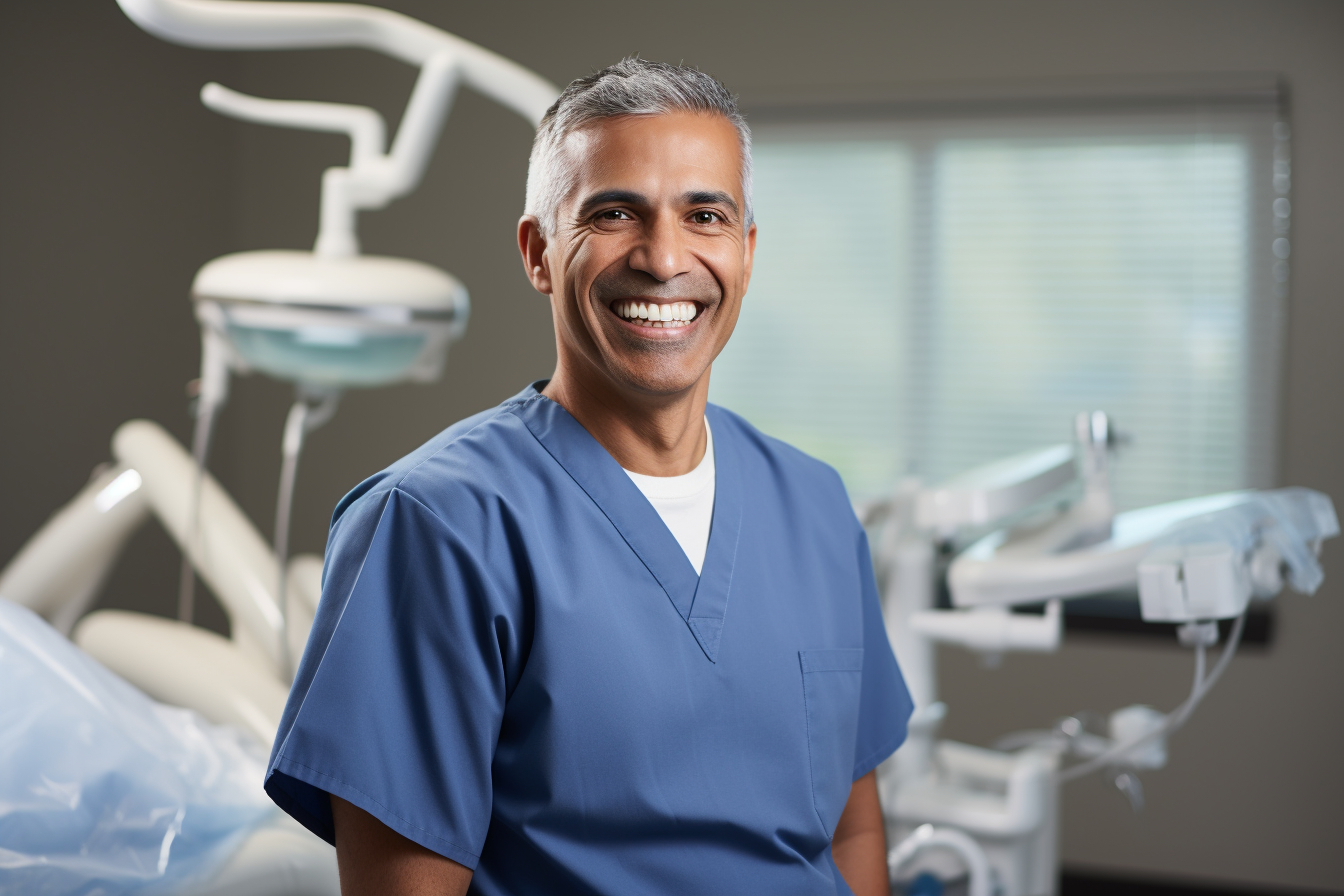
Dental care in the United States is driven almost entirely by private market forces. There is no universal national dental programme — routine treatment is not automatically provided or subsidised by the government for the majority of working-age adults. Most people depend on private dental insurance, frequently obtained through an employer, and shoulder considerable out-of-pocket costs. For anyone relocating to the US, gaining a clear picture of how this system works before you land is genuinely important.
| Item | Details |
|---|---|
| System type | Predominantly private; limited public coverage through Medicaid and CHIP |
| Routine check-up & cleaning (average cost) | Approx. $203 (as of 2024, without insurance) |
| Single tooth implant (full, average cost) | $3,000–$6,000 (as of 2025) |
| Private dental insurance (typical monthly premium) | From approx. $15–$100/month (as of 2025) |
| Medicare dental cover | Routine dental care not covered under Original Medicare (Parts A & B) |
| Key regulatory body | American Dental Association (ADA); state dental boards |
How does the dental care system work in the United States — is it public, private, or mixed?
The dental care landscape in the United States is overwhelmingly private in nature. In contrast to nations that provide publicly subsidised dental treatment through a national health service, the US has no single federal dental programme extending to the general adult population. The vast majority of dental practices are independently or corporately owned, and patients cover their costs either directly from their own funds or via private insurance.
Out-of-pocket spending represents the largest portion of total dental expenditure in the country, with private insurance accounting for most of the remainder. In practical terms, this means that for most adults living in the US — including expats who have just arrived — dental costs rest squarely with the individual, unless appropriate insurance is already in place.
Two government programmes have limited dental involvement: Medicaid, which serves low-income individuals and families, and Medicare, which primarily covers those aged 65 and above or people with certain qualifying disabilities. Neither programme delivers comprehensive routine dental care to most adults. Under the Social Security Act, dental care is categorised as an “optional benefit” for adults, leaving individual states to determine the scope — or absence — of provision.
Among children aged 0–18, 53% hold private dental benefits and 38% receive dental benefits through Medicaid or the Children’s Health Insurance Program (CHIP). Among adults aged 19–64, 62% have private dental benefits, 16% are covered by public dental benefits, and 22% have no dental benefits whatsoever. Expats arriving without employer-sponsored insurance will typically find themselves in that uninsured group unless they arrange their own coverage independently.
The American Dental Association (ADA) serves as the principal professional and advocacy organisation for US dentistry, and its Health Policy Institute publishes comprehensive data on dental access and expenditure. Licensing and regulation of individual practitioners is handled by each state’s own dental board.
How do expats find and register with a dentist in the United States?
One aspect of the US dental system that many newcomers find reassuring is the absence of a formal registration requirement. Unlike some national health systems where patients must be assigned to or enrolled with a specific public dentist, in the US you simply contact a practice of your choosing and arrange an appointment. Dental care operates on an open-access basis — you select a provider and book in.
The most practical ways to locate a dentist include:
- Consulting your dental insurance plan’s provider directory, if you have coverage — this should always be your starting point, since visiting an in-network dentist dramatically reduces what you pay out of pocket
- Using the ADA’s Find-a-Dentist tool, which lets you search by location and specialty
- Visiting the HRSA Health Center Finder, a resource from the US Department of Health and Human Services that helps identify federally qualified community health centres offering reduced-cost care
- Asking your employer’s HR department, which often maintains a list of preferred providers tied to your benefits plan
- Reaching out through expat networks, local Facebook groups, or neighbourhood platforms such as Nextdoor, where personal recommendations are frequently exchanged
When you telephone a new dental practice, you will almost certainly be asked whether you have dental insurance and, if so, which plan you hold. This matters because practices maintain in-network agreements with certain insurers but not others. Always confirm network status before scheduling your appointment — attending an out-of-network dentist can result in considerably higher charges. First-time appointments typically include a full examination and X-rays.
Lower-cost dental care is available in many communities. Dental school clinics, community health centres, religious organisations, and local public health departments can all be worth exploring. Dental schools in particular represent excellent value — procedures are carried out by supervised students at substantially discounted rates compared with private practices.
Is dental treatment covered by public healthcare or social security in the United States?
For the majority of working-age expats, paying US taxes or contributing to social security does not automatically entitle you to subsidised dental treatment. Public dental provision does exist through Medicaid and Medicare, but whether you can access it depends on your income level, age, immigration status, and — crucially — the state you live in.
Medicaid is a joint federal and state programme designed for low-income individuals and families. Dental benefits for children are mandatory through the Children’s Health Insurance Program (CHIP), but whether adults receive dental coverage under Medicaid is entirely at each state’s discretion. While most states offer at least some adult dental coverage, the scope ranges from emergency-only provision in some states to limited non-emergency treatment in others, and extensive coverage in a smaller number. As of 2025, Alabama was the one state that offered no adult dental benefits at all, except for pregnant or postpartum enrollees.
According to a nationwide CareQuest survey, as of 2024 the Medicaid programmes of only 11 states and Washington, DC provided “extensive” adult dental benefits — including Alaska, Iowa, Maine, Minnesota, Montana, Nebraska, New Jersey, Oregon, Tennessee, West Virginia, Wisconsin, and Washington, DC. Expats who believe they may qualify for Medicaid should contact their state’s Medicaid office directly for up-to-date details, since entitlements differ markedly from one state to the next.
Medicare — primarily for people aged 65 and over — provides very limited dental cover. Original Medicare (Parts A and B) does not include routine dental services such as examinations, cleanings, or fillings. It will only contribute to dental treatment when it forms a medically necessary component of another covered procedure, such as certain jaw operations or organ transplant preparation. Most Medicare Advantage (Part C) plans do incorporate some dental benefits, though the extent of that cover varies from plan to plan.
A 2024 brief from the American Dental Association notes that “in addition to limited dental benefits coverage, access to care is also hindered by low dentist participation” in Medicaid. In other words, even where Medicaid dental entitlements exist on paper, locating a dentist willing to accept Medicaid patients can be genuinely difficult. Visit Medicaid.gov and your state’s Medicaid portal for the most current eligibility and coverage information.
What does dental treatment typically cost in the United States, and how is it paid for?
Dental treatment costs in the US rank among the highest globally. Prices differ substantially by geography — major metropolitan areas like New York, San Francisco, and Los Angeles are typically more expensive than rural communities or smaller cities. Before agreeing to any treatment, always request a detailed written estimate, known as a “treatment plan”.
The table below offers a broad guide to costs for commonly performed procedures. These are national estimates intended for planning purposes only — verify current pricing directly with individual clinics before making decisions.
| Procedure | Approximate cost range |
|---|---|
| Routine check-up & cleaning | Approx. $203 (national average, 2024) |
| Composite (tooth-coloured) filling | Varies by size and location; check with clinic |
| Dental crown | Approx. $1,500–$1,900+ depending on material |
| Root canal (varies by tooth) | Varies significantly; check with clinic |
| Simple extraction | Varies by complexity; check with clinic |
| Single tooth implant (post, abutment & crown) | $3,000–$6,000 (as of 2025) |
| Deep cleaning (per quadrant) | $169–$352 per quadrant (as of 2024) |
The national average cost of a dental examination and cleaning stood at $203 in 2024. A complete single-tooth implant — encompassing the implant post, abutment, and crown — typically comes to between $3,000 and $6,000 per tooth as of 2025. These figures can climb further if preparatory work such as bone grafting is needed beforehand.
Not all dental practices display price lists, so it is always sensible to ask what a procedure will cost before you commit to an appointment. Payment in the US dental system is generally expected at the time of service. If you are insured, the practice will usually submit your claim directly to the insurer and collect your portion — a co-pay or co-insurance amount — on the day. Without insurance, full payment is typically due at the time of or immediately after treatment.
For patients without coverage or those facing substantial bills, a range of financing options exists. Health savings accounts (HSAs) and flexible spending accounts (FSAs) can both be used to pay for routine dental visits and to cover deductibles, co-pays, or co-insurance amounts. Third-party medical credit providers such as CareCredit are also widely used, enabling patients to spread the cost of treatment over time.
Does private health insurance cover dental treatment in the United States, and is it worth getting?
For most expats living in the US, private dental insurance is not merely a sensible precaution — it is close to a necessity. Even routine preventive care adds up quickly without coverage, and a single significant procedure such as an implant or root canal can easily run to several thousand dollars.
Roughly 70% of US adults carry some form of dental insurance. The most common route is through an employer’s benefits package. If your employer does not offer dental coverage, stand-alone dental plans can be purchased through the HealthCare.gov marketplace or directly from private insurers. Entry-level plans can cost as little as $15 per month, while more comprehensive plans typically fall in the $50–$100 per month range as of 2025 — compare current premiums carefully before selecting a plan.
Most US dental insurance plans are structured around a “100/80/50” model:
- 100% covered: Preventive services (examinations, cleanings, X-rays) — if you hold dental insurance, routine preventive care such as check-ups and cleanings will often be fully covered.
- 80% covered: Basic restorative procedures (fillings, straightforward extractions)
- 50% covered: Major treatments (crowns, root canals, dentures) — for a procedure such as a dental bridge, for example, insurance would typically pick up between 50% and 80% of the cost.
The majority of dental insurance plans carry an annual benefit maximum of $1,000–$2,000. Since a complete implant frequently costs far more than this ceiling, many patients still face out-of-pocket expenses of $1,500–$3,000 even with active coverage. Purely cosmetic procedures — teeth whitening, aesthetic veneers — are almost universally excluded from dental insurance policies.
A dental insurance waiting period, sometimes called an elimination period, refers to an initial window after enrolment during which certain categories of treatment are not yet covered. Preventive benefits are generally exempt from waiting periods and take effect from the start of coverage. Pre-existing conditions can also influence what a policy will and will not pay for, so read the terms and exclusions carefully before signing up.
International health insurance policies taken out prior to relocating to the US may include dental riders, but their scope varies widely. Always confirm whether the policy is valid for treatment within the US specifically, and whether in-network arrangements affect your access to care. The National Association of Dental Plans (NADP) is a helpful resource for understanding the various categories of dental benefit plans available in the US.
What is the standard and quality of dental care like in the United States?
The quality of dental treatment available throughout the United States is, on the whole, excellent. The country supports a well-established dental education system, rigorous state-level licensing requirements, and a competitive private market that encourages practitioners to invest in technology and deliver high standards of care.
As of 2024, approximately 178,602 dentists were practising in the US, and the profession continues to expand year on year. Every practising dentist must hold either a Doctor of Dental Surgery (DDS) or Doctor of Dental Medicine (DMD) degree from an accredited institution, pass national board examinations, and obtain a licence from the dental board of the state in which they work. Specialists in fields such as orthodontics, endodontics, oral surgery, and periodontics complete additional years of postgraduate training beyond their initial qualification.
Contemporary US dentistry places strong emphasis on early detection, minimally invasive approaches, and patient-centred care. From AI-assisted imaging to same-day restorations and an expanded range of preventive services, dental practices across the country continue to adopt innovations that raise the bar for what patients can expect during a standard visit.
Access to specialist dental services is generally good in cities and suburbs, though rural communities may have fewer providers and longer waiting times for specialist appointments. Major cities with substantial international populations — including New York, Los Angeles, Chicago, Miami, Houston, and San Francisco — host a wide variety of dental providers, with many practices employing multilingual staff. Cost variations between regions can be considerable: clinics in high cost-of-living urban centres typically charge more than their counterparts in smaller towns or less expensive states.
Industry data shows a consistent annual trend of approximately 1% more dentists moving away from solo practice and towards various forms of group practice. As a result, you are increasingly likely to encounter larger dental chains or Dental Service Organisations (DSOs) alongside traditional independent practices — both can deliver excellent clinical outcomes.
Are there language or practical barriers expats should be aware of when seeing a dentist in the United States?
English is the language in which virtually all dental consultations, consent documentation, and billing in the US are conducted. For expats who are not yet fluent in English, this can pose real difficulties — particularly when it comes to comprehending a diagnosis, understanding a treatment plan, or making sense of the financial aspects of a procedure.
In cities home to large immigrant populations — Miami, Los Angeles, New York, Chicago, and Houston among them — it is frequently possible to find dental practices with staff who speak Spanish, Mandarin, Cantonese, Portuguese, Korean, or other languages. When searching for a dentist, you can call ahead to ask whether the practice employs multilingual staff, or seek recommendations through expat forums and community groups.
Under federal civil rights law and regulations linked to federal funding, healthcare providers receiving federal money are obliged to ensure meaningful access for patients with limited English proficiency, including by providing interpreter services. In practice, purely private dental practices that do not receive federal funding are not always subject to the same obligations. If you require an interpreter, it is worth organising one in advance of your appointment — some practices can arrange telephone interpretation at short notice.
A significant practical distinction from systems in many other countries is the administrative complexity surrounding insurance. At your first appointment you will be asked to complete paperwork covering your insurance details, medical history, and consent to treatment. Understanding terminology such as “co-pay”, “deductible”, “annual maximum”, and “co-insurance” genuinely matters when it comes to keeping costs manageable — do not hesitate to ask the front desk staff to walk you through your financial responsibility before any treatment begins. Many practices employ a dedicated insurance coordinator specifically to help patients navigate this process.
Among the most commonly cited reasons adults avoid dental care in the US are cost concerns, dental anxiety, and difficulty finding a conveniently located practice with available appointments. For recently arrived expats, the complexity of the insurance system adds an additional layer of friction — though this becomes considerably more manageable with some advance preparation.
What should expats do in a dental emergency in the United States?
Dental emergencies — acute toothache, a fractured tooth, a dislodged crown, a dental abscess, or injury to the mouth — can happen to anyone, and responding promptly can make a meaningful difference to both your health outcome and your final bill.
Your first action in any dental emergency should be to call a dental practice directly. Many US dental practices reserve slots in their daily schedule specifically for emergency patients, or can offer same-day appointments for urgent cases. If you already have an established dentist, contact them first. Most practices provide an out-of-hours recorded message with emergency contact instructions or a referral to a dedicated emergency dental clinic in the area.
If you do not yet have a regular dentist, search online for “emergency dentist” combined with your city name or zip code. Dedicated emergency dental clinics operate in many cities, offering walk-in or same-day appointments outside standard business hours. These are privately run and will expect payment at the time of treatment — having your insurance details to hand will streamline the process.
Hospital emergency departments (EDs) are equipped to manage dental pain and the acute stages of a dental infection, particularly when there is concern about the infection spreading, but they are generally not set up to perform dental procedures such as extractions or fillings. An ED visit will typically result in pain relief medication and a course of antibiotics rather than a resolution of the underlying dental problem. Emergency department visits in the US are also highly expensive — bills of several hundred to several thousand dollars are not unusual — so this option is best kept for genuine emergencies when urgent care or emergency dental facilities are unavailable.
For those without insurance, lower-cost assistance may be available through dental school clinics, community health centres, and local dental clinics. Federally Qualified Health Centres (FQHCs), which can be located via findahealthcenter.hrsa.gov, operate on a sliding-scale fee structure based on income and may represent a viable option for expats experiencing financial hardship.
If you hold private dental insurance and face a dental emergency, review your policy for emergency dental benefits or any provision for out-of-network emergency treatment, as some policies will cover urgent care even at practices that are not within your normal network.
Frequently asked questions about dental care in the United States
Do I need dental insurance before I move to the United States?
Dental insurance is not a legal requirement, but it is strongly recommended. Without coverage, a standard check-up and cleaning alone can cost around $200, and major procedures such as crowns or root canals can run to several thousand dollars. Many US employers include dental insurance in their benefits packages, so find out what your employer offers as early as possible after starting work. If you are not immediately employed, explore stand-alone dental plans via the HealthCare.gov marketplace or directly through insurers before you travel.
Will my international health insurance cover dental treatment in the United States?
The answer depends entirely on the specifics of your policy. Some international health insurance plans incorporate dental riders or emergency dental benefits, but comprehensive routine dental coverage is frequently excluded or subject to low caps. Examine your policy documents thoroughly and confirm with your insurer whether treatment within the US is covered and precisely which procedures qualify. Given that the US ranks among the world’s most expensive healthcare markets, coverage limits that seem sufficient elsewhere may prove inadequate once you are living there.
Is there any free or subsidised dental care available to expats in the United States?
A limited number of pathways to free or subsidised dental care do exist. If your income is low and you satisfy residency and immigration eligibility criteria, you may qualify for Medicaid dental benefits — although the scope of these benefits differs considerably by state. Federally Qualified Health Centres provide care on a sliding-scale fee basis adjusted to income. University dental school clinics carry out treatment at substantially reduced rates under the oversight of qualified faculty. All of these are worth investigating if cost is a significant concern.
How do I find a dentist who speaks my language?
In large cities with established international communities — including Los Angeles, Miami, New York, Houston, and Chicago — finding a dentist who speaks a language other than English is often achievable. Use the ADA’s Find-a-Dentist tool filtered by location, or request recommendations through expat networks and community forums. You can also telephone practices directly to enquire about multilingual staff members before making a booking.
How much does a dental check-up cost in the United States without insurance?
The national average for a routine dental examination and cleaning was approximately $203 as of 2024, though the figure varies noticeably by region and practice. Clinics in cities with high costs of living tend to charge more than those in smaller communities. Always request an itemised cost breakdown before your appointment, since X-rays and supplementary assessments are often billed separately in addition to the basic consultation fee.
Does Medicare cover routine dental care for older adults?
No. Original Medicare (Parts A and B) excludes routine dental treatment — check-ups, cleanings, fillings, and dentures are not covered. The only exception is dental work that is medically necessary as an integral part of another covered medical procedure. Many Medicare Advantage (Part C) plans do incorporate dental benefits, so if you are Medicare-eligible, seek out an Advantage plan that includes dental coverage or consider adding a separate stand-alone dental plan.
What happens if I need urgent dental treatment before my insurance kicks in?
Many dental insurance plans impose waiting periods on certain categories of treatment, though preventive care is usually covered from the date coverage begins. If urgent treatment becomes necessary during a waiting period, you will need to fund it yourself. Possible options include visiting a community health centre, attending a dental school clinic, or discussing an instalment payment arrangement directly with the practice. Some practices also offer their own in-house membership schemes, which provide discounts without the waiting periods that traditional insurance policies often impose.
Are dental implants covered by insurance in the United States?
Dental implants are commonly excluded from dental insurance policies or covered only in part. Because most plans carry annual benefit maximums of $1,000–$2,000 — far below the typical total cost of an implant — many patients still face out-of-pocket expenses of $1,500–$3,000 or more even with active coverage. Some policies will contribute towards the crown element of an implant but not the implant post itself. Before proceeding, study your policy wording carefully with regard to implants and request a comprehensive written cost estimate from your dental practice covering every component of the treatment. Financing solutions such as CareCredit and practice-operated payment plans are widely available for those managing large implant expenses.
Latest: Expat Focus International Healthcare Update August 2026 →