
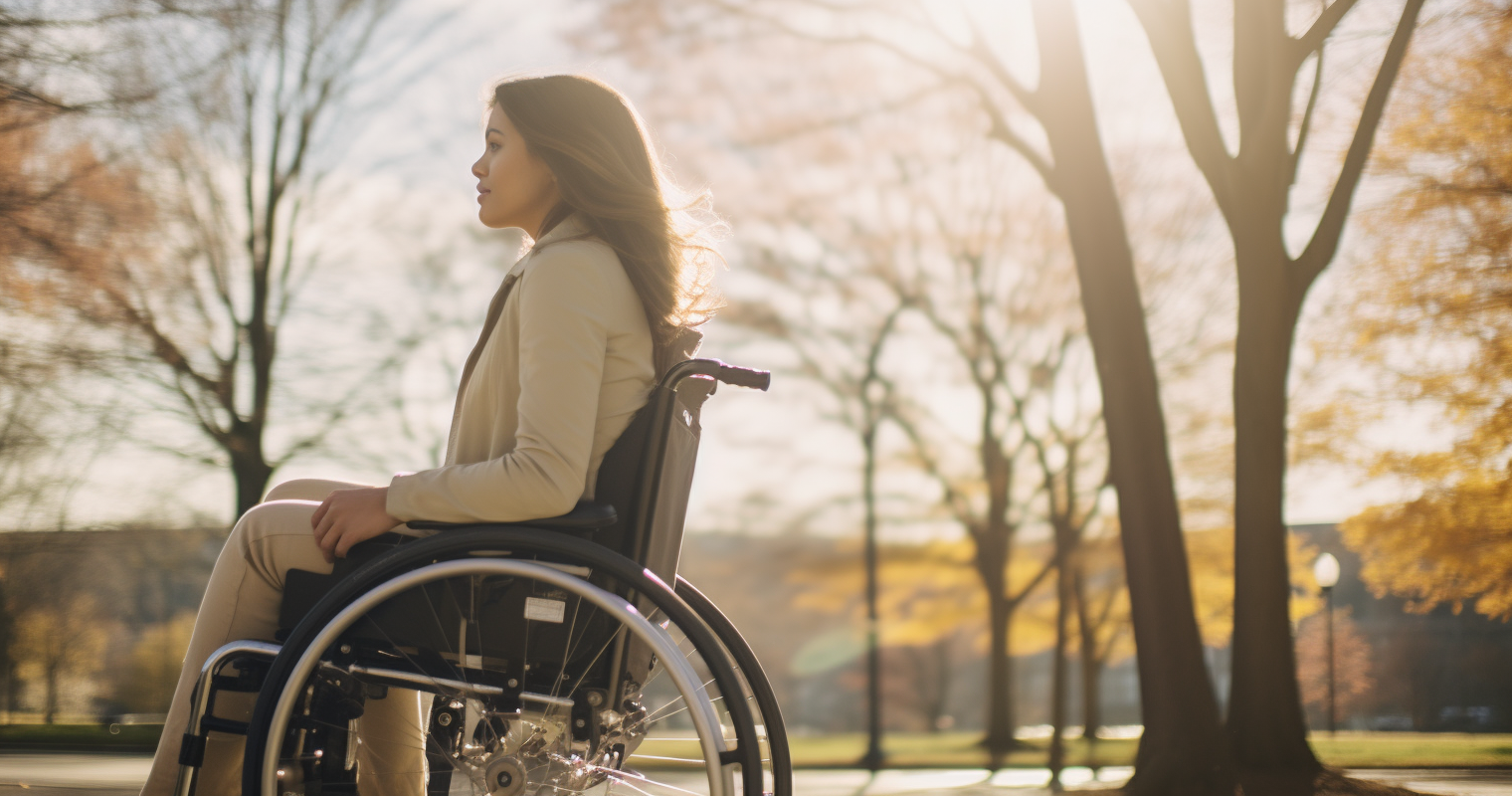
The Cayman Islands has specific disability legislation in the form of the Disabilities (Solomon Webster) Act, 2016, supported by a national policy framework that extends through to 2033. While formal protections are enshrined in law, practical gaps in accessibility persist — most noticeably in public transport and the built environment. Government financial assistance is largely restricted to Caymanians and certain qualifying residents, though a range of advocacy and support organisations serves the wider disability community.
| Item | Details |
|---|---|
| Primary disability legislation | Disabilities (Solomon Webster) Act, 2016 |
| National policy framework | Cayman Islands Disability Policy (CIDP) 2014–2033 |
| Main advisory body | National Council for Persons with Disabilities (NCPD) — disabilitycouncil.gov.ky |
| Financial assistance authority | Department of Financial Assistance (DFA) — launched October 2024 |
| Financial assistance eligibility (as of 2024) | Primarily Caymanians, spouses of Caymanians, or guardians of a Caymanian dependent; must be resident for at least 8 of the preceding 12 months |
| Public transport accessibility | Limited; buses generally lack full accessibility adaptations; private vehicles and taxis are the main practical alternatives |
What are common attitudes towards disability in the Cayman Islands?
Attitudes toward disability across the Cayman Islands are mixed, though people with disabilities are generally treated with courtesy and consideration, and awareness of the importance of equal opportunity is gradually increasing. As a small, close-knit territory, the islands can offer a naturally supportive social fabric — yet this same smallness means that services and infrastructure often fall behind standards seen in larger countries.
As in many places around the world, there is still meaningful progress to be made; disability is still occasionally viewed through a lens of shame or burden in some quarters, which can contribute to social isolation and exclusion. Barriers to education, employment, and healthcare remain a lived reality for many, in patterns broadly similar to those found across Caribbean small island territories, where disability advocacy is still developing as a mainstream institutional concern.
The obstacles disabled people encounter are not solely attitudinal — they can also be structural, financial, or physical in nature, and any effective response must consider access, participation, and meaningful support. Public awareness efforts in recent years have begun to shift perceptions in a more positive direction.
The National Council for Persons with Disabilities (NCPD) has spearheaded community-level education initiatives designed to advance equal rights and legal protections for disabled persons, including specific campaigns around the proper use of accessible parking. These efforts reflect a growing institutional commitment to confronting stigma and fostering inclusion. Those relocating to the Cayman Islands can generally expect a welcoming community, but should anticipate some practical accessibility challenges as part of daily life.
What legal protections exist for people with disabilities in the Cayman Islands?
The foundational legislation governing disability in the Cayman Islands is the Disabilities (Solomon Webster) Law, 2016 — a statute designed to uphold, protect, and guarantee the full exercise of human rights and fundamental freedoms by persons with disabilities on an equal footing with all other individuals, while also affirming the inherent dignity of disabled persons. This same legislation created the National Council for Persons with Disabilities (NCPD) as the statutory authority responsible for overseeing how the law is put into practice.
The NCPD provides guidance to both the public and private sectors on disability matters and keeps watch over the implementation of both the Disabilities (Solomon Webster) Act, 2016 and the Cayman Islands Disability Policy (2014–2033). This approach differs from frameworks such as the UK’s Equality Act 2010 — which integrates numerous protected characteristics into a single unified statute — or the Americans with Disabilities Act, which prescribes detailed sector-by-sector compliance obligations. The Cayman Islands instead pairs a standalone disability-specific law with an ambitious, long-range national policy framework.
The Cayman Islands Disability Policy (CIDP) was designed to guide the delivery of quality services and to affirm the right of all persons with disabilities to access and participate fully in society. Its scope covers all major life domains, including education, healthcare, employment, community participation, and legal protections.
The NCPD, as established under the Disabilities (Solomon Webster) Act, 2016, carries the mandate of promoting recognition and acceptance of the principle that persons with disabilities hold the same fundamental rights as anyone else. The government has indicated that further strengthening of the legislative framework is anticipated, committing to ongoing efforts — including amendments to legislation — so that genuine inclusion becomes a consistent feature of everyday life across the islands.
For the most up-to-date legal definitions, rights, and any legislative amendments, readers should refer to the official Cayman Islands Legislation website and the NCPD website.
What disability benefits and financial support are available in the Cayman Islands?
The former Needs Assessment Unit (NAU) has been formally reconstituted as the Department of Financial Assistance (DFA), as part of a comprehensive overhaul of how the Cayman Islands Government delivers support to vulnerable groups, including the elderly, disabled persons, and struggling families. This structural change, finalised in October 2024, represents the most far-reaching reform to the welfare system in many decades.
The new Financial Assistance Act replaced legislation dating back over sixty years — the Poor Persons (Relief) Act. For the first time, eligibility for government financial assistance is clearly codified in statute: qualifying individuals are Caymanians, spouses of a Caymanian, or guardians of a Caymanian dependent, all of whom must be resident on island at the time of application and for at least eight of the twelve months preceding it. The practical implication for most foreign nationals is significant — expats who are neither Caymanian nor married to a Caymanian will generally not be entitled to state financial assistance, regardless of their disability, which is a notable departure from systems such as those across EU member states where disability support may be more closely linked to residency status alone.
When assessing an application for DFA support, both the applicant’s disability and their financial circumstances are taken into account. Where the DFA determines that an applicant qualifies and is assessed as disabled, certain exemptions to standard assistance limits may apply. A disabled individual who qualifies for food assistance, for example, would receive support throughout the validity period determined by their assessment, adjusted according to household size.
Those receiving long-term financial assistance, ex gratia pensions, or seafarers’ and veterans’ benefits have had monthly payments raised to CI$1,500 (as of 2025 — this figure should be confirmed directly with the DFA, as amounts are subject to revision). A Financial Assistance Appeals Tribunal has been established as an independent review mechanism, providing applicants with a structured and impartial channel to challenge decisions; its membership draws on expertise spanning law, health, and finance.
Readers should consult the Department of Financial Assistance website for current eligibility criteria, payment rates, and access to the online application portal. Applications may also be submitted by email or in person.
How accessible is public transport in the Cayman Islands for disabled people?
Public transport options in the Cayman Islands are limited, with buses forming the backbone of the network. However, these buses are not generally outfitted with wheelchair ramps or other features specifically designed to accommodate passengers with mobility impairments, making routine use extremely difficult for many disabled residents. There is no metro, light rail, or tram system anywhere on the islands.
Members of the NCPD Council have drawn on personal experience to highlight the persistent challenges faced by people with disabilities, among them the difficulty of obtaining reliable transportation and the scarcity of social and recreational opportunities. This issue surfaces repeatedly in policy discussions and is widely acknowledged as an area requiring urgent attention from government.
The contrast with larger jurisdictions is marked — transit authorities in many North American and European cities are legally obligated to operate low-floor accessible buses and paratransit alternatives for passengers unable to use conventional services. The Cayman Islands has not yet achieved comparable levels of accessible transit, and anyone with mobility, visual, or hearing impairments should factor this carefully into their plans before relocating.
For most disabled residents, private taxis and personally owned or leased vehicles remain the most dependable transport options. Those who are able to arrange a suitably adapted private vehicle will find this provides the greatest degree of travel independence. Accessible parking bays — known locally as “blue spots” — are legally protected. The NCPD’s “Save my spot, nah!” campaign was created to build community empathy and advocacy for residents with both visible and invisible disabilities who depend on these spaces for their quality of life. For current information on any accessible transport initiatives, contact the NCPD or the Ministry of Social Development and Innovation.
How accessible are buildings and public spaces in the Cayman Islands for disabled people?
The accessibility of buildings and public spaces remains a significant concern, with many facilities falling short of the accommodations that disabled people require — including inadequate parking arrangements, problematic entranceways, and restrooms that cannot be used by wheelchair users. The government has acknowledged the need for improvement and has taken steps to ensure that newly constructed buildings incorporate higher accessibility standards, but the consistency of enforcement and its practical application across the territory varies considerably.
Among the most persistent obstacles is the inaccessibility of older buildings and public spaces, which can severely limit disabled residents’ ability to move through daily life independently. This difficulty is particularly pronounced in older commercial and residential structures predating contemporary accessibility requirements. By contrast, newer developments — particularly in the George Town commercial district and tourism-focused areas — are more likely to feature ramps, accessible toilet facilities, and step-free entry points, though uniform application of these standards is not yet guaranteed.
The NCPD has made it a priority to advocate for the continued improvement of public spaces, buildings, and services so that all members of society can participate fully. This work is ongoing, and in 2025, engagement between the NCPD and the Ministry of Social Development and Innovation has placed built environment accessibility at the forefront of the policy agenda.
Building regulations in the Cayman Islands fall under the remit of the Central Planning Authority (CPA). Anyone intending to rent or buy a property, or evaluating whether a workplace or commercial space meets their accessibility needs, should review the CPA’s published guidance on building standards and planning requirements, where expectations for accessibility features in new construction and major renovations are set out.
What healthcare and rehabilitation services are available for disabled people in the Cayman Islands?
Healthcare in the Cayman Islands operates primarily through private provision, with the Health Services Authority (HSA) offering a degree of government-funded clinical care. This structure differs fundamentally from universal systems such as the NHS in the United Kingdom or Australia’s Medicare, where broad-based public funding underpins access to most services. In the Cayman Islands, the system is predominantly insurance-driven, and employers are legally obligated to provide health coverage for their staff — though the extent and quality of that coverage varies markedly from one policy to the next.
The NCPD has identified unaffordable health insurance costs as one of the most pressing challenges confronting children and adults with disabilities in the islands. This is a critical issue for any disabled expat considering a move to the Cayman Islands: policies that genuinely cover specialist treatment, rehabilitation services, assistive technology, and mental health care can carry significant premiums, and many policies exclude pre-existing conditions. Securing adequate insurance prior to arrival is essential, not optional.
The Health Services Authority (HSA) operates the Cayman Islands Hospital in George Town and a network of district health centres across Grand Cayman, with additional facilities serving Cayman Brac and Little Cayman. While the HSA provides a range of specialist services, those requiring complex rehabilitation or highly specialised disability-related treatment are commonly referred to hospitals in Miami or other regional medical hubs, entailing further expense and travel considerations.
Inclusion Cayman plays a vital role in ensuring that persons with disabilities are genuinely accepted and valued, and that the human right to inclusion is upheld rather than undermined by systems that marginalise or segregate. Beyond formal medical care, organisations such as Inclusion Cayman offer employment support and community engagement opportunities that contribute meaningfully to the overall wellbeing of disabled residents. Current eligibility criteria, coverage details, and referral procedures should always be confirmed directly with the HSA and your insurer, as these are subject to change.
What education and employment rights do disabled people have in the Cayman Islands?
Documented cases of workplace discrimination against disabled employees persist, with certain employers failing to implement reasonable adjustments or to offer equal opportunities. The Disabilities (Solomon Webster) Act, 2016 establishes the right to equal access to employment and public life, and places obligations on employers to make reasonable accommodations. In practice, however — as in many smaller jurisdictions — the distance between what the law requires and what actually occurs in workplaces can be considerable.
Inclusion Cayman’s employment facilitators collaborate directly with employers to develop genuine, paid positions for people with disabilities, supplying the resources, expertise, and on-the-job support needed to make those placements sustainable. Their Rotary Employment Partnership uses Rotary networks to open pathways into the labour market for people with developmental disabilities. This kind of supported employment model becomes especially important in environments where formal legal enforcement is limited in scope.
Within the education system, children with disabilities are frequently placed in special education schools or dedicated support units, often without families being presented with alternative options or encouraged to explore them. These placements are typically determined at school entry age, though they may also be revisited at various points throughout a child’s schooling. Inclusion Cayman’s education specialists work alongside teachers and school leaders in mainstream settings — from pre-school through to secondary level — to embed evidence-based inclusive practices that enable all children to receive a quality education.
Expat families with disabled children are strongly advised to investigate school placements and available provision before relocating. The Ministry of Education should be contacted in advance to determine what support exists for children with specific needs. Adults with disabilities seeking work can look to the Cayman Islands Disability Policy, which encompasses employment, education, health, and community participation as interconnected pillars. The Department of Labour and Pensions is the relevant authority for employment-related enquiries; current contact details and guidance can be found via the Cayman Islands Government website.
Are there disability advocacy and support organisations in the Cayman Islands?
Several organisations work to support people with disabilities across the Cayman Islands. An overview of the principal bodies is provided below. As services and contact details can change over time, always verify current information directly with each organisation.
- National Council for Persons with Disabilities (NCPD) — The NCPD advises both the public and private sectors on disability issues and monitors how the Disabilities (Solomon Webster) Act, 2016 and the Cayman Islands Disability Policy (2014–2033) are being put into practice. The Council comprises 18 members drawn from across the private sector and government, all of whom either live with a disability themselves, have a family member with a disability, or work with organisations that serve disabled persons. Website: disabilitycouncil.gov.ky
- Inclusion Cayman — Inclusion Cayman is committed to ensuring that persons with disabilities are genuinely accepted and valued, and that their right to inclusion is not undermined by exclusionary systems or practices. Employment facilitators partner with employers to create real, paid opportunities for people with disabilities and deliver on-the-job support and expertise. Contact: telephone 623-2957, email [email protected], website inclusioncayman.ky
- Special Needs Foundation — The Special Needs Foundation offers support and resources to families raising children with disabilities. Current contact details should be verified through the NCPD or the Cayman Islands Government website.
- Cayman Islands Special Olympics — The Cayman Islands Special Olympics delivers year-round sports training and competitive athletic opportunities across a range of Olympic-type disciplines for children and adults with intellectual disabilities. Up-to-date contact information is available via specialolympics.org.
- Cayman Islands Red Cross — The Cayman Islands Red Cross offers a variety of services to disabled individuals, including disaster relief and emergency response assistance. Website: redcross.ky
- Department of Financial Assistance (DFA) — The government body responsible for welfare and financial support, including assistance for disabled persons who satisfy the relevant eligibility requirements. Website: my.egov.ky/web/dfa
The NCPD advises the Cayman Islands Government on policies, programmes, and public awareness initiatives aligned with the Cayman Islands Disability Policy (2014–2033), working to ensure that the perspectives of disabled persons are central to decision-making and that they can engage fully in the life of the islands. For newly arrived expats, the NCPD is the most logical first point of contact when seeking information about disability services or navigating the local advocacy landscape.
What practical tips should disabled expats keep in mind when moving to the Cayman Islands?
Relocating to the Cayman Islands with a disability calls for thorough advance preparation. While the islands offer a high standard of living for many residents, gaps in infrastructure and tight restrictions on state support eligibility mean that individuals must place considerable emphasis on private arrangements and self-reliance. The steps below are intended to help lay the groundwork for a smoother move.
- Review your health insurance thoroughly. The healthcare system is predominantly private and insurance-based. Before arriving, secure a policy that explicitly covers pre-existing conditions, specialist consultations, rehabilitation, assistive technology, and mental health services. Establish whether your insurer has formal arrangements with the Health Services Authority and clarify the referral procedure for overseas hospital treatment if required.
- Understand DFA eligibility before relying on state support. Government financial assistance is available to Caymanians, spouses of a Caymanian, or guardians of a Caymanian dependent who have been resident for at least eight of the preceding twelve months. If you do not satisfy these criteria, ensure you have sufficient private financial resources to cover disability-related expenses without recourse to state benefits.
- Assess your accommodation for accessibility before committing. Many residential and public properties fall short of the accessibility requirements that disabled people need, including issues with parking, entrance routes, and bathroom facilities. Arrange an in-person or video inspection and ask detailed questions about step-free access, ramps, bathroom adaptations, and how close the property is to medical services before entering into any agreement.
- Plan your transport strategy. Because public buses are largely inaccessible, carefully consider whether acquiring or leasing a suitably adapted private vehicle is viable for your situation. Once resident, apply for a disabled parking permit (“blue spot” permit) without delay — the NCPD can provide guidance on the process.
- Bring comprehensive disability documentation. Assemble certified copies and translations of any disability assessments, medical records, and specialist correspondence from your home country. While there is no formal system for automatically recognising foreign disability assessments, thorough documentation will strengthen any applications made to the DFA, the HSA, or private insurers.
- Contact the NCPD early. The NCPD advises the Cayman Islands Government on policies, programmes, and public awareness initiatives in accordance with the Cayman Islands Disability Policy (2014–2033). It also serves as a valuable resource for newly arrived residents, connecting them with relevant services and support networks. Reach them via disabilitycouncil.gov.ky.
- Research education provision for disabled children. Families relocating with a disabled child should contact the Ministry of Education before the move to understand which schools offer appropriate support, what special educational needs provision exists, and whether a formal assessment will be needed upon arrival.
- Connect with the expat and disability community. Online expat forums and community groups — searchable through social media and dedicated expat platforms — can offer candid, firsthand guidance on navigating disability services in the Cayman Islands that may not be captured in official sources.
Frequently asked questions
Can expats who are not Caymanian access disability benefits in the Cayman Islands?
The Financial Assistance Act restricts eligibility for government financial support to Caymanians, spouses of a Caymanian, or guardians of a Caymanian dependent — all of whom must have been resident on island for at least eight of the twelve months preceding their application. The majority of foreign nationals who do not meet these conditions will have no entitlement to state disability benefits and should ensure they have adequate private insurance and savings to meet disability-related costs independently.
Is there a formal process for getting my existing disability assessment recognised in the Cayman Islands?
No automatic mutual recognition mechanism exists for foreign disability assessments in the Cayman Islands. Nevertheless, compiling thorough documentation — including specialist evaluation reports, medical correspondence, and any formal disability certification issued in your home country — will be important when seeking services through the DFA, HSA, or private insurers. The NCPD at disabilitycouncil.gov.ky can offer tailored guidance for your particular circumstances.
Are wheelchair users able to get around the Cayman Islands independently?
The public transport network in the Cayman Islands is limited, and buses are generally not fitted with wheelchair ramps or comparable accessibility features. For wheelchair users, a personally adapted private vehicle or an accessible taxi service represents the most practical mode of travel. Designated accessible parking bays — referred to as “blue spots” — are protected by law. Accessibility standards in newer commercial developments have improved, but older and more rural parts of the islands continue to present real difficulties.
What is the NCPD and how can it help me?
The National Council for Persons with Disabilities is the statutory advisory body responsible for providing guidance to both public and private sector organisations on disability matters, and for monitoring compliance with the Disabilities (Solomon Webster) Act, 2016 and the Cayman Islands Disability Policy (2014–2033). It is the primary government-linked reference point for anyone with questions about disability rights, services, or available support. Visit disabilitycouncil.gov.ky for current contact information.
Does the Cayman Islands have anti-discrimination laws covering disability in the workplace?
Yes. The Disabilities (Solomon Webster) Law, 2016 was enacted to uphold and guarantee the full enjoyment of human rights and fundamental freedoms by persons with disabilities on an equal basis with all other persons — a principle that extends to the workplace. In practice, however, documented cases of employers failing to provide reasonable accommodations or equal opportunities for disabled workers point to a gap between what the law mandates and what is consistently enforced. For current workplace rights, consult the Cayman Islands Legislation website.
How do I access healthcare as a disabled expat in the Cayman Islands?
The healthcare system in the Cayman Islands is predominantly insurance-driven. Employers are typically obligated to provide health coverage for employees, but what that coverage includes — particularly for disability-related specialist care, rehabilitation, and assistive equipment — differs significantly between policies. The Health Services Authority (HSA) delivers government-funded clinical services, and patients with complex needs may be referred to overseas hospitals, particularly those in Miami. Always verify your specific coverage with your insurer before depending on any given service or treatment.
Are schools in the Cayman Islands inclusive for disabled children?
Children with disabilities in the Cayman Islands are frequently directed toward special education schools or dedicated support units, often without families being adequately informed of or consulted about other options. Such decisions typically occur at school entry age, though they can arise at various stages of a child’s education. Specialists at Inclusion Cayman work actively to support children with disabilities within mainstream school settings. Parents should reach out to the Ministry of Education and Inclusion Cayman before relocating to understand what options are realistically available for their child.
How do I apply for a disabled parking permit in the Cayman Islands?
Disabled parking permits, which grant access to designated “blue spot” bays, are available in the Cayman Islands. The NCPD has run a sustained public awareness campaign focused on accessible parking rights and the importance of equal access for community members with visible and invisible disabilities. For current application requirements and supporting documentation needed, contact the NCPD directly via disabilitycouncil.gov.ky or the appropriate government licensing authority.
Latest: Expat Focus International Healthcare Update August 2026 →