
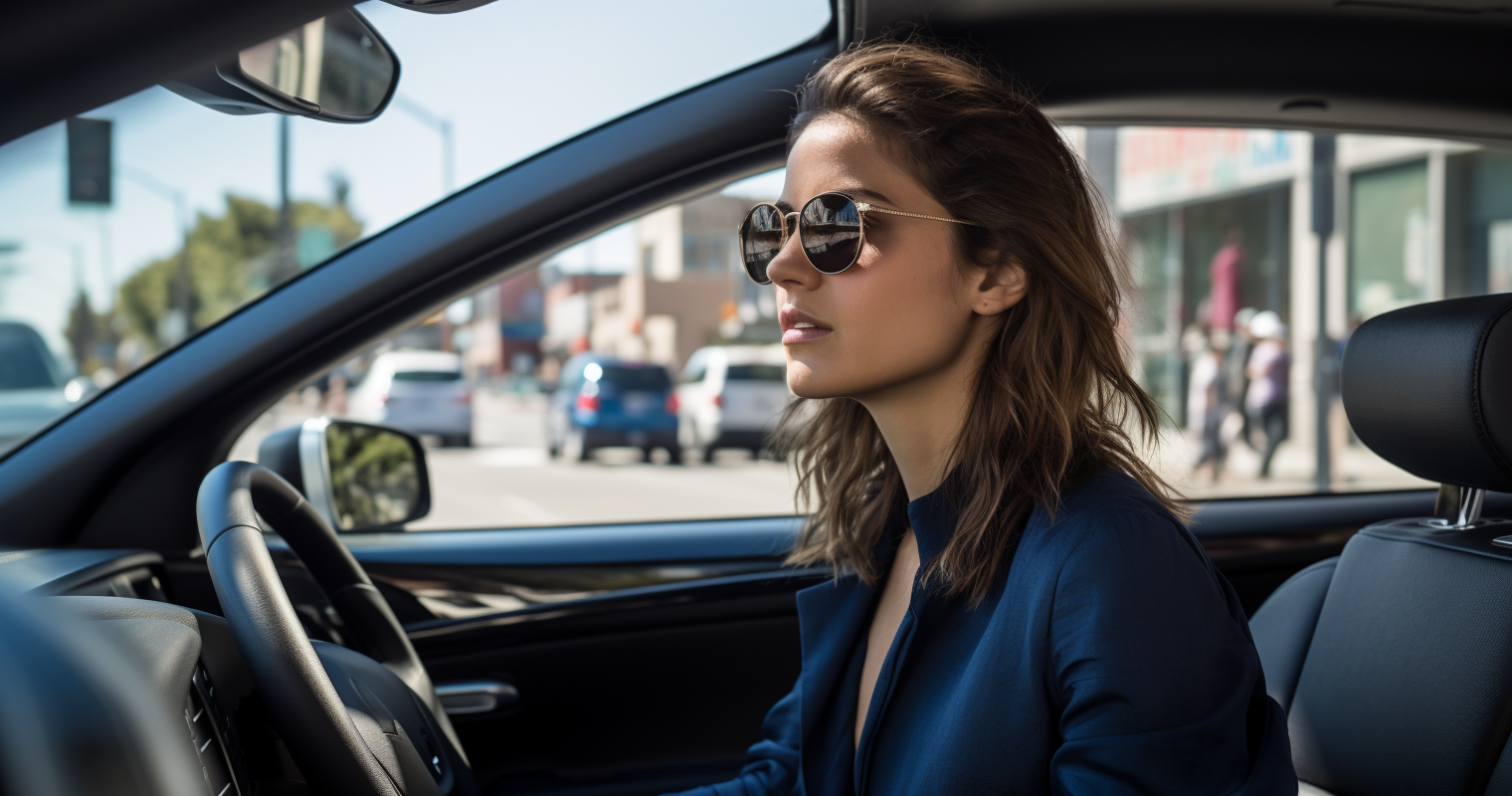
Vehicles in Barbados travel on the left-hand side of the road and are right-hand drive. Speed limits are displayed in kilometres per hour, wearing a seatbelt is mandatory for all vehicle occupants, and it is illegal to use a mobile phone while driving. From October 2025 onwards, overseas visitors are no longer required to obtain a separate Visitor Driving Permit and may operate a vehicle using their home-country licence. Main roads and highways are generally well maintained, though rural lanes can be narrow and challenging.
| Item | Details |
|---|---|
| Side of road | Left-hand side; right-hand-drive vehicles |
| Speed limits (as of 2025) | 40 km/h (urban), 60 km/h (rural), 80 km/h (highways) |
| Visitor Driving Permit | Abolished as of 15 October 2025 — foreign licence sufficient for visitors |
| Barbados licence fee (as of 2025) | BDS $50 (1 year), $125 (3 years), $200 (5 years) |
| Emergency numbers | Police: 211 | Ambulance: 511 | Fire: 311 |
| Minimum driving age | 18 for a permanent private licence; 16 for a learner’s permit |
Is Barbados safe to drive in?
On the whole, driving in Barbados is a safe experience. The island’s principal road network — including the highways that link the airport to the south and west coasts — is well maintained and easy to navigate. The ABC Highway, which forms the main corridor between the airport and Bridgetown (named after Adam, Butler, and Clarke), functions much like a dual carriageway and will feel entirely familiar to drivers from Western Europe or North America.
Beyond the main routes, however, conditions change considerably. Secondary roads can be narrow, poorly surfaced, and lacking in signage. Country lanes in particular demand extra caution and reduced speed. Unlike Germany or France, which operate extensive motorway networks, Barbados has nothing comparable — the island’s compact size means even its fastest roads do not permit sustained high-speed travel for any meaningful distance.
A government-led Decade of Road Safety programme focused on repairing existing roads quickly, building new ones, and installing speed humps at strategic locations. Combined with improved driver training standards in driving schools, road fatality figures fell by 61% in 2019 compared to an annual average of 28 deaths recorded before 2011. This represents genuine progress, though complacency on the road remains inadvisable.
Drivers should stay alert on narrower roads, where sharp bends are common and local driving habits — such as stopping without warning for pedestrians or buses and rarely indicating — can catch newcomers off guard. Minibuses and vans in particular travel at speeds that may surprise visitors unfamiliar with local traffic patterns.
Driving after dark requires additional vigilance. The majority of roads have no pavements, which means pedestrians walk along the roadside and can be difficult to spot in low light. This is especially true in rural parishes such as St. Andrew and St. Joseph, where street lighting is minimal. Drivers accustomed to brightly lit suburban roads will need to adapt their approach significantly when travelling after sunset.
Driving standards are generally reasonable across the island, though occasional reports of aggressive or careless driving do surface. Patience, adherence to traffic laws, and a defensive mindset are the best tools at your disposal. For the most current official road safety statistics for Barbados, the WHO’s Global Status Report on Road Safety 2023 contains a dedicated country profile.
What side of the road do you drive on in Barbados?
Barbados follows British road conventions, meaning traffic travels on the left-hand side of the road. The overwhelming majority of cars are right-hand drive, with the steering wheel positioned on the right side of the vehicle. Overtaking is performed on the right — a system shared with the United Kingdom, Ireland, Australia, Japan, and much of the Caribbean region.
For drivers arriving from countries where traffic moves on the right — including the United States, Canada, most of continental Europe, and the majority of Latin America — adapting to left-side driving can take some time. The moments most likely to cause confusion are at junctions, when entering or leaving roundabouts, and when pulling out of car parks or private driveways. Many experienced drivers suggest making a conscious mental check before every turn during the first few days on the island.
Some overseas drivers choose to take a brief familiarisation session with a local instructor when they first arrive, simply to build confidence on unfamiliar roads. Even one or two sessions can make a significant difference, and the cost is modest. Car rental companies are also a helpful point of contact for first-time left-side drivers and can offer practical tips before you set off.
Roundabouts are present across the island and should be approached carefully. Pay close attention to road signs and lane markings, and always yield to vehicles that are already circulating on the roundabout. Unlike the older French priority-to-the-right system at roundabouts, Barbados follows the widely accepted international convention whereby traffic on the roundabout takes priority over vehicles entering it.
What are the main driving rules in Barbados?
Speed limits across Barbados are set at 40 km/h in built-up urban areas, 60 km/h on rural roads, and 80 km/h on major highways. All limits are displayed in kilometres per hour rather than miles per hour, so drivers from the United States or other mph-based countries should pay particular attention to road signs. These are the standard posted limits as of 2025, though local variations can apply, so always check signage along your route.
Seatbelts are compulsory for both drivers and all passengers. Children under the age of 5 must be secured in an appropriate child seat, which are available to hire. This requirement broadly mirrors standards applied across the European Union and North America, though the rules for older children differ — see the FAQ section below for further detail.
Using a handheld mobile phone while driving is a criminal offence in Barbados. If you need to make or receive a call, you must pull off the road safely before doing so. The law permits the use of hands-free devices only. Bluetooth connectivity is available in many rental vehicles, and hands-free kits are widely sold on the island. Importantly, even holding a phone while stationary at a red light is considered an offence — the law makes no exception for traffic stops.
Driving under the influence of alcohol or illegal substances is prohibited. The Road Traffic Act (Cap. 295) governs drink-driving offences and provides police with the authority to conduct breath and blood tests. For the precise blood-alcohol limit currently in force and the associated penalties, consult the Road Traffic Act directly or contact the Barbados Police Service, as these figures may be revised by parliamentary amendment.
At roundabouts, vehicles approaching must yield to traffic coming from the right unless road signs indicate otherwise. Horn use is common among local drivers and carries a different social meaning than in many countries — a short beep often serves as a friendly greeting or an acknowledgement of a courteous gesture, rather than a signal of frustration. Flashing headlights typically indicates that the flashing driver is giving way to you, rather than issuing a warning — the opposite interpretation to that common in some European countries.
Rush hour in Barbados typically runs from 7:00–8:30am and 4:30–5:30pm. Bridgetown in particular can become significantly congested during these periods, so planning your journey times around them will save considerable frustration.
What equipment are you legally required to carry in your car in Barbados?
The Road Traffic Act requires all drivers in Barbados to carry a spare tyre, a jack, and a lug wrench in their vehicle at all times. These are the statutory minimum requirements. Given the variable condition of some rural roads, travelling with a fully inflated spare tyre is not only a legal obligation but a genuine practical necessity.
Barbados does not legally require drivers to carry items that are compulsory in certain other jurisdictions — such as the breathalyser mandatory in France, or the warning triangle and high-visibility vest required in many European countries. That said, packing a warning triangle and a basic first aid kit is strongly recommended, particularly when travelling on remote routes where emergency services may take some time to arrive.
Your vehicle must be properly maintained and roadworthy, with functioning lights, effective brakes, and tyres that meet the required safety standards. Vehicles registered in Barbados must hold a Certificate of Roadworthiness — comparable to the UK’s MOT test or France’s Contrôle Technique — issued by the Barbados Revenue Authority. If you are driving a hire car, ensuring the vehicle meets these standards is the rental company’s responsibility.
You are also required to carry your driving documents whenever you are behind the wheel. This means your valid driving licence, relevant permit documentation, and proof of insurance. As of October 2025, foreign visitors no longer need a Visitor Driving Permit, but you should still have your home-country licence and insurance documents with you every time you drive.
What are the most important road signs in Barbados?
Road signage in Barbados uses the standard international system and is written in English throughout. The key signs you will encounter include “Stop,” “Give Way,” and “No Entry,” alongside speed limit indicators, parking restrictions, and general informational signs. The overall system will be immediately recognisable to drivers from the UK or other Commonwealth countries, and broadly familiar to most international visitors.
Barbados does not follow the Vienna Convention on Road Signs in exactly the same form as EU member states, so some signs may look slightly different from those used in continental Europe. Speed limit signs display figures in km/h within a circular border, similar to the UK format. “Give Way” signs take the form of an inverted triangle — consistent with international convention — and “No Entry” signs feature a red circle with a horizontal white bar, the same symbol used across Europe and much of the world.
Road markings follow broadly recognised conventions. A combination of one solid line and one broken line indicates that overtaking is permitted under standard safety conditions. Short broken lines divide traffic lanes. If you are not planning to overtake, keep to the left-hand lane. Diagonal markings are used to protect oncoming traffic and to delineate areas where vehicles turning right must wait.
One-way streets exist in Barbados and are clearly signposted; they are particularly prevalent in and around central Bridgetown. When turning at a junction, watch carefully for directional signs. Traffic signals operate on the standard red–amber–green sequence similar to the UK system, and do not include an amber phase before green as used in some European countries. Always give way to emergency service vehicles and police when sirens or lights are activated.
What must you do if you have a road accident in Barbados?
A significant change to the way road accidents are handled in Barbados came into effect on 15 September 2024. Under the revised Barbados Police Service policy, officers will no longer attend the scene of minor accidents. Insurance companies now take primary responsibility for responding to collisions that do not meet specific criteria requiring police attendance.
Police officers will attend a road traffic collision where a pedestrian has been involved. They will also respond if the accident has severely disrupted the free flow of traffic or if there is an identified road safety concern. If none of these conditions apply, you should contact your insurer directly rather than waiting for police attendance.
The step-by-step process following an accident in Barbados is:
- Stop immediately and confirm that you and any passengers are unharmed. If it is safe to do so and traffic is not obstructed, move the vehicle to the side of the road.
- Check for injuries. Assess everyone involved in the incident. If anyone has been hurt, call for medical assistance without delay.
- Exchange information. All parties involved are obliged to stop and share their details. This should include full names, contact information, vehicle registration numbers, and insurance details.
- Call the police if required. Contact the police on 211. When you call, an officer will collect the relevant details and determine whether police attendance at the scene is necessary.
- Contact your insurer. Notify your insurance company or accident response team as promptly as possible. Insurance company representatives have been trained by the Barbados Police Service in accident investigation procedures, enabling them to gather the information needed to support any subsequent civil proceedings.
- Document the scene. Where it is safe to do so, photograph the positions of the vehicles, any damage sustained, road conditions, and relevant road markings or signage before vehicles are moved.
The essential emergency numbers in Barbados are: Police: 211, Ambulance: 511, Fire Service: 311. Store these in your phone before you start driving on the island. For the most up-to-date guidance on accident reporting procedures, the Government Information Service of Barbados maintains a regularly updated FAQ on the accident investigation policy.
Where can you find up-to-date road traffic information for Barbados?
The Barbados Transport Board website is a reliable starting point for road traffic information, including notices of road closures, accident-related disruptions, and other important updates. As the official government authority for public transport and related road matters, it is the most authoritative source for planned closures and service disruption notices.
For real-time navigation, Google Maps is widely used in Barbados and provides reasonably accurate routing, live traffic information, and points of interest. Waze is also popular with local drivers and can alert you to incidents, speed enforcement activity, and road hazards flagged by other users in near real-time. Navigation tools are particularly valuable on this island — despite its small size, Barbados has an intricate network of roads that can be disorienting for newcomers, especially when following local directions.
Local radio stations — notably Barbados Broadcasting Service (BBS) and VOB 92.9 FM — occasionally broadcast traffic updates during peak periods and following significant incidents. Tuning in during the morning and evening rush hours (7:00–8:30am and 4:30–5:30pm) can give you advance warning of congestion around Bridgetown. For official government announcements about road works or temporary route closures, the Government Information Service of Barbados is a useful resource. Always confirm that any website or app you consult is current and active.
How does parking work in Barbados?
Finding a parking space in Barbados — especially in urban centres — can be difficult, and parking regulations are actively enforced. Demand is particularly high in Bridgetown during business hours. Unlike many cities in the EU that rely on pay-and-display machines or app-based parking systems, parking arrangements in Barbados tend to be less formal in some areas, although designated paid car parks are available.
To avoid receiving a parking ticket in Bridgetown, park only where a “P” sign is displayed or in one of the city’s established car parks or parking garages. Always choose well-lit locations and never leave valuables visible inside your vehicle. Multi-storey and surface car parks are accessible in central Bridgetown and near major shopping centres. Parking charges vary by location — for current rates, check with the Barbados Revenue Authority or the relevant local authority, as fees are subject to change.
In certain areas with a higher concentration of residents and workers — including parts of Bridgetown — it may be possible to obtain a parking permit. Applications for parking permits are handled by the Barbados Licensing Authority, which is located at The Pine, St. Michael. Contact them directly for current permit categories and any associated fees, as these are reviewed periodically.
Designated parking spaces for drivers with disabilities exist across Barbados. Authorities have substantially increased the penalty for parking illegally in these reserved bays, raising the fine tenfold from $500 to $5,000 (as of 2025), reflecting how seriously this issue is treated. Foreign disabled parking permits — such as the Blue Badge issued in the UK or EU equivalents — are not automatically valid in Barbados. Contact the Barbados Licensing Authority or the Barbados Revenue Authority to confirm the current process for obtaining a local disabled parking designation.
Can you drive in Barbados on a foreign or international licence?
The Visitor Driving Permit was abolished with effect from 15 October 2025 and is no longer a requirement for driving in Barbados on a foreign licence. This is a recent and significant change — older travel guides and some car rental agencies may still reference the previous permit system, so it is worth confirming the current position via the Barbados Digital official information portal before you travel.
While an International Driving Permit is not compulsory, it can serve as a useful supplementary form of identification and provides a translation of your licence into multiple languages — which may prove helpful when dealing with rental companies or local authorities. If your home-country licence is not printed in Latin script (for example, licences issued in Arabic, Chinese, or Cyrillic), carrying an IDP alongside your national licence is strongly advisable.
CARICOM citizens from Belize, the Commonwealth of Dominica, and Saint Vincent and the Grenadines who are exercising their freedom of movement rights are permitted to drive in Barbados on their foreign licence for up to 12 months from the date of arrival. After this period, they must exchange their licence for a local Barbadian one. Other long-term residents and those taking up employment should apply for a Barbadian licence promptly.
Barbados has licence exchange agreements with a number of countries, including the United States, Canada, and the United Kingdom. Holders of driving licences issued by these countries may be eligible to exchange their licence for a Barbadian one without sitting a driving test. Always verify the current status of any bilateral arrangement with the Barbados Licensing Authority before applying, as the terms of such agreements can change.
The process for exchanging a foreign licence for a Barbadian one is:
- Obtain a Barbados ID. You will need a valid Barbados National Registration Card or an equivalent immigration document confirming your residency status before you can begin the exchange process.
- Apply for a licence exchange. Attend the Barbados Licensing Authority at The Pine, St. Michael, bringing your Barbados ID and your current foreign driving licence.
- Pay the licence fee. Fees are paid to the Barbados Revenue Authority, also located at The Pine. The fee is BDS $50 for 1 year, $125 for 3 years, or $200 for 5 years (as of 2025). Only cash payments are accepted.
- Have your photo taken. Return to the Barbados Licensing Authority with your payment receipt to have your photograph taken. Your licence is usually issued on the same day, though in some cases you may be asked to return a few days later to collect it.
If your home-country licence is not covered by an exchange agreement, you will be required to pass both a theoretical and a practical driving test. Consult the official Barbados government driver licence page for the latest requirements and information on booking a test.
Frequently Asked Questions About Driving in Barbados
Are there toll roads in Barbados?
No. As of 2025, Barbados has no toll roads. All public roads — including the ABC Highway and the coastal routes — are free to use. The only additional vehicle-related charge you may encounter is the Vehicle Rental Levy applied to car hire agreements, which is capped at a maximum of $35 per rental contract as of 2025.
What insurance do I need to drive in Barbados?
A minimum of third-party insurance is required to drive legally in Barbados. When hiring a vehicle, the rental company will ordinarily include at least third-party cover as standard, with the option to purchase more comprehensive protection. If you bring your own vehicle to the island or acquire one locally, you must arrange at least third-party cover through a locally licensed insurer before driving on public roads. For a list of licensed insurers, consult the Financial Services Commission of Barbados.
What is the drink-driving law in Barbados?
Driving under the influence of alcohol or illegal drugs is a criminal offence in Barbados. The Road Traffic Act (Cap. 295) sets out the legal framework governing drink-driving, including police powers to require breath or blood tests from drivers. For the current prescribed blood-alcohol limit and the penalties that apply, always consult the most recent version of the Road Traffic Act, as Parliament may amend these figures from time to time.
Can children sit in the front seat of a car in Barbados?
Children under 5 years of age must be secured in a suitable child seat and may not travel in the front of the vehicle without one. Once a child is over 5, the law does not require a specific restraint system. Regardless of this legal minimum, it is strongly recommended that age-appropriate child restraints be used for all children in the vehicle, and that all seats are correctly fitted in accordance with the manufacturer’s instructions.
How do I pay a traffic fine in Barbados?
Fixed penalty notices must be paid to the Clerk of the Magistrate’s Court for the district specified on the notice. If your penalty notice refers to District A, payment should be made at the Accounts Section of the Supreme Court on Whitepark Road in Bridgetown. Fines are not ordinarily payable in cash directly to police officers at the roadside — if an officer requests immediate cash payment without issuing a formal notice, you should treat this with caution.
Is there a minimum age to rent a car in Barbados?
Visitors wishing to rent a car in Barbados must be at least 25 years of age and must have held a valid driving licence for more than two years. Individual rental companies may apply slightly different conditions, so it is advisable to check directly with your chosen provider before making a booking. Drivers aged over 70 will generally be required to provide a medical certificate, and most companies set a maximum rental age of 80, though specific policies vary between operators.
Are there speed cameras in Barbados?
Fixed speed cameras have not yet been widely deployed in Barbados, though there has been sustained pressure on authorities to introduce them as a road safety measure. Mobile speed enforcement does occur periodically, but remains relatively infrequent. This should not be taken as encouragement to exceed posted limits — speed restrictions exist for sound safety reasons on what are often narrow and unpredictable roads, and enforcement methods can change at any time. Always drive within the posted limits.
What happens if I break down in Barbados?
There is no national breakdown recovery service in Barbados equivalent to the AA or RAC in the UK, or AAA in the United States. If you are driving a hire car, your rental company should provide a dedicated emergency contact number for roadside assistance — make sure you note this down before leaving the rental office. If you own or have imported your own vehicle, ensure your insurance policy includes breakdown assistance, or arrange a separate policy through a local provider. In any emergency, the police can be contacted on 211.