
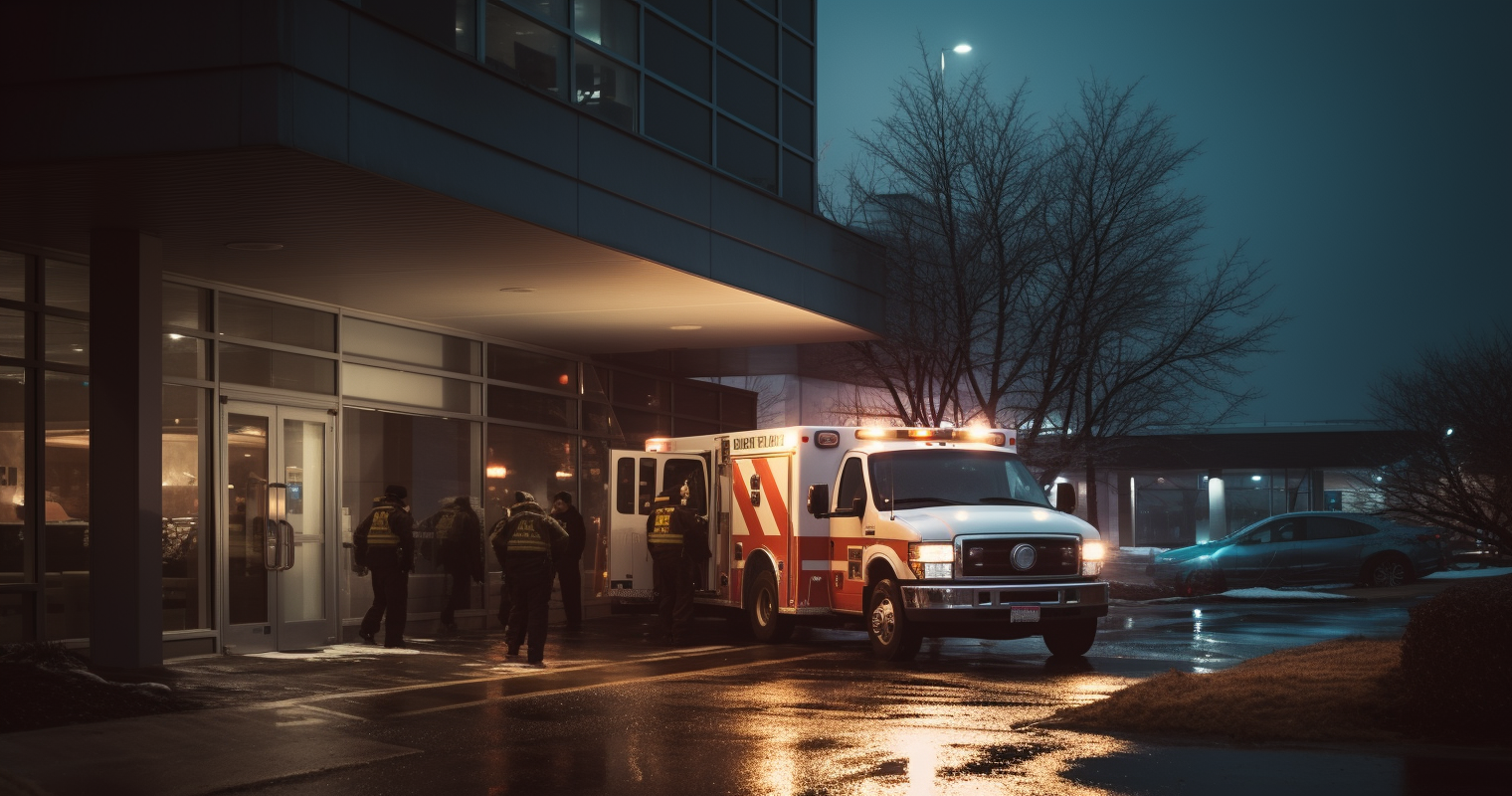
In Belize, the main number to call in any emergency is 911, which connects to a switchboard run by the Belize Police Department and capable of dispatching fire crews and ambulances as required. Public hospitals offer emergency care at minimal or no charge, though tourists and expats who do not hold a Belize Health Information System (BHIS) card should anticipate paying for many services. Obtaining comprehensive health insurance — one that includes medical evacuation — is strongly advised before relocating to the country.
| Item | Details |
|---|---|
| Primary emergency number | 911 (police, fire, ambulance — as of 2025) |
| Fire service direct line | 990 (as of 2025, verify locally) |
| National disaster line (NEMO) | 936 (as of 2025) |
| Main public referral hospital | Karl Heusner Memorial Hospital (KHMH), Belize City |
| Public hospital costs | Low or no direct cost for residents with BHIS card; fees apply for diagnostics (as of 2025) |
| Medical evacuation cost | Can exceed US$10,000 — insurance strongly recommended (as of 2025) |
What is the single emergency number to call in Belize, and does it cover police, fire, and ambulance — or are there separate numbers for each service?
Dialling 911 will connect you to the majority of emergency services in Belize. This switchboard is operated by the Belize Police Department; if your situation does not require police involvement, the operator can redirect your call to the appropriate service. The setup is broadly comparable to the 911 system that North Americans will recognise, though there are notable distinctions worth understanding.
Emergency services in the country encompass the Belize Police Department, the Belize National Fire Service, the Belize Emergency Response Team (which handles medical and ambulance calls), and — in situations involving national calamities such as hurricanes — the National Emergency Management Organisation (NEMO).
The Belize National Fire Service maintains its own direct contact number: 990. For coordination of national emergencies through NEMO, the number is 936. Different districts around the country also have regional medical emergency numbers, so if you are based outside a major urban area, it is worthwhile identifying the relevant local contacts. Always confirm current numbers with your local municipality or accommodation, as these can be updated.
Most official travel advisories recommend calling 911 as the default number for any life-threatening emergency in Belize. Older local guidance sometimes references 90 as a short code historically used for ambulance and fire responses in parts of the country. When in doubt, 911 remains the safest choice.
How do you call for emergency medical assistance in Belize, and what should you expect when you call?
Emergency medical services in Belize are accessible through both public and private healthcare facilities. Anyone requiring urgent medical attention can dial the national emergency line at 911. Public facilities including Karl Heusner Memorial Hospital operate accident and emergency departments around the clock to manage patients with pressing medical needs.
It is important to note that ambulance coverage is largely confined to urban centres, with remote areas often having little or no ground-based emergency transport. If you are located in a rural setting or on one of the cayes, response times may be considerably longer than in a city, and in some situations ground ambulances will simply not be available. Air evacuation can become the only viable option in such cases.
On Ambergris Caye, a rescue and ambulance service known as Rickilee Response and Rescue (RRR) was established in 2019. It operates much like a local 911 response unit and can be reached by mobile phone. The number listed for RRR by local sources is 621-1117 — however, always verify this figure before you find yourself in need of it, as operational contacts can change without notice.
When reaching the 911 operator, be ready to state clearly where you are, what has happened, and how many people require assistance. Belize’s infrastructure varies greatly between major cities and its more remote jungle or coastal regions, so providing precise location details is critical. If you are at sea or aboard a vessel, the Belize Coast Guard acts as the primary emergency responder for mariners.
What should you do in a mental health crisis in Belize — is there a dedicated mental health emergency line, and can you go to a hospital emergency department?
Mental health care in Belize is available through both public hospitals and private providers, though the number of practising psychiatric specialists is limited and some individuals find it necessary to travel abroad for more specialised treatment. As of 2025, there is no dedicated national mental health emergency hotline, and the standard advice for anyone experiencing an acute crisis is to call 911 or present directly to the nearest hospital emergency department.
District hospitals throughout the country offer mental health services at varying levels. The principal provider of inpatient psychiatric care is Rockview Hospital, the national mental health facility situated in the Central Region. Acute psychiatric support is also available through a dedicated ward at Belmopan Hospital in the Western Region.
Psychotropic medications can be obtained at all district hospitals and through the polyclinic in Belize City, though stock availability can be inconsistent and patients may sometimes need to source their own supplies. In terms of clinical staffing, two psychiatric nurses are allocated to mental health services across seven of the country’s eight district hospitals.
If you are accompanying someone in mental health crisis, bringing them to the nearest emergency department — particularly KHMH in Belize City — remains the most dependable route to immediate professional support. For expats relocating from countries with well-established crisis lines — such as the Samaritans in the UK and Ireland or Crisis Text Line services in North America — this gap in Belize’s system is something to be aware of and plan around well before moving.
Where can you go for emergency medical treatment in Belize — are there public hospitals, private hospitals, urgent care clinics, or other facilities, and how do you find the nearest one?
Belize City is home to Karl Heusner Memorial Hospital (KHMH), which serves as the country’s national and regional referral hospital. Regarded as the leading public healthcare institution in Belize, KHMH runs a 24-hour accident and emergency department and is the most comprehensively equipped public medical facility in the country.
Beyond Belize City, each of the country’s remaining seven districts has its own hospital located within its capital. Three of these are designated regional hospitals: the Southern Regional Hospital in Dangriga, the Northern Regional Hospital in Orange Walk Town, and the Western Regional Hospital in the national capital of Belmopan.
Around-the-clock hospital care is also available in San Ignacio, Corozal, Dangriga, and Punta Gorda. While these facilities cannot match the breadth of services offered in Belize City, residents in those areas do have access to continuous emergency care at all hours.
Belize City has two well-regarded private hospitals — Belize Medical Associates and Belize Healthcare Partners — both of which are commonly favoured by expatriates seeking higher-quality or more comprehensive medical services. These institutions are fully equipped with medical imaging, operating theatres, and laboratory capabilities, enabling them to manage both emergency and trauma cases effectively.
Across the country there is also a network of roughly 60 public health clinics with a combined total of 700 public hospital beds, extending primary medical and dental care to rural populations. Operating hours vary between facilities — some run around the clock while others observe regular daytime schedules — so it is worth confirming the hours of any clinic near you before an emergency occurs. The Ministry of Health and Wellness website is the official resource for locating public health facilities.
Is emergency medical treatment free in Belize or is there a charge — and does this differ for residents versus tourists or short-term visitors?
Although public healthcare in Belize is theoretically available to the entire population at no direct individual cost, a disproportionate share of funding has historically been directed towards Belize City. In practice, what you pay and what you can access depends considerably on your residency status, your geographic location, and the nature of the treatment you require.
Anyone seeking care at a public healthcare facility is required to hold a Belize Health Information System (BHIS) card — this obligation applies equally to citizens and expatriates. Residents with a valid BHIS card can access public hospitals and polyclinics at very low cost or no direct charge. For expats, obtaining this card generally requires evidence of legal residency; the Ministry of Health should be consulted for the current application requirements.
The Ministry of Health subsidises medications, vaccines, and emergency surgical procedures, but patients are responsible for separately covering the cost of diagnostic services such as laboratory tests and X-rays. As of 2024, indicative charges at public hospitals included approximately US$15 per day for a ward bed, with blood tests and ultrasounds priced well below comparable private rates — though these figures should be confirmed directly with the relevant facility, as they may change.
Belize does not operate a national health insurance scheme. Public healthcare is accessible to all residents, and expatriates may obtain services by paying out of pocket. Short-term visitors and tourists can technically access public emergency care, though some charges will usually be applied. Private hospitals will generally require proof of insurance or an upfront deposit before providing treatment for conditions that are not immediately life-threatening.
Do expats in Belize need travel or health insurance to access emergency care, and what happens if they turn up without insurance or without the ability to pay?
Comprehensive international health insurance is strongly advisable for expatriates, digital nomads, and long-term visitors before they arrive in Belize. Although carrying health insurance is not a legal requirement, the consequences of being uninsured during a serious medical emergency can be extremely serious.
One of the most critical roles international health insurance plays for expats is covering medical evacuation, which can cost as much as US$15,000 depending on the circumstances and the patient’s condition. Costs of US$10,000 or more are common. The vast majority of domestic health policies from other countries do not extend to treatment received overseas, making a specialist international or expatriate health plan an essential safeguard.
Settling hospital bills and other medical expenses is ultimately the traveller’s own responsibility. In practice, public hospitals in Belize will generally provide stabilising treatment to anyone presenting with a life-threatening emergency regardless of their immediate ability to pay, but private facilities may require a financial guarantee before agreeing to admit patients for non-critical conditions. Arriving without insurance and without accessible funds can mean taking on substantial debt and facing delays in receiving care for anything not classified as immediately life-threatening.
For those who dive regularly, specialist insurance such as DAN Insurance covers dive-related incidents including the cost of air evacuation when needed. This is especially relevant given how popular diving is around the Belize Barrier Reef. Hyperbaric chamber treatment for decompression sickness is available in San Pedro — the contact number for that facility is listed as 226-2851 (as of 2024; verify before travelling).
Are there any bilateral health agreements between Belize and other countries that entitle some foreign nationals to reduced-cost or free emergency treatment?
Unlike the reciprocal healthcare frameworks that exist among many European Union member states — or the Global Health Insurance Card (GHIC) system operating across Europe — Belize has no widely documented bilateral health agreements that would grant foreign nationals access to free or reduced-cost emergency treatment on the basis of their nationality. No such formal arrangements could be confirmed through official sources as of 2025; readers are encouraged to consult the official government or embassy of their home country for the most current information.
Where a citizen falls seriously ill or sustains a significant injury abroad, a consular officer from their home country can assist in identifying appropriate medical facilities and relaying information to family or friends. Where necessary, a consular officer may also help facilitate the transfer of funds. Ultimately, however, payment of medical bills and associated expenses remains the traveller’s own responsibility.
The practical conclusion is clear: unlike destinations operating under regional reciprocal health schemes, visitors to Belize from any country should not assume they are entitled to free or subsidised emergency care on the grounds of nationality or international treaty. Arranging private international health insurance prior to arrival is the only dependable way to protect yourself financially.
How does the emergency healthcare system in Belize compare to systems expats may be familiar with?
Belize’s healthcare system does not align neatly with fully state-funded models such as the NHS in the United Kingdom or Medicare in Australia, nor does it resemble a predominantly private insurance-driven structure like that of the United States. It is most accurately described as a mixed public-private system operating under considerable resource constraints.
The public healthcare system is government-funded and delivers medical services to residents at low cost. It is built around government-operated hospitals, community clinics, and rural health centres, and covers a range of essential services including general consultations, emergency care, maternity services, and basic prescriptions.
Ongoing funding pressures have created persistent challenges across the system, including equipment failures, shortages of medical supplies, and operational difficulties. In contrast to the NHS — where patients generally receive treatment at no point-of-care charge irrespective of their nationality (with limited exceptions for overseas visitors) — Belize’s public system commonly involves charges for diagnostic services and is heavily weighted towards urban areas.
Expatriates typically gravitate towards private hospitals and clinics, which offer a higher and more consistent standard of care. Some expats also opt for international health insurance policies that cover treatment abroad. For serious or complex medical conditions, Belize’s public system is frequently unable to deliver advanced specialist care, and patients in such situations may be better served seeking treatment in Mexico or the United States. This represents a significant contrast with healthcare systems where domestic provision of sophisticated medical treatment is taken for granted.
What emergency services exist beyond medical — how do police and fire services work in Belize, and are there any important differences in how to contact or interact with them?
Police and fire services in Belize are both reachable through the universal emergency number 911, though the Belize National Fire Service can also be contacted directly on 990 (as of 2025 — confirm this locally). Regional police stations maintain their own direct landline numbers, which are worth recording in advance as a precaution.
Key district police contact numbers (as of 2024 — verify before relying on these): Belize City Police: +501 227-2222; San Pedro Police: +501 226-2022; San Ignacio Police: +501 824-2022; Dangriga Police: +501 522-2022; Corozal Police: +501 422-2022; Orange Walk Police: +501 322-2022; Punta Gorda Police: +501 722-2022. Always confirm current numbers with local authorities or your accommodation.
An anonymous tip line is available through Crime Stoppers Belize at 0-800-922-TIPS (8477). Calls are toll-free and route to the United States to protect callers’ identities. The scheme is charity-funded and provides rewards for information that helps prevent crime.
When dealing with police in Belize, carrying identification at all times is advisable — a certified copy of your passport is generally acceptable. If you are the victim of a crime, report it promptly and obtain a police report reference number, which insurance providers will require for any subsequent claim. Fire service coverage, while present in major towns, becomes increasingly limited in rural and remote communities, making fire prevention habits especially important for those living away from urban centres.
Are there any country-specific emergency risks in Belize — such as natural disasters, extreme weather, civil unrest, or endemic diseases?
There are a number of environment-specific and health-related risks present in Belize that all residents and visitors should understand and plan for. The official body responsible for disaster management is the National Emergency Management Organisation (NEMO), reachable on 936 (as of 2025). NEMO oversees responses to hurricanes, floods, and other large-scale emergencies. Their website at nemo.gov.bz is the authoritative source for official alerts and evacuation instructions.
Situated within the Caribbean hurricane belt, Belize is exposed to significant tropical storm activity, particularly during the June to November season each year. The country has a history of severe hurricane landfalls, and evacuation orders can be issued at relatively short notice. NEMO publishes official guidance on evacuation routes and designated shelter locations — it is important to become familiar with these details for your specific district well before the hurricane season begins.
The most prevalent health concerns in Belize include malaria, dengue fever, gastroenteritis, cholera, and HIV/AIDS. As a developing nation, many of these conditions are linked to challenges around infrastructure, sanitation standards, and awareness of disease transmission.
Malaria is particularly common in rural and jungle settings, making insect repellent an essential item for anyone living in or visiting those areas. Dengue fever is similarly prevalent and can progress to a severity requiring hospitalisation. Both travellers and long-term residents should seek advice from a travel medicine specialist before arriving in the country, and should remain up to date with recommended vaccinations. Current health guidance for Belize is published by the US Centers for Disease Control and Prevention (CDC) and the World Health Organization (WHO).
What should expats do to prepare for emergencies before they arise in Belize?
- Register with your home country’s embassy or consulate in Belize. Consider enrolling in your home country’s registration programme for citizens living or travelling abroad. For US citizens, this is STEP (Smart Travellers Enrollment Program) at step.state.gov; for Canadians, it is ROCA (Registration of Canadians Abroad). Most countries offer an equivalent scheme — consult your foreign ministry’s website for details. Registration allows officials to reach you during a national disaster and notify your family if you require hospitalisation.
- Arrange comprehensive international health insurance before you arrive. Ensure your policy covers emergency treatment, inpatient care, and — critically — medical evacuation to the United States or another country with more advanced facilities if required. For complex or specialised treatments, high-quality medical services are available in neighbouring countries, and emergency transportation insurance to the United States is typically affordable, offering a safety net for those requiring advanced care.
- Obtain a Belize Health Information System (BHIS) card. A BHIS card is mandatory for anyone seeking treatment at a public healthcare facility, and this requirement applies to expatriates as well as citizens. Contact the Ministry of Health for the current application process and documentation required.
- Save local emergency numbers to your phone. Store 911, 990 (fire), 936 (NEMO), your nearest hospital’s direct number, and your nearest police station’s landline before you find yourself in an emergency. Note that 911 in Belize functions when calling from a local Belizean-registered number — confirm how to reach emergency services if you are using a foreign SIM card or a VoIP service.
- Identify your nearest hospital and its opening hours. Establish whether your local facility operates continuously and what conditions it is equipped to treat. If you live in a remote area, find out the location of the nearest air evacuation point.
- Prepare for hurricane season. Maintain a stock of emergency supplies including bottled water, non-perishable food, prescription medications, and essential documents in a waterproof container. Know your local NEMO evacuation routes and the location of the nearest official emergency shelter.
- Take malaria and dengue precautions. Apply insect repellent consistently, use mosquito nets where appropriate, and seek prompt medical assessment if you develop a fever — particularly after spending time in jungle or rural areas.
- Keep important documents accessible. Store certified copies of your passport, insurance documents, BHIS card, and any significant medical records somewhere secure and easy to retrieve — and maintain digital copies in a secure cloud storage account.
Where can expats get official and up-to-date emergency information for Belize?
The sources listed below should be your primary references for emergency information relating to Belize. Always give precedence to official channels over informal online communities or outdated blog posts, as procedures, contact numbers, and costs do change over time.
- Ministry of Health and Wellness Belize: health.gov.bz — official details on public hospitals, health clinics, and available services.
- National Emergency Management Organisation (NEMO): nemo.gov.bz — official alerts, evacuation plans, and hurricane preparedness resources.
- Karl Heusner Memorial Hospital (KHMH): karlheusnermemorialhospital.org — Belize’s principal public referral hospital.
- US Embassy in Belize (Medical Assistance page): bz.usembassy.gov/medical-assistance/ — a regularly updated directory of vetted healthcare providers, including hospitals and doctors organised by district.
- Your home country’s embassy or high commission in Belize City or Belmopan — for citizen registration, consular support, and emergency contact in a crisis.
- CDC Belize Travel Health: cdc.gov/travel — recommended vaccinations and health precautions for Belize.
- WHO: who.int — international disease outbreak alerts relevant to Belize and the broader region.
Frequently asked questions: emergencies in Belize
What is the emergency number in Belize?
The principal emergency number is 911, which is managed by the Belize Police Department. If your emergency does not involve the police, the operator can transfer your call to the relevant service such as fire or ambulance. The Fire Service can additionally be reached directly on 990, and NEMO (for national disasters) on 936 — as of 2025; always verify current numbers before relying on them.
Will I be treated at a public hospital in Belize if I can’t pay upfront?
Public hospitals and clinics in Belize offer very low-cost or near-free services to those who attend them. When a genuine life-threatening emergency is involved, stabilising treatment is generally provided without immediate payment being required. For non-emergency cases, however, possession of a BHIS card or evidence of the ability to pay may be expected. Private hospitals will typically request a financial guarantee before admitting patients for non-urgent conditions.
Is medical evacuation covered by standard travel insurance?
While many health insurers will cover what they deem “customary and reasonable” hospital costs incurred abroad, very few standard travel policies include medical evacuation. Evacuation costs can reach US$10,000 or more depending on your location and the complexity of your condition. Always review your policy’s terms specifically regarding evacuation, and if coverage is absent, consider adding a dedicated medical evacuation plan.
Does Belize have a hyperbaric chamber for diving emergencies?
A hyperbaric chamber is located in San Pedro, with contact numbers listed as 226-2851 or 226-2660 — as of 2024; confirm current details before you travel or dive. Given the abundance of diving activity along the Belize Barrier Reef, specialist dive accident insurance such as DAN coverage is highly recommended for regular divers.
What natural disasters should I prepare for in Belize?
The principal natural hazards in Belize are hurricanes (occurring predominantly between June and November), flooding, and tropical storms. The National Emergency Management Organisation (NEMO), contactable on 936 and through nemo.gov.bz, is the official authority for issuing alerts and evacuation orders. Familiarise yourself with NEMO alerts and your local emergency protocols before hurricane season gets underway each year.
Are there diseases I should be vaccinated against before moving to Belize?
Health concerns prevalent in Belize include malaria, dengue fever, gastroenteritis, and cholera. The Belizean government does not impose vaccination requirements for entry into the country, but both the CDC and WHO publish recommended vaccinations for travellers. You should consult a travel medicine specialist well in advance of your departure date, particularly if you intend to spend significant time in rural or jungle environments.
Is there a mental health crisis line in Belize?
As of 2025, Belize does not have a dedicated national mental health emergency hotline. Mental health services are available through district hospitals across the country, with most inpatient psychiatric care centralised at Rockview Hospital in the Central Region and an acute psychiatric ward at Belmopan Hospital in the Western Region. In a crisis, the recommended course of action is to call 911 or go directly to the nearest hospital emergency department. Expats coming from countries with dedicated crisis lines should research local mental health support resources before they are ever needed.
Can I use my home country’s national health insurance in Belize?
In almost all cases, the answer is no. Belize has no known formal bilateral health agreements with other countries that would entitle foreign nationals to free or subsidised treatment on the basis of their domestic national health insurance. Before leaving for Belize, check what overseas medical coverage your existing policy provides. If your insurer does extend some overseas benefits, carry both your insurance card and a claims form with you. A specialist international health insurance plan remains the most reliable protection available.
How do I find the nearest hospital in Belize?
Belize’s public health system is divided into four regions — northern, central, western, and southern — each serving defined geographic areas and delivering primary and secondary care, with tertiary care services available only in the central region. Both the Ministry of Health and Wellness and the US Embassy’s medical provider directory maintain searchable listings of hospitals and clinics organised by district. Identify your nearest facility and confirm its hours of operation well before any emergency arises, and save the number in your phone.