
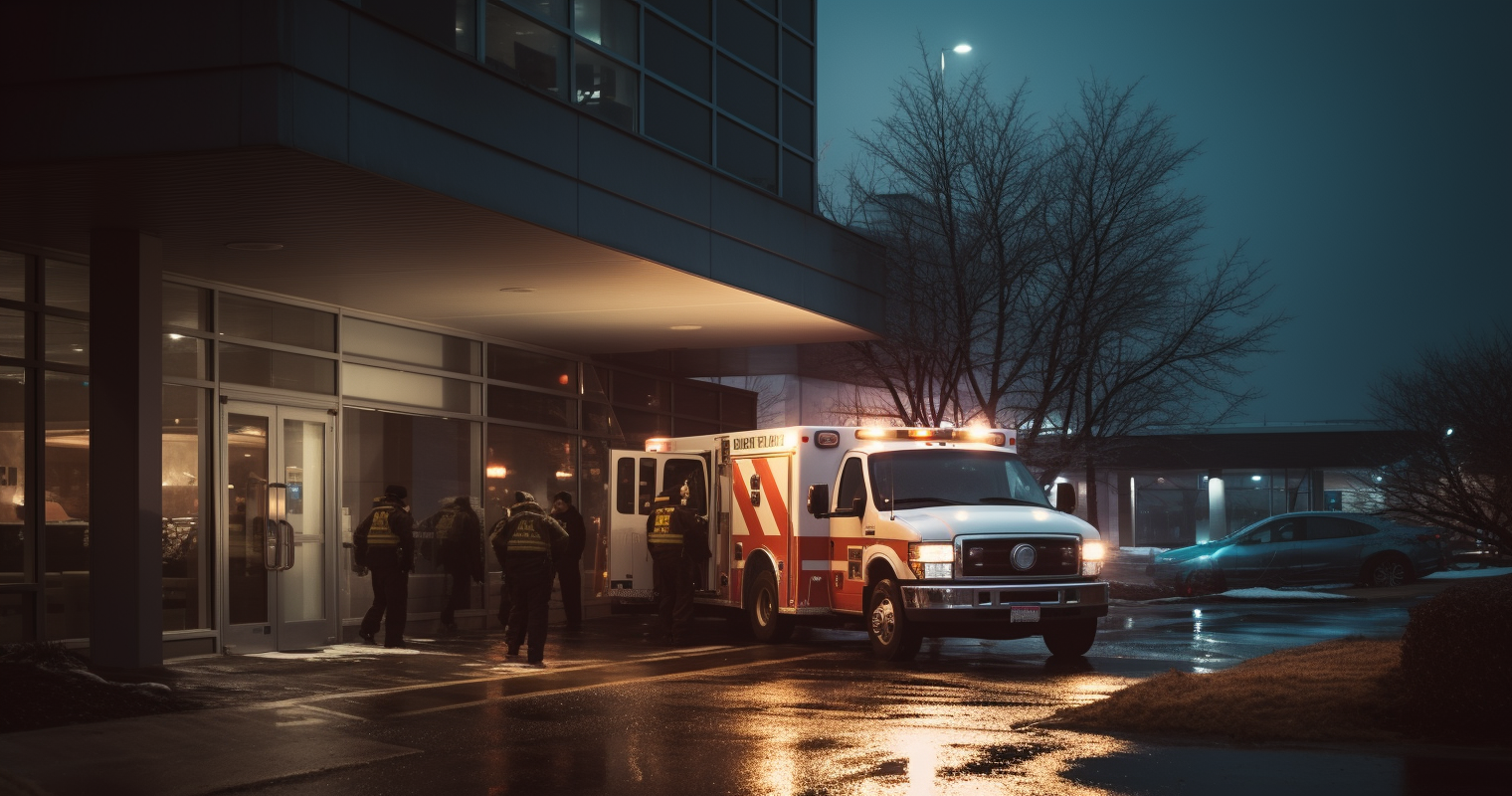
Egypt operates a single, unified emergency number — 112 — which connects callers to all emergency services, complemented by direct lines for police (122), ambulance (123), fire (180), and tourist police (126). Foreign nationals can access emergency medical treatment at public hospitals, though upfront payment or evidence of insurance cover is generally expected for anything beyond immediate stabilisation. All expats and visitors are strongly advised to obtain travel or health insurance before arriving in Egypt.
| Item | Details |
|---|---|
| Unified emergency number | 112 (as of 2022, covers all services) |
| Ambulance | 123 |
| Police | 122 |
| Fire service | 180 |
| Tourist police | 126 |
| Emergency treatment cost (public hospitals) | Basic life-saving care available at low or no cost; extended stays and advanced treatment require payment |
| Health insurance requirement | Not legally required but strongly recommended; private hospitals typically require upfront payment or proof of insurance |
| Ministry of Health helpline | 16474 |
What is Egypt’s unified emergency number, and does it cover all services?
Drawing comparison to the 911 system used in the United States, Egypt launched 112 as its first consolidated emergency hotline in October 2022, designed to route callers rapidly to whichever emergency service they require. The intention is for this number to supersede the various standalone service numbers that were previously in use.
When in doubt about which service to contact, dialling 112 is the most straightforward approach, since it acts as the central gateway to all emergency responses. That said, the individual direct-dial numbers continue to function and remain in common use: police on 122, tourist police on 126, fire service on 180, and ambulance on 123. It is wise to store all of these numbers in your phone well before any emergency arises — scrambling to find them in a crisis is a situation best avoided.
Visitors to Egypt can also reach the Tourist Police by dialling 126. This line is especially valuable for those who do not speak Arabic, or who require assistance with incidents involving crime, missing documents, or disputes — the officers handling it are trained in supporting foreign nationals. Always confirm current contact numbers against official Egyptian government sources, as updates may occur.
Importantly, mobile phones can dial 112 even when the screen is locked, the device has no SIM card installed, or the account balance has run out — as long as any network signal is present. This can prove critical in remote locations where you may have exhausted your credit.
How do you summon emergency medical help in Egypt, and what can you expect?
To request ambulance transport to the nearest Ministry of Health and Population hospital, dial 123. The Ministry of Health and Population also operates a dedicated support line on 16474, which provides further guidance and assistance to people with urgent medical needs. As of 2025, these represent the primary entry points into emergency medical care through the public system.
Response times and the quality of service differ depending on geography and demand. Urban centres generally offer quicker access, while more remote areas may involve significant delays. Even within major cities such as Cairo, ambulances frequently contend with severe traffic congestion — it is not unusual to see an emergency vehicle with sirens wailing trapped in gridlock.
In a serious emergency, expats are advised to arrange their own transport to a hospital or to contact a private hospital directly to request an ambulance, given that the public ambulance service can be inconsistent. If reaching a hospital independently is feasible, it may well be the fastest course of action. Many Cairo residents routinely opt to hail a taxi to the nearest hospital rather than await an ambulance — a practical workaround born from experience with the city’s traffic.
When calling 123, be ready to describe your location precisely and explain the nature of the emergency clearly. English proficiency among call handlers may be limited, so having a local contact close by who can assist with communication is a significant advantage. While operators are increasingly trained to deal with calls from non-Arabic speakers, fluent English support cannot be guaranteed.
What steps should you take during a mental health crisis in Egypt?
Mental health provision in Egypt remains limited in scope. As of 2025, there is no broadly publicised national crisis helpline specifically for mental health emergencies — nothing directly equivalent to the Samaritans in the United Kingdom or similar services found elsewhere. Expats facing a mental health emergency should take a practical approach.
In an acute crisis, dialling 112 or 123 can bring assistance, and both public and private hospital emergency departments are able to receive patients in severe mental distress for initial assessment. However, psychiatric emergency capacity is uneven across facilities — major public hospitals in large cities are more likely to have relevant staff available than smaller or rural establishments.
Private hospitals in Cairo and Alexandria — particularly those with experience treating international patients — tend to be better positioned to handle mental health crises. If there is any immediate risk of harm, getting to the nearest hospital emergency department is the most dependable course of action. Expats are encouraged to speak with their GP or international health insurer prior to arriving in Egypt to identify the most suitable local facility in advance. Some international insurance providers additionally offer round-the-clock telephone helplines that cover mental health support — reviewing your policy before you need it is worthwhile.
Where can you receive emergency medical treatment in Egypt?
Healthcare in Egypt is delivered through a combination of public institutions, private providers, and insurance-based arrangements. During an emergency, you may present at either a public or a private hospital — both are capable of delivering urgent care.
Public hospitals are broadly distributed throughout the country and manage a substantial portion of all routine and emergency cases. Private clinics and hospitals are concentrated in larger cities and are generally preferred for their shorter waiting times and more personalised service. The range spans from small rural clinics through to highly specialised facilities in Cairo equipped with advanced medical technology.
For foreign nationals in Egypt, a private hospital in an urban setting typically offers the most accessible and reliable standard of care. Where possible, and given the limitations of rural healthcare infrastructure, travelling to Cairo or the nearest major city for medical attention is advisable. Several Egyptian hospitals have received accreditation from the Joint Commission International, indicating that they meet rigorous international quality standards.
Private hospitals provide emergency services, routine consultations, surgical procedures, dental care, and ophthalmology. To locate the nearest facility, searching via Google Maps for hospitals or emergency departments in your area is a practical starting point. Identifying a reputable private hospital close to your home or place of work before any emergency occurs is equally sensible. Your embassy may also maintain a list of recommended medical providers — refer to the official resources section below for guidance.
Is emergency medical treatment free in Egypt, or will you be charged — and does it differ for residents versus tourists or short-term visitors?
Public hospitals are obliged to deliver basic life-saving emergency care to both Egyptian citizens and non-citizens — including refugees and asylum-seekers — at no charge or at very low cost. Beyond that threshold, however, hospitals will expect payment for advanced procedures or admissions lasting longer than 24 hours, and this applies equally to Egyptians and foreigners. In practical terms, initial stabilisation at a public hospital may involve little to no cost, but ongoing treatment, specialist intervention, and extended inpatient stays will incur charges.
Health insurance is not a legal prerequisite for receiving treatment, but many private hospitals require payment upfront. Initial life-saving treatment may be provided without charge, yet follow-up care once the immediate danger has passed will typically attract a fee. This general framework applies across all patients regardless of nationality — there is no formal distinction in emergency fee policy between long-term residents and short-term visitors at the point of care.
Despite public healthcare being theoretically free or heavily subsidised for local residents and potentially accessible to expats, many Egyptians themselves avoid public hospitals due to ageing equipment, protracted waiting times, undertrained staff, and hygiene concerns. In 2025, private hospitals will not initiate treatment without advance payment or verified proof of insurance. Arriving at a private hospital without documentation or cash may result in delays to care beyond the immediate stabilisation phase.
Do expats in Egypt require travel or health insurance to access emergency care, and what happens without insurance or the ability to pay?
Private medical insurance is strongly advisable for expats in Egypt, covering both planned and emergency healthcare. While there is no legal prohibition on entering a hospital without insurance, private facilities will in practice expect private cover or direct out-of-pocket payment for the care they provide.
Some hospitals request a cash deposit or upfront payment before initiating treatment. Many will prefer immediate cash payment rather than billing an insurer directly, so patients should request all relevant documentation to support any reimbursement claim later. Keeping thorough records and receipts of any care received is essential if you plan to reclaim costs through your insurer.
For short-term visitors, travel insurance that encompasses emergency treatment, hospitalisation, and medical evacuation is the most comprehensive solution. Many expats favour policies that include evacuation to another country in the event of a medical emergency requiring specialist care unavailable locally. This evacuation coverage is particularly important for those residing outside major urban centres. If you find yourself without any means of payment — neither insurance nor cash — public hospitals remain the fallback for immediate life-threatening care, though the standard of facilities varies considerably.
Do bilateral health agreements give some foreign nationals access to free or reduced-cost emergency care?
In contrast to the reciprocal healthcare arrangements found between EU member states — such as the European Health Insurance Card framework — or certain bilateral agreements between individual countries, Egypt does not currently participate in any broad multilateral scheme that would entitle foreign nationals to free or discounted medical treatment as of right.
Whether healthcare costs anything for a given individual in Egypt depends on registration with the national health insurance scheme or possession of private cover. Although Egypt is nominally committed to universal health insurance, the reality is that most people do not engage with it, owing to shortcomings such as lengthy waiting times, inadequate infrastructure, and a shortage of medical professionals.
The Egyptian government introduced the Universal Health Insurance System (UHIS) in 2018, currently being rolled out in stages, with full implementation anticipated by 2027. Once complete, the system will allow Egyptians to access both public and private facilities at subsidised rates. The UHIS is unlikely to extend meaningful benefit to most expats, though it is expected to gradually raise the overall standard of healthcare in Egypt. Expats should check with their home country’s embassy in Cairo whether any bilateral health or social security agreements apply to their circumstances, as these arrangements can change. Do not assume any entitlement exists without verifying it directly with authoritative sources.
How does Egypt’s emergency healthcare system measure up against systems expats may know from home?
Egypt’s healthcare model is most accurately described as a mixed public-private system in which the public sector is nominally universal but chronically under-resourced, while the private sector delivers higher-quality care at a financial cost. This stands in contrast to a model such as the NHS in the United Kingdom, where emergency care is free at the point of use for everyone, irrespective of nationality or insurance status, and ambulance services are entirely publicly funded.
Egypt’s healthcare landscape comprises two principal sectors: public provision, managed by the Ministry of Health and Population, which offers basic care at low cost but suffers from persistent underfunding; and private provision, encompassing hospitals and clinics with modern equipment and internationally comparable standards, which most foreign nationals opt for given the superior quality of care.
Years of insufficient public investment have left many state hospitals understaffed and short of equipment, pushing a large share of the population towards private facilities. In this respect, Egypt resembles many middle-income countries where a formal public infrastructure technically exists but a parallel private sector is the practical choice for those with the means — structurally comparable to healthcare systems in parts of Latin America or Southeast Asia, where out-of-pocket expenditure is the norm. As with ambulance response times, expats should factor in the option of taking a taxi directly to a hospital in an emergency, as this frequently proves faster than waiting for a public ambulance.
Beyond medical services — how do police and fire services operate in Egypt, and are there important differences in how to contact or interact with them?
Police are reachable on 122, the fire service on 180, and the tourist police on 126. All three can also be contacted via the unified 112 number. The tourist police line (126) exists expressly to support foreign nationals and operates across major tourist zones, hotels, airports, and heritage sites — if you are a victim of crime or require police assistance and face a language barrier, the tourist police are usually your most accessible first point of contact.
Egyptian authorities take crime seriously and generally endeavour to assist where possible, though language barriers can sometimes hamper the prompt reporting of incidents. When dealing with police, carry your passport or a certified copy — you may be asked to identify yourself. Filing a formal report for theft, assault, or for an insurance claim may take considerable time and could require an Arabic-speaking colleague or professional interpreter.
There have been isolated cases where interactions with police, particularly in smaller towns or rural areas, have not gone smoothly for foreign nationals. As a general rule, staying calm, courteous, and patient will serve you well. For fire emergencies, dial 180 or 112. Response times for fire services can vary considerably, especially beyond major urban areas. As with ambulance services, mobile network coverage is reliable in cities but weaker in remote regions, which may affect your ability to reach any emergency service when travelling off the beaten track.
What country-specific emergency risks exist in Egypt?
Egypt presents a range of specific risks that expats should understand and plan around. Road safety is a major concern — traffic in Egypt, particularly in Cairo, is notoriously chaotic, and road traffic collisions are among the most frequent causes of emergency hospital admissions. Always keep cash on hand for taxis or medical fees, as card payment may not be an option in all circumstances.
Natural hazards include flash flooding — especially in the Sinai Peninsula and Upper Egypt — earthquakes (Egypt lies within a seismically active zone), and extreme heat, with temperatures in the south regularly surpassing 40°C in summer, presenting genuine risks of heat exhaustion and dehydration. Coastal regions, including Red Sea resort areas, bring the additional hazards of water-related emergencies and powerful currents.
Health risks encompass the potential for waterborne illnesses and, in some areas, mosquito-borne diseases. Expats should consult their home country’s travel health advisory and the World Health Organization’s Egypt country page for up-to-date vaccination guidance and information on any disease outbreaks, both before departure and throughout their stay.
On the question of civil unrest: Egypt and other Arab countries have experienced periods of political tension, protests, and security incidents in recent years. While conditions have been relatively stable for some time, expats should keep abreast of local news and exercise caution around large gatherings or public demonstrations. Egypt does not operate a widely accessible national mass-alert system for civilians comparable to the Emergency Alert System in the US or the UK’s Emergency Alerts service. Expats should instead rely on advisories from their home country’s embassy in Cairo and regularly consult government travel advice pages for Egypt.
How should expats prepare for emergencies before they occur in Egypt?
- Register with your embassy or consulate. Most governments provide a free registration service — for instance, the UK’s FCDO offers LOCATE, the US operates STEP, and Australia runs Smartraveller. Registration enables your government to reach you during a national crisis, evacuation, or major emergency. Visit your country’s embassy website in Cairo to complete registration.
- Store all emergency numbers in your phone. Before travelling to or settling in Egypt, add all key numbers to your phone — including 112 and 126 — along with the standalone lines for police (122), ambulance (123), and fire (180), and the Ministry of Health helpline (16474).
- Locate your nearest hospital in advance. Opt for private clinics or hospitals for a higher standard of care, and arrange travel or expat insurance prior to arrival to protect yourself from significant out-of-pocket expenses. Establish which nearby private hospital accepts international insurance before any emergency arises.
- Carry essential documents. When seeking medical treatment, always have your passport and insurance documents with you. Maintain both physical copies and secure digital copies stored in the cloud.
- Keep cash accessible. Electronic payment may not always be accepted for taxis or hospital deposits, so carrying Egyptian pounds can save vital time when an emergency unfolds.
- Acquire basic Arabic phrases. Learning a handful of key Arabic expressions — or installing a translation app — can prove decisive in a crisis. Being able to communicate “I need a doctor,” “hospital,” and “emergency” may make a real difference.
- Review your insurance policy thoroughly. Confirm that your cover includes emergency evacuation, repatriation, and hospitalisation. A comprehensive international health insurance policy with medical evacuation and airlift coverage is the most robust form of protection.
- Monitor the situation and stay informed. Sign up for alerts from your home country’s embassy and follow reliable local news sources to keep track of any developing security, weather, or public health events.
Where can expats find official and current emergency information for Egypt?
The following authoritative sources provide emergency information relevant to Egypt. It is always advisable to cross-reference multiple outlets, as information is subject to change and no single source is comprehensive:
- Egyptian Ministry of Health and Population: mohp.gov.eg — for public health guidance, hospital directories, and official health emergency contacts including the 16474 helpline.
- Egyptian Ministry of Interior: moi.gov.eg — for police and public safety contacts, including the 122 police line and the 112 unified emergency number.
- UK Foreign, Commonwealth & Development Office (FCDO): gov.uk/foreign-travel-advice/egypt — for travel advisories, security alerts, and registration with the LOCATE service. Regularly updated.
- US Department of State — Egypt Travel Advisory: travel.state.gov — covers security alerts and the Smart Traveler Enrollment Program (STEP).
- Australian Government Smartraveller: smartraveller.gov.au — travel advisories and registration for Australians living or travelling abroad.
- World Health Organization — Egypt: who.int/countries/egy — for disease outbreak information, vaccination recommendations, and public health alerts.
- Your home country’s embassy in Cairo: All major embassies maintain emergency out-of-hours contact lines for their citizens — save this number before you ever need it. Embassy contact details are listed on your government’s foreign affairs website.
Always verify figures, telephone numbers, and procedures against these official sources before acting on them, as details can change without prior notice.
Frequently asked questions about emergencies in Egypt
What is the most important emergency number to save in Egypt?
When uncertain which service you require, dialling 112 is the safest choice, as it is Egypt’s official consolidated emergency number. It is equally worth storing the dedicated lines: 123 for ambulance, 122 for police, 180 for fire, and 126 for tourist police. Confirm these numbers against official Egyptian government sources before you travel, as they may be subject to revision.
Can I go directly to a hospital emergency department rather than calling an ambulance?
For situations that are not immediately life-threatening, many people prefer to make their way directly to the nearest hospital or private clinic. Cairo in particular is notorious for relentless traffic congestion, making self-arranged transport to hospital frequently faster than waiting for an ambulance. If you can travel safely, heading directly to a hospital — a private one where possible — often yields quicker results.
Will I be turned away from an Egyptian hospital if I have no insurance?
Public hospitals are required to deliver basic life-saving emergency care to foreigners at no or minimal cost. However, as of 2025, private hospitals will not begin treatment without advance payment or verified proof of insurance. If you arrive without either, a public hospital provides the fallback for immediate life-threatening care — though the quality and standard of facilities can vary considerably.
Is there a tourist police number, and when should I use it?
The tourist police can be reached by dialling 126. This number is the appropriate contact if you have been a victim of crime, need assistance resolving a dispute, have lost your passport or other valuables, or require police help and are concerned about a language barrier. Tourist police officers have experience supporting foreign nationals and are typically stationed in tourist areas, airports, and hotels.
Are pharmacies useful in a minor emergency in Egypt?
Pharmacies are widely available throughout Egypt, many operating around the clock and offering home delivery services. A broad range of medications — including antibiotics and painkillers — can be purchased without a prescription, and pharmacists frequently have a working knowledge of English. For minor ailments or injuries, a pharmacy is often a quick and affordable first option. For anything requiring formal diagnosis or urgent clinical treatment, however, a hospital is the appropriate destination.
What should I do if I need emergency care in a rural area of Egypt?
Where the conditions allow, the best course of action in a rural medical emergency is to travel to Cairo or the nearest major city for treatment. Mobile network coverage is generally reliable in cities but markedly weaker in remote regions, so planning your communications strategy before venturing off the beaten track is important. Satellite communication devices may be useful in very isolated areas — note, however, that satellite phones are subject to restrictions or permit requirements in Egypt, so verify current regulations before using one.
Does Egypt have a formal medical evacuation service?
There is no universal, publicly funded medical evacuation service available to foreign nationals in Egypt. However, a comprehensive international health insurance policy that includes medical evacuation and overseas airlift coverage can fill this gap. Such cover is especially important for expats living outside major cities or in areas where specialist medical facilities are scarce.
How can I stay informed about security threats or disasters while living in Egypt?
Register with your home country’s embassy in Cairo and enrol in their travel alert programme — such as the UK’s FCDO alerts, the US STEP scheme, or Australia’s Smartraveller. Keep across local and international news, and save key emergency contacts — including your embassy’s after-hours line — in your phone. Your home government’s Egypt travel advice page is generally the most reliable and regularly updated source of security and emergency information.