
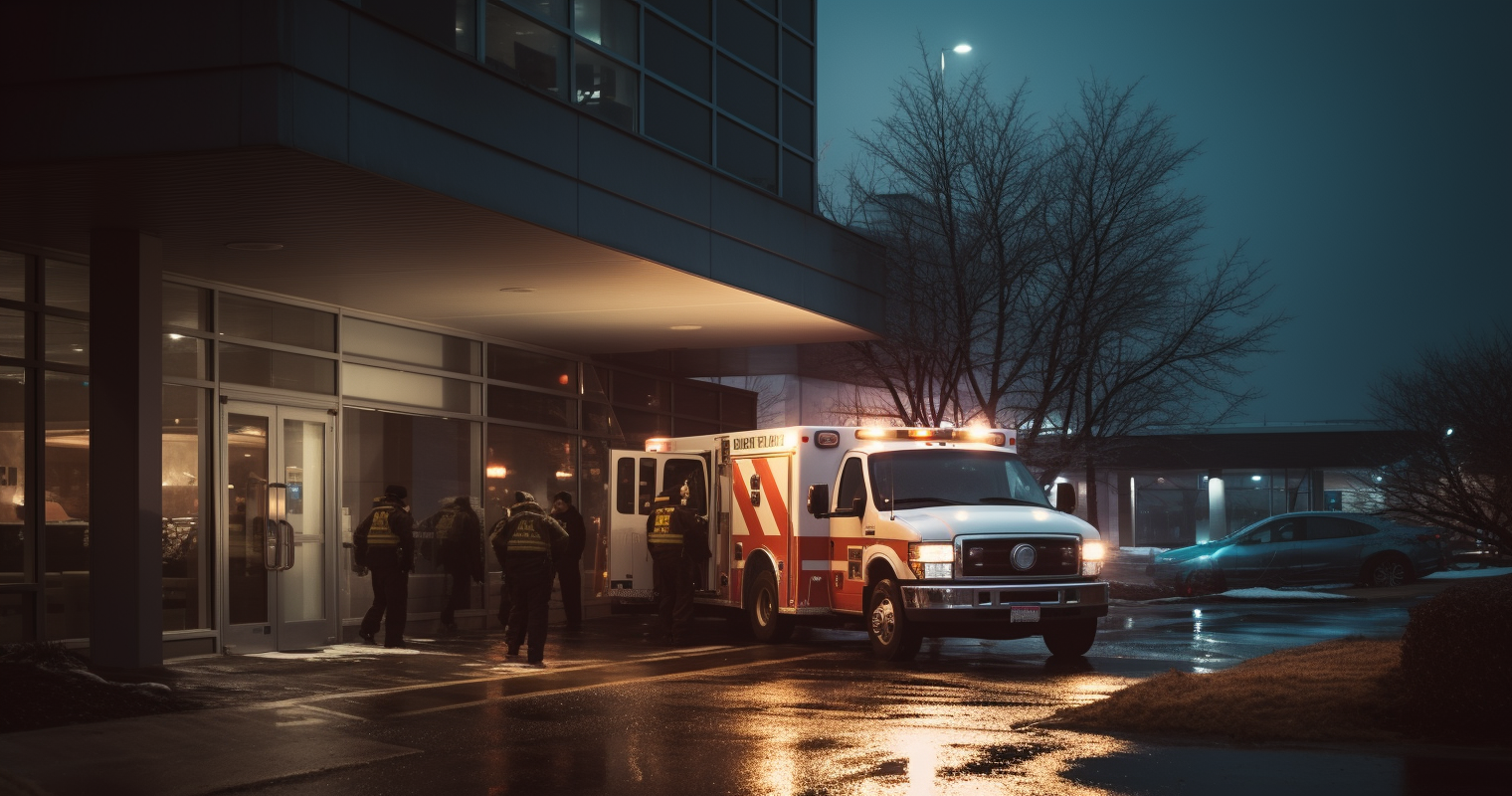
Thailand maintains a network of specific emergency lines rather than a single catch-all number. The central number is 191 (general emergencies), alongside dedicated lines for ambulance services (1669), fire (199), and the Tourist Police (1155). Emergency medical treatment in Thailand is not provided free to foreign nationals — visitors and most residents will face charges, making health insurance a necessity rather than a luxury before any crisis arises.
| Item | Details |
|---|---|
| General emergency number | 191 (as of 2025); 911 also connects in Thailand |
| Ambulance | 1669 (national public EMS, free to call) |
| Tourist Police | 1155 (24/7, multilingual assistance) |
| Mental health hotline | 1323 (Department of Mental Health, 24/7); Samaritans Thailand: 02-113-6789 |
| Emergency treatment cost for foreigners | Not free — upfront payment or insurance typically required |
| Bilateral health agreements | None confirmed for emergency care — private insurance is essential |
What is Thailand’s primary emergency number, and are there separate lines for each service?
Thailand does not operate a single number capable of handling all types of emergencies. In contrast to the EU’s 112 system or the 999 system used across parts of the Commonwealth — where a single number connects callers to any emergency service — Thailand routes different emergencies through dedicated lines. Knowing these numbers in advance could prove crucial when every second counts.
The principal general emergency number is 191. This line handles medical crises, fires, criminal incidents, and natural disasters, making it broadly comparable to 911 in the United States. In fact, 911 has also been made operational in Thailand specifically to accommodate foreign visitors. Both numbers should connect to an operator, though language availability and response quality may differ depending on your location.
In addition to 191, the following dedicated lines are worth memorising:
- 1669 — national ambulance and rescue hotline
- 199 — fire department, covering fires of every kind
- 1155 — Tourist Police, a specialist service for foreign visitors dealing with problems such as theft, fraud, or missing travel documents, with multilingual support available
- 1193 — Highway Police, for collisions and road incidents on major roads
- 1367 — Thailand Poison Control Center, for guidance following accidental ingestion or toxic exposure
Always confirm current contact numbers through official sources before travelling, as hotline numbers can be updated. The Thai Ministry of Interior and the National Institute for Emergency Medicine (NIEM) both publish reliable contact information.
How do you summon emergency medical help in Thailand, and what can you expect?
In a medical emergency, call 1669. This line connects you to free ambulance services operated by the National Institute for Emergency Medicine and is available nationwide, though the quality of response can differ substantially depending on where you are.
Response times are approximately 10 minutes in urban centres and 30 minutes in rural settings. When you call, stay composed and give the operator precise information about your location, the nature of the emergency, and any other pertinent details.
The responders who arrive may be trained volunteers rather than fully credentialled paramedics. Thailand’s first responder system operates across three levels: FR (first responders), who make up the majority of volunteers and typically receive only 24 hours of training; BLS (Basic Life Support); and ALS (Advanced Life Support). Professional responders attend scenes where appropriate. This structure differs considerably from countries where all front-line ambulance staff hold paramedic qualifications.
In Bangkok, private ambulance services — reachable on 1724 or 1719 — may arrive more quickly given the city’s notoriously congested traffic, which affects public ambulance response times. Private services carry higher costs but typically transport patients directly to a private hospital. Note that if a private hospital dispatches its own ambulance, a charge will apply. When time permits, confirm costs with your insurer before using such a service.
Two apps are worth downloading before you need them: the Thai EMS 1669 App, which offers chat features and direct connection to emergency responders, and the Tourist Police I Lert U App, useful for non-medical emergencies or when communicating by voice is difficult.
What steps should you take during a mental health emergency in Thailand?
If you or someone nearby is experiencing a mental health crisis, Thailand provides several dedicated resources. The country’s primary mental health emergency line is 1323, operated by the Department of Mental Health under the Ministry of Public Health. This is a free, around-the-clock consultation service staffed by psychologists. Be aware that the 1323 line can experience high call volumes during peak periods, leading to significant wait times — verify current availability through official channels.
People experiencing stress, anxiety, or other mental health difficulties can also contact the 1667 Mental Health Support Centre, which operates 24 hours a day. The importance of these services was highlighted following the major earthquake that affected multiple regions in 2025, when the Department of Mental Health deployed extensive psychological support and mobilised Mental Health Crisis Assessment and Treatment Teams (MCATT) across affected areas.
For those who need support in a language other than Thai, the Samaritans of Thailand provide a confidential listening service available to all callers regardless of age, gender, beliefs, or ethnicity. They can be reached at 02-713-6791 (Thai) or 02-113-6789 (for callers preferring another language).
If you face a life-threatening psychiatric emergency, attending the emergency department of an international private hospital is strongly advisable. While you will be asked for payment or insurance documentation, that should not be a reason to delay seeking help. Hospital emergency departments can carry out crisis assessments and, when required, arrange referrals to inpatient psychiatric services. It is worth noting that while the 1323 hotline is staffed by trained professionals, these are not medical practitioners, and individuals with serious conditions are still encouraged to consult mental health doctors directly.
Where can you receive emergency medical care in Thailand?
Thailand is home to more than 1,000 hospitals, of which over 470 are privately operated. Expats generally have the option of attending public or private hospitals, with urgent care clinics also available in larger urban centres. The most appropriate choice will depend on your location, the severity of your condition, and your insurance situation.
Public hospitals are government-funded institutions found in every province. Their fees are considerably lower than those at private facilities, but waiting times can be lengthy — patients often arrive as early as 6–7am to secure a place in the queue. In a genuine emergency, a public hospital’s emergency department will stabilise you, though the experience may differ markedly from what you are accustomed to in a country with universal coverage.
Private hospitals are generally the preferred destination for expats. Thailand’s private hospitals are typically well-equipped and staffed by multilingual personnel. Bangkok’s leading private institutions — including Bumrungrad International, Bangkok Hospital Group, and Samitivej Hospitals — are internationally recognised for their facilities and collectively treat more than 520,000 international patients from 190 countries each year. All 37 hospitals in Thailand accredited by the Joint Commission International (JCI) are private facilities.
Outside Bangkok, major cities such as Chiang Mai, Phuket, Pattaya, and Koh Samui have private international hospitals and clinics experienced in treating foreign patients. In rural areas, the closest option may be a small public district hospital. If a medical emergency arises outside normal hours, go directly to a hospital. Google Maps or the 1669 dispatcher can help you identify the nearest suitable facility.
Does emergency medical treatment cost money in Thailand, or is it provided free?
Emergency medical care in Thailand is not free for foreign nationals. Thailand’s public health system does not extend universal coverage to foreigners visiting or residing in the country under short-term arrangements, unlike systems where emergency care is delivered free at the point of use regardless of nationality or residency status.
Foreign nationals employed in Thailand and contributing to the Social Security Fund may access healthcare through registered public hospitals. However, short-term visitors and tourists receive no such coverage. Even at public hospitals, foreigners are typically charged a patient fee — a consultation at a government facility may cost somewhere in the range of 50–500 THB (approximately $1.50–$15), though waiting times will be considerably longer. These figures are approximate and subject to change; always confirm current charges with the relevant hospital.
At private hospitals — where most expats prefer to be treated — costs rise substantially. A general practitioner consultation typically runs $30–70 USD, while an emergency room visit can cost $80–220 USD, and private hospital rooms at premier facilities may reach $310–350 USD per night. An ambulance journey alone can cost 2,000–5,000 THB ($60–$150), while treatment for serious conditions such as fractures or cardiac events can amount to 20,000–100,000 THB ($600–$3,000) or more. All of these figures are approximate as of 2024–2025; confirm current rates directly with the hospital.
The Thai government has at times introduced limited schemes to assist visitors. Under one such programme, in collaboration with the Ministry of Tourism and Sports and the National Institute of Emergency Medicine, international visitors involved in accidents while in Thailand have been offered medical coverage of up to 500,000 baht (approximately US$13,861). This excludes general medical treatment and pre-existing conditions, underscoring the importance of comprehensive private insurance. Whether any such initiative is currently active should be confirmed through official Thai government sources before you travel.
Should expats carry health insurance to access emergency care in Thailand?
Yes — health or travel insurance is strongly recommended for anyone living in or visiting Thailand who is not enrolled in Thailand’s Social Security scheme. Expatriates and other foreign nationals are not entitled to access care through Thailand’s universal health programme. If your employer does not provide health coverage, you will need to arrange private insurance independently.
Without insurance, private hospitals will typically require a deposit or evidence of the ability to pay before admitting non-emergency patients, and may request upfront payment even for urgent care. A serious medical emergency can easily generate bills of $10,000–50,000 USD without insurance. These are not theoretical figures — motorbike accidents, which are among the most frequent causes of injury among foreign residents, can produce costs at or beyond the upper end of that range.
Employees of private companies in Thailand may qualify for health coverage through the country’s social security programme, funded via payroll contributions. This scheme does not cover dependants, however, meaning family members will need separate private insurance arrangements.
For those on retirement visas, long-stay visas, or self-employed arrangements, comprehensive international health insurance covering illness, accidents, and other medical treatments is not just advisable but often mandatory. Several long-term visa categories in Thailand now require applicants to provide proof of health insurance — confirm current requirements with the Thai Immigration Bureau.
Do bilateral health agreements give certain foreign nationals access to reduced-cost treatment?
Unlike the arrangements that exist within the European Economic Area — where reciprocal agreements allow residents to access emergency care on equivalent terms in other member states — Thailand has no known reciprocal healthcare agreements with other countries that would entitle foreign nationals to free or reduced-cost emergency treatment.
Foreign nationals and expats are not eligible to access care through Thailand’s universal health programme, irrespective of their home country. There are no Commonwealth health agreements, no arrangements equivalent to the European Health Insurance Card (EHIC) system, and no country-specific exemptions that have been verifiable through official sources.
If you believe a specific treaty or bilateral arrangement may apply to your nationality, confirm this directly with your home country’s embassy in Bangkok and with Thailand’s Ministry of Public Health (moph.go.th) before assuming any entitlement. Relying on secondary sources for this information is inadvisable — the consequences of being uninsured and unable to meet the cost of emergency care in Thailand can be severe.
How does Thailand’s emergency healthcare compare with systems expats may already know?
Thailand operates a mixed public-private system in which access to care depends heavily on employment status, residency category, and ability to pay. This stands in sharp contrast to fully public systems — such as the UK’s NHS or Canada’s Medicare — where emergency treatment is available free at the point of use to all lawful residents. It bears greater resemblance to systems where payment or insurance is the default expectation.
Foreign nationals employed in Thailand who contribute to the Social Security Fund can receive care at registered public hospitals — a structure broadly comparable to contributory social insurance models found in countries like Germany or France. However, unlike those European systems, Thailand’s Social Security scheme does not extend to most categories of expat beyond employed workers, and it excludes visitors entirely.
Thailand’s private hospital sector is internationally respected. The country ranks consistently among Asia’s leading destinations for medical tourism, with a healthcare infrastructure that draws patients from across the world. That level of care, however, comes at a price that can be substantial without insurance, especially at the internationally accredited facilities most favoured by expats.
The ambulance system also differs from many countries in a notable way: first responders may be volunteers with limited training, rather than the fully qualified paramedics typical in Australia, New Zealand, or much of Northern Europe. In practice, expats in major cities who hold insurance often find that calling a private hospital’s own ambulance service delivers a faster and more clinically capable response.
What non-medical emergency services are available — how do police and fire services operate?
Thailand’s police and fire services operate through dedicated numbers and function rather differently from what many expats may be accustomed to. Familiarising yourself with these distinctions before an emergency arises will allow you to respond more effectively.
Police: The number 191 connects to the Royal Thai Police and serves as the general police emergency line across the country. However, operators may not always have strong capability in languages other than Thai, in which case the Tourist Police are a better option. The Tourist Police (1155) specialise in assisting foreign visitors with matters such as theft, scams, and lost or stolen travel documents, and they operate around the clock with multilingual support. The Tourist Police maintain local offices in Bangkok, Pattaya, Phuket, and Chiang Mai, and their “Tourist Police I Lert U” app allows contact without needing to speak Thai.
Additional specialist police lines worth saving include: 1193 for the Highway Police, 1195 for the Crime Suppression Division, and 1192 for vehicle theft reports.
Fire: Call 199 to reach the fire department for any type of fire. Local fire services are administered at the municipal level, and response times and capacity can vary considerably between urban and rural locations. In any fire emergency, evacuate the building before attempting to call — do so from a safe distance.
An important practical note regarding road traffic accidents: do not move vehicles from the scene until police have attended, as their positioning can be relevant to determining liability. If a disagreement with another driver arises, contact the Tourist Police on 1155 rather than attempting to resolve it independently, particularly if the situation is becoming confrontational.
What country-specific emergency risks should expats be aware of in Thailand?
Thailand presents a number of distinct risk categories that expats should understand and prepare for in advance. These range from natural hazards and extreme weather to infectious disease and periodic civil unrest.
Natural disasters: Thailand is susceptible to flooding — most commonly during the monsoon season, which runs roughly from May to October — as well as tropical storms, landslides in highland areas across the north and south, and occasional seismic events. A significant earthquake struck in 2025, triggering a national emergency response. The National Disaster Warning Center operates a 24/7 hotline on 1860 for natural disaster alerts. The Department of Disaster Prevention and Mitigation (DDPM) can be reached on 1784, and their website (disaster.go.th) provides authoritative disaster preparedness guidance.
Extreme heat: High temperatures are a year-round feature of Thailand’s climate, with the most intense heat typically occurring between March and May. Heat exhaustion and heatstroke are genuine health hazards, particularly for those who have not yet acclimatised. Stay well hydrated, avoid strenuous outdoor activity during the hottest parts of the day, and seek shade or air-conditioned environments if you begin to feel unwell.
Infectious disease: Dengue fever is endemic throughout Thailand and case numbers typically increase during the rainy season. Additional concerns include rabies from animal bites — the Thailand Poison Control Center (1367) provides guidance on bites and envenomation — leptospirosis following flooding, and, in certain border regions, drug-resistant malaria. The Disease Control Hotline on 1422 provides information on current outbreaks. Consult a travel health specialist or infectious disease clinic for up-to-date vaccination and prophylaxis advice before relocating to Thailand.
Civil unrest: Thailand has experienced periodic political demonstrations and episodes of civil unrest, particularly in Bangkok. These situations can escalate unpredictably. Keep abreast of local news and the travel advisories issued by your home country’s foreign ministry, and avoid large public gatherings or political demonstrations as a precaution.
How should expats prepare for emergencies before one occurs?
Advance preparation is the single most effective measure you can take to protect yourself in Thailand. The steps below are recommended both before departure and immediately upon arrival:
- Register with your home country’s embassy or consulate. Most governments operate a voluntary registration scheme — sometimes referred to as a traveller registration or citizens-abroad registry — enabling the embassy to reach you in the event of a major incident, evacuation, or natural disaster. Consult your government’s foreign ministry website for details. Your embassy can also provide consular assistance for emergencies such as a lost passport, serious illness, or involvement in a crime.
- Arrange adequate health and travel insurance. Ensure your policy covers emergency medical treatment, hospitalisation, medical evacuation, and repatriation to your home country. Confirm that your insurer has a 24/7 emergency assistance line and save that number in your phone. Some plans also include emergency medical evacuation or repatriation benefits that would be extraordinarily costly to cover out of pocket.
- Store all key emergency numbers. Save 191, 1669, 1155, 199, 1323, and the number of your nearest hospital in your phone before you ever need them. Also add your insurer’s emergency line and your embassy’s out-of-hours contact number.
- Identify your nearest hospital. Locate the hospital closest to your home and place of work and keep their contact information readily accessible. If you are based in Bangkok, find out which private hospital has a direct billing arrangement with your insurer.
- Carry identification and insurance documentation. Keep your passport with you for registration at hospitals. Maintain a digital copy of your insurance policy and a summary card showing your policy number and emergency contact details.
- Understand the hazard risks in your area. If you live or travel outside Bangkok, familiarise yourself with local flood-prone zones, evacuation routes, and the locations of emergency shelters. Consult your provincial government and DDPM guidance for area-specific information.
- Download relevant emergency applications. Both the Thai EMS 1669 App and the Tourist Police I Lert U App are valuable tools. Ensure that location services are enabled on your phone so that emergency operators can determine your position when you call.
Where can expats find authoritative and current emergency information for Thailand?
For the most accurate and up-to-date guidance, always consult official government and institutional sources rather than social media or informal travel forums. The key sources include:
- National Institute for Emergency Medicine (NIEM) — the body responsible for the 1669 EMS system and emergency medical policy across Thailand.
- Ministry of Public Health Thailand — for information on the health system, disease alerts, and hospital policy.
- Department of Disaster Prevention and Mitigation (DDPM) — for natural disaster warnings, preparedness resources, and the 1784 hotline.
- Department of Mental Health, Ministry of Public Health — for mental health services and the 1323 hotline.
- Tourism Authority of Thailand (TAT) — general visitor safety information and the 1672 helpline.
- Your home country’s foreign ministry travel advisory pages — including the UK’s Foreign, Commonwealth and Development Office (FCDO), the US State Department, and Australia’s Department of Foreign Affairs and Trade (DFAT) — all publish regularly updated Thailand travel advisories and information about registering your presence abroad.
Always verify phone numbers and procedures through these official channels before relying on them, as hotline numbers and operating procedures can and do change.
Frequently asked questions
What is the fastest number to call in any emergency in Thailand?
Dial 191 for any general emergency — this is the closest equivalent to a universal emergency number in Thailand and connects you to the Royal Thai Police, who can coordinate additional assistance. For a medical emergency specifically, 1669 routes you directly to the national EMS ambulance service. As of 2025, 911 also functions in Thailand and may feel more intuitive for some callers.
Will a Thai ambulance take me to hospital even if I have no money or insurance?
The public 1669 ambulance service will respond to a genuine emergency and transport you to the nearest suitable hospital. However, the hospital is likely to require payment or evidence of insurance before delivering non-emergency treatment. In life-threatening situations, stabilisation should be provided, but you will ultimately receive a bill. Carrying travel insurance is essential to avoid serious financial hardship.
Is there an emergency line I can call if I don’t speak Thai?
Yes. The Tourist Police (1155) are specifically equipped to assist foreign visitors and provide a 24/7 service with multilingual support. They can also liaise with other emergency services on your behalf. The general 191 number may have multilingual operators available, particularly in larger cities, though this cannot be guaranteed. The Tourist Police I Lert U app offers an alternative for contacting assistance without needing to speak Thai.
What happens if I go to a Thai hospital without insurance and cannot pay?
Private hospitals in Thailand are legally required to provide stabilising emergency treatment, but they will pursue payment for services rendered. They may ask to hold your passport or require a guarantor for significant bills. Patients who cannot pay risk being discharged before treatment is complete or transferred to a public hospital. In extreme cases, outstanding medical debt can complicate your departure from the country. This makes insurance an essential safeguard, not an optional extra.
Does Thailand have a reciprocal healthcare agreement with the EU, the UK, or Australia?
No. Thailand has no known reciprocal healthcare agreements with the EU, UK, Australia, or any other country that would entitle foreign nationals to free or subsidised emergency treatment. Regardless of your nationality, comprehensive health insurance is essential when living in or visiting Thailand. Always verify this position with your embassy and Thailand’s Ministry of Public Health, as international arrangements can evolve over time.
What diseases should I be vaccinated against before moving to Thailand?
Commonly recommended vaccinations include hepatitis A and B, typhoid, tetanus, rabies — particularly for those spending extended time in rural settings — and Japanese encephalitis for long-term rural residents. Dengue fever is endemic and a vaccine is available in some countries; discuss this with a travel health clinic. Malaria prophylaxis may be recommended for certain border areas. Seek advice from a qualified travel medicine professional and consult the Disease Control Department hotline (1422) for current recommendations.
How do I get mental health support in Thailand in a crisis if I don’t speak Thai?
The Samaritans of Thailand provide support in languages other than Thai and can be reached on 02-113-6789. For an acute psychiatric emergency, presenting directly to the emergency department of a large private international hospital is the most advisable course of action, as these facilities typically employ multilingual staff and have access to on-call psychiatrists. Be prepared to present insurance documentation or arrange payment.
Is Thailand prone to natural disasters, and how will I be warned?
Yes — flooding during the monsoon season is the most prevalent and widespread natural hazard, alongside occasional typhoons, landslides, and seismic events. The National Disaster Warning Center (1860) and the Department of Disaster Prevention and Mitigation (1784 / disaster.go.th) issue official alerts and guidance. Your home country’s foreign ministry travel advisory service will also send emergency notifications if you are registered with your embassy. Set up these alerts well before you need them.