

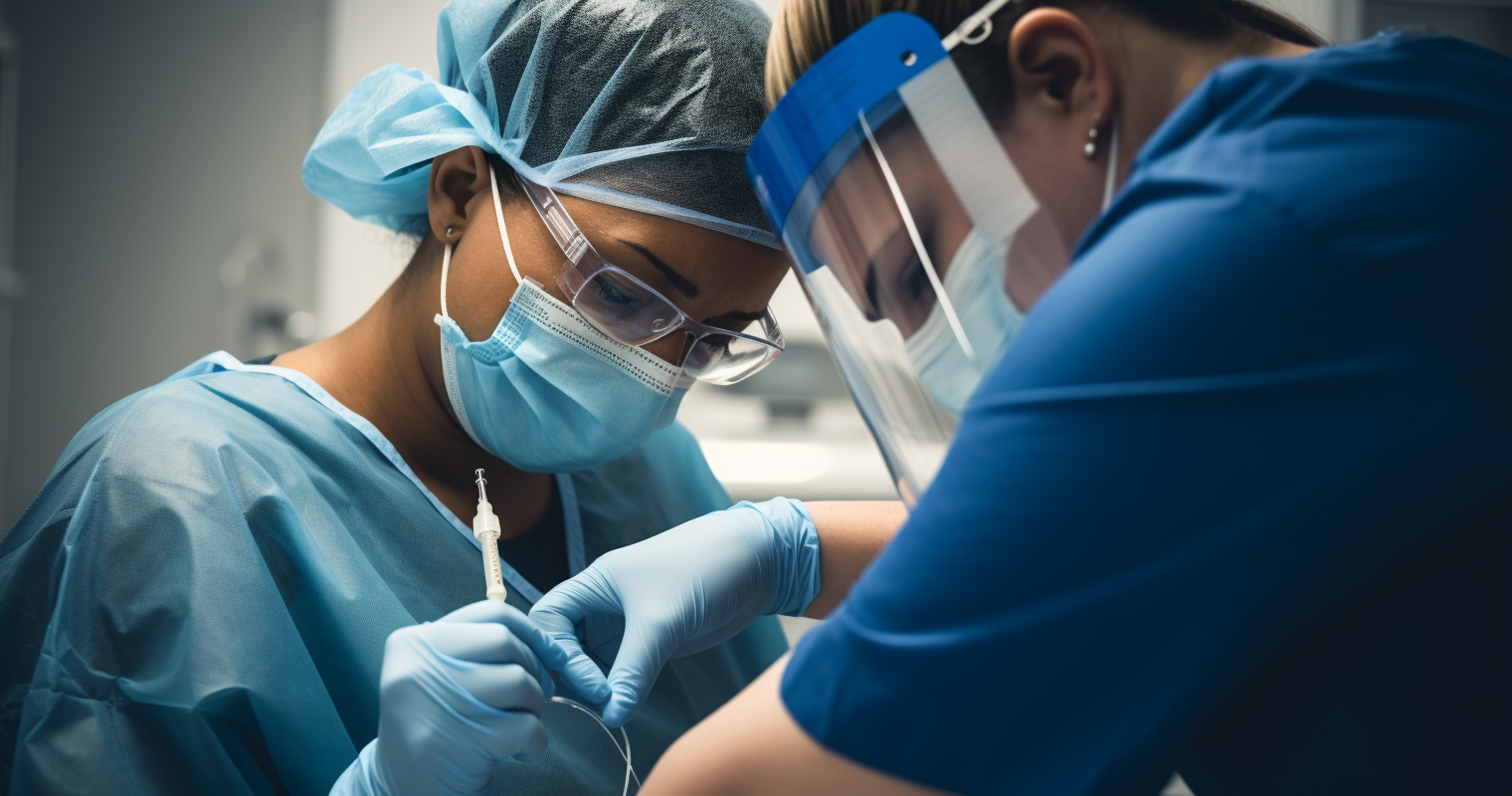
Belize operates a dual public-private healthcare system. The government-funded public sector, administered by the Ministry of Health and Wellness, delivers low-cost or free treatment to residents, though capacity can be strained and specialist services remain scarce. The majority of expats turn to private hospitals and clinics — particularly those in Belize City — and arranging comprehensive international health insurance before relocating is strongly advisable.
| Item | Details |
|---|---|
| System type | Mixed public-private; public sector is government-funded and tax-supported, not a universal insurance model |
| Public consultation fee | Nominal — approximately BZ$10 or less at public hospitals (as of 2024); verify current fees with the Ministry of Health and Wellness |
| Private consultation fee | Approximately USD $50–$100 per visit at private clinics (as of 2024); costs vary by provider |
| BHIS card | Belize Health Information System card required to access public healthcare — mandatory for citizens and residents alike |
| Specialist/advanced care | Limited in Belize; many patients travel to Mexico or Guatemala for complex procedures |
| International insurance | Strongly recommended for all expats; medical evacuation cover is particularly advised |
What is the standard of healthcare in Belize?
Belize is a small Central American nation with a population of roughly 400,000. Its healthcare system has been gradually improving and encompasses both public and private options for residents and expatriates. The quality of care, however, differs considerably depending on your location and whether you use the public or private sector.
The bulk of healthcare facilities are concentrated in Belize City, Belmopan, Orange Walk, San Ignacio, and Ambergris Caye — the country’s most densely populated areas, which tend to house the better-equipped hospitals and clinics. People living in rural or remote parts of the country may encounter significant difficulties due to a thinner distribution of facilities and the considerable distances involved in reaching medical centres.
Belize offers a reasonable range of medical services, though specialist care is in short supply. When facing serious health conditions or advanced procedures, many patients choose to seek treatment abroad — Mexico and Guatemala are common destinations, offering higher-quality options at accessible prices. This is a practical reality that anyone considering a move to Belize, particularly those managing complex medical needs, should take seriously before making the decision to relocate.
Institutions such as Belize Medical Associates and Belize Healthcare Partners enjoy strong reputations for their modern equipment and professional teams, and these private facilities frequently employ physicians who trained abroad, bringing considerable expertise to their work. The international training background of many Belizean doctors generally means patients can expect a solid standard of care and clear English-language communication.
Public hospitals in Belize are frequently underfunded, understaffed, and short on supplies. Unlike tax-funded systems built on the Beveridge model — such as the NHS in the United Kingdom or Canada’s Medicare — which aim to deliver broad care to all residents from a unified public fund, Belize’s public system operates with narrower scope and fewer resources. For authoritative assessments of healthcare quality, consult the WHO Belize country profile and the Belize Ministry of Health and Wellness.
Belize is actively working to transform its healthcare system to better address both communicable and non-communicable diseases, with investment in educational programmes and infrastructure development. The government has also pursued initiatives such as mobile clinics and telemedicine services to improve access in areas that have historically been underserved.
How is healthcare funded in Belize, and is private health insurance necessary?
Belize’s healthcare landscape is made up of both public and private providers. The public system is run by the Ministry of Health and Wellness and delivers affordable care to Belizean citizens and legal residents. It most closely resembles an out-of-pocket market model bolstered by modest government subsidy — it is neither a Bismarck-style social insurance system as found in Germany, nor a comprehensive Beveridge-style universal service.
The Belizean healthcare system functions across three levels: primary care, delivered by general practitioners and community health centres; secondary care, covering specialist consultations and hospital-based treatment; and tertiary care, which involves complex procedures that frequently require patients to travel abroad. Public healthcare services can be accessed at little or no cost, whereas private care typically demands direct out-of-pocket payment or private insurance coverage.
The Ministry of Health oversees the public healthcare sector and takes responsibility for subsidising medications, vaccinations, and emergency surgical procedures. However, patients are expected to contribute towards diagnostic costs such as laboratory tests and X-rays. A visit to a public hospital typically incurs only a token charge of around BZ$10 (roughly USD $5), and essential medicines are often subsidised — though you should always confirm current fee levels directly with the Ministry, as these figures are subject to change.
Rather than a comprehensive national health insurance scheme, Belize operates a social security system, alongside a private health insurance market that allows patients to choose their preferred doctors and hospitals. A National Health Insurance programme was developed to serve disadvantaged populations and reportedly covers approximately 40% of the population, though the extent of its practical reach and effectiveness remains somewhat opaque.
A private doctor’s appointment typically costs between USD $50 and $100, and procedures including surgeries are comparatively reasonable when set against international benchmarks. These figures reflect typical 2024 ranges, but current rates should always be confirmed with providers directly. Given the constraints on quality healthcare access in Belize, an international health insurance plan is strongly recommended for expats.
How do I register with a doctor or access primary care in Belize?
The public system is built around government-run hospitals, community clinics, and rural health centres. Unlike systems in France or Australia, where a formal registration with a named GP is a prerequisite for subsidised care, Belize operates largely on a walk-in basis at public clinics and health centres — there is no strict personal GP list system of the kind found in those countries.
A Belize Health Information System (BHIS) card is compulsory for anyone seeking treatment at a public healthcare facility, and this requirement extends equally to citizens and expats. The BHIS card connects you to a digital health record system used across public hospitals and clinics nationwide. Obtaining this card should be one of your earliest priorities after arriving in Belize and establishing residency.
Public healthcare covers core medical services including general consultations, emergency treatment, maternity care, and basic prescriptions. Public hospitals and clinics offer very inexpensive or entirely free care, but this often comes with lengthy waiting times. If your situation or condition does not permit extended waits, private primary care is the more practical route.
In the private sector, providers such as Health Partners offer personalised family and internal medicine care, with an emphasis on preventive approaches and sustained patient relationships — making them a sound choice for routine check-ups and ongoing primary care. Many expats make it a priority to establish a relationship with a private GP soon after arrival. For guidance on registering with public services and acquiring a BHIS card, contact the Ministry of Health and Wellness directly.
What services do hospitals in Belize provide, and what should patients expect?
The Ministry of Health and Wellness administers the public healthcare system, which encompasses a network of hospitals, polyclinics, and community health centres distributed across the country. The principal public hospital, Karl Heusner Memorial Hospital (KHMH) in Belize City, offers a range of services including emergency care, surgery, and selected specialist treatments.
As part of earlier health reforms, the country was organised into four health regions — northern, central, western, and southern — each tasked with delivering health services to its respective geographical area. All four regions provide primary and secondary care. Only the Central Health Region, which serves Belize’s largest population, additionally offers tertiary care services.
Karl Heusner Memorial Hospital houses a range of medical specialties, including an intensive care unit (ICU), round-the-clock laboratory services, and a pharmacy. Belize Medical Associates, a prominent private provider, offers services spanning neurology, laboratory diagnostics, medical imaging, and pharmacy. Belize Healthcare Partners functions as a full-service private hospital with departments covering dialysis, laboratory services, and an integrated health centre.
Private healthcare in Belize is playing an increasingly significant role for much of the population. The private sector now supplies some tertiary care and imaging capabilities not available within the public system — a meaningful distinction for anyone who requires advanced diagnostics or specialist procedures, for whom the private sector may be the only viable local option.
Regarding the personal experience of hospital stays: Belize has no firmly established cultural expectation that family members should fulfil bedside nursing duties, as is common in certain Asian or Middle Eastern healthcare contexts. That said, in public hospitals where staffing can be stretched, having a family member or trusted companion available to assist with personal comfort and to help communicate with staff is practically valuable. In private hospitals, nursing standards are generally higher and more attentive.
Although private healthcare carries a higher price tag than the public sector, it remains relatively affordable when compared with costs in North America and Europe, making it a well-suited choice for expatriates.
How does follow-up and aftercare work in Belize?
Post-hospital follow-up care in Belize is generally managed through outpatient clinics at the same hospital or health centre where initial treatment was received. Public hospitals schedule return visits at their outpatient departments, and referrals between primary and secondary care follow the same regional structure used at the point of initial access.
The Belize healthcare system is heavily reliant on external funding and resources, and limited financial means constrain both access and quality, particularly in rural areas where medical infrastructure is underdeveloped. This resource shortage has a direct impact on aftercare: rehabilitation services, community nursing, and structured outpatient follow-up programmes are far less developed than those found in higher-income countries with universal healthcare systems.
Expats should be aware that formal rehabilitation pathways — such as physiotherapy following surgery, or structured cardiac rehabilitation programmes — are not widely available within the public sector. The private sector offers faster access to specialist treatments and is equally the preferred avenue for post-treatment follow-up and rehabilitation. Private physiotherapy clinics and specialist outpatient services can be found in Belize City and other urban centres.
For complex or long-term aftercare needs, some expats travel to Mexico or Guatemala for specialist procedures and follow-up appointments, where private healthcare can combine higher quality with lower cost. International health insurance plans that include cross-border coverage — particularly for treatment in Mexico — are especially worth considering for expats managing ongoing medical conditions.
What are the rules on medical treatment for foreign visitors and new arrivals in Belize?
Belize’s healthcare system extends free or low-cost services from publicly run facilities to citizens and residents. Public hospitals and clinics provide very inexpensive or near-free care to those who present themselves. In practice, foreign visitors who arrive at a public facility requiring emergency care will generally be attended to, though they should anticipate paying applicable fees.
As an expat, you are responsible for meeting all medical costs incurred at public or private facilities. Newcomers who have not yet established legal residency or obtained a BHIS card are not enrolled in any subsidised programme and should treat all healthcare expenditure as out-of-pocket until their status is formalised. This differs markedly from arrangements within the EU or Australia, where reciprocal health agreements can afford immediate access to subsidised care.
Belize does not have widely publicised bilateral reciprocal healthcare agreements of the kind that exist between EU member states or between Australia and the United Kingdom. There is no equivalent of the European Health Insurance Card (EHIC) arrangement that applies to Belize. The existence and scope of any bilateral health arrangements should be verified directly with the Belize Ministry of Foreign Affairs and Foreign Trade and your own government’s foreign affairs department, as such agreements can evolve over time.
All foreign visitors — whether tourists, short-stay travellers, or newly arrived residents — are strongly advised to carry travel or international health insurance with emergency medical cover from the moment they land. Do not assume any automatic entitlement to free or subsidised care as a foreign national.
What are the most important health insurance options for expats in Belize?
Belize does not operate a national health insurance system as many other countries do. However, a range of private health insurance providers offer comprehensive plans designed around the needs of expatriates and retirees, typically covering hospitalisation, specialist consultations, and emergency care.
There are three principal categories of cover to consider. First, local Belizean private health insurance: a number of domestic insurers sell plans covering treatment within Belize. These tend to be more competitively priced but may carry lower benefit ceilings and fewer provisions for cross-border treatment. Second, international health insurance: global providers such as Cigna Global, Allianz Care, and Aetna International offer plans covering treatment in Belize and, critically, in neighbouring countries or further afield. Third, employer-provided cover: if you are relocating for work, find out whether your employer offers group health insurance as part of your remuneration package — this is a common feature with multinational employers active in Belize.
With private health insurance, expats can add supplementary benefits such as dental, vision, or maternity coverage on top of their core plan to maximise protection for themselves and their families. Given the shortcomings of local specialist provision, look especially for policies that include cross-border treatment (particularly in Mexico and the USA), medical evacuation, and emergency repatriation.
If you are living in a rural area of Belize where hospitals are not easily reachable, medical evacuation cover enables you to be transported to a better-equipped facility. This benefit can genuinely save lives and should be regarded as essential rather than an optional extra. As of 2024–2025, international expat health insurance premiums vary considerably depending on age, level of coverage, and deductible choices — always compare multiple providers and scrutinise policy exclusions carefully. Confirm current terms with your chosen insurer and, for queries about regulated local Belizean insurance providers, contact the Office of the Supervisor of Insurance, Belize.
Whether using public or private healthcare in Belize, supplementing your coverage with an international health insurance plan that includes medical airlift and overseas evacuation is near-universally recommended by expat financial advisers and healthcare professionals familiar with the country.
How do I access healthcare step by step as a new expat in Belize?
- Obtain your BHIS card. A Belize Health Information System (BHIS) card is compulsory for anyone seeking treatment at a public healthcare facility — this requirement applies to both citizens and expats. Visit your nearest public health facility or the Ministry of Health and Wellness to register and collect your card.
- Arrange international health insurance before you arrive. Expats should secure international health insurance to access quality healthcare in Belize. Whether it covers routine care, injuries, or illness, international health insurance protects your finances by reducing or eliminating out-of-pocket costs.
- Identify your nearest public and private facilities. Healthcare facilities are largely concentrated around Belize City, Belmopan, Orange Walk, San Ignacio, and Ambergris Caye. Establish which public hospital serves your region and locate the nearest private clinic before you find yourself in need.
- Establish a relationship with a private GP or primary care clinic. Providers such as Health Partners offer personalised family and internal medicine care, with a focus on preventive health and sustained patient relationships. Connecting with a private GP early ensures continuity of care and quicker access when you need it.
- Ensure your vaccinations are up to date. Confirm that your diphtheria, tetanus, and polio vaccinations are current, and consider hepatitis A/B, typhoid, and rabies vaccinations depending on your intended location and lifestyle.
- Locate the nearest emergency facility and save its number. Karl Heusner Memorial Hospital in Belize City is the main public emergency facility. Private hospitals such as Belize Medical Associates also provide 24/7 emergency services. Store these contact numbers before they are needed.
- Identify cross-border care options for specialist treatment. Mérida, Mexico, offers top-tier hospitals at a fraction of US prices, approximately a five-hour drive across the border. Discuss this option with your insurer before relocating to confirm that cross-border treatment is included in your policy.
Are there any particular health risks or considerations for people moving to Belize?
Belize is a tropical country and carries associated health risks that will be unfamiliar to many people relocating from temperate climates. Understanding and preparing for these risks before you move is essential.
Mosquito-borne diseases are the primary concern. Dengue remains a significant arboviral threat, with transmission possible year-round in some parts of the country. There is currently no vaccine capable of preventing dengue in most contexts, meaning prevention relies on applying insect repellent containing a high concentration of DEET, wearing long-sleeved clothing and trousers, sleeping under mosquito nets, and eliminating any standing water around your home. Cases of chikungunya and Zika have also been recorded in Belize.
Malaria has historically posed a risk in certain rural areas, though sustained control efforts have substantially reduced transmission. As recently as April 2025, the Government of Belize reported locally acquired malaria cases in Santa Elena town and Cristo Rey village in Cayo District, near the Guatemalan border — maintaining awareness of the risk and diligent bite prevention remain advisable. Consult a travel health specialist regarding prophylactic medication suited to your specific location.
Vaccinations: confirm that your diphtheria, tetanus, and polio vaccinations are current; also consider hepatitis A, hepatitis B, typhoid, and rabies vaccinations based on your intended location and lifestyle. Belize currently imposes no yellow fever vaccination requirement for arriving travellers.
Food and water safety: the risk of foodborne illness is elevated across the country, including at higher-end accommodation. Community sanitation and food safety standards are generally insufficient, and certain activities or itineraries can compound this risk. Practise food and beverage precautions at all times. Drink only bottled or purified water and approach street food with caution, especially outside tourist areas.
Air quality: Belize’s urban areas are far less densely populated than the major cities of the wider region, but air quality in both urban and rural parts of the country can be adversely affected by vehicle emissions, the burning of waste, and limited regulatory oversight of industrial pollution. People with asthma or other respiratory conditions should factor this into their planning.
Mental health: formal mental health provision in Belize is limited, particularly outside Belize City. If you are relocating with pre-existing mental health conditions, discuss continuity of care with your current provider before you leave and investigate whether teletherapy with a practitioner from your home country is feasible under your insurance plan.
Always consult the WHO Belize country profile and your own national travel health advisory service for the most current guidance before relocating.
Frequently asked questions about healthcare in Belize
Can expats use the public healthcare system in Belize?
Belize’s public healthcare system delivers free or low-cost services from government-run facilities to citizens and residents. Public hospitals and clinics provide very inexpensive or near-free care to all who present themselves. Once you have established legal residency and obtained a BHIS card, you can access public facilities, though nominal fees apply to some services and waiting times can be lengthy. Always verify current eligibility requirements directly with the Ministry of Health and Wellness.
How do I find a doctor who speaks English in Belize?
English is Belize’s official language, making this far less of a challenge than in most other expat destinations. The majority of doctors in Belize have trained internationally, and clear English-language communication is generally available. Private hospitals in Belize City — including Belize Medical Associates and Belize Healthcare Partners — are particularly well staffed with internationally trained, English-speaking physicians. In rural or southern regions, some clinics may have more Spanish-dominant teams, so it is worth confirming language capabilities in advance.
What happens if I have a medical emergency in Belize?
Karl Heusner Memorial Hospital (KHMH) in Belize City is the flagship public hospital and provides emergency care, surgery, and specialist treatments. For life-threatening situations, contact KHMH or the nearest regional hospital immediately. Government ambulance services are limited and may need to be paid for out of pocket in some districts. This underscores the importance of holding international health insurance with medical evacuation cover — if you are in a remote location or require advanced treatment, evacuation to a better-equipped facility or to Mexico may be the necessary course of action.
How do prescriptions work in Belize?
Prescriptions are issued by licensed medical practitioners and dispensed at pharmacies throughout the country. The Ministry of Health and Wellness maintains an official list of licensed pharmacies operating across Belize, and the Ministry subsidises certain medications within the public system. At private pharmacies, medication costs are generally borne out of pocket unless your insurance policy covers them. Not all medicines available in Europe or North America will be stocked locally, so carry a sufficient supply of any specialist or less common medication when you relocate.
Will my pre-existing conditions be covered by health insurance in Belize?
Coverage for pre-existing conditions depends entirely on your insurer and the specific policy. Many international health insurance plans either exclude pre-existing conditions outright or charge elevated premiums to include them, and some impose a waiting period before coverage for those conditions begins. When comparing policies, disclose your complete medical history and ask explicitly about exclusions, limitations, and any applicable waiting periods. Confirm current terms with your chosen insurer before committing, and explore whether any regulated local Belizean insurers can offer suitable cover — contact the Office of the Supervisor of Insurance, Belize, for a list of authorised providers.
Do I need specific vaccinations before moving to Belize?
Ensure your diphtheria, tetanus, and polio vaccinations are current. Depending on your intended location and lifestyle, vaccinations against hepatitis A, hepatitis B, typhoid, and rabies are also worth considering. Belize has no yellow fever vaccination requirement for entering travellers. Consult the WHO Belize country profile and your own national travel health advisory service for personalised, up-to-date vaccination recommendations before relocating.
Is the water safe to drink in Belize?
The risk of waterborne and foodborne illness is high across the country, including at higher-end accommodation, as community sanitation and food safety standards are generally insufficient. Expats are strongly advised to drink bottled or purified water rather than tap water and to take care with food preparation and eating out, particularly in rural areas and when purchasing from street vendors.
Can I access mental health support in Belize?
Formal mental health services in Belize are limited. The public system offers some psychiatric provision through KHMH in Belize City, but community-based mental health support, psychotherapy, and counselling services are sparse outside the capital. Expats with existing mental health needs are strongly advised to investigate teletherapy with a provider from their home country before relocating and to confirm whether their health insurance policy covers remote mental health consultations. Demand for these services is growing, and a small number of private counsellors and psychologists are active in urban areas.
Latest: Expat Focus International Healthcare Update September 2026 →