
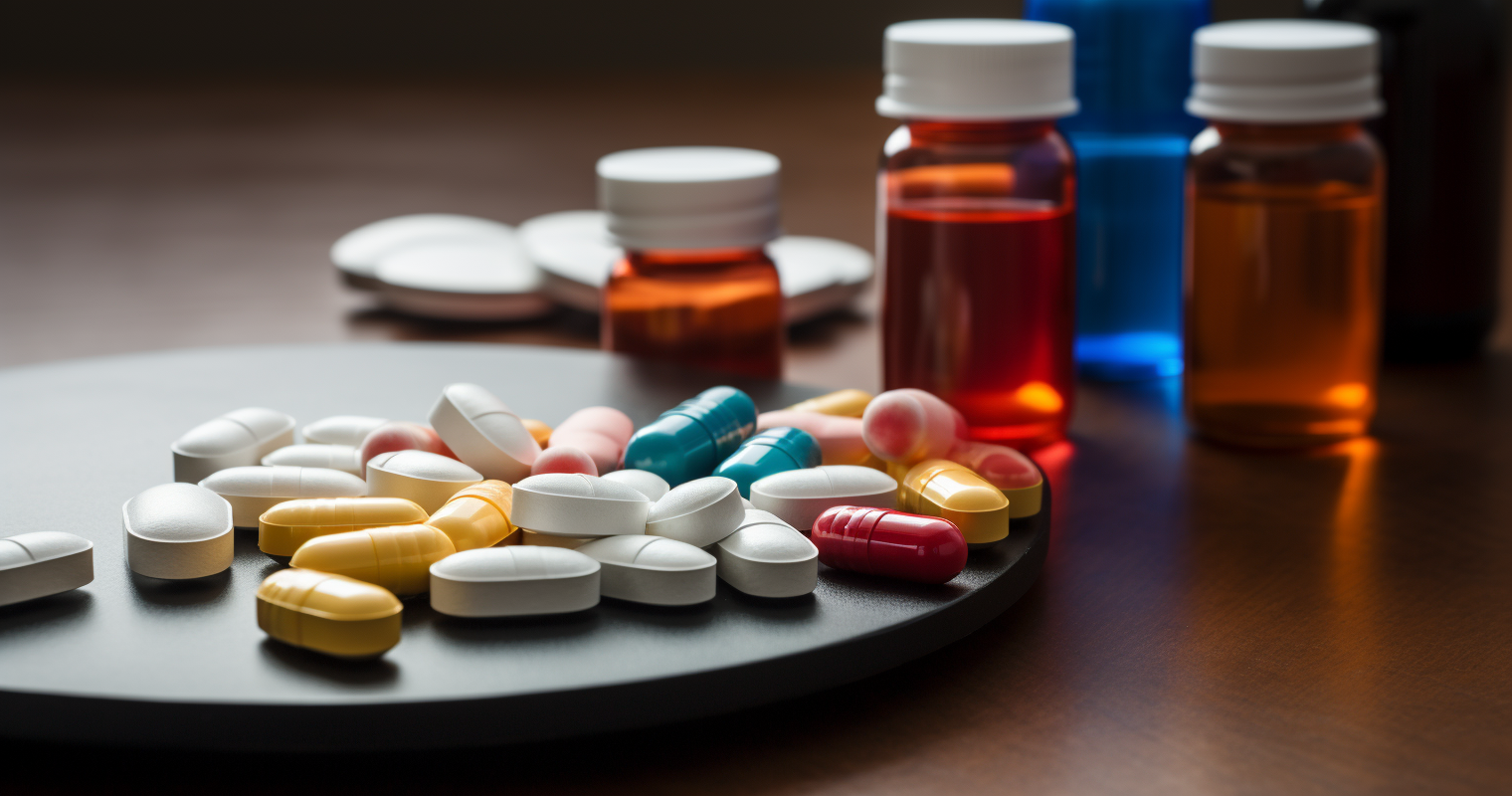
Thailand supports a robust network of licensed pharmacies numbering in the thousands, spread across the length and breadth of the country. A wide range of everyday medications — including some that would require a doctor’s note elsewhere — can be purchased without a prescription, while substances with abuse potential are subject to tight controls. The majority of expatriates depend on private health insurance to manage the cost of prescribed medicines, since Thailand’s public healthcare programmes are principally designed to serve Thai nationals and formally registered workers.
| Item | Details |
|---|---|
| Thai word for pharmacy | Rong Pharm (ร้านขายยา) |
| Typical pharmacy hours | 8:00 am – 8:00 pm daily; hospital pharmacies often 24 hours |
| Personal medication import limit (non-narcotic prescription drugs) | 30-day supply (as of 2024) |
| Narcotic/Schedule II–III import limit (with IC-2 permit) | Up to 90-day supply from September 2024 |
| Public healthcare access for expats | Limited; primarily for Thai citizens, Social Security contributors, and government workers |
| Key regulatory authority | Thai Food and Drug Administration (Thai FDA), under the Ministry of Public Health |
What are pharmacies called in Thailand, and how do I recognise one?
The Thai term for a pharmacy is Rong Pharm (ร้านขายยา), which translates loosely as “drugstore.” Thai pharmacies are most commonly identified by a green cross displayed outside — a symbol that will be familiar to anyone who has visited pharmacies in France or across continental Europe — together with the pharmacy’s name, which is usually written in Thai script. In cities and areas frequented by tourists, the name is often also shown in English or Roman characters, making these establishments considerably easier for newcomers to locate.
Across Thailand there are approximately 17,069 Type 1 modern community pharmacies and 2,865 Type 2 drugstores. Type 1 modern community pharmacies are authorised to supply the full spectrum of medicines — from traditional and Western remedies through to specially controlled substances equivalent to prescription-only status — and must have a qualified pharmacist on the premises throughout their operating hours. Type 2 drugstores carry a narrower range of non-prescription items and are run by certified personnel who are not fully qualified pharmacists.
Internationally recognised chains such as Boots and Watsons have a strong presence throughout Thailand, particularly inside shopping centres and in urban districts. These outlets are easy to identify thanks to their familiar branding, and they tend to stock consistent ranges to a reliable standard. Purpose-built pharmaceutical pharmacies — such as Fascino, which concentrates on medicinal products rather than health-and-beauty lines — are another well-regarded choice regularly mentioned by long-term residents. When buying any medicine in Thailand, look for a pharmacy that has its Thai FDA licence clearly displayed on the premises.
Pharmacies that belong to reputable chains tend to maintain proper cold storage, hold licensed stock, and observe regulations that help guard against counterfeit products occasionally found at unlicensed sellers. Whatever pharmacy you choose, always check the expiry date on any medicine you buy, and purchase from air-conditioned premises — Thailand’s tropical heat can cause improperly stored medicines to degrade.
What are pharmacy opening hours in Thailand?
Opening hours vary between individual pharmacies and by location, but the typical pattern is daily trading from 8:00 am to 8:00 pm. Pharmacies attached to hospitals frequently operate around the clock. Unlike countries where pharmacies follow an official rota ensuring that at least one outlet in each area provides out-of-hours cover, Thailand has no nationally coordinated duty pharmacy system. Instead, continuous access is available informally through hospital pharmacies and a small number of pharmacies that trade late into the night by choice.
Pharmacy departments at major private hospitals — Samitivej being a frequently cited example — provide a 24-hour service encompassing quality checks, medication preparation, and patient counselling on correct usage. This makes pharmacy counters at large private hospitals among the most dependable places to obtain medicine outside standard hours. In Bangkok, certain supermarket pharmacies — such as those found inside Foodland branches — are also known to remain open late or trade continuously.
In smaller towns and rural localities, hours tend to be shorter and all-night options are rare. If you take regular medication for a long-term condition, it is sensible to identify your nearest late-opening pharmacy shortly after settling in a new area. Because listed hours do not always reflect actual practice, confirming current hours via Google Maps reviews or a quick telephone call before you travel is a good habit to develop.
Which medicines can I buy over the counter in Thailand, and which require a prescription?
Thai law divides medicines into four main categories that govern where each type may be sold and who is permitted to dispense it. Familiarity with this framework helps explain why certain medicines freely available in Thailand require a doctor’s note in other countries — and occasionally the reverse.
- Household remedies — basic preparations such as menthol balms and simple topical treatments. No retail licence is required to sell these, so they can be purchased from any outlet.
- Non-dangerous (OTC) drugs — pre-packaged medicines that are neither dangerous nor specially controlled. These can be sold in drugstores and do not need to be dispensed by a licensed pharmacist.
- Dangerous drugs — despite the name, this category covers a broad range of common medicines. They may be sold without a prescription but must be dispensed by a licensed pharmacist working from behind the counter.
- Specially controlled drugs — substances capable of causing harm if misused. These are available by prescription only, and certain preparations may be dispensed exclusively within a hospital setting.
A wide selection of everyday medicines — painkillers, antihistamines, and cough remedies among them — can be bought without a prescription in Thailand. Antibiotics and prescription-strength analgesics, however, formally require a doctor’s authorisation. In practice, smaller independent pharmacies do not always enforce this strictly, whereas reputable chain pharmacies and hospital pharmacies are considerably more likely to follow the rules.
One peculiarity worth knowing is that some products treated as ordinary pharmacy items in other countries are classified differently in Thailand. Cetirizine (a standard antihistamine) and ibuprofen, for instance, fall into the dangerous drugs category in Thailand, meaning they must be kept behind the counter and handed over by a pharmacist. At the same time, antibiotics are routinely dispensed at many pharmacies without a prescription — a situation that has prompted concern about growing antibiotic resistance. Oral contraceptives are generally available over the counter without a prescription.
Regarding online sales: the Thai Drug Act (1967) prohibits the online sale of prescription medicines, and as a result internet shops stock principally the most basic over-the-counter products. Medicines can be physically sent by post within Thailand, but the e-commerce sale of anything beyond household remedies is not yet lawful. A legitimate alternative is to contact a pharmacy directly and ask for its Line ID — many pharmacies are willing to sell medicines and arrange delivery through a delivery app, frequently within 30 minutes. International online pharmacies dispatching prescription medicines into Thailand occupy a legal grey area and are best avoided.
Will my prescription from another country be accepted in Thailand?
Thailand has no formal mutual recognition agreements with other countries allowing foreign prescriptions to be filled directly at Thai pharmacies. A prescription written by an overseas doctor does not carry legal authority at a Thai dispensary. It does, however, retain considerable practical value.
You will not need your foreign prescription to obtain medicine in Thailand, since you can consult a local doctor and receive a new one. Nevertheless, carrying your existing prescription is advisable so that any Thai physician you consult can see precisely which medication you have been taking and at what dose. Depending on the medicine, you may find that no prescription is needed at all in Thailand and that you can obtain it directly from a pharmacy counter.
While overseas prescriptions cannot be filled on the strength of an overseas doctor’s authority alone, physicians at private and international hospitals are well practised at issuing a local prescription to mirror what a foreign doctor has previously authorised. Bringing a concise summary of your medical history alongside your prescription is therefore a sensible precaution — particularly for complex or long-standing conditions. Private hospitals throughout Thailand see large numbers of international patients and handle this process routinely.
It is also worth bearing in mind that some medicines available in your home country may not be registered for sale in Thailand, and that Thailand stocks certain products not found elsewhere. Before you travel, it is worth checking whether your particular medication is registered and obtainable in Thailand by consulting the Thai FDA database or speaking directly to a major hospital pharmacy.
How do I get a prescription in Thailand?
Obtaining a prescription in Thailand is a straightforward process. There is no requirement to register with a designated GP before you can access medical care — you may walk into any licensed clinic, private hospital outpatient department, or doctor’s practice and be seen, usually on the same day.
- Choose a clinic or hospital. Private clinics and hospital outpatient departments are the most accessible options for expats. Major hospitals in cities such as Bangkok, Chiang Mai, Phuket, and Pattaya have international patient departments with multilingual staff. Public hospitals are also an option but may involve longer waits.
- See a licensed doctor. Licensed practitioners such as doctors and dentists are authorised to prescribe drugs and medical devices to patients. A consultation at a private clinic typically costs between approximately THB 300–1,500, depending on the type of clinic and location (as of 2025 — verify current fees with individual providers).
- Receive your prescription. The doctor will issue a written prescription. For ongoing conditions, some doctors issue repeat prescriptions covering a fixed period; others expect a follow-up appointment before renewing. There is no nationally standardised validity period for prescriptions in Thailand, but they are generally accepted for a short window — typically up to 30 days — after which a new consultation may be needed.
- Have it dispensed. Once you present a prescription from a licensed practitioner, a qualified pharmacist will prepare and hand over the prescribed medicines. Your prescription is not restricted to a single pharmacy — you are free to take it to any licensed outlet of your choosing.
- Register with a regular provider for ongoing care. If you live with a chronic condition, it is worth building a relationship with one clinic or hospital that holds your records, which makes future consultations quicker and ensures continuity of treatment.
Telemedicine is increasingly available in Thailand. Online medical services frequently use the same prescribing and delivery arrangements as local pharmacies, making them a convenient choice for straightforward conditions and repeat prescriptions once you are settled.
How much do prescriptions cost in Thailand, and is there a subsidised medicines scheme?
Thailand does not operate a standardised flat-fee prescription charge of the kind found in parts of Europe. What you actually pay is shaped significantly by where the prescription is written and dispensed, and by whether you are covered by insurance.
Prescription medicine prices in Thailand fluctuate depending on the hospital or clinic involved. At private hospitals and international clinics, consultation fees and medication costs appear as separate line items on your bill. Medicines dispensed directly by hospital pharmacies typically carry higher prices than the same products at community pharmacies, partly reflecting the additional clinical services bundled into the hospital setting. Generic formulations cost substantially less than their branded counterparts.
Thailand does maintain a national framework for subsidised medicines — the National List of Essential Medicines (NLEM) — which acts as a reimbursement list for the country’s three public health insurance programmes. The NLEM sets out the medicines covered under these schemes; items falling outside the list are available commercially but must generally be paid for out of pocket unless a patient holds supplementary insurance. The NLEM is broadly comparable in purpose to Australia’s Pharmaceutical Benefits Scheme or a national health formulary, in that it governs which medicines attract a subsidy — though for most expats, access to this benefit is highly restricted (see the insurance section below).
Thailand’s universal health coverage initiative is widely known as the 30-baht scheme. Under this arrangement, qualifying patients pay THB 30 per visit and receive comprehensive treatment at their designated hospital. The 30-baht scheme is reserved for Thai citizens who are not covered by Social Security or the civil service medical benefit programme. As an expat outside these qualifying categories, you will in most cases pay the full cost of medicines from your own pocket or through a private insurance policy. For the latest details on the national medicines framework, consult the National Health Security Office (NHSO) and Thai FDA websites directly.
A significant development within the public system took place in 2024: the NHSO authorised pharmacies to dispense medicines for 32 minor ailments to patients enrolled in the Universal Coverage Scheme (UCS). Participating outlets display the “30 Baht Treatment Anywhere” logo, and pharmacists working at these locations can now provide free consultations and medicines for conditions such as headaches, diarrhoea, and colds. This initiative benefits eligible Thai citizens; the great majority of expats cannot take advantage of it unless they are enrolled in the UCS.
Are brand-name and generic medicines both available in Thailand?
Both branded and generic medicines are readily available throughout Thailand, and the generic pharmaceutical market is well established. Thai manufacturers produce an extensive range of generic equivalents, and quality standards are generally considered acceptable.
Doctors in Thailand — especially those working in private hospitals — frequently prescribe by brand name, particularly when treating international patients who are used to particular products. Pharmacists, however, are routinely able to suggest a generic alternative, and it is common at community pharmacies for the pharmacist to proactively offer a cheaper generic option. If cost is a concern, it is always worth asking whether a generic version is available.
Medication in Thailand is by and large plentiful and affordable, and the price gap between branded and generic products can be very large indeed. A branded antihistamine or antihypertensive, for example, may cost several times more than the equivalent generic sold at the very same pharmacy counter. For expats managing ongoing conditions over months or years, switching to locally produced generics — where this is clinically appropriate and ideally discussed with your doctor — can produce meaningful savings over time.
It is also worth noting that brand names in Thailand often differ from those used in your home country. The same active ingredient may be marketed under an entirely different trade name. Always identify the active ingredient by its generic (international non-proprietary) name rather than relying on the brand name alone when purchasing medicines in Thailand.
What should expats know about bringing medications into Thailand from abroad?
Thailand has explicit — and in certain cases stringent — regulations governing the personal importation of medicines. It is vital to understand these rules before you depart, particularly if any of your medications are controlled or prescription-only substances.
General prescription medications (non-narcotic): Thai FDA guidance confirms that travellers entering Thailand may carry any modern drug for personal use covering no more than 30 days, as provided under Section 13(4) of the Drugs Act B.E. 2510 (1967) and subsequent amendments. Prescription medicines such as antibiotics or treatments for chronic conditions — high blood pressure or diabetes, for instance — may be brought in for personal use, but supporting documentation such as a prescription or letter from a treating physician is required.
Narcotic drugs (Schedule II and III) — updated rules from 2024: The Ministry of Public Health issued a Ministerial Regulation in 2024 (B.E. 2567), which entered force on 21 September 2024 under the Narcotics Code. Under this regulation, travellers receiving medical treatment are permitted to carry Schedule II and III narcotic medicines for personal use, provided the quantity does not exceed a 90-day supply as prescribed. Travellers must obtain a permit (Form IC-2) from the Thai Food and Drug Administration at least 15 days before departure, applied for online via the Thai FDA permit portal.
Psychotropic substances (Categories 2, 3 and 4): Travellers carrying psychotropic substances in Categories 2, 3 and 4 do not require a permit for personal use, as long as the quantity does not exceed a 30-day supply as prescribed. These medicines must nonetheless be accompanied by a valid medical prescription.
Prohibited substances: Certain drugs are entirely prohibited in Thailand, including narcotics in Categories 1 and 5 and psychotropic substances in Category 1. Examples of banned substances include amphetamines and GHB. Any medication not listed in Thailand’s official controlled substance catalogues but containing unapproved ingredients — or any product marketed as a dietary supplement but found to contain hidden pharmaceutical compounds — may also be treated as illegal.
Practical tips for arriving with medication:
- Keep all medicines in their original, clearly labelled prescription containers.
- Although general prescription medicines do not ordinarily require a formal customs declaration, it is strongly recommended that you declare any narcotic or psychotropic substances at the red “Goods to Declare” channel.
- Before travelling, check the legal status of every active ingredient in your medication against official Thai FDA resources.
- Since requirements concerning medications may change, travellers should check the latest regulations for the importation of medications at the Thai FDA permit portal before each visit.
How do private health insurance and public healthcare affect prescription costs in Thailand?
Grasping how Thailand organises its healthcare system is fundamental to understanding prescription costs as an expatriate. The system operates along two distinct tracks — a publicly funded tier reserved for qualifying residents, and a private tier on which most expats depend.
Public healthcare and expat eligibility: Thailand delivers healthcare coverage through three complementary programmes: the Universal Coverage Scheme (UCS), the Civil Servant Medical Benefit Scheme (CSMBS), and the Social Security Scheme (SSS), which together extend near-universal financial protection to residents. Unlike tax-funded models such as the NHS — which generally covers all residents regardless of employment — access to Thailand’s public schemes is tied to specific eligibility criteria. Work permit holders are often able to enrol in the UCS, contributing a modest percentage of their salary to access public healthcare services. For most expats on long-term visas who are not locally employed or enrolled in the UCS, using public hospitals typically means meeting the full cost of treatment at foreigner rates.
Employees, including foreign nationals working in Thailand’s formal sector, ordinarily contribute to the Thai Social Security Fund. The standard employee contribution rate is 5% of insured wages up to the statutory ceiling, with matching contributions from the employer and the government — though authorities have at times applied temporarily reduced rates, making it advisable to confirm the current guidelines with the Social Security Office. Workers covered by Social Security can receive medical care and prescribed medicines free of charge by attending their designated Social Security hospital.
Private health insurance: Public hospitals in Thailand are frequently busy, and the cost of private healthcare continues to climb — which is why private health insurance is the preferred solution for the majority of expats. Cover varies considerably between providers and policy tiers, but comprehensive plans typically include outpatient consultations, inpatient hospitalisation, and the cost of prescribed medicines linked to covered treatments. The public system covers most essential healthcare needs — including GP visits, hospital stays, prescription costs, emergency care, and basic preventative services — for those who are eligible; private insurance broadly mirrors this range but with wider provider choice and generally shorter waiting times.
For 2025, health insurance requirements attached to Thailand visas have become more demanding. Applicants for non-immigrant O-A (retirement) visas must demonstrate coverage of at least THB 40,000 for outpatient treatment and THB 400,000 for inpatient care. While foreign insurance policies may be accepted for an initial visa application, annual extensions must be supported by a policy from an approved Thai insurer. Consult the Thai Immigration Bureau website for the current list of approved providers before you apply.
Although public hospitals are capable of dealing with a wide range of medical needs and are staffed by competent physicians, expats may encounter longer queues and fewer multilingual staff members than they would find at private facilities. Thailand’s private healthcare sector — particularly in major urban centres such as Bangkok — is internationally regarded, rivalling standards found in many developed countries. Private hospitals typically provide superior facilities, more advanced diagnostic and treatment equipment, and a considerably greater likelihood of encountering doctors and administrative staff who can converse in English or other languages, which greatly eases communication during a medical episode.
Frequently asked questions
What should I do if I need medication urgently in the middle of the night in Thailand?
Make your way to the nearest large private hospital — establishments such as Bumrungrad International, Bangkok Hospital, and Samitivej maintain pharmacy departments that are open around the clock, every day of the week. In major cities, some pharmacies inside late-night supermarkets also trade until midnight or later. Hospital emergency departments can provide both a consultation and medication outside normal hours, although consultation fees will apply. Save the address of your nearest 24-hour hospital on your phone as soon as you arrive in a new area.
How do I find a pharmacist who can communicate in a language other than Thai?
Private and international hospitals are generally your best starting point, as they are more likely to employ multilingual doctors and administrative staff — a significant advantage during a medical consultation. Major pharmacy chains in expat and tourist areas — particularly Boots, Watsons, and specialist outlets such as Fascino — frequently have English-speaking pharmacists on their teams. Some concierge pharmacy services, including Medisafe, advertise bilingual pharmacist consultations available both by telephone and in person.
How should I manage a chronic condition during the gap between arriving in Thailand and establishing local healthcare?
Arrive with a supply of your regular medication covering at least 30 days — or up to 90 days for certain controlled substances if you have obtained the required permit in advance. Carry copies of your prescriptions alongside a brief summary letter from your usual doctor or specialist setting out your diagnosis, current medications, and dosages. Once you have arrived, make registering with a private clinic or hospital outpatient department a priority. Many large private hospitals operate international patient services that can expedite new patient registration. If your stay will run beyond 30 days, arrange a consultation with a Thai-licensed physician early on to explore local prescribing options rather than attempting to import additional supplies.
Can I order my regular prescription medication from an overseas pharmacy and have it sent to my Thai address?
This course of action is generally inadvisable and may be unlawful depending on what the medication contains. Although medicines can be sent by post within Thailand, the online sale of anything beyond household remedies is not currently permitted under Thai law. Importing prescription medicines from foreign pharmacies is subject to Thai FDA regulations and customs controls, and parcels containing medicines risk being intercepted. For the vast majority of medicines, obtaining a fresh local prescription is the simpler and legally safer approach.
Are there any medicines commonly used abroad that I should know are restricted or unavailable in Thailand?
Yes. Medicines containing narcotics, psychotropic substances, or other regulated compounds — including morphine, codeine, certain sleeping tablets, and ADHD treatments such as Ritalin — are subject to strict controls in Thailand, and importing them requires prior authorisation from the Thai FDA. Some medicines available in other countries are simply not registered for sale in Thailand; oxycodone, for instance, is not reported to be obtainable there. Always consult the Thai FDA drug database before you travel to verify whether your specific medication is available locally.
Can I buy antibiotics without a prescription in Thailand?
In practice, antibiotics are dispensed without a prescription at a large number of pharmacies across the country. However, this does not align with official Thai FDA guidelines, and for certain drug classifications the sale of antibiotics without a prescription is technically prohibited under Thai law. Self-prescribing antibiotics carries real health risks — antibiotic resistance being the most serious — and consulting a doctor before using them is always the preferable course of action. Chain pharmacies and hospital pharmacies are more consistent in adhering to the formal dispensing rules than smaller independent outlets.
Does my private health insurance cover medication bought directly at a pharmacy without a hospital visit?
This depends entirely on what your individual policy says. The majority of standard private health insurance plans in Thailand cover medicines dispensed as part of a hospital or clinic consultation — that is, where the prescription forms part of a documented, insured treatment episode. Medicines bought independently over the counter at a community pharmacy, without a related insured consultation on record, are typically excluded from cover. If you intend to submit a claim, keep receipts and original packaging, as many insurers require proof of purchase from a licensed pharmacy. Read your policy documents carefully and call your insurer to clarify the position before making any purchase you plan to claim back.
Is it safe to buy medicines from street vendors or markets in Thailand?
No. Medicines sold through unlicensed street stalls or informal markets carry a substantial risk of being counterfeit, past their expiry date, improperly stored, or mislabelled. Reputable pharmacy chains hold licensed stock, maintain correct storage conditions including temperature control, and substantially reduce the risk of customers receiving counterfeit products. Always purchase medicine from a licensed pharmacy that has a valid Thai FDA registration certificate on display. When in doubt, choose a well-known chain or a hospital pharmacy.
Latest: Expat Focus International Healthcare Update August 2026 →