
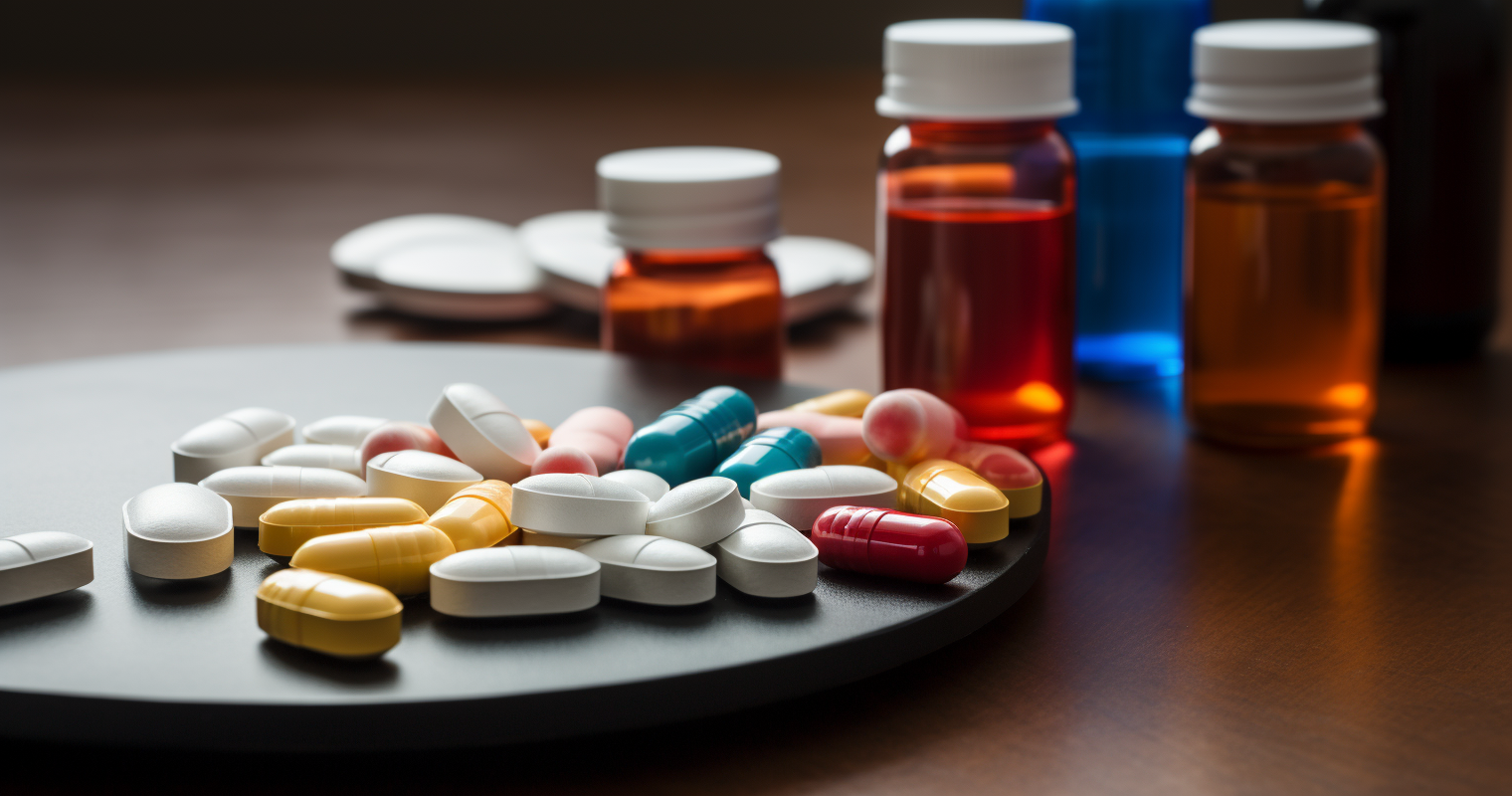
Managing your medications and prescriptions in Venezuela demands advance preparation, particularly in light of persistent medicine shortages and a healthcare system operating under extraordinary pressure. Pharmacies — known as farmacias — exist throughout the country, yet their stock is unreliable at best. Expats are strongly encouraged to arrive with a substantial supply of any critical medicines, to secure a local prescription as soon as possible after settling in, and to turn to private medical facilities for dependable pharmaceutical services.
| Item | Details |
|---|---|
| Local word for pharmacy | Farmacia |
| Number of pharmacies (as of 2025) | Approximately 3,263 registered pharmacies nationwide |
| Typical opening hours | Mon–Fri approx. 7:00 AM–7:00 PM; reduced hours on weekends; some 24-hour chains operate in major cities |
| Prescription validity (controlled substances) | 5 consecutive days from date of issue |
| Medicine price regulation | Maximum profit margin of 30% under the Law on Fair Prices; maximum prices set for 54 essential medicines (as of 2018) |
| High-cost medicine programme | Free medicines for certain chronic conditions via IVSS “Pharmacy of High-Cost Medications” programme |
What are pharmacies called in Venezuela, and how do I recognise one?
In Venezuela, a pharmacy is referred to as a farmacia (plural: farmacias), and this term is typically displayed prominently on the shopfront. As is customary throughout much of Latin America and Europe, the green cross is the standard symbol used to identify these establishments — usually illuminated and mounted above the entrance. The word farmacia also frequently forms part of a business name, such as “Farmatodo,” “Farmahorro,” or “Locatel.”
As of October 2025, Venezuela has approximately 3,263 registered pharmacies. Roughly 85.6% of these are independently owned and operated, while the remaining 14.4% belong to larger commercial chains. Well-known chains such as Farmatodo and Locatel are easy to identify by their branded storefronts and tend to be situated in shopping centres and busy commercial districts.
Independent farmacias differ considerably in terms of size and available stock. In some city neighbourhoods — particularly those with elevated security concerns — it is not unusual to encounter pharmacies fitted with metal grilles or service hatches. When entering an unfamiliar pharmacy, look for the green cross symbol, the word farmacia on the signage, and a licensed pharmacist (farmacéutico) visibly present behind the counter.
What are pharmacy opening hours in Venezuela?
Operating hours at Venezuelan pharmacies vary depending on the establishment and its location, though a broadly consistent pattern can be observed across much of the country. Most independent pharmacies open between 7:00 and 8:00 AM on weekdays and close during the early evening, with some shutting by 7:00 PM. Weekend hours are generally shorter, and Sunday trading tends to be especially limited.
As an illustrative example, a typical Caracas pharmacy might operate Monday to Friday 7:00 AM–6:45 PM, Saturday 8:00 AM–5:45 PM, and Sunday 8:00 AM–3:45 PM — a schedule broadly reflective of smaller independent operations. Security considerations have prompted a number of pharmacies to curtail their evening hours in recent years; some have withdrawn night-window services entirely due to the vulnerability of customers and staff to robbery, with closures now occurring as early as 7:00 PM in certain areas.
For pharmaceutical needs that arise outside standard hours, many municipalities across Venezuela operate a farmacia de turno (duty pharmacy) rota, under which a designated local pharmacy remains open or accessible through a night window on a rotating basis. Notices posted on pharmacy doors usually indicate which establishment is currently fulfilling this duty role, or you can seek guidance from a nearby clinic or hospital. Major chains like Farmatodo also offer online ordering and delivery services seven days a week in cities where they are active. For genuine after-hours emergencies, the most dependable option remains the emergency department of the nearest private hospital or clinic.
Which medicines can I buy over the counter in Venezuela, and which require a prescription?
Venezuela draws a clear distinction between over-the-counter (OTC) medicines — those sold without the need for a doctor’s authorisation — and prescription-only medications (medicamentos de venta bajo receta). Standard OTC products include common analgesics such as paracetamol (acetaminophen) and ibuprofen, antacids, vitamins, and certain topical antiseptics. Even these everyday items, however, can be challenging to locate in stock.
Venezuela has been grappling with an acute shortage of medicines, medical supplies, and healthcare equipment needed to prevent, diagnose, and treat illness. The Venezuelan Pharmaceutical Federation has reported shortages affecting roughly 80% of medical supplies as a consequence of the country’s prolonged economic crisis. This means that products freely available without a prescription in most other countries — including antihistamines, cough and cold remedies, and contraceptives — may simply not be on pharmacy shelves.
Antibiotics, antidepressants, antihypertensive drugs, insulin, and the majority of medications for managing chronic conditions all require a valid prescription from a licensed Venezuelan physician. Controlled substances — such as opioids and certain psychotropic medications — are subject to particularly stringent regulations and may only be dispensed against a special prescription. Under Venezuelan law, prescriptions for medicines containing narcotic or psychotropic substances are valid for just five consecutive days from the date they are issued, after which they cannot legally be filled.
Online purchasing of prescription medicines from domestic Venezuelan pharmacies is possible through platforms such as Farmatodo’s website, though availability remains inconsistent. Importing medicines to Venezuela directly from international online pharmacies is neither a straightforward nor reliably legal process for private individuals, and should not be attempted without prior consultation with Venezuelan customs authorities and your doctor. As counterfeit or substandard products are a recognised risk in countries facing economic hardship, always source medications with care and purchase only from licensed, established pharmacies.
Will my prescription from another country be accepted in Venezuela?
As a general rule, a prescription written by a doctor in another country will not be honoured directly at a Venezuelan pharmacy. Venezuelan legislation requires that prescription medicines be dispensed only against a prescription issued by a medical practitioner who is locally registered and licensed to practise in Venezuela. No widely recognised multilateral agreements or bilateral reciprocal arrangements currently exist that would allow foreign prescriptions to be used at Venezuelan pharmacies — unlike, for instance, the cross-border prescription system that operates among EU member states.
This means that expats who have recently arrived in Venezuela must obtain a prescription from a licensed local physician before they can fill most prescription medicines in the country. A foreign prescription can nevertheless prove extremely useful as a reference document — presenting it to your new Venezuelan doctor allows them to identify the precise medication, dosage, and indication and to issue an equivalent local prescription with minimal delay.
If the branded medication you take abroad is marketed under a different name in Venezuela, ask your doctor or pharmacist to help you find the locally available equivalent using the active ingredient (principio activo). Some internationally recognised brand names simply do not exist in the Venezuelan market, or may not be available at all. It is therefore advisable to carry documentation from your home-country doctor — particularly for any ongoing chronic conditions — whenever presenting to a Venezuelan physician for the first time.
How do I get a prescription in Venezuela?
Obtaining a prescription in Venezuela follows a broadly recognisable process: you see a doctor, who examines you and issues a handwritten or printed prescription (receta médica), which you then present at a pharmacy. Unlike healthcare systems in which patients must formally enrol with a specific general practitioner before receiving care, Venezuela has no such mandatory patient registration system — in principle, you may consult any licensed private doctor or clinic without prior sign-up.
- Find a licensed doctor or clinic. For expats, private clinics (clínicas privadas) are generally the most practical option, as they tend to be better equipped and more reliably stocked than public hospitals. Your embassy, employer, or local expat networks can often provide doctor recommendations. Many private hospitals in Caracas and other large cities employ physicians with international training who are able to communicate in languages other than Spanish.
- Attend a consultation. Bring your passport or other identity document, any prescriptions or medical records from your home country, and a written list of your current medications, including both brand names and active ingredients. Private consultations are paid for at the time of the appointment; confirm fees beforehand, as pricing varies between providers and may change.
- Receive your receta médica. Your doctor will issue a prescription. For ordinary medications, this is usually valid for the duration of the prescribed treatment or until the next review appointment. For controlled substances, the law limits validity to five days from the date of issue.
- Take the prescription to a pharmacy. A Venezuelan prescription is not restricted to a specific pharmacy — you may present it at any licensed farmacia. Due to widespread stock shortages, however, you may find it necessary to try several different pharmacies before locating your medication.
- Retain copies. Always keep a photocopy or digital photograph of your prescription for your personal records. If a medicine is temporarily out of stock, a pharmacist may be able to advise on expected availability or direct you to another outlet that carries it.
The process of obtaining and filling a prescription can be complicated by factors relating to the product itself, the prescribing doctor, applicable regulations, and stock availability at licensed outlets. Patience and a flexible approach are especially important when managing medications for chronic conditions.
How much do prescriptions cost in Venezuela, and is there a subsidised medicines scheme?
Venezuela does not operate a fixed-fee prescription charge system comparable to the flat-rate model used in England’s NHS, nor does it have a co-payment mechanism similar to Australia’s Pharmaceutical Benefits Scheme (PBS). At private pharmacies, patients pay the full cost of medicines at the point of purchase unless their expenses are covered by a private insurance policy.
Venezuela’s Law on Fair Prices, amended in November 2015, applies to all individuals and corporations involved in producing, importing, or selling goods within the country, and sets a maximum profit margin of 30% for price calculations. Furthermore, in November 2018, the National Superintendence for the Defence of Socioeconomic Rights issued a schedule of maximum prices covering 54 essential medicines. Enforcement of these price controls has been inconsistent in practice, particularly for imported medicines or those in short supply. For current official pricing information, consult the Superintendencia Nacional para la Defensa de los Derechos Socio Económicos (SUNDDE) or the Ministry of Popular Power for Health (MPPS).
A programme called the “Pharmacy of High-Cost Medications” has been in operation since 2009. Through this initiative, patients — whether or not they are affiliated with the IVSS social security system — can receive free medication for a range of conditions including cancer, multiple sclerosis, viral hepatitis, rheumatoid arthritis, haematological disorders, organ transplants, attention deficit hyperactivity disorder, osteoporosis, schizophrenia, Gaucher’s disease, Fabry disease, pulmonary hypertension, and terminal chronic failure. To access these medicines, patients must present a medical certificate confirming their diagnosis, a valid identity document, and the relevant prescription. The programme is administered by the IVSS through approximately 46 dedicated pharmacies distributed across Venezuela that serve this purpose exclusively.
Outside the scope of the high-cost medicines programme, expats should expect to pay the full price out of pocket at private pharmacies. Given Venezuela’s economic instability and persistent inflation, medicine prices change frequently — always verify current costs directly with the pharmacy or through official government sources before making financial projections.
Are brand-name and generic medicines both available in Venezuela?
Both branded (medicamentos de marca) and generic (medicamentos genéricos) medicines are present in the Venezuelan pharmaceutical market. Generic products are generally considerably cheaper than their branded counterparts, and successive governments have historically encouraged domestic generic production as a means of improving affordability. Several leading domestic pharmaceutical manufacturers remain active in producing medications for the local market and the healthcare profession.
Venezuelan doctors may write prescriptions using either the brand name or the active ingredient (generic name) of a medicine. Pharmacists are permitted to propose a generic substitute when a branded product is unavailable or beyond a patient’s budget, though this practice varies by pharmacist and by the type of medicine in question. For uncomplicated treatments such as basic antibiotics or painkillers, a generic alternative is commonly offered. For more complex therapies — particularly those managing chronic or serious conditions — it is important to follow your doctor’s specific instructions rather than substituting independently.
Venezuela’s deep dependence on imported goods and its turbulent exchange rate history contributed to worsening shortages of both medicines and medical equipment from the late 2000s onward. As a result, neither branded nor generic versions of many medications can be guaranteed to be available at any given time, and expats should not expect that what they find in stock today will necessarily be there next week. Maintaining a modest personal reserve of critical medicines — within legally permitted quantities — is a sensible precaution.
What should expats know about bringing medications into Venezuela from abroad?
Carrying a personal supply of medications when travelling to Venezuela is strongly advised, especially for any medicines required for chronic conditions or those unlikely to be manufactured domestically. The CDC recommends bringing all medications — including OTC products — that you anticipate needing, with extra quantities to cover potential travel delays, and requesting early prescription refills from your doctor if necessary.
When importing personal medication into Venezuela, the following principles apply:
- Carry supporting documentation. Always travel with an official letter from your prescribing doctor, written on letterhead, confirming your name, the medicine name, the dosage, and the medical reason for taking it. Keep the original prescription and, if possible, a certified Spanish translation.
- Keep medicines in their original packaging. Venezuelan customs authorities — like those in most countries — expect medications to remain in their original, clearly labelled containers. Do not transfer tablets or capsules into unlabelled bottles or pouches.
- Bring a reasonable personal supply. A quantity sufficient to cover your intended stay, or a reasonable transition period — commonly considered to be 30 to 90 days for personal use — is generally acceptable. Quantities that appear disproportionate to personal use may attract scrutiny.
- Exercise particular care with controlled substances. Certain prescription drugs may be subject to legal restrictions in other countries. The CDC recommends contacting Venezuela’s embassy to confirm that all your medications are lawful to bring into the country. Opioids, benzodiazepines, psychotropic drugs, and some stimulants are heavily regulated — you may need supplementary permits or official documentation to import these legally.
- Check current regulations before departure. Customs rules are subject to change without notice. Always verify requirements with the SENIAT (Servicio Nacional Integrado de Administración Aduanera y Tributaria), Venezuela’s customs and tax authority, or through the Venezuelan embassy or consulate in your home country before you travel.
It is also worth bearing in mind that the quality of locally purchased medicines can be inconsistent. As with several other countries experiencing economic hardship, counterfeit or substandard pharmaceutical products have been reported in Venezuela. Bringing a reliable supply from your home country significantly reduces your exposure to this risk.
How do private health insurance and public healthcare affect prescription costs in Venezuela?
Venezuela’s healthcare landscape encompasses three distinct systems: a public system accessible to all citizens and residents, a national social insurance system administered by the Instituto Venezolano de los Seguros Sociales (IVSS), and a private sector comprising hospitals, clinics, and individual medical practices of varying sizes. Understanding which of these systems is practically available to expats is essential for planning healthcare in the country.
Although workers in Venezuela’s formal economy may access health coverage through the IVSS, the country does not operate a universal or compulsory national health insurance scheme. A significant proportion of the population depends on direct out-of-pocket payments, private insurance policies, or community-level health services for specialised care. Unlike fully publicly funded systems — such as the NHS, where prescription charges, if applicable at all, are set nationally and medicines are reliably dispensed — Venezuela’s public healthcare infrastructure does not offer dependable pharmaceutical access to most residents, let alone to recently arrived expats.
Within the public sector, hospitals have reported shortfalls of up to 95% for medicines, with pharmacies not far behind at approximately 85% — meaning that the public system is only able to meet a tiny fraction of patients’ medication needs. For this reason, the overwhelming majority of expats in Venezuela depend almost entirely on private clinics and private pharmacies for their medical care.
Private health insurance policies do typically reimburse the cost of prescription medicines, provided these are prescribed by a qualified healthcare professional in connection with a condition covered under the policy. If you are arranging international private health insurance in advance of relocating to Venezuela, ensure that the policy explicitly extends to outpatient prescription drugs and check whether pre-authorisation is required for ongoing chronic condition medications. While private health coverage is available to those who can afford it, the economic crisis has driven a significant rise in the number of uninsured individuals, and the cost of private healthcare has increased substantially. Expats should budget carefully and verify that their insurance cover is up to date and comprehensive before arriving in the country.
Venezuela’s health system is currently under severe pressure owing to the departure of qualified staff driven by low wages, deterioration of primary healthcare infrastructure and hospital facilities, and persistent shortages of medicines and medical equipment. Expats with private insurance and access to well-resourced private clinics are in a markedly better position than those who must rely on the public system — yet even private supply chains are not entirely shielded from shortages. Proactive preparation — above all, arriving with an adequate stock of your own medications — remains the most important measure any expat can take to protect their health.
Frequently Asked Questions
What should I do if I run out of essential medication in Venezuela and cannot find it in pharmacies?
If your medication cannot be located at local pharmacies, your first step should be to contact your nearest embassy or consulate — these offices frequently maintain directories of trusted private clinics and physicians who may be able to assist with sourcing medicines. International NGOs and humanitarian organisations active in Venezuela may also have access to certain essential medications. In a genuine emergency, go directly to the nearest private hospital emergency department. As a longer-term strategy, maintain a personal reserve of critical medications and keep your doctor informed of any stock difficulties so that prescription renewals can be planned well in advance.
How do I find a doctor who can issue me a local prescription as a new expat?
The most reliable starting points for identifying a reputable private doctor (médico) in Venezuela are your home country’s embassy, your employer, or established expat community networks and forums. Private clinics in Caracas and other major cities frequently employ physicians with international training. There is no requirement to formally register with a particular doctor before your first appointment — you may simply attend any private clinic and pay for a consultation on the day. If language is a potential barrier, ask specifically for a physician with experience treating internationally trained patients.
Can I find a pharmacist in Venezuela who speaks languages other than Spanish?
Spanish is Venezuela’s official language, and the great majority of pharmacists operate entirely in Spanish. In larger cities — especially Caracas — and in pharmacies attached to international hotels or located in upscale commercial areas, some staff may possess a degree of proficiency in other languages, but this should not be taken for granted. Before arriving, it is highly advisable to learn the Spanish names of your medications or their active ingredients, and to familiarise yourself with key pharmaceutical vocabulary. Carrying a written list of your medicines with Spanish translations is a practical and worthwhile precaution.
Is it safe to buy medicines online in Venezuela?
Established pharmacy chains such as Farmatodo do provide online ordering with home delivery in certain cities. However, you should approach lesser-known online sources with significant caution, as counterfeit or substandard medicines represent a documented problem in Venezuela, as they do in several other countries experiencing economic hardship. Limit your online purchases to the official websites of well-established pharmacy chains with a verifiable track record. Ordering prescription medicines online without a valid Venezuelan prescription is not legally permitted.
How should I manage a chronic condition during the transition period before I have established local healthcare?
The most critical action is to arrive with a sufficient supply of your medication from home — ideally enough for three to six months, within the limits set by customs regulations. Obtain a comprehensive letter from your current doctor detailing your diagnosis, medications, and dosages. Once you have arrived, securing a dependable private doctor should be your first healthcare priority, so that you can have a local prescription in hand before your supply runs low. Registering with your embassy and joining local expat groups can also prove invaluable, as these networks are often rich sources of practical referrals and first-hand advice.
Are controlled medications such as antidepressants or ADHD treatments available in Venezuela?
Controlled medications — including certain antidepressants, anxiolytics, and stimulant-based treatments for ADHD — fall under strict regulatory controls in Venezuela governed by narcotics and psychotropic substances legislation. They are legally obtainable only with a prescription from a licensed physician, and prescriptions for such substances remain valid for just five days from the date of issue. Stock levels are highly unpredictable. If you take any medication of this type, bring a comprehensive personal supply from your home country, carry complete supporting documentation, verify with the Venezuelan embassy that your specific medicine is lawful to import, and seek out a private psychiatrist or relevant specialist as soon as you arrive.
What happens at a Venezuelan pharmacy if my medication is not in stock?
When a medication is unavailable, the pharmacist may offer a generic equivalent identified by its active ingredient, suggest another pharmacy that may carry the product, or advise you to return when stock is expected — though precise delivery timescales are often uncertain. Before making a lengthy journey across the city, it is worth phoning ahead to several pharmacies to check availability. Some larger pharmacy chains provide stock-checking functions on their websites or mobile applications. Crucially, always retain your prescription — do not surrender it to the first pharmacy you visit, as you will need the original document to have the prescription filled elsewhere.
Does Venezuela have any reciprocal healthcare arrangements with other countries?
Venezuela has no widely recognised reciprocal healthcare or prescription-recognition arrangements with other countries comparable to the European Health Insurance Card system or the bilateral social security treaties that exist between many nations. Expats should not assume that any healthcare entitlements they hold abroad will carry over into Venezuela. Comprehensive international private health insurance that explicitly covers Venezuela — including outpatient care and prescription medicines — is an essential requirement for anyone planning to live or work there.
Latest: Expat Focus International Healthcare Update August 2026 →