
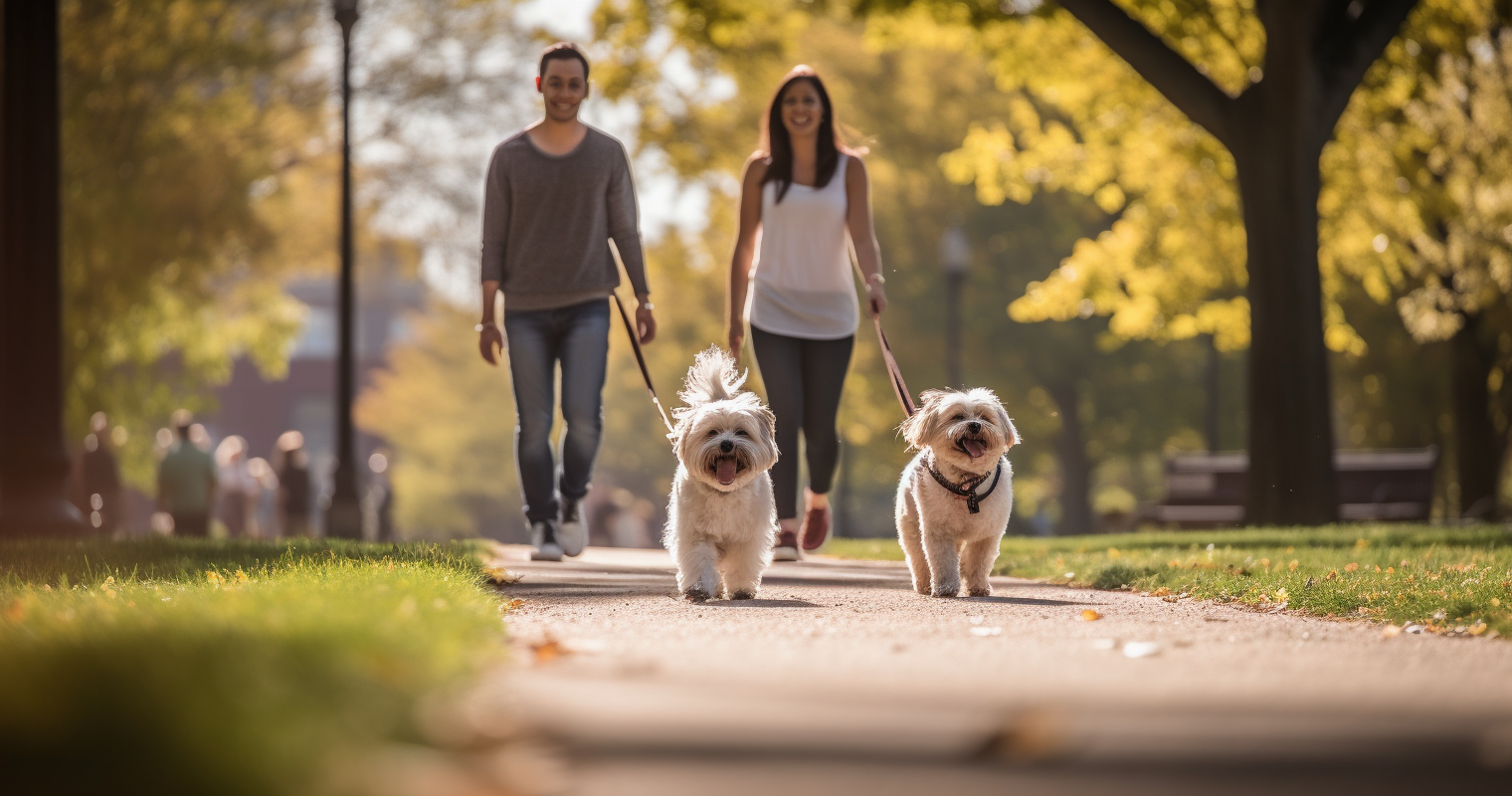
Bermuda has a strong and legally enforced culture of animal welfare, underpinned by the Dogs Act 2008, the Care and Protection of Animals Act 1975, and a robust import permit system. Pets are widely kept and deeply valued on the island. Expats will find dedicated animal charities, several well-stocked pet stores, and a community that takes responsible pet ownership seriously.
| Item | Details |
|---|---|
| Primary animal welfare legislation | Dogs Act 2008; Care and Protection of Animals Act 1975 |
| Dog licence renewal | Required annually (as of 2024) |
| Import permit lead time | Apply at least 10 days before arrival (as of 2024) |
| Health certificate validity | Must be issued within 10 days of arrival (as of 2024) |
| Quarantine on arrival | No quarantine if all requirements are met |
| Key animal charity | Bermuda SPCA, founded 1921 — spca.bm |
What is the prevailing attitude to animals and pets in Bermuda?
Bermuda’s attitude to animals is one of genuine care and civic responsibility. Pets — particularly dogs and cats — are a normal and valued part of household life on the island. The community’s commitment to animal welfare is reflected both in the island’s long-standing charitable organisations and in a legal framework that places clear obligations on pet owners. Animal cruelty is not tolerated, and there is meaningful public engagement around adoption, rescue, and responsible ownership.
The island’s compact size means that shared public spaces, beaches, and parks are important to everyone — including pet owners. As a result, rules about where and how animals can be exercised are taken seriously by residents, and there is a general expectation that owners will respect both the law and their neighbours when it comes to keeping animals. New arrivals will find that this responsible culture is easy to slot into, provided they familiarise themselves with local regulations before bringing or acquiring a pet.
Bermuda also has a notable tradition of equestrian culture, with horses playing a historical role in island life that continues today in leisure riding and events. The government regulates where horses may be ridden on public beaches, reflecting how deeply embedded animals are in the social fabric of the island.
What laws are there regarding pet ownership in Bermuda?
Pet ownership in Bermuda is governed by several key pieces of legislation. The principal laws are the Dogs Act 2008, the Care and Protection of Animals Act 1975, and the Bermuda National Parks Act 1986, all available via Bermuda Laws Online. Together, these acts set out the responsibilities of owners, the standards of care expected, and the restrictions placed on certain breeds.
Dogs must be licensed annually, must wear their numbered licence tag at all times, and must be microchipped. This is broadly similar to licensing requirements in countries such as Ireland, where dog licences are also compulsory, although Bermuda’s system is more stringent in its requirements around microchipping and breed restrictions.
Dogs must be kept on a leash at all times in public, unless in a designated off-leash area — and even then, the dog must remain under the owner’s control at all times. Dogs are not permitted on public beaches, in nature reserves, or in parks between 1 April and 31 October each year.
Certain breeds are prohibited and cannot be imported, including the Argentine Mastiff (Dogo Argentino), Boerboel (South African Mastiff), Brazilian Mastiff (Fila), Cane Corso, Neapolitan Mastiff, Presa Canario, Tosa Inu, and Wolf Hybrids. Dogs of restricted breeds may be considered for legitimisation, but owners must have a fenced yard or enclosure with a minimum of 60 square feet (5.6 square metres), approved by the Department of Planning.
Keeping a dog outdoors on a chain or tether is explicitly unacceptable and is grounds to reject an application to keep a restricted breed. Under Bermuda law, you cannot leave your dog unattended in certain conditions, and you must not leave your dog locked inside a motor vehicle — officers may break into the vehicle to rescue the animal if necessary.
A dog must originate from one of a limited number of approved sources: born in Bermuda under a breeding licence, lawfully imported, or adopted from the Department or a recognised society such as the SPCA. When acquiring a dog locally, the seller or giver must provide a valid licence, and the local SPCA will not release a dog for adoption without one.
How do I import a pet into Bermuda?
Bringing a pet to Bermuda requires advance planning. The process is more document-intensive than entering many other jurisdictions, but there is no quarantine on arrival provided all conditions are satisfied. Pets being transported into Bermuda are not required to be quarantined if they meet all the necessary requirements. This is a significant advantage compared to some other island territories, which impose mandatory quarantine periods.
- Obtain an Import Permit: Pet owners must file an application for an import permit issued by the Bermuda Department of Environmental Protection not less than 10 days prior to arrival. Contact the department at gov.bm.
- Microchip your pet: Pets must be implanted with a microchip readable by a standard microchip reader, such as an ISO, FECAVA, European/International, or AVID-USA chip.
- Obtain a veterinary health certificate: A veterinary health certificate must be issued within 10 days of arrival in Bermuda, stating that the animal is free of communicable disease and external parasites, and must be signed by a licensed veterinarian.
- Provide rabies vaccination records: Rabies vaccination history is required, showing the two most recent rabies vaccinations, both given by a licensed veterinarian after the age of three months and at least six months apart. Dogs and cats that have received only a single rabies vaccination do not qualify for entry into Bermuda.
- Provide a tick treatment statement: A further veterinary statement is required giving the name of the acaricidal preparation applied during the examination, which must have residual activity against ticks.
- Check breed restrictions: The laws of Bermuda place restrictions on the importation and breeding of certain dogs. Applications for approval to import a restricted dog should be submitted to the Department at least one month in advance of the intended date of arrival.
- Check age requirements: The minimum age for import is 10 months, unless arriving from the United Kingdom, New Zealand, Jamaica, or Australia.
Animals arriving without proper documentation are immediately returned to their country of origin. It is strongly advisable to begin the process well ahead of your move date and to contact the Bermuda Department of Environment and Natural Resources directly for the most current requirements.
Are there any major animal charities in Bermuda?
Founded in 1921, the Bermuda SPCA has been a cornerstone of animal welfare for over 100 years — growing from a small group of advocates into a trusted organisation providing shelter, medical care, education, and advocacy. It is the island’s principal animal welfare charity and a key partner of the government in regulating pet adoption.
The Bermuda SPCA is a registered charity (number 86), established in 1919, with a mission to encourage kindness to animals, provide effective and lawful means for the prevention of cruelty, and promote public education on the care and wellbeing of all animals. The SPCA can be reached on 441-236-7333 and operates a full shelter and adoption service. Visit spca.bm for more information.
The Bermuda SPCA is a not-for-profit charity organisation created to assist animals in living a life free of cruelty, accepting and housing animals that are no longer able to stay with their families for various reasons. The SPCA also accepts animals surrendered by owners, including those with medical or behavioural concerns, working with behavioural experts and veterinarians to provide the most effective therapies and achieve the best possible outcomes.
The SPCA runs a Care Fund, which offers practical financial support to pet owners who might otherwise feel compelled to surrender an animal. The main objective of the Care Fund is to help keep beloved pets with their families, offering help to those seeking to surrender a family pet who may not need to be surrendered to the shelter. This is a notably compassionate approach, recognising that financial hardship should not automatically mean the end of a pet-owner relationship.
The Society has over 1,000 members and is governed by a Committee of Management. Membership provides regular updates through the Animal Tales newsletter, and all adult members have voting rights within the Society. For expats looking to connect with the local community around a shared love of animals, joining the SPCA is an excellent first step.
Beyond the SPCA, the Bermuda Aquarium, Museum and Zoo (BAMZ) also plays a role in animal education and conservation on the island, providing important habitat for native and non-native species in an educational setting. The institution works in collaboration with government veterinary services and international animal welfare organisations.
What pet supply stores are available in Bermuda?
Despite its small size, Bermuda has a reasonable selection of dedicated pet supply retailers. Given the island’s import-dependent economy, prices for pet products can be higher than in larger markets, so it is worth knowing both the physical and online options available to you.
Noah’s Ark Feed & Supply is one of Bermuda’s most established and highly regarded pet retailers. Noah’s Ark, located in Devonshire, has won multiple Best of Bermuda awards and is a family business specialising in quality foods and knowledgeable staff, welcoming pet owners visiting or relocating to Bermuda. It also operates an online store at noahsark.bm, making it convenient to browse and order pet food, accessories, and aquarium supplies.
Pic-a-Pet, based in Hamilton, is another long-standing option. Pic-a-Pet has been operating for over 50 years and is Bermuda’s only pet store that carries live animals, animal products, and has an on-site dog groomer. Its website is at picapet.shop.
Pet Stop is a Bermudian-owned business with a broad range of services. Pet Stop stocks live animals, pet food, and supplies, and also offers grooming, boarding, and animal daycare — functioning as a one-stop shop for pet owners. It is located at 4 Mills Creek Lane, Pembroke Parish.
For online shopping, Ubuy Bermuda (bermuda.ubuy.com) offers an international catalogue of pet supplies with delivery to the island. Ubuy Bermuda stocks a wide range of dog supplies including food, toys, grooming tools, and accessories for every breed. This can be a useful supplement when specific brands or specialist products are not available locally.
It is worth noting that Bermuda’s import tariff system means all goods, including pet products, are subject to customs duty on arrival. As with any commodity, animals including pets are subject to a customs tariff. Factor this into your budget when ordering internationally, and always check current duty rates with Bermuda Customs before placing large orders.
Are there cultural taboos or sensitivities associated with animals in Bermuda?
Bermuda does not have strong cultural or religious taboos around specific types of animals in the way that some other societies do. There is no widespread religious aversion to dogs or cats as found in certain communities elsewhere, and both are widely kept as household pets across the island without social stigma.
That said, there are environmental sensitivities that are deeply important to Bermudian culture and that every resident — and especially every pet owner — should understand. Bermuda is a small island with fragile native ecosystems, and the protection of native species, particularly birds and marine life, is taken very seriously. Allowing dogs or cats to roam freely in sensitive natural areas is strongly discouraged, both socially and legally.
Dogs are not allowed on public beaches, in nature reserves, or in parks between 1 April and 31 October each year. This is primarily a conservation measure to protect nesting seabirds and other wildlife during the spring and summer months. Respecting these restrictions is considered an important part of being a responsible resident, and ignoring them would be viewed negatively by the local community.
Bermuda has a particular cultural pride in the Bermuda longtail (white-tailed tropicbird), a migratory seabird that is an iconic symbol of the island and its spring season. Any threat to native bird populations — including predation by domestic cats — is a sensitive issue. Responsible cat ownership, including keeping cats indoors or supervised, is increasingly encouraged by local animal welfare groups.
Wolf hybrids, Savannah cats, and Bengal cats cannot be imported into Bermuda unless five generations removed from the pedigree. This reflects the island’s strict approach to preventing non-native or potentially wild animals from disrupting its ecosystem. Exotic pets generally face significant restrictions, and any rare, exotic, or uncommon breed may be refused permission to enter Bermuda or to be used in breeding, even if not specifically listed on the restriction list.
Horses hold a respected place in Bermudian culture and leisure life. Horses are not allowed on South Shore Park, John Smith’s Bay, Elbow Beach, or Shelley Bay, and on other public beaches are only allowed below the high water mark between 5am and 8am. These rules reflect a careful balance between respecting the equestrian tradition and preserving public beach access for all residents.
In general, the cultural expectation in Bermuda is that pet ownership is a privilege that comes with clear responsibilities — to the animal, to neighbours, and to the natural environment. Expats who approach pet ownership with respect for local norms and a commitment to following the rules will find Bermuda a welcoming and animal-friendly place to live.
Frequently asked questions
Do I need to quarantine my pet when arriving in Bermuda?
Pets being transported into Bermuda are not required to be quarantined if they meet all the necessary import requirements. However, if your pet does not conform to the regulations, it may be returned to its country of origin, as there are no quarantine facilities on the island. Ensure all documents are in order well before you travel.
How long does it take to get a pet import permit for Bermuda?
Pet owners must apply for an import permit from the Bermuda Department of Environmental Protection not less than 10 days prior to arrival. In practice, it is advisable to apply as early as possible — and for restricted breeds, at least one month in advance — to allow time for inspection and any additional approvals.
Can I bring any breed of dog to Bermuda?
No. Certain breeds are prohibited entirely and cannot be imported, including the Argentine Mastiff (Dogo Argentino), Boerboel, Brazilian Mastiff (Fila), Cane Corso, Neapolitan Mastiff, Presa Canario, Tosa Inu, and Wolf Hybrids. A separate list of restricted breeds requires pre-approval and specific housing conditions before a dog can be kept in Bermuda.
Does my dog need to be licensed in Bermuda?
Dogs must be licensed annually, must wear their numbered licence tag at all times, and must be microchipped. Licensing is managed through the Department of Environment and Natural Resources at the Botanical Gardens. The SPCA will not release a dog for adoption without a valid licence in place.
Where can I adopt a rescue pet in Bermuda?
The Bermuda SPCA is the primary organisation for pet adoption on the island. The SPCA is a not-for-profit charity that accepts and houses animals that are no longer able to stay with their families for various reasons. Contact them on 441-236-7333 or visit their website to browse animals available for adoption.
Are cats allowed to roam freely in Bermuda?
There is no specific law prohibiting cats from roaming, but responsible cat ownership is strongly encouraged by local animal welfare groups, particularly given the sensitivity around native birdlife. Keeping cats supervised or indoors — especially during the nesting season for the Bermuda longtail — is considered best practice and is increasingly promoted by the SPCA and conservation groups.
What pet supplies can I buy locally in Bermuda?
Several pet stores operate on the island, including Noah’s Ark Feed & Supply in Devonshire, Pic-a-Pet in Hamilton, and Pet Stop in Pembroke Parish. Noah’s Ark has won multiple Best of Bermuda awards and is a family business specialising in quality foods and knowledgeable staff. For products not available locally, online retailers such as Ubuy Bermuda can ship internationally to the island, though customs duties apply.
Can I bring my cat to Bermuda?
Yes, cats can be imported into Bermuda, provided they meet the same documentation requirements as dogs — including a valid import permit, microchip, health certificate issued within 10 days of arrival, and up-to-date rabies vaccinations. However, Savannah and Bengal cats cannot be imported unless five generations removed from the wild pedigree. Always check the current requirements with the Bermuda Department of Environment and Natural Resources before making arrangements.