
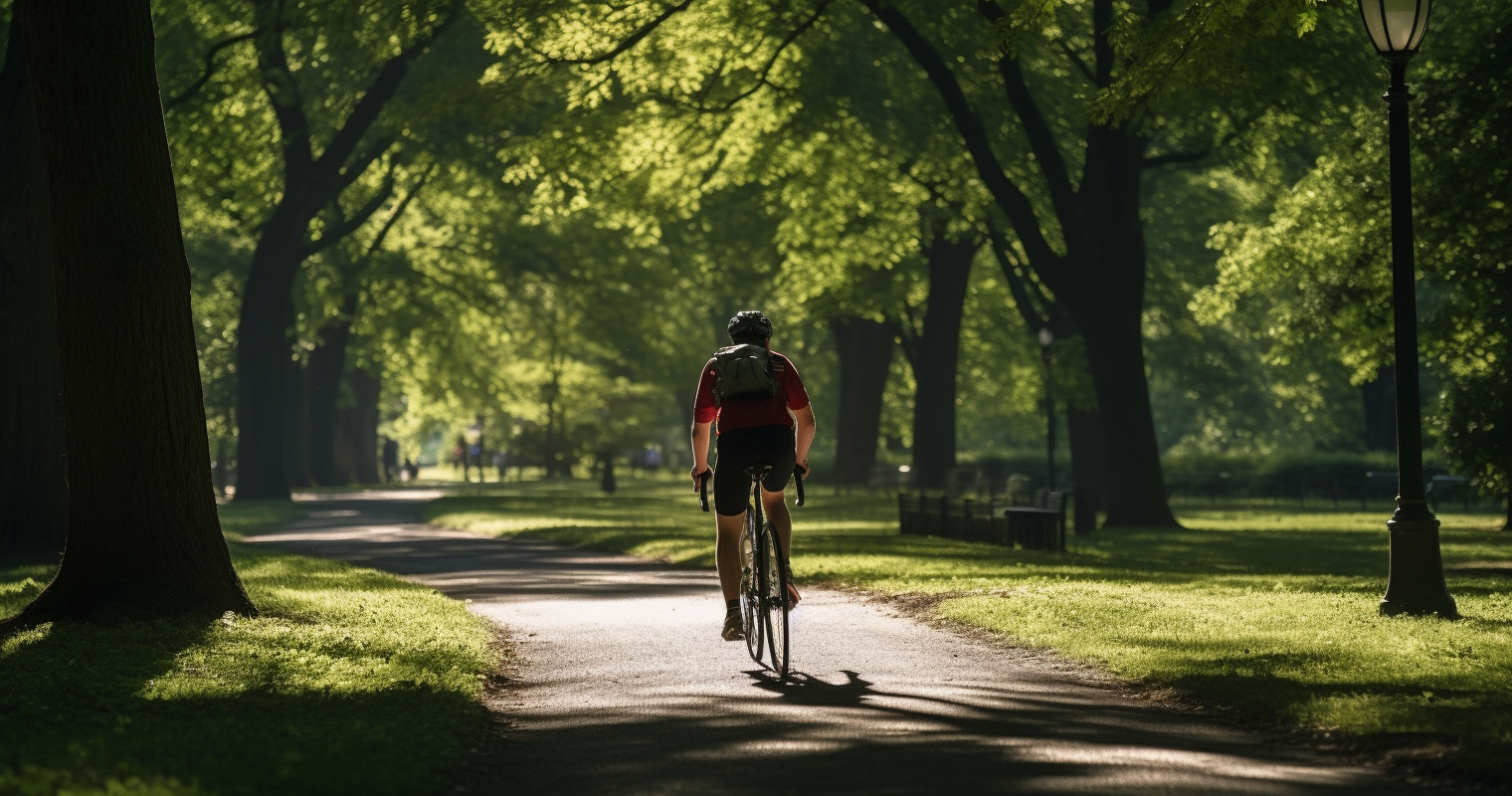
Cycling across Antigua and Barbuda blends genuine recreational appeal with limited but real everyday utility. The twin islands support an enthusiastic cycling community, rewarding coastal and cross-country roads, and a calendar of events that continues to grow. That said, patchy dedicated infrastructure, inconsistent road quality, and left-hand traffic mean riders should approach cycling here with their eyes open — for most people, it functions as a leisure and sporting pursuit rather than the primary way of getting from A to B.
| Item | Details |
|---|---|
| Left- or right-hand traffic | Left-hand traffic (same side as the UK, Ireland, and Australia) |
| Helmet law | No statutory mandatory helmet law confirmed for cyclists (as of 2025) — strongly recommended in practice |
| Bike registration | Not required for bicycles (as of 2025) |
| Dedicated cycling infrastructure | Limited; most roads shared with motor vehicles; Barbuda has very few paved roads |
| Cycling federation | Antigua and Barbuda Cycling Federation (affiliated with UCI) |
| Key transport authority | Antigua and Barbuda Department of Transportation (transportation.gov.ag) |
How popular is cycling in Antigua and Barbuda — is it a common way to get around?
Cycling in Antigua and Barbuda serves two distinct purposes: it functions as a valued sport and recreational pastime, and some islanders use bikes for short local trips — but it does not come close to being the dominant form of daily transport that it is in cycling-saturated nations like the Netherlands or Denmark, where purpose-built networks and generations of habit have placed the bicycle at the centre of urban mobility.
Historically, the bicycle played a significant role in everyday life across Antigua and Barbuda, with many residents relying on it as a primary way of getting around. The steady rise of car ownership has gradually changed that picture, and today most routine journeys — commutes, shopping runs, and errands — are completed by private car or shared minibus taxi. Cycling for transport now tends to be most common among those fortunate enough to live close to their workplace or in areas that are relatively flat and well connected.
Where cycling truly flourishes is in its sporting and social dimension. Cycling clubs are active and well attended, regularly organising group rides and competitive events that foster a lively community spirit. The islands host various cycling events throughout the year that draw enthusiasts from beyond the region. For expats arriving with a passion for cycling as fitness or sport rather than as a commuting tool, they will find a warm and organised community ready to welcome them.
Compared to somewhere like Germany, where cycling is woven into both the daily commute and weekend recreation across cities and countryside alike, Antigua and Barbuda’s scene is perhaps best understood as that of a compact island community with growing grassroots enthusiasm and an identity that is still evolving. Think less Amsterdam, more a vibrant Caribbean island steadily finding its pedalling rhythm from the ground up.
What is the cycling infrastructure like in Antigua and Barbuda?
Steps have been taken to develop cycling-friendly infrastructure across Antigua and Barbuda, encompassing cycle paths, designated bike lanes, and roads where cyclists can travel with greater ease. Even so, this network remains incomplete when measured against the standards that cyclists from countries with mature cycling infrastructure might expect, and conditions differ markedly depending on which part of the islands you happen to be riding in.
The contrast between the two islands is significant. In Antigua, the main roads are broadly well maintained, whereas Barbuda has very few paved roads to speak of. For anyone planning to live on Barbuda and cycle regularly, off-road or gravel riding is likely to be more practical than attempting road cycling across much of the island.
Within Antigua itself, road quality spans a wide spectrum. Major arteries are generally surfaced, but secondary streets and rural roads frequently suffer from potholes, inadequate signage, and poor or absent street lighting — all of which matter considerably to anyone planning to use a bicycle as a regular means of getting around, particularly after dark or when rain arrives.
Pavements are scarce and often extremely narrow across large parts of the island, which means pedestrians routinely walk on the road itself — a reality that cyclists must navigate with care, particularly in and around the capital, St. John’s. Dedicated cycle lanes do exist on certain roads but are far from universal. The Antigua and Barbuda Department of Transportation is the authority responsible for road infrastructure, and checking their website for any planned cycle route improvements is a sensible step for newly arrived cyclists.
Is cycling safe in Antigua and Barbuda?
Road safety deserves careful consideration for anyone planning to cycle in Antigua and Barbuda. The conditions encountered on local roads go well beyond the simple matter of watching for other vehicles.
Major roads can range from average to poor condition, and riders may come across wandering animals, slow-moving agricultural machinery, and drivers who stop abruptly in the middle of the carriageway without warning. Traffic regulation enforcement by police is relatively infrequent, which means road discipline can be inconsistent and cyclists are well advised to ride defensively at all times.
Even on main roads, potholes are a genuine hazard, and speed bumps are sometimes poorly marked. Overtaking on blind bends is particularly risky, and stray cattle, goats, and dogs all present additional unpredictable obstacles that experienced riders will learn to anticipate but that can catch out newcomers to these roads.
By most local accounts, it is motor traffic rather than the terrain that poses the greatest challenge for cyclists. Certain stretches — particularly around Grand Prix Beach and the busier approach roads into St. John’s — involve higher vehicle volumes and narrower road margins where vigilance is especially important. By contrast, areas such as Jolly Harbour and some of the quieter roads on the island’s eastern side are widely regarded as considerably more comfortable for leisure riding.
Antigua and Barbuda has a National Road Safety Council, which leads road safety initiatives and works in alignment with the UN Sustainable Development Goal of cutting road deaths and injuries. The Council has campaigned to help the country reach the 2030 UN goal of reducing road deaths and injuries by 50%. For the most up-to-date road safety data relevant to cyclists, contacting the National Road Safety Council directly is recommended. Wearing a helmet is strongly advised whatever the current legal position may be, and high-visibility clothing — particularly after dark — is an important precaution.
What are the rules of the road for cyclists in Antigua and Barbuda?
Cyclists share the same legal framework as all other road users in Antigua and Barbuda, governed by the Vehicles and Road Traffic Act (Chapter 460). Traffic flows on the left-hand side of the road — the same convention observed in the UK, Ireland, and Australia — which will feel natural to some riders and require a period of adjustment for those accustomed to riding on the right.
As of 2025, no confirmed statutory mandatory helmet law exists for cyclists in Antigua and Barbuda, in contrast to countries such as Australia and New Zealand where wearing a helmet is a strict legal obligation. Nevertheless, helmets are consistently recommended by cycling organisations and tour operators across the islands, and their use is regarded as standard within the local cycling community.
Speed limits are displayed in miles. Typical limits are 10–15 mph in urban areas, 30 mph on rural roads, and 40 mph on major highways. Although these apply to motor vehicles, cyclists benefit from being aware of the speeds at which traffic is moving around them — riding on roads where vehicles travel faster carries a proportionately higher risk.
The laws of Antigua and Barbuda prohibit operating any vehicle while under the influence of alcohol or illegal substances, and this extends to cyclists as much as it does to motor vehicle drivers. Riding while impaired is both inadvisable and potentially subject to legal consequences.
Standard road conduct is expected of cyclists: obeying traffic signals and signs, signalling turns with hand gestures, and refraining from riding on pedestrian areas or pavements where not permitted. Equipping a bicycle with front and rear lighting for night riding is strongly recommended and reflects best practice across Caribbean jurisdictions. For the definitive and current account of cycling regulations, consult the Antigua and Barbuda Department of Transportation or refer to the official Vehicles and Road Traffic Act through the Laws of Antigua and Barbuda online portal.
Do I need to register my bike or have insurance to cycle in Antigua and Barbuda?
As of 2025, there is no legal requirement to register a bicycle in Antigua and Barbuda. Unlike motor vehicles, which must be formally registered and licensed with the relevant authorities before use on public roads, pedal bicycles are not subject to any government registration scheme.
Similarly, there is no mandatory third-party liability insurance requirement for cyclists. This stands in contrast to motor vehicles, for which insurance is compulsory. The absence of any legal obligation does not, however, make insurance unnecessary — given the variable state of roads and the relatively informal nature of traffic enforcement on the islands, personal accident coverage and third-party liability protection are sensible practical safeguards worth putting in place.
For expats planning to cycle regularly after relocating, it is worth examining whether an existing home or contents insurance policy provides cover for a bicycle kept or used abroad, and whether your travel or expat health insurance includes cycling-related injuries. For guidance on insurance products available within Antigua and Barbuda, the Antigua and Barbuda Financial Services Regulatory Commission is the authority responsible for regulating insurance providers on the islands. As with all regulatory matters, it is important to verify current requirements directly with the regulator, since rules are subject to change.
Are there public bike-sharing or rental schemes in Antigua and Barbuda?
No large-scale, municipally operated bike-share system exists in Antigua and Barbuda comparable to well-known city schemes such as London’s Santander Cycles or Paris’s Vélib’ network. The bicycle hire market here is shaped primarily by tourism and leisure demand rather than the needs of daily commuters.
Jolly Harbour, widely regarded as one of the most pleasant cycling areas on the island, has rental options available, and further hire opportunities can be found in and around St. John’s. Availability can fluctuate with the tourist season, so booking ahead during peak periods is advisable.
Fat Tire Electric Bike Tours Antigua runs guided excursions that weave together cycling with historical and cultural insights about the island and its people — one of several operators offering e-bike hire as part of a structured guided experience. Cycling Tours Antigua is another locally based, resident-run tour company that provides a friendly introduction to the island on two wheels. Operators of this kind generally supply helmets and guide support, making them an excellent option for newly arrived expats wanting to explore safely before striking out independently.
Hire pricing varies between operators and across seasons. As of 2025, day rates for standard bicycles from tour operators and hire outlets typically fall in the range of approximately US$20–40 per day, though e-bike guided tours are likely to cost more. For current rates and availability, check directly with operators such as Fat Tire Electric Bike Tours Antigua and Cycling Tours Antigua, as pricing can change and seasonal variations apply.
Where can I buy or service a bike in Antigua and Barbuda?
A small but functional bicycle market exists on Antigua, with at least one well-regarded dedicated cycle retailer serving the island. Bikes Plus is the most prominent dedicated bike shop on the island and is frequently cited within the local cycling community as the go-to destination for both purchases and servicing. Alongside it, a number of active cycling clubs contribute to a lively environment for those serious about the sport.
The range of bikes available locally is naturally more constrained than what you would encounter in a larger country with an established cycling retail sector. High-end road bikes, specialist components, and the newest cycling technology may need to be ordered in or imported, adding both cost and waiting time to the equation. For everyday hybrid, mountain, or casual road bicycles, however, local supply is generally sufficient.
Servicing and repair options are available through the cycle shop as well as through some of the island’s tour operators, who maintain their own fleets of bikes. Tour operators typically run quality mountain, hybrid, or road bikes with lightweight alloy frames and multi-speed gearing, giving a reasonable indication of the standard of equipment available locally for both hire and purchase.
Consumer protection in Antigua and Barbuda is governed under general consumer and contract law. As is often the case in smaller island economies, it is wise to inspect second-hand bicycles carefully before committing to a purchase, since formal warranty arrangements may be less comprehensive than those offered in larger markets. Expats accustomed to robust consumer protection regimes — such as the UK’s Consumer Rights Act or the EU’s warranty framework — should bear this in mind when budgeting and choosing where to buy.
Can I bring my bike when I move to Antigua and Barbuda, and are there any import rules?
Importing a bicycle as part of a move to Antigua and Barbuda is generally permitted, and personal belongings brought in as part of a household removal may be eligible for customs duty relief. The precise exemptions available, and the conditions attached to them, can vary, so confirming the current position with the Antigua and Barbuda Customs and Excise Division before shipping your bike is strongly advisable.
Antigua and Barbuda levies import duties on goods arriving in the country. Bicycles are treated as imported goods and, where not covered by a personal effects exemption, may attract customs duty. The applicable rate for bicycles as consumer goods has historically fallen in the region of 5–20%, though duty rates and applicable thresholds are subject to change. Always verify the current tariff schedule directly with the Customs and Excise Division before shipping, and obtain written confirmation of any exemptions you believe are applicable to your circumstances.
If you are shipping household goods including a bicycle as part of a container removal, you may qualify to import personal effects duty-free for a defined period following establishment of residency, provided conditions such as prior ownership and a commitment not to sell the goods within a set timeframe after import are met. A licensed customs broker operating in Antigua can assist in navigating the process and ensuring your shipment is correctly classified and declared. Keeping receipts and documentation that demonstrate prior ownership of your bicycle is important, as these will underpin any exemption claim at the customs stage.
What are the best cycling routes or destinations in Antigua and Barbuda?
Antigua’s compact size — approximately 280 square kilometres — means that many of its most attractive corners are reachable by bicycle within a half-day ride from St. John’s or other starting points, aided by a network of scenic coastal roads and cross-country routes that include some gently challenging hills.
Favoured cycling destinations include routes leading to and through St. John’s, Devil’s Bridge and Long Bay, Half Moon Bay, Shirley Heights, Falmouth Harbour, Rendezvous Bay, Darkwood Beach, and Jolly Harbour — a selection that traces much of the island’s coastline in a clockwise direction. These routes alternate between flat stretches along the water and occasional climbs, with consistently fine views of the Caribbean Sea providing ample reward.
Riders in search of more demanding terrain can tackle hilly tracks heading to Mount Obama, Fort George and Monk’s Hill, and McNish Mountain. These routes suit cyclists equipped with mountain or gravel bikes and a solid base of fitness, but they return the effort in sweeping panoramic views across the island and surrounding sea.
The Antigua and Barbuda Cycling Challenge, held in November, spans 145 km with a cumulative elevation gain of 3,000 metres, routing riders through some of the island’s most spectacular scenery. It stands as one of the flagship occasions in the sporting cycling calendar and provides an excellent opportunity for new arrivals to immerse themselves in the local cycling community.
Route-planning platforms such as Bikemap catalogue around 30 cycling routes and trails across Antigua and Barbuda, spanning a range of distances and difficulty levels. The Antigua and Barbuda Cycling Federation is another indispensable resource for route guidance and event listings. The Federation promotes and regulates the sport of cycling in Antigua in accordance with UCI rules and actively supports its development at all levels. For tourism-focused route planning, the Antigua and Barbuda Tourism Authority also lists cycling tours and local operators.
Step-by-step: How to get set up as a cyclist in Antigua and Barbuda
- Research road conditions in your area: Before you arrive, look into the road network near where you will be living. Areas such as Jolly Harbour and the quieter eastern roads offer more comfortable cycling than busy approaches into St. John’s. Check the Department of Transportation website for current road information.
- Decide whether to bring or buy a bike: If you plan to import your own bicycle, contact the Antigua and Barbuda Customs and Excise Division to confirm whether personal effects exemptions apply to your move, and gather documentation of prior ownership.
- Purchase or hire a bike locally: If buying locally, visit Bikes Plus in Antigua for new and second-hand options. For short-term hire, contact Cycling Tours Antigua or Fat Tire Electric Bike Tours to rent while you get your bearings.
- Gear up appropriately: Purchase a well-fitting helmet, front and rear lights, and high-visibility clothing. Given road conditions, a robust hybrid or mountain bike tyre setup is more practical than narrow road tyres for most routes.
- Consider insurance: Check whether your expat health or contents insurance covers cycling accidents and theft. Contact the Antigua and Barbuda Financial Services Regulatory Commission for a list of regulated local insurance providers if you want additional cover.
- Connect with the local cycling community: Join or follow the Antigua and Barbuda Cycling Federation to find group rides, events, and local knowledge about safe routes and road conditions.
- Start with guided or group rides: If you are unfamiliar with local roads and driving culture, consider joining an organised tour or group ride before venturing out solo. This is an excellent way to learn safe routes and meet fellow cyclists.
Frequently asked questions: cycling in Antigua and Barbuda
Is cycling a realistic way to commute to work in Antigua and Barbuda?
For some residents — particularly those living and working in relatively flat areas or within communities such as Jolly Harbour — cycling to work is a perfectly viable option. It is not, however, the norm. The majority of roads lack dedicated cycle lanes, traffic enforcement is limited, and road surfaces are frequently uneven. Most expats who cycle do so for leisure rather than as a commuting strategy, supplementing it with a car or shared minibus taxi for longer or busier journeys.
Do I have to wear a helmet when cycling in Antigua and Barbuda?
As of 2025, no confirmed statutory mandatory helmet law exists for cyclists in Antigua and Barbuda. That said, helmets are strongly recommended by local cycling organisations, tour operators, and safety bodies across the islands. Given the road environment and traffic conditions, wearing a helmet is widely regarded as an essential precaution regardless of the legal position. Always verify the current requirements with the Department of Transportation, as regulations can be updated.
Which side of the road do cyclists ride on in Antigua and Barbuda?
Traffic in Antigua and Barbuda moves on the left-hand side of the road, in keeping with the convention followed in the UK, Ireland, Jamaica, and a number of other countries. Cyclists must keep to the left and observe the same directional rules as motor vehicles.
Are there any particularly dangerous roads or areas to avoid when cycling?
The busier roads feeding into St. John’s can be demanding due to higher traffic volumes and limited road margins for cyclists. Certain rural roads are marked by substantial pothole damage, poor lighting, and the possibility of roaming livestock. The area around Grand Prix Beach has been identified by local residents as less than ideal for relaxed cycling. Quieter zones such as the road network around Jolly Harbour, the eastern coastline, and purpose-designed event routes tend to offer a more comfortable experience.
Can I bring my bicycle to Antigua and Barbuda when I move there?
Yes, importing a bicycle when you relocate is permitted. Whether it qualifies for duty-free entry as a personal effect will depend on the particulars of your situation. Get in touch with the Antigua and Barbuda Customs and Excise Division before shipping to clarify the current exemption rules and what documentation will be required. Holding onto purchase receipts and evidence of prior ownership is important for supporting your customs declaration.
Is there a bike-sharing scheme in St. John’s or elsewhere on the island?
No large-scale municipal bike-sharing scheme operates in Antigua and Barbuda as of 2025. Bicycle hire is offered through tourism-focused operators such as Cycling Tours Antigua and Fat Tire Electric Bike Tours, and at certain resort areas including Jolly Harbour. These services are geared primarily towards leisure riders and visitors rather than daily commuters. Check operator websites directly for up-to-date availability and pricing.
Where can I find other cyclists and get route advice as a new expat?
The Antigua and Barbuda Cycling Federation is the natural first port of call for anyone wanting to plug into the local cycling scene. The Federation organises events and group rides and holds information on routes across the island. Route-planning platforms such as Bikemap and Komoot carry user-generated routes covering Antigua and Barbuda. Cycling Tours Antigua and other local operators can provide guided introductions to the island’s roads and trails for those who prefer a more structured start.
What is cycling like on Barbuda compared to Antigua?
The cycling experience on Barbuda is markedly different from that on Antigua. With very few surfaced roads, Barbuda lends itself far better to off-road or gravel-style riding than conventional road cycling. The island is flat and sparsely populated, and its distinctive natural environment offers a scenic backdrop for rides, but an appropriate bike is essential — a mountain or gravel bike suits conditions far better than a road bicycle. Facilities such as bike hire and repair are very limited on Barbuda in comparison with what is available on Antigua.