
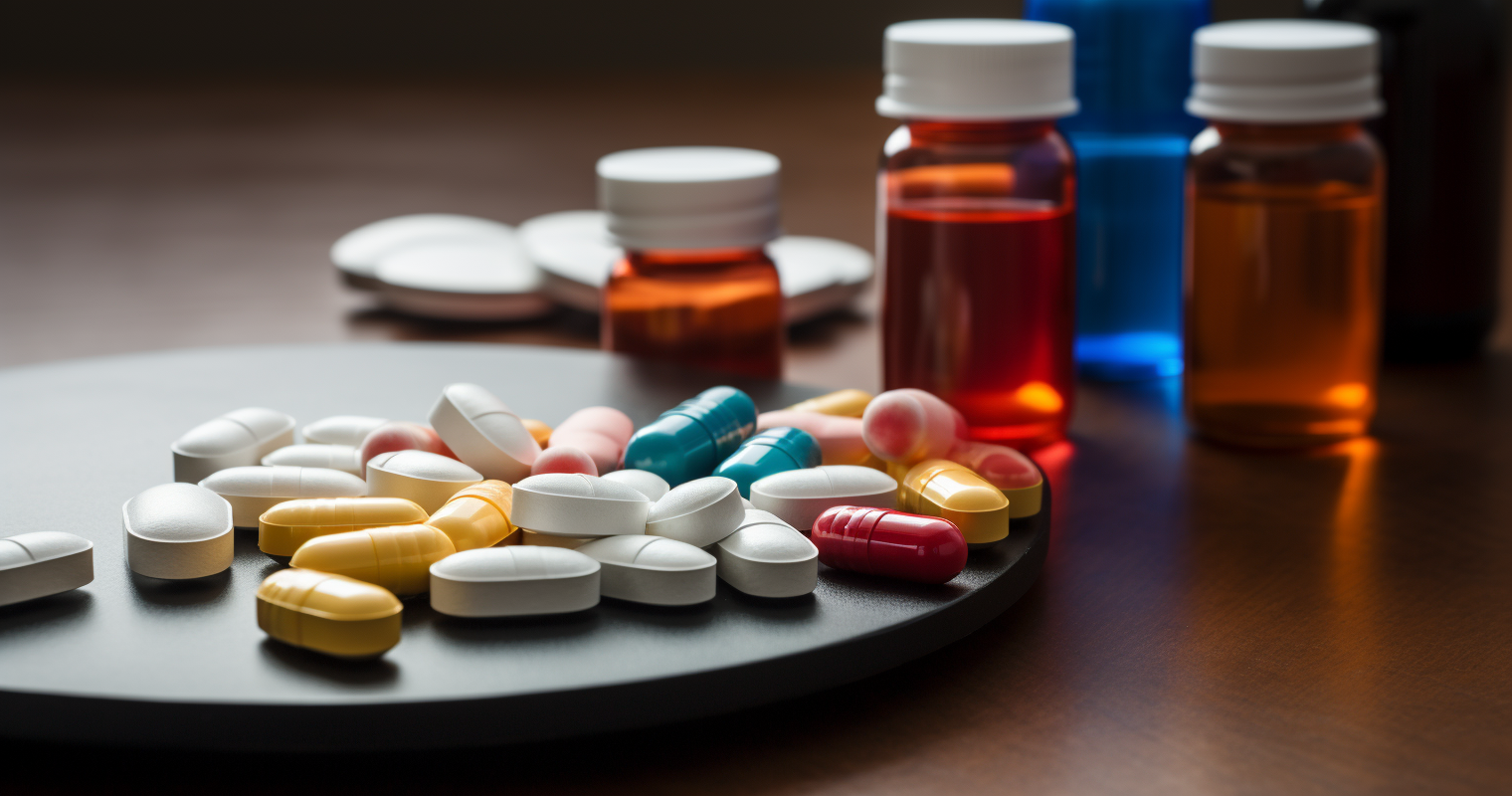
For expats living in Belize, obtaining medications is usually a manageable process. Pharmacies operate throughout the country’s towns and cities, a number of drugs that require a doctor’s note elsewhere are sold freely over the counter, and most costs are settled directly by the patient. That said, stock levels differ from one region to another, certain specialist treatments can be difficult to source, and anyone who depends on a specific medication should look into local availability before making the move.
| Item | Details |
|---|---|
| Local name for pharmacy | Pharmacy (English); identified by green cross signage |
| Typical opening hours | Mon–Fri 8am–5pm; Sat 8am–12pm (as of 2024); limited Sunday opening |
| OTC availability | Many drugs (including some antibiotics and codeine products) available without prescription |
| Prescription cost model | Primarily out-of-pocket; no universal flat-fee or subsidy scheme for the general population |
| GP consultation fee (approx.) | From around USD $15 (as of 2024); check current rates with local clinics |
| Key regulatory body | Ministry of Health & Wellness – Drug Inspectorate Unit (health.gov.bz) |
What are pharmacies called in Belize, and how do I recognise one?
Pharmacies in Belize go by exactly that name — “pharmacy” — the same term you will encounter in English-speaking countries around the world. They are most easily spotted by the green cross symbol displayed at the entrance, a convention shared with many other nations. Since English is Belize’s official language, reading signs or chatting with staff presents no linguistic hurdle for newcomers from Anglophone backgrounds.
You will find pharmacies distributed across most of the country’s towns and cities. Among the more recognisable names are Brodies Pharmacy, Karl H. Menzies Pharmacy, and Mirab Pharmacy. Private hospitals and clinics — particularly in Belize City and Belmopan — frequently have their own in-house pharmacies as well.
Pharmacies exist in Belize City, in every main town, and in a number of villages. In larger urban settings they tend to be well-signed and properly fitted out. In smaller communities, they may occupy a modest space within a general store or medical facility, yet they remain the principal local source of medicines for residents in those areas.
If you are relocating to a rural location or a coastal community, it is wise to identify your nearest pharmacy before you arrive, since access in more remote parts of the country can be considerably more limited than in the major population centres.
What are pharmacy opening hours in Belize?
Hours differ from one pharmacy to the next, but the typical pattern is Monday to Friday from 8:00 AM to 5:00 PM, and Saturday from 8:00 AM to noon. These schedules are broadly in line with other Central American countries, though they fall short of the extended hours that are common in North American or European pharmacy chains.
Sunday trading is uncommon, though a handful of pharmacies in Belize City and Belmopan do open for a half-day. Public holiday opening is equally rare. Expats living near the borders may find it useful to know that pharmacies across the border in Chetumal (Mexico) and in Melchor de Mencos or Flores Petén (Guatemala) operate on weekends, providing a practical alternative when local options are closed.
Certain private hospital pharmacies provide longer service windows. For instance, the in-house pharmacy at Belize Healthcare Partners operates Monday to Friday from 8am to 7pm and Saturday from 8am to 1pm, and offers a 24-hour on-call service — including on public and bank holidays — for prescription fulfilment, inpatient needs, and over-the-counter purchases. When medication is needed urgently outside of standard hours, reaching out to the nearest private hospital is the most reliable course of action.
For expats settling in rural villages, pharmacy access may be extremely limited or unavailable entirely. Keeping a reasonable reserve supply of any essential medicines at home and establishing a working relationship with a pharmacy in the nearest town early on are both strongly recommended steps.
Which medications can I buy over the counter in Belize, and which require a prescription?
The Belize Ministry of Health publishes an official list of over-the-counter (OTC) medications that may be sold without a prescription — defined as medicines considered safe enough for consumers to use as directed on the label without professional medical guidance.
The official OTC list covers items such as acetaminophen/paracetamol for both children and adults, ibuprofen, the preparation widely known as Pepto-Bismol, combination medicines for upset stomach, indigestion, and heartburn, antacid and antigas compounds, pain relief products, cough and cold preparations, cough drops, isopropyl alcohol, hydrogen peroxide, menthol creams, and oral rehydration solutions. These are broadly consistent with OTC medicines sold in pharmacies across the world.
Notably, Belize does not generally require prescriptions for antibiotics and certain other drugs that are tightly controlled in countries like the United States, and codeine-containing painkillers may also be available without a prescription. This contrasts sharply with systems such as the UK’s NHS or Australia’s PBS, where antibiotics are always dispensed only on a doctor’s prescription. Expats should nonetheless recognise that greater accessibility does not mean these medications are risk-free — self-administering antibiotics in particular carries real potential for harm.
While many drugs that would require a prescription elsewhere can be obtained over the counter in Belize, controlled substances and more powerful medications still require a valid prescription from a local doctor. The Ministry of Health & Wellness advises all consumers to take prescription medicines only when directed by a registered medical practitioner and to have them dispensed by a licensed pharmacist at a licensed pharmacy.
Expats should bear in mind that not every medication available in their country of origin will be stocked in Belize. Bringing an adequate supply of any specialised treatment, together with a copy of the prescription, is strongly advisable. Some pharmacies are prepared to place special orders for items not kept in routine stock, with deliveries typically arriving within a few days.
Online pharmacies operating in Belize do exist, but caution is warranted. Before purchasing medications through any website, verify that the site is both legitimate and reputable. Although counterfeit drugs are not widespread, they do occur, and buying from a trusted, licensed pharmacy is always the safer option.
How does the prescription system work in Belize?
Prescription-only medications in Belize must be obtained through a valid prescription issued by a licensed physician. Both general practitioners and specialists are authorised to write prescriptions. The system is paper-based — Belize has no centralised electronic prescribing platform comparable to those used in the UK or the Netherlands — so you will receive a handwritten or printed paper script to take to the pharmacy.
Over-the-counter products can be purchased without any medical authorisation, while prescription medicines are specified by a doctor and should only be dispensed by a qualified pharmacist. In practice, smaller community pharmacies may exercise more discretion when it comes to certain medicines — particularly for customers who are known to them or who can demonstrate an established need — but this is entirely at the pharmacy’s own discretion and does not reflect the official standard.
The most straightforward course of action when you need a prescription medicine is to see a local general practitioner. A standard consultation generally costs around USD $15 (as of 2024; verify current rates directly with local clinics, as fees may vary). This is considerably less than a GP visit in most Western countries, making professional medical advice genuinely affordable for the majority of expats.
Automatic drug interaction checking is not a standard feature of prescribing in Belize. Doctors are not routinely using electronic medical record systems that flag every potential interaction. If you take several medications simultaneously, make sure your doctor is aware of every one of them, and consider verifying interactions yourself or with a qualified pharmacist.
The Ministry of Health has produced the Belize Drug Formulary and Therapeutic Manual (10th Edition), which functions as a reference guide for the country’s healthcare needs. Medical professionals use it to identify the most appropriate treatments for patients given their specific conditions. Unlike the UK model where repeat prescriptions can cover many months at a time, Belize’s approach is generally shorter and more consultation-dependent — though individual doctors’ practices will vary.
How much do prescriptions and medications cost in Belize?
Medication expenses in Belize are primarily an out-of-pocket matter. There is no flat-fee prescription system comparable to the NHS prescription charge in the UK, nor anything resembling Australia’s Pharmaceutical Benefits Scheme. Each medicine carries its own price, and costs differ between pharmacies, so it can be worth checking several outlets — particularly for treatments you will need over the long term.
Overall, medication prices in Belize tend to be lower than in the United States, though they may be higher than in some neighbouring Central American countries. Because pricing varies between pharmacies, shopping around is a sensible habit, especially for ongoing medication needs.
Medicines are not uniformly inexpensive in Belize — prices are generally around 25% higher than equivalent US prices — but exceptions exist, particularly for generic products manufactured in Europe, Asia, and Latin America. As of 2024, it is worth confirming current prices directly with pharmacies, since exchange rate movements and import costs can shift figures meaningfully.
Generic medicines are widely preferred by Belizeans because of their lower cost, although demand for branded products is growing among middle and upper-income groups. Opting for the generic equivalent of a branded drug is usually the most effective strategy for keeping medication costs down, just as it is in most other countries where patients pay directly.
Residents — including settled expats — can access basic care at public facilities either free of charge or at minimal cost. The Ministry subsidises essential medicines, vaccinations, and certain emergency procedures. However, the scope of subsidised medicines within the public system is narrow, and most expats will still need to pay privately for branded or specialist drugs. The government has put policies in place to improve healthcare access, including providing free medicines to certain groups attending government health centres, but availability of specific drugs is not guaranteed. For current information on subsidised medicine programmes, consult the Ministry of Health & Wellness.
Not all pharmacies in Belize accept card payments, so carrying cash when purchasing medications is advisable. Larger pharmacies in Belize City and Belmopan may take credit or debit cards, but it is safest to have Belize dollars or US dollars available, as both are widely accepted throughout the country.
Will my home-country prescription be accepted in Belize?
Belize has no formal treaty or legal framework that grants automatic recognition to foreign prescriptions in the way that EU cross-border healthcare rules allow member states to honour one another’s prescriptions. In practice, however, the reality on the ground is often more accommodating than the strict regulatory position suggests.
Some pharmacies will show flexibility when visitors have left their prescription behind or are otherwise unable to produce one. Because many Belizeans find it financially difficult to consult a doctor, pharmacies often serve as a combined source of medical guidance and medication for routine complaints. Independent, owner-operated pharmacies tend to be more flexible in this respect, while larger pharmacies employing salaried pharmacists are more likely to insist on a formal script.
If you arrive with a current prescription from your home country, the most dependable approach is to bring a copy — ideally listing the generic drug name clearly, since brand names differ internationally — and use it as supporting documentation when visiting a Belizean GP to obtain a local prescription. Knowing the generic name of your medication is particularly helpful when speaking with any pharmacy in Belize. If you cannot recall it, showing the pharmacist your empty pill bottle or a photograph of the packaging can help bridge the gap.
Not every medication available abroad will have an equivalent in Belize, and some products available locally may not be found elsewhere. When consulting a Belizean doctor, bring a full list of your current medications together with any relevant allergies and medical conditions. The GP can then either prescribe a local equivalent or confirm that your medication is obtainable and issue a Belizean prescription accordingly.
Anyone with pre-existing health conditions should travel with a letter from their treating physician outlining those conditions and detailing any prescription medications, including generic drug names. This document serves both as supporting evidence at customs and as a practical reference for any Belizean healthcare professional you subsequently consult.
Can I bring my medications into Belize?
Importing personal medications into Belize for personal use is generally allowed, but the applicable rules depend on both the type of medication involved and the quantity being carried. Limits apply to the amounts and categories of pharmaceutical products you may transport, and your individual health requirements must be weighed against the country’s import regulations.
Certain medicines — particularly those classified as controlled substances — require specific permits before they can be brought in. Prescription medications should travel in their original packaging and be accompanied by a doctor’s letter. Failure to meet these requirements can lead to immediate confiscation or legal consequences. Always confirm current regulations with Belizean customs authorities before you travel. The Belize Customs and Excise Department is the authoritative source for up-to-date import rules.
All medications carried into Belize should remain in their original, clearly labelled containers. Travellers should also check with the Embassy of Belize to confirm that any required medicines are not classified as illegal narcotics under Belizean law. Belize treats marijuana as an illegal narcotic, and a prescription for cannabis-based medication issued in another country provides no legal protection if you are found in possession of it.
Goods containing ephedrine or pseudoephedrine are prohibited from importation into Belize, meaning that certain common cold and decongestant products widely available in other countries cannot be brought in. Check the ingredient list of any medication you intend to travel with before you leave.
Where a medication is not approved for use in Belize but is medically essential, a more formal import process applies. Individuals wishing to bring in an unapproved or locally unavailable life-saving medicine for personal use must seek authorisation from the Ministry of Health. This involves submitting a formal application detailing the medical necessity of the drug, supported by relevant clinical documentation. Each application is assessed individually, taking into account the urgency of the need, the patient’s medical history, and whether suitable alternatives exist within Belize.
Applications should be directed to the Drug Inspectorate Unit of the Ministry of Health, the body responsible for pharmaceutical regulation in Belize. If you need to import a medication not available locally, contact the Ministry of Health & Wellness well before your move, as the review process can take some time.
How do expats access prescription medications through health insurance in Belize?
Belize does not operate a universal public health insurance system that automatically covers all residents — expats included — for the cost of medications in the way that France’s Sécurité Sociale or Australia’s PBS subsidises prescriptions. While the public system offers a degree of support, expats should plan to meet most medication costs privately.
To access the public system, an expat must register with the Social Security Board (SSB) to obtain a social security number, then secure a Belize Health Information System (BHIS) card, which is required for treatment at public hospitals and clinics. Registration with the SSB is mandatory for all legal residents. The SSB does not amount to comprehensive health insurance — it primarily covers work-related injuries and illnesses, together with sickness, maternity, and retirement benefits, with only limited healthcare access included. Expats should therefore view this scheme as a basic social safety net rather than a complete medical protection plan.
Taking out comprehensive health insurance that includes medication cover is strongly advisable, as this can significantly reduce the cost burden of more expensive drugs. Most expats resident in Belize opt for international private health insurance. Coverage for outpatient prescription medications varies considerably between plans — some international policies meet medication costs in full after a co-payment, while others only cover drugs dispensed during a hospital stay. Read your policy wording thoroughly before committing to a plan.
Some expats choose to forgo health insurance altogether and self-fund their care. The reasoning is that routine medical costs in Belize are modest enough that they rarely exceed typical insurance deductibles. For everyday medications and straightforward prescriptions, out-of-pocket costs are often manageable — but this approach carries significant exposure if you need specialist medicines, hospital treatment, or emergency medical evacuation.
Evacuation coverage is a particularly important component of any international health insurance policy for Belize. An air ambulance flight can easily run to USD $15,000. When selecting a plan, make sure it covers not just medications but also emergency evacuation, since Belize’s hospital infrastructure for serious or complex conditions is limited, and many expats travel to Mexico, Guatemala, or the United States for more demanding medical treatment.
Frequently asked questions: prescriptions and medications in Belize
What should I do if I run out of medication in Belize?
Your first port of call should be a local general practitioner. Consultations typically cost around USD $15 (as of 2024; confirm current rates locally), and a Belizean doctor can issue a prescription for a recognised equivalent. Bring whatever documentation you have from your home-country prescriber, and make sure the generic name of the drug is clearly noted. If the medication is not held in stock at a nearby pharmacy, ask whether it can be specially ordered — many pharmacists are happy to source items, usually within a few days.
Are brand-name medications available in Belize?
Pharmacies in Belize stock products from major international manufacturers including Abbott, Pfizer, Merck, Eli Lilly, and Johnson & Johnson, and a wide range of medication types is available — primarily in North American and European brands, with an increasing proportion now sourced from Latin America. That said, the availability of particular branded products cannot be guaranteed across the whole country, especially outside Belize City. Some advanced or recently developed treatments are difficult or impossible to source locally.
Will I be able to find a pharmacist who speaks English?
Yes. Because English is Belize’s official language, communicating in pharmacies is entirely straightforward for English speakers. Pharmacists in towns and cities generally have strong professional English. In more remote communities or in areas close to the Mexican border, some staff may communicate primarily in Spanish or Kriol, but pharmacy signage and drug labelling is normally in English throughout the country.
Can I order medications online and have them delivered in Belize?
Some pharmacy services offer delivery across Belize, including to the cayes and more distant districts, and are able to special-order medications from international suppliers so that original brands can be obtained. For purchases from abroad, some expats use freight-forwarding services with US-based addresses to receive medications from overseas pharmacies, though you must ensure that any imported medicines comply fully with Belize’s customs regulations.
What happens in a medical emergency — will I be able to get medication quickly?
Most of Belize’s round-the-clock hospital facilities — including the Karl Heusner Memorial public hospital — are concentrated in Belize City, which also has two well-regarded private hospitals: Belize Medical Associates and Healthcare Partners. The towns of San Ignacio, Corozal, Dangriga, and Punta Gorda each have 24-hour care hospitals as well. In a genuine emergency, these institutions can supply essential medications. Outside these centres, access to urgent medication can be very limited indeed.
Is it safe to buy medications in Belize — are counterfeit drugs a risk?
Belize introduced a formal medicines registration process following the Food and Drugs (Registration, Licensing and Inspection) Regulations of 2017. Medications that were already in circulation before the new rules came into force were brought into the system through a transitional process designed to confirm their safety, efficacy, and quality. While counterfeit drugs are not widespread, the risk is not zero — always buy from reputable, licensed pharmacies. The Ministry of Health & Wellness maintains a list of licensed pharmacies.
Can I bring a large supply of my medication when I first move to Belize?
Restrictions apply to both the quantities and categories of pharmaceuticals that may be imported into Belize. A supply appropriate for personal use during a trip or an initial settling-in period is generally acceptable, but large volumes will require import authorisation. If you depend on a specialised or hard-to-find medication, contact the Drug Inspectorate Unit of the Ministry of Health before your move to understand the formal process for importing a larger stock or for bringing in medicines not locally approved.
Does Belize’s public health system provide free medications?
Basic care at public facilities is free or nearly free for residents, including settled expats, and the Ministry subsidises essential medicines, vaccinations, and certain emergency procedures. The scope of this subsidy is, however, confined to medicines on the national formulary. Branded, specialist, or imported medications will almost always need to be paid for privately. Expats holding a BHIS card who access the public system may benefit from subsidised essentials, but should not rely on the public system for complex or ongoing medication needs.
Latest: Expat Focus International Healthcare Update August 2026 →