
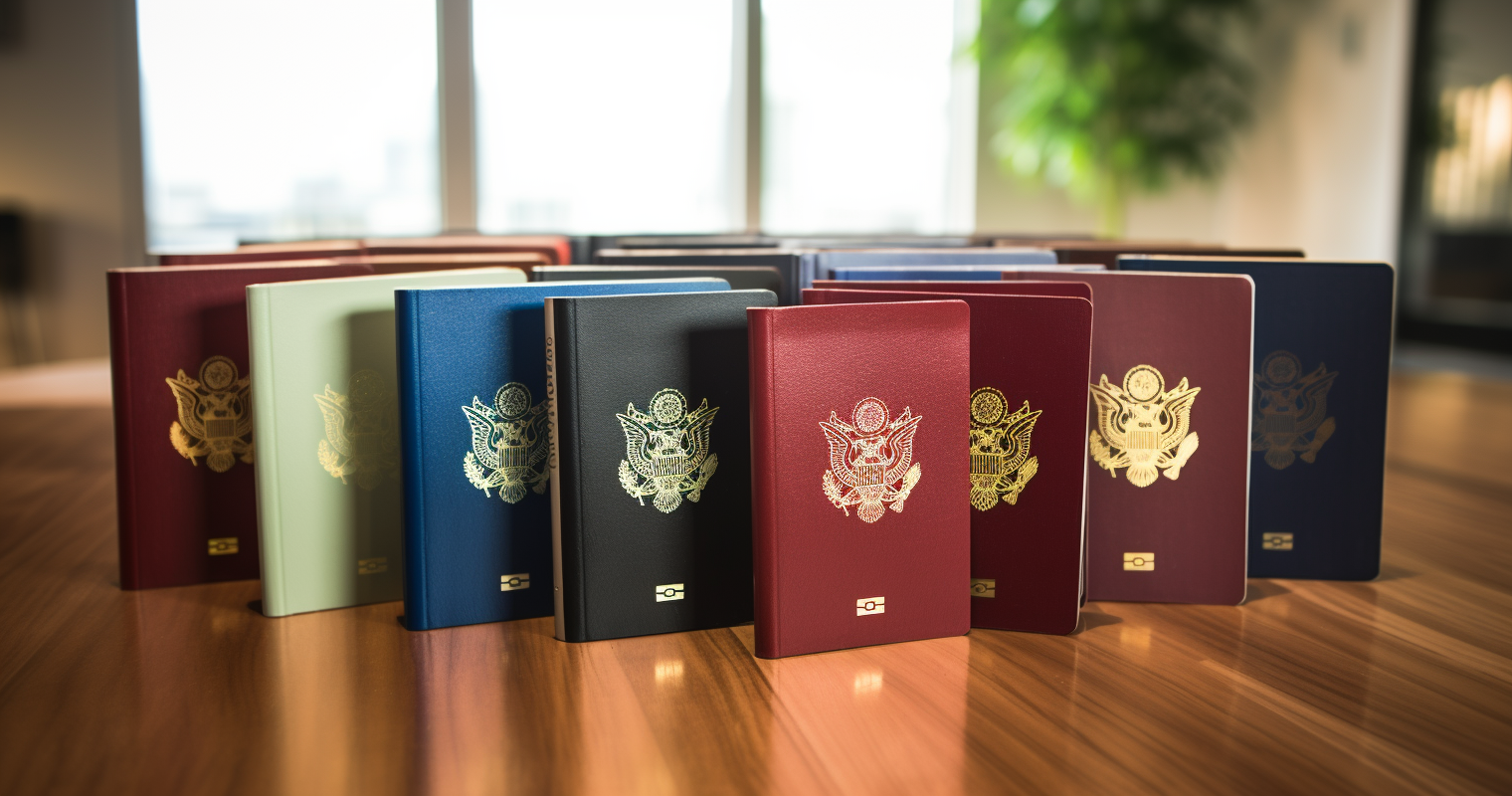
Bermuda citizenship — formally known as Bermudian Status — is one of the most difficult to obtain in the world. It is granted by birth, descent, or through a lengthy marriage and residency route, and cannot be purchased. As a British Overseas Territory, Bermuda links its nationality framework to British law, meaning Bermudian Status holders are also British Overseas Territories Citizens (BOTCs). Dual citizenship is permitted.
| Item | Details |
|---|---|
| Citizenship type | Bermudian Status (also confers British Overseas Territories Citizenship) |
| Routes to citizenship | Birth (with Bermudian parent), descent, marriage (10 years), qualifying Bermudian connection (10 years’ residence) |
| Residency requirement (marriage route) | Married to a Bermudian for 10 years; resident in Bermuda for 7 of those years (as of 2025) |
| Citizenship by investment | Not available |
| Dual citizenship | Permitted |
| Key tax advantage | No personal income tax, no capital gains tax, no inheritance tax (as of 2025) |
Who can apply for citizenship in Bermuda?
Bermuda citizenship — being Bermudian — is effectively in two parts. One is to be a British Overseas Territories Citizen, meaning that all who are Bermudians by both birth and Bermudian parentage hold that status under British law. Beyond that, Bermuda’s own laws determine who qualifies as a Bermudian, and the bar is set deliberately high.
Bermudian Status can be obtained by birth, although being born in Bermuda does not automatically confer this status. One must be born in Bermuda to a parent who holds Bermudian Status to be considered Bermudian by birth. This is a stricter rule than in many countries that apply automatic birthright citizenship regardless of parentage.
Children born to BOTC parents from Bermuda are BOTCs by descent. Registration of the birth and provision of long-form certificates are crucial, and adults claiming the status later must prove the lineage through certified records.
If you are a spouse, widow, or widower of a Bermudian, you must be married to or be the widow or widower of a Bermudian for 10 continuous years from the date of marriage and have resided in Bermuda for seven years after the date of the marriage, the last two years of which must be continuous to the date of application.
A person possessing a Qualifying Bermudian Connection (QBC) must have been ordinarily resident in Bermuda for 10 continuous years immediately preceding the date of the application, have a qualifying Bermudian connection, and be of good conduct and character. This route generally applies to those with family ties to Bermuda, such as a grandparent who held Bermudian Status.
Marriage to a Bermudian does not automatically grant citizenship. Spouses must live in Bermuda, hold residence status, and later naturalise through the standard route. It is also important to note that citizenship cannot be bought, nor can it be bestowed under any circumstances other than those described in law. Unlike some countries, Bermuda does not have a “golden visa” citizenship-by-investment programme for immediate citizenship.
Any person who is not a Commonwealth citizen must be naturalised as a British Overseas Territories Citizen in order to acquire Bermudian Status. Those who are Commonwealth citizens applying for Bermudian Status only should note that the acquisition of Bermudian Status in itself does not confer British nationality.
What is the process for applying for citizenship in Bermuda?
The application process for Bermudian Status is administered by the Government of Bermuda’s Department of Immigration. The specific steps vary according to the route you are applying under, but the general process is as follows:
- Confirm your eligibility route. Determine whether you are applying via naturalisation, descent, birth, adoption, or UK registration. Each route has distinct documentary requirements and qualifying conditions.
- Gather required documents. Collect passports, a Permanent Resident’s Certificate (where applicable), long-form birth and marriage certificates, police records, and financial evidence. Note that short-form birth certificates are not accepted for descent claims.
- Complete the application form. Print the application form and complete it with black or blue ink (passport applications require black ink only on single-sided paper). The form is available from the Department of Immigration’s official website.
- Make your payment. Make an online payment to the HSBC bank account, including a description with your full name, date of birth, and type of application. Make a copy of the online payment receipt and include it with your application submission. Check the official immigration fees page for current amounts, as these are subject to change.
- Submit your application. Applications should be placed in the Immigration drop box on the first floor of the Government Administration Building.
- Attend checks and interviews. Attend any required interviews, police clearance checks, and provide evidence of residence and integration. Authorities assess integration via residence continuity, community involvement, and lawful conduct, and applicants with long-term ties, employment, or family roots in Bermuda have stronger cases.
- Take the oath of allegiance. An oath of allegiance is a mandatory step to complete BOTC naturalisation.
- Receive your certificate and apply for a passport. On success, you will receive a BOTC certificate. An oath of allegiance is required for naturalisation cases, after which you can apply for a Bermuda BOTC passport and, if eligible, register as a full British citizen.
You should not have been out of Bermuda for more than 90 days during the 12-month period immediately preceding the application, or more than 450 days in the five-year period immediately preceding the application. If you are married to a British Overseas Territories Citizen, you should not have been out of Bermuda for more than 270 days in the three-year period immediately preceding the application.
Expect filing fees, document preparation costs, as well as apostille, legalisation, and translation costs. Always check the official Government of Bermuda immigration page for the most up-to-date fee schedule before submitting your application.
What are the advantages of being granted citizenship in Bermuda?
Bermudian Status grants individuals full rights in Bermuda, including the ability to reside and work without restrictions, vote in elections, and own property without needing a licence. These rights stand in significant contrast to the heavily restricted position of non-Bermudians on the island.
Without Bermuda Status, persons cannot buy real estate as Bermudians can; they are limited to the top 5 percent of property by assessed value and a particular kind and type of property, and must pay a substantial purchase tax on top of other taxes. They also cannot obtain any local scholarships, and if of employable age are not allowed to take any employment except the kind approved on a Work Permit by the Immigration authority.
Bermuda is often lauded as a premier destination for those seeking a zero-income-tax jurisdiction combined with a high standard of living. This North Atlantic British Overseas Territory boasts no personal income tax, no capital gains tax, and no inheritance tax on worldwide assets, making it especially attractive to retirees, entrepreneurs, and those looking to optimise their financial situation. This is comparable in some respects to other low-tax jurisdictions such as the Cayman Islands or Monaco, though Bermuda’s citizenship pathway is considerably more restricted than those of many comparable territories.
Since 2002, many BOTCs may register as full British citizens under the British Overseas Territories Act. Holding BOTC status linked to Bermuda allows many to register as full British citizens, providing UK residence rights without renouncing Bermuda connections. This is a powerful secondary benefit: the pathway to a British passport and the travel access that comes with it.
Beyond its tax advantages, Bermuda offers political stability, a sophisticated offshore financial services sector, and an idyllic island lifestyle. Some further benefits of Bermuda include its subtropical climate, lovely beaches, rich history and culture, and hospitable locals. The island’s strong legal framework — rooted in English common law — also provides a predictable and transparent environment for business and personal affairs.
Is dual citizenship possible in Bermuda, or must you renounce your existing nationality?
Dual citizenship is recognised in Bermuda. You are not required to renounce your previous nationality to become a citizen of Bermuda. This is a significant advantage for those who wish to retain ties and rights in their country of origin while benefiting from Bermudian Status.
Bermuda and the UK permit dual citizenship in most cases. However, it is important to note that the rules in your country of origin may differ. Some countries do not permit their nationals to hold a second nationality and may revoke citizenship automatically upon naturalisation elsewhere. You should verify the dual nationality rules of your own country before proceeding.
US law, for example, allows US citizens to acquire Bermudian Status without losing their US citizenship. For information on Bermudian Status, individuals should contact the Bermuda Department of Immigration. Citizens of both the US and Bermuda are recognised as such by both governments.
It is important for individuals considering dual citizenship in Bermuda to familiarise themselves with the specific requirements and regulations governing this status to ensure compliance with the law. Individuals should also be aware of any potential implications or obligations that may arise from holding dual citizenship, such as tax obligations in multiple countries or restrictions on certain rights or privileges.
Where can you find reliable, up-to-date information on Bermuda citizenship?
Given that immigration rules, fees, and processing requirements can change, it is essential to rely on official and authoritative sources when planning a citizenship application. The following are the most reliable places to look:
- Government of Bermuda — Department of Immigration: The primary official source for all immigration and citizenship matters. Visit gov.bm/department/immigration for application forms, fee schedules, and eligibility criteria.
- Apply for Bermudian Status (official portal): The Government of Bermuda’s dedicated online service for Bermudian Status applications is available at gov.bm/online-services/apply-bermudian-status.
- UK Home Office: For those seeking to register as full British citizens on the basis of their BOTC status, the UK Home Office handles registration applications and publishes the relevant guidance under the British Nationality Act.
- Bermuda Laws Online: Bermuda Laws Online is an official site containing all Bermuda legislation, including delegated legislation. It can be found via the Government of Bermuda’s website and is useful for reading the primary Acts that govern Status and immigration.
- A qualified immigration lawyer: Given the complexity of the Bermudian Status rules and the interplay with British nationality law, consulting a legal professional experienced in Bermuda immigration is strongly advisable before submitting any application.
Frequently asked questions
Can I buy Bermudian citizenship through investment?
There is no Bermuda citizenship by investment programme. Acquiring Bermudian Status is highly challenging for foreigners, as there are no direct pathways like citizenship by investment or simple long-term residency conversion to status. Investment can help you obtain residency, but citizenship requires satisfying the specific statutory routes.
Does being born in Bermuda automatically make me a citizen?
Birth in Bermuda alone does not guarantee BOTC status. If at least one parent is a BOTC or settled resident, the child qualifies. Otherwise, birthright applies only in rare statelessness cases.
Does marriage to a Bermudian automatically grant citizenship?
Believing marriage alone grants citizenship is a common mistake. A spouse, widow, or widower of a Bermudian must be married for 10 continuous years from the date of marriage and have resided in Bermuda for seven years after the date of the marriage, with the last two years continuous to the date of application.
Is there personal income tax in Bermuda?
Bermuda does not impose personal income tax on residents or non-residents. This absence of income tax is a significant draw for individuals seeking to minimise their tax obligations, and residents keep their entire earnings without deductions for income tax purposes. Note that your home country’s tax laws may still apply to your worldwide income.
What is the difference between a Permanent Resident’s Certificate (PRC) and Bermudian Status?
A PRC is residence, not nationality — a common source of confusion. A PRC grants an individual indefinite permission to reside and work in Bermuda without needing work permits, but it is not citizenship or Bermudian Status. Status confers the full rights of a Bermudian, including the right to vote and to own property without restrictions.
Can I become a full British citizen through Bermudian Status?
Since 2002, many BOTCs may register as full British citizens under the British Overseas Territories Act. This registration is handled through the UK Home Office and, if successful, grants the right to live and work in the United Kingdom and access a British passport.
How long does the citizenship application process take?
Processing times vary depending on the complexity of the application and the route being used. Naturalisation applicants now benefit from online status tracking, reducing uncertainty during processing. Check the Government of Bermuda’s Department of Immigration for the most current processing time estimates, as these are not fixed.
What happens if I was born in Bermuda but neither parent is Bermudian?
Any children born in Bermuda to non-Bermudians are not Bermudian unless one qualifying parent is Bermudian. Without Status, they cannot apply for local scholarships or grants, work without a Work Permit, operate their own business in Bermuda, reside without an appropriate residential certificate, or buy any property except the top 5% in market and assessment valuation.