
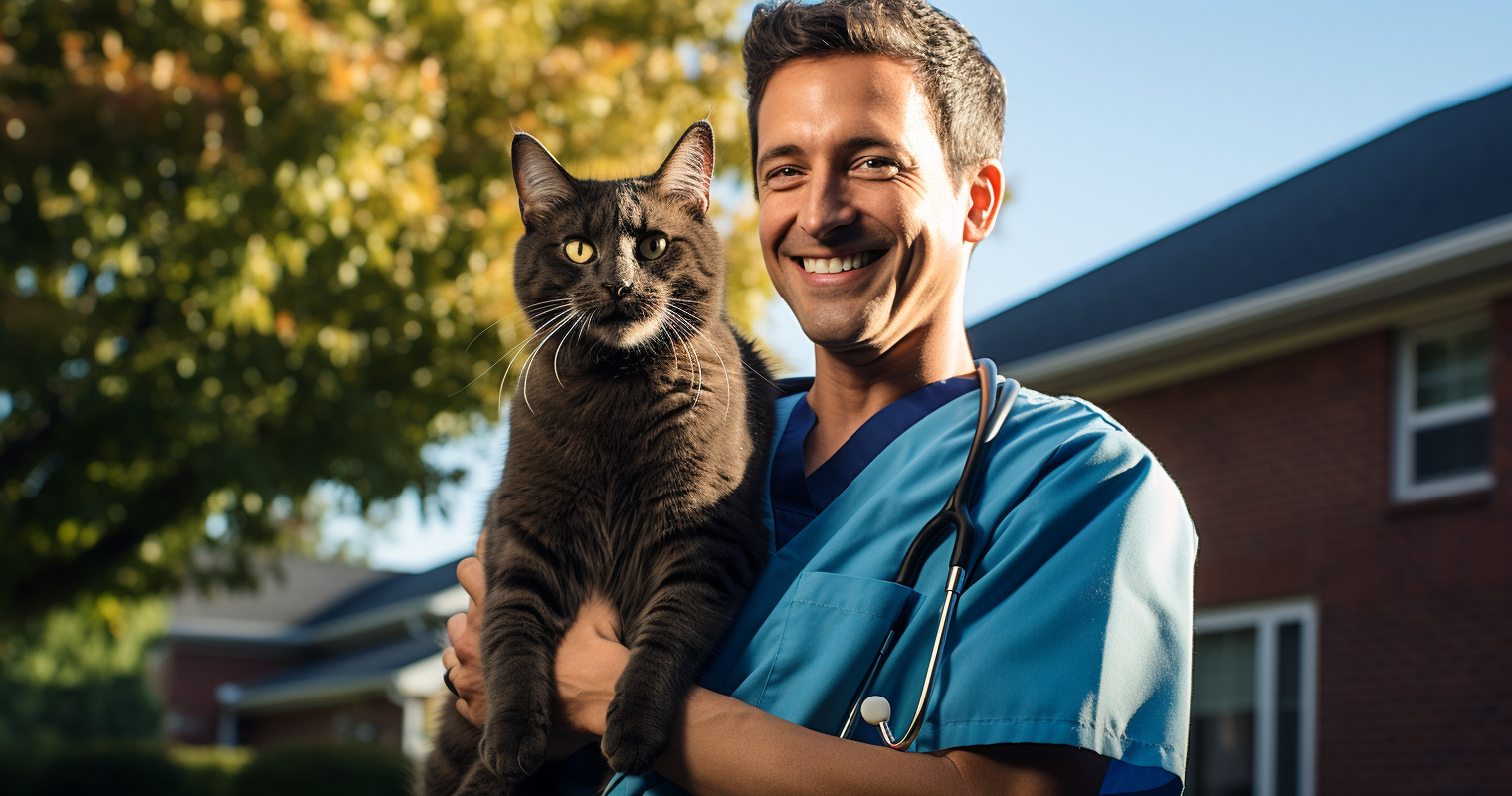
Pet owners living in the Cayman Islands will find a solid standard of veterinary care available to them, with qualified private practices throughout Grand Cayman offering everything from routine check-ups to urgent emergency treatment. All veterinary surgeons working on the islands must hold registration with the government-regulated Veterinary Board, and the islands’ enviable status as a rabies-free territory shapes both the approach to preventive medicine and the strict controls governing animal imports. The quality of everyday and preventive care is broadly on a par with other well-resourced island territories, though the options for specialist referral are more constrained than in larger countries.
| Item | Details |
|---|---|
| Veterinary regulation | Veterinary Board under the Veterinary Act (2025 Revision); vets must be registered |
| Import permit fee (single entry) | CI$50 / approx. US$61 per animal (as of 2024) |
| Animal Passport (multiple entry) | CI$150 / approx. US$183, valid one year (as of 2024) |
| Dog licence fee | Free from the Department of Agriculture |
| Rabies status | Rabies-free — no quarantine on arrival if all import requirements are met |
| Key regulatory contact | Department of Agriculture Veterinary Services: +1 (345) 947-3090 / [email protected] |
What is the standard of veterinary care in the Cayman Islands?
Grand Cayman is home to several well-equipped private veterinary practices, including facilities that provide around-the-clock emergency services. These clinics offer comprehensive care ranging from routine wellness visits and diagnostic blood work through to urgent out-of-hours treatment, with veterinary teams who are dedicated to maintaining high standards of animal welfare. The general level of routine and preventive care compares favourably with that found in other prosperous Caribbean territories and small island communities that host established expat populations.
As is the case in many island destinations, access to specialist referral services — such as advanced orthopaedics, oncology, or neurology — is more restricted than in major continental cities. Whereas residents of a large city in Germany or Canada might reach a specialist veterinary hospital within a short drive, those living in the Cayman Islands may need to consider sending their pet overseas for complex conditions. Your regular vet will be in the best position to advise if this ever becomes necessary.
The range of service formats available includes mobile veterinary services that come directly to your home, as well as full-service animal hospitals offering comprehensive in-clinic care. Most practices are concentrated on Grand Cayman, particularly in and around George Town. Residents of Cayman Brac and Little Cayman will find that local options are considerably more limited on the Sister Islands, and should think through the practical challenges of accessing care — particularly in an emergency situation.
The Cayman Islands has maintained its rabies-free status for many decades, which is a meaningful benefit for local pet owners. There is no domestic rabies risk for animals living on the islands, and the territory’s rigorous biosecurity measures exist precisely to preserve this status.
Is there a national veterinary association in the Cayman Islands?
The practice of veterinary medicine in the Cayman Islands is governed by statute. The foundational piece of legislation is the Veterinary Act (2025 Revision), which creates the framework for registering and overseeing all veterinary surgeons operating on the islands. The Act is administered by the Veterinary Board, which sits within the government structure and carries responsibility for upholding professional standards.
The Veterinary Regulations (2025 Revision) detail the process through which an individual may be admitted to the register of veterinary surgeons, including the payment of a registration fee, following which the practitioner may use the title “registered veterinary surgeon.” The Registrar is obliged to publish a list of all registered veterinary surgeons in the Gazette, creating an official public record that pet owners can consult to confirm whether a particular vet is properly registered.
The Veterinary Board has adopted a policy of registering practitioners who hold registration — or are eligible for registration — in the UK, USA, Canada, Jamaica, Barbados, and Trinidad and Tobago. This ensures the islands can draw upon a broad base of internationally trained professionals. Veterinary practitioners who are not Caymanian must be affiliated with a locally registered veterinary surgeon or one of the island’s established veterinary institutions.
There is also a professional body — the Cayman Islands Veterinary Medical Association (CIVMA) — which works to advance the veterinary profession within the islands and maintains connections with regional organisations across the Caribbean. For regulatory matters, the primary point of contact is the Veterinary Services unit within the Department of Agriculture (DOA). You can reach them by telephone at +1 (345) 947-3090 or by email at [email protected]. Always refer directly to the official DOA website for the most up-to-date information on the register of practitioners.
How do I find a vet in the Cayman Islands?
A comprehensive listing of veterinary practices in the Cayman Islands can be found on eCayOnline, the islands’ dedicated business directory. The directory includes animal hospitals, emergency contact details, maps, and links to individual practice websites, making it an excellent starting point when you are searching for a vet. You can browse the full listing at ecayonline.com.
The Cayman Resident online guide is another useful resource, with a directory of top veterinarians and animal hospitals covering routine, diagnostic, and emergency services across the islands. Their regularly updated veterinary section is available at caymanresident.com/live/pets/veterinarians.
Because the Cayman Islands operates in English and attracts a substantial international expat community, communication with veterinary professionals is generally uncomplicated for English-speaking residents and visitors. The Veterinary Board’s registration policy — which draws practitioners from the UK, USA, Canada, and the wider Caribbean — means that most vets are fluent English speakers, and practices are experienced in treating pets belonging to internationally mobile clients. If you need support in another language, it is worth contacting clinics in advance to check what arrangements can be made.
The Cayman Islands Humane Society is the longest-established animal welfare charity on the islands and runs the only animal shelter. Their veterinary team can be a resource for lower-cost care in some circumstances, and the organisation is well networked within the local animal welfare community. More information is available at caymanhumane.org.
What vaccinations and preventive treatments does my pet need in the Cayman Islands?
Once your pet has settled in the Cayman Islands, your local vet will help you design an appropriate vaccination and preventive health schedule. The information below offers a general overview of what is typically recommended, but always seek personalised advice from your registered vet, as requirements and disease risks can shift over time.
For dogs, mandatory routine vaccinations include distemper, hepatitis, and parvovirus. Dogs entering the islands from any country must also be vaccinated against canine parvovirus, distemper, hepatitis/adenovirus, parainfluenza, and leptospirosis, and these should remain current throughout your pet’s time on the island.
For cats, mandatory routine vaccinations include panleukopenia, herpesvirus, and calicivirus. Cats must additionally be vaccinated against feline calicivirus, panleukopenia, feline rhinotracheitis, and feline leukemia. As with dogs, these core vaccinations should be maintained on a regular booster schedule.
The Cayman Islands’ long-standing rabies-free status means there is no domestic rabies risk once your pet is living on the island. However, the Department of Agriculture’s veterinarians are licensed to administer rabies vaccines to dogs and cats that will be travelling outside the Cayman Islands, in compliance with the requirements of the destination country. If you plan to travel internationally with your pet, keeping rabies vaccination up to date is therefore essential.
The tropical Caribbean climate means that parasites — including fleas, ticks, intestinal worms, and heartworm — pose a year-round threat rather than a seasonal one, in contrast to cooler temperate regions. Feline leukemia (FeLV) and feline immunodeficiency virus (FIV) are serious illnesses that spread between cats and are prevalent among the islands’ stray cat population; vaccines exist to provide protection. Regular heartworm prevention is strongly recommended given the high mosquito population in the Caribbean. Ask your vet to develop a year-round parasite prevention programme tailored to your individual pet’s lifestyle and exposure risk.
What does veterinary care cost in the Cayman Islands?
The Cayman Islands has one of the highest costs of living in the Caribbean region, and the cost of veterinary services reflects this. As a general guide, routine consultations, vaccinations, and standard procedures will typically be priced above the level found in many European countries or throughout much of the Americas — broadly consistent with what you would expect in other high-income small island territories or prosperous urban centres worldwide.
Standard consultation fees at private practices are noticeably higher than in countries such as France or Spain, where veterinary costs tend to be considered relatively moderate. The price of medications, diagnostic investigations, and surgical procedures also carries a premium owing to the islands’ dependence on imports for medical supplies and equipment. Fee schedules differ between practices and are not publicly standardised, so it is sensible to contact clinics directly for current pricing before your pet needs treatment. Always confirm costs in advance, as these are subject to change.
Emergency and out-of-hours care will generally attract additional charges beyond standard consultation rates. Specialist procedures — particularly those involving equipment or expertise unavailable locally — may bring with them the costs associated with overseas referral, including travel arrangements. Pet owners with older animals or those with complex medical histories should take these possibilities into account when planning their finances ahead of a relocation.
The Cayman Islands Humane Society, which runs the only animal shelter on the islands, provides veterinary care for shelter animals and may offer community-focused services at alternative price points. Visit their website at caymanhumane.org for current details. Always verify pricing directly with any practice, as fees vary between clinics and change over time.
Is pet insurance available in the Cayman Islands, and is it worth it?
The pet insurance market in the Cayman Islands is less developed and less competitive than in larger markets such as the UK, Australia, or Germany, where a wide range of specialist providers offer standardised products. That said, certain international pet insurance providers and general insurers with a Caribbean presence do offer coverage for pets resident in the Cayman Islands. It is far better to research these options before your move than to seek cover after your pet has acquired a pre-existing medical condition.
Given the elevated cost of veterinary care on the islands — which increases further if specialist treatment or overseas referral becomes necessary — taking out pet insurance is a prudent financial decision for most pet owners moving to Grand Cayman. An unexpected surgical procedure or serious illness can generate very substantial bills, and having appropriate cover in place brings important peace of mind.
When comparing policies, pay careful attention to the following:
- Pre-existing conditions: The majority of insurers will not cover conditions that were present before the policy commenced. Make sure you have comprehensive health records from your home country to share with a local vet upon arrival.
- Territorial coverage: Confirm explicitly that the policy provides cover for treatment received in the Cayman Islands, as some international policies contain geographical restrictions.
- Coverage limits: Review annual limits, per-condition limits, and any sublimits that apply to specific treatments such as diagnostics, specialist referral, or emergency care.
- Overseas treatment: If your pet might ever require specialist care abroad, check whether the policy extends to cover treatment in your home country or a third country.
Speak directly with potential insurers about the specific context of the Cayman Islands, and consider consulting other expat pet owners through local community groups, who can share first-hand experience of what has worked for them.
What are the rules for bringing a pet into the Cayman Islands?
The Cayman Islands maintains a rigorous biosecurity framework for animal imports, with the primary aim of protecting the islands’ rabies-free status. The consequences of non-compliance are severe — should an animal fail to satisfy entry requirements, the Chief Agricultural and Veterinary Officer may direct that it be refused entry and immediately returned, or destroyed. Detention and quarantine are not available options in the Cayman Islands. You should begin planning your pet’s relocation at least six months before your intended travel date.
The steps below outline the key requirements for dogs and cats. Always consult the official Department of Agriculture for the most current requirements, as these may be updated without prior notice.
- Microchip your pet. Your pet must be fitted with a non-encrypted, 15-digit microchip conforming to ISO 11784 or Annex A of ISO 11785. The microchip number must appear on the rabies vaccination certificate — any certificate that omits this number will be rejected.
- Vaccinate against rabies. After the microchip has been implanted, your dog or cat must receive a rabies vaccination at least 30 days and no more than 12 months before arriving in the Cayman Islands. The pet must be a minimum of twelve weeks old before the primary rabies vaccine can be administered.
- Complete core vaccinations. Mandatory routine vaccinations for dogs include distemper, hepatitis, and parvovirus; for cats, panleukopenia, herpesvirus, and calicivirus. All vaccinations must be recorded on the health certificate.
- Obtain a rabies titre test (if required). A rabies titre test quantifies the level of rabies antibodies in your pet’s bloodstream and must be carried out more than 30 days after the rabies vaccination. For pets travelling from countries where rabies is present, a minimum two-month waiting period applies following a successful titre test result before travel is permitted.
- Treat for ticks and tapeworms. No more than 14 days before departure, a registered veterinarian must treat your pet for tapeworms and ticks using an approved product. This treatment must be documented on the health certificate.
- Obtain a Veterinary Health Certificate. The Cayman Islands does not require endorsement of the health certificate by an official government veterinarian and will accept certificates completed by a licensed accredited veterinarian.
- Apply for an Import Permit. All dogs and cats entering the Cayman Islands must travel with an Import Permit issued by the Department of Agriculture. The permit fee is CI$50 (approximately US$61) per animal (as of 2024). Submit your completed application and supporting documents to the DOA at [email protected]. Once all documentation has been received and the fee paid, applications are processed and a response issued within three working days.
- Travel by the most direct route. All animals travelling to the Cayman Islands must take the most direct route available, and those travelling by air must be transported in an IATA-compliant approved container.
Country restrictions: Under the Animals Law (2015 Revision), no animal may be imported into the Cayman Islands from any country in Asia, Africa, or Central and South America. Additional territories from which dogs and cats are prohibited include Cuba, Mexico, Puerto Rico, Haiti, and the Dominican Republic.
Breed restrictions: Certain dog breeds or crossbreeds are not permitted to be imported into the Cayman Islands. All import applications for dogs must include a written declaration from the owner confirming that the dog is not a member of or crossed with a prohibited breed, together with colour photographs of the dog. Consult the official DOA documentation for the current list of prohibited breeds before making any travel arrangements.
For frequent travellers: A Multiple Entry Import Permit / Cayman Islands Animal Passport is available (non-refundable application fee CI$150, approximately US$183), valid for one year. This option is suited to dogs and cats travelling to and from the Cayman Islands more than three times a year, removing the need to apply for a new import permit on each occasion. (as of 2024)
Other pets: Pet rabbits, hamsters, gerbils, guinea pigs, and chinchillas must be accompanied by a health certificate issued within 14 days of arrival. Captive cage birds such as parrots and budgerigars must also carry an Import Permit issued by the DOA, and most birds will additionally require quarantine and CITES permits.
Are there animal welfare laws or pet ownership regulations I should know about?
The Cayman Islands has an established body of legislation governing animal welfare and pet ownership that all residents are expected to observe. The principal legislation in this area is the Animals Law (2015 Revision), supplemented by the Animals (Prohibited Dogs) Regulations, which together govern animal welfare, importation, and the management of animals across the islands.
Dog licensing: The law requires that any person keeping a dog over the age of four months must hold a dog licence specific to that animal — this applies to all dogs regardless of breed or size. Licences are issued by the Department of Agriculture at no charge. Any dog remaining in the Cayman Islands for more than 30 days must be licensed with the Department of Agriculture.
Leash and identification rules: Dogs in public must wear a collar and lead together with an identification tag displaying the licence number. Keeping your dog properly identified is both a legal obligation and a practical safeguard should your pet ever go missing.
Animal welfare standards: The Cayman Islands Government stipulates that all animals are entitled to a baseline standard of care consistent with the principles of the Five Freedoms, a framework widely recognised internationally. The islands have animal welfare legislation in place, including provision for an Animal Welfare Advisory Committee, and operate within a robust judicial system.
Reporting welfare concerns: To report stray dogs or suspected animal welfare violations, contact the DOA on +1 (345) 947-3090 or send an email to [email protected].
Exotic and non-native species: Regulations govern the ownership of exotic pets, overseeing the importation, care, and management of non-native species within the islands. The Ministry of Sustainability and Climate Resiliency operates a digital permit application system for CITES permits, and any individual seeking to import, export, or re-export a plant or animal appearing on the CITES list must obtain the appropriate permit or certificate beforehand. If you are considering keeping an unusual species, seek guidance from the DOA before making any arrangements.
Given the threat of hurricanes in the region, every household should have an emergency preparedness plan that accounts for their pets — hurricane shelters on the islands do not permit animals. Thinking through your pet’s safety before storm season arrives is an important part of responsible ownership in the Caribbean.
Frequently asked questions
Do I need to quarantine my pet when arriving in the Cayman Islands?
Provided all import requirements are met, your pet will not be subject to quarantine upon arrival in the Cayman Islands. However, if requirements are not satisfied, quarantine is not available as an alternative — the animal may instead be refused entry and returned, or in the most serious scenarios, destroyed. Thoroughly meeting all requirements before departure is therefore absolutely essential.
How far in advance should I start planning my pet’s move to the Cayman Islands?
The import process involves several steps with fixed waiting periods, making early preparation critical — begin planning at least six months before your intended departure date. For pets coming from countries where rabies is present, the timeline extends further due to titre testing requirements and mandatory waiting periods.
Is there a public register of registered vets in the Cayman Islands?
The Registrar is required to publish a list of all registered veterinary surgeons in the Gazette, establishing a formal record of legitimately practising professionals. You may also contact the Department of Agriculture’s Veterinary Services unit directly to verify an individual vet’s registration. Refer to the DOA website for the most current information.
Are there any dog breeds I cannot bring to the Cayman Islands?
Certain breeds and crossbreeds are prohibited from importation into the Cayman Islands, and this restriction extends to genetic material such as semen and embryos from those breeds. The restricted list includes breeds with a historical association with dog fighting, such as Pit Bulls and Rottweilers. Review the current Animals (Prohibited Dogs) Regulations via the DOA website for the authoritative list before making any travel plans.
Can I bring my pet from a country in Asia, Africa, or South America?
Under the Animals Law (2015 Revision), no animal may be imported into the Cayman Islands from any country in Asia, Africa, or Central and South America. If you are relocating from one of these regions, you may need to arrange for your pet to reside in an eligible country for a minimum of three months prior to making the move. Contact the DOA for advice tailored to your specific circumstances.
Does my dog need to be licensed if I am only visiting temporarily?
All dogs that remain in the Cayman Islands for more than 30 days must be licensed with the Department of Agriculture. For shorter stays accompanied by a valid import permit, a separate licence is not required. Dog licences are provided by the Department of Agriculture free of charge.
What should I do in a pet emergency outside normal vet hours?
Certain practices throughout the Cayman Islands offer 24-hour emergency care. It is strongly advisable to identify which clinic nearest to you provides emergency services before you are ever in a situation that requires them, and to store their contact details somewhere accessible. The Cayman Resident veterinary directory includes emergency contact information for practices across the islands.
What happens to my pet during a hurricane?
Because hurricane shelters in the Cayman Islands do not accept animals, every household should develop an emergency preparedness plan that specifically includes their pets well in advance of storm season. Consider identifying pet-friendly accommodation options, speaking with your vet about keeping essential medications in stock, and familiarising yourself with the relevant import and export regulations so that your pet can be safely evacuated and subsequently returned to the island if necessary.