
Chile provides expats with a remarkably varied leisure and entertainment landscape — from internationally respected museums, theatre festivals, and live music events in Santiago and Valparaíso to breathtaking outdoor pursuits across Andean ski fields, Patagonian wilderness trails, and Pacific coastal waters. Building genuine connections with locals requires time and perseverance, and developing Spanish skills makes an enormous difference to the depth of your experience.
| Item | Details |
|---|---|
| Main cultural hub | Santiago, with significant scenes also in Valparaíso and Concepción |
| Major annual festivals | Festival de Viña del Mar (February), Santiago a Mil theatre festival (January), Fiestas Patrias (September), Fiesta de La Tirana (July) |
| Ski season | Mid-June to mid-September; resorts within 1–2 hours of Santiago |
| Patagonia peak season | October to April (southern hemisphere summer) |
| Nightlife timing | Dinner typically 9–11 pm; clubs peak from around 2 am |
| Primary language | Spanish; limited English outside major cities and tourist areas |
01What are the major cultural attractions and entertainment venues in Chile?
Chile’s museums, performance spaces, galleries, and heritage institutions are devoted to safeguarding the nation’s history, artistic traditions, and cultural identity. Santiago stands as the undisputed heart of the national cultural scene, though extraordinary venues and events are distributed along the country’s remarkable length.
Among the standout institutions are the National Museum of Fine Arts, the Santiago Municipal Theater, the Teatro del Lago in Frutillar, and the Gabriela Mistral Museum in Vicuña — the last of these celebrating Chile’s Nobel Prize-winning poet. In central Santiago, the Centro Cultural Gabriela Mistral (GAM) regularly hosts exhibitions, live performances, and free public programming.
The Museo Chileno de Arte Precolombino presents artefacts from Chile’s pre-Columbian civilisations, shedding light on the country’s ancient past and indigenous heritage. For those drawn to literary history, the Pablo Neruda House Museum at Isla Negra holds captivating collections in a setting overlooking the ocean, where the poet is also buried. La Sebastiana in Valparaíso is another lovingly maintained Neruda house-museum, offering a window into the poet’s life and the inspirations behind his work.
Santiago’s Lastarria and Bellas Artes neighbourhoods are beloved cultural precincts filled with galleries, heritage architecture, independent cafés, and a vibrant bohemian spirit. Valparaíso, a UNESCO World Heritage city, is celebrated for its vertiginous hillside streets blanketed in murals and its flourishing independent gallery community. The city’s fusion of history, street art, and creative energy makes it a compelling destination for anyone wishing to engage with Chilean cultural life in an atmospheric, urban environment.
Chile’s theatre scene commands respect well beyond its borders. The Santiago a Mil festival is regarded across Latin America as a vital meeting ground for practitioners, a platform for presenting work, and a development space for new writing, physical performance, and devised projects. The 2024 programme featured Chilean productions alongside work from 16 other countries, including Argentina, Belgium, Brazil, Canada, Colombia, France, Germany, and the UK. The festival generally runs in January; the official Santiago a Mil website carries current dates and ticketing details.
In the realm of music, the Festival de Viña del Mar — inaugurated in 1960 — has grown into one of the most prominent musical events in Latin America, drawing headline artists from across the globe. The programme spans a wide range of genres, from pop and rock to Latin rhythms and reggaeton. It is staged each February at the Quinta Vergara amphitheatre in Viña del Mar.
The Carnaval Andino con la Fuerza del Sol, held in the northern city of Arica, is a vivid celebration featuring elaborate costumes, music, and dance rooted in indigenous and Andean traditions. The Fiesta de La Tirana in the Atacama Desert pays tribute to the Virgen del Carmen, weaving together Catholic devotion and indigenous ritual. The ancient settlements and mummification practices of the Chinchorro culture in northern Chile hold official UNESCO World Heritage status.
Admission fees vary considerably. Many state-operated national museums in Chile open their doors free of charge or at significantly reduced prices on particular days of the week. Always consult the official websites of individual institutions for current opening hours and entry costs, as these are subject to change. The national tourism authority, Chile Travel, maintains a regularly updated cultural calendar.
02How do people typically socialise in Chile, and what should expats expect from local social culture?
A well-worn observation about Santiago is that the city operates on the schedule of a night owl — dinner is customarily served between 9 and 11 pm, followed by a stretch at a bar, with many locals making their way to dance clubs around 2 am and remaining until 5 am. This rhythm is markedly later than the social patterns common in most of Northern Europe or North America, and it typically takes new arrivals several weeks to recalibrate their internal clock.
Much like Mediterranean societies such as Spain or Italy, Chilean social life is built around food, family gatherings, and unhurried mealtimes. Gastronomy forms a cornerstone of Santiago’s lively culture, with everything from exquisite fresh seafood to celebrated Chilean wines providing locals and newcomers with seemingly endless dining possibilities. Weekend asados (barbecues) are a cherished ritual and serve as one of the principal ways in which friendships and family bonds are nurtured and expressed.
The Bellavista neighbourhood is widely regarded as Santiago’s bohemian heartland, home to a dense concentration of bars, nightclubs, art galleries, and restaurants; Pío Nono Street in particular is famous for its pubs and live music venues where convivial company and good sound come together naturally. Barrio Lastarria in the city centre carries an almost European atmosphere, with pavement cafés and rooftop terraces that offer a more refined — if somewhat pricier — evening out.
The Italia neighbourhood has grown into a popular haunt for Santiago residents, where independent boutiques give way to intimate bars and craft breweries, a relaxed mood pervades, and live music drifts from numerous venues. The Brasil neighbourhood has established itself as a lively hub of nightlife activity, its streets animated by live performances, dancing, and a broad selection of bars and clubs.
Chileans are widely known for a certain reserve with newcomers in the early stages of acquaintance, and arriving expats should not read this as unfriendliness — it is a commonly observed pattern, though it is slowly evolving. Perseverance and consistency generally yield results: once genuine trust develops, Chileans are recognised for their remarkable loyalty and warm hospitality. Being welcomed into someone’s home, once that threshold is crossed, typically means being treated with great generosity and inclusion.
Santiago’s drink culture is anchored by the pisco sour, Chile’s signature zesty cocktail and the unofficial lubricant of the city’s social evenings. Chilean wine is internationally acclaimed and widely accessible at very reasonable prices, making it an automatic centrepiece of social occasions of every kind. Café culture is firmly embedded in Santiago life, with neighbourhood coffee shops functioning as important daytime gathering places and the backdrop to countless informal meetings.
03What leisure activities and hobbies are popular in Chile?
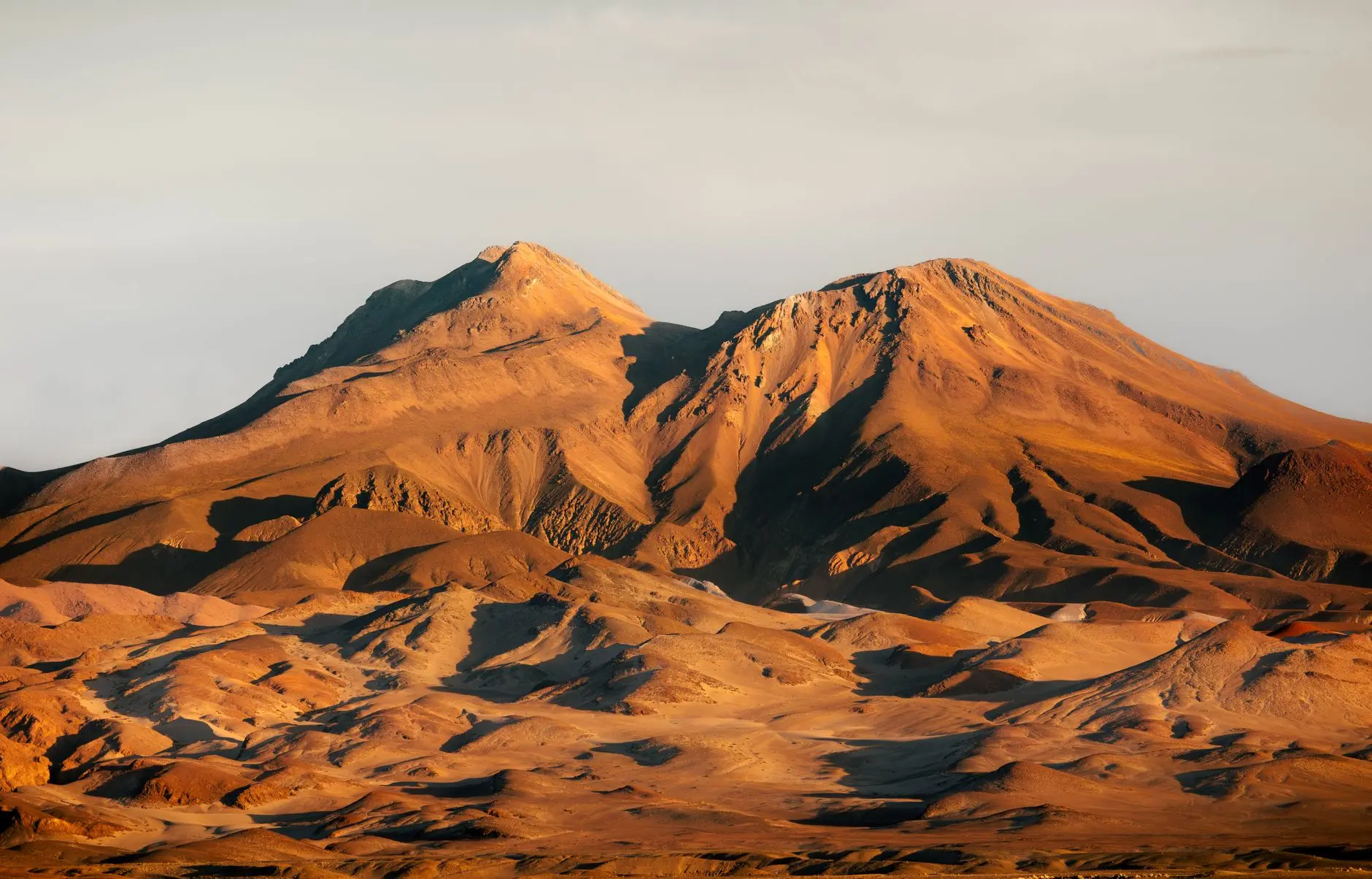
Whether you are drawn to volcano ascents, whitewater rafting, fly-fishing, horseback riding, or skiing, Chile is an exceptional natural playground. The country’s striking geography — from the world’s driest desert in the far north, through the Andean spine running the length of the country, to the wild Patagonian south — ensures that outdoor pursuits are available in almost limitless variety to those who settle here.
Santiago’s position at the base of the Andes gives residents immediate access to hiking, skiing, and mountain biking on a scale that few capitals in the world can match. This proximity is a defining aspect of life in the city: heading out for a day on Andean slopes from the capital is a perfectly ordinary outing for locals and visitors alike.
Chile offers some of the finest and most technically challenging skiing in South America, with excellent resorts accessible within a short drive of Santiago, including El Colorado, La Parva, Valle Nevado, and the internationally famous Portillo, along with Termas de Chillán further to the south. The prime skiing window runs from mid-June through mid-September.
Hiking trails fan out across the Andes throughout much of Chile: from high-altitude routes through the Altiplano in the north at elevations exceeding 4,000 metres to multi-day trekking circuits of varying difficulty in the world-renowned Torres del Paine National Park. Patagonia is best visited between October and April, the Atacama Desert rewards exploration year-round, and ski season reaches its peak between June and September.
Adventure enthusiasts seek out whitewater rafting in the Lakes Region, sandboarding across the dunes of the Atacama Desert, and paragliding from the cliffs above Iquique. Along the Pacific coast, watersports including diving, surfing, kayaking, and kitesurfing draw enthusiastic practitioners. The Pacific beaches are strikingly beautiful, though the cool water temperatures make sunbathing more popular than swimming. Viña del Mar and the broader Valparaíso coastline draw large numbers of central region residents throughout the summer months.
Exploring Chile’s varied landscapes on horseback is an unforgettable experience, with particularly rewarding options in the hills around Santiago and throughout the Central Valley; rides are typically led by local arrieros with intimate knowledge of mountain paths. For those who favour indoor hobbies, Santiago supports a growing arts and crafts community, cooking courses, language exchange nights, and volunteer networks — all readily found through platforms such as Meetup and Facebook groups.
04Which sports are popular in Chile, and how can expats get involved?
As in much of Latin America, football commands a near-religious devotion among Chileans, with crowds of up to 80,000 filling Santiago’s major stadiums on match days. The Primera División is the country’s top professional league, with clubs including Colo-Colo, Universidad de Chile, and Universidad Católica inspiring fierce and passionate loyalty. Match tickets are generally very affordable and represent one of the most natural ways to immerse yourself in local culture; individual club websites carry fixture schedules and current pricing information.
Tennis enjoys a strong following in Chile, bolstered by the country’s history of producing competitive professional players. The Chile Open — an ATP tour event — is held annually in Santiago and attracts international competitors. Basketball, cycling, and rugby also have dedicated fan bases and active participation clubs in most major cities.
Pucón, in the Lake District, is the epicentre of outdoor sports culture — kayaks, crampons, and mountain bikes are a constant presence on its streets. Chile’s river network provides outstanding rafting opportunities, and the country’s premier destinations — including the mighty Río Biobío and the Río Futaleufú — draw enthusiasts from around the world. Expats with a passion for kayaking, trail running, or mountain biking will find welcoming clubs and communities in Santiago, Pucón, and other towns with a strong outdoor orientation.
Fitness culture is deeply embedded in Santiago, supported by an extensive network of gyms, CrossFit facilities, yoga studios, and cycling clubs. Most gym facilities operate on monthly membership structures — prices as of 2025 vary considerably depending on location and available amenities, so it is worth visiting individual facilities to compare. Running clubs are particularly active and typically welcoming to newcomers, with regular free group runs in spaces such as Parque Bicentenario and Parque Forestal.
Chile’s ski resorts transform every winter into premier destinations for skiers and snowboarders from across the region and beyond. Areas near Santiago include Valle Nevado, La Parva, Lagunillas, and Portillo, the latter carrying a distinguished international reputation built over many decades. Lift passes and equipment hire are available at all major resorts; visit individual resort websites for current season pass and day ticket pricing, as costs are updated each season.
05What is the expat social scene like in Chile?
Chile is home to a sizeable and well-established expat population, concentrated primarily in Santiago but with notable clusters in Valparaíso, Viña del Mar, and outdoor-oriented communities such as Pucón and Puerto Varas in the Lake District. Towns like Pucón are particularly appealing to those seeking a more rural lifestyle enriched by plentiful outdoor activity and a close-knit international community.
As new arrivals explore Santiago’s different districts, they quickly find that each neighbourhood carries its own distinct character and social energy — and that the city as a whole adapts with impressive flexibility to international tastes and lifestyles. Las Condes, Providencia, and Vitacura are most closely associated with the international resident community, offering international schools, expatriate-friendly restaurants, and well-developed professional networks.
The expat population in Chile is genuinely diverse, encompassing professionals at multinational firms, remote workers, retirees, and entrepreneurs. Santiago’s calendar of international and homegrown entertainment — from major concert tours to thought-provoking gallery openings and theatrical runs — provides natural gathering points for the international community. The expat social infrastructure in Santiago is comparatively well organised, with multiple online and in-person platforms facilitating new connections.
InterNations maintains an active Santiago chapter and organises regular official events and interest-based activity groups — this is frequently cited as one of the most accessible first ports of call for newly arrived expats. Meetup.com hosts hiking groups, language exchange evenings, board game nights, and professional networking events across the city. Facebook groups including “Expats in Santiago Chile” and “Expats in Chile” have large, active memberships and serve as useful resources for both practical guidance and social introductions.
Beyond Santiago, the expat community is smaller but often more cohesive. In Pucón and the Lake District, outdoor sports clubs and adventure tourism providers form natural social hubs. In Valparaíso, the arts and creative industries have attracted a meaningful number of international residents who blend into the local bohemian milieu. The further from Santiago you settle — whether heading north or south — the more essential Spanish fluency becomes for meaningful participation in daily social life.
06Are there any language or cultural barriers that might affect expats’ social and leisure lives in Chile?
While a number of Santiago residents have some working knowledge of English, the language gap remains a real obstacle for those who arrive without Spanish, limiting the depth of integration into local community life. Outside the capital and established tourist zones, English is spoken far less commonly, and everything from browsing event listings to joining a neighbourhood sports club becomes considerably richer with at least a conversational level of Spanish.
Unlike the Netherlands or Scandinavia, where high levels of English fluency allow newcomers to function effectively in daily life for extended periods without the local language, Chile’s linguistic environment makes Spanish a genuine requirement for deeper social belonging. Chilean Spanish carries its own distinct character — rapid delivery, dropped syllables, and a wealth of localised expressions known as chilenismos — which can prove challenging even for those with a solid intermediate grounding. Signing up for language classes promptly after arrival is strongly encouraged.
At the cinema, international films in Chile are typically shown with subtitles rather than dubbed, which is a practical benefit for those in the process of learning the language. This stands in contrast to countries like Spain or Italy, where dubbing dominates and watching foreign films can feel more alienating. Major streaming platforms are available in Chile and generally offer Spanish subtitles alongside, in many instances, multiple audio options.
The Santiago a Mil theatre festival incorporates a producers’ week featuring work with English surtitles, and certain international cultural events in Santiago are delivered bilingually. Nonetheless, the vast majority of theatrical productions, stand-up comedy, and live performance takes place entirely in Spanish — a further reminder of the value of investing in language learning as early as possible in your relocation.
Many expats in Santiago identify the language barrier as among the most challenging dimensions of settling into local life, and the social fabric of Chilean society can feel layered in ways that require careful navigation. Becoming part of a structured group — whether a sports team, a language exchange, or a volunteer organisation — is consistently recommended by seasoned expats as the most effective organic path into local social circles.
07What official or reputable sources should expats consult for up-to-date leisure and entertainment information in Chile?
The principal official source for tourism, cultural programming, and leisure activities is Chile’s national tourism authority, Chile Travel (SERNATUR). Its website covers destinations, festivals, activities, and seasonal events across the entire country and is maintained on a regular basis. This is the natural first stop for gaining an overview of what is on across Chile at any point in the year.
For cultural listings specific to Santiago, the Ministry of Cultures, Arts and Heritage (Ministerio de las Culturas, las Artes y el Patrimonio) publishes details of publicly funded cultural events, a significant proportion of which are free or heavily subsidised. Individual venue websites — such as the Centro Cultural Gabriela Mistral (GAM) and the Santiago Municipal Theatre — publish their own programming schedules and ticketing arrangements.
Reliable Santiago entertainment listings can be found in the Tiempo Libre supplement of El Mercurio (emol.com) and the Cultura section of La Tercera (latercera.com), as well as in the Santiago Times. All are accessible online and provide week-by-week event guides covering concerts, theatrical runs, gallery openings, and food events.
For expat-specific community information, InterNations Santiago and Meetup are the most consistently active platforms for locating clubs, societies, and group activities. Expat Exchange (expatexchange.com) maintains a dedicated Chile section with community forums and local guidance. For sports and outdoor activity providers, the Chile Travel adventure and sports section serves as a solid starting point.
Always verify entry fees, event schedules, opening hours, and membership requirements directly with the relevant institution or organiser, since these details change frequently and online information can become outdated quickly. Where specific fees appear on these pages, check the publication date carefully and treat any figure older than twelve months with appropriate caution.
08Frequently asked questions
Is it easy to make local friends in Chile?
Chileans are widely noted for being somewhat guarded with newcomers in the initial stages of acquaintance, so new arrivals should not be discouraged if local friendships develop slowly — though this tendency is gradually shifting. Participating in clubs, sports teams, or language exchange programmes is the most reliable approach. Once friendships take root, Chileans are known for being exceptionally devoted and generous hosts.
Are there English-language cultural events in Chile?
English-language cultural events do exist but remain the exception rather than the rule. The Santiago a Mil theatre festival offers some programming with English surtitles, and certain international cultural institutions such as the British Council host events in English. Major international touring acts perform in Santiago, and foreign films with subtitles are screened at most cinemas. For the widest possible access to cultural life, learning Spanish is strongly advisable.
What sports clubs can expats join in Chile?
Expats have access to running clubs, cycling clubs, amateur football leagues, CrossFit boxes, yoga studios, tennis clubs, and hiking groups, among a wide range of other options. Santiago has a well-developed fitness and outdoor recreation infrastructure. Pucón in the Lake District is the heartland of outdoor sports culture — kayaking, mountaineering, and mountain biking are central to everyday life there — making it a natural focal point for sports-oriented expats. InterNations and Meetup are useful starting points for identifying clubs welcoming new members.
How expensive is eating out and entertainment in Chile?
Dining out and purchasing fresh produce are relatively affordable in Chile, making it straightforward to embrace local food culture. A meal at a neighbourhood restaurant (a fuente de soda or simple eatery) can cost very little, while mid-range dining in Santiago neighbourhoods such as Providencia is reasonably priced by international standards. High-end restaurants and imported wines attract a premium. Cinema tickets and live music entry fees are generally accessible; check official venue websites for current pricing as of 2025.
How does the nightlife schedule in Chile compare to other countries?
Nightlife in Santiago operates on a very late schedule — the active hours at bars begin around 9–10 pm, and arriving at a club before 1 am typically means stepping into an almost empty venue. This is considerably later than the social tempo of most Northern European or North American cities and is more comparable to the nocturnal culture of Buenos Aires or Madrid. Embracing the pace and planning for an extended evening is essential to getting the most from Santiago’s nightlife.
What are the best festivals for expats to experience in Chile?
The Festival de Viña del Mar, which dates back to 1960, is one of the most prominent music events in Latin America, drawing headline artists from around the globe — it takes place in February. The Santiago a Mil theatre festival in January offers international productions and some English surtitles. Fiestas Patrias in September provides an authentic immersion in Chilean patriotism and tradition through rodeos, live music, and pop-up food and drink venues called fondas. The Carnaval Andino in Arica in January is among the most visually spectacular events in the country’s north.
Does the leisure experience differ significantly between Santiago and other parts of Chile?
Yes, considerably. Santiago offers by far the broadest range of cultural programming, entertainment, and nightlife. Other cities have their own noteworthy scenes — Valparaíso for visual arts and live music, Concepción for its musical energy — but on a smaller scale. Outdoor destinations such as Pucón and Puerto Varas deliver extraordinary adventure sports and natural landscapes but fewer urban cultural amenities. The further your home base is from Santiago, the more Spanish fluency becomes indispensable for meaningful social participation.
Is the expat community in Chile well connected?
Yes, particularly in Santiago. The city’s expat population is large enough to sustain active InterNations chapters, a broad array of Meetup groups, and several Facebook communities with thousands of engaged members. Each area of Santiago presents opportunities for a lively social life that accommodates international tastes and expectations with ease. Outside the capital, expat networks are more modest in scale but frequently more intimate, especially in outdoor-focused communities like Pucón where common recreational interests naturally draw people together.