
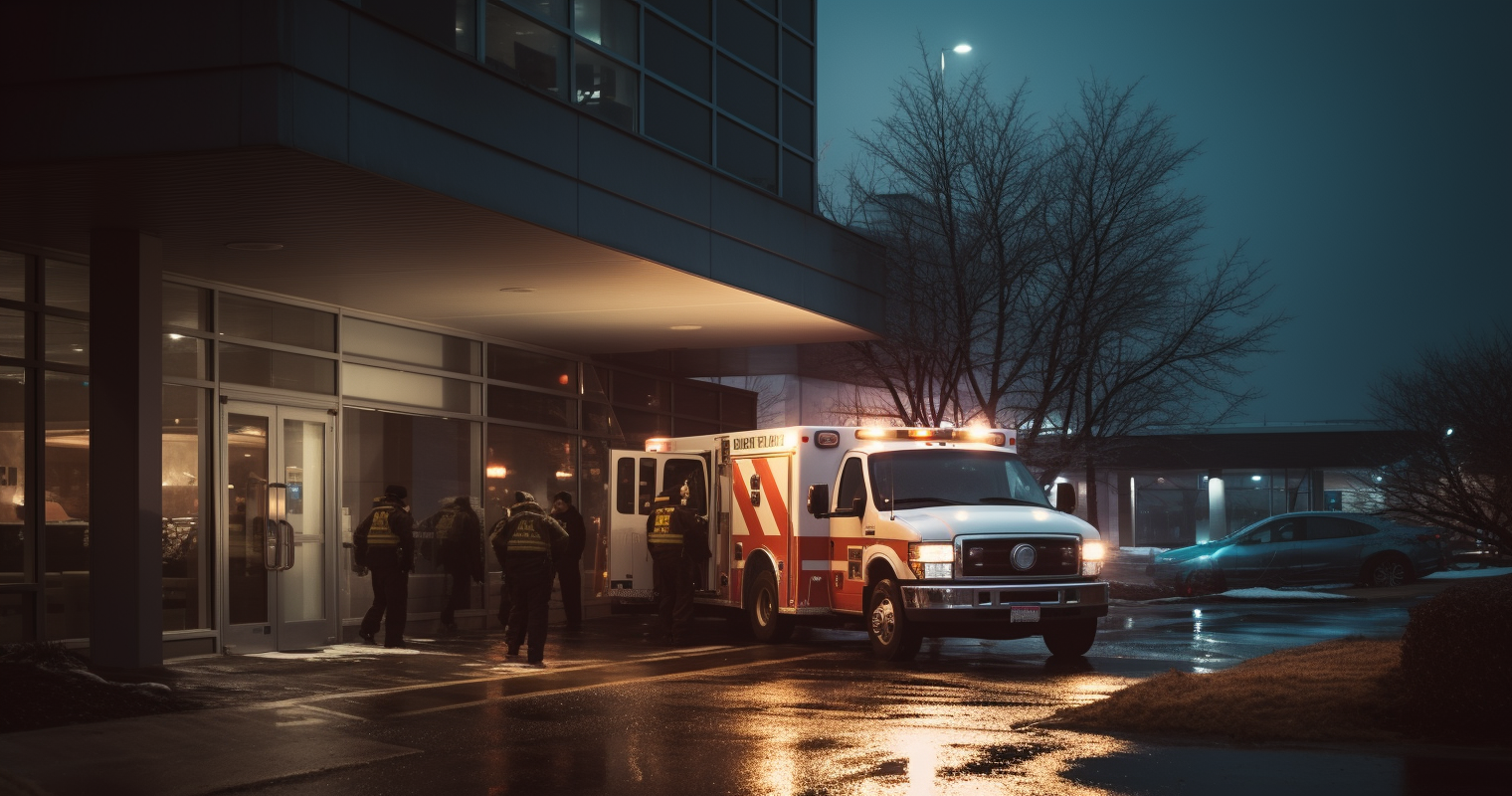
Cuba maintains distinct emergency numbers for each of its primary services — police (106), fire (105), and ambulance (104) — rather than a single unified number comparable to 112 or 911. While Cuban nationals receive emergency medical care at no cost, foreigners and expats are billed for treatment and are legally obliged to carry valid health insurance. Ambulance coverage outside of the major urban centres is inconsistent and often unreliable.
| Item | Details |
|---|---|
| Ambulance number | 104 (as of 2025; verify with official sources) |
| Police number | 106 (as of 2025) |
| Fire service number | 105 (as of 2025) |
| Unified emergency number? | No — Cuba uses separate numbers for each service |
| Emergency treatment cost for foreigners | Chargeable — upfront payment or insurer billing required |
| Health insurance requirement | Legally mandatory for all foreign visitors since 2010 |
| Hurricane season | June to November |
| Key international clinic (Havana) | Clínica Central Cira García, +53 7 204-2811 |
What is the emergency number in Cuba — and are there separate numbers for police, fire, and ambulance?
Cuba operates without a centralised emergency contact number. To reach the relevant services, dial 104 for an ambulance (or go directly to the nearest hospital), 105 for the fire brigade, and 106 for police. This is a critical distinction that every newcomer should grasp before setting foot on the island: while Europe broadly relies on a unified 112 system, and the US, Canada, and various other nations use 911 to route callers to whichever service they need, Cuba requires you to know and dial the correct service yourself.
It is wise to store all three numbers in your phone before you travel or take up residence. Travel security guidance consistently recommends saving destination emergency numbers ahead of time, removing the burden of recalling them under pressure. As of 2025, the numbers 104, 105, and 106 are cited across multiple authoritative sources including the US State Department. Always cross-check current numbers against your own government’s official travel advisory before departing.
Be prepared for the likelihood that emergency operators will communicate exclusively in Spanish. Having a small set of essential Spanish phrases ready — or a reliable translation application on your phone — could make a critical difference in the opening moments of a crisis.
How do you call for emergency medical assistance in Cuba, and what should you expect?
To request an ambulance in Cuba, dial 104. Coverage, however, is far from uniform: ambulance services are absent from many parts of the country and unreliable even where they nominally exist. For expats settled outside Havana or other major population centres, this is a significant practical concern. In tourist corridors and city areas, response times may be manageable, but in rural locations you may have no option other than making your own way to the nearest hospital.
Even in well-served urban areas, ambulances tend to be basic in their equipment. Cuban medical personnel are generally well-trained, but the technology and supplies available to them may fall short of what patients from higher-income countries are accustomed to. The US State Department and comparable official advisory bodies suggest contacting the nearest hospital directly as an alternative when ambulance availability is in question.
If your emergency care needs to be coordinated through an insurer, the Cuban government-affiliated assistance organisation Asistur can be reached at +53 7-866-4499 or +53 7-866-8427 for emergency calls. Asistur operates through regional offices in Cuba’s main cities and acts as a key intermediary for foreigners working through the health system in crisis situations.
What should you do in a mental health crisis in Cuba?
Cuba does not appear to maintain a dedicated national mental health crisis line equivalent to those found in many other countries. When a psychiatric emergency arises, the general ambulance number (104) and police line (106) remain the primary routes to immediate help. Confirm whether any specialised crisis line exists by checking with your embassy or a local healthcare provider upon arrival in the country.
Access to psychiatric support for foreigners is limited. Hermanos Amejeiras Hospital (San Lázaro no. 701, Centro Habana) accepts foreign patients, as does Comandante Manuel Fajardo Hospital, which houses the only psychiatric ward in Cuba specifically designated for international patients (Zapata y D. Vedado). In the event of an acute mental health emergency, presenting in person at a hospital emergency department — particularly one set up to receive international patients — is the most practical course of action available.
Expats who manage pre-existing mental health conditions should speak with a healthcare professional before relocating, confirm that their insurance policy explicitly covers psychiatric treatment, and make themselves aware of the relevant facilities near their home in Cuba well before any crisis develops. Cuba faces ongoing shortages of medical supplies and pharmaceuticals, and this extends to psychiatric medications — both prescription and over-the-counter products may be difficult or impossible to source locally.
Where can you go for emergency medical treatment in Cuba?
Private hospitals and clinics no longer exist in Cuba; the entire healthcare infrastructure is operated by the state. Despite this, a separate network of specialist facilities has been established specifically for foreign diplomats, tourists, and expatriates. These internationally-oriented clinics and hospitals offer a higher standard of service and equipment than the general public hospitals used by Cuban residents.
Havana is home to the country’s foremost internationally-oriented hospitals, including Clínica Central Cira García and Clínica Internacional Camilo Cienfuegos. These institutions provide general and specialist care, diagnostic investigations, and emergency treatment. Other cities including Santiago de Cuba and Varadero are served by international clinics, though typically with a narrower range of services.
International clinics are also present in Santa Lucia and Varadero, and in the case of Havana, Cira García Hospital is the standard referral point for foreigners owing to its designation as a facility for international patients. Although still under government administration, these sites tend to have better access to equipment, medical supplies, and multilingual clinical staff.
International Servimed clinics offer emergency medical care and can be found throughout the island’s principal tourist regions. If you are based in a resort area, an on-site nurse or doctor may also be available through your hotel. Always establish the location of your nearest internationally-oriented clinic before you have cause to need it.
Is emergency medical treatment free in Cuba — and does this differ for residents versus foreigners?
Cuba’s national health system guarantees comprehensive, free healthcare to all Cuban citizens, with the state bearing full financial and administrative responsibility for the population’s medical needs. There are no private providers; every healthcare service is delivered under government management. This universal provision applies solely to Cuban nationals and residents.
For foreigners, the rules are entirely different. Treatment at Cuban hospitals typically requires payment by Visa or Mastercard credit card. Some facilities catering to international patients may provide immediate stabilisation in genuine life-threatening situations, but fees will be applied thereafter. While treatment at international medical centres in Cuba is considered reasonably priced overall, emergency interventions and extended stays can become costly.
Cuba’s payment environment adds further complexity. International bank cards — both credit and debit — are not reliably accepted, which means foreign nationals cannot always depend on card transactions to cover medical costs. This makes it especially important to have travel or health insurance capable of arranging direct billing with the facility or processing rapid reimbursement, rather than requiring patients to rely on personal payment methods. Clarify payment procedures with the specific hospital or clinic before receiving treatment, or as quickly as possible afterwards.
Do expats need insurance to access emergency care in Cuba?
Health insurance is not simply recommended in Cuba — it is a statutory obligation. From 1 May 2010, Cuban law has required all international visitors, including expats on extended stays, to hold health insurance that covers emergency medical treatment, repatriation of remains, and medical evacuation. This is an enforceable legal requirement, not merely advisory guidance.
All foreigners entering Cuba must carry documentation of their insurance policy, as it may be inspected at customs. Arriving without valid coverage will result in being required to take out a policy on the spot through the government company Asistur. Relying on this contingency is inadvisable — arranging comprehensive cover in advance of departure is strongly preferable.
Not every foreign insurance policy is accepted; only certain international providers have established working arrangements with Cuban medical institutions. Even then, direct billing is not guaranteed, and patients may need to pay out of pocket and seek reimbursement from their insurer afterwards. Confirm compatibility with both Cuban immigration authorities and the relevant medical facilities before you arrive.
The standard of emergency care, while often adequate, may not include access to advanced treatments or specialist equipment. Select a policy that includes medical evacuation to a nearby country such as Mexico, Canada, or another accessible destination should serious illness or injury require treatment beyond Cuba’s capacity. Medical evacuations can exceed $50,000 in cost, making evacuation cover an indispensable element of any comprehensive policy.
Are there bilateral health agreements between Cuba and other countries?
Cuba does not participate in the reciprocal healthcare frameworks familiar to expats from certain other parts of the world — such as the European Health Insurance Card (EHIC) arrangement linking EU and EEA member states, or the bilateral health accords that exist between selected Commonwealth nations. No comparable mechanism exists that would automatically entitle foreign nationals to free or discounted emergency medical care in Cuba by virtue of their nationality.
Cuba does extend healthcare services to foreigners, but always on a paid basis. While Cuba has historically entered into medical cooperation agreements with various countries — most often involving the deployment of Cuban-trained doctors and healthcare expertise abroad — these arrangements do not as a rule create corresponding entitlements for citizens of those countries to receive free emergency care when visiting Cuba.
If you are relocating from a country that has a specific bilateral arrangement with Cuba covering healthcare or social security matters, confirm the current position directly with your government’s foreign ministry or its embassy in Havana before assuming any rights apply. Do not rely on anecdotal accounts or informal information: verify any claimed entitlement through an official channel, as circumstances can change. In the absence of a confirmed bilateral agreement, proceed on the assumption that standard charges for foreigners will apply.
How does Cuba’s emergency healthcare compare to systems expats may be familiar with?
In structural terms, Cuba has one of the most comprehensively state-run healthcare systems anywhere in the world. All medical services are government-funded and provided free to Cuban citizens and permanent residents. This system is not, however, accessible to the majority of expats or tourists, who are directed instead to a parallel network of internationally-oriented clinics. In this respect it differs meaningfully from systems such as the NHS in the United Kingdom, where residents and certain visa categories access the same public infrastructure regardless of their country of origin.
From the perspective of a foreign patient, the experience is closer to a system where upfront payment or insurance coverage is standard practice — comparable in that regard to countries operating primarily insurance-based healthcare models. However, unlike purely market-driven systems, Cuba’s international clinics remain wholly government-owned and managed. Direct billing between these facilities and foreign insurers is not always available, and in most cases patients are expected to pay at the point of treatment and subsequently seek reimbursement from their insurer. Confirming the specifics with both your insurer and the treating hospital in advance is essential.
The quality of emergency care differs considerably by location. International clinics and urban hospitals are better placed to manage acute situations effectively. Smaller facilities in rural areas may lack advanced diagnostic equipment or key medications. Expats accustomed to comprehensive public emergency systems may find the Cuban experience uneven outside of Havana, though the designated international facilities in the main cities are generally equipped to handle most urgent medical scenarios.
What emergency services exist beyond medical — how do police and fire services work in Cuba?
The fire service is reached by dialling 105, the police on 106, and a toxicology line also operates within Havana. Because there is no central dispatcher to route calls to the appropriate service, knowing in advance which number corresponds to which service is essential — in Cuba, you must dial directly.
Police presence throughout Cuba is substantial, which generally means assistance can be obtained relatively promptly. Cuba’s overall crime rate is lower than in many other countries, though petty crimes — particularly theft — have been increasing in recent years, and expats should remain alert to their surroundings and exercise caution when walking alone at night.
There are important considerations to bear in mind when dealing with Cuban authorities. Road traffic accidents represent the leading cause of death in Cuba, with pedestrians and cyclists frequently involved. Cuban authorities have the power to prevent drivers from leaving the country until claims arising from an accident are resolved, and those found to have caused accidents resulting in serious injury or death may face lengthy custodial sentences. In the event of any incident — road-related or otherwise — contact your embassy or consulate without delay.
Cuba’s electricity infrastructure is unreliable and has deteriorated significantly. Since October 2024, the country has experienced several extended nationwide blackouts. Power outages can compromise communications infrastructure, including the ability to place emergency calls, which makes maintaining a charged mobile phone with active local cellular service especially important.
What country-specific emergency risks exist in Cuba?
Cuba’s most significant and recurring natural hazard is the hurricane. The season typically runs from June through November, and these storms have historically caused severe damage across the island — Cuba has been affected by at least 54 Atlantic hurricanes, including 37 since 2000. In late 2024, both Hurricane Oscar and Hurricane Rafael made landfall within weeks of one another, causing widespread destruction and prolonged power disruptions. The intensity and trajectory of hurricanes can shift without warning, and associated hazards such as flooding, landslides, and mudslides frequently accompany major storms.
Cuba also lies within an active seismic zone and is subject to tsunami risk. Acquaint yourself with earthquake safety procedures for each location you stay in or visit. Cuba’s four-stage civil defence response system has earned international recognition for its effectiveness. Approximately 72 hours before a storm is projected to make landfall, national media begin issuing warnings while civil protection committees activate evacuation plans and prepare designated shelters. State television and the civil defence authority broadcast detailed guidance on what actions the public should take.
On the health side, insect-borne illnesses including dengue fever and chikungunya are prevalent. Ensure your accommodation is adequately screened against insects and apply repellent consistently. The Zika virus is present, though not at high levels — if you are pregnant, seek medical advice before travelling. Periodic outbreaks of tropical illnesses, notably viral meningitis and dengue, have occurred in Cuba including within Havana and other urban centres. The risk of disease exposure is not confined to remote or poorly sanitised environments. Hepatitis A is relatively common, particularly during the summer months.
Waterborne, foodborne, and other infectious diseases — including typhoid and hepatitis — also pose risks. Consume only bottled or thoroughly boiled water and avoid raw or insufficiently cooked food. Confirm that your vaccinations are current and carry adequate supplies of any medication you require, as many pharmaceutical products are in short supply or completely unavailable throughout Cuba.
What should expats do to prepare for emergencies before they arise in Cuba?
- Register with your embassy or consulate. Most countries provide a registration service for citizens living overseas. US nationals can enrol in the Smart Traveler Enrollment Program (STEP) via the US Embassy; comparable schemes exist for nationals of other countries. Registration enables you to receive direct security updates and alerts from the embassy. Visit your own government’s foreign ministry website to locate the equivalent service.
- Obtain comprehensive health insurance before arrival. Health insurance is a legal requirement for all foreign visitors to Cuba, including those who remain beyond the standard 30-day tourist period. This obligation has been in force since 2010 and is upheld through both visa policy and border controls. Expats, retired foreign residents, and long-term visitors must maintain uninterrupted coverage throughout their time in Cuba.
- Save all emergency numbers to your phone. Programme 104 (ambulance), 105 (fire), and 106 (police) into your phone before you need them, together with the contact details of your nearest international clinic, your embassy’s emergency line, and your insurer’s round-the-clock assistance number.
- Prepare for hurricane season. Anyone in Cuba between June and November should put a personal emergency plan in place before any storm approaches. Identify the location of your nearest Civil Defence shelter and familiarise yourself with evacuation routes in your area.
- Carry essential medications. Pharmaceutical shortages in Cuba are widespread. Bring enough of any prescription or over-the-counter medication to last your entire stay, keeping it in the original packaging and including a copy of any relevant prescription.
- Keep a charged mobile phone with local service. A mobile phone with active Cuban cellular coverage is vital for emergency communications. Given the frequency of power outages across the island, charge your device whenever electricity is accessible.
- Identify your nearest international clinic. Establish the location of the internationally-oriented facility closest to your home before any medical emergency occurs. In Havana, Clínica Central Cira García is typically the primary option; in other cities, Servimed clinics and other designated international facilities fulfil this role.
- Have a personal emergency action plan. Develop an emergency plan that functions independently of government assistance. This is particularly important during major natural disasters, when consular resources and communication channels may be severely strained.
Where can expats get official and up-to-date emergency information for Cuba?
The most dependable sources of current safety and emergency information for Cuba are the official travel advisory services operated by national governments. These are updated on an ongoing basis and reflect real conditions on the ground, including shifts in safety levels, natural disaster alerts, and disruptions to infrastructure. Key sources include:
- US State Department (travel.state.gov): Publishes Cuba-specific travel advisories, emergency contact details, and the STEP registration programme. The Cuba country information page is kept regularly updated.
- UK Foreign, Commonwealth & Development Office (gov.uk/foreign-travel-advice/cuba): Provides travel guidance for Cuba covering health, personal safety, natural disaster warnings, and emergency contact information.
- Australian Department of Foreign Affairs and Trade – Smartraveller (smartraveller.gov.au): The Australian government’s travel advice for Cuba carries an Orange advisory level, recommending that travellers reconsider the need to travel. The Smartraveller page addresses health hazards, natural risks, and emergency contacts.
- Cuban Institute of Meteorology (insmet.cu): Cuba’s official meteorological body, with 15 provincial offices and international data-sharing arrangements for tracking storm systems. This is the primary official source for weather warnings and hurricane alerts within Cuba.
- Cuba’s National Civil Defence (Defensa Civil): Issues warnings during hurricanes and other natural disaster events. State television and the civil defence authority broadcast guidance to the population on the actions to take during emergencies.
- US Embassy Havana (cu.usembassy.gov): Publishes weather and security alerts and citizen services information. The embassy’s medical assistance page lists key healthcare contacts for US citizens. The American Citizen Services Unit can be reached at [email protected] or by calling +53 7 839-4100.
- Asistur: The Cuban government-affiliated company responsible for insurance coordination and emergency assistance for foreigners. Contact: +53 7-866-4499 or +53 7-866-8427 (emergency line). Always confirm these numbers remain current before relying on them.
Frequently asked questions about emergencies in Cuba
What is the ambulance number in Cuba?
The dedicated ambulance number in Cuba is 104. If ambulance availability in your location is uncertain, contacting the nearest hospital directly is a viable alternative. As of 2025, this number is confirmed by the US State Department, though you should always verify with official sources before travelling.
Is there a single emergency number in Cuba like 112 or 911?
No. Cuba does not use a unified emergency number. Unlike the EU’s 112 system or the 911 number used across the US and Canada, Cuba requires callers to contact each service independently: 104 for ambulance, 105 for fire, and 106 for police. Store all three numbers on your phone before you need them.
Will I be charged for emergency medical treatment in Cuba as a foreigner?
Yes. Treatment at Cuban hospitals typically requires payment by Visa or Mastercard credit card. While some facilities may provide initial stabilisation in a life-threatening situation regardless of immediate payment, charges will be applied. Holding valid health insurance covering Cuba provides the most effective protection against unexpected medical expenses.
Is health insurance compulsory for expats living in Cuba?
Yes. Since 1 May 2010, Cuban law has required all international visitors and expats to maintain health insurance covering emergency medical services, repatriation of remains, and medical evacuation. Not holding valid insurance can result in difficulties obtaining care or renewing visa entitlements.
What happens if I arrive in Cuba without health insurance?
All foreign visitors to Cuba must hold health insurance and carry evidence of the policy, as it may be checked at customs. Anyone arriving without coverage will be required to purchase a policy on the spot through the government company Asistur. Arranging comprehensive international cover before you travel is strongly preferable to depending on this option.
When is hurricane season in Cuba, and how will I know if a hurricane is coming?
Cuba’s hurricane season runs from June to November. Around 72 hours before a storm is forecast to make landfall, national media begin issuing alerts while civil protection committees verify evacuation plans and shelter readiness. Keep track of Cuban state television, the Cuban Institute of Meteorology (insmet.cu), the US National Hurricane Center, and alerts issued by your country’s embassy throughout this period.
Are there dedicated facilities for foreigners in a medical emergency, or do I go to a regular hospital?
Cuba maintains specialist clinics and hospitals set aside for foreign diplomats, tourists, and expatriates, even though no private medical facilities exist. In Havana, Clínica Central Cira García is the main internationally-oriented hospital. International Servimed clinics also deliver emergency medical care and are present in most of the island’s major tourist regions.
Can I rely on my embassy for help in a medical emergency in Cuba?
Your embassy’s consular section can offer guidance, refer you to local medical providers, and in extreme cases help facilitate repatriation or emergency financial assistance for citizens in need. That said, you should maintain a personal emergency plan that does not depend solely on consular support — particularly during major natural disasters, when embassy staff and communication channels can be stretched well beyond normal capacity. Enrol in your embassy’s traveller registration system before you arrive.