
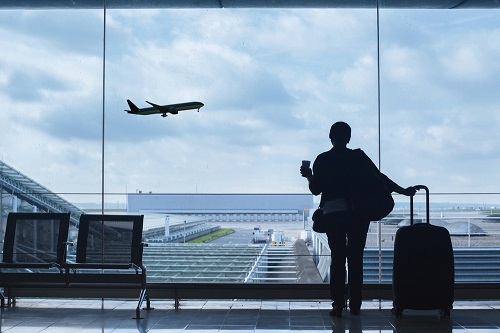
For expats living in Peru, air travel is woven into the fabric of everyday life. The country’s extraordinary geographic range — from the Pacific coastline to the soaring Andes and the depths of the Amazon basin — means that flying is frequently not just a convenience but a genuine necessity. Lima’s Jorge Chávez International Airport serves as the country’s primary aviation hub, handling flights from numerous international carriers, while an expanding domestic network links major urban centres, remote Amazonian settlements, and high-altitude Andean cities through several competing airlines.
| Item | Details |
|---|---|
| Main international hub | Jorge Chávez International Airport (LIM), Lima — handles over 25 million passengers per year (as of 2024) |
| Domestic airports with regular flights | Approximately 25 airports have regular scheduled services (as of 2025) |
| Dominant domestic carrier | LATAM Peru — approximately 62% of all domestic departures (as of 2025) |
| Low-cost options | Sky Airline Peru and JetSMART Peru; JetSMART operates ~91% of low-cost flights from 8 airports (as of 2025) |
| Typical flight duration | Most domestic routes take approximately 1 hour |
| Passenger rights body | INDECOPI (National Consumer Protection Authority) — offices at Lima Airport, open 24/7 |
What is the standard of domestic air travel in Peru like, and which routes and destinations are served?
Peru’s sheer geographic scale and diversity make domestic air travel indispensable in a way that few other countries can match. The Andes, the Amazon jungle, and the Pacific coast all present formidable obstacles to overland movement, and unlike nations such as France or Japan — where high-speed rail networks efficiently connect major cities — Peru has virtually no intercity train infrastructure. A bus journey between Lima and Cusco, for instance, can take 21 hours or longer.
Most domestic flights in Peru clock in at roughly one hour, making aviation by far the most sensible way to traverse the country’s considerable distances. Routes like Lima to Cusco or Lima to Iquitos can save travellers an entire day of overland effort. For expats who have settled outside the capital, flying is particularly valuable when work obligations require a trip to Lima or when connecting to an outbound international flight.
LATAM Peru operates services to 16 destinations across the country, among them Cajamarca, Ayacucho, Pucallpa, Trujillo, Cusco, Huaraz, Arequipa, Chiclayo, Tacna, Piura, Talara, Tumbes, Tarapoto, Iquitos, Juliaca, and Puerto Maldonado. At the smaller end of the market, ATSA Airlines focuses on regional services to lesser-visited destinations in northern Peru and holds the distinction of being the sole carrier flying to Chachapoyas in the Amazonas region.
It is worth noting that numerous well-known attractions — including Paracas, Huacachina, and Nazca — have no air connections and must be reached by road or bus. Peru counts 19 airports dedicated exclusively to domestic operations. On the country’s main corridors, service quality is generally dependable and broadly comparable with short-haul domestic aviation elsewhere in South America.
Which airlines operate domestic routes in Peru, and are any low-cost carriers available?
Peru has no national flag carrier. The domestic aviation market is instead shared between a combination of regional full-service airlines and budget operators. LATAM and Sky Airline together command the majority of the market, accounting for a combined 81% of all domestic flights.
LATAM Airlines, the product of the merger between LAN Airlines and TAM Airlines, is the largest airline group in Latin America and the leading force within Peru’s domestic market. It is generally the preferred choice for travellers who place a premium on route frequency and reliability, with a solid reputation for punctuality and a comparatively low rate of cancellations. Fares tend to sit at the higher end, but the breadth of its network within Peru is unrivalled.
Sky Airline, a prominent Chilean low-cost carrier, has carved out a strong position in Peru by offering competitive fares, consistent on-time performance, and a broad schedule. Its Peruvian network encompasses Cusco, Arequipa, Tarapoto, Juliaca, Piura, Iquitos, Trujillo, Pucallpa, Ayacucho, Tacna, Tumbes, Jauja, and Puerto Maldonado. As a low-cost operator, extras such as checked baggage and advance seat selection attract additional charges beyond the base fare.
JetSMART is an ultra-low-cost Chilean airline backed by the US investment firm Indigo Partners. It entered the Peruvian market relatively recently and rapidly built a following thanks to its particularly keen pricing, especially on routes where other carriers tend to be expensive. JetSMART currently handles around 91% of all low-cost flights in the country, operating from a total of eight airports.
Star Peru occupies a smaller niche in the domestic market. While it does not operate as a low-cost carrier, it offers competitive pricing that includes both luggage and onboard service, with well-regarded staff and sensible scheduling. Destinations on its network include Chiclayo, Cajamarca, Huánuco, Lima, Iquitos, Tarapoto, and Pucallpa, though Cusco is notably absent from its routes.
Avianca — one of the world’s oldest airlines — also maintains a meaningful presence in Peru, running both domestic and international services and linking Lima with Cusco, Arequipa, Iquitos, and other key points across the country.
How do you book domestic flights in Peru — what are the options and which booking platforms are available?
Reserving domestic flights in Peru is a straightforward process, and most residents rely on a combination of airline portals and international comparison tools. The principal options are as follows:
- Airline websites directly: LATAM Peru (latamairlines.com), Sky Airline (skyairline.com/peru), JetSMART (jetsmart.com), and Star Peru all maintain their own booking platforms. Purchasing directly from the airline often yields the clearest baggage conditions and can occasionally deliver the lowest price.
- International comparison platforms: Tools such as Google Flights, Kayak, and Skyscanner allow users to compare fares across airlines and set up price alerts. These are popular among both residents and expats for monitoring fluctuations on key routes.
- Third-party booking sites: Global aggregators including Expedia and Alternative Airlines cover Peruvian domestic routes and are particularly convenient when combining international and domestic legs into a single itinerary.
- Local travel agents: Travel agencies remain a significant part of Peru’s tourism industry, and agents in cities such as Lima, Cusco, and Arequipa can bundle domestic flights together with accommodation and tour packages.
For domestic routes — particularly busy corridors like Lima to Cusco — booking one to three months in advance is strongly advisable. Fares tend to climb as the departure date approaches, and this effect is especially pronounced during high season, which runs from June through August and again in December. Last-minute bookings around Christmas, New Year’s, Easter, and Peru’s Independence Day celebrations on 28–29 July can be both expensive and difficult to secure.
Flexibility with travel dates can also produce savings — flying mid-week, particularly on Tuesdays or Wednesdays, frequently costs less than weekend departures. On high-demand routes such as Lima–Cusco, last-minute seat availability can be extremely limited during peak months, so planning well ahead is highly recommended.
What do domestic flights typically cost in Peru, and what should expats budget for?
Domestic airfares in Peru fluctuate considerably based on the route, the carrier, the time of year, and how far in advance the ticket is purchased. The figures below offer a general orientation (as of 2025, drawing on publicly available fare data — always consult airline websites directly for current pricing):
| Route | Approximate one-way fare (budget/LCC) | Approximate one-way fare (full-service) |
|---|---|---|
| Lima – Cusco | From ~USD 40–70 | USD 80–150+ |
| Lima – Arequipa | From ~USD 35–60 | USD 70–130+ |
| Lima – Iquitos | From ~USD 50–90 | USD 100–180+ |
| Lima – Piura / Trujillo | From ~USD 30–60 | USD 60–120+ |
| Cusco – Puerto Maldonado | From ~USD 40–80 | USD 80–150+ |
It may come as a surprise that certain domestic fares in Peru can actually exceed the cost of some international tickets. Many domestic routes have limited seat capacity and relatively few daily frequencies — particularly those serving Andean and Amazonian destinations — which can push prices up sharply on popular dates. Taxes and fees may also be presented differently from the way they appear in international fare promotions.
Budget carriers typically charge for checked baggage and carry-on items as separate add-ons, which can substantially inflate a headline fare. Sky Airline’s base fare, for example, covers only an 8 kg personal item; carry-on and checked bags must be purchased additionally. Star Peru takes a different approach, with its base fare incorporating a carry-on and two checked bags of up to 23 kg each. It is essential to review baggage terms carefully before completing any purchase.
Expats who fly regularly between cities would benefit from setting up fare alerts and cross-checking at least two or three airlines for each journey. Prices shift frequently, so always verify current fares directly on an airline’s website or via a comparison platform before finalising travel plans.
What are the main international airports in Peru, and which ones are most relevant for expats?
Peru has more than 230 airports in total, encompassing civil terminals, airstrips, and military facilities. Of these, only 25 handle regular scheduled services, and eleven are cleared for international operations. In practice, most expats will encounter only a small number of airports on a regular basis.
Jorge Chávez International Airport, Lima (LIM)
Situated in Callao on the outskirts of Lima, Jorge Chávez International Airport is Peru’s busiest and most significant aviation facility, and the country’s primary point of entry for international travellers. The airport has undergone a substantial expansion programme that has delivered a brand-new terminal building and runway, dramatically easing passenger throughput, reducing congestion, and raising the overall standard of the travel experience. The new terminal offers enlarged check-in and baggage handling zones, modernised security infrastructure, and a broader selection of food and retail outlets. It is designed to handle up to 30 million passengers annually, with longer-term expansion plans targeting a capacity of 40 million.
Total passenger traffic at Jorge Chávez reached 26.1 million in 2024. The airport’s busiest international routes connect Lima with Santiago de Chile, Bogotá, Panama City, Buenos Aires, Miami, Madrid, and Mexico City. Among the new international services launched in 2024, LATAM Airlines Group began flights from Lima to Montego Bay in Jamaica and to Rosario in Argentina, while Turkish Airlines confirmed the launch of Lima services from June 2025.
Getting from Jorge Chávez to Lima’s main residential neighbourhoods takes time. From the new terminal, journey times to the Historic Centre run to roughly 35–60 minutes, while reaching Miraflores typically takes 45–70 minutes depending on traffic conditions. As there is no metro connection to the terminal, the official Airport Express Lima bus service is widely regarded as the most reliable and secure option for travellers heading to Miraflores.
Alejandro Velasco Astete International Airport, Cusco (CUZ)
The second busiest airport in the country, this facility sits at 3,310 metres (10,860 ft) above sea level and serves as the principal gateway to Machu Picchu. It handles daily domestic connections to Lima, Arequipa, Tacna, Juliaca, and Puerto Maldonado, along with international services to La Paz in Bolivia and Miami, principally during the high season. Expats living in or around Cusco will rely on this airport frequently.
Rodríguez Ballón International Airport, Arequipa (AQP)
This airport serves the southern city of Arequipa and offers striking views of the surrounding volcanic landscape. Regular domestic flights connect it with Lima, Cusco, Tacna, and Juliaca, while Sky Airline and LATAM operate international services from Chile. It functions as the main aviation hub for expats based in southern Peru.
Francisco Secada Vignetta International Airport, Iquitos (IQT)
For anyone travelling to the Peruvian Amazon, this airport in Iquitos is the gateway. From here, river vessels depart into the jungle interior. Iquitos occupies a unique position in that it has no road connection to the rest of Peru’s transport network, meaning the airport is the only realistic entry or exit point for the vast majority of residents and visitors.
Other notable airports for expats
The Inca Manco Capac International Airport in Juliaca is the jumping-off point for Puno and Lake Titicaca; despite being located in a relatively small city, it plays a vital role in connecting travellers and residents to one of Peru’s most celebrated natural wonders. Piura Airport serves the northern beach and agricultural regions, while Trujillo Airport provides the main air link for the north coast’s cultural and commercial capital.
Are there any rules, restrictions, or practicalities at Peru’s airports that expats should be aware of?
Identification for domestic travel
Peruvian nationals use their DNI (national identity document) when boarding domestic flights. Foreign nationals are required to present a passport. If you have been issued a Carné de Extranjería (the identity card for legal residents) check with your airline directly, as acceptance of this document for domestic travel can vary between carriers.
Check-in times
For domestic departures, airlines generally advise arriving at least 90 minutes before the scheduled flight time. For international departures from Lima, allow a minimum of two to three hours, and rather more during peak periods when security and immigration queues can be lengthy. Morning flights are preferable, particularly at mountain airports such as Cusco, where afternoon weather can frequently cause disruptions and delays.
Baggage allowances
The rules governing checked and cabin baggage differ considerably between airlines. Budget carriers in particular levy separate charges for hold luggage and, in some cases, overhead-bin items. Always confirm your allowance at the time of booking to avoid unexpected costs at the airport. Full-service carriers such as LATAM typically bundle a checked bag into the standard fare, while ultra-low-cost operators like JetSMART and Sky Airline apply a strictly pay-as-you-go model.
Customs and biosecurity on arrival from abroad
All passengers arriving in Peru on international flights are subject to customs inspection and biosecurity screening. Peru applies rigorous controls on the import of food products, plants, and items of animal origin in order to safeguard its exceptional biodiversity. A customs declaration form must be completed on arrival. Current rules on permitted and prohibited imports are published by the SUNAT (Peruvian Tax and Customs Authority) — check the website before travelling.
Altitude considerations at Andean airports
Cusco sits at 11,152 feet (3,399 metres) above sea level, and passengers flying in directly from coastal or low-lying cities can experience altitude sickness upon arrival. Expats landing at high-altitude airports such as Cusco or Juliaca should plan for an acclimatisation period and avoid demanding physical activity in the first day or two after arrival.
Always consult the Directorate General of Civil Aviation (DGAC) and your specific airline’s website for the most current requirements, as rules are subject to change.
How does air travel connectivity in Peru affect day-to-day expat life?
The degree to which you rely on domestic air travel as an expat in Peru is closely tied to where you choose to live. Those based in Lima enjoy immediate access to Jorge Chávez and can travel internationally without any additional domestic legs. Expats settled in Cusco, Arequipa, or Trujillo have the benefit of their own airports with frequent Lima connections, keeping the capital within relatively easy reach for business trips or onward international departures.
For expats living in the Amazon basin — whether in Iquitos, Pucallpa, or Puerto Maldonado — air travel shifts from being a convenience to an outright necessity. Cities such as Iquitos and Pucallpa can be reached by no other practical means than by air or river, given the absence of road links to the national network. Peru’s geographic complexity, encompassing both the Andes and the Amazon, makes the domestic aviation network a fundamental piece of everyday infrastructure across a wide range of regions.
For journeys back to your home country, Lima’s Jorge Chávez Airport handles approximately 95% of all flights to destinations within South America and serves as the sole viable international departure point for most Peru-based expats. Direct services connect Lima to destinations across North America, Europe, and Latin America. Peru is also actively pursuing growth in North American and European connectivity and working to attract an Asian carrier — developments that should further improve options for internationally mobile residents in the years ahead.
East of the Andes, airport infrastructure thins out considerably, and some smaller communities have no scheduled air services at all. Expats working in sectors such as agriculture, conservation, or international development in rural areas may find that charter flights or small regional operators are their only viable transport option, requiring considerably more lead time in journey planning.
The high season months of June through August and December bring sharp price increases on popular routes — a factor well worth accounting for if your employer expects regular travel or if family members are likely to visit during school holiday periods.
What should expats know about travel insurance and passenger rights when flying in Peru?
Peru’s passenger rights framework
Air passenger protections in Peru rest on several pillars: the Montreal Convention, Andean Community Decision No. 619, the Peruvian Consumer Protection and Defence Code (administered by INDECOPI), and Peru’s Civil Aviation Law (Law No. 27261). Together, these instruments cover passengers’ rights in situations involving denied boarding, flight delays, cancellations, and baggage problems.
Peru’s framework is less prescriptive than Europe’s EU Regulation 261/2004, which mandates fixed monetary compensation for delays and cancellations based on route distance, regardless of the cause. In Peru, the system is more reliant on individual complaints and takes context into account. Crucially, the protections apply only where the airline is directly responsible for the disruption — passengers are not entitled to compensation when delays or cancellations result from extraordinary circumstances outside the airline’s control, such as severe weather, civil unrest, or security incidents.
Where an airline is at fault, Peruvian regulations do offer some tangible safeguards. Airlines must provide refreshments and access to communication facilities when a delay reaches two hours. A delay of four hours or more generally obligates the airline to supply a meal.
Where to seek help
If you are uncertain about your rights or find that the airline is not responding constructively to a complaint, the iPeru tourist assistance booths found at every Peruvian airport can explain your options and assist with the complaints process. Should that prove insufficient, the formal route is to lodge a complaint with INDECOPI, Peru’s National Consumer Protection Authority. INDECOPI operates two offices at Jorge Chávez Airport — one serving the domestic terminal and one the international — both staffed around the clock, 365 days a year.
Travel insurance
Given that passenger protections in Peru are less robust than those available in many highly regulated aviation markets, comprehensive travel insurance is strongly advisable for all flights — domestic and international alike. A solid policy should provide cover for trip cancellation, delays, missed connections, medical emergencies (altitude sickness in particular), and lost or damaged baggage. Expats who travel internationally on a regular basis often find that an annual multi-trip policy offers significantly better value than purchasing separate single-trip cover each time. Read all exclusions carefully, paying particular attention to clauses relating to weather disruption and pre-existing medical conditions.
For the latest guidance on passenger rights, visit the INDECOPI official website or refer to the Directorate General of Civil Aviation (DGAC).
Frequently asked questions: air travel in Peru for expats
Do I need a passport for domestic flights in Peru as a foreign national?
Yes. While Peruvian nationals board domestic flights using their DNI (national identity document), foreign nationals must present a valid passport. If you have been issued a Carné de Extranjería as a legal resident, it is worth confirming directly with your chosen airline whether this document is accepted for domestic travel, as acceptance varies between carriers.
How far in advance should I book domestic flights in Peru?
Booking one to three months ahead is recommended for domestic routes, particularly on high-demand corridors such as Lima to Cusco. Fares can increase substantially as the departure date draws closer, and this effect is most pronounced during peak season from June through August and throughout December. When travelling around major national holidays, the earlier you book the better.
Is Iquitos accessible without flying?
Iquitos ranks among the largest cities anywhere in the world with no road connection to the national transport network. For the overwhelming majority of residents and visitors, the only realistic ways in or out are by air or by river. While river journeys are technically possible, they are extremely lengthy and impractical for routine travel purposes.
Which airlines are best for budget domestic travel in Peru?
Sky Airline Peru and JetSMART Peru are the leading options for budget-conscious travellers seeking fast connections. As low-cost carriers, however, neither includes onboard catering or complimentary baggage beyond a small personal item in the base fare — carry-on bags and checked luggage must be purchased separately. Always calculate the full cost inclusive of baggage before making a price comparison between airlines.
What is the new terminal at Lima’s Jorge Chávez Airport like?
Jorge Chávez has completed a major redevelopment, delivering a new terminal building and runway that have meaningfully improved passenger flow and raised the standard of facilities on offer. The terminal features expanded check-in and baggage areas, upgraded security infrastructure, and a greater range of dining and shopping options. Free Wi-Fi is available throughout with no time restriction.
Can I fly directly from Cusco to international destinations?
Alejandro Velasco Astete Airport in Cusco offers international flights to La Paz, Bolivia, operated by Amaszonas Airlines, and to Miami with American Airlines, alongside multiple daily domestic connections to Lima and other Peruvian cities. For the vast majority of international destinations beyond these, a connection through Lima will be required.
What should I do if my flight in Peru is cancelled or significantly delayed?
iPeru tourist assistance booths, available at every Peruvian airport, can walk you through your rights and support you in raising a complaint. If the airline remains unresponsive, you can escalate the matter to INDECOPI, Peru’s National Consumer Protection Authority. Throughout the process, keep thorough records — hold on to your boarding pass, booking confirmation, and any written communications with the airline, as these will be essential if you need to pursue a formal claim.
Is altitude sickness a concern when flying to Cusco or Juliaca?
Cusco lies at 11,152 feet (3,399 metres) above sea level, and travellers arriving directly from sea-level cities can experience altitude sickness on landing. Common symptoms of soroche include headaches, nausea, and fatigue. Upon arrival, rest, drink plenty of water, and avoid alcohol. Consulting a doctor about preventive medication such as acetazolamide before your trip is also worth considering. Juliaca, the main access point for Puno and Lake Titicaca, sits even higher at approximately 3,825 metres.