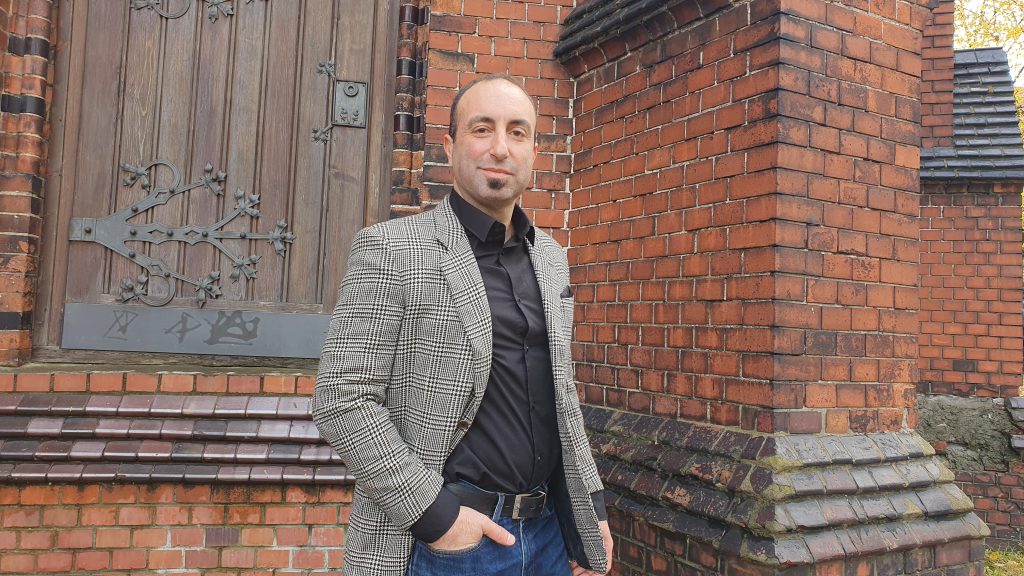
Originally from New Jersey, Tony moved to Poland in 2016 to be with his partner and start a family. Now a father of two and English teacher, he also runs Resilient Expat Living, a platform helping Americans navigate moving abroad and avoid costly mistakes. Here, he shares the highs, challenges, and lessons of building a life in Poland.
Where, when, and why did you move abroad?
I moved abroad back in February of 2016, from New Jersey, USA, to Poland. This was never the plan: to move to Poland and build a life here. I met Monika, my partner, in 2015 as we were both working for Carnival Cruise Line as crew members. 2 months into the relationship, she was pregnant and decided to go home to Poland at the end of her contract to get ready to have our son. I came in 2016 to be there taking on the duties of a dad. This was the driving force behind my move to Poland. I stayed here from February until September. We decided to move to America and give it a shot there. That lasted for 2 years. We’re not officially married, so Monika didn’t have the right to work in the USA. We ended up leaving the USA for Poland again in December of 2018. We’ve been here ever since.
What challenges did you face during the move?
Looking back on the move, several points come to mind:
- Getting information about a job: what skills were paying well and where to submit a CV. I ended up teaching English and have been ever since as a native speaker.
- Banking, local taxes, business structures, transferring money back to America, and filing American taxes back home. All of this was foreign to me. Which bank would work for me as an American? FATCA deters many local banks from enrolling Americans, and they won’t open an account for us. I used a Currency Exchange account to wire money home every month until I found Wise. They offer a much better exchange rate than a traditional bank.
- Learning how taxes are handled here in Poland and determining the best business structure for me to use while staying tax compliant in both Poland and the US. The amount of tax taken out is different from the US, as is how you get paid, including the fact that you only get paid once a month. That was a shock to me, as I was used to getting paid weekly in America and always having money coming in throughout the month.
- And of course, Polish Bureaucracy. This moved at a glacial pace back in 2018. The government doesn’t care about your timeline, and it often takes longer than what you are expecting.
What do you enjoy most about life in your new country?
I love the safety of Poland. The safest country in Europe. I am writing this at the time of the Paris Riots of 2026, and I am very thankful to be in a country where my family is safe. Also, the slow pace of life here. There is no hustle culture here. On Saturday, people are drinking coffee and going out to see friends. They don’t worry about having lots of money in the bank and chasing that dollar; they did that during the week, and the weekend is for family time.
What is the hardest part of expat life for you / your family?
The tribal relationships of a multigenerational household. There are norms and behaviours that have been tolerated and accepted since before I set foot in Poland. This is out of my control, and there is nothing I can do to change this, but I can work on improving my family’s quality of life one day at a time.
(I’d prefer not to go into any more detail than that at this time.)
What is your relationship like with locals and other expats?
I have a few Americans that I get together with on occasion. But mainly I stick to spending time with my family. I have a 3-year-old daughter and a 10-year-old, so it’s really important for me to be around during this time of their lives, as they will not be small forever.
What advice would you give to someone thinking of making a similar move?
Leave your American expectations at the border. Your host country will not have the same customer service, flavor profile, and convenience of America. You must adapt to the new local way of life by being open. Get used to being uncomfortable in social situations and build relationships one functional positive interaction at a time. Give yourself time with the local language and start learning before you board the plane.


