

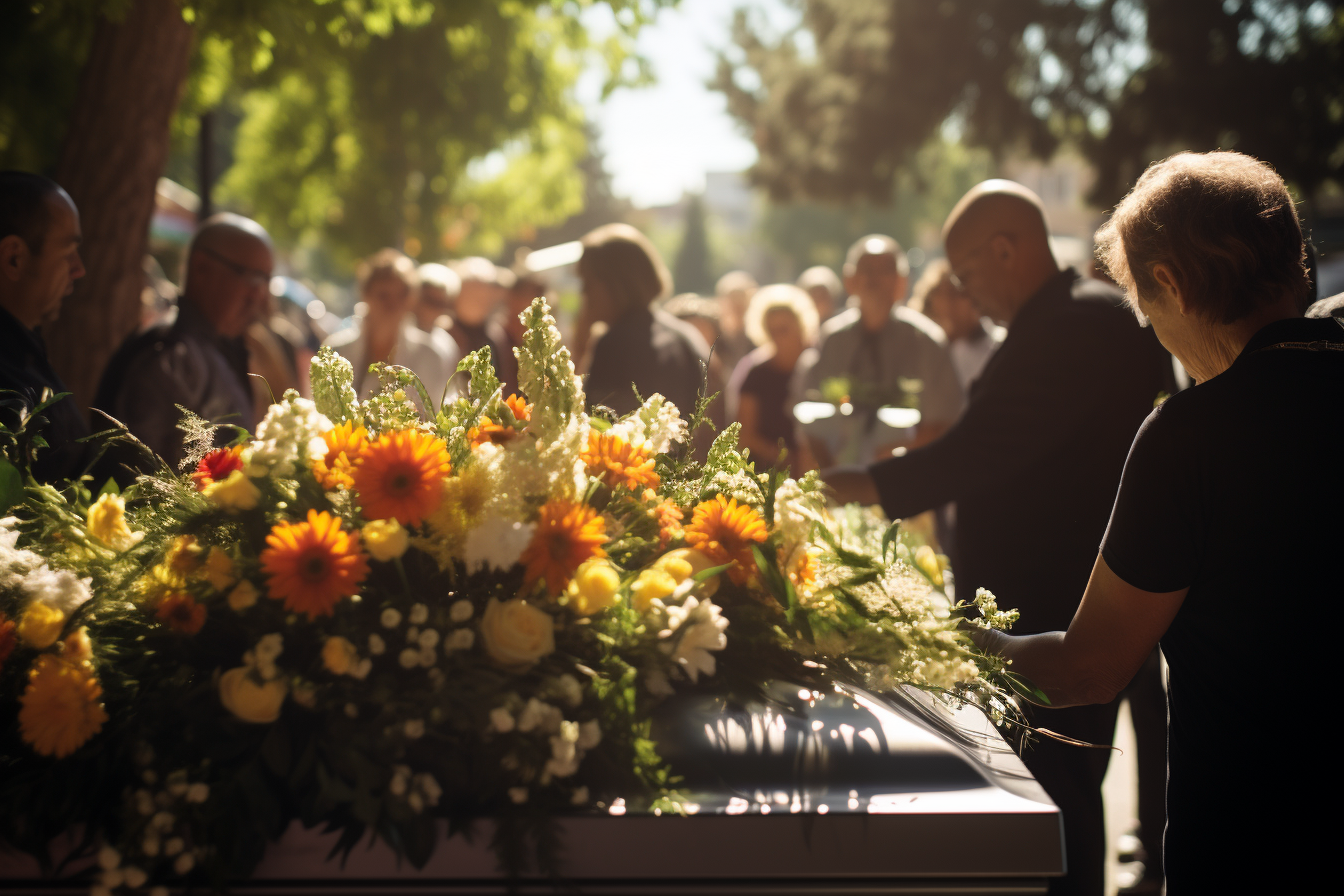
Spain operates a publicly funded national health service (the Sistema Nacional de Salud, or SNS) that makes palliative and end of life care available without charge to all residents who are duly registered. Following a death in Spain, a death certificate must be secured and the death formally recorded at the local Civil Registry within 24 hours. Foreign nationals are additionally obliged to inform their home country’s consulate. Familiarising yourself in advance with legal instruments such as advance directives, inheritance regulations, and funeral arrangements can spare grieving families a great deal of difficulty and distress.
| Item | Details |
|---|---|
| Public palliative care | Available free of charge through the SNS to all registered residents (as of 2024) |
| Death registration deadline | Must be registered at the Civil Registry within 24 hours of death |
| Advance directive (testamento vital) | Registered at the regional Registro de Voluntades Anticipadas and the national registry (Ministerio de Sanidad) |
| Euthanasia / assisted dying | Legal since 25 June 2021 under Organic Law 3/2021 (LORE); available to adults who are Spanish nationals or legal residents registered for at least 12 months |
| Funeral costs (approximate) | Typically €3,000–€6,000+ depending on region and choices (as of 2024); verify current figures with funeral providers |
| Inheritance tax (Impuesto de Sucesiones) | Rates and exemptions vary significantly by autonomous community; check regional tax authority for current thresholds |
What end of life care options are available in Spain, and how does the system work?
Spain’s SNS extends near-universal coverage to its population, with services delivered predominantly within the public sector and free of charge at the point of use. End of life care falls squarely within this framework, meaning that terminally ill patients who are registered with the system can access care at no direct personal cost.
Palliative care in Spain is structured across several levels, encompassing home support teams, dedicated palliative care units, and integrated care networks. This tiered approach allows patients to be cared for in whichever setting — their own home, a general hospital, or a specialist unit — best matches their clinical needs and personal wishes. This model differs markedly from countries such as the United Kingdom, which has developed an extensive network of standalone independent hospices; Spain’s approach is more deeply embedded within mainstream healthcare provision.
Patients who wish to spend their final period of life at home can receive active community-based health care through specialist palliative teams. In hospital settings, wards that typically manage terminally ill patients — including oncology, haematology, gerontology, internal medicine, and general surgery — have undergone reforms designed to place greater emphasis on comfort and quality of life.
The SNS operates with a high degree of decentralisation, with health responsibilities delegated to each autonomous community. As a result, the availability and quality of end of life care can differ considerably from one region to another. Despite the existence of a National Strategy for Palliative Care, significant disparities persist across regions, with Catalonia, Extremadura, Madrid, and Navarra generally regarded as among the best-resourced for specialist palliative services.
What is palliative care in Spain, and who is eligible for it?
In Spain, palliative care — referred to as cuidados paliativos — is care oriented towards enhancing quality of life rather than pursuing curative treatment. Its primary aim is to allow patients with terminal illness to receive appropriate care in their preferred setting, focusing on comfort rather than necessarily prolonging life.
Specialist palliative care is envisaged as being delivered by interdisciplinary teams comprising a doctor, a nurse, a social worker, and a psychologist. These professionals work together to manage pain and other symptoms associated with terminal illness, while also providing psychological and emotional support to both the patient and their loved ones.
Historically, the majority of patients receiving palliative care in Spain have been those with a cancer diagnosis. However, researchers in palliative medicine have developed the NECPAL (Necesidades Paliativas) programme, an assessment tool designed to identify patients with non-cancer conditions who are in need of palliative support. This is a meaningful step forward for people living with conditions such as advanced heart failure, dementia, or chronic respiratory disease.
The Ministry of Health has confirmed that the national palliative care plan covers all patients registered with the public health network, free of charge. Entitlement is tied to residency status: following legislation passed in 2018 restoring the principle of universal access to the SNS, any legal resident — including expatriates holding a valid registration (empadronamiento) — is entitled to access palliative care through the public system.
Are there hospices in Spain, and how do you access them?
The idea of a freestanding hospice — a purpose-built facility dedicated solely to end of life care and operating independently of the hospital system — is considerably less prevalent in Spain than in certain other countries. One notable exception is the CUDECA Foundation in Málaga, which was originally modelled on the British hospice approach and has since been formally integrated as a provider within the regional health service. CUDECA has a particularly strong profile among the expatriate population along the Costa del Sol and benefits from a deep tradition of community fundraising and volunteer involvement.
Beyond CUDECA, the majority of end of life care in Spain is delivered through palliative care units located within hospitals, or via community-based home care teams. Several religious organisations, most notably those connected to the Catholic Church — such as the Order of Saint John of God (Hermanos de San Juan de Dios) — operate long-term care centres and palliative units throughout Spain that may also admit patients requiring end of life support.
The standard route to accessing specialist palliative care is through your designated GP (médico de cabecera) within the public health system, who can refer you to an appropriate palliative care team. Those holding private health insurance can approach their insurer for guidance on suitable private palliative facilities. Given that provision varies substantially between regions, it is advisable to research what is available in your specific autonomous community well in advance.
Is palliative or hospice care covered by public health insurance or the national health system in Spain, or does it need to be funded privately?
The SNS offers near-universal coverage within a comprehensive benefits package, and care is delivered predominantly free of charge at the point of use. Palliative care provided through the public system — whether in a specialist hospital unit or through a community home care team — is fully covered for all eligible registered residents.
The main exceptions to this principle of free care are pharmaceutical prescriptions and certain prosthetic devices, both of which attract co-payments. In practice, palliative medications — including opioid-based pain relief — may involve a co-payment, though reduced rates or full exemptions apply to those on low incomes and to pensioners.
Private palliative and hospice care is available in Spain and may offer advantages such as greater personal choice, swifter access, or more comfortable surroundings, but at considerable expense. Many expatriates living in Spain hold private health insurance to complement their public coverage. It is essential to review any private policy with care, as not all plans automatically extend to palliative or terminal care — exclusions for pre-existing conditions and caps on inpatient stays are common. Travel insurance should never be treated as an adequate substitute for health coverage in terminal illness situations.
Opting out of SNS coverage is not permitted, though individuals are free to take out voluntary private health insurance (VHI) on top of their public entitlement. Many expatriates make use of both systems in tandem, relying on the public network for core palliative care while drawing on private insurance for supplementary services.
What legal documents should expats have in place before the end of life in Spain — such as a living will, advance directive, power of attorney, or healthcare proxy — and how do these work?
Putting the right legal documents in place is among the most important steps any person living in Spain can take. The principal documents to consider are:
- Advance directive / living will (testamento vital or instrucciones previas): This document records your wishes regarding medical treatment in the event that you develop an irreversible clinical condition and lose the capacity to communicate your preferences. At that point, healthcare professionals will turn to your living will for guidance. It can set out both the types of treatment you consent to or refuse in the event of terminal or irreversible illness, and your preferences regarding end of life arrangements — for example, whether you wish to be buried or cremated.
- Power of attorney (poder notarial) / preventive power of attorney (poder notarial preventivo): A general power of attorney authorises a trusted person to handle financial and legal matters on your behalf. A preventive power of attorney goes further, in that it continues to operate even if you lose mental capacity — unlike an ordinary power of attorney, which is automatically extinguished by incapacity under Spanish law. This document must be executed before a Spanish notary.
- Healthcare representative (representante): Within your advance directive, you may designate an authorised representative who can help interpret your wishes and take corresponding decisions on your behalf when you are no longer able to do so.
- Spanish will (testamento): Preparing a Spanish will specifically covering your assets in Spain is strongly advisable. Its existence can greatly accelerate the estate administration process following your death.
Once your living will has been drawn up and legalised, it must be submitted for registration at the living will register (Registro de Voluntades Anticipadas) in the relevant autonomous community, where each register falls under the responsibility of the regional Department of Health. Registration is mandatory in order to give the document official standing and public accessibility. It is also entered in the national registry held by the Ministry of Health, making it valid across all of Spain.
It is important to note that private and public hospitals do not share medical records with one another. Doctors working in private institutions must therefore be made aware of the existence of your living will by your designated representative, who can view the document through the national registry in Madrid. For this reason, it is vital that your healthcare representative is fully informed about the document and knows exactly how to access it.
Are documents such as advance directives or powers of attorney made in another country legally recognised in Spain?
This is a concern shared by many expatriates, and the answer depends on both the nature of the document and how it has been prepared. Spain will generally accept foreign legal documents provided they satisfy specific formal requirements, but there is no automatic equivalence — documents prepared abroad must ordinarily be validated through official channels before they can be acted upon in Spain.
For advance directives executed in another country, the most reliable course of action is to prepare a Spanish-language advance directive directly with a Spanish notary and register it with the appropriate regional authority (Registro de Voluntades Anticipadas). This approach eliminates any uncertainty about whether a foreign document will be recognised by Spanish medical professionals in an emergency — particularly important given that, in practice, clinical staff will consult the national registry as their first point of reference when a patient can no longer communicate.
Foreign powers of attorney may be accepted in Spain provided they have been properly apostilled under the Hague Convention (where the issuing country is a signatory) or legalised through the relevant consulate, and translated into Spanish by a certified sworn translator (traductor jurado). However, Spanish banks, notaries, and public registries frequently require documentation prepared under Spanish law, so it is advisable to consult a Spanish lawyer (abogado) before placing sole reliance on a foreign power of attorney.
Foreign wills may similarly be recognised in Spain, and EU Regulation 650/2012 on Succession allows EU nationals to elect for the law of their nationality to govern their estate. Nevertheless, for the sake of clarity and to simplify administration for heirs, most legal practitioners recommend maintaining a separate Spanish will for Spanish-held assets. Always seek guidance from a qualified Spanish lawyer or notary regarding your individual circumstances.
What are the laws around euthanasia or assisted dying in Spain?
Euthanasia has been lawful in Spain since 25 June 2021, when the Organic Law for the Regulation of Euthanasia entered into force, three months after its publication in the Boletín Oficial del Estado and following approval by the Cortes Generales on 18 March 2021. This placed Spain among a small group of European countries — following the Netherlands, Belgium, and Luxembourg — to have decriminalised and regulated the practice.
The law establishes the right to request “aid in dying” as a service that forms part of the National Health System’s portfolio of care. The entire process takes place within the framework of the public health system and is publicly funded, with the system itself obliged to guarantee access to this right for all those who request it and meet the qualifying conditions.
To be eligible, all of the following conditions — as set out in the legislation — must be satisfied:
- Patients must be adults who are mentally competent; hold Spanish nationality or have been domiciled in Spain for a minimum of 12 months or possess a valid registration certificate; be suffering from a serious and incurable illness or a serious, chronic and disabling condition, as certified by a doctor; submit two separate requests at least 15 calendar days apart without being subject to any form of external pressure; and provide informed consent prior to receiving assistance to die.
Once a request is received, the attending doctor assesses the patient against the eligibility criteria. If satisfied, a second formal request must be submitted at least 15 days later. An independent consulting doctor then carries out a further evaluation and must likewise confirm that all criteria have been met. Only after a fourth and final declaration — in which the patient reaffirms their wish to die — may a regional panel of experts grant final approval for the procedure to proceed.
Euthanasia may be administered in public, private, or publicly subsidised healthcare settings, or at the patient’s home. Medical professionals directly involved in providing assisted dying retain the right to conscientious objection, meaning that not every doctor or facility will participate; however, the system is required to ensure access remains available for eligible patients.
For expatriates specifically: the 12-month residency requirement means that euthanasia is unavailable to short-term visitors or newly arrived residents. The Spanish government’s most recent annual report on euthanasia, published towards the end of 2024, showed that the number of cases rose by 24 percent in 2023.
What are the local customs, traditions, and religious practices around death and dying in Spain?
Catholicism has long been the dominant faith in Spain, and its traditions continue to shape many of the cultural practices surrounding death, even as Spanish society has grown progressively more secular over recent decades. Customs do, however, vary considerably between regions and individual families, and urban populations tend to practise fewer religious observances than those in rural areas.
When a death occurs, it is customary in Spain to hold a velatorio — a wake — which generally takes place at a funeral home (tanatorio) or, less frequently today, at the family’s own home. The body is laid out in an open or closed casket, and relatives, friends, and neighbours gather to offer their condolences. This gathering may last for several hours or continue overnight, and serves as an important social occasion that allows the bereaved to receive comfort and support.
The funeral (entierro or funeral) customarily follows within 24 to 48 hours of the death — a timeframe that is short by comparison with many other cultures, reflecting both longstanding tradition and the Spanish climate. A Catholic funeral mass (misa de difuntos) may be celebrated, typically followed by burial in the local municipal cemetery. Cremation, which was historically infrequent in the Catholic tradition, has grown markedly more common in recent years, especially in cities.
In many communities, a formal period of mourning (luto) is observed, traditionally marked by wearing black. While strict mourning dress codes are less commonly observed today, attending a Spanish funeral in sombre, respectful attire remains the norm. Bringing flowers or making a donation to a charity specified by the family are both considered fitting gestures. Memorial masses (misas de aniversario) are frequently held one month and one year after the death.
Spain also has significant Muslim and Jewish communities, each with distinct traditions and requirements. Islamic burial practice, for example, demands that the body be washed, wrapped in a shroud, and interred facing Mecca, ideally within 24 hours of death. Jewish practice similarly calls for prompt burial. Expatriates of any religious or cultural background should take care to identify relevant community organisations and specialist funeral providers in their area well in advance, as these are more readily accessible in larger cities.
What must you do when someone dies in Spain? Who do you notify, how quickly, and in what order?
The administrative steps following a death in Spain must be carried out carefully and without delay. Below is the sequence of actions required:
- Obtain a medical certificate of death (certificado médico de defunción). This is signed by the doctor who attended the deceased or who certifies the death. If the death takes place at home, contact a doctor or the emergency services (112). In a hospital setting, the institution will produce this document. It is the essential starting point for all subsequent steps.
- Contact a funeral home (funeraria). Most families engage a funeral home within the first few hours following a death. The funeral home will take charge of collecting and preparing the body and can guide and assist with a significant part of the administrative process, including communication with the Civil Registry.
- Register the death at the Civil Registry (Registro Civil). Registration must take place within 24 hours. The process requires the medical death certificate together with the deceased’s identity documents (passport or NIE/DNI). In practice, the funeral home frequently manages this step on the family’s behalf. The Civil Registry then issues the official death certificate (certificado de defunción) along with the licence permitting burial or cremation.
- Notify the deceased’s home country’s embassy or consulate as promptly as possible if the deceased was a foreign national. Although this obligation applies to all non-Spanish nationals, it is especially important for those from outside the EU. The consulate can issue emergency documentation and provide practical assistance to the family.
- Inform the relevant authorities and institutions. These include the deceased’s bank or banks, the Spanish tax authority (Agencia Tributaria), the relevant social security body (Seguridad Social), any private insurers, and the local town hall (ayuntamiento) to cancel the deceased’s empadronamiento registration.
- Secure the deceased’s property and assets. If the deceased owned real estate, vehicles, or held financial accounts, prompt steps should be taken to protect these. Notify the appropriate land registry and financial institutions, and seek legal advice on the estate administration process without delay.
- Initiate the inheritance process. Heirs or their legal representative ordinarily have six months from the date of death to submit and pay any applicable inheritance tax (Impuesto de Sucesiones y Donaciones). An extension of a further six months may normally be requested from the relevant regional authority before the initial deadline passes.
How is a death officially registered in Spain, and what documents are needed?
The official registration of a death in Spain is carried out at the local Civil Registry (Registro Civil) in the municipality in which the death took place. Registration must occur within 24 hours and is a legal requirement that must be completed before a burial or cremation licence can be issued.
The documents typically required to register a death are:
- The medical death certificate (certificado médico de defunción), signed by the certifying doctor
- The deceased’s official identity document (DNI for Spanish nationals; passport or NIE card for foreign nationals)
- The deceased’s family record book (libro de familia), where applicable
- The birth certificate of the deceased (may be required in certain cases)
- Identification of the person lodging the registration (a family member or representative of the funeral home)
Following registration, the Civil Registry will produce an official death certificate (certificado literal de defunción). Several certified copies should be obtained at this stage, since they will be required for a range of purposes including bank accounts, insurance claims, estate administration, and consular notifications. A modest fee is generally charged for each certified copy. The Spanish Ministry of Justice has oversight of the Civil Registry system, and death certificates can also be requested through the Ministry’s online portal.
What happens if a foreign national dies in Spain — what are the specific steps for notifying their home country’s embassy or consulate, and what role does the consulate play?
When a foreign national passes away in Spain, contacting their home country’s embassy or consulate is a key step in the process. The consulate fulfils an important practical and legal function, even though formal registration of the death remains the responsibility of the Spanish authorities.
The consulate should be contacted as soon as possible after the death — ideally within the first day or two. Contact details for all embassies and consulates represented in Spain can be found via the Spanish Ministry of Foreign Affairs website. When making initial contact, you will typically need to supply:
- The deceased’s full name and nationality
- Their date and place of birth
- Their passport number and expiry date
- The date, time, and location of the death
- The name and contact details of the next of kin
The consulate’s typical responsibilities include: recording the death and reporting it to the vital statistics authority in the home country; assisting with the repatriation of the deceased’s remains; advising the family on Spanish legal and administrative procedures; helping to locate and contact next of kin abroad; and, where applicable, providing a list of local lawyers, funeral homes, and certified translators. What the consulate cannot do is contribute financially to funeral or repatriation costs, intervene in legal or court proceedings, or compel Spanish authorities to accelerate their processes.
Many home countries also require the death to be formally registered in their own national records. As an example, a death occurring in Spain will normally need to be reported to the relevant authority in the deceased’s home country, using the Spanish death certificate duly apostilled and translated as required. Families are advised to clarify the specific requirements of their own consulate early in the process.
How are funerals typically arranged in Spain, and what are the usual options for burial or cremation?
Funerals in Spain are generally handled through a funeral home (funeraria or empresa funeraria). These businesses manage the collection and preparation of the body, the wake (velatorio), the funeral ceremony, and the subsequent burial or cremation. They are also able to assist with administrative formalities such as obtaining the burial licence from the Civil Registry.
The principal options for the disposal of remains are:
- Burial (inhumación): The most traditional approach in Spain. Interment typically takes place in the local municipal cemetery (cementerio). In many Spanish cemeteries, burial plots are not purchased outright but rented for a defined period — commonly five to ten years initially — after which the remains may be relocated to a communal ossuary unless the rental is renewed. Permanent burial plots are available but are generally more costly.
- Cremation (incineración): Increasingly chosen, particularly in larger cities and among expatriate residents. Ashes may be kept in an urn at home, placed in a columbarium niche within a cemetery, scattered in permitted areas subject to local regulations, or transported abroad.
- Repatriation: Where the deceased is to be returned to their country of origin, the funeral home will manage the necessary preparations and documentation (see the dedicated section on repatriation below).
Spanish funerals proceed quickly by international standards — the wake and funeral ceremony typically take place within 24 to 48 hours of death — so family members travelling from overseas should make their arrangements without delay. Funeral homes are staffed around the clock to manage these time-sensitive situations.
What are the approximate costs of a funeral in Spain, and are there any state or insurance-based funds that can help cover them?
Funeral costs in Spain depend on the region, the specific services selected, and the choice between burial and cremation. As of 2024, a basic funeral encompassing transport, coffin, wake, and interment typically starts at around €3,000 and can rise to €6,000 or more for more extensive arrangements or higher-specification coffins. Cremation is often somewhat less expensive than burial. Costs in tourist areas and major cities are generally higher than in smaller towns. Always request a fully itemised quotation (presupuesto detallado) before committing to any particular funeral provider.
There is no universal state funeral grant in Spain comparable to, for instance, the UK’s Funeral Expenses Payment scheme. That said, several sources of financial support may be available:
- Life insurance: Where the deceased held a life insurance policy (seguro de vida), it will ordinarily pay a lump sum to the named beneficiary, which may be used to meet funeral costs. Check for existing policies as soon as possible.
- Funeral insurance (seguro de decesos): This is a widely held type of policy in Spain that specifically covers the costs of a funeral and frequently includes repatriation cover. Many long-term residents have such arrangements in place.
- Social Security death benefit: The Spanish Social Security system (Seguridad Social) pays a modest death allowance (auxilio por defunción) to whoever has met the funeral costs — in recent years this has been fixed at €46.50, though this is intended as a token gesture rather than meaningful financial assistance. Verify the current amount at the Seguridad Social website.
- Private health insurance: Some private health insurance policies incorporate a death benefit or funeral assistance provision. Examine the terms of any relevant policy carefully.
- Employer or pension schemes: Certain workplace pension arrangements include a death-in-service benefit; contact the relevant provider to establish what, if anything, is available.
What is the process for repatriating the remains of a foreign national from Spain to another country?
The repatriation of remains from Spain is a multifaceted process that involves the Spanish authorities, the consulate of the deceased’s home country, and specialist funeral service providers. It typically requires between one and two weeks to complete all the necessary steps, though this timeframe can vary depending on the destination country, the speed with which documentation is processed by the relevant authorities, and logistical considerations such as flight availability.
The main steps involved are as follows:
- Engage a funeral home (funeraria) with experience in international repatriation. Not all funeral businesses handle cross-border transfers. Select one with proven expertise in this area, or seek a recommendation from the consulate.
- Obtain the Spanish death certificate from the Civil Registry (Registro Civil) and, in most instances, have it apostilled under the Hague Convention and formally translated into the language of the destination country by a sworn translator.
- Obtain a non-contagious disease certificate (certificado de no enfermedad infectocontagiosa). Issued by the Spanish health authority, this document confirms that the deceased did not die of a communicable disease. The great majority of destination countries require this for the importation of human remains.
- Prepare and embalm the body in accordance with international transport requirements. Most countries require embalming before human remains can be transported by air.
- Obtain a burial or transit permit (licencia de inhumación or guía de tránsito). This authorises the departure of the remains from Spanish territory.
- Liaise with the consulate or embassy of the destination country in Spain. The consulate may be required to issue specific authorisation or supporting documentation before the remains can enter the receiving country.
- Arrange transport. Human remains are carried as air cargo aboard commercial flights, in a hermetically sealed, zinc-lined coffin meeting international standards. The funeral home will coordinate with the airline and manage all logistical arrangements.
- Arrange reception in the home country. A funeral home in the destination country must be appointed to receive the remains and carry out the local burial or cremation formalities.
The costs associated with repatriation are considerable — typically ranging from €3,000 to €8,000 or more depending on the destination — which is why funeral insurance (seguro de decesos) that includes repatriation cover is strongly recommended for all expatriates living in Spain.
What happens to the estate of someone who dies in Spain — how does probate or estate administration work, and are there inheritance taxes?
When a person dies in Spain, their estate — encompassing property, bank accounts, vehicles, and any other assets situated in Spain — must pass through a formal process of estate administration. Spain does not have a direct equivalent to the probate procedures used in countries such as the United Kingdom or Ireland, but the practical outcome is similar: assets are identified and valued, outstanding debts are settled, and what remains is distributed among the heirs.
The process is typically overseen by a Spanish notary (notario) and generally involves the following stages: locating and obtaining the death certificate; checking for the existence of any will through the national will registry (Registro de Actos de Última Voluntad); obtaining the inheritance certificate (certificado de últimas voluntades); executing a deed of acceptance of inheritance (escritura de aceptación de herencia) before a notary; and finally arranging the transfer of assets to the respective heirs.
Heirs are liable to pay Inheritance and Gift Tax (Impuesto de Sucesiones y Donaciones). This tax is administered at the regional level, and the rates, exemptions, and reductions available differ very substantially between autonomous communities. A number of regions — including Madrid, Andalucía, and the Balearic Islands — have introduced significant exemptions that dramatically reduce or for most purposes eliminate the tax liability for close family members such as spouses and children. Other regions apply considerably higher effective rates. As of 2024, the national rate scale ranges from 7.65% to 34% before regional adjustments and multipliers are taken into account, but the actual sum payable depends heavily on the rules of the region concerned and the relationship between the deceased and the heir. Always obtain advice from a qualified Spanish tax adviser or lawyer (asesor fiscal or abogado) to determine the precise liability.
Heirs generally have six months from the date of death in which to file and pay inheritance tax, though an extension of a further six months can normally be requested from the relevant regional tax authority before the original deadline expires.
For non-residents, Spain applies its own rules to assets located within its territory, and the estate administration process can become more intricate. EU Regulation 650/2012 allows EU nationals to opt for the law of their nationality to govern their succession as a whole, though Spanish rules on real estate and taxation will still apply to assets held in Spain. Non-EU nationals should take specialist legal advice at the earliest opportunity.
If an expat dies without a will in Spain, what happens to their assets under local intestacy laws?
Dying without a valid will in Spain — known as dying intestado — means that the estate is governed by Spanish intestacy rules (sucesión intestada) as contained in the Spanish Civil Code, unless the deceased was an EU national who had previously and validly exercised the option under EU Regulation 650/2012 to have the law of their own nationality apply.
Under Spanish intestacy provisions, the order of priority for heirs is broadly as follows:
- Descendants (children and grandchildren) — the first and highest category of heir. Children inherit in equal portions.
- Ascendants (parents and grandparents) — inherit where no surviving descendants exist.
- Surviving spouse — the position of the surviving spouse under Spanish law differs from that in many other legal systems; rather than inheriting outright, the spouse typically receives a usufruct (a right of use and enjoyment) over one-third of the estate where descendants survive, or a more substantial entitlement in other circumstances.
- Collateral relatives (siblings, nieces, nephews) — inherit where there are no surviving descendants, ascendants, or spouse.
- The Spanish state — the final residual heir if no eligible relatives can be identified.
A critically important point for expatriates is that unmarried partners — regardless of the duration of the relationship — have no automatic inheritance entitlement under Spanish national intestacy law. Certain autonomous communities with their own civil law traditions (derecho foral), including Catalonia, Navarra, and the Basque Country, do recognise some rights for long-term de facto couples, but this protection is not uniform across all of Spain. Any expatriate in a committed partnership who is not legally married should treat the preparation of a valid will as an urgent priority.
Dying without a will also substantially prolongs and complicates the estate administration process, since a notary — or, where disputes arise, a court — must formally establish the identity of the legal heirs. For foreign nationals, this process is further complicated by the need to obtain and translate additional documentation. The practical and financial consequences of intestacy provide a compelling case for ensuring that a valid and current will is always in place.
Frequently Asked Questions
Will my foreign private health insurance cover palliative care in Spain?
The answer depends entirely on the specific terms of your policy. Some international health insurance plans do extend to palliative and terminal care in Spain, but many impose exclusions or caps on coverage. Review your policy documents carefully, paying particular attention to phrases such as “terminal illness,” “palliative care,” and “inpatient stay limits.” If any uncertainty remains, contact your insurer directly and ask for a written statement of what is and is not covered. The Spanish public system (SNS) continues to be available as a safety net for all registered residents, regardless of whether you hold private insurance.
Are advance directives or living wills made in another country valid in Spain?
Foreign advance directives do not enjoy automatic equivalence to a document registered within the Spanish system. In an emergency situation, Spanish medical staff will typically consult the national registry (Registro Nacional de Instrucciones Previas) as their first point of reference. The most reliable and secure course of action is to have a Spanish-language advance directive drawn up with a Spanish notary and registered in both the relevant regional registry and the national registry. Take legal advice before placing sole reliance on a document prepared in another country.
How long does it take to repatriate remains from Spain to another country?
From the date of death, the repatriation process typically takes between one and two weeks, depending on the destination country, how promptly both Spanish and foreign authorities process the required paperwork, and logistical factors including flight availability. Cases involving investigations or other complications may take considerably longer. Holding funeral insurance with repatriation cover before any death occurs is strongly advisable, as it can streamline the process significantly and offset the often substantial costs involved.
What support is available to bereaved family members in Spain?
Grieving family members can access both emotional and practical assistance through a variety of channels. The Spanish public health system is able to refer individuals to grief counselling and psychological support services. Some palliative care teams — including those associated with organisations such as the CUDECA Foundation — extend bereavement support to the families of patients they have cared for. Expatriate communities frequently offer informal networks of solidarity and support, and bodies such as the Sociedad Española de Cuidados Paliativos (SECPAL) can provide guidance on available services. Many consulates also hold lists of English-speaking counsellors and support groups operating locally.
Can a non-resident family member administer the estate of someone who dies in Spain?
Yes, though this requires careful co-ordination. A non-resident heir or executor will need to obtain a Spanish tax identification number (NIE), appoint a Spanish lawyer or notary to manage the estate administration, and ensure compliance with Spanish inheritance tax obligations. Depending on the circumstances, it may be necessary to travel to Spain in person or to grant a power of attorney to a local representative authorised to act on their behalf. Non-residents are liable to Spanish inheritance tax on Spanish-situated assets, and the applicable rates may differ from those for tax-resident heirs. Professional legal advice is strongly recommended.
Do I need a Spanish will if I already have one from my home country?
Whilst a foreign will may be admitted in Spain following apostilling and translation, the majority of legal practitioners strongly recommend maintaining a separate Spanish will that specifically addresses your Spanish assets. Doing so considerably simplifies and accelerates the estate administration process for your heirs, reduces costs, and avoids potential conflicts arising from the interaction of different legal systems. EU nationals may also make a formal declaration under EU Regulation 650/2012 electing for the law of their nationality to govern their overall succession — a Spanish lawyer can advise on whether this option suits your particular circumstances.
Does Spain’s euthanasia law apply to foreign nationals living in Spain?
The right to request assisted dying under Spain’s Organic Law 3/2021 (LORE) is open to adults who are Spanish nationals or legal residents who have been registered (empadronados) in Spain for at least 12 months. Short-term visitors and those who have only recently taken up residence are therefore not eligible. In addition, eligibility requires that the applicant be suffering from a serious and incurable illness or a chronic disabling condition causing unbearable suffering, and that they complete a multi-stage informed consent procedure spanning a minimum of several weeks.
What happens to an expat’s Spanish property if they die without a will and have heirs in another country?
The property will be distributed in accordance with Spanish intestacy law, unless the deceased was an EU national who had validly opted for their own national law to apply under EU Regulation 650/2012. Foreign heirs will need to instruct a Spanish lawyer and obtain an NIE in order to participate in the inheritance process. The property cannot be transferred until inheritance tax has been settled and a deed of acceptance of inheritance has been executed before a Spanish notary. The entire process is markedly more complex and time-consuming than it would have been had a valid Spanish will been in place — a fact that underlines the importance of early estate planning for any expatriate owning assets in Spain.