
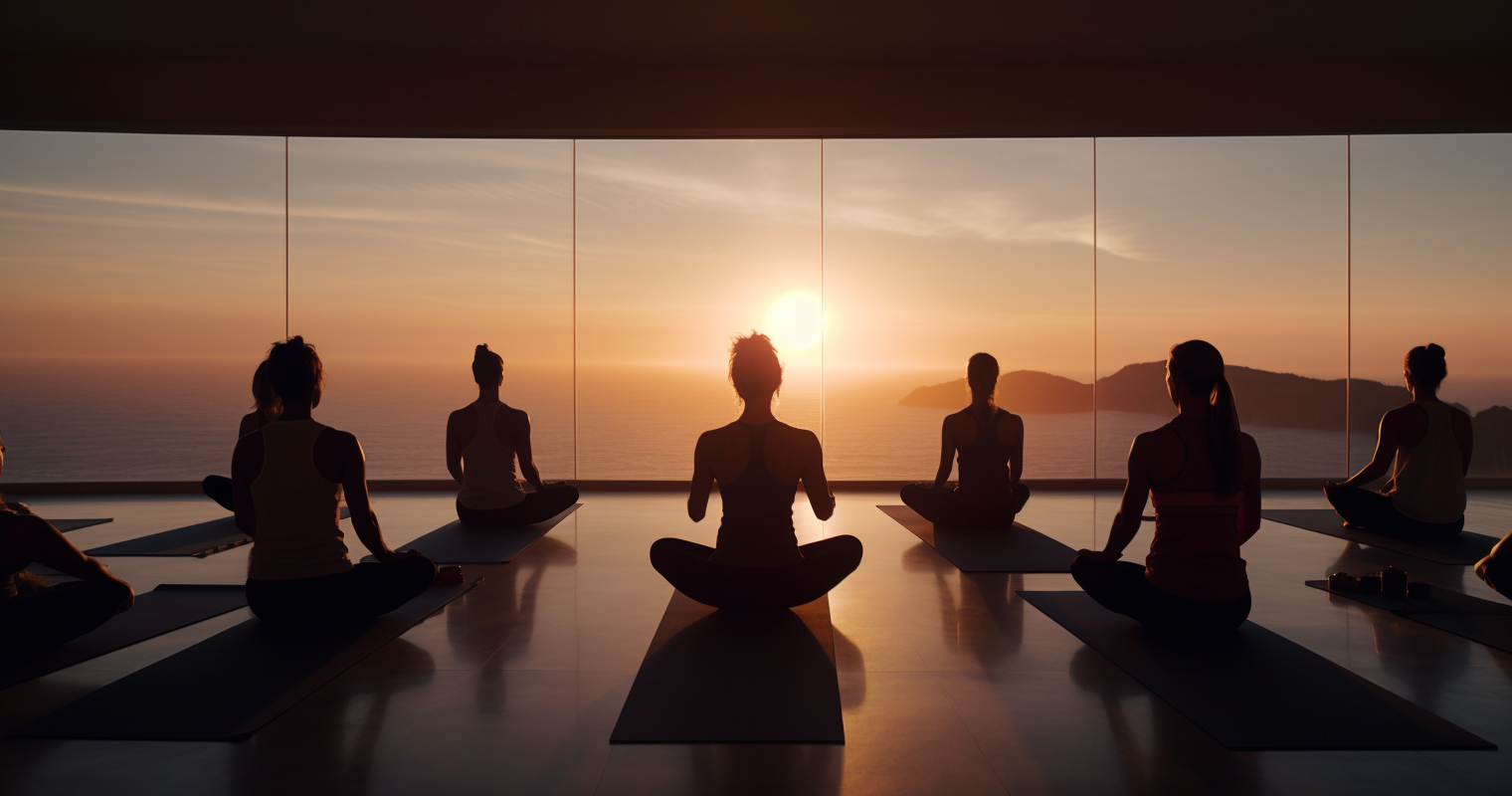
Interest in complementary and alternative medicine (CAM) is on the rise across the Bahamas, with therapies ranging from acupuncture and chiropractic treatment to herbal remedies and traditional folk healing accessible primarily in Nassau and Freeport. Despite this growing demand, the majority of CAM practitioners work outside any formal government licensing or registration framework, which means that patients themselves bear the primary responsibility for checking the credentials of whoever they consult.
| Item | Details |
|---|---|
| CAM regulation status | No mandatory licensing or government registration for most CAM practitioners (as of 2024) |
| Main regulatory body (conventional medicine) | Health Professions Council (HPC) — does not currently cover most CAM modalities |
| NHI CAM coverage | National Health Insurance focuses on primary and preventive care; CAM generally not covered (as of 2024) |
| Private insurance CAM coverage | Some international and local private plans include chiropractic; acupuncture coverage varies by plan (as of 2024) |
| Primary CAM hub | Nassau (New Providence) — widest availability; more limited on Family Islands |
| Key professional associations | Bahamas Chiropractic Association; Bahamas Acupuncture and TCM Association; Bahamas Massage Therapy Association |
What types of complementary and alternative medicine are available in the Bahamas?
CAM is attracting a growing following throughout the Bahamas, with many residents and expats turning to alternative and complementary approaches to support their health alongside conventional care. The breadth of therapies on offer is most apparent in Nassau, while options become noticeably scarcer across the outer Family Islands.
Traditional Chinese Medicine (TCM) — an integrated system of healthcare encompassing acupuncture, herbal preparations, and related natural therapies — has been gaining traction in the Bahamas, with practitioners treating patients for a wide variety of conditions including persistent pain, anxiety disorders, and fertility concerns. Acupuncture in particular is one of the more accessible CAM options in Nassau, available through dedicated TCM clinics as well as at certain integrative wellness centres.
Massage therapy, which uses the manipulation of soft tissues to ease pain, stimulate circulation, and encourage relaxation, is widely sought after throughout the islands. It can be found in standalone therapeutic clinics and as part of broader resort and spa offerings — a setting that has helped give it a high profile across the archipelago, even in locations where other CAM therapies are not available.
Herbal medicine has deep roots in the Bahamas, with plant-based healing traditions stretching back generations. Numerous herbs and medicinal plants are cultivated locally, and they continue to be used by many people to address digestive complaints, skin conditions, respiratory ailments, and various other health concerns.
Chiropractic care also has an established presence in the Bahamas. The Bahamas Chiropractic Association advocates for the discipline and maintains a directory of chiropractors practising in the country, providing a useful reference point for anyone seeking this type of care.
Further modalities available in the Bahamas include naturopathy, homeopathy, reflexology, energy-based therapies such as Reiki, and mind-body practices including yoga and meditation. Compared with larger markets such as the United States or Australia — where naturopathy and homeopathy are supported by well-developed professional organisations and, in certain jurisdictions, formal statutory recognition — these disciplines operate in a considerably less structured environment in the Bahamas, typically delivered by individual practitioners without the benefit of collective professional governance.
Is complementary and alternative medicine regulated in the Bahamas?
At present, there is no government requirement for CAM practitioners in the Bahamas to register with a statutory body or hold any particular qualification, meaning that in principle anyone may offer CAM services regardless of their level of training. This stands in marked contrast to countries such as the United Kingdom, where osteopaths and chiropractors are subject to statutory regulation under dedicated councils, or Australia, where practitioners of Chinese medicine must be registered with the Australian Health Practitioner Regulation Agency (AHPRA).
The Health Professions Council (HPC) was created under the Health Professions Act of 1998 and serves as the statutory authority responsible for regulating specific health professions across the Commonwealth of the Bahamas. However, its remit is principally focused on conventional healthcare disciplines rather than CAM practitioners. The HPC’s official website at hpcbahamas.com lists which professions currently fall within its registration framework.
The Bahamas Medical Council is the statutory body charged with overseeing medical practitioners in the Bahamas, operating under the Medical Act (1974) and Medical Regulations (1975) with Amendments. Its mandate covers conventional physicians rather than CAM therapists. Information about the Council can be found through the Government of the Bahamas portal.
In the absence of compulsory licensing, it is worth noting that a number of CAM practitioners in the Bahamas do hold genuine qualifications and certifications obtained through recognised training programmes. The task for patients is to investigate these credentials themselves before proceeding with treatment. Voluntary professional associations play a central role in maintaining standards in this environment, functioning in a manner more akin to the self-regulatory tradition found historically in parts of Europe than to the statutory oversight model prevalent in the UK or Australia.
As CAM continues to grow in prominence throughout the Bahamas, calls for a more structured regulatory approach may intensify, with the potential to improve access to safe, effective treatments and to facilitate closer integration between CAM and the conventional health system. The Ministry of Health and Wellness is the appropriate authority to consult for any updates to the regulatory landscape, since the position may evolve.
Is CAM covered by health insurance or the public healthcare system in the Bahamas?
Bahamian citizens and legal residents may be eligible for coverage through the National Health Insurance (NHI) scheme, though expats residing in the Bahamas on a short-term basis are typically excluded from eligibility. The NHI’s benefit package is oriented towards preventive and primary care, including vaccinations, blood sugar monitoring, pap smears, and prostate screening. As of 2024, CAM therapies do not form part of the NHI’s covered services.
The National Health Insurance Authority (NHIA) has tabled draft legislation intended to strengthen primary care provision across the country and advance the goal of universal health coverage. However, there is no current indication that this proposed legislation will extend to CAM treatments. The NHI Bahamas official website is the best source for tracking any changes to what the scheme covers.
The situation with private insurance is more varied. Certain international health insurance products include complementary therapy benefits — covering treatments such as acupuncture and chiropractic care — and these plans tend to appeal to expat professionals and families based in the Bahamas who require wider coverage. International providers such as BUPA are among those whose higher-tier plans may encompass such benefits.
Among domestic insurers, coverage differs considerably between plans and tiers. Policy documents from Bahamian private insurer Bahama Health (based on the most recently available schedule, dated 2018) indicate that chiropractic treatment appears as a covered benefit under some plans with a BSD$40 copayment per visit, while other tiers within the same insurer list it as providing no benefit at all. This variability makes it essential to read policy terms carefully rather than assuming coverage is in place.
Acupuncture, massage therapy, naturopathy, and the majority of other CAM modalities are generally not reimbursable under standard local private insurance plans as of 2024. For those to whom CAM reimbursement matters, the recommended approach is to seek out international health insurance products that include a specific complementary therapies benefit or rider. Confirm the current terms directly with any prospective insurer before committing.
How much does complementary and alternative medicine cost in the Bahamas?
CAM fees in the Bahamas are broadly consistent with pricing seen elsewhere in the Caribbean and in North America, though they can vary substantially depending on the type of therapy, the individual practitioner’s qualifications and location, and whether you are seeking treatment in Nassau, Freeport, or a more remote island. All figures below are indicative estimates as of 2024 and should be confirmed directly with practitioners, as prices are subject to change.
Chiropractic consultations in Nassau generally fall in the range of approximately BSD$80 to BSD$150 per session (as of 2024). Since the Bahamian dollar is pegged at parity with the US dollar, these figures are directly equivalent in USD terms. Initial consultations, which tend to be longer and may include assessment and diagnostic imaging, typically sit toward the higher end of this range, while follow-up visits are usually less costly.
Acupuncture treatments in Nassau are typically priced at around BSD$75 to BSD$130 per session (as of 2024), with some practitioners offering multi-session packages at a reduced per-visit rate. TCM practitioners may bundle acupuncture with herbal consultations, in which case the cost of the herbal prescription itself will be charged separately.
Massage therapy fees depend heavily on the context in which the service is delivered. Resort and spa settings tend to charge a premium — frequently BSD$100 to BSD$200 or more per hour (as of 2024) — while dedicated therapeutic or clinical massage practices may offer sessions starting from around BSD$60 to BSD$100 per hour. Remedial or clinical massage generally commands higher fees than relaxation-oriented treatments.
Herbal medicine consultations, naturopathy appointments, and other less formally structured therapies do not have standardised fee schedules, and individual practitioners set their own prices. For the most reliable current pricing information, contact practitioners directly or approach relevant professional associations such as the Bahamas Chiropractic Association or the Bahamas Natural Health Association, which may be able to provide referrals and a general sense of prevailing fee levels.
How do I find a qualified CAM practitioner in the Bahamas?
Locating a reputable CAM practitioner in the Bahamas calls for careful research, given that there is no compulsory government register to consult. The most dependable starting points are the voluntary professional associations, which maintain their own lists of practitioners and referral contacts.
- Check professional association directories. The Bahamas Chiropractic Association advocates for the practice and maintains a directory of chiropractors working in the Bahamas. For TCM and acupuncture, the Bahamas Acupuncture and Traditional Chinese Medicine Association supports the field, provides resources for patients, and can connect you with qualified practitioners.
- Consult massage therapy associations. The Bahamas Massage Therapy Association offers guidance on the practice and can refer you to therapists who meet the association’s own standards for training and professional conduct. Getting in touch with the association directly is a practical way to find vetted practitioners.
- Request a referral from your GP or specialist. Physicians at private facilities such as Doctors Hospital in Nassau may be able to point you towards CAM practitioners whose work they are familiar with, especially for modalities with clear clinical applications such as chiropractic treatment or physiotherapy.
- Ask the practitioner directly about their qualifications. Since government registration is not required, it is entirely appropriate to ask any potential practitioner about their training background, the professional body under which they qualified, and whether they carry professional liability insurance. Any practitioner with genuine credentials should be willing to answer these questions without hesitation.
- Confirm any overseas registration. Many CAM practitioners in the Bahamas hold qualifications and active registration from the US, UK, Canada, or another jurisdiction. Cross-checking with the relevant overseas regulatory authority — such as the US National Board of Chiropractic Examiners or the UK’s General Chiropractic Council — can provide a useful additional level of reassurance.
- Be alert to warning signs. Exercise caution with any CAM provider who makes sweeping claims about curing serious diseases, applies pressure to purchase expensive treatment packages upfront, or advises against consulting a conventional doctor. These are warning signs that should give pause regardless of the country or context.
For those interested in herbal medicine and natural health approaches more broadly, the Bahamas Natural Health Association serves as a resource hub for information on plant-based therapies and other natural health practices in the Bahamas and may be a useful point of contact for referrals.
Are there traditional or indigenous medicine systems practised in the Bahamas?
The Bahamas possesses a distinctive tradition of folk and herbal healing that predates the formalised healthcare system and remains woven into the cultural fabric of the islands, most visibly in smaller communities throughout the archipelago. Drawing on African, Caribbean, and indigenous Bahamian influences, this tradition is commonly known as “bush medicine” — the gathering and preparation of locally found plants and botanicals passed down across generations.
The traditional medical systems of smaller Bahamian islands have been examined through community health research, which indicates that these practices have historically played an effective role in addressing and managing a range of health conditions. Part of their recorded success has been attributed to the purposeful use of native medicinal plant species, a number of which contain biologically active compounds that may have genuine therapeutic value for certain conditions.
In more recent decades, the Bahamian islands have undergone a relatively gradual process of medical modernisation, marked by improved access to Westernised healthcare and the incremental replacement of traditional plant remedies by imported pharmaceutical products. Even so, traditional herbal preparations continue to be used alongside — rather than wholly displaced by — conventional medicine, particularly among older Bahamians and in communities further from urban centres.
Traditional folk healing in the Bahamas has no formal state recognition or regulatory framework. There is no government licensing system specifically designed for traditional healers or bush medicine practitioners, and no equivalent of the formal integration seen in certain other countries — for instance, the statutory incorporation of traditional medicine within Thailand’s national health system, or the legal protection afforded to traditional Māori healing in New Zealand. Nevertheless, the cultural importance of these practices is broadly acknowledged, and they continue to exist alongside both conventional healthcare and imported Western CAM disciplines as part of everyday life in the Bahamas.
What should expats know about using CAM alongside conventional medicine in the Bahamas?
For expats, the safest approach to CAM in the Bahamas is to treat it as a complement to conventional medical care rather than a substitute for it. The Bahamian healthcare infrastructure encompasses public hospitals, clinics, and community health facilities distributed across the islands, but there is a pronounced gap in both the quality and accessibility of services between Nassau and Freeport on one hand and the outlying Family Islands on the other. The same disparity holds true for CAM: the greatest variety of therapies is concentrated in Nassau.
The attitudes of conventional physicians in the Bahamas towards CAM vary on an individual basis, as they do in countries around the world. There is no overarching policy of integrative medicine embedded within the public health system, and clinics that formally combine conventional and CAM approaches under a single roof are uncommon compared with what you might encounter in major US or UK cities. That said, privately practising physicians — especially those who received training abroad — are increasingly open to discussing CAM and may refer patients to specific practitioners whose work they are familiar with.
One of the most important safety considerations when combining CAM with conventional medicine is the risk of interactions between herbal preparations and prescription drugs. Many plant-based remedies used in traditional Bahamian healing, TCM, or naturopathic practice can interfere with the action of medications. St John’s Wort, for example, can diminish the effectiveness of certain hormonal contraceptives and antiretroviral treatments; concentrated ginger and garlic supplements may affect blood clotting in patients taking anticoagulant therapy. It is essential to inform your conventional doctor about any herbal products or CAM treatments you are receiving — this is sound advice anywhere in the world, but particularly relevant in a setting where communication between prescribers and CAM practitioners may not occur routinely.
The Ministry of Health and Wellness carries responsibility for the oversight of medicines and health products in the Bahamas. Expats are advised to exercise caution when buying herbal or natural health products from unregulated vendors, as standards for product quality and labelling may differ significantly from those in countries with robust medicines regulation. Choosing products from reputable suppliers and, where feasible, brands that are regulated in their country of origin is a prudent approach.
Certain specialist interventions or treatments may necessitate medical evacuation to another country, which is precisely why expats planning to live in the Bahamas are strongly encouraged to secure a health insurance policy offering comprehensive coverage. This consideration is equally relevant in situations where an adverse outcome following a CAM treatment requires specialist follow-up care that is not available locally.
Frequently asked questions about CAM in the Bahamas
Is it easy to find CAM practitioners who speak languages other than English in the Bahamas?
English is the predominant language of the Bahamas, and the overwhelming majority of CAM practitioners — like other healthcare providers — conduct consultations in English. In Nassau, certain TCM and acupuncture practitioners may be Mandarin or Cantonese speakers, reflecting the background of Chinese-trained practitioners active in that field. For speakers of other languages, identifying practitioners through international community networks or expat forums before relocating is a sensible step.
Are all CAM therapies legal in the Bahamas?
No mainstream CAM therapy is known to be subject to any legal prohibition in the Bahamas. Acupuncture, chiropractic care, herbal medicine, homeopathy, massage therapy, naturopathy, and yoga are all practised lawfully. Since CAM practitioners are not currently required to register or hold a licence, the absence of a legal ban means these therapies are permitted — but it equally means there is no statutory assurance of practitioner competence. Verifying qualifications independently remains important.
How can I verify a CAM practitioner’s credentials in the Bahamas?
Given the absence of a mandatory government register for most CAM disciplines, the verification process rests primarily on direct enquiry with the practitioner. Request copies of their training certificates and ask which institution or professional body issued them. If they hold overseas registration — for example, with the UK’s General Chiropractic Council or a US state licensing board — this can be confirmed through those bodies’ online registers. The Health Professions Council’s register, accessible at register.hpcbahamas.com, covers regulated health professionals in the Bahamas, though most CAM practitioners will not be listed there given the current regulatory framework.
Does the National Health Insurance (NHI) in the Bahamas cover any CAM treatments?
The NHI is structured around preventive and primary care, providing coverage for services such as vaccinations, blood sugar testing, pap smears, and prostate examinations. CAM therapies are not included in the NHI’s current benefit package as of 2024. The National Health Insurance Authority is the official source for up-to-date information on covered services.
Is chiropractic care available and covered by insurance in the Bahamas?
Chiropractic care is available in Nassau through practitioners listed with the Bahamas Chiropractic Association, making it feasible to locate a qualified chiropractor. Whether your insurance covers the cost will depend on your specific plan: some private insurance plans in the Bahamas include chiropractic treatment with a BSD$40 copayment per visit, while others exclude it entirely. Review your policy schedule carefully for the current position as of 2024.
What is “bush medicine” and is it safe to use in the Bahamas?
Bush medicine is the traditional Bahamian practice of utilising locally gathered plants and herbal preparations for therapeutic purposes. Research into these traditions suggests that some indigenous plant species may possess genuine medicinal properties, and the practice has historically played a meaningful role in community health across the islands. However, safety and effectiveness are not consistent across all preparations. As with any herbal remedy, the potential for herb-drug interactions is real and should not be dismissed. Always discuss any traditional or plant-based products you are using with your conventional doctor, especially if you are taking prescription medications.
Are CAM services available on the Family Islands, or only in Nassau?
Formal CAM services are predominantly concentrated in Nassau and, to a lesser degree, in Freeport. The disparity in healthcare access between these urban centres and the outlying Family Islands is considerable, and this extends equally to CAM provision. Expats who relocate to the Family Islands should anticipate very restricted access to organised CAM therapies and may need to make periodic trips to Nassau if they wish to continue any ongoing treatments.
Should I tell my conventional doctor in the Bahamas about CAM treatments I am using?
Yes — disclosure is essential for your own safety. Interactions between herbal preparations and pharmaceutical drugs are well documented, and certain supplements may alter how prescription medications are metabolised in the body or affect the reliability of diagnostic tests. Although there is no formally integrated medicine framework within the Bahamian public health system, private doctors are accustomed to patients who use CAM alongside conventional treatment. Sharing a complete picture of all the therapies and supplements you are using enables your doctor to oversee your care more effectively and flag any potential risks. The Ministry of Health and Wellness is the appropriate authority for guidance on medicines safety in the Bahamas.