
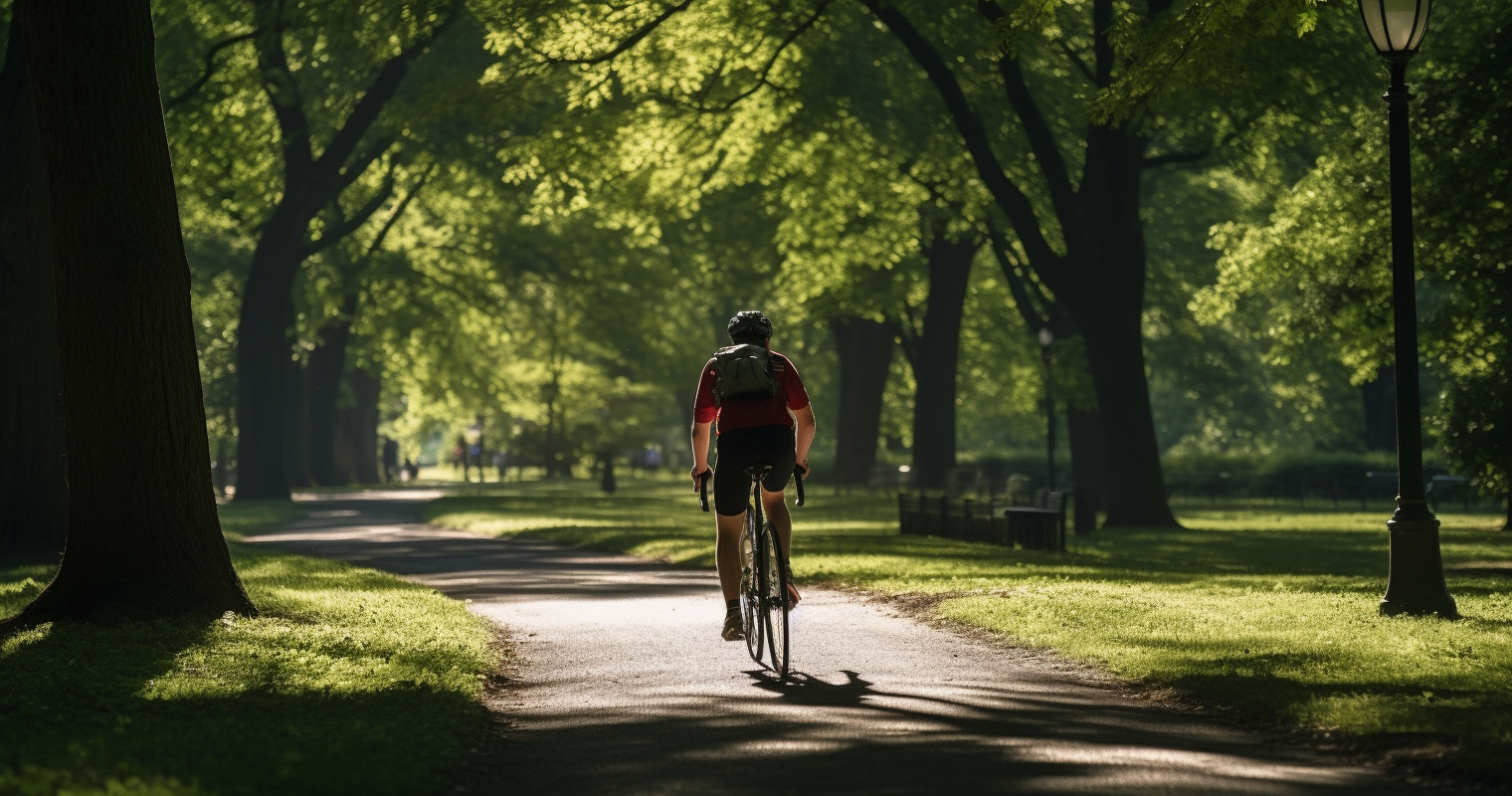
Cycling in Belize serves as both a practical mode of everyday transport and a fulfilling recreational pursuit. Bicycles have been woven into the fabric of Belizean life for generations, with locals depending on them for getting to work, running errands, and much more. That said, dedicated cycling infrastructure is scarce, road safety is a genuine concern, and conditions differ markedly between urban centres, cayes, and the countryside. Expats who approach cycling with realistic expectations and thoughtful preparation will find it a rewarding way to experience the country.
| Item | Details |
|---|---|
| Cycling culture | Deeply embedded in daily life; bicycles used for commuting, school, and errands across all ages |
| Dedicated infrastructure | Very limited; approximately 10 km of dedicated cycle paths nationwide (as of 2023); most roads lack cycle lanes |
| Helmet law | No national mandatory helmet law for cyclists; strongly recommended given road conditions |
| Bike registration | Legally required under Belize’s Motor Vehicles and Road Traffic Act (Chapter 230) |
| Road safety | Road fatality rate higher than the regional average; road traffic accidents surged in 2024 |
| Bike rental availability | Widely available in tourist areas (Ambergris Caye, Caye Caulker, San Ignacio); limited elsewhere |
| Key authority | Belize Department of Transport (under the Ministry of Infrastructure Development) |
| Cycling federation | Cycling Federation of Belize (CFB) |
How popular is cycling in Belize — is it a common way to get around?
The bicycle has been a fixture of everyday Belizean life since colonial times, originally taking hold because it was far more affordable than a car and distances between settlements were manageable on two wheels. Children pedalled to school while adults rode to jobs and markets — a pattern that has remained largely intact to this day.
The bicycle continues to hold a central role in Belizean society, meaning different things to different people. For many households, it is the sole means of getting around — indispensable for reaching workplaces, schools, shops, and beyond, regardless of whether the rider is a child, an adult, a civil servant, or a tradesperson. It is also common to see parents transporting young children by bicycle.
Cycling functions both as a workaday commuting solution and as a draw for visitors who hire bikes to take in Belize’s varied landscapes. This combination of utilitarian necessity and tourist appeal is key to understanding the bicycle’s enduring place in Belizean culture.
Compared with cycling-oriented nations such as the Netherlands or Denmark — where purpose-built networks, urban planning principles, and deeply rooted habits have made the bicycle the go-to choice for short trips — Belize’s cycling culture is less institutionalised. It more closely resembles cycling traditions found across much of Southeast Asia or the wider Caribbean, where the bicycle is valued above all as an affordable, practical everyday tool rather than a lifestyle marker or sporting statement. Cycling has become particularly prevalent as a means of urban transport. The competitive side of the sport also carries weight: Belize hosts several cycling events each year that draw participants from far afield, and the Belmopan Cycling Classic stands out as one of the country’s most prominent, attracting hundreds of riders annually.
What is the cycling infrastructure like in Belize?
Belize’s cycling infrastructure is sparse, with the road network designed overwhelmingly around motor vehicles. The government has taken some steps to address this imbalance over the years, though progress has been gradual and the overall provision remains thin by international standards.
The country’s dedicated cycle paths total roughly 10 km nationwide. These purpose-built corridors are physically separated from motor traffic and are kept in reasonable condition, offering cyclists views of the surrounding scenery along the way. Among the most notable is the “Belize City Coastal Road,” an 8 km stretch that runs parallel to the coast.
Beyond dedicated paths, a number of bike lanes exist alongside main roads in certain locations. Marked clearly and separated from moving traffic by painted lines or physical barriers, these lanes are designed to accommodate cyclists of varying experience levels. They are, however, concentrated around Belize City and Belmopan and do not extend meaningfully into rural communities.
The country’s primary arterial route runs north to south, and there are few meaningful alternatives for through-cyclists. Coastal villages are served by a network of smaller roads, though the surfaces are often in poor condition. Away from the George Price Highway and the Philip Goldson Highway, unpaved tracks are the norm — a reality that shapes route planning for anyone cycling regularly in Belize.
The Ministry of Infrastructure Development and Housing and the Department of Transport jointly oversee the national road network and cycling-related provisions. Expats planning cycle commutes are encouraged to consult the Department of Transport’s latest route information, as investment in cycling facilities is continuing and the situation may evolve. The Cycling Federation of Belize (CFB) is another valuable resource for up-to-date route guidance and community connections.
Is cycling safe in Belize?
Road safety across Belize is a serious concern. Accidents occur frequently, and roadside emergency assistance is largely absent — a fundamental reality that every cyclist, whether a daily commuter or a weekend explorer, must take into account. Traffic incidents represent a substantial risk, with Belize’s road fatality rate exceeding that of the United States. Most fatalities involve motorcycles or happen on rural stretches of road.
The year 2024 saw a troubling escalation in road traffic accidents across highways, city streets, and rural tracks alike. Fatalities were attributed to speeding, reckless overtaking manoeuvres, deteriorating road surfaces, and an absence of adequate safety measures. Prime Minister John Briceño responded with an urgent call for comprehensive reform of road safety legislation, highlighting the need to address mounting casualties through new laws, tighter enforcement, and a fundamental change in how road users behave.
Drivers do not consistently observe traffic regulations and can behave aggressively or recklessly. That said, the picture is not uniform across the country — large freight vehicles are relatively scarce on many roads, and some areas see fairly orderly traffic where drivers exercise reasonable care. The contrast between quieter rural backroads and busy arterial routes like the Philip Goldson Highway is considerable.
Belize has no national law requiring cyclists to wear helmets. The country does not appear on any global compilation of nations with universally mandated and enforced helmet laws — a group that currently includes Argentina, Cyprus, Australia, Namibia, and New Zealand. Nevertheless, given the road conditions and accident rates outlined here, wearing a certified helmet is very strongly advised for all cyclists, regardless of age. Expats arriving from countries where helmet use is legally required — such as Australia or New Zealand — should note that no such obligation applies in Belize, though the arguments for wearing one are if anything more compelling here. It is worth checking the Belize Department of Transport periodically for any changes to helmet-related rules.
For the most current road safety data, consult the WHO’s Belize road safety country profile (2023) and the Global Road Safety Facility’s country-level data for Belize. Figures covering 2024 were still undergoing verification by the Ministry of Health as of early 2025, according to official communications.
What are the rules of the road for cyclists in Belize?
The primary legislation governing cyclists in Belize is the Motor Vehicles and Road Traffic Act, Chapter 230 (Revised Edition 2011), administered by the Belize Department of Transport. This Act requires bicycles to be licensed (registered) and addresses the validity, form, and transfer of registration, stipulating that registration must be completed by the owner. A transport officer holds the power to require that the bicycle be produced for inspection and may withhold registration if conditions are not met.
The key road rules that cyclists need to know under Belizean traffic law include:
- Keep right: Traffic in Belize travels on the right-hand side of the road. Cyclists should ride on the right and position themselves as far to the right as is safely possible.
- Obey traffic signals: Cyclists are bound by the same traffic lights and road signs as drivers of motor vehicles. Running a red light or ignoring a stop sign constitutes an offence.
- Lighting requirements at night: After dark, cyclists must be equipped with a functioning white front light and either a rear red reflector or a rear red light — a standard requirement shared with most national traffic codes.
- Hands on handlebars: Cyclists are required to keep at least one hand on the handlebars at all times while riding.
- No towing: It is prohibited for a cyclist to be towed behind a motor vehicle.
- Helmet: No national mandatory helmet law applies to general cycling, though helmets are strongly advised. Expats should also check for any additional local rules, as individual municipalities or town boards may impose their own requirements.
In practice, compliance with traffic laws among cyclists on Belize’s streets is inconsistent, which itself contributes to road hazards. As an expat, maintaining consistent adherence to the rules will enhance your personal safety and set a constructive example, even where local riding norms are more casual.
Amendments to road traffic regulations are published by the National Assembly of Belize. The most recent amending instrument is SI No. 22 of 2024. Always consult the Department of Transport or a qualified Belizean legal adviser for the complete and current text of the law before cycling regularly in Belize.
Do I need to register my bike or have insurance to cycle in Belize?
In contrast to the majority of countries where bicycle registration is either voluntary or non-existent, Belize’s Motor Vehicles and Road Traffic Act (Chapter 230) makes registration a legal obligation. The Act addresses the validity of registration, its form and transferability, the requirement for the owner to complete the process, and the authority of transport officers to demand that the bicycle be produced or to decline registration in certain circumstances. Registration plates must be affixed to the bicycle, and failing to produce registration documentation carries penalties. A police officer is also empowered to detain a bicycle. This represents a notably stricter regime than most other countries, where bicycle registration — if it exists at all — tends to be handled on a voluntary or locally managed basis.
The practical reality is that enforcement of registration requirements varies considerably across Belize, and a significant number of local cyclists may not be compliant. Nevertheless, as an expat, following the legal requirement is advisable to avoid difficulties with police or transport officials. Consult the Belize Department of Transport for current registration fees and the relevant procedures, as these are subject to change. The Department operates offices in both Belize City and Belmopan.
Belize does not impose any mandatory third-party liability insurance requirement specifically on cyclists. However, given the state of the roads, the frequency of accidents, and the potential expense of medical treatment, taking out personal accident insurance or confirming that your existing international health or travel policy covers cycling incidents is highly recommended. Expats relocating from countries where cycling insurance is routinely bundled into home contents policies — as is common in Germany or the Netherlands — should make sure equivalent protection is in place before riding regularly. A licensed insurance broker in Belize will be able to advise on available products and current pricing.
Are there public bike-sharing or rental schemes in Belize?
As of 2025, Belize has no formally operated municipal bike-share programme comparable to well-known systems such as London’s Santander Cycles or Paris’s Vélib’. There is no large-scale, app-based public bicycle network running across Belize City or Belmopan. In this respect, Belize’s urban cycling provision lags considerably behind many European and North American cities.
Cycling is popular in urban hubs like Belize City and San Pedro, and both locations — particularly on the cayes — support a lively informal rental market serving residents and visitors alike. E-bike hire is available in San Pedro on Ambergris Caye, where operators such as Breeze Bike Rentals provide electric bicycles well suited to the island’s occasionally uneven surfaces, with a straightforward rental and return process. Pricing for both e-bikes and standard bicycles varies by operator; prospective renters should check directly with the operator’s website or enquire on arrival for current daily and weekly rates (as of 2025).
In popular tourist destinations including Caye Caulker, San Ignacio, and Placencia, bicycle hire from guesthouses, tour companies, and dedicated rental outlets is readily accessible. Standard bicycles typically rent for approximately BZ$10–BZ$30 per day (around US$5–US$15), though rates shift by season and operator — always confirm pricing directly before committing. For guided cycling excursions, operators such as Green Belize Adventures, based in San Ignacio, offer escorted rides through the Cayo District and to nearby Mayan heritage sites.
For the most current information on rental availability across the country, the Belize Tourism Board can direct you to licensed operators in your area.
Where can I buy or service a bike in Belize?
Belize’s bicycle retail and repair sector is modest compared with what expats from larger cities may be used to. Belize City and San Pedro function as the primary urban hubs, and both have bicycle shops and repair workshops catering to local needs. Hardware stores and general merchandise retailers in towns such as Orange Walk, Dangriga, and San Ignacio also stock entry-level and mid-range bicycles.
Because bicycles sold in Belize are almost entirely imported, prices tend to run higher than in countries that manufacture bikes domestically or benefit from large retail chains. Expect to pay more than you would for a comparable model in Mexico or Guatemala. The second-hand market offers better value and is active across the country — local classifieds, community notice boards, and expat Facebook groups are worth monitoring for deals. The informal nature of this market, which lacks the consumer protection frameworks common in the EU or Australia, means any used bicycle should be carefully inspected before purchase.
Routine mechanical work — puncture repairs, brake adjustments, chain replacements — is available in most towns. However, specialist repairs involving high-end components such as electronic groupsets, hydraulic disc brakes, or carbon frames are difficult to source outside Belize City. Expats relocating with performance bicycles should bring a comprehensive set of tools and a stock of spare parts, as supply chains for specialist cycling equipment can be slow and costly in Belize. The Cycling Federation of Belize may be able to point you towards reputable mechanics and reliable suppliers.
Can I bring my bike when I move to Belize, and are there any import rules?
If you plan to bring your bicycle when you relocate to Belize, you will need to navigate the country’s customs procedures, which are administered by the Belize Customs and Excise Department. Bicycles entering Belize are treated as imported goods and are subject to applicable duties, though important exemptions exist.
Belize provides a household effects exemption for individuals migrating to the country as permanent residents or under recognised residency schemes. Under this provision, used personal belongings — including bicycles — that have been owned and in use for a qualifying period before the move may be brought in without incurring import duty. The precise conditions, documentation requirements, and qualifying period for this exemption must be confirmed directly with the Customs Department before your shipment departs, as the rules may be amended.
For bicycles imported as new items, or where the household effects window does not apply, import duty and General Sales Tax (GST) will ordinarily be levied. Applicable duty rates for bicycles are set within Belize’s Common External Tariff schedule in accordance with CARICOM arrangements, and the precise rate depends on the bicycle’s classification (standard bicycle, e-bike, etc.) and its declared customs value. Always obtain a current tariff classification and duty rate from the Belize Customs and Excise Department before shipping your bike, and consider engaging a licensed customs broker in Belize to handle the process. Rates can change, so do not rely on outdated figures — verify with official sources at the time of your move.
When shipping a bicycle internationally, pack it securely — ideally in a hard-shell case — and insure it adequately for the transit journey. Include a full packing list with a declared value, and retain purchase receipts if the bicycle is new, or proof of prior ownership if you intend to claim the household effects exemption.
What are the best cycling routes or destinations in Belize?
Belize has something to offer cyclists across the ability spectrum, from those looking for a gentle coastal ride to experienced tourers seeking a serious challenge — provided route planning takes road conditions and safety squarely into account.
The Hummingbird Highway is frequently cited as the most celebrated cycling road in the country. Stretching south from Belmopan towards Dangriga, it passes through Blue Hole National Park and winds through terrain that inspires equal measures of awe and apprehension among locals who know its hills. For touring cyclists accustomed to hilly routes, it is widely regarded as one of Belize’s most visually stunning stretches, threading through dense tropical forest and past roadside vendors selling fresh fruit.
The Western Highway (George Price Highway) linking Belize City to San Ignacio is a well-established touring route offering relatively good road surfaces by local standards and access to the Cayo District’s Mayan ruins, jungle lodges, and vibrant market towns. Riders coming from more congested cycling environments will find Belize’s quieter roads a refreshing change of pace.
Caye Caulker and Ambergris Caye are the natural choice for casual and leisure cyclists. Both islands are compact, largely flat, and car-free in their central areas, making them among the most genuinely accessible cycling environments anywhere in Belize. They also rank among the country’s safest destinations for visitors, and cycling around them is a popular daily activity for locals and tourists alike.
The Northern Highway (Philip Goldson Highway) runs from Belize City to the Mexican border, passing through sugar cane fields and wildlife sanctuaries including Crooked Tree. It is a favoured route among touring cyclists, though the absence of a proper road shoulder in many sections demands constant alertness. High traffic volumes, stretches of deteriorating asphalt, and unpredictable driving behaviour make early morning departures and high-visibility clothing essential on this road.
For off-road and mountain biking, the Cayo District around San Ignacio and the Mountain Pine Ridge Forest Reserve provide outstanding rough-terrain riding, with tracks leading to waterfalls, cave systems, and Mayan archaeological sites. Contact the Belize Tourism Board or the Cycling Federation of Belize for current route maps, guided trail recommendations, and information on upcoming cycling events.
Frequently asked questions about cycling in Belize
Is cycling a realistic option for daily commuting as an expat in Belize?
Yes, in many towns and on the cayes, cycling is entirely practical for daily commuting. Belize City, San Ignacio, Belmopan, and the island communities of Ambergris Caye and Caye Caulker are all manageable by bike for most journeys. Rural commutes are more challenging due to unpaved roads and limited infrastructure. If you live close to work or essential services, cycling can be a cost-effective and enjoyable daily option.
Do I legally need to register my bicycle in Belize?
Yes. Under Belize’s Motor Vehicles and Road Traffic Act (Chapter 230), bicycles must be registered with the Department of Transport, and registration plates must be displayed. A transport officer may require you to produce your bicycle for inspection, and there are penalties for failing to produce registration documentation. Contact the Department of Transport for current registration fees and procedures.
Is wearing a helmet compulsory for cyclists in Belize?
There is no national mandatory helmet law for cyclists in Belize as of 2025. However, given the poor road conditions, elevated accident rates, and limited emergency medical infrastructure, wearing a quality helmet is very strongly recommended for all cyclists regardless of age. Some municipal authorities may have local rules in place — always check with your local town council or city authority to be sure.
How does cycling safety in Belize compare to other countries?
Road safety in Belize is generally considered poor. The road fatality rate is higher than in the United States, accidents surged in 2024, and emergency roadside assistance is not widely available. Compared with cycling in countries that have well-developed road safety cultures and dedicated infrastructure — such as the Netherlands, Germany, or Denmark — cycling in Belize carries meaningfully higher risk. Precautions such as wearing a helmet, using lights after dark, opting for quieter roads where possible, and riding during daylight hours are all essential measures.
Can I bring my bicycle duty-free when I relocate to Belize?
Possibly, yes — if your bicycle qualifies as part of your household effects under Belize’s customs exemption for migrants. Used personal belongings that were owned and in use before the move may be importable without duty, subject to specific conditions. New bicycles, or those imported outside the qualifying period, will typically attract import duty and GST. Always confirm the current rules and applicable rates with the Belize Customs and Excise Department before shipping your bike.
Are there bike shops and repair services in Belize?
Basic bicycle shops and repair workshops can be found in Belize City, San Pedro, San Ignacio, and other main towns. Entry-level and mid-range bikes are available new or second-hand. However, specialist servicing for high-end or technically complex components is hard to come by outside the capital. Expats with performance bicycles are advised to bring spare parts and tools with them when they relocate.
Is there a formal bike-share scheme in Belize?
No formal government-operated bike-share scheme exists in Belize as of 2025. Bicycle and e-bike rental from private operators is widely available in tourist areas such as San Pedro, Caye Caulker, and San Ignacio. Rental prices vary — confirm current rates directly with operators or through the Belize Tourism Board.
What are the best areas in Belize for expats who enjoy recreational cycling?
Caye Caulker and Ambergris Caye offer the most relaxed and cycling-friendly settings, being flat, compact, and largely free of motor traffic. The Cayo District, particularly around San Ignacio, is excellent for off-road and mountain biking. The Hummingbird Highway is widely regarded as one of the country’s most scenic road cycling routes. Both the Cycling Federation of Belize and the Belize Tourism Board are valuable resources for route planning and connecting with local cycling communities.