
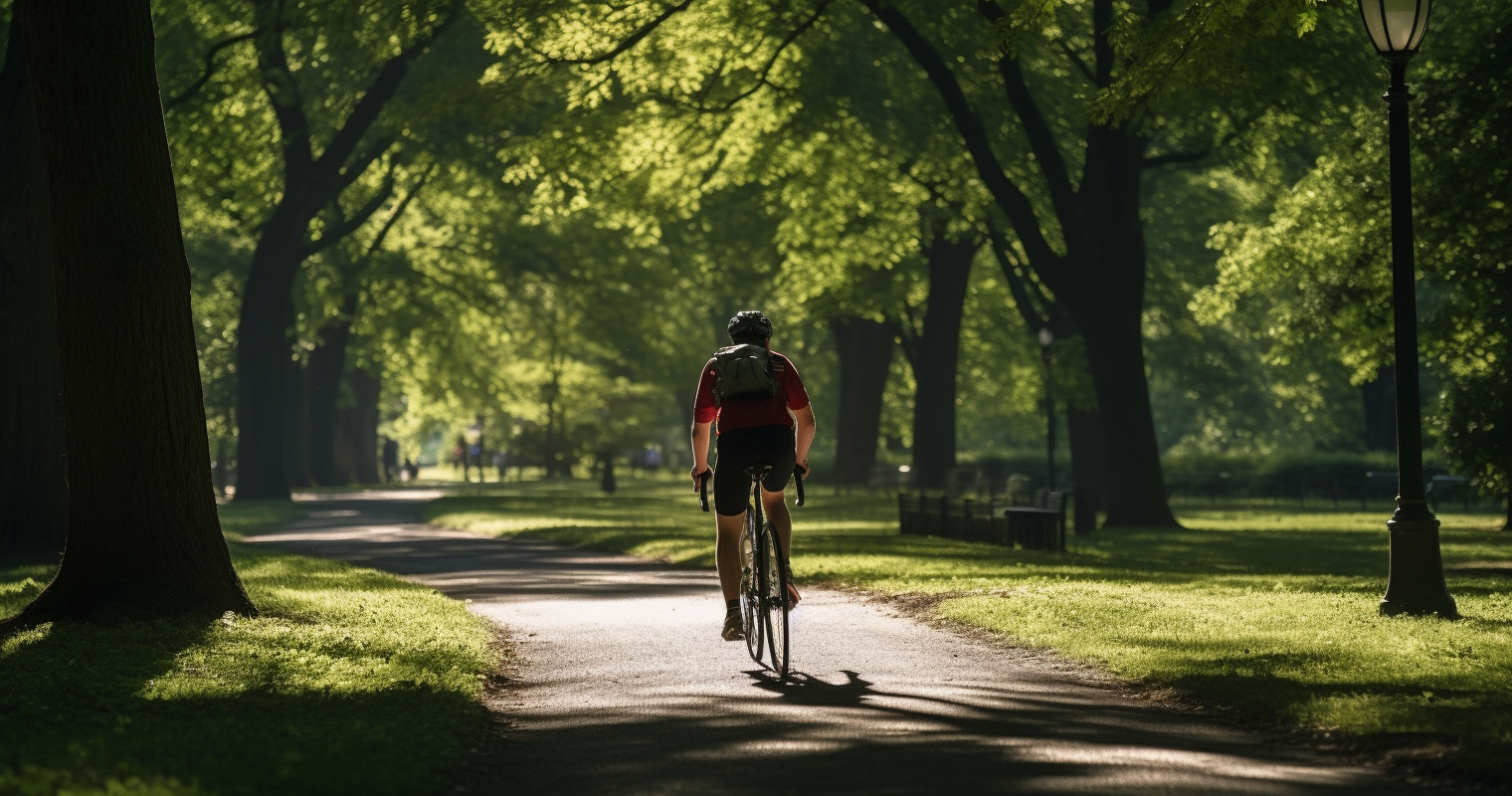
Cycling in Jamaica functions largely as a recreational pursuit and competitive sport rather than an everyday way of getting from A to B. Dedicated cycling lanes are scarce across the island, the terrain is often demanding, and traffic can be fast and unpredictable — all of which make routine cycling considerably more challenging here than in countries where two-wheeled commuting is the norm. Even so, an enthusiastic and growing rider community, breathtaking scenery, and a gradual shift toward sustainable transport mean that cycling in Jamaica has real appeal for those willing to embrace its particular character.
| Item | Details |
|---|---|
| Cycling culture | Primarily recreational and sporting; limited use for daily commuting |
| Dedicated cycle lanes | Very limited; no national network; some urban and resort-area paths |
| Helmet law | Not legally required for pedal cyclists (as of 2025); strongly recommended |
| Bike registration | Not required for non-motorised bicycles (as of 2025) |
| E-bike import duty | Reduced to 10% for e-bikes up to 3 years old (as of April 2024 – March 2029) |
| Road fatalities involving cyclists | Pedal cyclists accounted for approximately 5–6% of road fatalities (as of 2023) |
How popular is cycling in Jamaica — is it a common way to get around?
Cycling holds a very different place in Jamaican daily life compared with countries such as the Netherlands or Denmark, where bicycles are woven into the fabric of urban movement. In Jamaica, the bicycle is not the default choice for getting to work or running errands; private cars, route taxis, and minibuses carry the bulk of everyday journeys. That said, cycling is far from absent — in rural communities in particular, residents on lower incomes frequently rely on bikes for short trips, market visits, and local errands.
Grassroots initiatives such as Ride Ya Bike Jamaica, along with flagship events like Cycle Jamaica, have helped build meaningful momentum behind the sport, championing sustainability, community participation, and active wellbeing. These efforts reflect a wider generational shift among younger, health-conscious Jamaicans who are embracing the bicycle as both a fitness tool and a symbol of a more active lifestyle. Across Kingston, Montego Bay, and parishes throughout the island, cycling clubs are well established and run regular group rides.
The cycling scene in Jamaica spans road riding, mountain biking, and electric-assisted tours. Unlike the flat, purpose-designed cycling environments found in countries such as the Netherlands, Jamaica combines pronounced elevation changes, tropical weather, and variable road conditions. Expats arriving from cities with deeply embedded cycling cultures — Amsterdam, Copenhagen, or even parts of London — will notice the contrast immediately. Jamaica’s relationship with cycling sits closer to that of many Caribbean and Latin American nations: energetic and passionate, but not yet mainstream as a commuting mode.
The Jamaica Cycling Federation (JCF) is actively working to widen participation across all ages and abilities, from youth development programmes to community-based rides. For newcomers to the island, joining the JCF or a local club is one of the most effective ways to connect with the cycling community and discover routes that are safe and well-travelled. Full membership details and upcoming events are available on the Jamaica Cycling Federation website.
What is the cycling infrastructure like in Jamaica?
Jamaica has not yet developed anything approaching a comprehensive national cycling network of the kind found in Germany or the Netherlands. Dedicated cycle lanes are a rarity in most urban settings, and shared-use paths are largely confined to selected tourist resort areas, waterfront developments, and isolated urban corridors. In practice, the majority of road cycling takes place directly on the carriageway alongside motor vehicles, with no physical separation from traffic.
Compared with islands such as Barbados or destinations like Hawaii, Jamaica has fewer purpose-built cycling paths — but it compensates with exceptional off-road potential. For trail riders and mountain biking enthusiasts, the island’s varied topography and network of historic footpaths represent a genuine asset. The Blue Mountains, situated north-east of Kingston, are the standout example, with trail networks developed specifically for off-road cycling.
Gravity Jamaica has explored and charted the lower reaches of the Blue Mountain range, mapping more than two dozen mountain bike trails north-east of Kingston. These range in length from half a mile to 11 miles, offering options for riders of varying experience levels. In terms of off-road cycling provision, this is arguably Jamaica’s strongest offering for resident cyclists.
In urban areas, infrastructure investment tends to be channelled into tourist-facing corridors along the north coast — the areas around Montego Bay, Ocho Rios, and Negril — rather than into everyday commuting routes. Kingston’s cycling provision remains limited and uneven, though conversations about sustainable urban mobility are ongoing within the Ministry of Transport and Works. Expats can track infrastructure developments through the Ministry of Transport and Mining. Conditions vary considerably by region: rural roads range widely in quality, and many secondary routes have no road markings or usable shoulders at all.
Is cycling safe in Jamaica?
Road safety is a pressing concern for everyone using Jamaica’s roads, and cyclists are among those most exposed to risk. According to figures from the Road Safety Unit (RSU) within the Island Traffic Authority, Jamaica recorded 425 road fatalities in 2023 — a 13 per cent improvement on the equivalent period in 2022. While the downward trend is encouraging, the absolute numbers remain high for a country of Jamaica’s population size.
Taken together, vulnerable road users — pedestrians, pedal cyclists, motorcyclists, and pillion passengers — accounted for 59 per cent of all road fatalities in 2023. Pedal cyclists specifically made up six per cent of that total. Although this proportion may appear small in isolation, it translates into a meaningful number of lives lost and illustrates that cyclists face a disproportionately elevated risk compared with occupants of enclosed vehicles.
Speeding was identified as a contributing factor in 60 per cent of crashes on rural roads and featured in 23 per cent of all fatal collisions. This is particularly significant for cyclists on intercity and rural routes, where fast-moving traffic shares the road with no physical buffer to protect slower users. The National Road Safety Council has consistently identified excessive speed, careless overtaking, and failure to keep left as the primary causes of serious accidents.
Driver behaviour toward cyclists is inconsistent. In busy urban areas and on major highways, cyclists can find themselves contending with impatient or erratic driving. On quieter rural roads and during organised group rides, conditions are generally more manageable. The early hours of weekday mornings are widely regarded by experienced riders as the optimal time for road cycling. Wearing a helmet is not a legal requirement for pedal cyclists, but is emphatically recommended; fitting and using front and rear lights — even during the day — is also advised to maximise visibility.
For current road safety data and guidance, refer to the Road Safety Unit of the Ministry of Transport and Mining and the National Road Safety Council (NRSC).
What are the rules of the road for cyclists in Jamaica?
The legal framework governing cyclists on Jamaican roads is found primarily in the Road Traffic Act and the Road Traffic Regulations 2022, which establish the rights and responsibilities of cyclists sharing public roads with motor vehicles. In contrast to countries such as Australia, where helmet use is compulsory under state and territory law, Jamaica does not currently impose a statutory helmet requirement for pedal cyclists — although road safety bodies and cycling advocates consistently urge their use.
Regulation 223 of the Road Traffic Act sets out specific prohibitions relating to the use of bicycles and motorcycles. Among the key rules that cyclists must observe:
- Riding formation: Cyclists must not ride more than two abreast on a road except in permitted circumstances, and must ride in single file when conditions necessitate it.
- Lighting at night: Cyclists riding on public roads after dark are legally required to have working front and rear lights — this is a statutory obligation, not a mere guideline.
- Pavement cycling: Riding on pavements (sidewalks) designated for pedestrian use is generally prohibited. Cyclists must use the road unless a dedicated cycle path is present.
- Alcohol and impairment: Although drink-driving laws under the Road Traffic Act are primarily directed at motor vehicle operators, cycling while impaired by alcohol or any other substance is dangerous and may result in prosecution for reckless road use.
- Mobile phone use: The Road Traffic Act requires that mobile phones be used only with a hands-free device while operating on a public road — a provision that applies broadly across road users.
The Road Traffic Regulations 2022 also contain provisions relating to protective equipment for pedal cyclists, rules on carrying passengers, and pavement use. Expats are encouraged to read the full regulations via the Jamaica Parliament website or to consult the Ministry of Transport and Mining for the current legal text, since regulations are subject to amendment. The Island Traffic Authority (ITA) is the body responsible for enforcing road regulations.
Do I need to register my bike or have insurance to cycle in Jamaica?
Standard non-motorised bicycles are not subject to the vehicle registration framework that applies to motor vehicles in Jamaica. The registration, licensing, and roadworthiness certificate requirements under the Road Traffic Regulations are directed at motor vehicles; an ordinary pedal bicycle does not need to be registered with the Island Traffic Authority or carry any form of number plate.
There is equally no statutory obligation for cyclists to hold third-party liability insurance in Jamaica. This differs from the compulsory motor insurance regime that applies to motor vehicle owners, and also contrasts with some European jurisdictions — Germany and the Netherlands among them — where cycling insurance, though typically voluntary, is widely held by regular riders and club members.
Nonetheless, personal accident insurance and travel or health cover that explicitly includes cycling activity are strongly advisable for expat cyclists in Jamaica, particularly in light of local road conditions. Should you be involved in a collision that results in injury to another person, you could face civil liability claims without any insurance protection. A locally licensed broker will be able to advise on the products currently available and their pricing. The Financial Services Commission of Jamaica (now operating as the Financial Services Authority) maintains a register of insurers licensed to operate in Jamaica.
Are there public bike-sharing or rental schemes in Jamaica?
Unlike major cities in Europe or North America — where publicly funded bike-share schemes such as London’s Santander Cycles or New York’s Citi Bike form an established part of the urban transport network — Jamaica does not currently operate a large-scale city bike-hire programme. As of 2025, neither Kingston nor Montego Bay has a docked or dockless bike-sharing system comparable to those common across European and North American cities.
Tourist-oriented bike rental services do exist, however, in the principal resort areas. While most visitors to Jamaica’s popular destinations travel by car or organised tour bus, hiring a bicycle opens up a more independent and intimate way to explore beyond the well-trodden paths. Rental services are most readily available in Negril, Ocho Rios, and Montego Bay, where they primarily serve holidaymakers keen to cover beachfront stretches and resort areas at a leisurely pace. Rates vary between operators and depend on bike type; contact providers directly for up-to-date daily and weekly pricing.
For mountain biking, Gravity Jamaica has documented and mapped trails throughout the Blue Mountains and offers guided rides with bike hire included. Cycle Jamaica runs an all-inclusive cycling holiday based at Runaway Bay, with structured group rides that may appeal particularly to newly arrived expat cyclists looking for a guided introduction to the island’s best routes. Check individual operators’ websites directly for current seasonal availability and pricing.
Where can I buy or service a bike in Jamaica?
Purchasing a basic bicycle in Jamaica presents few difficulties — hardware stores, sports retailers, and general merchandise outlets in towns and cities across the island all carry entry-level and mid-range models. Kingston and Montego Bay offer the broadest selection. Sourcing a high-quality mountain or road bike is a different matter; the market for premium cycling equipment is considerably more limited than in countries with large, mature cycling retail sectors, and the range of top-end road bikes, carbon framesets, and specialist components available locally may fall short of what expats from cycling-intensive markets are accustomed to.
Those in search of quality road or mountain bikes should visit specialist sporting goods stores in Kingston and seek out authorised distributors for brands such as Trek, Giant, or Specialized. A number of outlets combine retail sales with in-house servicing workshops. Outside the capital, basic repair services are available in most major towns — covering puncture repairs, brake and gear adjustments, and chain replacement — but specialist component work may be harder to find.
Consumer rights in Jamaica are underpinned by the Consumer Protection Act, which is administered by the Jamaica Bureau of Standards and the Consumer Affairs Commission. Standard warranty provisions apply to new goods purchased from retailers, though the warranty periods may differ from those cyclists are used to in other markets. Retain receipts and review warranty terms carefully at the point of sale. For specialist parts unavailable locally, ordering online from international suppliers — or bringing items back after travel — is a well-established approach among serious cyclists living in Jamaica.
Can I bring my bike when I move to Jamaica, and are there any import rules?
For cyclists relocating to Jamaica, there is encouraging news: a bicycle is generally classified as a personal effect when accompanying a move, and non-motorised bicycles are not subject to the import licence requirements that apply to motor vehicles. The Jamaica Customs Agency does levy import duty on goods entering the country, and bicycles are not categorically exempt — however, used or second-hand bicycles that form part of a personal relocation shipment are frequently processed as personal effects and may attract reduced or no duty, depending on how the individual customs officer assesses them.
A factory-standard bicycle may pass without duty being assessed, whereas a custom-built, high-value machine is more likely to be appraised and taxed; anecdotal accounts from residents suggest that premium carbon fibre road bikes have been subject to duty at Kingston, while more modest bikes tend to attract less scrutiny. The practical takeaway for anyone relocating is to be transparent: declare your bicycle honestly, carry documentation showing its original purchase value, and bear in mind that customs assessments can involve a degree of discretion.
The situation for e-bikes is more clearly defined and considerably more favourable. Parliament approved a revised duty framework for e-bikes effective from 1 April 2024 through to 31 March 2029, cutting import duty to 10 per cent for e-bikes that are no more than three years old from their manufacturing date at the time of import. This represents a substantial incentive and signals the Jamaican government’s commitment to encouraging electric mobility and greener transport choices.
Before arranging to ship your bicycle to Jamaica, contact the Jamaica Customs Agency directly to confirm the current duty position for personal-effects bicycles and to establish what documentation will be required. Returning residents and newly arrived expats who can provide proof of prior residence abroad may be entitled to personal effects concessions — verify your eligibility with the Customs Agency before your shipment departs.
What are the best cycling routes or destinations in Jamaica?
Notwithstanding the infrastructure challenges, Jamaica rewards well-prepared cyclists with some truly outstanding experiences. The island supports a variety of routes suited to different fitness levels and riding styles, from meandering coastal roads to testing mountain ascents.
The Blue Mountains (Kingston area): The most technically demanding riding on the island is concentrated in the Blue Mountains, where Gravity Jamaica has charted more than two dozen MTB trails just north-east of Kingston, ranging from half a mile to 11 miles. Evocative trail names such as Triple Bypass and Downpipe Gully hint at the experiences that await. For those who prefer to take in the scenery without the technical challenge, sightseeing rides at a gentler pace are also on offer.
Kingston to Port Royal (coastal road): A relatively flat route, this city ride links downtown Kingston with the historic settlement of Port Royal, weaving through a blend of cultural landmarks and modern streetscapes. Riders pass the Bob Marley Museum, Emancipation Park, and the National Gallery before arriving at the Kingston Harbour waterfront — a journey accessible to cyclists of most abilities.
Montego Bay to Negril (north-west coast): Tracing Jamaica’s north-western shoreline, the ride from Montego Bay to Negril is among the most visually rewarding on the island. The largely flat coastal road makes it a sensible choice for intermediate riders, and the sustained views across the Caribbean Sea more than justify the effort.
The Discover Jamaica by Bike tour route: This multi-day circumnavigation of the island visits lesser-known spots favoured by locals, covering 400 miles and around 12,000 feet of elevation spread across six days — a serious undertaking and a landmark achievement for dedicated resident cyclists.
Jamaica also hosts several noteworthy annual events: the Jamaica Fat Tyre Festival in February draws mountain biking enthusiasts from across the region; the Jamaica Reggae Ride in November is a three-day escorted ride traversing the island’s south and north coasts; and the Jamaica By Bike Ride takes participants on a long-distance journey from Kingston to Negril.
For route planning and event information, visit the Jamaica Cycling Federation and the Jamaica Tourist Board. Community-submitted route data for the island can also be found on platforms such as Komoot and Bikemap.
Frequently asked questions: cycling in Jamaica
Is cycling a realistic option for commuting to work in Jamaica?
For the majority of expats, using a bicycle as the primary means of getting to work is a significant undertaking. The near-absence of dedicated cycle lanes, mixed and often fast-moving traffic, and Jamaica’s tropical heat all combine to make daily cycling demanding. That said, some residents do cover shorter urban distances by bike, particularly during the cooler early morning hours. If your workplace is within a few kilometres and you are confident riding in mixed traffic, it is achievable — but you should evaluate your specific commuting route carefully before making it a daily habit.
Do I legally need to wear a helmet when cycling in Jamaica?
No — helmet use is not a statutory requirement for pedal cyclists in Jamaica. However, road safety authorities and cycling advocates unanimously recommend wearing one. Given the prevailing traffic conditions and road safety statistics, putting on a properly fitted, certified helmet before every ride is one of the most meaningful precautions you can take, regardless of what the law requires.
What is the safest time of day to cycle on Jamaican roads?
The consensus among experienced riders is that early weekday mornings — generally before 7am — offer the safest conditions, with lower traffic volumes and good natural light. Riding at dusk or after dark should be avoided where possible; speeding is a factor in 60 per cent of crashes on rural roads, and diminished visibility after sunset significantly amplifies the risks facing cyclists.
Can I join a local cycling club as an expat?
Absolutely. The Jamaica Cycling Federation actively works to broaden participation across all ages and skill levels, from youth programmes through to community group rides, and newcomers to the sport are welcomed. For expats, club membership is highly recommended — it brings local knowledge of safer routes, the reassurance of riding in numbers, and an immediate social circle of like-minded people. Check the JCF website or local social media groups to find a club active in your parish.
Is there a bike-sharing scheme in Kingston or Montego Bay?
As of 2025, neither Kingston nor Montego Bay operates a large-scale public bike-share programme of the kind found in many European or North American cities. Tourist-facing rental services are available in resort areas, but urban bike-hire infrastructure has not yet taken root in Jamaica’s cities. Policy in this area may evolve — the Ministry of Transport and Mining is the appropriate source for updates on sustainable urban mobility initiatives.
What import duty will I pay on my bicycle when I move to Jamaica?
Non-motorised bicycles do not require an import licence in the way motor vehicles do, but customs duty may still apply. Used, lower-value bicycles included in a personal relocation shipment are often cleared with little or no duty assessed, while new or high-value bikes are more likely to attract an assessment. For e-bikes manufactured within the past three years, a reduced import duty rate of 10 per cent applies from 1 April 2024 to 31 March 2029. Always verify the current position with the Jamaica Customs Agency before your shipment departs.
Where is the best place in Jamaica for mountain biking?
The Blue Mountains stand out as the island’s premier mountain biking destination. Gravity Jamaica has mapped more than two dozen MTB trails north-east of Kingston, spanning from half a mile to 11 miles in length and catering to a range of ability levels. The network includes technical downhill descents and more accessible cross-country options, with guided tours available for riders who are new to the area.
Do I need insurance to cycle in Jamaica?
There is no legal requirement for cyclists to carry liability insurance in Jamaica. However, given the road conditions and the genuine risk of accidents, personal accident cover and health insurance that includes cycling activity are strongly advisable. Without suitable insurance, you would be responsible for the full cost of any medical treatment following a crash, and could face personal civil liability claims if you were involved in an incident that caused harm to another person. Speak to a locally licensed insurance broker about the products currently available in Jamaica.