

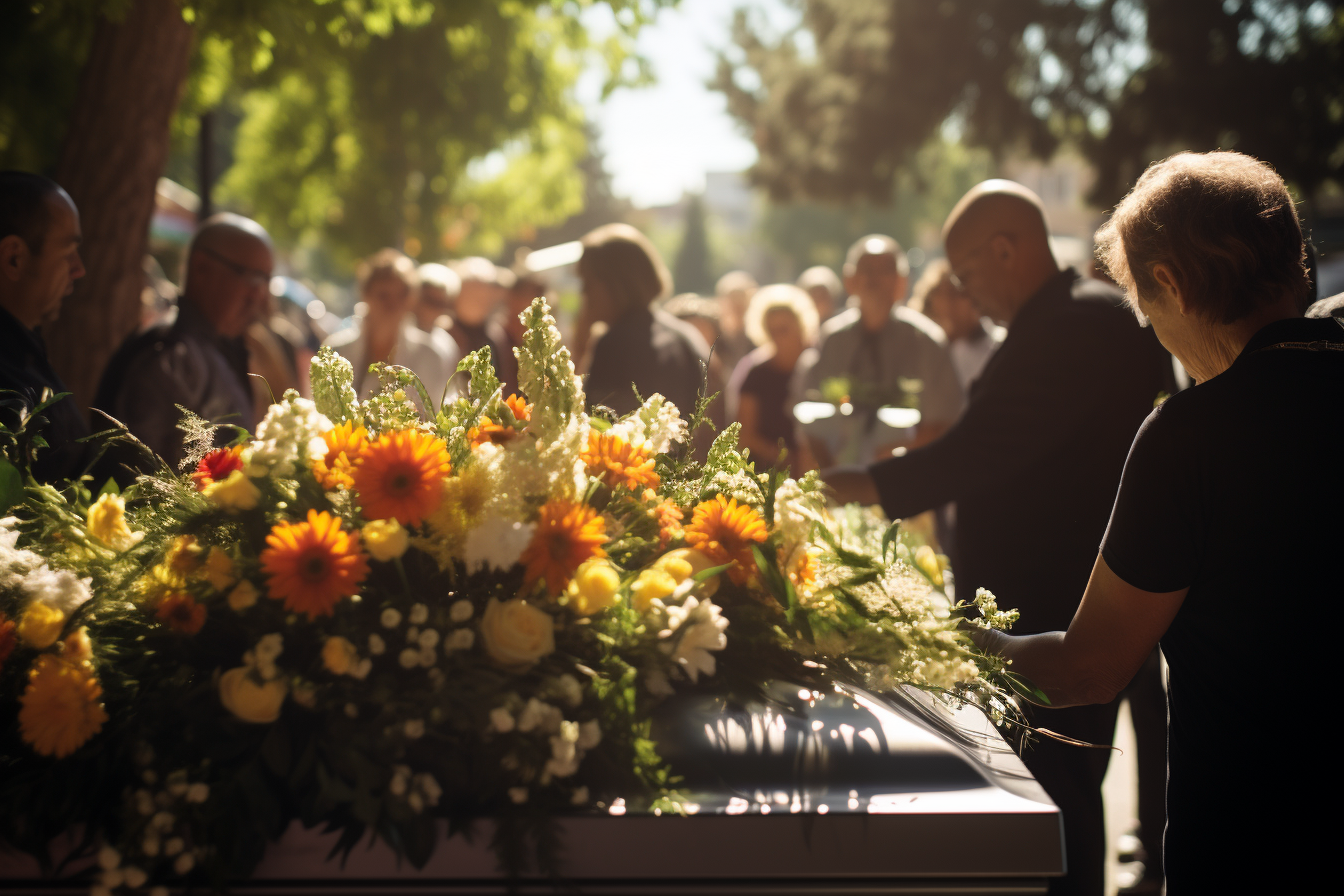
End of life care in Jamaica draws on hospital-based palliative services, a limited number of hospices, and deeply embedded community and family support structures. Expats settling on the island should familiarise themselves with local customs surrounding death, the process for registering a death with the Registrar General’s Department, the legal documents worth preparing ahead of time, and how estates and inheritance are managed under Jamaican law.
| Item | Details |
|---|---|
| Death registration deadline (natural causes) | Within 5 days of death (as of 2024) |
| Death certificate fee | JMD $850, payable at the Local District Registrar (as of 2024) |
| Death registration authority | Registrar General’s Department (RGD), Spanish Town |
| Inheritance/estate tax | No traditional inheritance tax; transfer tax applies on death based on property market value (as of 2024) |
| Probate timeline | Typically 18 months or longer |
| Key palliative care centre | Hope Institute Hospital, Kingston; St. Christopher’s Hospice, Montego Bay |
What palliative and end of life care services are available in Jamaica?
Palliative care in Jamaica is delivered primarily through hospital settings. In contrast to countries such as the UK, where NHS community palliative teams operate across most regions and specialist home-based support is broadly accessible, Jamaica’s formal palliative infrastructure is more concentrated and constrained in its geographic reach — though committed professionals and institutions are actively working to expand what is available.
The Hope Institute Hospital in Kingston is widely regarded as a leading centre for the specialty, functioning as a small cancer facility that provides comprehensive oncology care with a strong emphasis on both inpatient and outpatient palliative services. The clinical team at Hope Institute also runs outpatient clinics at the National Hospital and the Public Hospital, cementing Kingston’s position as the principal hub for specialist end of life support on the island.
The University Hospital of the West Indies maintains a modest inpatient palliative care service. Beyond these institutional frameworks, care is frequently delivered by general practitioners, community nurses, and — perhaps most significantly — by family members and grassroots community networks, which are central to how end of life care is actually experienced across Jamaica.
Despite the dedication of healthcare workers in the field, the majority of patients across the Caribbean still lack reliable access to essential palliative care services. The Palliative Care Association of Jamaica (PCAJ) works to advance the availability and quality of palliative care delivered by healthcare professionals in Jamaica and is a worthwhile contact for expats seeking up-to-date information about services in their local area. The Ministry of Health and Wellness Jamaica is the principal government body responsible for healthcare policy and can direct patients and families towards currently registered services.
End of life care is available through various channels in Jamaica, spanning hospices, hospital palliative care units, and home-based arrangements. For expats residing outside Kingston, private home-care arrangements or access to a private hospital offering palliative services may be the most practical option. It is advisable to contact the Ministry of Health and Wellness or a local private hospital to confirm what is accessible in your specific parish.
How does hospice care work in Jamaica?
Hospices in Jamaica are specialist care facilities providing end of life support to people with terminal illnesses. They are typically operated by non-governmental organisations (NGOs) and can be found in both urban and rural areas, offering pain management, palliative support, and emotional care for patients and their loved ones.
Hospice-based services are provided at the Cancer Care Hospice and the Village of Hope Hospice. Among the most recognised hospices on the island is St. Christopher’s Hospice, situated in Montego Bay. Founded in 1991, it offers inpatient care, outpatient services, and home-based support, and also delivers training to healthcare professionals with the aim of raising standards of end of life care across Jamaica.
Unlike the publicly funded hospice models seen in countries such as Canada or Ireland, where government programmes cover the majority of hospice services, Jamaica’s hospices are largely sustained by NGOs, charitable donations, and fundraising efforts, with some nominal patient contributions. As a result, availability and capacity can differ considerably from one facility to another.
Research points to a significant and growing gap between policy intentions and patients’ actual experience of end of life care, shaped by the incentives and risks that inform decision-making by both patients and providers in an environment where palliative care and hospice services remain relatively scarce. In practice, many Jamaican families choose to care for terminally ill relatives at home, relying on community networks rather than formal hospice settings.
Referrals to hospice services are generally made through a treating physician or specialist. Expats should discuss eligibility and referral routes with their doctor or with the team at Hope Institute Hospital. For current funding arrangements and eligibility criteria, contact the Ministry of Health and Wellness or the relevant hospice directly.
What are the cultural and religious customs around death and dying in Jamaica?
Death in Jamaica is regarded as a natural part of human experience, and a rich set of customs and practices accompanies it. These vary by region and according to the religious convictions of the individual and their family. For expats more familiar with restrained or clinical responses to death, Jamaican traditions can feel strikingly communal and spiritually charged — and appreciating them is essential to engaging respectfully during the period surrounding a death.
Christianity is the predominant faith in Jamaica, and the body is typically interred in a Christian cemetery following a funeral service held in the deceased’s honour. In many communities, mourners gather at the home of the deceased to recite prayers or hymns. One of the most distinctive Jamaican traditions is the “Nine Night” — a gathering held on the ninth evening after death, when relatives, friends, and neighbours come together to sing, pray, share food, and honour the memory of the person who has passed. This stands in marked contrast to the brief, private memorial services more common in many other countries.
A period of mourning follows a death in Jamaica, which can extend from a few days to several weeks depending on the region and the family’s religious practices. During this time, family members may wear black and withdraw from social activities as a mark of respect.
Jamaica is also home to Afro-Caribbean spiritual traditions, including Rastafari and Kumina, each of which holds distinct beliefs about death and what follows. Rastafari teaching, for instance, emphasises the continuity of the spirit and the value of natural processes. Expats living in religiously diverse communities or in relationships with Jamaican nationals should be mindful of and sensitive to these varied practices, as they may shape decisions about the form and location of end of life care and the treatment of the body after death.
Following the funeral, family members may observe a mourning period during which they avoid social gatherings and wear black to signal their grief. It is equally common for family members to receive a stream of visitors offering condolences and support. Expats should be prepared for this communal dimension of mourning, which can mean a sustained flow of guests to the home over an extended period.
What legal and medical documents should expats prepare in advance in Jamaica?
Drawing up key legal and medical documents well in advance is something every expat in Jamaica is strongly encouraged to do. While Jamaica does not operate a single comprehensive advance care directive system comparable to those found in Australia or the United States, several important instruments are available and commonly used on the island.
Wills, trusts, powers of attorney (POAs), and advance directives form the essential core of estate and end of life planning in Jamaica. Each document serves a distinct but complementary function, and expats are urged to have all of them in order.
An advance care directive (sometimes referred to as a living will) records your preferences regarding medical treatment in the event that you are no longer able to communicate them yourself. Although Jamaica does not have a specific statute governing advance directives in the manner of some other jurisdictions, these documents can nonetheless be prepared and held by your treating physician and family members. Consult a Jamaican attorney or your private healthcare provider about the form most suited to your circumstances.
A Power of Attorney (POA) — covering both healthcare and financial matters — is a vital document for expats. A healthcare POA authorises a named individual to make medical decisions on your behalf; a financial POA empowers someone to manage your assets and property. In Jamaica, these documents must be properly drafted and witnessed to carry legal weight. Execution of documents in Jamaica should be witnessed by a Justice of the Peace.
A will is particularly important. Jamaica’s legal system determines inheritance either through the terms of a valid will or through intestacy provisions where no will exists. Probate lawyers consistently urge clients to execute a valid will. Wills in Jamaica are governed by the Wills Act and must satisfy specific formal requirements to be legally effective.
If you already hold a will or POA drawn up in another country, you should obtain Jamaican legal advice on whether it will be recognised locally. In the context of probate, the Colonial Probates Act was amended in 2015 to remove the restriction that limited the resealing procedure to grants issued by Commonwealth or British/colonial courts, meaning the process now encompasses all foreign grants, provided the court is satisfied they were properly issued. This applies to the resealing of probate rather than the validity of the underlying document itself — a Jamaican attorney should review any overseas legal instruments before you rely on them.
For current fees and requirements when preparing these documents, consult a qualified Jamaican attorney. The Jamaican Bar Association can help you locate a licensed legal practitioner. Always verify current fees and thresholds with official legal or notarial sources, as these change over time.
What should you do immediately when someone dies in Jamaica?
When a death occurs in Jamaica, there are defined legal steps that must be followed, regardless of whether the deceased was a Jamaican citizen or a foreign national. The process involves alerting the relevant authorities, securing a medical certificate, and registering the death with the Registrar General’s Department. The following is a step-by-step guide:
- Notify the family and next of kin. The immediate priority is to inform the deceased’s family. If you are not a family member, you will need to reach a relative or close friend to let them know. Where the deceased is a foreign national, their home country’s embassy or consulate in Jamaica should also be contacted as promptly as possible.
- Contact a doctor to confirm the cause of death. Natural deaths are those where the deceased had been regularly attended by a medical doctor at least three months before death and where the cause of death is not in reasonable doubt. Sudden deaths are those where the deceased had not been under medical care within six weeks of death and/or where foul play is suspected. Violent or sudden deaths require police involvement and additional investigation before registration can proceed.
- Obtain the Medical Certificate of the Cause of Death. Following a death in hospital, the attending physician completes and signs a Medical Certificate of the Cause of Death. This certificate is handed to a relative or the person responsible for the burial, who must then present it to the Local District Registrar (LDR). For deaths occurring outside hospital, the last attending physician is responsible for completing this document.
- Register the death with the Local District Registrar (LDR). Deaths arising from natural causes must be registered within five days; however, the registration of sudden or violent deaths is contingent on the completion of various government processes and therefore carries no fixed time requirement (as of 2024). The LDR is the local arm of the Registrar General’s Department.
- Apply for the death certificate and pay the fee. At the LDR, the person responsible for the burial may complete the application form for the death certificate and pay a fee of JMD $850 (as of 2024). The death certificate will be dispatched to the family member’s address within six weeks.
- Obtain a burial order. A burial order must be secured before the body can be buried or cremated. It is issued once the death has been formally registered. The Registrar General’s Department can provide current guidance on this step.
- Notify relevant authorities if the deceased was a foreign national. Contact the deceased’s home country embassy or consulate in Jamaica. They can assist with the repatriation of remains where required, and may need to be involved in notifying family members overseas and obtaining documents relevant to estate matters in the home country.
The Registrar General’s Department (RGD) is the sole authority in Jamaica responsible for recording vital events such as births, deaths, adoptions, marriages, and deed polls, and serves as Jamaica’s only secure repository of these records. The RGD can be contacted at rgd.gov.jm or by email at [email protected]. Always verify current fees and deadlines directly with the RGD, as these are subject to change.
How are burials, cremations, and funerals handled in Jamaica?
Funeral practices in Jamaica differ by region and by the religious convictions of the deceased and their family. Across much of the island, burial is the preferred method for handling the body. Given that Christianity is the predominant religion, the deceased is typically interred in a Christian cemetery, accompanied by a funeral service in their honour.
Cremation is an option in Jamaica, though it remains considerably less common than burial. Crematorium facilities exist in Kingston and some other urban centres. A burial order — obtained following death registration with the RGD — is required before either burial or cremation can take place. For cremation, additional medical certification confirming the cause of death is generally required. Expats who wish to be cremated should record this preference in an advance directive and ensure their next of kin are aware of it, as cremation may not be the assumed default.
Funeral directors take a central role in managing the practical elements of funerals in Jamaica, including preparing and embalming the body, coordinating burial or cremation arrangements, and liaising with religious officiants. Funeral service costs in Jamaica vary considerably depending on the type of service, the funeral home, and the location. As a broad indication, basic funeral arrangements may begin at approximately JMD $150,000–$300,000, with more elaborate services running substantially higher (as of 2024) — always obtain quotes directly from licensed funeral homes, as prices fluctuate. The Ministry of Health and Wellness regulates funeral homes and can provide information on licensed operators.
When an expat dies in Jamaica and their remains need to be returned to another country, additional steps are involved. The body must be embalmed and placed in a sealed, approved container. You will need the Jamaican death certificate, a certificate of embalming, and clearance from both Jamaican authorities and the receiving country’s embassy or consulate. The home country’s embassy in Jamaica can offer specific guidance on required documentation, as requirements differ between countries. Repatriation costs — encompassing embalming, the specialist casket or container, freight charges, and handling fees — can be considerable; travel insurance with repatriation cover is strongly advised (see the insurance section below).
Non-citizens and non-residents are subject to the same Jamaican legal requirements for death registration and burial or cremation as Jamaican nationals. There are no separate rules prohibiting the burial of foreign nationals in Jamaican cemeteries, although private cemeteries may have their own eligibility conditions. Consult a local funeral director for current guidance specific to your situation.
How do expats handle estate and inheritance matters after a death in Jamaica?
The legal framework governing estates in Jamaica is shaped primarily by the Administration of Estates Act and the Intestate’s Estates and Property Charges Act. These laws determine how a deceased person’s assets are distributed — whether or not a will is in place — and what legal procedures must be followed before the estate can be finalised.
If there is a valid will: The Probate of Deeds Act sets out the requirements for proving wills. Probate is necessary to validate wills and administer estates in Jamaica. The executor named in the will applies to the court for a Grant of Probate. The full process of releasing an inheritance typically takes around 18 months or longer. Delays in Jamaican probate courts are not uncommon, so early engagement with a Jamaican probate lawyer is advisable.
If there is no will (intestacy): Intestacy arises when a person dies without having left a valid will. Where an individual dies intestate and there are minor beneficiaries, the Administrator-General is required under the Intestate’s Estates and Property Charges Act to administer the estate. Without a will, your property passes in accordance with the distribution table set out in the Intestate’s Estate and Property Charges Act, which applies after the settlement of funeral costs, administration expenses, and other proven debts.
Inheritance and transfer tax: Jamaica is a tax-friendly jurisdiction with no conventional inheritance tax, which makes it appealing to overseas investors. That said, expats’ assets may still be subject to taxation in their home country. Jamaica does levy a transfer tax on death, calculated according to the value of the property being inherited (as of 2024). Always verify current thresholds and rates with the Tax Administration Jamaica (TAJ), as rules and rates can change.
Foreign nationals with assets in Jamaica: Where a grant of probate or administration has already been obtained in a foreign jurisdiction, it is not necessary to begin an entirely new application in Jamaica. An applicant with the relevant documents in place may instead apply for resealing, which will address the deceased’s assets in Jamaica. Since the 2015 amendment, the resealing procedure encompasses all foreign grants — not only those from Commonwealth or British/colonial courts — provided the court is satisfied they were properly issued.
Overseas beneficiaries can receive payment by bank draft. If you are an expat holding assets in both Jamaica and another country, it is essential to seek cross-border legal advice — ideally from attorneys qualified in both jurisdictions — to ensure your estate is administered smoothly and in compliance with the laws of each country. The Administrator General’s Department Jamaica is the relevant government body for intestate estate administration.
What should expats consider about health insurance and end of life costs in Jamaica?
Healthcare in Jamaica is delivered through a mix of public and private provision. The public system, overseen by the Ministry of Health and Wellness, offers free or heavily subsidised treatment at public hospitals and health centres. However, the public system operates under significant resource pressures, and access to specialist palliative care through public facilities is limited. Expats should not assume that comprehensive end of life care will be available without cost — this is quite different from the NHS model in the UK, where palliative care teams are embedded in NHS services and largely free to patients.
As a foreign national living in Jamaica, you are generally entitled to use public healthcare facilities, but the level of specialist palliative or hospice care accessible through the public system is restricted. Most expats seeking dependable access to private hospital palliative services, specialist pain management, or private hospice care will require private health insurance.
When choosing a health insurance policy for Jamaica, expats should look specifically for the following:
- Palliative and hospice care coverage: Many standard international health insurance policies exclude or place tight limits on hospice and palliative care. Confirm explicitly whether your policy covers inpatient and outpatient palliative services, home nursing, and hospice stays in Jamaica.
- Repatriation of remains: This is a critical clause for any expat. Returning a body internationally is costly — expenses can easily reach several thousand US dollars when embalming, specialist caskets, freight, and handling are factored in. Many travel insurance policies cover emergency medical evacuation but not repatriation of remains; review your policy carefully.
- Critical illness cover: Some policies include a lump-sum benefit on diagnosis of a terminal illness, which can assist in funding private care or fulfilling other end of life wishes.
- Out-of-pocket costs: Even with insurance, co-payments and uncovered services can accumulate significantly. Private hospital stays in Jamaica can range from USD $300–$800 per day or more for a general ward, with specialist or intensive care running considerably higher (as of 2024 — verify current rates directly with providers).
Expats should also consider life insurance, particularly if they have dependants or property in Jamaica. Life insurance arrangements taken out in Jamaica or abroad can provide funds to meet funeral costs, estate administration expenses, and ongoing support for surviving family members. Always consult your insurer directly to confirm current coverage terms, exclusions, and policy limits, as these vary widely between providers and are subject to change.
Frequently Asked Questions
Can I access palliative care as a foreign national in Jamaica?
Yes. Foreign nationals living in Jamaica are able to access both public and private palliative care services. End of life care is delivered through a range of channels, including hospices, palliative care units in hospitals, and home-based arrangements. Specialist palliative care is, however, largely concentrated in Kingston. Private health insurance is strongly recommended to ensure access to a higher standard of care. Contact the Ministry of Health and Wellness or the Hope Institute Hospital in Kingston for referral information.
How long does it take to register a death in Jamaica?
Deaths arising from natural causes must be registered within five days of the death occurring (as of 2024). The registration of sudden or violent deaths depends on the completion of various government processes and has no fixed deadline. Registration takes place at the Local District Registrar in the area where the death occurred, operating under the authority of the Registrar General’s Department.
Is a foreign will recognised in Jamaica?
A foreign will may be recognised in Jamaica, but it should be examined by a Jamaican attorney to confirm it satisfies local legal requirements. For the purposes of dealing with assets in Jamaica, the 2015 amendment to the Colonial Probates Act extended the resealing procedure to all foreign grants of probate — not only those from Commonwealth or British/colonial courts — provided the court is satisfied they were properly issued. Do not assume that a foreign will or probate grant automatically covers Jamaican assets; seek local legal advice first.
What is the “Nine Night” tradition in Jamaica?
Nine Night is a cherished Jamaican cultural tradition observed on the ninth evening following a person’s death. Family members and community neighbours gather at the home of the deceased to pray, sing, share food, and celebrate the life of the person who has passed. It is a communal occasion rooted in both Afro-Caribbean and Christian traditions. Expats who live with or near Jamaican family should be aware that this tradition may take place in or around their home; participation or respectful acknowledgement is generally welcomed.
How do I repatriate the remains of a foreign national who has died in Jamaica?
Repatriation requires the Jamaican death certificate, a certificate of embalming, clearance from Jamaican health and customs authorities, and compliance with the destination country’s requirements for importing human remains. The process should be managed in coordination with a licensed funeral director in Jamaica and the home country’s embassy or consulate. Travel insurance that includes repatriation of remains cover is strongly recommended for all expats, as costs can be substantial.
Does Jamaica have inheritance tax?
Jamaica does not levy a conventional inheritance tax, which makes it an attractive jurisdiction for foreign investors and expats. Jamaica does, however, impose a transfer tax on death, calculated on the basis of the value of the property being inherited (as of 2024). Expats’ assets may remain subject to taxation in their home country regardless. Always confirm current rates and thresholds with Tax Administration Jamaica (TAJ) at taj.gov.jm.
What happens if someone dies in Jamaica without a will?
Where no valid will exists, Jamaica’s intestacy rules govern how the estate is distributed. Your property passes according to the distribution table set out in the Intestate’s Estate and Property Charges Act, following the settlement of funeral costs, administration expenses, and other proven debts. The surviving spouse takes first priority, followed by children, parents, and more distant relatives in turn. Expats are strongly advised to make a valid Jamaican will to ensure their wishes are carried out.
What documents should expats prepare before they need end of life care in Jamaica?
The essential documents are a will, a trust if appropriate, powers of attorney (POAs), and an advance directive. An advance care directive records your medical preferences; a healthcare POA designates someone to make medical decisions on your behalf; a financial POA covers the management of your property and finances. All documents should be prepared with a licensed Jamaican attorney and properly witnessed. In Jamaica, the execution of such documents should be witnessed by a Justice of the Peace. Copies should be held by your attorney, your doctor, and a trusted next of kin.