
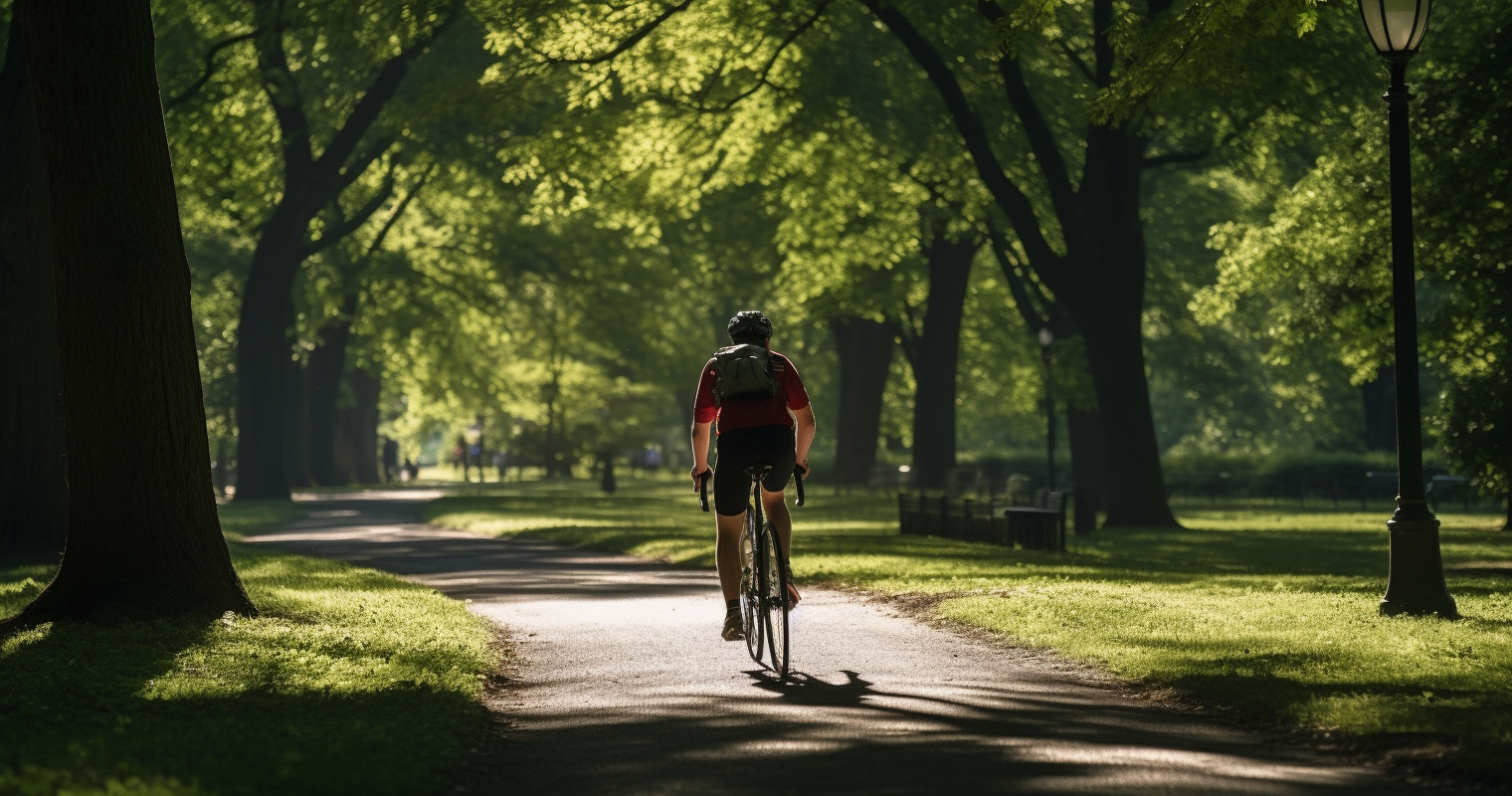
Switzerland is a genuinely bike-friendly nation with a thriving cycling culture, more than 11,000 kilometres of signposted routes, and a constitutional obligation to develop cycling infrastructure. Although it cannot match the Netherlands or Denmark for physically separated cycle lanes, motorists typically show real respect for cyclists, road surfaces are consistently excellent, and riding a bike is a familiar sight for both everyday transport and leisure — making it an attractive and rewarding option for expats at every level of experience.
| Item | Details |
|---|---|
| Helmet law (standard bike) | Not required — strongly recommended (as of 2025) |
| Helmet law (fast e-bike 45 km/h) | Mandatory (as of 2025) |
| Alcohol limit for cyclists | 0.5‰ BAC (as of 2025) |
| Bike registration / vignette | Not required — abolished in 2012 |
| Signed cycling route network | Over 11,000 km (SwitzerlandMobility) |
| National bike-share scheme | PubliBike — first 30 min free on some plans; CHF 0.10/min (bike) or CHF 0.20/min (e-bike) thereafter (as of 2025) |
How popular is cycling in Switzerland — is it a common way to get around?
Data from Switzerland’s Federal Department of Environment, Transport, Energy and Communications shows that 42% of the Swiss resident population aged over 15 identify cycling as one of their regular sports or physical activities — meaning close to three million residents climb onto a bicycle at least from time to time. For a mountainous country served by an outstanding public transport system, this is a remarkable statistic.
Year-round cycling is the norm across the whole of Switzerland, whether for city errands, road riding, or mountain trails. Commuters, families on weekend outings, and long-distance tourers all share the same roads and paths, and e-bikes have quickly become a familiar presence, smoothing out the gradients that might otherwise discourage everyday riders.
Switzerland and its cities do not sit at the very top of Europe’s cycling rankings — the Netherlands and Denmark hold those positions — but Switzerland occupies a comfortable middle ground. The physical infrastructure does not reach Dutch or Danish standards, yet in any Swiss town you will spot bikes in abundance. The overall picture resembles Germany’s cycling culture: widespread, well-regarded, and respected, but with acknowledged room for infrastructure improvement.
Switzerland’s highly integrated transport system means many households direct money that might otherwise go toward a second car into quality mountain, road, or touring bikes instead. Combining a bicycle with the country’s reliable train network is everyday practice and provides an efficient solution for longer cross-country commutes.
What is the cycling infrastructure like in Switzerland?
What makes cycling work so well in Switzerland is the attitude of drivers rather than the engineering of roads. There is relatively little of the gold-standard separated infrastructure — meaning fully protected, bike-only, direct routes — that the best cycling cities offer. What you encounter in practice is yellow road markings, calm residential streets, and shared-use paths.
Separated cycle lanes are thin on the ground across Switzerland as a whole. Cycling routes cleverly channel riders onto quiet back roads and farm lanes where feasible, but in urban areas you will often find only painted markings between you and passing traffic. This stands in obvious contrast to the Netherlands and Denmark, where physical separation from motor vehicles is standard in towns and cities.
The saving grace is that road surfaces throughout Switzerland are typically impeccable — even a remote lane serving a handful of farms is usually smoothly laid. This means cycling remains genuinely pleasant even where dedicated infrastructure does not exist.
In Geneva, more than 60% of roads have been adapted to accommodate cyclists, and the Swiss Confederation’s Cycle Pact Act requires cities to build high-quality cycling networks. Geneva’s 2024–2028 Active Mobility Action Plan incorporates 12 major cycle corridors and greenways designed to make cycling a credible alternative to driving. Zurich and Bern have similarly ambitious cycling programmes, and urban riding in these cities is considerably more comfortable than in smaller Swiss towns.
The Swiss Bike-Path Law, which came into force in January 2023, is widely expected to transform the national cycling network over the years ahead. Pro Velo, the national association that represents cyclists’ interests, welcomed a government road map for two-wheeled transport that was presented publicly for the first time at the Veloforum in Zurich, backed by the Federal Roads Office. You can follow progress at the Federal Roads Office (ASTRA) and through the national cycling body Pro Velo Switzerland.
Public transport and cycling networks are tightly interwoven, renewable energy installations are visible in rural areas, and environmental regulation influences how the built environment develops. Bicycles may be carried on most train services and some bus routes, making genuinely multimodal commuting a practical daily reality.
Is cycling safe in Switzerland?
Respect for cyclists on Swiss roads is consistently high. Many residents report cycling for years without experiencing serious conflict with motorists, and it is not unusual to see a driver yield to a cyclist even when they technically have priority. This cultural norm sets Switzerland apart from many more car-dominated countries and is one of the most frequently mentioned positives among expat cyclists living there.
Motorists are broadly careful and considerate toward cyclists, but caution remains appropriate, especially in city centres during peak hours and wherever no dedicated cycle space exists. Shared paths can suddenly return you to the carriageway at junctions or roundabouts, or end without warning, so familiarity with your route matters more here than in countries that offer comprehensive separated networks.
Wearing a helmet is not a legal requirement for riders of standard bicycles in Switzerland. Helmets are only compulsory for fast e-bikes. Nevertheless, wearing one at all times is strongly advisable, given the proven ability of helmets to reduce the risk of serious head injuries substantially. This approach aligns with practice across much of continental Europe, and contrasts with countries such as Australia and New Zealand where helmets are legally required regardless of bike type.
The national road safety authority bfu – Road Safety Fund publishes updated cycling accident statistics each year. Always check the bfu website for the most recent figures, as the data is refreshed regularly. Safety reports consistently indicate that the majority of serious cycling injuries happen at junctions and on roads shared with motor traffic — underlining the value of defensive riding and thorough route knowledge.
Opportunistic theft is relatively rare in Switzerland, but leaving a bicycle unattended without adequate security is still inadvisable, particularly in cities. A high-quality D-lock or a robust chain lock is a sensible purchase from the outset.
What are the rules of the road for cyclists in Switzerland?
Under Swiss traffic law, a bicycle is classified as a road vehicle. As a cyclist you are subject to the same obligations — and entitled to the same rights — as any other road user, including car and lorry drivers. It is therefore essential to become familiar with Switzerland’s comprehensive traffic regulations and road signs. The full rules are published on the Swiss federal portal ch.ch and in the Handbook of Swiss Traffic Regulations available from cantonal road traffic offices.
The following are the key legal requirements every cyclist must understand:
- Helmet: No helmet is legally required on a standard bicycle, though wearing one is recommended. A helmet is compulsory for fast e-bikes (45 km/h) and must meet European standard EN 1078.
- Lights: Every bicycle must be fitted with a white front light and a red rear light, together with two reflectors. Whenever visibility is poor or darkness falls, front and rear lights must be switched on. Lights are compulsory in the evenings and at night — even in well-lit areas — or you face a fine of CHF 40 to CHF 60.
- Alcohol limit: The permitted blood alcohol concentration for cyclists and e-bike riders is 0.5 parts per thousand. Exceeding this level carries the risk of fines, and a reading above 0.8 parts per thousand is treated as gross negligence.
- Pavement and footpaths: Adult cyclists are not permitted to use pavements as shortcuts and must use the road, or designated cycle paths and lanes. Children up to 12 years of age may cycle on the pavement only where no cycle lane or path exists, and pedestrians always have priority.
- Headphones: Swiss law prohibits cyclists from using any audio playback device while riding on the road. All road users must keep their full attention on their surroundings, so headphones and earphones are not permitted on a bike.
- Red lights: Cyclists and mopeds may turn right at a red traffic light where a sign displaying a yellow bicycle with an arrow is present. Vehicles travelling on a green light and pedestrians retain right of way.
- Riding side by side: Cyclists may ride abreast only on a designated cycle path — doing so on roads or other paths is prohibited.
- Mountain biking off-road: Cantons may designate specific trails for bicycles or mountain bikes. In some cantons mountain bikes are restricted to marked trails, while others apply more permissive rules. Regulations differ considerably between cantons, so always verify local requirements before venturing off-road.
From 1 April 2024, newly sold e-bikes must be fitted with a speedometer. For e-bikes already in use before that date, the requirement takes effect on 1 April 2027. E-bike regulations are evolving rapidly, so consult ch.ch for the latest requirements.
Do I need to register my bike or have insurance to cycle in Switzerland?
The bicycle vignette — and the compulsory registration sticker that accompanied it — was scrapped in 2012. Standard bicycles and slower e-bikes (up to 25 km/h) do not need to be registered with any authority, and there is no requirement for a licence plate.
Slow e-bikes (25 km/h) require neither registration nor a number plate, while fast e-bikes (45 km/h) require a licence plate and compulsory insurance. If you ride a fast e-bike, the administrative obligations are broadly similar to those for registering a moped.
Compulsory insurance for standard bicycles was removed alongside the vignette in 2012. Any harm caused by a cyclist must be met by the cyclist’s personal liability insurance — or borne personally by the cyclist if no policy is in place.
Although a vignette is no longer required for a standard bicycle, it is worth confirming with your insurer that third-party cover is included within your personal liability policy. Most providers include it automatically, but verification before you start riding is wise. Personal liability insurance (Privathaftpflichtversicherung) is held by the vast majority of residents in Switzerland and normally covers cycling incidents — it is not legally required but is ubiquitous and strongly recommended. Contact your insurer or refer to FINMA (Swiss Financial Market Supervisory Authority) for guidance on regulated insurance products.
Are there public bike-sharing or rental schemes in Switzerland?
PubliBike is Switzerland’s leading bike-share network, enabling you to hire standard bikes and e-bikes around the clock in numerous cities across the country and return them to any PubliBike station. The system is tightly integrated with the national public transport network.
PubliBike operates across 35 Swiss municipalities, with 620 stations and 5,300 bicycles serving approximately 190,000 registered users. The network currently covers Bern, the Lausanne-Morges agglomeration, the Nyon region, Sottoceneri (Ticino), and Zurich, while the merged PubliBike-Velospot network extends to Fribourg, the central Valais agglomeration, Aigle, Basel, Biel/Bienne, La Chaux-de-Fonds, Locarnese-Bellinzonese, Martigny, and Riviera.
As of 2025, once any initial free 30 minutes have elapsed, the tariff is CHF 0.10 per minute for a standard bicycle and CHF 0.20 per minute for an e-bike. New members pay a one-off registration fee of CHF 5, which is credited to their ride account. The maximum hire period is 24 hours, with charges capped at CHF 24 for a standard bike and CHF 48 for an e-bike.
Linking your SwissPass to PubliBike gives you immediate access to the entire network — a single one-time registration is all that is required. This connection to the national transit pass makes the service highly convenient for regular commuters. Members of Pro Velo also receive a 20% discount on PubliBike subscription plans.
Visit the PubliBike official website for up-to-date pricing, subscription options, and station maps, as the network continues to grow and tariff structures may change.
Where can I buy or service a bike in Switzerland?
Switzerland’s bicycle market is well developed, and quality bike shops can be found in virtually every town of any appreciable size. Cities such as Zurich, Bern, Lausanne, and Basel support specialist retailers covering everything from high-performance road bikes and e-bikes to cargo bikes designed for families and affordable city commuters. Independent local workshops are plentiful, and major sporting goods chains including Intersport and Ochsner Sport carry broad selections.
Bicycle prices in Switzerland are broadly in line with, or slightly above, those in neighbouring EU countries, partly reflecting the country’s elevated cost of living. E-bikes are particularly popular and extensively stocked; given Switzerland’s hilly landscape, many residents regard an e-bike as a sensible practical investment rather than an indulgence. Second-hand bicycles are available through Ricardo.ch, Switzerland’s primary second-hand marketplace, and through local classified listings.
Members of many regional cycling associations benefit from discounts — typically around 10% — on services and repairs at affiliated local bike shops. Joining Pro Velo or a regional association is a cost-effective way to keep ongoing maintenance expenses down. Workshop standards are generally high, and most shops offer full servicing across all bicycle types.
Consumer rights in Switzerland are governed by the Swiss Code of Obligations, which provides a standard two-year warranty on purchased goods — broadly equivalent to protections available in EU countries. If a dispute arises with a retailer, the cantonal consumer protection office is the appropriate first point of contact.
Can I bring my bike when I move to Switzerland, and are there any import rules?
The encouraging news for those relocating to Switzerland is that personal belongings — bicycles included — brought as part of a permanent move are generally free from customs duties and Swiss VAT, provided certain conditions are satisfied. This relief is commonly known as the “removal goods” (Übersiedlungsgut) exemption.
To be eligible, you must be transferring your primary residence to Switzerland, the items must have been in your ownership and regular use for a minimum period (typically at least six months) before the move, and they must be imported within a defined window around the date of your relocation. You will be required to complete a customs declaration itemising your belongings.
From 1 January 2025, the VAT-free threshold for goods entering Switzerland has been reduced from CHF 300 to CHF 150. This is relevant if you are bringing a bicycle as a purchase rather than as a pre-owned personal possession. A bike bought abroad and sent to Switzerland as a new item would attract Swiss VAT (currently 8.1% standard rate as of 2025) on its declared value above this threshold.
Any bicycle you bring into Switzerland must comply with Swiss safety standards. The road traffic office can supply a list of the applicable requirements. For the majority of standard bikes this is unlikely to present any difficulty, but it is worth confirming if you are importing a specialist or non-standard model.
For complete and current information on the removal goods exemption and customs procedures, consult the Federal Office for Customs and Border Security (FOCBS) directly. The QuickZoll app streamlines customs declarations before you cross the border and is a useful tool to have on your phone before you arrive.
What are the best cycling routes or destinations in Switzerland?
Switzerland is a natural playground for outdoor enthusiasts, and through SwitzerlandMobility you can explore the country’s finest officially signposted tours. The network of routes for non-motorised mobility is unique in scale and variety worldwide, spanning 11,000 kilometres of cycling options diverse enough to satisfy every type of rider.
No fewer than four EuroVelo routes pass through Switzerland: EuroVelo 5, 6, 15, and 17. These long-distance touring corridors link Switzerland to the broader European cycle network and are perfectly suited to multi-day expeditions. The national Rhine Route (EuroVelo 15) traces the Alpine river from its mountain source all the way to the great Rhine port at Basel, offering a richly varied journey through contrasting landscapes.
The Rhone Route (EuroVelo 17) winds through the dramatic mountain scenery of the Valais on peaceful riverside paths, then continues along the celebrated palm-lined promenades of Lac Léman and the picturesque Lavaux vineyards before reaching cosmopolitan Geneva.
Cycling across Switzerland is supported by well-kept bike paths, mountain railways that welcome bicycles, guesthouses familiar with the needs of active travellers, and conveniently placed cafés ideal for a mid-ride rest. Many alpine communities rely on summer cycling tourism as much as on winter skiing, generating year-round economic rhythms that are deeply tied to the landscape.
In a 2018 referendum, 73.6% of Swiss voters endorsed a proposal granting the federal government greater responsibility for developing the national cycling path network. The result has been well-signed routes, peaceful roads, and a growing choice of bike-friendly accommodation. The country’s respectful driver culture and generally high awareness of cyclists make riding through the Swiss Alps a genuinely enjoyable experience.
For route planning and maps, SchweizMobil (SwitzerlandMobility) is the definitive national resource, operated by the SwitzerlandMobility Foundation as the country’s central coordination hub. SwitzerlandMobility coordinates and promotes the most attractive, officially signposted routes for cycling, mountain biking, walking, skating, and canoeing throughout Switzerland, offering online maps, cycling-friendly service directories, and public transport connections. Switzerland Tourism at MySwitzerland.com also provides comprehensive cycling tourism information.
Frequently asked questions
Do I need a licence to ride a standard bicycle in Switzerland?
No licence is needed to ride a standard pedal bicycle in Switzerland at any age, though children under 6 must be accompanied on main roads by a person aged at least 16. For slow e-bikes (up to 25 km/h), riders must be at least 14 years old, and from the age of 16 no driving licence is required. For fast e-bikes (up to 45 km/h), a driving licence is required regardless of age.
Is cycling practical for daily commuting in Swiss cities?
Year-round cycling is entirely normal across Switzerland for both everyday errands and recreation. In cities such as Zurich, Bern, and Lausanne, many residents pair cycling with the train network to cover longer commutes. The terrain can be demanding, which explains the surge in e-bike popularity. For flat urban centres, a standard bicycle is highly practical for most daily tasks and shorter journeys.
Can I take my bicycle on Swiss trains?
Bicycles can be carried on most train services and certain bus routes. A day travel ticket for your bicycle covering any distance costs CHF 14; alternatively, a half-price children’s ticket will cover a bicycle on shorter journeys. Consult the SBB website for current bike transport rules and fares, as these are subject to change.
Is theft a serious problem for cyclists in Switzerland?
Petty theft is not widespread in Switzerland, but leaving a bicycle unlocked or poorly secured remains unwise, especially in urban areas. A quality D-lock or solid chain lock is a worthwhile investment, and registering your bicycle with your local municipality or a national bike register service provides an additional layer of protection. Bicycle insurance — whether through a personal liability policy or dedicated sports equipment cover — is also worth considering.
Are e-bikes popular in Switzerland, and are there special rules?
E-bikes are hugely popular in Switzerland, largely due to the hilly terrain. Two legal categories exist: slow e-bikes (up to 25 km/h) and fast e-bikes (up to 45 km/h), each governed by different rules. Fast e-bikes require a driving licence and a helmet is compulsory. Always check the latest regulations on ch.ch.
What is the best resource for planning cycling routes in Switzerland?
SwitzerlandMobility acts as the national coordination centre for officially signposted cycling routes and covers all of Switzerland. Their website at SchweizMobil.ch provides maps, GPS downloads, and information on bike-friendly accommodation along all major routes within the 11,000 km network.
Is there a cycling equivalent of a tax incentive or employer scheme in Switzerland?
Switzerland does not operate a specific nationwide employer cycle benefit scheme comparable to the UK’s Cycle to Work programme. That said, some employers include cycling allowances in their benefits packages, and the SwissPass integration means combined public transport and bike-share subscriptions are available at reduced rates. From May 2025, for example, Frimobil launched a combined annual subscription with PubliBike for CHF 29 on top of the standard public transport pass. Check with your employer and your local transport authority for the most current offerings.
What happens if I cause an accident while cycling — am I covered?
Liability arising from a cycling accident is frequently covered under personal liability insurance — confirm this with your insurer. Since compulsory bicycle insurance was abolished along with the vignette in 2012, any damage a cyclist causes must be met by their liability policy, or by the cyclist personally if no insurance is held. Taking out personal liability insurance — which is already the norm among Swiss residents — is therefore strongly recommended for anyone who cycles regularly.