

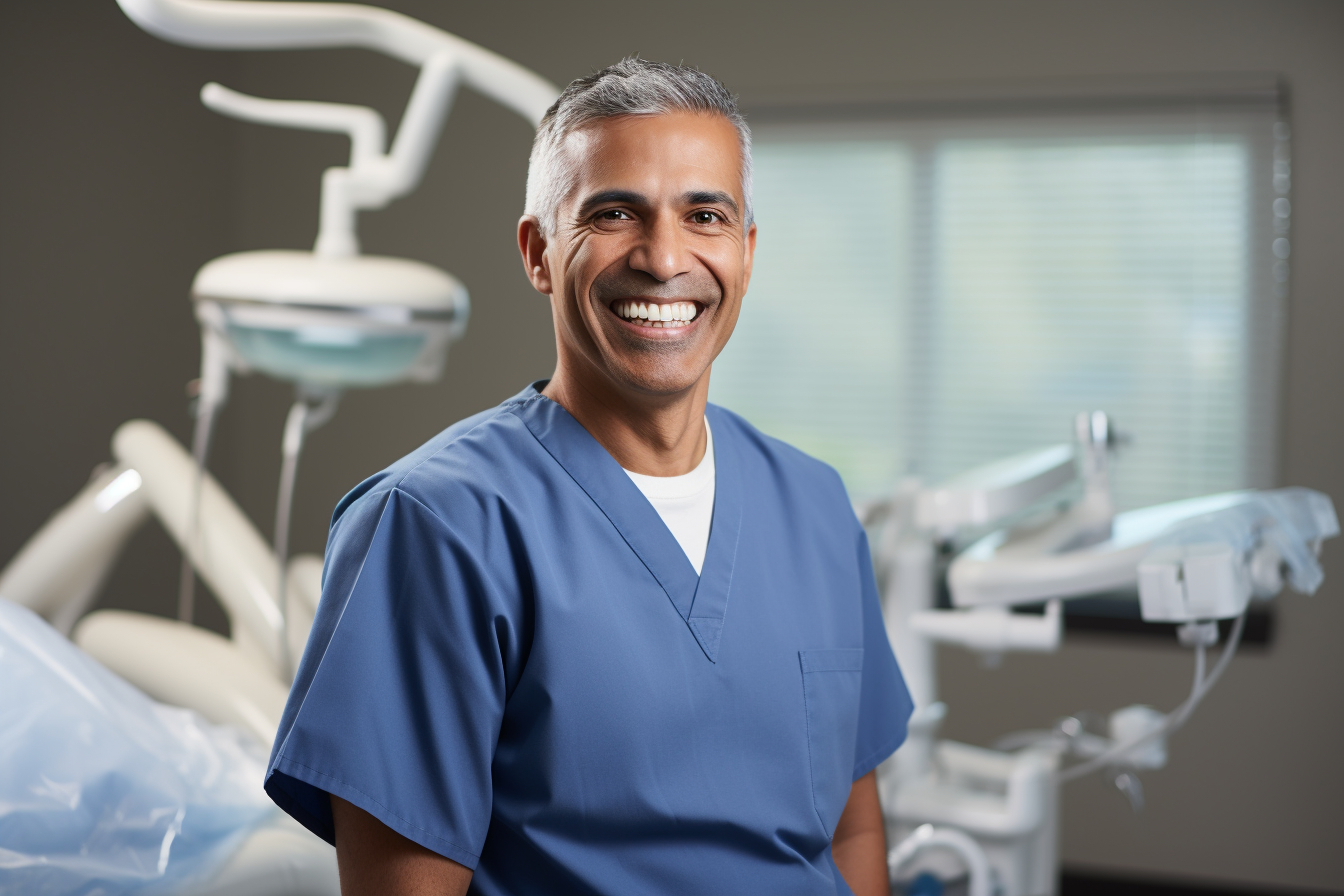
Dental care in Switzerland operates almost exclusively through private providers — no public dental service exists for adults in the way that NHS dentistry functions in the UK, nor are there state-subsidised programmes comparable to those found across much of continental Europe. Every dentist runs an independent private practice, bills are settled out of pocket or via supplementary insurance, and the country’s compulsory basic health insurance extends to dental treatment only under a restricted set of medically defined conditions. Forward planning is not optional — it is necessary.
| Item | Details |
|---|---|
| Dental system type | Entirely private — no public dental service for adults |
| Basic insurance (KVG/LAMal) coverage | Covers dental care only when linked to serious illness or accident (as of 2025) |
| Typical check-up cost | From approx. CHF 130–150 (as of 2024/2025) |
| Typical implant cost (single tooth) | CHF 3,000–5,500 (as of 2024/2025) |
| Dental insurance monthly premium | Approx. CHF 20–250/month depending on age and cover (as of 2024) |
| Key official body | Swiss Dental Association (SSO) — sso.ch; Federal Office of Public Health (FOPH) — bag.admin.ch |
How does the dental care system work in Switzerland — is it public, private, or mixed?
Switzerland operates a wholly private model of dental care, with coverage available only through supplementary health insurance or standalone dental insurance policies purchased separately from the mandatory basic plan. This represents a sharp departure from arrangements many newcomers will have grown up with. Those arriving from the UK, where NHS dentistry offers banded subsidised treatment to registered patients, or from Australia, where eligible concession holders can access some public dental services, will find that Switzerland places the entire financial burden of routine dental care squarely on the individual.
Switzerland operates a universal healthcare framework governed by the Swiss Federal Law on Health Insurance, yet this does not translate to free state-provided services — all residents are legally required to take out compulsory private health insurance within three months of arriving in Switzerland or being born there. This mandatory basic plan, called KVG in German or LAMal in French and Italian, provides comprehensive cover for general medical and hospital care but excludes the vast majority of dental treatment.
What makes Switzerland particularly distinctive is that every dentist in the country operates as a private practitioner. There are approximately 46 dental practices per 100,000 residents, and close to 60% of the Swiss population report attending a dentist at least annually. While private clinics are widely accessible throughout the country, managing the associated costs without adequate insurance is the principal challenge for most residents and newcomers alike.
One partial exception applies to school-age children: certain school year groups are entitled to free dental check-ups funded by the local municipality. Parents are notified when assessments identify significant dental problems, and some municipalities will contribute toward treatment costs for families on lower incomes — though such subsidised work may need to be carried out at designated school dental facilities in order to qualify.
How do expats find and register with a dentist in Switzerland?
In contrast to healthcare models that require formal registration with a family doctor before accessing specialist or ancillary services, the Swiss dental system is refreshingly uncomplicated to enter in practical terms: choose a private practice and book directly. No referral is required, and there is no waiting list to join for routine appointments.
The most reliable way to identify a qualified practitioner is through the search tool on the Swiss Dental Association’s website. From the SSO homepage, the “Find an SSO dentist” form allows you to enter a postcode, town name, or individual dentist’s name. The online directory is searchable by location and can be filtered by specialist services, making it an excellent first port of call for anyone new to Switzerland. The official SSO website is available at sso.ch.
SSO membership carries professional obligations that exceed the minimum legal requirements, with member dentists committing to practise at the highest ethical and professional standards. Selecting an SSO-registered dentist therefore provides an additional layer of consumer protection: in the event of a disagreement over treatment or charges, patients may contact the SSO’s medico-dental conciliation commission — provided the dentist is a member and direct attempts to resolve the matter have already been made.
In larger cities and internationally mixed communities such as Zurich, Geneva, Basel, and Lausanne, numerous clinics actively promote multilingual services. Expat community forums, local Facebook groups, and embassy or consular websites often maintain informal recommendations for practices with multilingual staff. Major dental chains such as Zahnarztzentrum (zahnarztzentrum.ch) have branches across multiple Swiss cities and frequently employ practitioners from a variety of national backgrounds. The Federal Office of Public Health (FOPH) at bag.admin.ch also serves as a useful official reference point for understanding your patient rights.
Is dental treatment covered by public healthcare or social security in Switzerland?
Switzerland stands apart from many comparable countries in offering only minimal dental coverage within its compulsory basic health insurance framework. Expats enrolled in the mandatory KVG/LAMal scheme — as all Swiss residents must be — will discover that their standard monthly premiums do not entitle them to subsidised check-ups, fillings, extractions, orthodontic treatment, or cosmetic procedures of any kind.
Compulsory basic insurance will cover dental work only when it is required as a direct consequence of treating a serious medical condition. Some dental costs may also be met by disability insurance or accident insurance. For instance, if a dental injury occurs in a workplace accident falling under the jurisdiction of SUVA (the Swiss National Accident Insurance Fund), the repair costs may be reimbursed accordingly. Beyond these specific situations, however, the expense lands entirely with the patient.
The overwhelming majority of dental procedures are not a statutory benefit and must therefore be financed by patients personally — unless appropriate supplementary dental insurance has been arranged. This contrasts notably with countries such as Germany and France, where statutory health insurance provides at least partial reimbursement for basic dental work and prosthetics. In Switzerland, no equivalent safety net applies to routine care, making self-funding or supplementary insurance the standard approach for all residents regardless of background.
The Federal Office of Public Health (FOPH) publishes regularly updated guidance on what the KVG/LAMal plan covers. The FOPH website at bag.admin.ch is the most authoritative source for the current official position on dental coverage under the compulsory scheme.
What does dental treatment typically cost in Switzerland, and how is it paid for?
Consistent with Switzerland’s broader cost-of-living profile, visiting a dentist is an expensive undertaking. Fees differ considerably between practitioners and regions, with Zurich and Geneva generally commanding the highest rates. Individual practices set their own pricing, though a widely used reference framework exists to bring transparency to billing.
In Switzerland, a dental invoice comprises three components: the dentist’s professional fee, laboratory services, and material costs. The practitioner’s fee is calculated using the DENTOTAR point tariff system established by the SSO, in which each dental procedure is assigned a specific number of points. These points are then multiplied by the practice’s individual point value to produce the final fee. The system is designed to allow patients to understand the approximate cost of procedures in advance, since each point carries a fixed monetary value and the complexity and time involved in each service is reflected in the points allocated. Because the point multiplier varies between clinics, the same treatment can cost noticeably different amounts at different practices.
To provide a general sense of prevailing fee levels (as of 2024/2025, based on published clinic price lists — always confirm current charges directly with the clinic):
- A dental check-up including two X-rays costs approximately CHF 130.
- A scaling and polishing appointment with a hygienist starts from CHF 172.
- Plastic fillings are available from CHF 300 depending on size.
- A crown procedure starts at CHF 1,500, varying based on complexity and specific requirements.
- The average price of a single dental implant (screw, abutment, and crown) ranges between CHF 3,000 and CHF 5,500.
Urban centres such as Zurich and Geneva tend toward the upper end of the fee range, whereas other locations frequently offer more competitive pricing without any sacrifice in clinical standards. These figures are illustrative — always request a written cost estimate (devis in French, Kostenvoranschlag in German) before committing to any procedure, and seek a second opinion if you have doubts about a proposed treatment plan.
Settlement is typically made directly with the clinic following treatment, though many practices issue an invoice rather than requiring immediate payment at the time of the appointment. Larger clinics may offer instalment arrangements for substantial courses of treatment. The figures quoted by any given practice are guide prices — confirm costs in writing for each specific case before proceeding.
Does private health insurance cover dental treatment in Switzerland, and is it worth getting?
Given the absence of routine dental coverage within Switzerland’s compulsory basic insurance, supplementary dental insurance is a consideration that most residents take seriously. The mandatory plan can be augmented with voluntary “complementary” insurance policies that extend cover to treatment categories excluded from the basic scheme — including, in many cases, complementary medicine and everyday dental care.
A good supplementary dental policy will typically cover the majority of costs associated with check-ups, orthodontics, and laboratory work. A number of insurers offer dental cover either as a dedicated standalone product or bundled within broader health policies. According to the comparison site Moneyland, specific dental insurance can cost between CHF 20 and CHF 250 per month, with the premium dependent on factors such as the insured person’s age and the breadth of coverage selected — and the policy will usually reimburse only a proportion of dental bills rather than the full amount.
Many policyholders rely on supplementary dental insurance to recover 50–80% of costs, subject to annual ceilings that commonly fall between CHF 2,000 and CHF 5,000 (as of 2024/2025 — consult individual insurers for current policy terms, as these limits differ considerably). Comparing multiple products using a Swiss insurance comparison tool such as moneyland.ch or the official Priminfo database maintained by the Swiss government is strongly advisable.
Key considerations when evaluating dental insurance options:
- Waiting periods: Many Swiss dental insurance policies impose a waiting period of six to twelve months before benefits become available, so arranging cover immediately upon arrival — rather than waiting until treatment is imminent — is important.
- Pre-existing conditions: Complementary insurance premiums are risk-rated, meaning insurers may exclude pre-existing dental conditions or apply higher premiums based on your dental history.
- Cosmetic exclusions: Procedures such as tooth whitening and dental jewellery are typically excluded from co-payment under supplementary dental insurance.
- Annual caps: Most policies set a maximum annual reimbursement — verify these thresholds carefully before purchasing.
- International policies: Newcomers, digital nomads, or those residing in Switzerland for a limited period may be able to arrange dental cover through an international expat policy. Always confirm that any international plan is accepted by Swiss dental practices and reflects Swiss fee levels, which tend to exceed European averages.
Taking out additional dental insurance is generally a sound financial decision. Before selecting a product, compare the available options carefully, since benefits and contribution rates can vary substantially between providers. Pay particular attention to which specific procedures are covered, so that you are not caught off guard by significant costs in an urgent situation.
What is the standard and quality of dental care like in Switzerland?
Dental care in Switzerland is delivered to an exceptionally high standard. The country is consistently recognised as one of the world’s leading healthcare systems, and its dental sector reflects this standing. Practices are routinely equipped with contemporary technology, and the profession is subject to rigorous training and ongoing education requirements.
SSO member dentists commit to a minimum of 80 hours of continuing professional education annually, ensuring that practitioners remain current with the latest clinical advances and best practice standards. Specialist training follows a clearly defined federal pathway: qualifying as a dental specialist in Switzerland requires completion of postgraduate training at an institution accredited by the Federal Department of Home Affairs (FDHA), at the conclusion of which candidates receive a federal specialist title and are recorded in the register of medical professions (MedReg). Four federally recognised specialist titles in dentistry currently exist.
Swiss dental clinics invest significantly in modern equipment and provide a broad spectrum of services. Digital dentistry — which harnesses computer-aided design and manufacturing technology to plan and execute procedures — is widely adopted, enabling greater precision in treatment delivery and a more comfortable patient experience overall.
Multilingual practitioners are not difficult to find in major population centres. Zurich, Geneva, Basel, Bern, and Lausanne all host sizeable international communities, and many practices reflect this through multilingual clinical teams. In smaller towns and more rural cantons, the primary consultation language will generally follow the regional norm — German, French, or Italian depending on the linguistic area. Specialist services including oral surgery, orthodontics, implantology, and periodontics are well represented across Swiss cities, and university dental hospitals operating in several cantons provide access to advanced specialist care.
Are there language or practical barriers expats should be aware of when seeing a dentist in Switzerland?
Switzerland recognises four official languages: German, spoken across the majority of cantons; French, used in the western region known as Romandy; Italian, spoken in Ticino and parts of Graubünden; and Romansh, present in areas of Graubünden. The language you will encounter at a dental practice depends largely on where in the country you are located. German predominates in Zurich and Bern; French in Geneva and Lausanne; Italian in Lugano.
That said, the substantial expatriate communities concentrated in Swiss cities mean that a significant number of dental practices — especially in Zurich and Geneva — routinely offer appointments in several languages including English. When searching for a dentist, it is perfectly reasonable to ask upfront whether the team can communicate in your preferred language. Clinic websites and online directories frequently indicate the languages available, and the SSO’s practice finder at sso.ch can help you narrow down suitable options in your area.
On the administrative side, consent forms and treatment plans are usually drawn up in the local cantonal language. In internationally oriented or larger urban clinics, English versions are often available as well. If you receive a treatment plan in a language you do not fully follow, it is both reasonable and important for informed consent to ask for a translation or a plain-language explanation before proceeding. SSO members are bound by their Code of Ethics to furnish patients with clear and comprehensible information about proposed treatments, associated risks, alternative options, and the applicable fees.
Dental invoices use the DENTOTAR point tariff system, which can be unfamiliar to those encountering it for the first time. SSO members are professionally obliged to bill in accordance with the tariff and to explain their charges on request. If you receive a statement that is not immediately clear, ask the clinic to take you through each line item before settling the bill.
What should expats do in a dental emergency in Switzerland?
Dental emergencies in Switzerland are handled within the private system — there is no publicly operated emergency dental facility functioning like a hospital walk-in department. Nevertheless, access to urgent dental care is generally excellent, particularly in urban areas, provided you know where to look.
Your first step should be to contact your regular dentist, as most practices maintain emergency arrangements or redirect patients via an answerphone message to an out-of-hours service. SSO dentists are required to ensure patients can access emergency care outside of standard consulting hours, with SSO regional sections coordinating emergency provision accordingly.
A broken crown, knocked-out tooth, or acute dental pain can of course occur at night or over a weekend. If your own dentist is unreachable, the emergency services coordinated by SSO regional sections are the appropriate next step. The SSO website at sso.ch provides emergency contact details organised by canton and region.
Several large private dental chains also offer extended-hours and weekend emergency access. Some major dental centres operate year-round, including on public holidays. In Zurich, practices such as Swiss Smile and ZahnCity provide same-day emergency appointments including at weekends. In cases involving serious complications — significant facial swelling, an infection spreading into the jaw, or traumatic injury — attending a hospital emergency department is the appropriate course of action. Switzerland’s national emergency ambulance number is 144, and the pan-European emergency number 112 also functions throughout the country.
For dental emergencies, contact the nearest available dentist as promptly as possible. Costs will normally need to be covered out of pocket unless you have suitable insurance in place. Emergency dental consultations at private clinics typically range from approximately CHF 125 to CHF 300 depending on the treatment required (as of 2024/2025 — confirm current fees directly with the clinic). If you are passing through Switzerland as a visitor rather than a resident, verify whether your travel insurance policy provides emergency dental cover.
How to access dental care in Switzerland: a step-by-step guide for new arrivals
- Enrol in compulsory basic health insurance (KVG/LAMal): All residents must do this within three months of arriving in Switzerland. While this will not cover routine dental care, it is a legal requirement and covers you for dental treatment linked to serious illness or accident. Use the federal Priminfo database to compare providers.
- Assess your need for supplementary dental insurance: Research dental insurance policies as soon as you arrive — ideally before you need treatment. Compare options on moneyland.ch or via a registered insurance broker, and be aware of waiting periods and annual coverage caps.
- Find a dentist using the SSO directory: Visit sso.ch and use the “Find an SSO dentist” search tool to locate accredited practices near you. Filter by location and services, and consider noting the out-of-hours or emergency contact for your chosen practice from the outset.
- Book an initial check-up appointment: Contact the practice directly by phone or online to arrange a first appointment. There is no formal registration process — simply call or book online. Ask about language availability if needed.
- Request a written cost estimate before treatment: For any work beyond a basic check-up, always ask for a written devis (French) or Kostenvoranschlag (German) before agreeing to proceed. This is a standard practice in Switzerland and should be provided as a matter of course.
- Understand your invoice: Dental bills are itemised using the DENTOTAR point tariff system. Ask for an explanation if anything is unclear, and retain all invoices for insurance reimbursement claims.
- Submit claims to your dental insurer: If you have supplementary dental insurance, send your itemised invoice to your insurer for reimbursement. Most insurers provide an online portal or app for claims submissions. Keep copies of all treatment documentation.
Frequently asked questions about dental care in Switzerland
Does Switzerland’s compulsory basic health insurance cover any dental treatment?
The mandatory basic plan covers dental treatment only when it is necessitated by a serious medical condition or required as part of surgery. Everyday procedures — check-ups, fillings, extractions, and orthodontic treatment — receive no coverage. Dental injuries arising from accidents covered by mandatory accident insurance, such as those handled by SUVA for employed workers, may also qualify for reimbursement. In all other situations, costs rest with the patient or are offset through supplementary dental insurance. The most current guidance is available at bag.admin.ch.
How much should I budget for dental care in Switzerland each year?
The answer depends significantly on the state of your oral health and how frequently you visit the dentist. Even a straightforward annual check-up combined with a professional clean can total CHF 300–400 or more once the consultation fee, X-rays, and hygienist appointment are added together (as of 2024/2025). Restorative work — fillings, crowns, root canal treatments — increases costs substantially. If supplementary dental insurance is not in place, maintaining a dedicated personal contingency fund for unexpected dental expenditure is a sensible precaution given how costly major treatment can be in Switzerland.
Can I find a dentist in Switzerland who speaks a language other than German, French, or Italian?
Yes — especially in cosmopolitan cities and internationally diverse locations such as Zurich, Geneva, Basel, and Bern. Many practices in these centres actively promote multilingual consultations. The SSO dentist finder at sso.ch allows you to search by location, and individual clinic websites frequently list the languages their team members speak. Expat networks and international school communities can also be a valuable source of personal recommendations.
Is it worth travelling abroad for dental treatment to save money?
A number of expats do choose to have dental work done in their country of origin. Given Switzerland’s elevated cost of living, this approach can make financial sense for extensive restorative treatment, particularly when a trip home is being made in any case. However, practical factors such as follow-up appointments, guarantees on laboratory work, and the continuity of your clinical records are all considerably more straightforward when your dentist is locally accessible. For routine care and dental emergencies, a dentist in Switzerland remains indispensable.
What is the SSO, and why does it matter when choosing a dentist?
The Swiss Dental Association (Schweizerische Zahnärzte-Gesellschaft – SSO) is dentistry’s principal professional body in Switzerland. Member dentists voluntarily commit to standards of ethical and professional conduct that go beyond what the law requires. Selecting an SSO-registered practitioner also provides recourse to the Association’s medico-dental conciliation commission in cases of dispute over treatment or invoicing.
Does dental insurance in Switzerland cover orthodontics for children?
Swiss supplementary health insurance policies encompass a wide range of coverage categories, and some include dental care or orthodontic treatment, while others limit reimbursement to specific procedures such as the surgical removal of impacted wisdom teeth. The extent of orthodontic cover varies considerably between policies, and age limits on such benefits are not unusual. Reading the policy terms thoroughly and comparing products before purchasing is essential — and current terms should always be confirmed directly with the insurer.
Are there any free or subsidised dental services for adults in Switzerland?
Publicly subsidised adult dental care is extremely restricted in Switzerland. No state dental clinic network exists in the way that some other European countries provide. Certain cantons operate limited dental assistance programmes for adults on very low incomes, but availability and eligibility criteria vary substantially from one canton to another. Your cantonal health authority (Gesundheitsdirektion / Direction cantonale de la santé) is the appropriate point of contact for information on any locally available schemes. For the majority of residents, supplementary dental insurance or direct out-of-pocket payment are the practical options.
What happens if I have a dental emergency outside normal working hours?
When dental emergencies arise outside practice hours, the first step is to contact an emergency service. The SSO website at sso.ch lists out-of-hours dental contacts organised by canton. Several large dental chains in major urban centres offer extended evening and weekend availability. For dental infections accompanied by systemic symptoms such as fever or spreading swelling, attending the nearest hospital emergency department is the correct course of action. Emergency dental costs will generally need to be paid directly unless you hold supplementary dental insurance with emergency treatment cover.
Latest: Expat Focus International Healthcare Update September 2026 →