
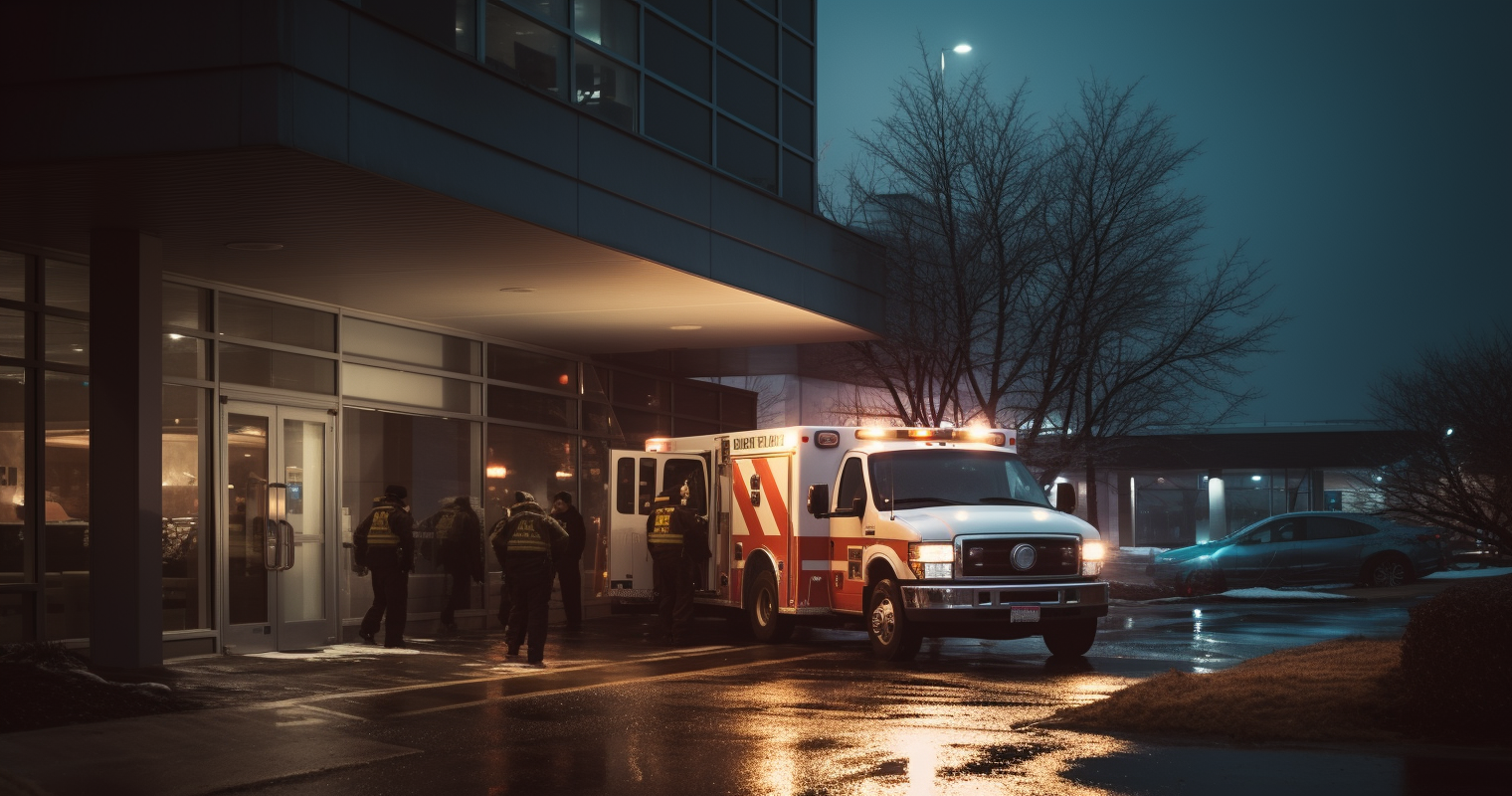
When facing any emergency in India, the single number you need to remember is 112, which puts you in touch with police, fire, ambulance, and additional services. You can also reach a medical ambulance directly by dialling 108 in most states. Emergency calls cost nothing, but hospital treatment — particularly at private facilities — is a different matter. India offers no universal free healthcare to foreign nationals, making comprehensive health and travel insurance an absolute necessity before you set foot in the country.
| Item | Details |
|---|---|
| Single emergency number | 112 (police, fire, ambulance, and more — as of 2025) |
| Ambulance number | 108 (government service, free, operational in most states — as of 2024) |
| Emergency call cost | Free, 24/7 |
| Hospital treatment cost for foreigners | Not free at point of use; upfront payment or insurance typically required |
| Bilateral healthcare agreements | No reciprocal free emergency treatment agreements for foreign nationals |
| Mental health crisis line | iCALL, Vandrevala Foundation (24/7), AASRA — verify current numbers with official sources |
| Natural disaster helpline | NDMA: 1078 / 011-26701728 (as of 2025) |
What is the single emergency number in India, and does it cover police, fire, and ambulance?
India’s Emergency Response Support System (ERSS) runs a pan-India unified number — 112 — as the country’s universal emergency response system. The Government of India has officially designated 112 as the single, internationally recognised emergency contact for situations involving police, fire, and ambulance services, reachable via calls, SMS, email, panic button activation, and the 112 India mobile app.
The rollout of 112 brought India in line with international practice, creating a single emergency helpline that draws together police, fire, and medical response under one accessible point of contact — comparable in concept to 911 in the United States or 999 in the United Kingdom. ERSS-112 functions as a state-level system that receives distress communications across ten distinct channels — among them voice calls, SMS, SOS alerts, email, WhatsApp, and chatbot — forwarding authenticated calls complete with incident data to dispatchers handling police, health, fire, disaster, women’s, children’s, or railway emergencies.
Although 112 serves as the central emergency gateway, a number of established legacy numbers continue to function across much of India. The traditional numbers — 100 for police, 101 for fire, 108 for medical emergencies, and 102 for ambulance transport — are being progressively incorporated under the 112 umbrella, yet remain active. When moving between states, 112 is the most reliable number to use, eliminating the need to know local variations in different regions.
Through the 112 India Mobile App (downloadable from Google Play and the Apple App Store), you can also trigger a panic call directly to the Emergency Response Centre. For women and children, the app includes a SHOUT feature that simultaneously alerts nearby registered volunteers and the Emergency Response Centre to provide immediate on-the-ground support.
How do you call for emergency medical assistance in India, and what should you expect?
The 108 service functions primarily as an emergency response system, designed to reach patients facing critical care needs, trauma, and accident injuries. It is a free-to-call number for emergency medical services, implemented by state and union territory governments predominantly through a public-private partnership model with financial backing from the National Health Mission under the Ministry of Health and Family Welfare.
When you dial 108, the process unfolds as follows:
- Your call is directed to a centralised Emergency Response Centre (ERC), typically established at state or regional level and staffed around the clock by trained emergency response officers.
- The ERC officer gathers essential details: the nature of the emergency, your precise location (frequently pinpointed using GPS triangulation), the number of people involved, and the severity of the situation.
- The closest available ambulance and healthcare facility are identified, and their details are passed to the relevant parties. While the ambulance is in transit, the operator may reconnect with the caller to offer reassurance and relay pertinent information to the Emergency Medical Technician (EMT).
- On arrival at the scene, the EMT delivers the necessary support before transporting the patient to the nearest designated health centre, handing them over with a full account of the situation.
As of 2024, this system operates with 10,993 ambulances, split into two categories: Basic Life Support (BLS) and Advanced Life Support (ALS). Response times are targeted at an average of 18 minutes, though in practice this varies considerably depending on your location and the local availability of resources. In rural areas, waits can be significantly longer than in larger cities.
The 102 ambulance service offers free emergency transport specifically for pregnant women and newborns under government healthcare programmes such as the Janani Suraksha Yojana. For all other medical emergencies, 108 is the number to call.
What should you do in a mental health crisis in India?
India does not currently have a single dedicated national mental health emergency line comparable to, for example, the 116 123 Samaritans number in Ireland or the 988 Suicide and Crisis Lifeline in the United States. That said, a number of organisations offer free and confidential crisis support, and hospital emergency departments are also equipped to assist.
The Vandrevala Foundation crisis intervention helpline operates around the clock, providing free and confidential support by phone, text, and online chat, and is widely regarded as a go-to resource for those in acute distress. iCALL, established in 2012 by the School of Human Ecology, uses technology as a platform to extend mental health support to those who need it. AASRA is another established crisis organisation running a helpline for people in distress. Contact details for these services should always be verified directly, as helpline numbers are subject to change.
The government’s 104 helpline addresses medical assistance for a range of minor physical ailments and mental distress, while also providing directory information, details on health schemes, and a grievance redressal mechanism. Callers from any state can reach the 104 helpline and be connected to a trained advisor or doctor available at any hour.
If you or someone nearby is in immediate danger, call 112 or proceed directly to the emergency department of the nearest hospital. Both public and private hospital emergency departments can carry out an initial assessment and provide stabilisation during a psychiatric crisis, as well as connect you to specialist mental health services. Expats may also find that their home country’s embassy or consulate can recommend English-speaking or multilingual mental health professionals in the area.
Where can you go for emergency medical treatment in India?
India’s healthcare landscape is divided between public and private sectors. The tax-funded public sector provides care through local government institutions, but these facilities are frequently stretched beyond capacity by the sheer volume of patients, often resulting in extended waits and inconsistent quality of care. The private sector delivers a higher standard of care, but at a considerably greater cost.
In practice, expats are most likely to seek emergency treatment at one of the following types of facility:
- Government hospitals: Found in all cities and many towns, these are technically accessible to everyone, including foreign nationals, but they can be extremely busy. Standards differ substantially from state to state and between urban and rural locations.
- Private hospitals: India’s private healthcare sector is well developed, with advanced medical technology and a strong track record of meeting international health standards. Major private hospital groups — including Apollo, Fortis, Max, and Manipal — are present across major cities and provide a calibre of care that stands comparison with leading international institutions.
- Private urgent care clinics: Available in larger cities for conditions that are urgent but not life-threatening. These can offer quicker access than hospital emergency departments for minor injuries and illnesses.
There is no universal coverage and healthcare provision differs considerably from one state to the next. The quality and extent of care also vary greatly by region, and people in rural areas are frequently less well served than those in urban centres.
To locate the nearest suitable hospital in an emergency, call 112 or 108 and the dispatcher will guide you to the most appropriate facility. Most major private hospital networks also operate location finders on their websites, and your insurer’s emergency assistance line can direct you to a hospital within their network. Store your insurer’s 24-hour helpline number in your phone before an emergency arises.
Is emergency medical treatment free in India, or is there a charge?
Emergency medical treatment in India is not free at the point of use for the vast majority of people — and this applies equally to local residents, long-term expats, and visitors. The public healthcare system does not offer comprehensive coverage even to expatriates holding permanent resident status. The same holds true for the general population, with more than 70% of Indians having no substantive welfare safety net to fall back on.
Access to healthcare is a significant marker of social inequality in India, with 74% of the country’s total healthcare expenditure occurring in the private sector. At government hospitals, treatment costs are subsidised and can be relatively modest for basic care, but this falls well short of free universal emergency treatment. Private hospitals — which in most cities provide the best emergency facilities — will typically require a deposit or evidence of insurance before admitting a non-emergency patient, and expect upfront payment or insurer settlement for emergency procedures.
While routine care is generally of good quality and reasonably priced, hospitalisation costs can mount steeply. Without insurance, every healthcare expense comes directly out of your own funds. There is no distinction in this regard between long-term residents and short-term visitors: the absence of a universal system places financial responsibility for treatment firmly on the individual, regardless of immigration status. Always check current fee structures directly with your chosen hospital or insurer, as costs vary considerably between facilities and regions.
Do expats need travel or health insurance to access emergency care in India?
Comprehensive health or travel insurance is strongly recommended — and for all practical purposes essential — for every expat and visitor in India. Private health insurance is a cornerstone of sensible preparation for anyone living in India as an expatriate. You are generally advised to secure private health coverage before arriving, ensuring protection for both outpatient care and hospitalisation, where expenses can escalate quickly.
If you arrive at a private hospital without insurance or without the means to pay, there is a genuine risk that elective or non-immediately-life-threatening treatment will be withheld until financial arrangements are in place. In a genuine life-threatening situation, hospitals are broadly expected to provide initial stabilisation, but anything beyond that will come at a cost. In a medical emergency, neither your embassy nor your consulate will organise or cover the costs of medical repatriation. If you are unable to meet a bill that could run to several thousand euros, a policy with repatriation assistance is strongly advisable.
When selecting a policy, ensure it encompasses emergency hospitalisation, medical evacuation, and repatriation. Examine the coverage limits, the hospitals included in the network, and any health conditions that must be declared. As an expat in India, using facilities within your insurer’s medical network helps you avoid lengthy queues in public hospitals. Always keep your insurer’s 24-hour emergency number saved on your phone — not tucked away in a document folder where it may be inaccessible when needed most.
Are there bilateral health agreements between India and other countries?
Unlike the reciprocal healthcare arrangements that exist between European Union member states — such as the European Health Insurance Card scheme — or between certain countries in the Gulf Cooperation Council, India does not operate a general bilateral health treaty entitling foreign nationals to free or subsidised emergency treatment. No EHIC-equivalent scheme exists for visitors to India from any country.
India has concluded bilateral social welfare agreements with a number of countries, but these do not necessarily extend to healthcare. The agreement with France, for instance, is confined to retirement provisions. Such treaties primarily address pension portability and long-term social security contributions for employees on secondment to India, rather than emergency healthcare access.
If you are employed and working in India, Indian social welfare legislation technically applies to you, but it falls to you to engage with the relevant local bodies. Whether the public system will meet your needs — given the variable quality of care available — is a significant consideration. For the overwhelming majority of expats, this means that private international health insurance, rather than any government-to-government arrangement, is the only dependable way to secure covered emergency care. Check the official website of your home country’s relevant social security authority for the latest information on any bilateral agreements currently in place.
How does India’s emergency healthcare system compare to systems expats may be familiar with?
India’s healthcare model differs markedly from a fully public, tax-funded system such as the NHS in the United Kingdom or Medicare in Australia, where emergency treatment is delivered free at the point of use regardless of a patient’s nationality or residency status. It is equally distinct from the mandatory insurance systems found in countries such as Germany or the Netherlands, where statutory coverage is compulsory for all residents.
The Indian system is comparatively complex. The public healthcare sector does not provide comprehensive coverage even to expats with permanent resident status. Rather, India operates a mixed public-private model in which the government delivers subsidised care through state hospitals — with a particular focus on maternal health, child health, and rural communities — while the majority of higher-quality emergency care is delivered in the private sector, funded through out-of-pocket payments or private insurance.
Access to healthcare represents one of the more striking indicators of social inequality in India, with 74% of total national healthcare expenditure flowing through the private sector. In this regard, the system has more in common with countries where upfront payment or private insurance is the norm — such as the United States — than with a universal-access public arrangement. Even so, the government ambulance network (108/112) does provide free emergency transport and triage that is broadly accessible to all, representing a meaningful publicly funded safety net within an otherwise largely private treatment landscape.
India ranks among the world’s top ten destinations for medical tourism. Its favourable quality-to-cost ratio draws hundreds of thousands of international patients each year, who can realise significant savings on major procedures. The private healthcare sector is well developed, equipped with advanced medical technology and a strong commitment to international health standards. Indian specialists are particularly well regarded in areas such as cardiology, organ transplantation, orthopaedics, and dental surgery. For expats with adequate insurance, the calibre of private emergency care available in India’s major cities is genuinely world-class.
What emergency services exist beyond medical — how do police and fire services work in India?
Police, fire, and ambulance services are all reachable through 112, India’s pan-India unified emergency number, with computer-aided dispatch of field resources. The legacy numbers — 100 for police and 101 for fire — remain functional in most states and can be dialled directly where preferred.
Several points are particularly relevant for expats who may need to interact with Indian police:
- FIR (First Information Report): If you are a victim of crime, you are entitled to file an FIR at your nearest police station. This is an important step for insurance claims, reporting a lost passport, and pursuing legal proceedings. If officers are reluctant to register an FIR, you may escalate the matter to a senior officer or approach a magistrate.
- Language: English is widely spoken at urban police stations in major cities, but this may not be the case in smaller towns or rural settings. Having a local contact who can assist with translation is a sensible precaution.
- Documentation: Carry a copy of your passport and visa at all times. Foreign nationals studying, conducting research, working, or residing in India must register with the Foreigners Regional Registration Office (FRRO) nearest to their place of stay within 14 days of arrival. Keeping your registration documents readily accessible can help prevent complications during any encounter with police.
- Technology restrictions: Carrying a satellite phone or GPS device in India is illegal and can result in fines, detention, or arrest, with penalties potentially reaching $200,000 and up to three years’ imprisonment. Be mindful of this if you travel with specialist communications equipment.
Urgent fire department assistance is generally provided without charge, though municipalities may seek reimbursement for non-urgent call-outs where local regulations permit. As with ambulance services, response times for the fire brigade can differ substantially between urban and rural locations.
Are there country-specific emergency risks in India?
India is exposed to a wide range of natural and environmental hazards that expats should familiarise themselves with before and during their time in the country. These include:
- Cyclones and flooding: The eastern coastline — particularly Odisha, Andhra Pradesh, and West Bengal — and parts of the western coast are regularly struck by cyclones, especially between May and November. Monsoon-related flooding affects extensive areas of the country each year.
- Earthquakes: Portions of India, including the Himalayan region, Gujarat, and the Andaman and Nicobar Islands, fall within seismically active zones. The National Disaster Management Authority (NDMA) publishes seismic zone maps and safety guidance.
- Extreme heat: Northern and central India are subject to severe heatwaves between April and June, with temperatures frequently exceeding 45°C in certain states. Heatstroke constitutes a genuine medical emergency in these conditions.
- Air quality: In major cities such as Delhi, Mumbai, and Bangalore, heavy traffic and high pollution levels — particularly during winter — create a real risk of respiratory problems. Those with pre-existing respiratory conditions should exercise particular caution.
- Endemic diseases: Dengue fever, malaria, typhoid, and cholera remain present across various regions. The monsoon season typically brings an increase in mosquito-borne illness. Consult a travel medicine specialist before relocating to India and keep your vaccinations current.
- Civil unrest: Localised protests and civil disturbances can erupt with little notice. Monitoring local news and government travel advisories on a regular basis is strongly advisable.
For disaster alerts and early warning information, the main official body is the National Disaster Management Authority (NDMA). The NDMA disaster management helpline is 1078 or 011-26701728, and the National Disaster Response Force (NDRF) headquarters helpline is 011-24363260. The India Meteorological Department (IMD) issues warnings for cyclones, flooding, and heatwaves and should be monitored throughout periods of elevated risk.
What should expats do to prepare for emergencies before they arise in India?
Taking steps to prepare before an emergency occurs is far more effective than attempting to navigate an unfamiliar system under pressure. The following actions represent the key priorities for every expat:
- Register with your embassy or consulate. Most countries run a traveller and resident registration scheme — for example, the US operates the Smart Traveler Enrollment Program (STEP), the UK offers the FCDO’s registration service, and Australia has Smartraveller. Enrolling in STEP, for instance, enables the US embassy or consulate to reach you or your emergency contact in a crisis and keeps you informed of important alerts. Check your home country’s foreign ministry website for the relevant scheme.
- Secure comprehensive health and travel insurance before arriving, with cover that includes emergency hospitalisation, medical evacuation, and repatriation. Store your insurer’s 24-hour emergency number in your phone.
- Register with the FRRO. Foreign nationals visiting India to study, conduct research, work, or reside must hold an appropriate visa and register with the Foreigners Regional Registration Office (FRRO) nearest to their place of stay within 14 days of arrival. This process can be completed online via the FRRO online portal.
- Save key emergency numbers. Store 112, 108, your insurer’s helpline, your nearest embassy or consulate, and a trusted local contact in your phone — and keep a written copy as a backup.
- Download the 112 India app. An SOS alert can be triggered at any moment simply by pressing the power button when you or someone else faces imminent danger.
- Identify your nearest hospital. Locate the nearest private hospital with a well-equipped emergency department before the need arises, and confirm it falls within your insurer’s network.
- Monitor official alerts. Sign up for notifications from the NDMA, the India Meteorological Department, and your embassy’s alert service to receive advance warning of natural disasters and civil disturbances.
- Prepare a go-bag. Keep essential documents (passport, visa, insurance details, FRRO registration), medication, and emergency cash in an accessible location in case you need to evacuate at short notice.
Where can expats get official and up-to-date emergency information for India?
The sources listed below should be your primary reference points for current emergency information in India. Always verify phone numbers and procedures directly with these authorities, as details are subject to change:
- 112.gov.in — The official Government of India portal for the Emergency Response Support System, featuring FAQs, the 112 India app, and state-level contact information.
- Ministry of Home Affairs (MHA) — Oversees ERSS and publishes policy information relating to emergency services across India.
- National Health Mission (NHM) — Provides information on government ambulance services (108/102) and public healthcare programmes.
- National Disaster Management Authority (NDMA) — The lead authority for disaster preparedness, response, and early warning in India. Helpline: 1078 (as of 2025 — verify with official sources).
- India Meteorological Department (IMD) — Issues weather warnings covering cyclones, floods, and heatwaves.
- Foreigners Regional Registration Office (FRRO) — For registration requirements applicable to foreign residents and visitors.
- Your home country’s embassy or consulate in India — For citizen welfare services, travel advisories, and registration schemes. For example: the US Embassy in India, the British High Commission in India, and the Australian High Commission in India.
Frequently asked questions: emergencies in India
What is the most important emergency number to know in India?
112 is the one emergency number every person in India should have memorised — it connects you to police, fire, ambulance, and other emergency services across every state and union territory, 24 hours a day, seven days a week, completely free of charge. You can also dial 108 directly for a medical ambulance in most states.
Can I call 112 from a foreign SIM or without a SIM card at all?
112 is a standard emergency number that can be dialled free of charge from the vast majority of mobile phones. It forms part of the GSM standard, meaning all GSM-compatible handsets can dial 112 even when the screen is locked or, in many cases, when no SIM card is present. This means that even if your foreign SIM has run out of credit or data, you should still be able to reach 112 in a crisis.
Will a private hospital in India treat me in an emergency if I have no insurance?
In a situation that is immediately life-threatening, hospitals are broadly expected to provide initial stabilisation. However, private hospitals in India will typically demand a financial deposit or proof of insurance before extending non-urgent treatment or admitting a patient beyond that initial stage. It is worth noting that neither your embassy nor your consulate will arrange or cover the costs of medical repatriation, meaning that arriving uninsured places the entire financial burden on you personally.
Is there a free national mental health crisis line in India?
India does not currently have a single government-run national mental health emergency line on a par with crisis lines in some other countries. However, a number of NGO-operated helplines offer free, confidential round-the-clock support — among them the Vandrevala Foundation helpline and iCALL. The government’s 104 health helpline also handles queries relating to mental distress. Always confirm current contact details through official or well-established sources before you find yourself in need of them.
Do I need to register with any authority when I move to India?
Foreign nationals visiting India to study, conduct research, work, or take up residence must hold an appropriate visa and register with the Foreigners Regional Registration Office (FRRO) nearest to their place of stay within 14 days of arrival. This can be done online through the FRRO portal at indianfrro.gov.in. You should also separately register with your home country’s embassy or consulate.
Does India experience major natural disasters, and how will I be warned?
India is susceptible to cyclones, flooding, earthquakes, and severe heatwaves, among other hazards. The National Disaster Management Authority (NDMA) is the primary government body responsible for disaster preparedness and response, while the India Meteorological Department issues early warnings for weather-related events. Sign up for alerts through your embassy’s notification system and keep an eye on the NDMA website during high-risk periods. The NDMA helpline is 1078 (as of 2025 — verify current details with official sources).
Are ambulance call-outs free in India?
The 108 government ambulance service is provided at no cost to those who use it. The charges associated with emergency transport depend on the type of ambulance and service involved — most states operate government-funded services at no charge, and some charitable organisations also run ambulances without cost to patients. Private ambulance providers do charge for their services; where circumstances allow, confirm fees before engaging them.
Is there any reciprocal health agreement that means I can get free treatment in India?
While India has signed bilateral social welfare agreements with a number of countries, these do not generally extend to healthcare provision. There is no EHIC-style scheme or Commonwealth reciprocal arrangement that entitles foreign nationals to free emergency hospital treatment in India. Irrespective of your nationality or residency status, comprehensive private health insurance should be in place before you arrive in the country.