
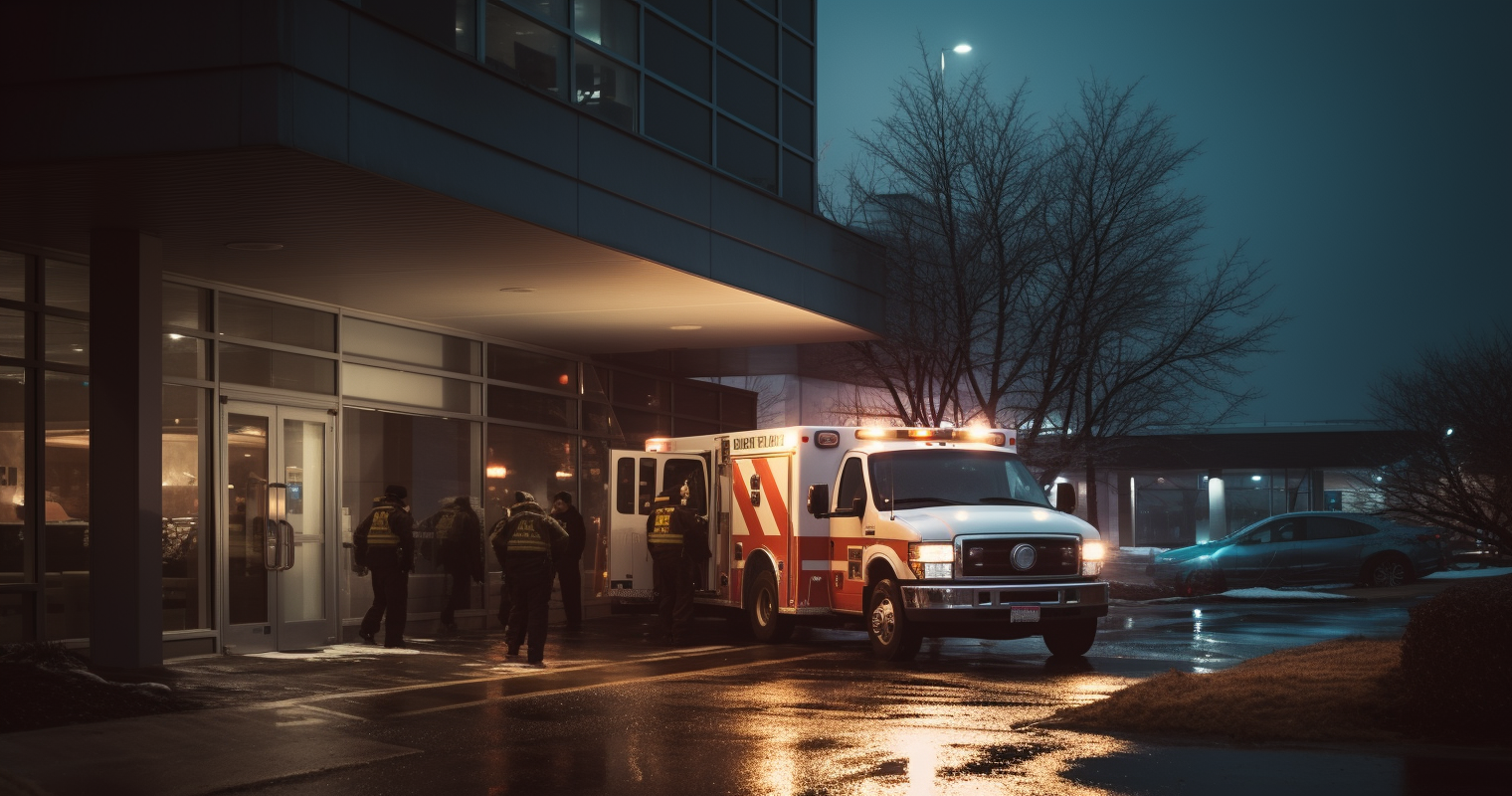
The Philippines uses 911 as its single national emergency number, covering police, fire, and medical assistance. Emergency treatment is available at public hospitals but is not universally free — foreign nationals and uninsured visitors should generally expect to cover costs themselves, and private hospitals typically require a deposit or confirmation of insurance coverage before admitting patients. Robust health insurance is strongly advised for all expats living in or visiting the country.
| Item | Details |
|---|---|
| Primary emergency number | 911 (police, fire, medical) — available 24/7 nationwide (as of 2025) |
| Police direct line | 117 (Philippine National Police) |
| Mental health crisis line | 0917-899-8727 (NCMH, 24/7) |
| Public hospital ER starting cost | From approx. ₱300 (as of 2024/2025 — verify with hospital) |
| Private hospital ER cost | ₱1,500–₱15,000+ depending on treatment (as of 2024/2025) |
| Disaster alert system | NDRRMC / PAGASA — free SMS alerts mandated by law |
What is the single emergency number in the Philippines?
911 serves as the Philippines’ national emergency telephone number, administered by the Emergency 911 National Office. Launched in 2016 to replace the previous 117 emergency hotline, it connects callers to police, fire, and medical emergency services. It functions in the same way as 999 in the United Kingdom, 112 across the European Union, or 000 in Australia — a single point of contact giving access to all major emergency services through one call.
In September 2025, the Department of the Interior and Local Government (DILG) rolled out the Unified 911, a centralised emergency hotline that brings together local emergency contact numbers from across the country. The system integrates police, fire, and hospital emergency services into a single platform, and incorporates an automated filtering and blocking mechanism designed to detect and prevent repeated prank calls from disrupting operations.
The Unified 911 employs operators with proficiency in local languages and regional dialects, and the service runs around the clock every day of the year. Calls are routed based on the caller’s location to one of sixteen call centres positioned throughout the country, with each centre serving a designated region.
In addition to 911, several dedicated agency lines remain operational. The Philippine National Police (PNP) can be reached directly on 117, and the Bureau of Fire Protection (NCR) maintains lines at (02) 8426-0246 and (02) 8426-0219. The Philippine Red Cross is also reachable on 143. Always confirm current contact numbers through official sources, as local lines are subject to change.
How do you call for emergency medical assistance in the Philippines, and what should you expect when you call?
To request an ambulance in the Philippines, dial 911. An operator will assess your call and dispatch the relevant emergency service. The call is free from any mobile or landline phone. If you are located in a remote or rural area, response times may be considerably longer than in major urban centres, and the level of pre-hospital care provided by responding units can differ substantially depending on location.
When your call is answered, give your location as precisely as possible — this is the single most important piece of information for getting help to you quickly. If you are unsure of your exact address, describe nearby landmarks, road signs, or any identifiable features in the area that can help responders navigate to you.
You should also clearly describe the nature of the emergency — specify what has happened, how many people are involved, and how serious the situation appears to be. This information allows the operator to determine what level of response is required and to brief the responding team before they arrive.
For those covered by public healthcare, an ambulance typically costs between 500 and 1,500 pesos, though this generally means a lower standard of pre-hospital care than private ambulances, which tend to cost in the region of 2,000 pesos. These figures are indicative as of 2024/2025 — check directly with service providers for up-to-date pricing, as costs may change. Emergency air evacuation can cost up to ₱50,000, which makes medical evacuation insurance particularly critical for anyone living or travelling outside major cities.
What should you do in a mental health crisis in the Philippines?
The National Center for Mental Health (NCMH) is the primary government body offering mental health support and crisis intervention in the Philippines. Operating around the clock, their crisis helpline provides immediate assistance and counselling to people in psychological distress. The NCMH crisis line is available on 0917-899-USAP (8727) or 989-USAP (8727). Before relying on these numbers, it is advisable to verify them through the official NCMH website, as contact details may be updated over time.
Emergency rooms at many hospitals include psychiatric resources and trained specialists capable of responding to acute mental health crises. If someone is in immediate danger or needs urgent in-person evaluation, attending a hospital emergency department is a sensible course of action — staff can assess the situation and arrange referrals to appropriate psychiatric services. The NCMH facility in Mandaluyong City also accepts walk-in patients experiencing a crisis.
Mental health services in the Philippines have developed considerably since the Mental Health Act (Republic Act 11036) came into force in 2018, expanding the legal and institutional framework for psychiatric care. That said, services remain more limited in areas outside Metro Manila. If you intend to settle in a rural location and have pre-existing mental health needs, researching local provision ahead of time and coordinating a continuity-of-care plan with your current provider before relocating is strongly advised.
Where can you go for emergency medical treatment in the Philippines?
Healthcare in the Philippines is delivered through a combination of government-run public hospitals and privately operated facilities with more advanced infrastructure. Roughly 40% of hospitals across the country are publicly funded. In practice, which option is most appropriate during an emergency will depend on where you are, whether you hold insurance, and the seriousness of your condition.
The standard of healthcare varies considerably across the country. In major cities, you will generally find well-equipped hospitals staffed by skilled medical professionals. In more rural settings, however, facilities may be limited — equipment can be outdated, and medical staffing levels are often lower than in urban areas.
Private healthcare is well developed in the Philippines, particularly in larger cities, where modern hospitals and specialist clinics serve patients seeking higher-quality or more specialised treatment. Private facilities typically offer advanced diagnostic equipment, shorter waiting times, and doctors with international training. Metro Pacific Health, the largest private hospital network in the country, operates more than 20 hospitals nationally.
To locate an accredited hospital near you, the Department of Health maintains an online directory at doh.gov.ph. In Metro Manila, major government facilities such as Philippine General Hospital (PGH) operate dedicated emergency departments. In areas outside the capital, barangay health centres can provide an initial point of contact, but they are not equipped to manage serious or complex emergencies.
Is emergency medical treatment free in the Philippines, or is there a charge?
Emergency medical treatment in the Philippines is not universally free, and the costs you face will depend significantly on where you receive treatment, your residency status, and whether you have insurance. Unlike a fully tax-funded model such as the NHS in the United Kingdom, which provides emergency care at no direct cost regardless of a patient’s nationality, the Philippines operates a mixed system in which charges apply in most healthcare settings.
Emergency rooms at public hospitals generally start charging from around ₱300 for basic medical care, while those at private hospitals typically levy fees ranging from ₱1,500 to ₱15,000 or more (as of 2024/2025 — confirm with individual hospitals, as fees vary widely). These differences reflect the disparity in infrastructure, staffing, and resources between sectors: public hospitals offer more affordable rates but may be busier and less well-resourced, while private hospitals charge a premium for faster access and more sophisticated facilities.
Filipino citizens can access the national public health insurance scheme, which covers basic health services at subsidised or zero cost depending on income. This scheme is administered by the Philippine Health Insurance Corporation, commonly known as PhilHealth, and is funded through government contributions.
While Filipino nationals benefit from subsidised public healthcare, expats typically face direct out-of-pocket costs and often opt for private hospitals for their speed of service and higher standard of care. Expats wishing to enrol in the PhilHealth scheme must hold a long-term visa to be eligible. Short-term visitors and tourists have no automatic entitlement to subsidised treatment and should expect to pay in full.
One important practical point regarding private hospitals: you will not be permitted to leave the facility until your bill has been settled in full. This is a significant departure from systems where billing is handled administratively after discharge. Carrying insurance documentation that supports a guarantee of payment letter — or ensuring you have sufficient funds available — is therefore essential before presenting at any private hospital.
Do expats need travel or health insurance to access emergency care?
Comprehensive health insurance is strongly recommended — and in real terms, often indispensable — for all expats and visitors in the Philippines. While the public healthcare system provides subsidised care to Filipino citizens, foreign nationals typically bear the full cost of any medical treatment they receive. Without adequate coverage, even a moderate medical episode can generate significant expenses, particularly if specialist or private care is involved.
Whether you are visiting for a short period or settling long-term, having health insurance is the most effective way to avoid unexpected and potentially very large out-of-pocket medical bills. While those with legal residency and employment may be eligible for the public system, most expats find that private or internationally oriented health plans offer broader access and a better standard of care.
Arriving at a hospital without insurance or the means to pay is a serious risk at private facilities, where access to care is not guaranteed in the absence of financial assurance. Public hospitals are legally required to stabilise patients in immediate emergencies, but these facilities are frequently overcrowded, and the consistency of care can be variable. Medical evacuation coverage deserves special attention: private hospitals in major cities are generally of a high standard, but healthcare provision in rural and island areas can be severely limited. A serious emergency in such locations may necessitate evacuation to Manila, Singapore, or even a return to your home country.
Many employers provide health coverage to their expat staff, but where this is not available, purchasing an international health insurance plan that includes coverage within the Philippines — and ideally emergency evacuation — is a practical necessity rather than an optional consideration.
Are there bilateral health agreements between the Philippines and other countries?
Unlike arrangements within the European Union — where the EHIC or GHIC card offers a degree of reciprocal access to state healthcare — or certain Commonwealth-level agreements, the Philippines is not party to any known broad reciprocal healthcare arrangements that would entitle foreign nationals to free or reduced-cost emergency treatment on the basis of their nationality alone. No equivalent of the cross-border healthcare entitlements that exist between EU member states, or between Australia and New Zealand, applies in the Philippines.
Certain bilateral social security agreements do exist between the Philippines and specific countries, including Japan, Canada, and a number of EU member states, but these instruments generally concern pension entitlements and the portability of social security contributions rather than access to healthcare in an emergency context. They should not be interpreted as reciprocal health treatment agreements. For the most current information on any applicable arrangements, check with your home country’s relevant government ministry and with the Philippine Department of Foreign Affairs at dfa.gov.ph, as these agreements can be updated over time.
The practical implication is clear: nearly all foreign nationals — regardless of where they come from — should plan to pay directly for emergency medical treatment or depend on private insurance. It would be unwise to assume that social security or health entitlements from your home country will be transferable to the Philippines.
How does the emergency healthcare system compare to systems expats may know?
The Philippines operates a healthcare system that blends publicly funded provision with a parallel private sector, giving patients the option of accessing government-run facilities at lower cost or paying for private care directly. This structure is more closely aligned with healthcare models found in parts of Southeast Asia and Latin America than with universally funded systems such as the NHS in the United Kingdom or Australia’s Medicare, both of which provide emergency care free at the point of use to all residents regardless of financial status.
The private health sector in the Philippines is heavily influenced by North American medical practice, meaning that upfront payment, insurance verification, and itemised fee-for-service billing are routine — particularly in private hospitals. Expats from the United States will recognise this model, while those from countries with comprehensive universal coverage may find the approach quite different from what they are used to.
Although healthcare costs can be substantial for individuals without coverage, treatment in Philippine private hospitals is often more affordable than equivalent care in the patient’s home country, particularly in major urban centres. Emergency and intensive care services at leading private hospitals in Metro Manila and Cebu are broadly comparable to those at reputable international providers. The defining variable, however, is geography: the quality and availability of care in rural areas and remote islands can fall well short of what is available in the country’s major cities.
Expats relocating from countries with strong regional healthcare provision should be aware that outer islands and highland communities may have only the most basic medical infrastructure. In such areas, emergency evacuation to a better-equipped facility is a realistic possibility, making evacuation insurance an essential component of any healthcare plan rather than a precautionary add-on.
What emergency services exist beyond medical — how do police and fire services work?
The Philippine National Police (PNP) is the country’s uniformed law enforcement body, responsible for maintaining public order and safety, preventing and investigating crime, and enforcing the law. Its mandate encompasses the protection of lives and property, upholding the rule of law, and building trust between law enforcement and communities throughout the country. For crimes, road traffic incidents, and all other law enforcement-related emergencies, the PNP should be contacted via the national 911 line or directly on 117.
The Bureau of Fire Protection (BFP) has nationwide responsibility for fire suppression and rescue operations. The BFP is accessible through the national 911 emergency number, and the NCR branch can also be reached directly on (02) 8426-0246 and (02) 8426-0219. Always verify BFP contact numbers for areas outside Metro Manila, as local lines vary.
Expats who have come from countries with well-funded and highly equipped emergency services may notice differences in the Philippines, particularly in regions beyond the major cities, where both police and fire services can be less resourced than their urban counterparts and response times less predictable. When moving to a new area, it is worth identifying the location of the nearest barangay hall and local police station, as these local community contacts can be just as valuable as national hotlines when an emergency develops quickly.
For traffic-related incidents in Metro Manila specifically, the Metro Manila Development Authority (MMDA) can be reached on 136. The MMDA oversees traffic management and road safety across the capital region and can assist with road-based emergencies. As always, confirm current contact details with official sources before relying on any number.
Are there country-specific emergency risks in the Philippines?
The Philippines faces a broad spectrum of natural hazards, and understanding these before you arrive is a fundamental part of emergency readiness. In 2024 alone, the country was struck by an extraordinary sequence of six consecutive typhoons within a 30-day period, affecting more than 13 million people. The tropical Pacific region experiences increasingly powerful typhoon seasons, and the Philippines is particularly exposed given the extensive coastal areas that lie directly in the path of major storm systems.
Health hazards across the country range from mosquito-borne illnesses to significant air quality issues in major urban centres. Dengue fever and malaria are prevalent in certain parts of the Philippines, particularly during the rainy season which runs from June through November. Dengue is widespread and occurs especially in urban areas, while malaria poses a greater risk in rural regions. Tuberculosis is also a notable concern throughout the country.
The Philippines occupies a position on the Pacific Ring of Fire, making it highly susceptible to seismic and volcanic activity. The Philippine Institute of Volcanology and Seismology (PHIVOLCS) monitors both earthquake and volcanic hazards and issues public alerts when conditions warrant. Earthquakes can strike without warning, making it important to familiarise yourself with building safety standards and evacuation routes in your area before an event occurs.
For natural disaster alerts, the Philippines has a solid legal foundation. Republic Act No. 10639, the Free Mobile Disaster Alerts Act, legally requires all telecommunications providers to transmit location-specific, real-time disaster alerts to mobile subscribers at no charge. This law effectively made telecoms companies frontline contributors to early warning efforts. Provided you have a Philippine SIM card and mobile coverage, you should receive these alerts automatically when a hazard threatens your area.
The National Disaster Risk Reduction and Management Council (NDRRMC) acts as the central coordinating authority for disaster response, aligning the work of specialist technical agencies with broader emergency management and public information responsibilities. The Philippine Atmospheric, Geophysical and Astronomical Services Administration (PAGASA) and PHIVOLCS, both operating under the Department of Science and Technology, serve as the country’s principal scientific authorities on meteorological and geophysical risks respectively.
What should expats do to prepare for emergencies before they arise?
- Register with your home country’s embassy or consulate. Most governments offer a registration service — such as the UK FCDO’s registration scheme, or the US STEP programme accessible through the US Embassy in Manila at ph.usembassy.gov. Being registered means your government can reach you in the event of a major disaster, natural hazard, or period of civil unrest in your area.
- Obtain comprehensive health and evacuation insurance. Medical evacuation cover is especially important. While private hospitals in cities are generally of a high standard, rural and island healthcare infrastructure can be very limited. A serious emergency may require airlift to a facility in Manila, Singapore, or your home country. Ensure your policy includes emergency evacuation as a standard benefit, not an optional rider.
- Save emergency numbers to your phone. Store 911, 117 (PNP), 143 (Philippine Red Cross), the NCMH mental health crisis line (0917-899-8727), and the contact details of your nearest hospital and home country embassy or consulate before you ever need them. Also note the number for your local barangay hall.
- Get a local Philippine SIM card. The Free Mobile Disaster Alerts Act requires all telecommunications providers to send location-specific, real-time disaster notifications to subscribers at no cost. Having a local SIM ensures you are automatically included in these alerts.
- Learn your local disaster protocols. Identify evacuation routes and community assembly points in your barangay. Find out where your nearest public and private hospitals are located. Familiarise yourself with the PAGASA typhoon signal warning system (Signal Nos. 1–5), which communicates the anticipated severity and impact of approaching typhoons.
- Keep important documents accessible. Securely store digital copies of your passport, visa, insurance policy, and medical history in a cloud service. Carry a concise summary of any medical conditions, current medications, and known allergies in your wallet.
- Maintain a home emergency kit. In a country regularly affected by typhoons and earthquakes, keep an adequate supply of water, non-perishable food, a torch, a first-aid kit, a portable power bank, and cash (ATM networks may be unavailable following a major disaster) in a readily accessible location at home.
Where can expats get official and up-to-date emergency information for the Philippines?
Consulting reliable official sources is essential for effective emergency preparedness. Contact numbers, procedures, and circumstances can change at any time — always cross-reference information from guides like this one against the most current data published by authoritative bodies. Key sources to bookmark include:
- Emergency 911 National Office: e911.gov.ph — the official home of the Philippine 911 system, with hotline information and operational guidance.
- National Disaster Risk Reduction and Management Council (NDRRMC): ndrrmc.gov.ph — situational reports, disaster advisories, and real-time monitoring dashboards.
- PAGASA (Philippine weather authority): bagong.pagasa.dost.gov.ph — typhoon tracking, rainfall advisories, and flood warnings.
- PHIVOLCS (volcanic and seismic monitoring): phivolcs.dost.gov.ph — earthquake bulletins and volcano activity alerts.
- Department of Health (DOH): doh.gov.ph — hospital directories, public health advisories, and disease alerts.
- Philippine Red Cross: redcross.org.ph — emergency response coordination, blood services, and disaster relief assistance.
- Your home country’s embassy or consulate in Manila: Refer to your own government’s official travel advice pages for the Philippines — such as the UK FCDO, the US State Department, or the equivalent ministry in your country — for security updates, health advisories, and emergency contact details specific to your nationality.
Frequently asked questions
Can I call 911 from a foreign SIM card or international phone in the Philippines?
Yes. The 911 service operates nationwide around the clock and is generally accessible from any mobile phone, including devices using a foreign SIM card, as long as you have a network signal. However, to receive automatic disaster alert SMS messages, you will need a locally registered Philippine SIM card, as the Free Mobile Disaster Alerts Act applies to Philippine network subscribers.
Will a Philippine public hospital treat me in an emergency even if I have no money or insurance?
Public hospitals are legally required to provide initial emergency stabilisation regardless of a patient’s ability to pay. However, they are not obliged to continue treatment indefinitely without payment or financial guarantees, and private hospitals will not discharge patients until the full bill has been settled. Arriving at a private facility without insurance documentation or sufficient funds can result in delayed or refused admission. Carrying insurance paperwork or a guarantee of payment letter is strongly advised.
Can expats sign up for PhilHealth, the national health insurance?
Expats wishing to enrol in the PhilHealth scheme must hold a long-term visa to be eligible. Even with PhilHealth membership, coverage is partial — the scheme typically covers only 30–50% of total costs. Most long-term expats therefore complement their PhilHealth enrolment with a private or international health insurance policy to cover the remaining gap.
Is dengue fever a serious risk for expats in the Philippines?
Dengue fever and malaria occur in parts of the Philippines, particularly during the rainy season from June to November. Dengue is prevalent across the country, including in urban areas, while malaria is predominantly a concern in rural regions. No dengue vaccine is universally available for general adult use across all markets — seek advice from a travel health clinic before you travel, and use insect repellent consistently, particularly during and following rainfall.
What should I do in a typhoon?
Keep track of updates from PAGASA (bagong.pagasa.dost.gov.ph), which issues typhoon signal warnings on a scale of Signal Nos. 1–5 indicating expected wind strength and impact. Follow the guidance of your local barangay officials and the NDRRMC. If evacuation is ordered, leave well before the storm reaches your area — do not delay. If you have a Philippine SIM card, the Free Mobile Disaster Alerts Act ensures your phone will receive location-based warnings at no charge.
Is there a specific number for fire emergencies?
The Bureau of Fire Protection provides fire emergency assistance through the national 911 hotline. The Bureau of Fire Protection (NCR) can also be reached directly on (02) 8426-0246 and (02) 8426-0219. In any fire emergency, call 911 first, as this will automatically route to the appropriate fire service. Confirm local BFP contact numbers for areas outside Metro Manila with official sources.
Does the Philippines have any reciprocal health agreements with other countries?
The Philippines does not participate in broad reciprocal healthcare arrangements comparable to the EU’s EHIC system or the reciprocal health agreements within Australasia. Although bilateral social security agreements covering pension and contribution portability exist with certain countries, these do not provide entitlement to free or subsidised emergency healthcare. Foreign nationals should assume they are responsible for the full cost of medical treatment and plan accordingly through private insurance.
What happens if I need emergency care in a remote island or rural area?
In rural or remote island locations, a serious medical emergency will often require evacuation to a facility with greater capacity and resources. Air evacuation alone can cost up to ₱50,000, making medical evacuation insurance an essential rather than optional component of any expat’s coverage. When selecting a policy, confirm that it covers both inter-island and air evacuation within the Philippines as well as international medical repatriation if needed.