

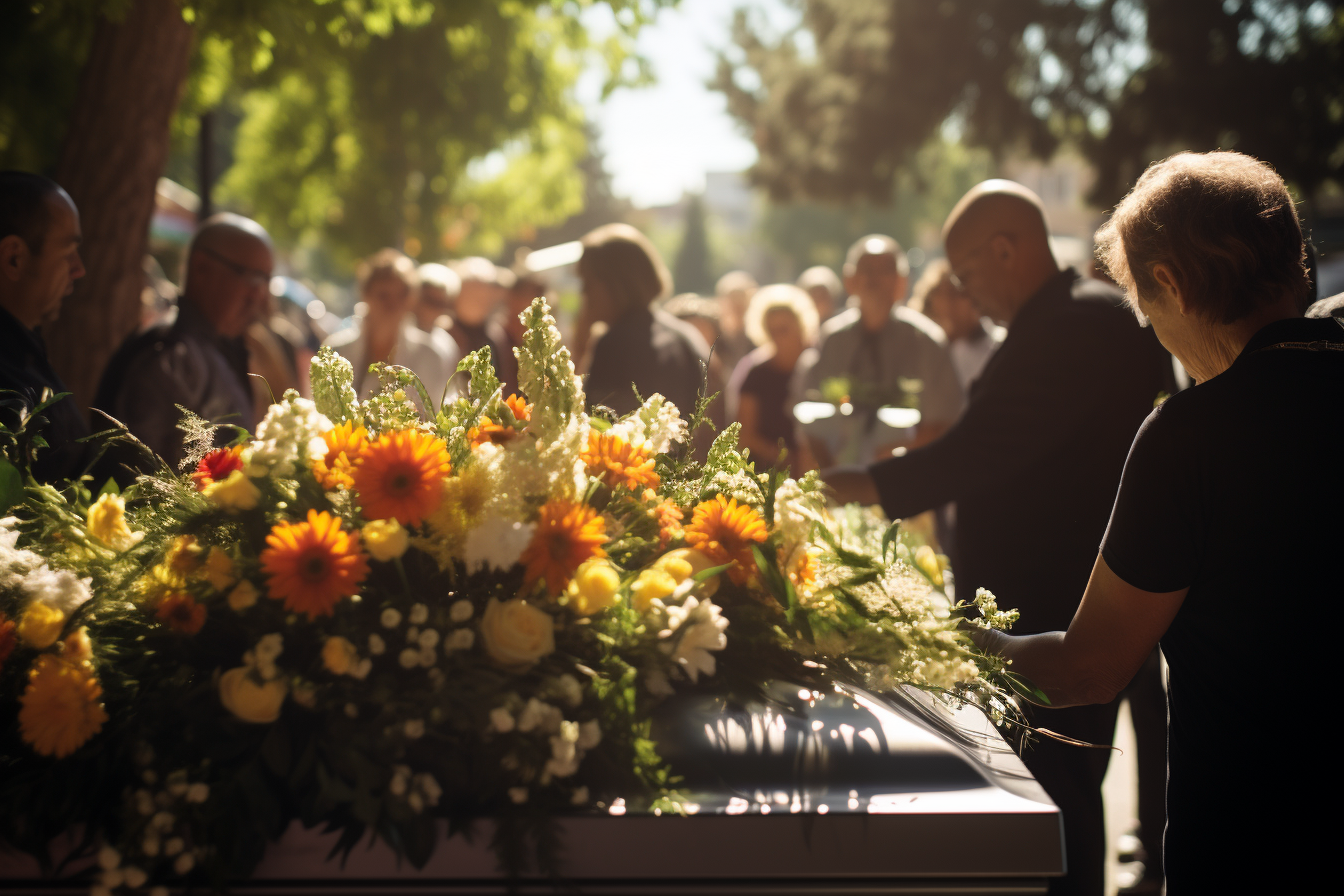
End of life care in the Philippines is influenced by a deeply family-oriented culture, a population that is overwhelmingly Catholic, and a healthcare system in which palliative and hospice services, though expanding, are still limited in reach. Expats are strongly advised to make preparations well in advance: there is no dedicated legal framework for formal advance directives, euthanasia is prohibited by law, deaths must be reported to the Local Civil Registrar within 30 days, and transferring the remains of a foreign national to their home country requires coordination between Philippine authorities and the relevant embassy.
| Item | Details |
|---|---|
| Death registration deadline | Within 30 days of death at the Local Civil Registrar (LCR) |
| PSA death certificate cost (online, as of 2024) | Approximately PHP 365 per copy (including processing and delivery) |
| Advance directives | No dedicated Philippine law; respected in practice by most hospitals; notarisation strongly recommended |
| Euthanasia / assisted dying | Illegal under Philippine law |
| Palliative care coverage | Partially integrated into PhilHealth (as of 2021); significant out-of-pocket costs remain common |
| Repatriation of remains | Requires embalming certificate, burial transit permit, and coordination with the deceased’s home country embassy |
What end of life care options are available in the Philippines, and how does the system work?
End of life care in the Philippines is provided across a range of settings, encompassing both public and private hospitals, a modest number of specialist hospice units, and an expanding network of home-based care programmes. The system is predominantly hospital-centred, and responsibility for caring for a dying person typically rests with the immediate family. When no professional palliative team is present, it is usually the closest relatives who take on the role of primary caregiver.
In 2021, palliative and hospice care was formally incorporated into the Philippine national health system across all disease types, age categories, and levels of healthcare delivery. This was given practical effect through the release of the inaugural Manual of Operations, Procedures, and Standards for the National Palliative and Hospice Care Programme. Despite this milestone, access to these services remains inconsistent across the country.
Services are unevenly distributed and remain largely concentrated in urban, hospital-based environments. Expats residing in Metro Manila or in major cities such as Cebu and Davao will find the broadest array of options — including private hospitals with dedicated palliative units, specialist outpatient pain management clinics, and home-based care through non-governmental organisations. Those living in rural or island communities may encounter substantial gaps in the availability of specialist support.
What is palliative care in the Philippines, and who is eligible for it?
Palliative care is designed to enhance the quality of life for patients with life-limiting conditions by addressing symptoms, managing pain, reducing physical distress, and alleviating psychological suffering. In the Philippines, it is theoretically available to any patient with a serious life-limiting illness, regardless of age or nationality, although practical access is heavily shaped by geography and financial resources.
Several obstacles constrain access to palliative care in the Philippines, including a shortage of trained palliative care practitioners, high personal healthcare expenses, and limited availability of opioid medications. In contrast to systems such as the NHS in the United Kingdom — where palliative care is a separately funded, well-resourced pathway — the Philippines continues to depend substantially on families and charitable organisations to cover service gaps.
Research indicates that up to 75% of cancer patients in the Philippines experience inadequate pain relief. Expats who hold comprehensive international private health insurance are generally better placed to access pain management services and specialist palliative consultations, particularly at major private hospitals in urban centres. It is always advisable to verify coverage with your insurer before engaging specialist palliative services.
Sociocultural dynamics — including deeply ingrained religious fatalism, close family bonds, and a tendency among physicians to delay referrals to palliative care — can postpone or restrict access to timely support. Expats may therefore need to advocate actively with their treating doctors to secure a palliative care referral.
Are there hospices in the Philippines, and how do you access them?
Only around 10% of hospitals in the Philippines have established palliative and hospice care units, making dedicated inpatient hospice provision relatively uncommon. The most accessible hospice facilities are found in Metro Manila. Hospice Philippines is the principal national body responsible for coordinating hospice services and advocacy, operating in collaboration with the Department of Health.
In 2024, the Department of Family and Community Medicine at the Philippine General Hospital — through its Division of Supportive, Hospice and Palliative Medicine — opened a dedicated Hospice and Palliative Care Ward to deliver specialist inpatient palliative services. This represents a meaningful advance for public-sector hospice care, although current capacity falls well short of existing demand.
For community-based and home hospice care, organisations such as The Ruth Foundation work to improve the quality of life of individuals facing advanced illness and ageing through expert, compassionate home-based care, along with palliative and hospice care education and advocacy. The Ruth Foundation holds Second Level standards recognition from the Department of Social Welfare and Development (DSWD) for its implementation of community-based programmes serving individuals who require palliative and hospice care.
To gain access to hospice services, expats should request a referral from their attending physician to a palliative care or hospice team. The Philippine Society of Hospice and Palliative Medicine (PSHPM) can also assist in identifying certified subspecialists. The PSHPM certifies its subspecialists through a formal board examination process.
Is palliative or hospice care covered by public health insurance or the national health system in the Philippines, or does it need to be funded privately?
PhilHealth, the Philippines’ national health insurance programme, has been progressively broadening its benefit packages to encompass palliative care following the policy integration of 2021. However, coverage remains incomplete, and considerable out-of-pocket expenditure continues to be the norm. Expats who are not PhilHealth members — which is typical for most foreign nationals on short- to medium-term visas — will generally be required to fund palliative and hospice care through private means or via international health insurance.
In more remote areas, access to palliative care is hampered by multiple factors, including the unavailability of appropriate pain medications and other treatments, the high cost of hospital-based palliative services, insufficient clinical guidelines, and a lack of sufficient government prioritisation of palliative care. Even those covered by PhilHealth frequently face considerable supplementary expenses.
Expats with comprehensive international private medical insurance should scrutinise their policy carefully to establish whether palliative and hospice care — including home-based palliative nursing, specialist consultations, and pain management medications — falls within the scope of covered benefits. Certain policies exclude hospice care altogether or impose limits on the number of days covered. It is prudent to obtain written confirmation from your insurer before any care need materialises.
What legal documents should expats have in place before the end of life in the Philippines — such as a living will, advance directive, power of attorney, or healthcare proxy — and how do these work?
The Philippines does not have a specific statute governing living wills, unlike jurisdictions that have enacted dedicated legislation on advance directives or healthcare proxies. Nevertheless, the creation and use of such documents in the Philippines are grounded in the principle of personal autonomy and individuals’ right to participate meaningfully in decisions about their own healthcare.
Advance care directives are not yet in widespread use in the Philippines, but they are generally considered to carry legal weight. Many hospitals have developed their own internal frameworks for acknowledging, recording, and implementing patient preferences as part of a broader advance care planning approach. Expats should enquire whether their hospital or clinic has a standard advance directive form available.
The principal documents to consider preparing include:
- Living Will / Advance Medical Directive: A living will sets out your preferences regarding medical treatment in the event that you become incapacitated and unable to communicate your wishes. Although not explicitly addressed by Philippine legislation, advance healthcare directives are increasingly recognised by hospitals and medical institutions, and can encompass decisions relating to life support, resuscitation, and other critical healthcare instructions.
- Special Power of Attorney (SPA) for Healthcare: A Special Power of Attorney for healthcare designates a person of your choosing to make medical decisions on your behalf. It becomes operative whenever you are unconscious or otherwise unable to make those decisions yourself.
- Do Not Resuscitate (DNR) Order: A DNR is a formal request that cardiopulmonary resuscitation (CPR) not be attempted if your heart stops or you cease breathing. Absent specific instructions to the contrary, hospital staff will attempt to resuscitate all patients in cardiac or respiratory arrest. A DNR must be authorised by your attending physician and recorded in your medical file.
- Last Will and Testament: A Last Will and Testament sets out how your assets are to be distributed following your death. Without a valid will, your estate will be allocated in accordance with Philippine intestate succession laws, which may not reflect your personal intentions. This document also enables you to appoint an executor to oversee the administration of your estate.
- Durable Power of Attorney: A Durable Power of Attorney grants a trusted individual the authority to make financial and legal decisions on your behalf in the event that you are no longer capable of doing so.
A healthcare directive will only be acted upon when the patient has been formally diagnosed in writing by the attending physician — confirmed by a second doctor — as being in a terminal condition or in a state of permanent unconsciousness, and where the continuation of life-sustaining treatments would serve solely to artificially extend the dying process.
While it is not strictly obligatory to have an advance care directive notarised for it to be valid in the Philippines, notarisation significantly strengthens its legal standing in the event of disputes. The minimum requirement is that it be signed before two witnesses. The individual signing must be at least 18 years of age and of sound mind at the time of signing, in the presence of two qualified witnesses or a notary public.
Are documents such as advance directives or powers of attorney made in another country legally recognised in the Philippines?
There is no specific Philippine statute that expressly governs the recognition of foreign advance directives or healthcare proxies. However, the general principle under Philippine law is that foreign legal documents may be recognised provided they have been properly authenticated — through apostille or consularisation, depending on the country of origin — and, where applicable, accompanied by a certified translation into Filipino or English.
The Philippines acceded to the Hague Apostille Convention in 2019, which means that documents originating from member states and bearing an apostille stamp are generally accepted for official purposes without requiring full legalisation. That said, because there is no specific legislative framework for advance directives, the decision to recognise such documents ultimately rests with individual hospitals. Many institutions have developed their own internal policies on this matter, and while these are not underpinned by dedicated advance directive legislation, they are generally regarded as consistent with sound professional practice.
For a foreign-issued power of attorney to be used in financial or legal transactions within the Philippines, it will typically need to be apostilled in the country of origin (or consularised if that country is not a member of the Hague Convention), translated into English where necessary, and in some instances acknowledged before a Philippine notary. Expats should seek advice from a Philippine-qualified lawyer to ensure that their foreign documents are appropriately structured and authenticated in a manner that Philippine institutions will accept. Current authentication requirements can be found on the Philippine Department of Foreign Affairs website.
What are the laws around euthanasia or assisted dying in the Philippines?
Both euthanasia and assisted dying are illegal in the Philippines. The country’s strong Catholic heritage and its constitutional commitment to the sanctity of human life mean there is no legal provision for either active euthanasia or physician-assisted suicide. Any deliberate act that brings about the death of a patient could be prosecuted as a criminal offence under the Revised Penal Code.
The withdrawal or withholding of life-sustaining treatment at the informed request of a patient or their family — sometimes referred to as passive euthanasia or permitting a natural death — occupies a more ambiguous legal position. Repeated attempts to enact end-of-life advance directive legislation in both chambers of congress since the current constitution was ratified in 1987 have met with very limited success. Decisions about withdrawing treatment are therefore typically addressed on a case-by-case basis between medical teams and families, guided by hospital ethics policies rather than by any statutory framework.
Palliative sedation for refractory suffering, and DNR orders, are both ethically and professionally accepted in the Philippines. Expats should nonetheless discuss these options explicitly with their attending physician and ensure that their preferences are clearly documented in their medical records and any advance directive they have prepared.
What are the local customs, traditions, and religious practices around death and dying in the Philippines?
The Philippines is a profoundly religious country — approximately 80% of the population identifies as Roman Catholic — and this shapes attitudes towards death and dying in fundamental ways. Death is widely regarded as a transition to another existence rather than a final end, and religious rituals occupy a central place throughout the dying process, the funeral itself, and the period of mourning that follows.
Culture, religious tradition, and deeply held beliefs are integral to how Filipinos approach life and death. It is customary for family members to gather at the bedside of a dying person, and priests or other clergy may be called to administer the Sacrament of the Anointing of the Sick (formerly known as Last Rites). Prayers and novenas — nine-day cycles of devotional prayer — form a core part of the grieving process.
Wakes, known locally as lamay, typically span three to five days and are held either at the family home or in a funeral parlour. The body is generally displayed in an open casket throughout the wake period, and family, friends, and neighbours gather to pray, share food, and offer their condolences. It is common for family members to remain overnight during the entire duration of the wake.
Cultural sensitivities surrounding death and dying frequently discourage early engagement with palliative services, leaving many patients without adequate care during the most vulnerable stages of life. Openly discussing end-of-life wishes is considered taboo or even inauspicious in some Filipino families — a dynamic that expats should be mindful of when attempting to initiate advance care planning conversations with local medical staff or family members.
Muslim Filipinos, who form a significant minority particularly in Mindanao, follow Islamic burial traditions: the body is washed, shrouded in white cloth, and interred as swiftly as possible, ideally within 24 hours of death. Indigenous communities across the archipelago maintain their own distinct funeral customs and rituals. Expats of any background are generally treated with sensitivity and respect; communicating your own wishes in writing remains the most reliable approach.
What must you do when someone dies in the Philippines? Who do you notify, how quickly, and in what order?
When a death takes place in the Philippines, a prescribed sequence of administrative steps must be followed. Acting without delay is essential: under Presidential Decree No. 856 (the Sanitation Code), no burial or cremation permit can be issued until a death certificate has been registered. The steps below apply equally whether the deceased is a Filipino national or a foreign national.
- Obtain a medical certificate of death. If the death occurred in a hospital, the attending physician will prepare the Certificate of Death. If death took place at home or elsewhere outside a medical facility, the local health officer or barangay health worker should be contacted to certify the death. In cases of violent or unnatural death — such as accidents or homicides — a medico-legal certificate from the Philippine National Police (PNP) or National Bureau of Investigation (NBI) is mandatory.
- Register the death with the Local Civil Registrar (LCR). Republic Act No. 3753 (the Civil Registry Law) requires all deaths to be registered with the LCR in the city or municipality where the death occurred. Registration must be completed within 30 days of the death.
- Obtain a burial or cremation permit. This permit is issued by the LCR or the local health authority upon registration of the death certificate. No funeral home is permitted to proceed with burial or cremation without it.
- Notify the deceased’s embassy or consulate (for foreign nationals). If the deceased was a foreign national, their home country’s embassy or consulate in the Philippines must be contacted as promptly as possible. Consular staff will guide you through the reporting process and outline any requirements for repatriation. See the section on foreign nationals below for further details.
- Engage a licensed funeral home. A reputable funeral parlour will manage the embalming and preparation of the body, provide the necessary documentation for burial or cremation, and handle associated logistics. Embalming is standard practice, particularly where the body is to be transported or where the wake will extend over several days.
- Obtain the PSA-certified Death Certificate. The Certificate of Death is submitted to the Local Civil Registry office of the relevant city or municipality, which registers the death and retains the record. The document is subsequently forwarded to the Philippine Statistics Authority (PSA) for certification and printing on Security Paper (SECPA), after which PSA-certified copies become available to the family.
- Notify relevant government agencies. The nearest Social Security System (SSS) branch should be informed, along with a copy of the death certificate, to initiate claims for funeral and survivorship benefits. If the deceased was a PhilHealth member, PhilHealth should also be notified. Depending on the deceased’s employment history, PAG-IBIG and GSIS may also be relevant.
- Begin estate administration. A Philippine-qualified lawyer should be consulted to commence the process of settling the deceased’s estate, including any probate requirements and tax filings with the Bureau of Internal Revenue. Further detail is provided in the estate section below.
How is a death officially registered in the Philippines, and what documents are needed?
Once all required details have been completed on the death certificate, it is submitted for registration to the Local Civil Registry Office (LCRO) of the city or municipality in which the person died. The death is then entered into the official register, enabling a PSA death certificate to be processed once the LCRO forwards the document to the Philippine Statistics Authority (PSA) for certification.
The core documents required to complete registration include:
- A completed Certificate of Death form, signed by the attending physician or by a health officer if no physician was present
- A medical certificate confirming the cause of death
- Valid identification of the person lodging the registration (next of kin or authorised representative)
- For deaths that occurred outside a hospital: an affidavit from two disinterested witnesses and a barangay certification may be required
- For violent or unnatural deaths: a medico-legal certificate from the PNP or NBI
The time required for a PSA death certificate to become available typically ranges from one to two months for deaths registered within Metro Manila, measured from the date of transmittal to the PSA. For deaths registered in provincial areas, the period is generally two to three months. To allow sufficient time, it is advisable to begin requesting PSA-certified copies approximately three months after the death certificate was submitted to the LCR.
A PSA Death Certificate is a legal document used by the deceased’s next of kin to settle outstanding affairs, close records, and claim applicable benefits. Multiple certified copies will be needed — for insurance claims, bank account closures, estate proceedings, and embassy notifications. Requesting a minimum of ten copies at the outset is strongly recommended.
What happens if a foreign national dies in the Philippines — what are the specific steps for notifying their home country’s embassy or consulate, and what role does the consulate play?
When a foreign national dies in the Philippines, their home country’s embassy or consulate in Manila — or the nearest consular office — must be informed as soon as possible. The consulate plays a pivotal role in supporting the bereaved family, assisting with documentation for repatriation, and liaising with Philippine authorities. Steps to notify the consulate should be taken concurrently with the local death registration process, not as an afterthought once registration is complete.
The consulate’s typical functions in such cases include:
- Issuing a consular death registration or report of death for official use in the home country
- Assisting the family with identifying a reputable funeral home and repatriation service provider
- Supplying a list of local lawyers where estate administration is required
- Facilitating communication with the deceased’s next of kin abroad
- In certain cases, assisting with identification of the deceased where they had no immediate contacts in the Philippines
To notify the consulate, contact the embassy’s consular section by telephone or email as soon as practicable. You will typically need to present the deceased’s passport, the Philippine death certificate (or at minimum the Certificate of Death issued by the hospital or physician), and your own identification as the reporting party. Each embassy has its own specific requirements, so it is important to check the official website of the relevant embassy directly. Links to embassy listings for the Philippines are available through the Philippine Department of Foreign Affairs.
In cases where the deceased was a Philippine citizen who died outside the country, the death should be reported to the relevant Philippine Foreign Service post in that country. For foreign nationals who die in the Philippines, the reverse applies: the foreign embassy in Manila should be notified, and that embassy will assist with both home-country reporting and any repatriation arrangements.
How are funerals typically arranged in the Philippines, and what are the usual options for burial or cremation?
Funerals in the Philippines are almost invariably organised through a licensed funeral parlour (pompe fúnebre), which takes charge of preparing the body, supplying the casket or urn, arranging the wake, and managing burial or cremation logistics. Families typically select a funeral home within a day of the death, after which the funeral home collects the body from the hospital or place of death.
A traditional Filipino funeral centres on a multi-day wake, commonly lasting three, five, or seven days, held either at the family home or in the funeral parlour’s chapel. The body is typically embalmed and laid out in an open casket for the duration of the wake. Burial in a cemetery — most commonly a Catholic one — is the most widely observed choice, though cremation has gained increasing acceptance, particularly in urban areas and among non-Catholic communities.
Options for the disposition of remains include:
- Burial in a cemetery plot: The most traditional choice. Manila Memorial Park, Himlayang Pilipino, and comparable memorial parks offer a range of interment options from lawn plots to mausoleums.
- Columbarium (above-ground vault or niche): Widely available and increasingly popular given the high cost and limited supply of burial plots in major urban areas.
- Cremation: Offered by most major funeral homes; the ashes may subsequently be interred in a columbarium niche, buried, or kept by the family.
- Repatriation of remains: For foreign nationals who wish to be buried in their home country — see the repatriation section below for full details.
For foreign nationals, it is important to choose a funeral home that has demonstrable experience in managing international repatriation, as specific embalming standards, documentation requirements, and airline regulations must all be satisfied.
What are the approximate costs of a funeral in the Philippines, and are there any state or insurance-based funds that can help cover them?
Funeral costs in the Philippines vary considerably depending on location, the funeral home chosen, the nature of the service, and whether burial or cremation is selected. Basic cremation packages at a licensed funeral home in Metro Manila typically begin at around PHP 20,000–40,000 (approximately USD 350–700), while a traditional full-service burial package — encompassing the casket, embalming, wake arrangements, and interment — can range from PHP 80,000 to several hundred thousand pesos for premium services, based on 2024 figures. Burial plot purchases and mausoleum fees at memorial parks are additional costs that can add substantially to the total.
Several mechanisms may be available to help offset funeral expenses:
- PhilHealth funeral benefit: PhilHealth members who die while covered may have certain hospitalisation costs met; a separate funeral cash benefit may also be payable — consult the current benefit schedules on the PhilHealth website directly for up-to-date information.
- SSS funeral benefit: The Social Security System provides a funeral benefit to the surviving family members of deceased SSS members. Amounts and eligibility criteria vary; refer to the SSS website for current rates.
- PAG-IBIG (HDMF) death benefits: Members of the Home Development Mutual Fund (PAG-IBIG) may also be entitled to a death benefit — see the PAG-IBIG website for full details.
- Private life insurance: Many international expat life insurance policies include a funeral and repatriation benefit. Policy documents should be reviewed carefully to understand what is covered.
Foreign nationals who were not enrolled in Philippine social insurance schemes will generally be ineligible for SSS, PhilHealth, or PAG-IBIG funeral benefits. International travel insurance policies frequently include a repatriation of remains benefit, which can cover a significant proportion of the cost of returning the body to the home country.
What is the process for repatriating the remains of a foreign national from the Philippines to another country?
Repatriating human remains from the Philippines is a formal undertaking involving Philippine authorities, the deceased’s home country embassy, the chosen funeral home, and the carrier airline. It demands careful planning and can take anywhere from several days to several weeks, depending on how completely all documentation has been assembled and how smoothly logistics fall into place.
The principal steps in the repatriation process are as follows:
- Register the death with the Local Civil Registrar and obtain the Philippine death certificate.
- Notify the home country’s embassy or consulate in the Philippines and obtain any required consular documentation.
- Engage a licensed funeral home with proven experience in international repatriation. The funeral home will embalm the body to international transit standards, prepare a sealed casket, and obtain the necessary local permits.
- Obtain a Burial Transit Permit from the local health authority or the Bureau of Quarantine. This document authorises the transportation of human remains out of the Philippines.
- Obtain an Embalming Certificate from the licensed embalmer or funeral home, confirming that the body has been prepared in accordance with international transit standards.
- Comply with the receiving country’s requirements. Different countries impose different conditions on the importation of human remains, including specific embalming standards, sealed casket specifications, and consular documentation. The home country’s embassy in Manila will be able to advise on these requirements.
- Book cargo space with an airline. Human remains are transported as air cargo rather than as passenger baggage. The funeral home will typically manage the airline booking. Bear in mind that not all airlines serving the Philippines operate direct routes to every destination country.
- Arrange reception of the remains. A licensed funeral home in the destination country must be identified and engaged in advance to receive and clear the remains through customs upon arrival.
The total cost of repatriation varies widely depending on the destination country, the distance involved, and the airline used, but generally falls in the range of USD 3,000 to USD 10,000 or more for long-haul repatriation. International travel insurance with a repatriation benefit can offset a significant share of this expenditure. Always read the terms of your policy carefully to understand precisely what is and is not covered.
What happens to the estate of someone who dies in the Philippines — how does probate or estate administration work, and are there inheritance taxes?
The administration of a deceased person’s estate in the Philippines is governed by the Civil Code, the Rules of Court, and the National Internal Revenue Code. Where the deceased left a valid will, the estate passes through a probate process — a court-supervised procedure to validate the will and oversee the distribution of assets. Where there is no will (intestacy), the estate is distributed in accordance with the Civil Code’s intestate succession rules.
Probate proceedings are initiated by filing a petition with the Regional Trial Court (RTC) having jurisdiction over the place of the deceased’s last residence or where estate property is situated. Probate can be protracted, sometimes taking several years for complex estates, although smaller estates may qualify for simplified settlement procedures.
The Philippines levies an Estate Tax on the net value of a deceased person’s estate. Following the enactment of the Tax Reform for Acceleration and Inclusion (TRAIN) Law in 2018, the estate tax rate is a flat 6% of the net taxable estate after allowable deductions. All estates are entitled to a standard deduction of PHP 5 million, along with deductions for the family home value, funeral expenses (subject to a cap), and certain other items. Estate tax returns must generally be filed and the tax paid within one year of the date of death, though extensions may be granted in appropriate circumstances. Current rates and thresholds should be verified directly with the Bureau of Internal Revenue (BIR), as these may be subject to amendment.
For foreign nationals, the estate tax applies to all property located within the Philippines, irrespective of the nationality or domicile of the deceased. Philippine real estate, locally held bank accounts, vehicles, and business interests in the country will all form part of the taxable estate. Expats who hold significant assets in the Philippines should seek advice from a Philippine-qualified estate lawyer.
If an expat dies without a will in the Philippines, what happens to their assets under local intestacy laws?
In the absence of a valid will, an estate will be distributed according to the intestate succession rules set out in the Civil Code of the Philippines — which may bear little resemblance to what the deceased would actually have wished. These rules establish a rigid order of inheritance that applies regardless of the nationality of the deceased, insofar as assets located within the Philippines are concerned.
Under Philippine intestate succession law, the primary beneficiaries are the deceased’s legitimate children and their descendants. If none exist, inheritance passes to the surviving spouse, legitimate parents, and other ascendants. The surviving spouse is always entitled to their conjugal share — typically half of conjugal or community property — and then receives a further intestate share of the remainder alongside other compulsory heirs.
Philippine law recognises a category of “compulsory heirs” — principally legitimate children and the surviving spouse — who are entitled to a “legitime,” being a reserved portion of the estate that cannot be diminished by testamentary wishes or reduced to zero. This means that even if a foreign national intended their Philippine assets to pass to someone outside this compulsory heir class — for example, a long-term partner to whom they were not legally married — Philippine law may override that intention if no valid will exists.
Foreign nationals who own property in the Philippines — including those holding long-term retirement visas — should treat the preparation of a Philippine will as a matter of priority. A Philippine-qualified lawyer can ensure the will is executed in the correct notarial form and withstands scrutiny in probate. Where assets also exist in the home country, a “dual will” strategy — comprising separate wills for Philippine and foreign assets — is a course of action frequently recommended by international estate planning specialists.
Frequently Asked Questions
Is international private health insurance accepted at Philippine hospitals for palliative and hospice care?
Many leading private hospitals in Metro Manila and other major cities are willing to work with international insurance providers, though the process differs from one institution to another. Most insurers will require pre-authorisation before specialist palliative care or inpatient hospice admission proceeds. It is strongly advisable to contact your insurer well before any care need becomes acute in order to confirm your coverage, obtain pre-authorisation, and identify preferred provider facilities. Always carry your insurance card and policy documents with you.
Are documents written in English legally valid in the Philippines?
Yes. English is one of the Philippines’ two official languages, alongside Filipino (Tagalog), and legal documents drafted in English — including advance directives, wills, and powers of attorney — are broadly accepted by Philippine courts, hospitals, and government agencies without the need for translation. Foreign documents prepared in other languages will generally require a certified translation into English or Filipino before they can be used.
How long does it typically take to repatriate remains from the Philippines to another country?
Where documentation is complete and no complications arise, the process typically takes between one and three weeks from the date of death. Delays may result from incomplete death registration, missing consular documents, limited airline availability, or specific requirements imposed by the receiving country. Selecting a funeral home with established international repatriation expertise as early as possible is the most effective way to minimise such delays.
What support is available to bereaved family members remaining in the Philippines?
Bereaved family members can seek support through hospital social workers, chaplaincy services available at major hospitals, and charitable organisations such as The Ruth Foundation, which offers grief support services alongside its palliative care work. Your home country’s embassy or consulate can frequently supply a list of counselling services, expat community groups, and welfare organisations. Some multinational employers also provide Employee Assistance Programmes (EAPs) that include bereavement counselling as a benefit.
Does the Philippines recognise a foreign will for assets held in the country?
A will executed in another country may be admitted to probate in the Philippines provided it satisfies the formal requirements of the law of the country in which it was made, or alternatively meets Philippine requirements for the form of wills. The will must be authenticated — whether by apostille or consularisation — and submitted to a Philippine Regional Trial Court for probate. Given the complexity involved, expats who hold assets in the Philippines are strongly advised to also execute a separate Philippine will prepared with the assistance of a locally qualified lawyer.
Can a foreign national be buried in the Philippines permanently?
Yes. Foreign nationals may be permanently interred in the Philippines, whether in a licensed memorial park or a columbarium. There are no nationality-based restrictions on burial or interment. The family will need to purchase or lease a burial plot or columbarium niche, and standard permits and death registration requirements apply. Some memorial parks also maintain non-denominational sections to accommodate individuals of varying religious backgrounds.
What happens to a deceased expat’s Philippine visa or residency status after death?
A Philippine visa or residency permit — such as a Special Resident Retiree’s Visa (SRRV) — is automatically extinguished upon the death of the holder. The relevant authority — typically the Bureau of Immigration, or the Philippine Retirement Authority (PRA) for SRRV holders — should be duly notified. Any refundable deposits held in connection with the SRRV scheme (such as the required investment deposit) may be claimed by the next of kin; the Philippine Retirement Authority should be consulted for the applicable procedures.
Is there a time limit for filing an estate tax return in the Philippines after a death?
Yes. Under the TRAIN Law, which took effect in 2018, the estate tax return must generally be filed and the corresponding tax paid within one year from the date of death. The BIR may grant extensions of up to 30 days for meritorious cases, and in exceptional circumstances further extensions may be possible. Late filing may attract penalties and surcharges. Families of deceased expats should engage a Philippine tax lawyer or accountant without delay to avoid such consequences. Current deadlines and requirements should be verified directly with the Bureau of Internal Revenue.