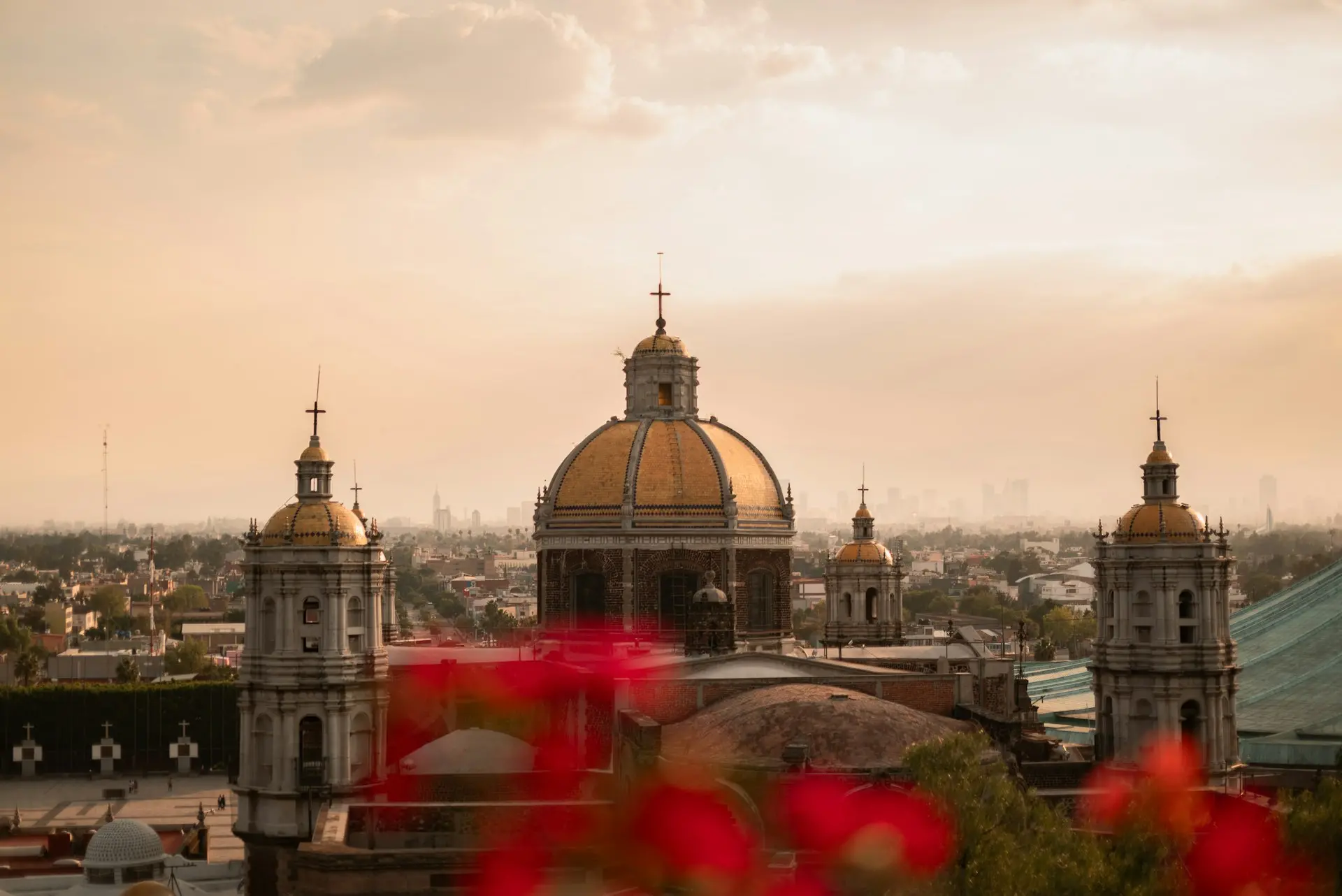

Relocating to Mexico requires careful attention to a wide range of health considerations. Although no vaccinations are legally mandated for entry, international health authorities strongly recommend several. Principal concerns include dengue fever, foodborne and waterborne illness, travellers’ diarrhoea, and — in certain parts of the country — malaria and other vector-borne diseases. Private health coverage is broadly recommended, since public healthcare access for foreign nationals living in Mexico comes with significant restrictions.
| Item | Details |
|---|---|
| Vaccinations required for entry | None (as of 2025), unless arriving from a yellow fever–endemic country |
| Top recommended vaccines | Hepatitis A, Hepatitis B, Typhoid, MMR, Tetanus-diphtheria-pertussis (Tdap), Rabies (for some), COVID-19 |
| Malaria risk | Limited to rural areas of Campeche, Chiapas, Chihuahua, and Sinaloa; P. vivax only (as of 2022 WHO/CDC data) |
| Dengue fever | Present throughout Mexico; highest risk in tropical coastal and lowland areas |
| Public healthcare access for residents | IMSS voluntary enrolment available to legal residents; annual fees approx. MXN 2,000–5,500 depending on age (as of 2023) |
| Key official sources | Mexico Ministry of Health (gob.mx/salud), CDC Travelers’ Health, WHO, NaTHNaC Travel Health Pro |
01What are the main health risks for expats living in Mexico?
Mexico is an expansive country with remarkable geographical variety, and the health risks its residents face differ considerably from one region to the next. Nevertheless, certain hazards are relevant to anyone settling in the country, regardless of their chosen location.
Waterborne and foodborne illness rank among the most frequently encountered health problems for newcomers. Some travellers to Mexico have contracted multidrug-resistant Salmonella Newport, with most cases believed to be linked to the consumption of beef, cheese, beef jerky, or dried beef products. Travellers’ diarrhoea more broadly is a well-documented hazard in the country. Drinking tap water is not considered safe in most parts of Mexico; filtered or bottled water is the everyday norm for most residents.
Vector-borne diseases represent a significant ongoing concern. Conditions such as dengue, Zika, leishmaniasis, and Chagas disease are spread through insect bites and cannot be addressed through vaccination. Dengue fever is particularly widespread and can occur in urban as well as rural settings. Chagas disease — also called American Trypanosomiasis — is a tropical parasitic illness transmitted by kissing bugs; protection relies on the use of insect repellents and avoiding exposure to these insects.
Tuberculosis warrants attention for anyone planning a long-term stay. Mexico is classified as a country with moderate TB incidence — lower than rates seen in Africa, Asia, and Eastern Europe, but considerably higher than in the United States. The risk of infection is greatest among people who plan to remain in Mexico for six months or more, those intending to work in healthcare environments, or individuals who consume unpasteurised dairy products.
Fungal infections pose an environmental hazard in particular regions. Coccidioides is found in the soil of north-western Mexico, while Histoplasma is concentrated mainly in the central and south-eastern parts of the country. Those engaged in activities that disturb the soil — such as construction work or farming — should familiarise themselves with the symptoms of fungal lung infections and the associated risks.
Air quality and environmental hazards are a genuine concern in Mexico’s largest urban centres. Severe air pollution affects several major Mexican cities, and anyone with respiratory or cardiovascular sensitivities should discuss the potential impact of seasonal smog and high particulate levels with their doctor. Additionally, there have been reports of travellers falling seriously ill or dying as a result of carbon monoxide or gas leaks; confirming the presence of a working carbon monoxide detector at any accommodation is a sensible precaution.
Rabies poses a real threat through contact with infected animals. Bites and scratches from animals can transmit life-threatening diseases including rabies, so unfamiliar animals should never be approached or fed. Dogs, bats, and other mammals are all potential carriers. Anyone bitten or scratched should seek medical attention without delay.
Measles has emerged as an acute concern in 2025. Chihuahua has become the epicentre of measles cases across North America as of 2025, with thousands of confirmed infections. The situation has been compounded by the fact that in 2024, none of Mexico’s childhood vaccines within the standard immunisation schedule achieved 90% coverage nationwide — a gap that creates vulnerability at the community level affecting everyone residing in the country.
Heat-related illness should not be underestimated, particularly in coastal and desert environments. Heat stroke can be fatal; staying hydrated, wearing light and loose-fitting clothing, and reducing physical exertion during the hottest parts of the day are all essential precautions.
02Are any vaccinations or inoculations required before entering Mexico?
It is essential to draw a clear distinction between vaccinations that are legally required for entry into Mexico and those that are recommended for the protection of your health. These two categories are entirely separate.
For the overwhelming majority of travellers, no vaccinations are currently mandatory for entry into Mexico. Mexico does not require proof of any vaccination — including COVID-19 or yellow fever — as a condition of admission. There are no certificate requirements applicable to Mexico under International Health Regulations.
Yellow fever represents the one notable exception. Although there is no yellow fever transmission risk within Mexico itself, travellers arriving from countries where yellow fever is endemic may be required to present proof of vaccination against it. Yellow fever is caused by a flavivirus transmitted through infected mosquito bites, and vaccination may be mandated either as an entry condition or as a personal health safeguard. If your journey begins in or passes through a yellow fever–endemic country — including many nations in sub-Saharan Africa and parts of South America — you should verify the current requirements with the nearest Mexican consulate before departing.
For individuals applying for US immigration visas from within Mexico, it is worth noting that approved medical examination clinics in Mexico may conduct vaccination checks as part of the process — however, this is a requirement of the US immigration system, not of Mexican border control. From 1 April 2024, by order of the US Consulate, all applicants aged two years and older are required to undergo a blood test for tuberculosis (IGRA).
Entry requirements can be amended at short notice. Always confirm the latest requirements directly with the Mexico Ministry of Health or your nearest Mexican consulate prior to travel, particularly if your itinerary involves transit through countries experiencing active disease outbreaks.
03Which vaccinations are recommended for expats moving to Mexico?
Although no vaccinations are required for entry, international health authorities strongly recommend several for anyone planning to relocate to Mexico. These fall into two broad categories: routine vaccines that should be confirmed as current, and destination-specific vaccines addressing risks particular to Mexico.
Routine vaccinations to confirm are up to date:
- MMR (Measles, Mumps, Rubella): Measles is on the rise in numerous countries, and all international travellers should ensure they are fully vaccinated with the MMR vaccine. Given the active 2025 outbreak centred on Chihuahua, this is of particular urgency for anyone moving to Mexico.
- Tetanus, Diphtheria, Pertussis (Tdap): Travellers should be current on age-appropriate routine immunisations, which include protection against tetanus, diphtheria, and pertussis — with Tdap being the preferred formulation.
- Varicella (Chickenpox): Chickenpox circulates in Mexico. Those who have not had the illness or been vaccinated should raise this with a travel health professional before relocating.
- Influenza: Seasonal influenza circulates in Mexico as it does in many other countries; receiving an influenza vaccine at least two weeks before departure is a straightforward and sensible health measure.
- COVID-19: Ensure your vaccinations are current in accordance with the most recent guidance in your home country before you depart.
Destination-specific vaccinations recommended for Mexico:
- Hepatitis A: Hepatitis A is endemic in Mexico, and at least one dose of the vaccine series is recommended before travel. This applies to virtually all travellers and long-term residents alike.
- Hepatitis B: Recommended for all travellers; particularly important for healthcare workers and anyone at elevated risk of exposure through occupational or personal circumstances.
- Typhoid: Recommended for those who will be eating or drinking outside mainstream tourist facilities, or living in areas where food hygiene may be variable.
- Rabies: Rabies is a fatal viral disease most commonly acquired through bites or scratches from infected animals, and pre-exposure vaccination is highly effective at preventing it. This is especially relevant for those living in rural settings, working with animals, or regularly spending time outdoors in natural environments.
- Dengue vaccine: Under specific circumstances, dengue vaccination may be considered for individuals with no prior history of dengue infection; expert guidance should be sought before pursuing this option.
Expats relocating from higher-income countries where hepatitis A and typhoid vaccines are not part of the standard immunisation schedule will likely require additional jabs beyond their usual programme. Equally, certain vaccines routinely administered in Mexico — such as BCG against tuberculosis — may already have been received in childhood elsewhere; a travel health clinician can review your vaccination history and provide tailored recommendations.
Ideally, an appointment with a health professional should be made at least four to six weeks before travel — or as soon as possible if the move is imminent. Some vaccination courses involve multiple doses given over several weeks, so early planning is important.
04Do you need a health certificate to move to or work in Mexico?
In contrast to some countries that require applicants to undergo a formal medical examination as part of the residency or immigration process, Mexico does not currently mandate a health certificate or medical assessment as a standard element of temporary or permanent residency applications. The Mexican residency process centres primarily on proof of financial means, identity documentation, and background checks, rather than health screening.
There are, however, important nuances depending on individual circumstances:
- Verify requirements for your specific visa category. Procedures can differ by consulate and visa type. The steps involved in applying for a Mexican visa vary according to the applicant’s nationality and country of residence; different Mexican embassies and consulates may operate with their own documentation procedures. Always confirm current requirements directly with the Mexican consulate in your country of residence, as individual offices may make requests beyond standard documentation.
- US immigration visa applicants processing in Mexico should be aware that the US Consulate requires a medical examination at an authorised panel physician clinic — but this obligation arises from US immigration rules, not from Mexico’s own entry requirements. Medical exam results for immigrant visa applicants are not returned directly to the applicant; they are transmitted electronically to the US Consulate on the next business day following the examination.
- Employment-related medical requirements. If you intend to work in Mexico, your employer is responsible for submitting the temporary resident visa application on your behalf. Employers in certain industries may additionally require their own occupational health assessments as a condition of employment, entirely separate from the immigration procedure.
- Foreign-qualified healthcare professionals are subject to additional steps. Those wishing to practise healthcare in Mexico must first regularise their immigration status by obtaining a temporary resident visa through a Mexican consulate, which permits stays of more than 180 days and up to four years. Their professional qualifications must also undergo revalidation through Mexican educational authorities.
Requirements and procedures are subject to periodic revision. Always consult the Instituto Nacional de Migración (INM) website and the Mexican consulate relevant to your nationality for the most current information. Third-party guides — including this one — should not be treated as a substitute for direct official verification, as specific requirements can change without prior notice.
05How does healthcare in Mexico compare to what expats may be used to?
Mexico operates a mixed public-private healthcare model. Unlike the single-payer universal systems common in parts of Europe and Canada, Mexico’s public healthcare provision is primarily tied to formal employment, and access for foreign residents depends considerably on their legal status and readiness to enrol voluntarily.
The public healthcare system is built around IMSS (Instituto Mexicano del Seguro Social). All individuals in formal employment in Mexico are required to contribute to IMSS regardless of any private insurance they may hold separately. A second pathway is voluntary enrolment, which is open to those outside formal employment — such as retired foreign residents. Non-Mexican nationals seeking voluntary IMSS membership must hold legal residency status (Residente Temporal or Residente Permanente); those present in Mexico on visitor permits are not eligible to enrol.
Voluntary IMSS enrolment fees are determined by age, ranging from approximately 2,000 to 5,500 pesos annually (as of 2023). This provides remarkably affordable access to a nationwide network of hospitals, clinics, and medicines. The quality of experience, however, is reported to vary significantly depending on location and the level of local demand on health services; as with publicly funded healthcare systems everywhere, the pressure on resources often outpaces their availability.
Private healthcare is the preferred route for the majority of expats. Many foreign residents opt for private health insurance and choose private hospitals equipped with modern technology and higher standards of care. An alternative approach is to carry private insurance but pay out of pocket for routine consultations — a general doctor’s visit, for example, can cost as little as 30 to 500 pesos in many areas, with minimal waiting time.
Outside major urban centres, access to medical care becomes considerably more constrained. Emergency services are available in large cities, but the training and availability of emergency responders may fall below the standards familiar to expats from other countries, and such services are largely absent in rural or remote locations. In some cases, arranging private transport to reach a major hospital may be faster than waiting for an ambulance.
Private hospitals in cities such as Mexico City, Guadalajara, Monterrey, and established expat destinations including Puerto Vallarta and San Miguel de Allende generally maintain high standards, with internationally trained physicians and staff accustomed to treating foreign patients. Mexico’s well-developed medical tourism industry means that many private facilities are well-practised in providing care to international residents. Even within the private sector, medical costs in Mexico are typically far lower than in many other countries, making quality care financially accessible across a wider range of budgets.
From a broader system perspective, 78% of Mexico’s population has coverage for a core package of health services, while 56% of people in Mexico expressed satisfaction with the availability of quality healthcare — compared to an OECD average of 64%. Expats who carry comprehensive private health insurance and make use of private facilities generally report positive healthcare experiences, particularly in urban settings.
06What are the risks of travel within Mexico, and are there regional health differences?
Mexico encompasses an enormous range of climates and natural environments — spanning tropical rainforests, coastal lowlands, high-altitude central plateaus, and arid deserts. This geographic breadth means that health risks vary considerably from region to region, and expats should research the conditions specific to wherever they intend to settle.
Malaria exists within Mexico but only in restricted zones. The risk is almost entirely due to P. vivax and arises intermittently throughout the year in certain rural areas not commonly visited by tourists, specifically in the states of Campeche, Chiapas, Chihuahua, and Sinaloa. For those living in cities or coastal resort areas, the risk is minimal, and mosquito bite prevention measures — rather than prophylactic medication — are the typically recommended approach for most locations.
Rocky Mountain Spotted Fever (RMSF) is a particular hazard in the north of the country. Fatalities from RMSF have been documented along the northern border region, particularly in Baja California, Sonora, Chihuahua, Coahuila, and Nuevo León. RMSF can be rapidly fatal; anyone who develops flu-like symptoms while in this region, or within two weeks of leaving it, should seek medical attention immediately.
Leishmaniasis is a concern in southern and coastal zones. Sand flies capable of transmitting cutaneous leishmaniasis are present in southern Mexico and along stretches of both the Pacific and Gulf coasts; the risk is greatest for ecotourists, field researchers, and travellers spending extended periods in these environments.
Altitude sickness is relevant for those settling in or visiting Mexico’s central highlands. Mexico City lies at roughly 2,240 metres above sea level, with some surrounding areas sitting even higher. Newcomers may experience headaches, fatigue, and breathlessness as their bodies acclimatise. Those with pre-existing cardiovascular or respiratory conditions should speak with a doctor before relocating to a high-altitude area.
Fungal diseases have a distinct geographical distribution. Coccidioides is endemic to the soils of north-western Mexico, while Histoplasma is concentrated primarily in the central and south-eastern regions. These are important considerations for anyone whose work or leisure activities involve soil disturbance.
Hurricane season brings compounding health risks. The season runs from May through November, and those living in coastal areas should monitor weather developments closely. In the aftermath of heavy rainstorms, the risk of both diarrhoeal illness and mosquito-borne disease transmission tends to increase.
Air pollution is most severe in Mexico City and other large urban agglomerations. Individuals with asthma, chronic obstructive pulmonary disease, or cardiovascular conditions should take special care and consult their doctor regarding management strategies suited to a high-pollution urban environment.
07Where can expats get reliable and up-to-date health advice for Mexico?
Health requirements and disease risks are subject to ongoing change. The sources listed below represent the most authoritative references available to expats planning a move to Mexico. All information should be verified directly with official sources before being acted upon, as fees, requirements, and health recommendations can change at any time.
- Mexico Ministry of Health (Secretaría de Salud): Mexico’s official government health body publishes disease alerts, vaccination programmes, and public health guidance. www.gob.mx/salud
- Instituto Nacional de Migración (INM): The Mexican immigration authority responsible for residency visa requirements and application procedures. www.inm.gob.mx
- CDC Travelers’ Health — Mexico: A comprehensive and regularly updated resource covering vaccine recommendations, disease risks, and regional health alerts for both travellers and longer-term residents. wwwnc.cdc.gov/travel/destinations/traveler/none/mexico
- CDC Yellow Book — Mexico Chapter: In-depth clinical and epidemiological information intended for healthcare professionals and well-informed travellers. www.cdc.gov/yellow-book/hcp/americas-caribbean/mexico.html
- NaTHNaC Travel Health Pro — Mexico: The UK National Travel Health Network and Centre offers peer-reviewed, country-specific travel health guidance. travelhealthpro.org.uk/country/138/mexico
- World Health Organization (WHO) — Mexico: Provides international health regulations, disease surveillance data, and global health standards. www.who.int/countries/mex/
- Your nearest Mexican consulate: The definitive source for current visa documentation requirements specific to your nationality and personal circumstances.
- A travel health clinic or specialist: Prior to relocating, a consultation with a travel medicine specialist is strongly recommended. They can review your personal health history, existing vaccination record, and planned activities to deliver advice tailored to your situation. Many cities have dedicated travel health clinics; your general practitioner may also be able to provide a referral.
All specific fees, timelines, and health requirements mentioned in this article should be independently verified against current official sources before being relied upon, as they are subject to change without prior notice.
08Frequently asked questions
Do I need to redo vaccinations I have already had at home before moving to Mexico?
Not necessarily. Standard vaccinations received during childhood or adulthood — such as MMR, tetanus, and polio — are generally recognised internationally. Taking a copy of your vaccination records to a travel health clinic will allow a clinician to identify any gaps or required boosters. You may need to add Mexico-specific vaccines such as hepatitis A and typhoid, which are not always included in standard immunisation schedules in other countries.
Is health insurance compulsory for obtaining residency in Mexico?
Mexico does not formally require proof of health insurance as a standard element of temporary or permanent residency applications, unlike some countries where insurance is a mandatory residency condition. That said, given the constraints on public healthcare access for foreign nationals, comprehensive private health insurance is very strongly advisable for any expat living in Mexico.
Can I use the public IMSS healthcare system as a foreign resident?
Voluntary IMSS enrolment is available to those who are not in formal employment. Non-Mexican nationals wishing to enrol voluntarily must hold legal residency status (Residente Temporal or Residente Permanente) — those present in Mexico on a visitor permit are not eligible to participate. Qualifying residents gain access to a national network of clinics, hospitals, and medicines at very low cost, though waiting times and the standard of care can vary by location.
How do I find a doctor who speaks a language other than Spanish in Mexico?
Private hospitals in major cities and popular expat destinations such as Mexico City, Puerto Vallarta, Guadalajara, and San Miguel de Allende often employ multilingual staff or can connect patients with doctors fluent in other languages. International facilities such as ABC Medical Center and Médica Sur in Mexico City have English-speaking teams experienced in treating foreign patients. Online expat community forums are also a practical source of personal recommendations from residents who have navigated the same challenge.
What should I do if I develop a serious illness or need emergency care in Mexico?
Call 911 for emergency services — this is Mexico’s national emergency number. In some situations, arranging private transport to a major hospital may result in faster care than waiting for an ambulance. If you hold private health insurance, contact your insurer as soon as possible, since they may be able to liaise directly with hospitals or coordinate medical evacuation where necessary. Medical evacuation cover is especially important for anyone based in remote areas.
Is dengue fever a serious risk in the main expat areas of Mexico?
Yes. Dengue circulates throughout Mexico, including in many of the coastal and urban areas most popular with expats. It is spread by day-biting Aedes mosquitoes and cannot be reliably prevented through vaccination alone for most adults. Wearing long-sleeved clothing, applying insect repellent containing DEET or picaridin, and keeping window screens and air conditioning in good repair are all important protective measures. Dengue can become severe; prompt medical attention is essential if you experience a sudden high fever, intense headache, or significant muscle and joint pain.
Are there any vaccinations required specifically for children moving to Mexico?
No vaccinations are legally required for children entering Mexico. However, given that vaccination coverage rates have declined in parts of the country — with approximately one million children missing their first or second measles dose in 2024 — making certain that children are fully up to date with their routine immunisations before the move is of particular importance. A paediatric travel health consultation is recommended well in advance of the relocation date.
Do I need malaria tablets to live in Mexico?
Malaria risk is confined to intermittent transmission in rural parts of Campeche, Chiapas, Chihuahua, and Sinaloa. In these limited-risk zones, mosquito bite prevention is typically the recommended strategy rather than prophylactic medication. For the large majority of expats living in cities, coastal resorts, or the highlands, malaria tablets are not considered necessary. Confirm the risk level for your specific destination with a travel health professional, as guidance can be updated in response to changing conditions.