

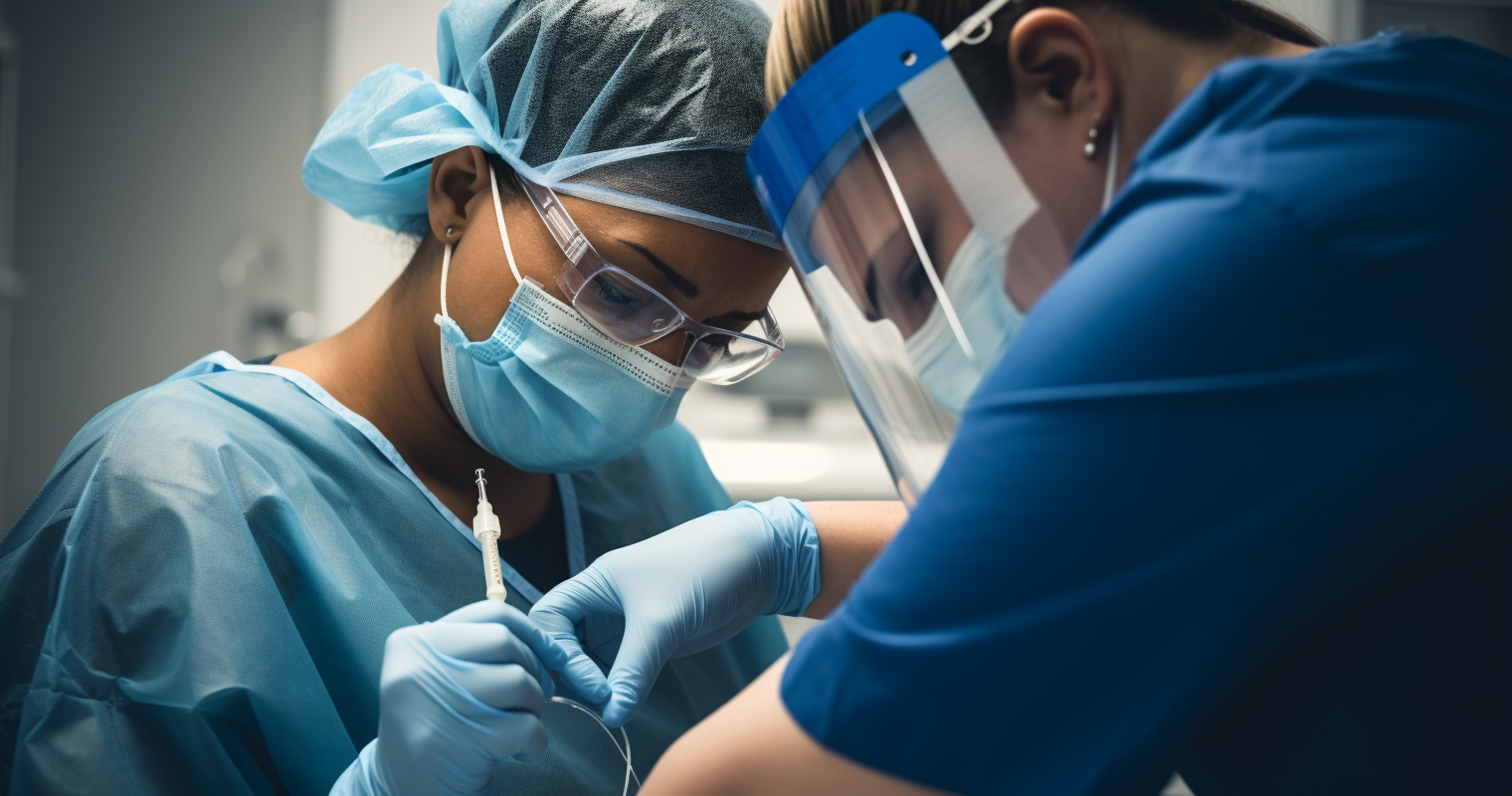
Barbados maintains a Beveridge-style, tax-funded public health system that extends universal coverage to citizens and lawful residents at no charge when services are used. A complementary private sector — representing roughly 35% of all facilities — delivers quicker access and specialist treatment at considerable expense. Expatriates may enter the public system once they have registered, though private health insurance is strongly recommended for those seeking comprehensive and timely care.
| Item | Details |
|---|---|
| System type | Universal, tax-funded public system with a parallel private sector (as of 2025) |
| Primary public hospital | Queen Elizabeth Hospital (QEH), Bridgetown — 600+ beds, accredited teaching hospital |
| Polyclinics | 9 government-run polyclinics providing free primary care to residents (as of 2025) |
| WHO Universal Health Coverage index | 76/100 (as of 2025), among the highest in the Caribbean |
| Private GP consultation fees | Approximately BDS $100 for a GP; BDS $250 for a specialist (as of 2024) — verify with providers |
| Emergency number | 911 |
What is the standard of healthcare in Barbados?
Barbados has established itself as one of the foremost healthcare destinations in the Caribbean, earning a score of 76 out of 100 on the WHO’s Universal Health Coverage (UHC) index as of 2025 — a result that places it comfortably ahead of the great majority of its regional peers. With life expectancy hovering around 79 years, on par with many high-income nations, the island’s health outcomes reflect the genuine quality of its medical infrastructure.
Healthcare professionals are generally well-qualified, with many holding internationally recognised credentials. The Queen Elizabeth Hospital delivers solid secondary and tertiary care, while private institutions uphold high clinical standards. In its structural form, Barbados resembles a Beveridge-style model — philosophically akin to the NHS or New Zealand’s public health framework — in that the state acts as the primary provider and services are delivered free at the point of need. The system nonetheless operates at a smaller scale and with more constrained resources than larger national health services.
Universal coverage is offered through the public sector, with reasonably good reach in urban areas, though some rural districts face limitations. The majority of residents live within 5–10 kilometres of a polyclinic, keeping primary care within practical reach. That said, all specialised services are concentrated at the Queen Elizabeth Hospital (QEH) or private facilities in and around urban centres, which can present logistical hurdles for those residing in more outlying parts of the island.
During 2023–2024, Barbados deepened its partnerships with international health bodies, strengthening its capacity to deliver specialised treatments — including oncology and cardiology — through sub-regional collaborations and visiting consultants. Uptake of advanced medical technologies at major facilities is moderate, and some cutting-edge interventions may necessitate travel overseas. Telemedicine is on the rise but has not yet achieved widespread implementation.
For authoritative quality assessments, readers should consult the WHO Barbados country profile and the Barbados Ministry of Health and Wellness, which serves as the official national health authority.
How is healthcare funded in Barbados, and is private health insurance necessary?
All citizens and permanent residents of Barbados benefit from universal healthcare coverage, with the government acting as the principal provider of health services. This arrangement means that public healthcare is delivered free of charge at the point of use, allowing residents to obtain the care they require without direct payment. The system draws its funding primarily from general taxation, supplemented by the National Insurance Scheme (NIS) — a contributory social insurance mechanism — creating a hybrid model that blends elements of both the Beveridge (tax-funded) and Bismarck (contribution-based) traditions.
For expatriates, access to public healthcare hinges on residency status and participation in the National Insurance Scheme. Tourists and short-term visitors receive emergency care only and should expect to be invoiced for any treatment provided. Working expatriates become eligible for public healthcare benefits once they have enrolled with the NIS and begun making contributions. Retirees and long-term residents may access public services either through NIS participation or by paying annual healthcare fees. NIS registration requires valid work permit or residency documentation, and contributions are ordinarily handled through the employer for those in salaried employment.
Self-employed individuals must organise their own NIS contributions independently. Expatriates who have not yet enrolled in the NIS should be aware that they will be treated as private patients in most non-emergency circumstances, meaning the full cost of care falls to them directly. Always confirm current NIS contribution rates and eligibility thresholds with the National Insurance Department of Barbados, since these figures are subject to revision.
With private GP consultations averaging around BDS $100 and specialist visits around BDS $250 (as of 2024) — figures that exclude medication, diagnostics, and hospital admission — private healthcare costs can accumulate rapidly. Charges at private facilities are frequently comparable to those found at North American private hospitals. For these reasons, private health insurance is effectively indispensable for any expatriate who cannot yet access the public system through the NIS, or who wishes to see specialists promptly without encountering the waiting times that can affect the public sector.
How do I register with a doctor or access primary care in Barbados?
Barbados possesses a robust primary healthcare network, underpinned by nine polyclinics and two satellite clinics, all positioned along the island’s principal road corridors. These publicly operated facilities represent the main gateway into the public health system, providing general consultations, antenatal services, well-child clinics, chronic disease management, and treatment of minor conditions — all free of charge for eligible residents.
To use public primary care at a polyclinic, you will generally need to present evidence of legal residency or NIS registration. The polyclinics function as generalist and specialist outpatient centres, independent of hospital settings, and adhere to Barbados’ established healthcare standards. Patients attend these centres for free management of general and minor health concerns.
The process for accessing primary care typically works as follows:
- Obtain your NIS registration number (if a working expat or long-term resident) from the National Insurance Department.
- Locate your nearest polyclinic using the Healthcare Locator on the Ministry of Health and Wellness website.
- Attend the polyclinic in person with your NIS details and proof of identity (passport or residency documentation).
- Register as a patient at the reception; you may be assigned to a specific clinic session or asked to return for a scheduled appointment.
- For ongoing care of chronic conditions, ask to be enrolled in the relevant disease management programme, which may include free medications.
Private GPs operate across the island, and the majority of expatriates choose to consult with a doctor at a private practice. Asking fellow expats and neighbours for personal recommendations as soon as you arrive is a worthwhile approach to finding a trusted practitioner. Private GP practices do not require NIS registration and are open to anyone on a fee-paying basis. The Ministry of Health and Wellness website provides a Healthcare Locator tool for identifying nearby public facilities, and your employer or relocation agent can frequently point you toward reputable private practitioners.
What services do hospitals in Barbados provide, and what should patients expect?
The Queen Elizabeth Hospital (QEH) is Barbados’ principal public hospital and an accredited teaching institution situated in the capital, Bridgetown. The QEH has undergone considerable upgrades in recent years, including the introduction of digital patient record systems and enhanced trauma care facilities. Its specialist services span radiology, paediatrics, obstetrics, plastic surgery, and numerous other disciplines. In April 2024, the hospital expanded capacity by opening additional space within its Accident and Emergency Department (AED).
As the primary public hospital, the QEH provides a broad spectrum of services including emergency treatment, specialist consultations, surgical procedures, and intensive care. Waiting times for non-urgent specialist appointments at QEH can vary from 2–12 weeks depending on the nature of the condition and clinical urgency — a range broadly in line with other smaller public health systems. Patients with non-pressing needs who require faster access will generally need to engage private facilities.
Bayview Hospital is a private facility of comparable standing to the QEH, offering a selection of medical and surgical services that includes general surgery, obstetrics and gynaecology, orthopaedics, paediatrics, and diagnostic imaging. Since 2024, Bayview Hospital has expanded its service offering to include enhanced diagnostics, maternity care, and minor surgical procedures, and in June 2025 it launched a state-of-the-art Urgent Care Centre providing round-the-clock services.
Regarding what patients can expect during a hospital admission: unlike certain healthcare systems across Asia, the Middle East, or Latin America — where family members are routinely expected to assist with basic personal care for admitted patients — Barbados’ hospital culture generally follows a Western pattern in which nursing staff take responsibility for personal patient care. As in most countries, having supportive family or close friends nearby remains beneficial, and visitors are generally welcomed during designated hours. Patients at QEH should be mindful of the pressures facing the public system and plan accordingly, especially for elective procedures.
More than 80% of private healthcare facilities may require upfront payment of fees. Check private clinics’ prepayment policies in advance, as some do not accept medical travel insurance as a form of direct payment. Clarify all payment arrangements before commencing treatment at any private facility.
How does follow-up and aftercare work in Barbados?
Following a stay at the Queen Elizabeth Hospital or a private facility, ongoing care is typically managed through the outpatient clinic network at QEH or, in less complex cases, through a referral back to a polyclinic or private GP. The QEH operates a range of specialist outpatient clinics for conditions requiring regular monitoring — including diabetes, hypertension, cancer follow-up, and post-surgical review.
Residents of Barbados with chronic illnesses are entitled to receive medications through the public system free of charge. This represents a significant benefit for long-term residents managing ongoing health conditions, and serves as a compelling reason for expatriates to ensure their NIS registration is secured before a health issue emerges rather than in response to one.
Access to cutting-edge treatments may require travel abroad, and this applies equally to some forms of post-treatment rehabilitation and highly specialised follow-up care. In certain acute clinical situations, a patient may need to be transported to a medical centre of excellence in the United States. Expatriates should verify that their insurance policy explicitly covers medical evacuation to the US or another appropriate destination for circumstances where the local health system cannot furnish the required level of specialist or follow-up care.
Community nursing and home-health services exist within the public system but are limited in their scope. Expatriates who require intensive post-hospitalisation support — such as physiotherapy, occupational therapy, or specialised rehabilitation — will frequently need to make private arrangements. This is a domain where comprehensive private health insurance, or a dedicated rehabilitation rider attached to an existing policy, proves especially valuable.
What are the rules on medical treatment for foreign visitors and new arrivals in Barbados?
Although emergency care is available to everyone irrespective of status, access to the full range of public healthcare benefits normally requires registration with the Barbados National Insurance Scheme. This means that tourists and short-term visitors who become ill or sustain an injury can receive emergency treatment at the Queen Elizabeth Hospital or a polyclinic, but they should anticipate being billed for services delivered. Payment is expected and, in certain cases — particularly at private facilities — may be demanded in advance.
The Barbados health system, while respectable in regional terms, is not as extensive as that of the United Kingdom. The Queen Elizabeth Hospital can manage many types of treatment, but serious or highly specialised cases may require emergency medical evacuation. New arrivals who have not yet registered with the NIS or obtained residency status are effectively in the same position as visitors: emergency care is available, but all other services will be charged at private rates.
Barbados does not maintain a broad network of reciprocal healthcare agreements with other nations comparable to, for example, the EHIC arrangements operating among EU member states. As with any such arrangements, the existence, scope, and current validity of any bilateral health agreements should be verified directly with the Barbados Ministry of Health and Wellness or the Ministry of Foreign Affairs and Foreign Trade, since these agreements evolve over time and may not cover all treatment categories or nationalities. Do not assume that entitlements from a previous country of residence will transfer to Barbados.
New arrivals are strongly advised to arrange comprehensive travel or international health insurance before departing for Barbados, and to maintain that cover until they have successfully enrolled in the NIS and confirmed their eligibility for public healthcare services.
What are the most important health insurance options for expats in Barbados?
Expatriates in Barbados have three principal insurance routes to consider: employer-provided group schemes, locally based Barbadian health insurance products, and international expat health insurance plans. The most suitable arrangement will depend on your residency status, employment situation, age, and the degree to which you can access the public system through NIS contributions.
Employer-provided cover: Working expatriates become eligible for public healthcare benefits after enrolling with the NIS and making the required contributions, with those contributions generally handled through the employer. Many employers — particularly larger Barbadian firms and international companies — also include group private health insurance as part of their remuneration packages. It is important to clarify what your employer provides before you arrive and to identify any gaps in coverage, such as dental care, optical services, or pre-existing conditions.
Local health insurance: Several local and regional insurers active in Barbados offer health insurance products tailored to residents. These may suit long-term expatriates who prefer policies denominated in Barbadian dollars and structured around local provider networks. The Financial Services Commission of Barbados regulates the insurance industry — consult them for a list of licensed health insurers before purchasing a policy.
International health insurance: Securing health insurance should be among the first priorities for anyone relocating to Barbados. Regardless of age or current health status, international health insurance is essential, as it can prevent the considerable out-of-pocket expenditure that private healthcare in Barbados can generate. International policies from providers such as Cigna Global, AXA Health, Allianz Care, or Bupa Global offer particular advantages, as they typically encompass treatment within Barbados and extend to cover medical evacuation to the United States or elsewhere if circumstances demand it.
When selecting a policy, pay attention to: coverage of pre-existing conditions and any applicable waiting periods; medical evacuation and repatriation provisions; inpatient, outpatient, and specialist coverage; and whether the insurer settles claims directly with providers or requires upfront payment and subsequent reimbursement. It is strongly recommended that visitors and expatriates obtain comprehensive international health insurance that explicitly includes medical air ambulance services. Always verify current premiums, terms, and coverage limits directly with insurers and confirm that any policy is compliant with local requirements through the Financial Services Commission of Barbados.
Are there any particular health risks or considerations for people moving to Barbados?
Barbados is a high-income Caribbean island with sanitation and water quality that compare favourably to the broader regional average. Tap water is generally regarded as safe to drink in most parts of the island, though some expatriates prefer to use filtered water as a precaution. Food safety standards are reasonably well observed, especially in established restaurants and supermarkets. There is no risk of altitude sickness, as the island remains low-lying throughout.
Vaccinations: No vaccinations are legally required for entry to Barbados (unless arriving from a yellow fever endemic zone), but the following are generally recommended before relocating: Hepatitis A, Hepatitis B, and Typhoid, in addition to ensuring that routine immunisations — including MMR, tetanus, and diphtheria — are current. Your national travel health service or GP can advise on a complete vaccination schedule ahead of departure.
Mosquito-borne disease: Barbados has experienced outbreaks of dengue fever, chikungunya, and Zika virus, all of which are spread by the Aedes aegypti mosquito. Expatriates should apply appropriate insect repellent consistently, particularly during wetter months when mosquito activity intensifies, and remain alert to symptoms. While the risk in Barbados is lower than in some neighbouring islands, it is not insignificant.
Non-communicable diseases (NCDs): Cardiovascular disease, diabetes, cancer, and chronic respiratory disease together account for eight in every ten deaths across the Caribbean region. Barbados has invested substantially in public health programmes, achieving high vaccination rates, effective disease surveillance, and strong health education initiatives, with notable progress made in managing non-communicable diseases. Expatriates with existing conditions such as diabetes or hypertension should confirm that their management plan can be continued in Barbados and that required medications are locally available — certain specialised drugs may need to be imported.
Mental health: The National Mental Health Commission, working alongside the Ministry of Health and Wellness, is actively developing revised mental health legislation for Barbados, reflecting a growing institutional commitment to this area. Nonetheless, specialist mental health services remain relatively limited compared to larger health systems, and expatriates requiring sustained psychiatric or psychological support may need to supplement public provision with privately arranged care.
Climate and environment: As a small island nation, Barbados is especially vulnerable to the effects of climate change, which carries direct consequences for the health and wellbeing of its population and places additional pressure on the national health system. Heat-related illness is a genuine concern for newcomers unaccustomed to the tropical climate; it is advisable to allow time to acclimatise, stay well hydrated, and moderate outdoor physical exertion particularly during the hotter parts of the day.
For current guidance ahead of your relocation, consult the WHO Barbados country profile and your national travel health advisory service, such as TravelHealthPro (UK), CDC Traveler’s Health (USA), or an equivalent body.
Frequently asked questions about healthcare in Barbados
Can expats use the public healthcare system in Barbados?
Expatriates and digital nomads can access public healthcare services once they hold legal residency status or contribute to the National Insurance Scheme, though many choose to take out private health insurance to cover private healthcare services. Short-term visitors and recent arrivals who have not yet registered are entitled to emergency care but will be invoiced for it. Always confirm your eligibility status with the National Insurance Department before assuming that public coverage applies to you.
How do I find a doctor in Barbados?
General practitioners are found across the island, and most expatriates opt for a GP attached to a private clinic. Seeking personal recommendations from fellow expats and neighbours shortly after settling in Barbados is a practical way to identify a trustworthy practitioner. The Ministry of Health and Wellness website also provides a Healthcare Locator tool for finding public polyclinics. Your employer, HR department, or local expat community networks can often point you toward well-regarded private doctors. Barbados, as a well-connected island, has a good supply of physicians trained to international standards.
What happens in a medical emergency in Barbados?
Emergency services in Barbados are reached by calling 911. Ambulance response times can be variable, and the medical interventions that ambulance staff can perform during transit are limited. For this reason, expatriates are advised to identify the nearest private clinic or hospital before an emergency situation arises. Waiting times for emergency treatment at public hospitals tend to be longer than at private facilities, where speedier responses can generally be anticipated.
How do prescriptions work in Barbados?
Barbadian residents with chronic illnesses are entitled to receive medications through the public system at no cost. Expatriates registered with the NIS may also qualify for subsidised or free medications for ongoing conditions. Private prescriptions can be filled at pharmacies across the island, where a broad range of common medicines is stocked. Some specialised or less widely used drugs may require importation, so if you depend on a specific medication, check its availability in Barbados before relocating. The Ministry of Health and Wellness can advise on procedures for importing controlled substances.
Are pre-existing conditions covered by health insurance in Barbados?
Coverage for pre-existing conditions differs considerably between insurers. Some international health insurance plans will extend cover to pre-existing conditions following a waiting period — typically 12–24 months — while others may permanently exclude them or apply higher premiums. Always disclose pre-existing conditions honestly when applying for any policy and examine the exclusions carefully before committing to a plan. Verify the current terms directly with your chosen insurer at the time of application, as policy conditions change regularly.
Is dental and optical care available in Barbados?
At the Queen Elizabeth Hospital, dental care costs are assessed on the basis of the patient’s income, provided the patient is a permanent resident of Barbados. Private dental and optical practices operate across the island, particularly in and around Bridgetown, though routine dental and optical care is generally not covered within the public system. Expatriates should ensure their health insurance policy incorporates dental and optical benefits, or should set aside funds to cover these as out-of-pocket expenses.
What happens if I need specialist care that isn’t available in Barbados?
In certain acute medical situations, transfer to a specialist medical centre in the United States may be required. Barbados has established medical evacuation arrangements to the US or Canada for highly specialised interventions. Expatriates are strongly advised to hold comprehensive international health insurance that explicitly includes medical air ambulance cover. Ensure that your policy clearly addresses medical evacuation and, where relevant, repatriation to your home country.
Where can I find official and up-to-date information on healthcare in Barbados?
The principal official sources are the Barbados Ministry of Health and Wellness (health.gov.bb), the National Insurance Department for NIS contributions and entitlements, and the Financial Services Commission of Barbados for matters relating to insurance regulation. For international health guidance, the WHO Barbados country profile and your own national travel health advisory service are the recommended starting points.
Latest: Expat Focus International Healthcare Update September 2026 →