
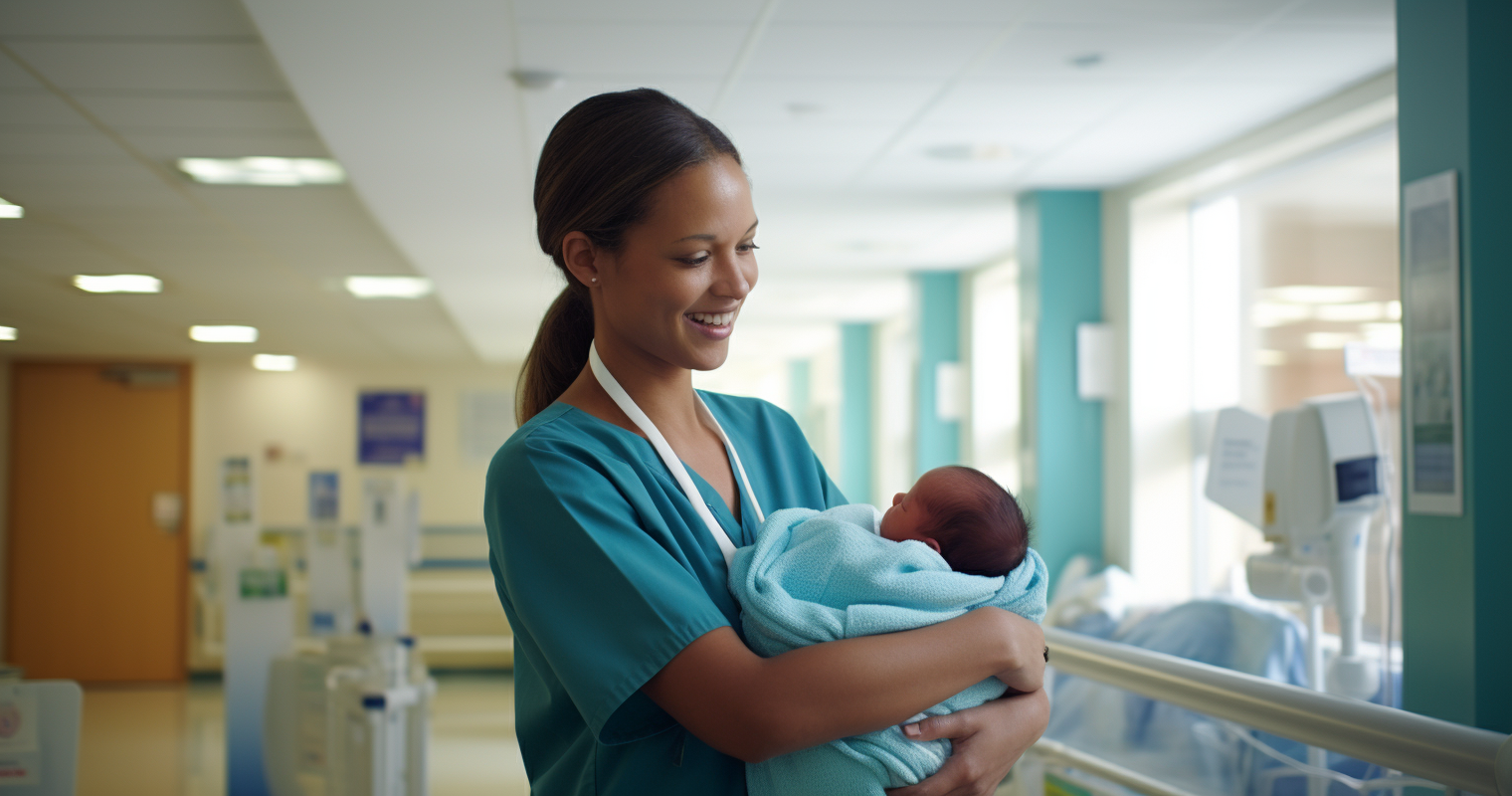
The Cayman Islands provides a genuinely high level of maternity care, with all deliveries taking place in well-equipped hospitals on Grand Cayman and Cayman Brac. No free public healthcare exists for expats — charges apply whether you attend the public Health Services Authority or a private facility — making comprehensive health insurance with maternity cover absolutely necessary. As a British Overseas Territory, children born there do not automatically receive Caymanian status if their parents are not Caymanian.
| Item | Details |
|---|---|
| Where babies are born | Hospital only — home births and water births are not available (as of 2025) |
| Main public maternity provider | Health Services Authority (HSA), Anthony S. Eden (George Town) Hospital |
| Free healthcare for expats? | No — all patients, including expats, pay for care; insurance is essential |
| Statutory maternity leave (private sector) | 12 weeks minimum; 4 weeks full pay, 4 weeks half pay, 4 weeks unpaid (as of 2024) |
| Birth registration deadline | Check the Cayman Islands General Registry (ciregistry.ky) for current deadlines |
| Citizenship by birth (jus soli)? | No — children of non-Caymanians do not automatically acquire Caymanian status |
What maternity care options are available in the Cayman Islands?
In the Cayman Islands, every baby is delivered in a hospital setting — neither home births nor water births are currently provided. This stands in contrast to countries such as the Netherlands or the UK, where midwife-led birth centres and home delivery are well-established pathways. In the Cayman Islands, the decision facing expectant parents is less about choosing a birth setting and more about selecting the type of care provider and facility that suits them best.
There are two principal routes for antenatal care and delivery: you may arrange your care and delivery through a private OB/GYN, giving birth at the Cayman Islands Hospital, Doctors Hospital, or Health City; or you may receive care through the Health Services Authority (HSA), where delivery at the Cayman Islands Hospital is managed by the hospital’s midwifery team, with resident OB/GYNs available for support.
An alternative to engaging a private OB/GYN is to pursue midwife-led care via the Women’s Health Clinic at the Health Services Authority. Under this pathway, a team of midwives oversees antenatal appointments and delivers the baby, with a team of resident hospital OB/GYNs on call around the clock in case complications arise. The midwives are highly qualified and fully trained in birth management. This model will be familiar to anyone who has followed a midwife-led NHS pathway in the UK, though the critical difference is that fees apply across all care options in the Cayman Islands.
Following your initial consultation, OB/GYNs and midwives typically schedule appointments every four weeks up to 28 weeks of gestation, fortnightly until 36 weeks, and then weekly until delivery. Ultrasound scanning is available at both public and private facilities. The hospital maintains ultrasound equipment in its Radiology department for scans at weeks 18 and 20, and portable ultrasound machines are also present in the Women’s Health Department and the Maternity Ward.
The HSA provides a broad range of maternity services, aiming to deliver the highest possible standard of care for mothers and newborns, encompassing antenatal, intranatal, and postnatal support in a comfortable and safe environment. Through the Women’s Health Clinic, the HSA offers comprehensive obstetrics and antenatal care from the earliest stages of pregnancy through to delivery, with these services also accessible at HSA district health centres across Grand Cayman.
The HSA additionally runs a free eight-week educational programme called ‘Parent Craft’, held on Monday evenings at the Women’s Health Centre at the Cayman Islands Hospital. There is no fee and no advance registration required to attend.
There are two maternity wards on Grand Cayman and one on Cayman Brac. Those living on Little Cayman or Cayman Brac should plan their birth arrangements ahead of time, as services on the smaller islands are more limited in scope.
How much does it cost to give birth in the Cayman Islands?
Giving birth in the Cayman Islands is a significant financial undertaking, and no free healthcare provision exists. Unlike tax-funded systems found across much of Western Europe or Canada, every patient — whether a resident, an expat, or a visitor — is billed for their care. Health insurance is not simply a sensible precaution; it is an absolute necessity.
Selecting midwife-led care through the HSA represents a more affordable route to having a baby in the Cayman Islands, while still delivering a world-class standard of care. The HSA provides birthing packages for those with limited insurance coverage or who are paying out of pocket. For precise figures, contact the HSA finance department directly or visit hsa.ky, as fees are revised periodically.
Facility and hospital stay charges are billed separately from fees for the medical professionals involved in your delivery. Births are permitted at George Town Hospital and Doctors Hospital. The total cost is influenced by a number of variables, including whether you engage a paediatrician at the time of birth, whether one is summoned due to clinical concerns, how many nights are spent in hospital, and whether a doctor must step away from an existing clinic to attend.
As a general guide, the maximum probable out-of-pocket costs beyond insurance coverage for the paediatric element of care are CI$500 to CI$750 (as of 2024 — verify current figures with your provider). For full obstetric and hospital stay costs, contact your chosen facility’s billing team directly for up-to-date pricing.
Most insurers cover two nights of inpatient care following a natural delivery and three nights after a caesarean section, with time spent in labour excluded from this calculation. Hospital accommodation costs can be substantial, so reviewing your policy carefully and planning accordingly is strongly advised.
With respect to insurance, comprehensive worldwide health plans typically carry no fixed ceiling on prenatal care, and some may extend cover of up to CI$100,000, CI$500,000 per year, or CI$1–2 million over a lifetime towards labour and delivery costs. Under such plans, the mother may generally choose any country for her delivery. Be aware that many international health insurance policies impose a waiting period of 10–12 months before maternity benefits come into effect — review your policy conditions carefully before conceiving. All insurers in the Cayman Islands are legally required to pay only up to the Standard Health Insurance Fee schedule within your policy limits, and all plans require that care be deemed “medically necessary.”
Private doula services are available to support the birthing process but are not reimbursed by insurance. Private OB/GYN fees, anaesthesia where required, and specialist consultations during pregnancy will all contribute to your overall expenditure. Discuss anticipated costs with your chosen provider and the hospital’s finance team from the outset of your pregnancy.
What is the standard of maternity and neonatal care in the Cayman Islands?
The Cayman Islands is earning growing recognition for the quality of its healthcare, and maternity care is no exception. Expectant mothers have access to thorough, technologically advanced maternity services at the territory’s leading hospitals. Medical professionals and parents alike consistently describe the overall standard as excellent.
The Anthony S. Eden (George Town) Hospital features three individual delivery suites, eight maternity rooms (three single and five double), and is home to the only Neonatal Intensive Care Unit (NICU) on the island. The NICU is a vital resource — having a fully equipped unit with specialist neonatal nurses immediately adjacent to the delivery suites is fundamental to the safety of newborns. Both public and private paediatricians with neonatal expertise hold admitting rights at the NICU, and babies born at 27 weeks’ gestation or above can be cared for there. Those delivered at an earlier gestation, or who are critically unwell, are transferred to a larger specialist centre.
Health City’s maternity and NICU unit at Camana Bay provides labour and delivery suites that include three modern labour and delivery beds and three triage beds. Its Level 3 NICU accommodates four specialist beds for critically ill newborns, along with one family-integrated care room designed to encourage family involvement in the infant’s care.
Doctors Hospital is the sole facility offering private maternity suites, consultant-led care for both routine and high-risk pregnancies, and coordinated handover to paediatric and NICU care when necessary. It should be noted that Doctors Hospital has no on-site NICU and is not equipped to care for premature or unwell newborns — only uncomplicated, low-risk pregnancies are managed there. Expectant mothers with high-risk pregnancies should instead choose the HSA’s George Town Hospital.
The majority of high-risk pregnancies can be managed within the Cayman Islands, and the NICU at the Cayman Islands Hospital delivers excellent care for premature babies from 28 weeks’ gestation. In urgent situations, it is also capable of caring for babies born at even earlier gestations. Where a baby requires a level of care that exceeds what is available locally, medical evacuation to a major medical centre — most commonly in Florida or elsewhere in the United States — can be arranged. Ensure that your health insurance covers medical evacuation and overseas neonatal care.
Healthcare in the Cayman Islands is conducted in English, so those who communicate fluently in English will encounter no language barrier. If English is not your first language, it is advisable to enquire in advance about interpreter services or multilingual staff at your chosen hospital or clinic.
Faith Hospital on Cayman Brac has a birthing room with a single bed and an inpatient room used for both maternity and paediatric patients. There is no NICU on Cayman Brac. Families based on the smaller islands who are expecting a complicated or high-risk pregnancy should make arrangements to be in Grand Cayman well in advance of their due date.
What should expats know about maternity rights and leave in the Cayman Islands?
The Labour Act (2021 Revision) requires that a minimum of 12 calendar weeks be provided as maternity leave. This entitlement comprises four weeks (20 days) on full pay, four weeks on half pay, and four weeks of unpaid leave, available to all female employees who have completed 12 months of service; for those who have not, leave is calculated on a pro-rated basis. (as of 2024)
Maternity leave may generally be taken in whatever division the employee requests, and may be split between periods before and after the birth. The full entitlement only applies where the mother has been continuously employed for at least a year — where this threshold has not been reached, the law requires that leave be pro-rated accordingly. This is a particularly important consideration for newly arrived expats who join a new employer and fall pregnant within their first year of service.
In March 2024, the Cayman Islands Government enhanced maternity and paternity leave entitlements specifically for civil servants. For this group, maternity leave increased from 90 to 110 working days, the paid portion rose from 30 to 60 working days at normal pay, and paternity leave was extended to 20 working days, with 10 days at normal pay.
While there has been discussion about bringing private sector maternity benefits into closer alignment with those of the civil service, no timeline has been confirmed, and no further developments have been reported since October 2024. It is worth speaking with your employer about their specific maternity policy, as many offer terms that exceed the statutory minimum, and nothing in the legislation prevents an employer from granting more generous benefits than those prescribed by law.
Male employees in the private sector are entitled to five days of paid paternity leave upon the birth of a child (as of 2024). The law also makes provision for adoption leave: a female employee who adopts a child under the age of three is entitled to nine calendar weeks of adoption leave, of which 15 working days are on full pay. Fathers who adopt are entitled to five days of paid leave.
There is currently no legal provision for parents who have a child through surrogacy, nor for mothers who have experienced a miscarriage. Self-employed and contract workers have no statutory entitlement to maternity pay, as these provisions apply solely to employed individuals. If you are self-employed, careful financial planning for your time away from work is essential.
Maternity and paternity leave entitlements under the Labour Act apply equally to all legally employed foreign nationals working in the Cayman Islands, regardless of their nationality. For the most current rules, consult Workforce Opportunities and Residency Cayman (WORC) or the Department of Labour and Pensions.
How do you register a birth in the Cayman Islands?
Every live birth in the Cayman Islands, irrespective of the parents’ nationality, must be officially registered. Registration is administered by the Cayman Islands General Registry, and applications may also be submitted online at vitals.ky. The procedure is straightforward and begins at the hospital immediately after birth.
- Receive the Live Birth Notification Form at the hospital. Following delivery, the hospital will issue a Live Birth Notification Form. The parents receive a copy, and the original is forwarded by the hospital directly to the Registrar of Births.
- Gather the required documents. You will generally need the parents’ passports or other current identity documents, the Live Birth Notification Form, and — where applicable — the parents’ marriage certificate. Refer to the General Registry’s birth registration FAQ for the full and current document list, as requirements may be updated from time to time.
- Submit your registration. You may lodge an application for birth records through the Cayman Islands Government General Registry website at ciregistry.ky or by completing an online application at vitals.ky. You may also attend the General Registry in person in George Town, or use the General Registry Office on Cayman Brac.
- Obtain the birth certificate. The birth certificate is issued immediately upon completion of registration and serves as the principal legal document confirming your child’s birth in the Cayman Islands.
- Register the birth with your home country. As an expat, you should also formally register your child’s birth with the embassy or consulate of your country of citizenship that has jurisdiction over the Cayman Islands. This is the process through which your child’s citizenship is established and their first passport obtained. Requirements and fees differ between countries, so contact your consulate directly for current guidance.
- Apply for your newborn’s passport. Once your child’s citizenship has been confirmed through your consulate, apply for their passport at the earliest opportunity, particularly if you plan to travel. Most consulates recommend beginning this process within the first few weeks after birth.
For current registration deadlines and applicable fees, contact the Cayman Islands General Registry directly, as these are subject to change. Keep certified copies of your child’s Cayman birth certificate in a safe place, as they will be required for purposes including school enrolment, accessing healthcare, and international travel.
What nationality will my child have if born in the Cayman Islands?
Children born in the Cayman Islands to non-Caymanian parents are not considered Caymanians. The territory does not confer automatic citizenship or Caymanian status by virtue of birth on its soil (jus soli) to children of non-Caymanian parents. A child’s nationality at birth will ordinarily derive from that of the parents (jus sanguinis) and must be secured through the appropriate embassy or consulate.
The Cayman Islands is a British Overseas Territory (BOT). Permanent residents may be eligible to apply for Cayman Islands citizenship, understood as British Overseas Territory citizenship. Acquiring Caymanian status by birth requires a formal application to the Chief Immigration Officer to be granted the right to be Caymanian. Birth on the islands does not confer this status automatically unless at least one parent already holds Caymanian status.
Under the Immigration Act, a child takes the nationality of the mother unless the parents were married at the time of birth — where parents were married, a marriage certificate should accompany any immigration status application. This is an important provision for unmarried couples to be aware of.
Dual citizenship is permitted in the Cayman Islands, and a foreign national seeking Caymanian status is not required to relinquish their original nationality. This means that a child who subsequently acquires Caymanian or British Overseas Territory citizenship through the proper channels may be able to hold it alongside the nationality of a parent — though this will depend on the rules of the parent’s own country.
Nationality and citizenship law is complex, and individual circumstances vary considerably. Parents are strongly encouraged to verify their child’s citizenship position with the relevant embassy or consulate and to seek guidance from a qualified immigration lawyer, particularly where parents hold different nationalities or where the family intends to relocate between countries.
What are the laws and attitudes around abortion in the Cayman Islands?
Abortion legislation in the Cayman Islands has historically ranked among the most restrictive in the Caribbean and is considerably more limited in scope than in most countries from which internationally mobile residents may have come. The legal framework is rooted in the Penal Code and has been the subject of sustained debate and legal proceedings over time.
In 2023, the Cayman Islands Government enacted the Termination of Pregnancy Law, 2023, which represented a landmark legal shift for the territory. This legislation introduced a formal framework governing termination of pregnancy, replacing the near-total prohibition that had previously existed under the Penal Code. As of 2025, termination is permitted under specified circumstances, including where the pregnancy poses a risk to the physical or mental health of the woman, in cases of fatal fetal abnormality, and where the pregnancy results from rape or incest. Gestational limits and particular procedural requirements are defined within the law.
Practical access through the public Health Services Authority remains limited, and in reality, individuals seeking termination services may need to turn to private providers or travel abroad in certain circumstances. The legislation includes provisions permitting healthcare professionals to exercise conscientious objection, which can affect the practical availability of services locally.
The social and political climate in the Cayman Islands remains broadly conservative on this matter, and access to services may differ substantially from what people relocating from other jurisdictions are accustomed to. Anyone wishing to fully understand their options is strongly encouraged to consult the Health Services Authority (hsa.ky) and the Cayman Islands Ministry of Health for current guidance, and to obtain independent medical and legal advice as appropriate. Requirements, available services, and procedural rules may have evolved since the passage of the 2023 law, so checking with official sources is essential (as of 2025).
Frequently asked questions
Can I give birth in the Cayman Islands as a foreign national?
Yes. Every live birth in the Cayman Islands, regardless of the parents’ nationality, must be registered, and foreign nationals receive the same access to maternity care as residents. You will be required to pay for your care or have insurance that covers it, but there is no bar on foreign nationals giving birth in the Cayman Islands.
Do I need private health insurance to give birth in the Cayman Islands?
Giving birth in the Cayman Islands is costly and no free healthcare exists. Comprehensive health insurance that includes maternity cover is strongly advisable. Check that your policy covers prenatal care, labour and delivery, caesarean section, neonatal care, and potential medical evacuation. Many policies include a waiting period before maternity benefits are activated, so review your terms carefully before becoming pregnant.
What hospitals can I give birth at in the Cayman Islands?
There are two maternity wards on Grand Cayman and one on Cayman Brac. On Grand Cayman, deliveries take place at the Anthony S. Eden (George Town) Hospital (public/HSA) and Doctors Hospital (private). Health City Camana Bay also operates a maternity and NICU unit. All births are conducted in hospitals — home births and water births are not currently offered.
How long will I stay in hospital after giving birth?
The standard inpatient stay is two nights following a straightforward vaginal delivery and three nights after a caesarean section. Discharge is agreed upon between the obstetrician, midwifery team, and paediatrician. Your insurance policy may specify limits on the number of covered nights, so reviewing it before your due date is advisable.
Will my child be a British citizen if born in the Cayman Islands?
Not automatically. Although the Cayman Islands is a British Overseas Territory, birth on the islands does not confer British Overseas Territory citizenship or British citizenship automatically. Children born in the Cayman Islands to non-Caymanian parents are not deemed Caymanian. Your child’s citizenship will ordinarily follow your own nationality. Register the birth with your home country’s consulate and seek legal advice for your particular circumstances.
How do I register my baby’s birth in the Cayman Islands?
All babies born in the Cayman Islands are issued a Live Birth Notification Form at the hospital. The original is forwarded to the Registrar of Births and the parents receive a copy. Formal registration is then completed with the Cayman Islands General Registry or online at vitals.ky. The birth certificate is available immediately upon completion of registration.
How much maternity leave am I entitled to as an expat employee in the Cayman Islands?
Under the Labour Act (2021 Revision), a minimum of 12 calendar weeks of maternity leave must be provided, consisting of four weeks on full pay, four weeks on half pay, and four weeks unpaid, for all female employees who have completed 12 months of service (as of 2024). These rights extend to legally employed foreign nationals. Where an employee has fewer than 12 months of service, leave is calculated on a pro-rated basis. Contact the Department of Labour and Pensions for the most current information.
Is the neonatal care (NICU) available in the Cayman Islands adequate for premature babies?
The great majority of high-risk pregnancies can be managed within the Cayman Islands, and the NICU at the Cayman Islands Hospital delivers excellent care for premature babies from 28 weeks’ gestation. In emergencies, care can also be provided for babies born earlier than this. Health City’s Level 3 NICU offers four specialist beds for critically ill newborns and a family-integrated care room. Where a baby’s needs exceed what local facilities can provide, transfer to a specialist centre abroad may be arranged, so verify that your insurance policy includes overseas neonatal care and medical evacuation cover.
Latest: Expat Focus International Healthcare Update August 2026 →