

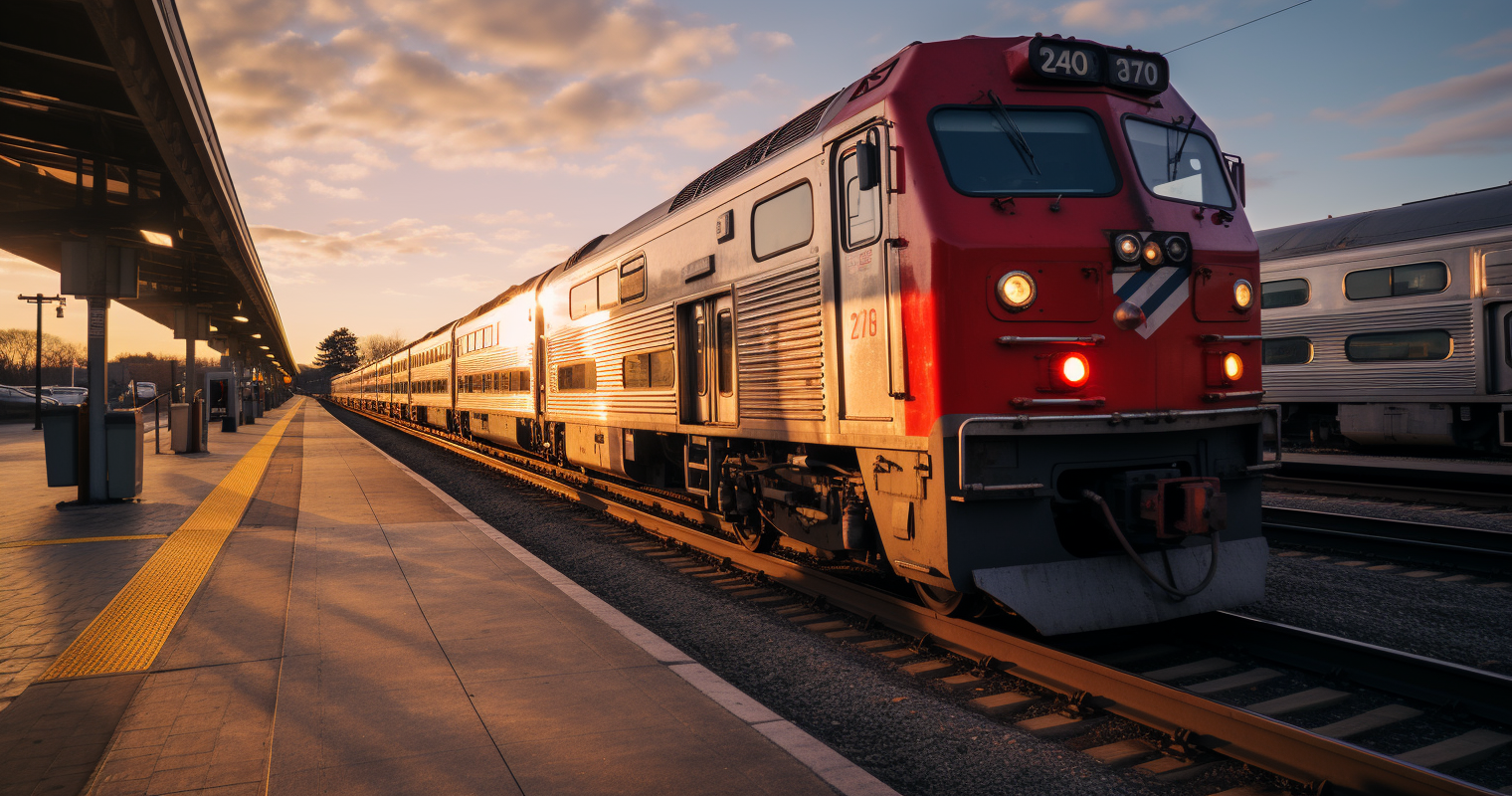
Peru’s rail network covers only a modest portion of the country and plays little role in everyday travel for most residents. Long-distance passenger services are largely geared toward tourists, run by private operators PeruRail and Inca Rail along scenic corridors linking Cusco, Machu Picchu, Puno, and Arequipa. Lima is developing an urban metro system, and ambitious national expansion schemes are in progress, but for day-to-day intercity journeys, buses remain by far the most widely used option.
| Item | Details |
|---|---|
| Main long-distance operators | PeruRail (perurail.com) and Inca Rail (incarail.com) |
| Key long-distance routes | Cusco–Machu Picchu (Aguas Calientes); Cusco–Puno; Cusco–Arequipa (luxury sleeper); Tacna–Arica (cross-border) |
| Advance booking recommended | Yes — especially for high season (May–October); popular trains sell out weeks or months ahead |
| Approximate entry-level train fare (Cusco–Machu Picchu, as of 2026) | From approx. USD 63 one-way (Expedition/Voyager class); check official sites for current prices |
| Lima urban metro | Line 1 (operational); Line 2 (under construction); metro authority: lineauno.pe |
| Tourist train Central Railway (Lima–Huancayo) | Seasonal departures only; fares approx. 600–800 soles depending on class (as of 2025); book at ferrocarrilcentral.com.pe |
What is the overall standard of rail travel in Peru?
Peruvian railways have never formed anything resembling a cohesive national network. The lines that exist were built principally to move freight inland from the coast, shaped by economic necessity rather than by the goal of connecting communities. This stands in stark contrast to comprehensive rail systems in countries like Germany, Japan, or France, where trains serve as the backbone of both urban commuting and intercity travel. In Peru, the rail network simply does not perform that function for the general population.
Only a small proportion of the total track mileage currently carries regular passengers. Those lines that do serve travellers are almost entirely tourist-focused, and while the quality on these routes can be genuinely impressive, the services are designed with visitors and premium passengers in mind rather than everyday commuters. For people living outside Lima, buses and taxis are overwhelmingly the default means of getting between cities and towns.
As with much of South America, Peru’s railways fell into decline in the latter decades of the 20th century, though certain sections have since been reinvented as significant tourist corridors. The most celebrated of these is the route from Cusco to Machu Picchu (Aguas Calientes) — not only the most travelled rail journey in the country, but also the only way to reach Machu Picchu by any vehicle. The ancient city and the town of Aguas Calientes lie deep within a subtropical mountain zone accessible only by train or on foot. Despite years of proposals for alternative road access, none have come to fruition, meaning the train remains the practical and most popular choice for visiting the site.
Investment in Peru’s rail infrastructure is now running into the billions, with plans to add more than 1,900 kilometres of new track as part of a National Rail Development Plan. This framework aims to build a modern, multimodal transport system capable of improving both freight exports and population mobility over the long term. However, much of this ambition remains in planning and early development phases, and the network as it currently stands offers limited utility for residents seeking practical daily transport.
The Southern Railway main line, connecting Matarani, Arequipa, Cusco, and Puno, ranks among the highest railways in the world — surpassed only by the Qinghai–Tibet Railway and the FCCA line between Lima and Huancayo — and is the longest line in Peru. The country’s existing routes traverse breathtaking Andean scenery at extraordinary elevations, but their purpose is primarily scenic and freight-oriented rather than functional daily transport.
What classes of rail travel are available in Peru, and what are the differences between them?
Services to Machu Picchu are divided between two operators: PeruRail and Inca Rail. Each offers a range of options spanning economy, mid-range panoramic, and premium or luxury tiers. The distinctions between classes on Peruvian tourist trains are substantial and the price gaps reflect genuinely different onboard experiences — not the modest incremental upgrades typical of many European intercity services.
PeruRail’s fleet includes observation cars — refurbished 1965-vintage German Ferrostaal railcars featuring large side and overhead windows and at-seat refreshments, ideal for taking in the mountain scenery. Its Expedition trains offer a more modest experience with upholstered seating at a lower price, snacks available for purchase, and storage space for backpacks suited to Inca Trail hikers. The Expedition service is the entry-level product and the most widely chosen option among cost-conscious travellers.
The Belmond Hiram Bingham Pullman, named in honour of Machu Picchu’s American discoverer, Hiram Bingham, is PeruRail’s most exclusive offering. Departing from Poroy at 9 a.m. — later than most other trains — it includes meals, guided tours, bus transfers, and entrance to the ruins in its price. This fully inclusive luxury experience is aimed squarely at high-end visitors, and while the cost is considerable, those making a landmark journey may find it worthwhile.
Inca Rail’s product range includes The Voyager (spacious seating, panoramic windows, ambient Andean music, and a selection of local snacks), The 360° (featuring an open-air observatory car, extra-wide panoramic windows with UV protection, live traditional music, and digital onboard entertainment), The Prime (offering enhanced comfort with a dedicated dining car, priority boarding, live Andean music, VIP transfer, and a curated menu), and The First Class (combining fine dining, wine pairings, a bar-lounge car, live saxophone performances, and a signature Wine Ceremony).
The Belmond Andean Explorer luxury sleeper train, operated by PeruRail, runs from Cusco on an overnight journey to Puno and a two-night, three-day journey through to Arequipa. This is Peru’s most ambitious rail experience and the closest the country comes to the celebrated long-distance luxury trains found elsewhere in the world. Inca Rail does not serve Puno, Arequipa, or any route other than Cusco–Machu Picchu.
On the Central Railway tourist excursions running between Lima and Huancayo, fares are either 600 or 800 soles depending on the class chosen (as of 2025). The Tacna–Arica cross-border service is a considerably more functional and basic operation by comparison. Travellers are always advised to check the relevant operator’s website for current class options and pricing, as these can shift seasonally.
Where can you find rail timetables and ticket prices in Peru?
Both of the principal tourist rail operators publish their timetables and fare schedules directly on their official websites. Departure and arrival times, station locations, opening hours, and booking offices are all listed on the PeruRail website, while Inca Rail provides equivalent information on its own platform. PeruRail’s official address is perurail.com and Inca Rail’s is incarail.com. These remain the most dependable sources for up-to-date schedules and pricing.
Fares vary according to season, departure time, and remaining availability. The peak travel window from May to October, along with public holiday periods, attracts premium prices, making early booking essential. It is strongly advisable to consult the operators’ own websites rather than relying on third-party listings, as fares can shift considerably depending on when you search and how far ahead you are travelling.
For the Central Railway (Ferrocarril Central del Perú / FCCA), which operates seasonal tourist excursions between Lima and Huancayo, tickets and schedules are available at ferrocarrilcentral.com.pe. The Ferrocarril Central has reinstated scheduled tourist trains since the coronavirus pandemic, with trips planned for Semana Santa (Holy Week) and Fiestas Patrias, at fares of 600 or 800 soles depending on class (as of 2025).
The Peru Ministry of Transport and Communications (MTC) handles overall transport policy and can be consulted at gob.pe/mtc. Timetables and fare details for Lima’s metro are published by the Line 1 operator at lineauno.pe. Train ticket prices vary according to operator, route, and travel date, and current information is always best sourced directly from PeruRail and Inca Rail.
How do you buy rail tickets in Peru, and can you book in advance?
Both PeruRail and Inca Rail offer online booking through their respective official websites, with no additional booking fee for purchasing directly. The process is straightforward, though a little preparation helps. Buying through the operators’ own platforms is recommended in order to avoid the inflated prices that third-party resellers often charge.
- Go to perurail.com or incarail.com and choose your route from the main navigation menu.
- Enter your departure station, intended travel date, and the number of passengers travelling.
- Browse the available options and select your preferred train class and departure time.
- Fill in passenger details — a passport number is required for every traveller.
- Complete payment using one of the accepted methods offered by PeruRail and Inca Rail, including PayPal, Western Union, Visa, or MasterCard.
- After completing your booking, a digital ticket will be sent to your email address. Both operators also provide apps through which you can generate a QR code in lieu of a printed ticket.
- Arrive at the station at least 30 minutes before departure to allow sufficient time for check-in, boarding, and resolving any last-minute questions.
Advance booking is not merely advisable — it is essential, particularly during high season from May to September. Popular departure times and panoramic services frequently sell out weeks or even months beforehand. For travel in peak months, booking at least 30 days ahead is recommended; outside peak season, earlier is still better.
Walk-up tickets are theoretically available but in very limited supply, especially during high season. Building any travel plan around the assumption of finding last-minute availability is inadvisable. Always secure your tickets online in advance through perurail.com or incarail.com.
With regard to changes and cancellations: PeruRail tickets may be amended or cancelled online up to three hours before departure, subject to a change fee that varies by service class and how far in advance the modification is requested. The Hiram Bingham service operates under a stricter cancellation policy with higher charges for late changes. Inca Rail permits changes and cancellations up to six hours before departure for most services, with an applicable fee. Full cancellations made more than 48 hours ahead generally qualify for a partial or full refund, depending on the fare type purchased.
What types of rail tickets are available in Peru, and are there discount schemes?
Unlike the multi-journey pass systems found on European national rail networks — such as the Interrail Pass or Germany’s Deutschlandticket — Peru has no national rail pass or season ticket scheme. Tickets are sold on a per-journey, per-operator basis. Both PeruRail and Inca Rail offer single and return tickets for each of their services, and it is possible to combine an outbound morning train with an afternoon return journey within a single booking.
Both PeruRail and Inca Rail provide discounts for children up to 12 years of age, with a 50% reduction on adult fares. On Inca Rail, children aged between three and twelve are eligible for the reduced rate on any service, while the discount does not apply to those over twelve. Children under three years of age travel free of charge on both operators. It is always worth verifying current child fare policies directly with the operators, as eligibility thresholds can be updated.
PeruRail operates a local train service for Peruvian nationals at a fare of only 12 soles per section (as of the last available information), with a round-trip cost of 20 Peruvian soles (approximately 7 US dollars). PeruRail is the sole company offering this subsidised local service to Machu Picchu. Foreign tourists are not permitted to use this service — it is reserved for residents of the Sacred Valley, Cusco, and Peru broadly, including Peruvian nationals living abroad, as it functions as a social welfare fare. Expats who have obtained Peruvian residency should contact PeruRail directly to enquire about current eligibility, as the criteria may be subject to revision.
The approximate entry-level tourist fare on the Cusco–Machu Picchu route begins at around USD 63 one-way for Expedition or Voyager class, rising considerably for panoramic and luxury services (as of 2026). These figures represent approximate standard-season one-way adult fares. Always consult perurail.com and incarail.com for the most current and accurate pricing, as fares are dynamic and season-dependent.
For the Central Railway Lima–Huancayo seasonal excursions, bookings are made through ferrocarrilcentral.com.pe, with fares set at 600 or 800 soles depending on class (as of 2025). No senior citizen, student, or monthly pass discounts are known to exist on intercity tourist trains in Peru; contact the relevant operator directly to ask about any current promotional offers.
How accessible is the rail network in Peru for disabled passengers?
Accessibility across Peru’s rail services is inconsistent, and the overall standard of provision falls short of what passengers may be accustomed to on modern rail networks in Western Europe or parts of East Asia, where disability access is generally mandated across entire systems. Travellers with mobility difficulties, visual impairments, or other access requirements should research their specific route and station carefully before setting out.
On the principal tourist routes between Cusco and Machu Picchu, both PeruRail and Inca Rail operate relatively modern rolling stock that includes some accommodation for passengers with reduced mobility. All Inca Rail services feature comfortable seating, panoramic windows, tables, onboard service, and live cultural entertainment. Nevertheless, the combination of mountainous terrain and narrow-gauge track means that certain stations — particularly older ones in remote Andean locations — involve steps, uneven platforms, or confined spaces that can make wheelchair access difficult or impossible without staff assistance.
The Machu Picchu route passes through stations including Ollantaytambo and Aguas Calientes. Facilities at Aguas Calientes are relatively basic, and while staff are generally willing to help passengers who need it, the kind of formal accessibility booking service offered by major national operators — such as the Passenger Assist programme across the UK rail network — does not exist in Peru in any comparable form. Passengers with specific requirements are encouraged to reach out to PeruRail (perurail.com) or Inca Rail (incarail.com) directly ahead of travel to discuss their needs.
Lima’s metro Line 1 was constructed with accessibility as a consideration. Many stations on the line include lifts and ramps, and the modern carriages offer step-free boarding at platform level. However, the quality and consistency of accessible facilities can vary between stations, particularly at more complex or older interchange points. Line 2, which is currently under construction, has been designed to higher accessibility standards throughout. For the most up-to-date accessibility information on the Lima metro, visit lineauno.pe.
Are there metro or urban rail systems in Peru’s cities?
Lima is the only city in Peru with a functioning urban metro system. The third phase of Line 1 extended the line northward from Grau to Bayóvar on an elevated alignment, adding ten stations and increasing the route’s daily ridership capacity to an expected 250,000 passengers. Line 1 runs on an elevated viaduct from Villa El Salvador in the south through central Lima to Bayóvar in the north. Operated by Línea 1, it provides a useful alternative to Lima’s notoriously gridlocked road network for journeys within its corridor.
The Lima metro is also being extended significantly. Line 2 is already under construction, while Lines 3 and 4 are at varying stages of planning or early development. On behalf of the Ministry of Transport and Communications, the Nuevo Metro de Lima consortium was awarded the US$9 billion concession for Line 2. The consortium is responsible for designing, financing, building, operating, and maintaining the 27 km east-west line running from Ate. Once complete, Line 2 is expected to transform cross-city connectivity; official channels should be consulted for the latest updates on its opening timeline.
Lima also has a commuter rail project in development. The Lima municipality is to launch a commuter train service on the railway between Callao on the Pacific coast and Chosica in the capital’s eastern suburbs in 2025, using a fleet of diesel locomotives and double-deck coaches formerly operated by California’s Caltrain. According to Peruvian sources, local transport between Lima and Chosica across 40 km is expected to begin in 2025. During the first phase, four stations may be served, with a planned total of 14 stops established by the end of 2026. Journey times between Lima and Chosica are expected to fall from over two hours to under one hour. If delivered as planned, this service would represent a significant improvement for residents in Lima’s eastern suburbs.
Lima Metro Line 1 uses a rechargeable smart card for ticketing, which can be purchased and topped up at stations throughout the network. The system is broadly comparable to card-based metro ticketing in other Latin American cities such as Santiago’s Bip! card or Bogotá’s TuLlave card. There is no integration between the metro and the long-distance rail services operated by PeruRail or Inca Rail. For the latest fare and card information, visit lineauno.pe.
No other Peruvian city currently operates a metro or light rail network, although urban rail has been included as part of broader transport development plans by the Ministry of Transport and Communications. Cities such as Arequipa and Trujillo rely entirely on bus and taxi networks for getting around.
What should expats know about using the rail network day-to-day in Peru?
For the majority of residents living outside Lima, trains will play little or no part in daily life — long-distance coaches are the main option for intercity journeys. That said, for those visiting Machu Picchu, travelling the Cusco–Puno corridor, or commuting within Lima, the following practical points are worth keeping in mind.
Language: On tourist trains operated by PeruRail and Inca Rail, onboard announcements and service information are delivered in both Spanish and English, and commentary about sites along the route enriches the journey for travellers of all backgrounds. Station signage is primarily in Spanish. On Lima’s metro, all signage and announcements are in Spanish, though visual and auditory cues at stations help with navigation. Non-Spanish speakers will generally cope well on tourist trains; a basic grasp of key Spanish words makes navigating the metro considerably easier.
Identification: A passport must always be carried when boarding tourist trains in Peru. For Peruvian citizens, the valid document is the DNI (national identity card). For foreign nationals residing in Peru, the carnet de extranjería (foreigner’s ID card) is the recognised document for purposes such as purchasing certain tickets or accessing resident-specific services. Keep your identification readily accessible whenever using rail services.
Luggage: Baggage limits on tourist trains are strictly enforced. PeruRail permits 5 kg per person in overhead compartments; Inca Rail allows 8 kg. Neither operator permits large suitcases inside carriages. Oversized luggage can be dispatched on a separate cargo service. If relocating between cities with substantial baggage, plan your logistics carefully — train travel to Machu Picchu is not compatible with heavy suitcases.
Altitude awareness: Many of Peru’s rail routes operate at extreme elevations. The Southern Railway main line linking Matarani, Arequipa, Cusco, and Puno on Lake Titicaca reaches a summit on the Cusco–Puno section of over 4,300 metres above sea level. Altitude sickness (soroche) is a genuine concern; staying well hydrated, avoiding alcohol, and acclimatising in Cusco before travelling onward are all sensible precautions.
Seasonality and disruptions: Peru’s Andean routes are susceptible to weather-related interruptions. During the wettest months — January, February, March, and April — the Cusco and Poroy stations are sometimes closed for maintenance, with only Ollantaytambo and Aguas Calientes continuing to operate. Landslides can also close routes temporarily. Always check the relevant operator’s website for service updates before you travel.
Seat reservations: Advance seat reservations are mandatory on all tourist and excursion trains in Peru — there are no open-seating carriages where passengers can simply board and find a place. On Lima’s metro, no reservation is required; passengers simply tap in with their smart card and board.
Cultural norms: Travel on Peru’s tourist trains tends to be occasion-like rather than purely transactional, with passengers generally respectful of onboard performances and commentary. On Lima’s metro, standard urban transit etiquette applies — priority seats should be offered to elderly, pregnant, and disabled passengers, and luggage should be kept clear of walkways and doorways.
Frequently asked questions about rail travel in Peru
Can I use trains to travel between major Peruvian cities day-to-day?
For most routes, this is not practically feasible. Peru’s long-distance rail network is oriented around tourism, with services concentrated on the Cusco–Machu Picchu corridor and the Cusco–Puno and Cusco–Arequipa routes. Buses are the primary means of intercity travel for everyday residents. Lima is the exception, with an expanding metro network that serves urban journeys within the capital.
Do I need to book train tickets to Machu Picchu well in advance?
Yes — advance booking is essential, particularly during high season from May to September, when popular departure times and panoramic services sell out weeks or months ahead. Walk-up tickets are theoretically possible but extremely scarce during busy periods. Do not rely on last-minute availability. Book directly through perurail.com or incarail.com.
Which is better — PeruRail or Inca Rail?
Both PeruRail and Inca Rail are solid choices for the journey to Machu Picchu, offering comparable quality tourist services at broadly similar price points. PeruRail tends to be the more heavily used of the two due to its greater number of daily departures. Inca Rail’s higher luggage allowance and somewhat more contemporary interiors can tip the balance for some travellers. Comparing both operators for your specific travel date and budget is the best approach.
Is there a discount train for residents of Peru?
PeruRail is the only operator running a subsidised local train service to Machu Picchu for Peruvian nationals, at a round-trip fare of 20 Peruvian soles (approximately 7 US dollars) as of the last published information. Foreign tourists are excluded from this service, which is reserved for residents of the Sacred Valley, Cusco, and Peru more broadly, including Peruvians living abroad. Expats holding Peruvian residency should contact PeruRail directly to confirm their eligibility.
What is the Lima Metro and which lines are open?
Lima’s metro currently has one fully operational line — Line 1 — running on an elevated viaduct from Villa El Salvador in the south to Bayóvar in the north, with around 26 stations. Line 2 is under construction, and Lines 3 and 4 are at planning or early construction stages. For current fares, network maps, and timetables, visit lineauno.pe.
Are there any trains between Lima and other Peruvian cities?
There is no regular passenger rail service connecting Lima to major cities such as Arequipa, Cusco, or Trujillo. The Central Railway (Lima–Huancayo) has resumed seasonal tourist excursions following the pandemic, but these are limited departures on select dates rather than a reliable intercity service. Check ferrocarrilcentral.com.pe for upcoming departure dates.
What luggage can I bring on trains to Machu Picchu?
PeruRail’s allowance is 5 kg per person in overhead compartments; Inca Rail allows 8 kg. Large suitcases are not permitted in the carriages of either operator, and excess luggage can be forwarded via a separate cargo service. Travelling light is strongly recommended — leave larger bags at your accommodation in Cusco or Ollantaytambo before boarding.
Is it safe to travel on trains in Peru?
The main tourist routes operated by PeruRail and Inca Rail are considered safe and well-managed, with both companies operating reliably over many years and carrying large numbers of passengers without significant safety issues. Lima’s metro is widely regarded as a safe option for daily commuting. As with any travel, keeping valuables secure and remaining alert in busy station areas is advisable.