

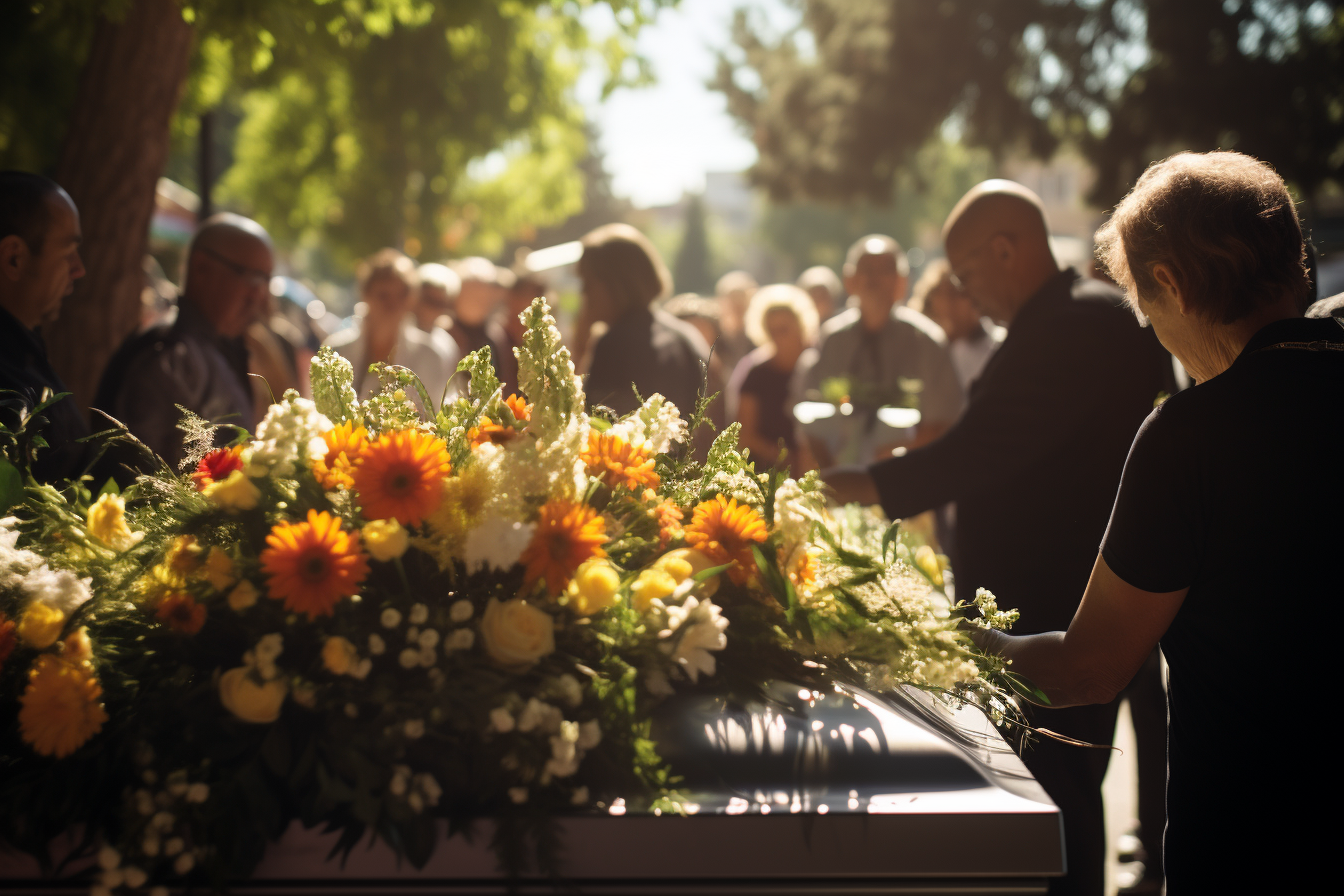
Russia’s approach to end of life care is in the midst of meaningful change, yet the availability of palliative and hospice services continues to vary greatly across such an expansive nation. Expats are strongly encouraged to put essential legal paperwork in order — most importantly a notarised power of attorney — well before any serious health crisis arises, and to confirm that their insurance coverage includes provision for repatriation. In the event of a death, registering promptly at a ZAGS civil registry office and reaching out to your home country’s embassy without delay are both critical first steps.
| Item | Details |
|---|---|
| Palliative care legal basis | Recognised in Russian law since 2011; national action plan extended through 2024 |
| Death registration deadline | Must be registered at ZAGS civil registry office; medical certificate issued within one day of transfer to mortuary |
| State morgue storage (free of charge) | Up to 7 days after cause of death is established; extendable to 14 days if next of kin is unavailable (as of 2025) |
| Inheritance tax | None — Russia abolished inheritance tax; notary fee is 0.3% for close relatives (capped at 100,000 RUB) or 0.6% for others (capped at 1,000,000 RUB) as of 2024 |
| Inheritance claim deadline | Six-month waiting period before effects can be released to next of kin |
| Repatriation insurance | Foreign nationals require medical insurance with a repatriation clause to obtain a Russian visa — check your policy covers this |
What end of life care options are available in Russia, and how does the system work?
Russia’s provision for those approaching the end of life encompasses hospital-based palliative units, residential hospice facilities, and community home care programmes. The overall framework has developed substantially since the early 1990s, though the quality and breadth of services remain highly inconsistent across different parts of this enormous country. Major urban centres such as Moscow and St. Petersburg offer the most comprehensive care, while patients in rural or remote regions may find their options extremely limited.
The most significant expansion of palliative services gained momentum in 2011, when Russian legislation formally recognised palliative care as a distinct service category. In the years that followed, the Russian Ministry of Health established detailed procedures for delivering palliative care to both adults and children, and designated specialist palliative care coordinators at state and regional levels, setting reform in motion across the system.
Despite this progress, large numbers of patients still cannot access even the most fundamental care or adequate pain relief. The obstacles are numerous: insufficient funding, a shortage of adequately trained personnel, difficulties in obtaining necessary medications, and widespread public unfamiliarity with what palliative care actually entails. Expats should understand that the standard of care they may encounter is highly dependent on which part of Russia they call home.
What is palliative care in Russia, and who is eligible for it?
Under Russian law, palliative care is defined as specialised medical provision designed to enhance the quality of life for people living with serious, complex, or terminal conditions. The foundational legal text is the “Law on Palliative Care,” enacted in 2011, which enshrines the right of patients to access such services as one of its core principles.
Eligibility extends well beyond those with cancer diagnoses. Although Russia’s first hospices were established primarily for oncology patients, these facilities now accept patients regardless of whether their condition is cancer-related. People living with advanced cardiac disease, neurological disorders, and other life-limiting illnesses may also qualify. Children are likewise entitled to palliative support — whether at home, in outpatient settings, in paediatric hospital wards with palliative capacity, or in dedicated children’s hospices.
For expatriates, access to these services typically hinges on their registration status and the type of health coverage they hold — whether compulsory medical insurance (OMS) or voluntary private insurance (VHI). Foreign nationals who are not enrolled in the OMS system may need to fund palliative care through private medical insurance or directly out of pocket. It is always wise to verify your eligibility with both the treating institution and your insurer before care is required.
Are there hospices in Russia, and how do you access them?
Russia has approximately 100 hospices providing dedicated end of life care for patients and their families — a notably lower ratio per head of population than in many Western nations. Pioneering institutions such as the First St. Petersburg Hospice and the First Moscow Hospice were instrumental in establishing the entire palliative care movement in the country. Other well-known facilities include the Rostokino Hospice and Vera Hospice.
Much as in Britain, Russian hospices are primarily inpatient establishments — typically standalone buildings — with home care provision offered as a supplementary service. This contrasts with models elsewhere in the world where care delivered at home is the principal mode of support. Russian hospices also tend to incorporate a broader range of complementary therapies into routine care, with practices such as massage and aromatherapy administered daily by nursing staff as a standard element of patient support.
Gaining admission to a hospice in Russia normally requires a referral from a treating physician or oncologist. The patient’s local polyclinic (primary care clinic) or the regional health authority can advise on which facilities are available in the area. In Moscow, the city’s Department of Health oversees the allocation of palliative beds. Expats should request a formal referral from their GP or specialist and check with their insurer whether inpatient hospice admission falls within their coverage.
Is palliative or hospice care covered by public health insurance or the national health system in Russia, or does it need to be funded privately?
Russia’s compulsory medical insurance scheme — the OMS (Obyazatelnoye Meditsinskoye Strakhovaniye) — provides coverage for Russian citizens and certain categories of lawful residents. Palliative and hospice care delivered through state-run facilities is generally included within OMS for those enrolled in the programme. That said, Russia’s public healthcare system has historically operated under chronic funding pressures, which means that the palliative services theoretically guaranteed by law are not always available in practice.
The majority of expatriates living in Russia do not participate in OMS and instead rely on voluntary health insurance (VHI) or international private health cover. What these private plans actually include in terms of palliative and hospice care differs enormously from one policy to the next — some provide meaningful coverage, while many do not. It is absolutely essential to read your policy documents carefully and speak with your insurer before any care episode begins. The World Health Organization has been collaborating with institutions such as Sechenov Medical University to bolster Russia’s systemic capacity in this area, though the benefits of such partnerships will take time to filter through to all regions.
Charitable bodies play a vital complementary role alongside state provision. The Vera Hospice Charity Fund (Fond Pomoshchi Khospisam “Vera”) is among the most prominent non-governmental organisations active in supporting hospice development across Russia, and may be able to point individuals towards additional resources and assistance.
What legal documents should expats have in place before the end of life in Russia — such as a living will, advance directive, power of attorney, or healthcare proxy — and how do these work?
Russia does not have a direct legal counterpart to the “advance directive” or “living will” as these instruments are understood in many other countries. Federal Law No. 323-FZ “On the Fundamentals of Health Protection” does give patients the right to decline medical intervention and to communicate their preferences, but these rights are not formalised through the same structured documentation familiar from other legal traditions.
In practical terms, the single most important legal tool an expat should arrange is a notarised power of attorney (doverennost), which grants a trusted individual the authority to make healthcare and financial decisions on your behalf in the event you lose the capacity to do so yourself. This document must be formally notarised by a Russian notary in order to carry legal weight within Russia, and it should be prepared while you are still in good health.
A Do Not Resuscitate (DNR) instruction can be incorporated into a Russian medical context, but must be formally documented by the attending physician in line with established Russian medical protocols. Verbal requests communicated by family members hold little legal standing without proper written records. Expats are advised to discuss their end of life wishes openly with their treating medical team and to ensure that these are accurately reflected in their medical records.
For financial and property-related matters, a separate notarised power of attorney covering those domains is advisable. Additionally, anyone holding assets in Russia is strongly encouraged to draw up a valid Russian will (zaveshchaniye), formally notarised within Russia — further detail on this is provided in the estate administration section below.
Are documents such as advance directives or powers of attorney made in another country legally recognised in Russia?
Foreign legal documents — including powers of attorney and advance directives — do not enjoy automatic recognition under Russian law. For a power of attorney issued abroad to be relied upon in Russia, it will typically need to go through the Hague Apostille certification process (provided your country is a party to the relevant convention), or be authenticated through whatever alternative process Russian law demands. In virtually all cases, the document will also need to be rendered into Russian by an accredited translator.
Even where a foreign power of attorney has been properly apostillised, Russian institutions and authorities may be hesitant to act on it during a medical emergency. Legal professionals consistently advise taking a dual approach: having a power of attorney drawn up under Russian law by a Russian notary, even if you already hold one from your country of origin. This parallel approach provides the most straightforward legal route in a crisis.
Since advance healthcare directives as conceived in systems like those of Germany, France, or the United Kingdom have no statutory equivalent in Russian law, such documents from abroad are unlikely to be acted upon by Russian medical staff without further legal validation. Consulting a Russian-qualified lawyer with expertise in international matters is advisable, particularly as this area of law continues to develop.
What are the laws around euthanasia or assisted dying in Russia?
Euthanasia and assisted dying are categorically prohibited in Russia. Federal Law No. 323-FZ “On the Fundamentals of Health Protection of Citizens of the Russian Federation” explicitly bars medical professionals from taking any deliberate steps to hasten a patient’s death, including in circumstances where the patient has personally requested this. The prohibition applies equally to active euthanasia — the administration of a lethal substance — and to assisted suicide.
Any healthcare professional who participates in bringing about a patient’s death, even at that patient’s own express request and in order to end their suffering, may face severe criminal liability under Russian law. This represents a firm and settled legal and ethical stance in Russia, and there is no current political momentum toward legalising any form of assisted dying. Expats arriving from countries where assisted dying has been legally permitted — such as the Netherlands, Belgium, or Canada — should be aware that the position in Russia is fundamentally different.
The entire emphasis of end of life medicine in Russia is therefore on palliative intervention — on controlling pain and managing distressing symptoms so as to enable a dignified and peaceful death — rather than on accelerating it. If you have concerns about pain management, address these directly with your medical team and enquire about opioid medications, the availability of which has improved considerably in recent years.
What are the local customs, traditions, and religious practices around death and dying in Russia?
Russia is a vast, multi-faith nation, and practices surrounding death differ considerably depending on religious affiliation, ethnic background, and geographic region. Russian Orthodox Christianity is the most widely observed faith and exerts a strong influence over mainstream funeral customs. A typical funeral encompasses a farewell ceremony, either burial of the body or disposal of cremated remains, a communal meal of remembrance, and periodic memorial observances.
The Russian Orthodox Church does not actively promote cremation, though it will perform a funeral service in such cases. Traditional Orthodox practice prefers burial, and it is customary for the coffin to remain open during the ceremony to allow mourners to pay their final respects in person. The body is usually washed and dressed by family members or funeral home attendants. After the interment, it is customary to hold a memorial meal known as pominki, with further gatherings traditionally held on the ninth day, the fortieth day, and the first anniversary of the death.
Russia is also home to sizeable Muslim, Buddhist, and Jewish communities, each observing their own distinct funeral rites. In keeping with Islamic tradition, Muslim funerals call for burial to take place as swiftly as possible, with the body washed in a prescribed ritual manner; cremation is forbidden. Jewish communities observe the requirements of halacha (Jewish religious law), which similarly mandates prompt burial and prohibits cremation. It is vital to communicate any religious requirements to both the funeral home and the relevant medical authorities at the earliest opportunity, so that traditions can be appropriately honoured.
In Russian social custom, sombre attire is expected when attending a funeral. Flowers are routinely brought as a mark of respect — an even number of blooms, since odd numbers are associated with joyful occasions. Expats unfamiliar with local convention will generally find that sincere, respectful conduct and taking cues from the bereaved family is warmly received.
What must you do when someone dies in Russia? Who do you notify, how quickly, and in what order?
Russia has a well-defined legal and administrative framework governing death registration, burial authorisation, inheritance procedures, and the repatriation of remains. Acting swiftly and following the correct sequence of steps is crucial. The guidance below applies whether the deceased was a Russian citizen or a foreign national.
- Call emergency services or a doctor without delay. Medical personnel and the police are the first parties who must be informed of the death. If the death takes place at home, dial the emergency services on 112. If it occurs in hospital, the medical team will handle notification automatically.
- Secure the medical death certificate. Russian law mandates that death be medically confirmed by a licensed physician, who carries out an examination and issues a medical death certificate (врачебное свидетельство о смерти). Once the body has been conveyed to the mortuary, this certificate — which records the cause of death — is issued within one day.
- Transfer the body to a mortuary. The deceased is typically conveyed by ambulance to the nearest morgue. Once the cause of death has been formally established, the body may be held at a state facility at no charge for up to seven days.
- Register the death at ZAGS. The death must be formally recorded with the civil registry authority (ZAGS — Zapis Aktov Grazhdanskogo Sostoyaniya). Once registered, ZAGS issues the official death certificate (Svidetelstvo o smerti), which is indispensable for every subsequent administrative step.
- Inform the deceased’s employer, where relevant. If the deceased was formally employed in Russia, the employer should be notified as promptly as possible. Employers of foreign staff in Russia carry certain responsibilities toward their employees and may be in a position to assist with arrangements for transporting the deceased back to their country of permanent residence.
- Contact your home country’s embassy or consulate. Where the deceased is a foreign national, their embassy or consulate should be reached in the hours immediately following confirmation of death (see the dedicated section below). Consular staff can help with documentation, act as a liaison with Russian authorities, and advise on the repatriation process.
- Notify the insurance provider. The deceased’s travel or health insurer should be contacted at once. Since no foreign national may be granted a Russian visa without medical insurance, a repatriation clause should already form part of the policy; in the event that repatriation is required, all associated costs should be met by the insurer.
- Appoint a funeral director. A local funeral director must be engaged to manage burial or cremation arrangements in Russia. For international transportation of remains, it is important to select a firm with established experience in cross-border repatriation.
- Obtain a burial permit. Before any burial or cremation may proceed, the family must obtain a burial permit (разрешение на захоронение), which is issued by ZAGS following formal registration of the death.
How is a death officially registered in Russia, and what documents are needed?
The registration of deaths in Russia falls under the authority of the ZAGS civil registry. This process must be completed before any funeral arrangements, burial, cremation, or repatriation can lawfully proceed. Registration should be carried out as soon as possible after the death has occurred.
The documents ordinarily required to register a death at ZAGS include: the medical death certificate issued by the attending doctor or mortuary; the passport or other identity document of the deceased; and the passport or identity document of the person registering the death — typically the next of kin or an authorised representative. For a foreign national, supplementary documentation such as a translated and appropriately legalised copy of the passport may also be requested.
Upon completion of the registration process, ZAGS issues the official Russian death certificate (Svidetelstvo o smerti). This document is fundamental to obtaining a burial permit, making insurance claims, commencing inheritance proceedings, and, where applicable, initiating a repatriation application. Multiple certified copies should be requested at the point of registration, as several will be needed across the various administrative procedures that follow.
What happens if a foreign national dies in Russia — what are the specific steps for notifying their home country’s embassy or consulate, and what role does the consulate play?
When a foreign citizen dies on Russian soil, the body is typically conveyed to one of the city morgues (forensic science laboratories), where the medical death certificate is prepared by the laboratory staff. From that point, the deceased’s family and the consulate of their home country take on central roles in steering the process forward.
Reaching the embassy or consulate should be treated as an immediate priority in the hours following confirmation of death. Most embassies maintain round-the-clock emergency telephone lines precisely for situations of this nature. The consulate can: assist with formal identification of the deceased; act as an intermediary with Russian authorities on documentation matters; help locate the next of kin; issue an emergency travel document if one is required; provide contact details for funeral directors with international repatriation experience; and offer guidance on the steps involved in returning the remains. It is important to note, however, that consulates are not in a position to cover funeral or repatriation costs — these expenses must be met by the deceased’s insurer or by the family.
Where the deceased entered Russia as a tourist, the relevant consulate takes responsibility for coordinating the required documentation and supporting the arrangements for transportation. Whether the individual was in Russia for employment or leisure, engaging a Moscow-based funeral home with experience in international cases is strongly advisable, as such firms can assist in gathering the necessary paperwork and offer guidance on the legal dimensions of the process.
Once the consulate has been formally notified, it will typically generate an official “Report of Death of a [Nationality] Citizen Abroad,” a document that is recognised by the deceased’s home country for legal and administrative purposes, including the settlement of the estate and the cancellation of any pensions or benefits.
How are funerals typically arranged in Russia, and what are the usual options for burial or cremation?
Families in Russia may choose between traditional in-ground burial, cremation, and religious funeral ceremonies. Russian law guarantees every individual the right to be buried in keeping with their expressed wishes, along with entitlement to a free plot at a public cemetery — whether for a body or for cremated remains.
Both burial and cremation are available only once the death certificate has been issued and only with the consent of the next of kin. Cremation is typically a less expensive option than burial. Where the cause of death is under criminal investigation, cremation may not be permitted. Nationwide, cremation is legally permitted provided the relatives of the deceased give their consent. Moscow is home to four crematoriums, while St. Petersburg has one; access to cremation services outside of these major cities is considerably more limited.
Cremation requires additional documentation confirming the identity of the deceased and the established cause of death. In some regions, proof of the deceased’s religious affiliation may also be requested where specific funeral rites are called for. Families should convey any religious or cultural requirements to the funeral home as early as possible. Funeral providers such as Ritorg and GBU Ritual in Moscow offer comprehensive services and have staff with foreign language capabilities, which can be of real practical value to bereaved families with limited Russian.
What are the approximate costs of a funeral in Russia, and are there any state or insurance-based funds that can help cover them?
Funeral costs in Moscow are not standardised, and the total expenditure can vary markedly from one funeral provider to another. As a broad reference point, the state-funded minimum funeral provides a basic level of service. The benchmark used for the minimum cost of funeral provision is the funeral allowance, which stands at 16,002 roubles for Moscow residents (according to figures published by RITUAL funeral home — the current figure should be verified directly with the funeral home or local authority, as it is revised periodically). A standard funeral encompassing a coffin, transportation, burial, and a ceremony will typically run to considerably more than this threshold amount.
Russia does provide a state funeral benefit (posobiye na pogrebeniye), payable to the individual who organised and paid for the funeral. However, this benefit is primarily designed for residents who participate in the Russian social insurance system and may not be accessible to foreign nationals. Eligibility should be confirmed with the local branch of the Social Fund of Russia (SFR — Social’nyy Fond Rossii).
For expatriates, the most realistic sources of financial support are: international travel or health insurance incorporating a repatriation and funeral expenses provision; life insurance held by the deceased at the time of death; and, where the deceased was employed in Russia, assistance from their employer. Some travel insurance arrangements require the family to pay upfront and then claim reimbursement, while more comprehensive policies often allow funeral homes to invoice the insurer directly. Always confirm the claims procedure with your insurer before making any financial commitments.
What is the process for repatriating the remains of a foreign national from Russia to another country?
Repatriating remains from Russia is among the most administratively complex aspects of dealing with a death in the country. International transportation is governed by strict rules, and airlines together with border control authorities require a specific set of documents — any gap in the paperwork can cause significant delays.
A post mortem examination forms a standard component of the process for foreign nationals. Such an examination normally takes place unless the relatives raise an objection on moral, religious, or other grounds. The next of kin or funeral director may generally submit a written objection within three days; however, even where relatives refuse, there is no certainty that Russian authorities will agree to proceed without a post mortem, and this may take time to resolve. When a post mortem does take place, it is conducted within three to eight days at the morgue, with the written report typically completed within thirty days.
Once repatriation has been approved, the body must be prepared to meet international transportation standards. The body is appropriately prepared or, where the family has requested it, cremated prior to shipment. It is then placed within a sealed zinc coffin — or an urn in the case of cremated remains — which is in turn housed in a suitable outer transportation container.
The documentation typically required to authorise repatriation includes: the official Russian death certificate; the medical certificate from the forensic authority; a certificate of encasement confirming that the container is hermetically sealed; a permit from the relevant Russian health authority; and documentation from the embassy or consulate of the receiving country confirming their acceptance of the repatriated remains. Engaging a funeral director with proven experience in international transportation — and maintaining close contact with your consulate throughout — is essential to avoiding unnecessary hold-ups.
What happens to the estate of someone who dies in Russia — how does probate or estate administration work, and are there inheritance taxes?
In contrast to many other countries, Russian inheritance procedures largely bypass the court system. Notaries serve as the primary administrators of the process, verifying documents, identifying rightful heirs, and overseeing the formal transfer of assets. This makes Russian estate administration comparatively streamlined when measured against traditional probate systems.
Heirs are required to open an inheritance case with the district notary holding jurisdiction over the deceased’s last registered address in Russia. Russian law stipulates a six-month waiting period before assets may be released to the beneficiaries. This interval is intended to allow all prospective heirs — whether resident in Russia or abroad — adequate time to assert their inheritance rights. Within this window, heirs must formally declare whether they accept or renounce their entitlement to the estate.
One notably favourable feature of the Russian system is the complete absence of inheritance tax. Regardless of the nationality or residence status of the heir, inherited assets are transferred free of any tax liability. Other financial obligations may nonetheless arise depending on the nature of the property being inherited. Notary fees do apply: the standard charge for issuing an inheritance certificate is 0.3% of the inherited property’s assessed value for close relatives — subject to a ceiling of 100,000 roubles — and 0.6% for more distant heirs, capped at 1 million roubles (as of 2024).
Expatriates and foreign heirs should be mindful that moving inherited funds out of Russia has become substantially more complicated in recent years as a result of international sanctions. As of 2024, a significant number of Russian banks have been cut off from the SWIFT messaging network or are subject to correspondent banking restrictions, reducing the pool of overseas banks prepared to accept transfers from sanctioned entities even when the underlying transaction is entirely lawful. Specialist legal and financial advice from a practitioner experienced in Russian cross-border estate matters is strongly recommended before any action is taken.
If an expat dies without a will in Russia, what happens to their assets under local intestacy laws?
Russian inheritance law is set out in Part III of the Civil Code and establishes a strict order of succession that takes effect whenever no valid will exists. The first to inherit are the closest family members — spouses, children, and parents. Should none of these primary heirs be available, the law moves to the next tier, which includes siblings, grandparents, and so on, working progressively outward until all conceivable heirs have been considered.
This hierarchy is applied automatically by the notary handling the estate whenever no will is in force. Unmarried partners, close friends, and stepchildren who have not been legally adopted have no automatic right to inherit under Russian intestacy rules — a position that diverges from the laws of a number of other countries. This makes it especially important for expats living in non-conventional family arrangements to formalise their wishes in a properly executed Russian will.
Non-citizens may elect to direct the distribution of their assets through a will or allow Russian law to determine how the estate is divided. Even where a will does exist, however, certain close relatives are designated as mandatory heirs under Russian law and retain a guaranteed share of the estate regardless of the deceased’s express wishes. A will therefore cannot fully override the statutory entitlements of these individuals. If no lawful heirs come forward at all, the estate passes by default to the Russian state.
Any expat with assets situated in Russia — including real property, bank deposits, vehicles, or business holdings — should treat the preparation of a professionally drafted and notarised Russian will as an essential element of their financial planning. This is a separate document from any will held in the home country, which may not be enforceable in Russia in respect of Russian-situated assets without undergoing additional legalisation procedures.
Frequently asked questions
Will my international or foreign health insurance be accepted for palliative care in Russia?
The answer depends on the specific terms of your policy and the care provider in question. Some international private health insurance plans do extend coverage to inpatient palliative and hospice care in Russia, but many do not. Certain travel insurance arrangements require the family to meet costs upfront and then seek reimbursement, while more comprehensive policies often permit care providers to bill the insurer directly. You should always speak with your insurer before care commences to establish exactly what is covered, whether advance authorisation is required, and how billing will be handled. State-funded hospice places are generally available only to those enrolled in Russia’s OMS compulsory insurance system.
Are documents in a language other than Russian legally valid in Russia?
Documents in foreign languages do not carry direct legal or administrative validity in Russia. Any document — whether a power of attorney, a will, an advance directive, or an identity document — must be rendered into Russian by an accredited translator, and in most cases will need to be apostillised or otherwise formally authenticated before Russian authorities will treat it as valid. It is essential to have all critical documents professionally translated and properly validated well before circumstances arise in which they might urgently be needed.
How long does it typically take to repatriate remains from Russia?
Post mortem examinations are conducted within three to eight days at the morgue, and the written post mortem report is typically completed within thirty days. In practical terms, the entire repatriation process — encompassing documentation, preparation or embalming of the remains, and international transportation — can take anywhere from two to six weeks, and sometimes longer, depending on the cause and circumstances of the death, the completeness of the required paperwork, and any complications that arise from the post mortem investigation. Families should anticipate this timeframe and maintain regular communication with both the funeral director and the consulate at every stage.
What support is available to bereaved family members who are in Russia at the time of death?
Russia does not operate a formalised national bereavement support service comparable to those available in certain other countries. Practical and emotional assistance may be found through: the social worker or psychologist attached to the hospice or hospital; charitable bodies such as the Vera Hospice Charity Fund; religious communities and faith leaders; and your country’s embassy or consulate, which may be able to direct you toward local support services. Private counselling and psychological support is available in major cities. The employer of the deceased may also be in a position to offer practical help to family members who are not Russian residents.
Can a foreign national be buried in Russia?
Russian law guarantees every individual the right to burial in accordance with their wishes, along with the provision of a free plot at a public cemetery — whether for a body or for cremated ashes. Foreign nationals are therefore entitled to be buried in Russia. The family will need to engage a local funeral director and obtain the necessary burial permit from ZAGS. Some cemeteries maintain sections set aside for particular religious communities. It is advisable to contact the cemetery administration directly to discuss the available options and any applicable requirements.
What happens to a foreign national’s personal belongings after death in Russia?
Items that were in the deceased’s possession at the time of death are ordinarily handed over to the next of kin or to the Russian police. If the person died in a hospital setting, personal belongings may be collected from the ward or relevant department. Where the circumstances of the death are under criminal investigation, belongings may be retained as evidence. Assets of greater value — real property, bank accounts, and the like — form part of the estate and are dealt with through the inheritance process described above, including the mandatory six-month period before they may be released to the heirs.
Do I need a Russian will if I already have a valid will from my home country?
Yes — having a separate, notarised Russian will for any assets held within Russia is strongly advisable. While Russian private international law may, in certain limited circumstances, give effect to a foreign will, the practical process of establishing and enforcing such a document in Russia is complex, protracted, and by no means guaranteed — particularly where real property is involved. A will drafted and notarised in Russia by a qualified notary offers the clearest and most straightforward route for ensuring that your Russia-situated estate is distributed in accordance with your intentions.
Is there a risk that sanctions will affect the transfer of an inheritance out of Russia?
As of 2024, a large number of Russian financial institutions have been disconnected from the SWIFT international payments network or are subject to correspondent banking restrictions, which significantly limits the number of foreign banks willing to process transfers originating from Russian entities — even where the transaction itself is entirely legal. Routing funds via banks that are not subject to sanctions remains a feasible approach, though it is likely to involve higher transaction costs and longer processing times. This is a rapidly changing landscape. Anyone anticipating receipt of an inheritance from Russia is strongly encouraged to obtain current legal and financial advice from a specialist in Russian cross-border transactions before taking any steps.