

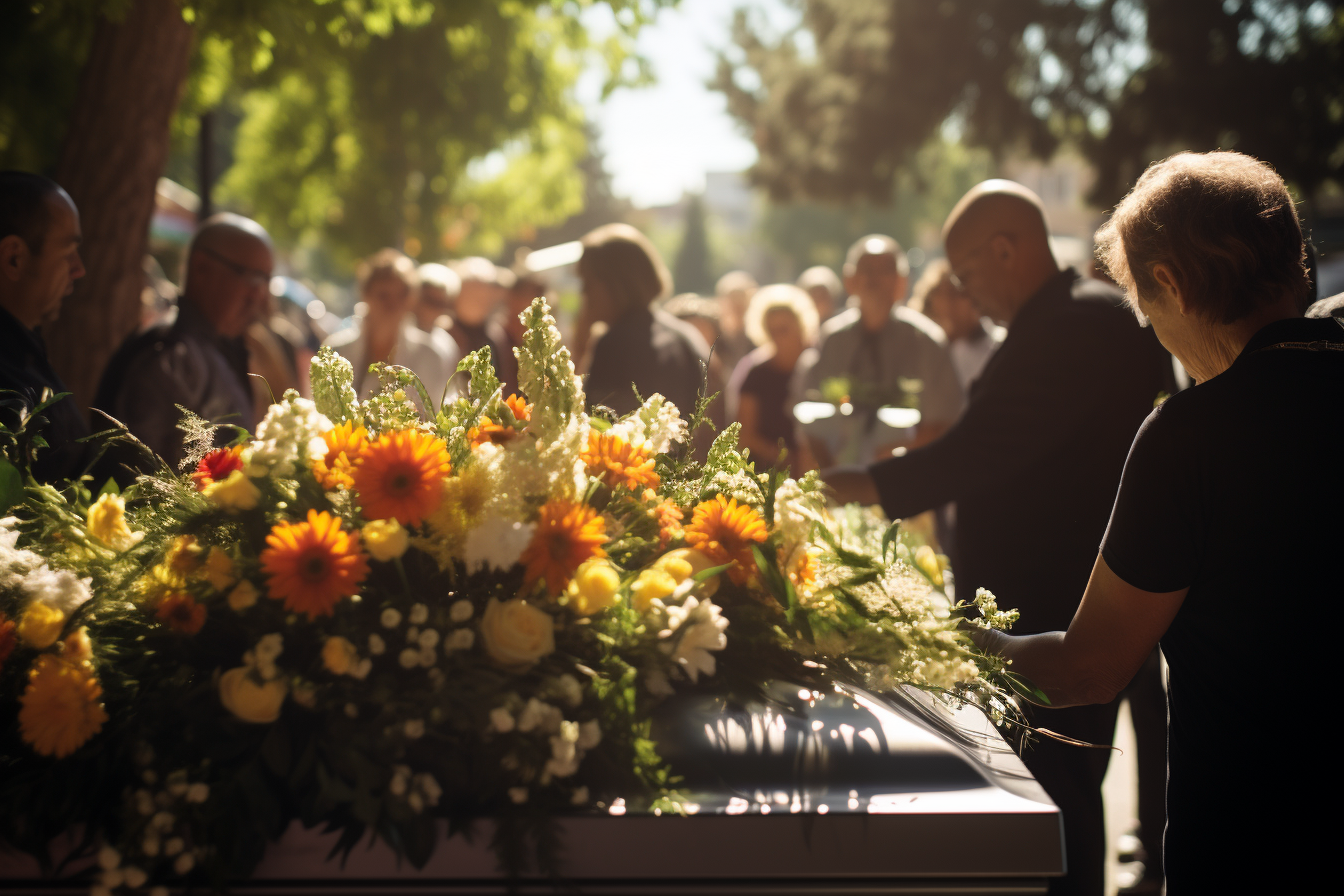
End of life care in South Africa is provided through a combination of public hospitals, private facilities, and an extensive network of hospices and community-based palliative care organisations. When a death occurs in South Africa, it must be reported within 72 hours, formally registered with the Department of Home Affairs, and — in the case of foreign nationals — the deceased’s home country embassy or consulate must be informed without delay. Preparing relevant legal documents and securing appropriate insurance well in advance is highly recommended.
| Item | Details |
|---|---|
| Death reporting timeframe | Must be reported within 72 hours to the Department of Home Affairs (as of 2025) |
| Estate reporting timeframe | Must be reported to the Master of the High Court within 14 days of death (as of 2025) |
| Estate duty abatement threshold | First R3.5 million of net estate value is exempt; 20% rate above that; 25% above R30 million (as of 2025 — verify with SARS) |
| Executor’s fee cap | 3.5% of gross estate value plus VAT (as of 2025) |
| Palliative care providers | 91 APCC-accredited members across South Africa; over 90% of care is home-based (as of 2025) |
| Euthanasia / assisted dying | Illegal in South Africa; courts have rejected legalisation |
What end of life care options are available in South Africa, and how does the system work?
End of life care in South Africa is delivered across several interconnected channels: public hospitals and clinics funded by national and provincial health departments, private hospitals and care homes, and a broad network of specialist palliative care and hospice organisations. The public system faces considerable resource constraints, and as a result, dedicated end of life support through state-funded facilities is frequently limited, particularly in rural and underserved areas.
South Africa is widely regarded as having the most developed palliative care sector on the African continent. Various models of care have emerged in the South African context, encompassing hospital-based services, collaborative hospice-hospital partnerships, and hospice-led home care delivered at a community level. For expats covered by private medical aid, the range of available inpatient facilities and specialist palliative support is considerably wider.
Palliative care is treated as a priority area in South Africa, with active efforts to incorporate it into primary health care. The South African National Policy Framework and Strategy on Palliative Care, published in 2017 in alignment with World Health Organization recommendations, set out the national direction. Despite this, coverage continues to be uneven across the country, and families are encouraged to identify suitable providers in their area well before a crisis occurs.
What is palliative care in South Africa, and who is eligible for it?
Palliative care encompasses the physical, psychological, social, and spiritual support provided by a multidisciplinary team of specialists to individuals facing life-threatening illness, as well as to those close to them. It is intended to begin at the point of diagnosis rather than being reserved for the final phase of illness, and it can extend beyond death to include bereavement support for surviving family members. This approach differs from traditions in some other countries where palliative care is introduced only in the final weeks or days of life.
The Hospice Palliative Care Association (HPCA) guidelines make clear that services are available to people of any age living with a life-limiting condition. Care and support extend to both patients and their families, and referrals may come from a wide range of sources — including the patients themselves, family members, neighbours, friends, general practitioners, or nurses.
Conditions that may qualify a person for palliative care include cancer, pulmonary disease, renal failure, HIV/AIDS, progressive neurological disorders, and — increasingly — serious childhood illnesses. Foreign nationals residing in South Africa are not excluded from palliative care on the grounds of their nationality, although eligibility for subsidised or free services may depend on the specific facility and its funding arrangements. Expats relying on private medical aid should review their policy’s palliative care provisions carefully before a need arises.
Palliative care teams in South Africa typically include doctors trained in palliative medicine, nurses, social workers, and home-based carers working together. While this interdisciplinary structure has parallels with specialist services elsewhere — such as community palliative care teams within the UK’s NHS — the South African system relies far more heavily on NGO and charitable funding in community settings.
Are there hospices in South Africa, and how do you access them?
The Association of Palliative Care Centres (APCC) is the national body for accredited palliative care service providers in South Africa, many of which operate under the name of hospices. All APCC members are accredited against the Standards for Palliative Healthcare Services approved by both the Council for Health Service Accreditation of South Africa (COHSASA) and the International Society for Quality in Health Care (ISQua).
The APCC currently has 91 members delivering palliative care services across South Africa. More than 90% of the care provided by APCC members is home-based, with the central aim of preserving and enhancing quality of life. This means that for many patients, hospice support comes to them at home rather than requiring admission to an inpatient facility — an important consideration for expats who wish to remain in familiar surroundings.
Any person diagnosed with a life-limiting or life-threatening illness who is no longer receiving curative treatment qualifies to enrol in a palliative care programme. Access to care is extended to all, irrespective of social background, cultural identity, spiritual beliefs, or financial circumstances. To locate a hospice or palliative care centre in your area, the APCC provides an interactive map on its website at apcc.org.za. Further provider information is also accessible via palprac.org.
The Hospice Palliative Care Association (HPCA), established in 1987 by South African hospices seeking a national body to share best practices and advocate for palliative care, remains an important resource. Its website at hpca.co.za can help you find member hospices and understand the services they offer.
Is palliative or hospice care covered by public health insurance or the national health system, or does it need to be funded privately?
South Africa does not yet operate a fully implemented universal public health insurance system comparable to the NHS in the United Kingdom or Medicare in Australia. The country’s proposed National Health Insurance (NHI) scheme has been passed into law but is not yet fully operational as of 2025. In the current environment, healthcare funding is divided between the tax-funded public sector — open to all residents — and private medical aid schemes.
Within the public sector, palliative care may be accessible through state hospitals and primary health care clinics, but the depth and quality of specialist palliative provision varies considerably between provinces and localities. In practice, many community hospices in South Africa function as non-governmental organisations, sustained through a combination of donations, government grants, and medical aid reimbursements, and they frequently provide care to patients regardless of their capacity to pay.
Care offered by hospices is available to all, without regard to social standing, cultural background, spiritual affiliation, or financial means. Nevertheless, expats depending on private medical aid must verify whether their scheme covers palliative and hospice care as a designated benefit, and up to what financial limit. Not all medical aid plans include inpatient hospice care, and some impose waiting periods before benefits become available. It is advisable to contact your medical aid provider directly and ask specifically about palliative care benefits well before they are needed.
What legal documents should expats have in place before the end of life in South Africa — such as a living will, advance directive, power of attorney, or healthcare proxy — and how do these work?
Expats living in South Africa should ideally prepare several important legal documents well before they are required. Although South Africa has no single comprehensive statute specifically regulating advance directives, the country’s courts and medical professionals do acknowledge their moral and legal significance within the constitutional framework, which protects individual autonomy and personal dignity.
The key documents to consider include:
- A Will: Any adult with assets in South Africa should have a valid South African will in place. Without one, your estate will be distributed according to intestacy legislation, which may not reflect your personal wishes. A will must be signed in front of two competent witnesses who are not beneficiaries under it.
- A Living Will / Advance Directive: This document records your preferences regarding medical treatment in circumstances where you are no longer able to communicate them yourself. South African medical practitioners and hospitals are broadly expected to honour a clearly expressed advance directive, particularly one that refuses life-prolonging intervention under defined conditions. It is advisable to have this document witnessed, kept on file with your general practitioner and your next of kin, and reviewed periodically.
- A General Power of Attorney (POA): This authorises a person you trust to manage your financial and legal affairs on your behalf. An important limitation under South African law is that a general power of attorney ceases to be valid if the person who granted it loses mental capacity. In such circumstances, the appointment of a curator bonis by the High Court may be necessary to manage ongoing affairs.
- Healthcare Proxy / Medical Power of Attorney: South African law does not provide for a specific healthcare proxy statute equivalent to those found in some other jurisdictions. However, you can record your preferences through an advance directive and by identifying a trusted person — whether next of kin or otherwise — to communicate with healthcare providers on your behalf. Ensuring that your family and medical team are clearly informed of your wishes is essential.
It is strongly recommended that these documents be prepared with the assistance of a qualified South African attorney, advocate, or notary. Many hospice and palliative care organisations can assist with signposting to legal support as part of a holistic advance care planning process.
Are documents such as advance directives or powers of attorney made in another country legally recognised in South Africa?
South Africa does not operate a comprehensive framework that automatically confers legal recognition on all foreign documents. Whether a foreign advance directive or power of attorney will be recognised depends on a number of factors, including how the document has been drafted, whether it has been properly authenticated through apostille or notarisation, and whether its content is consistent with South African public policy and law.
South Africa is a signatory to the Hague Convention Abolishing the Requirement of Legalisation for Foreign Public Documents. This means that documents originating in other Hague Convention member states can be apostilled to support their recognition. However, even a correctly apostilled document may require assessment by a South African legal practitioner to confirm that it is valid and enforceable in the local context.
As a practical matter, expats are strongly encouraged to have any foreign legal documents reviewed by a South African attorney, and where possible to prepare fresh South African–compliant versions of key documents such as wills, living wills, and powers of attorney. If you hold assets in more than one country, it is also worth considering whether your existing estate planning documents adequately cover all relevant jurisdictions. Given that this is a complex and highly fact-specific area of law, always seek current advice from a qualified South African attorney.
What are the laws around euthanasia or assisted dying in South Africa?
Euthanasia and assisted dying are not lawful in South Africa. The Supreme Court of Appeal, in the case of Minister of Justice and Correctional Services v Estate Stransham-Ford, refused to accept the argument that assisted suicide should be permitted. This ruling continues to represent the governing legal position as of 2025.
While medically assisted dying lies outside the scope of palliative and hospice care practice in South Africa, the APCC acknowledges that public debate on the subject is ongoing, and that the views held by palliative care professionals across the country are diverse and deeply personal. Sector-wide engagement in recent years has brought to light both the ethical complexities involved and the importance of clear safeguards and culturally sensitive dialogue.
The APCC does not support medically assisted dying as a component of palliative care. It does, however, recognise that respectful, ongoing engagement with the issue is necessary — particularly where it intersects with patient autonomy, the capacity of the health system, and the realities of human suffering. For now, the legal and professional position is unambiguous: any deliberate act intended to hasten death is unlawful in South Africa, and expats should be aware that arrangements available in certain other countries have no legal standing here.
What are the local customs, traditions, and religious practices around death and dying in South Africa?
South Africa is among the most culturally diverse countries in the world, with 11 official languages and communities shaped by African, European, Asian, and mixed heritage. As a result, attitudes and practices surrounding death and dying are highly varied, and expats can expect to encounter a wide range of customs depending on the communities they live in or alongside.
Among many African communities, death is understood through the lens of ancestral connection. The deceased is commonly viewed as transitioning into an ancestor whose presence continues to influence the living. Funerals within Zulu, Xhosa, Sotho, Tswana, and other communities frequently involve large gatherings of family and community members, overnight vigils, the slaughtering of livestock, and specific traditional ceremonies. These events may span several days and fulfil significant spiritual and social purposes. Respectful curiosity and sensitivity towards these practices are appreciated from those unfamiliar with them.
Christian observance is widespread across communities and ethnic groups throughout the country, with funerals typically incorporating church services, hymns, and graveside prayers. South Africa’s substantial Muslim population, concentrated particularly in the Western Cape, follows Islamic burial customs that include washing and shrouding of the body, prompt interment — ideally within 24 hours — and communal prayers. Jewish, Hindu, and other religious communities observe their own traditions, and South Africa’s major urban centres have the facilities to accommodate the requirements of most significant faith communities.
In many parts of the country, funeral expenses represent a major social concern. “Funeral societies” and stokvels — informal community savings groups — exist specifically to help members bear the cost of dignified burials. Expats who have formed close relationships with South African colleagues or neighbours may be invited to attend funerals as a mark of communal solidarity and respect, an invitation that is generally considered an honour.
What must you do when someone dies in South Africa? Who do you notify, how quickly, and in what order?
The death must be reported within the legally required 72-hour window to avoid complications with late registration. The steps below outline the required sequence of actions:
- Obtain a medical certificate of cause of death. A medical certificate of cause of death (form DHA-1663A) must be completed by the attending medical practitioner. If the death is sudden or unexplained, the body must be reported to the South African Police Service (SAPS) and may be referred for a post-mortem examination by a state pathologist.
- Contact a funeral undertaker. A registered funeral undertaker can take charge of the immediate care of the body and, in many instances, can assist in initiating the death registration process. No burial may take place unless authorised by way of a burial order.
- Complete the Notification of Death form (BI-1663). A Notification of Death or Still Birth Form (BI-1663) must be completed when reporting a death. The person reporting the death — typically a medical practitioner — together with a Home Affairs officer or a member of the South African Police Service, all contribute to completing this form.
- Submit the BI-1663 to the Department of Home Affairs (DHA). The informant — the person formally reporting the death — must attend their nearest Home Affairs office or a designated hospital with the completed BI-1663 form. Where the death has occurred at a health facility, the hospital may initiate the registration process directly.
- Obtain a Death Report (BI-1680) and Burial Order (BI-14). Once the death is registered, the DHA issues a Death Report (BI-1680). A Burial Order (BI-14) is only issued once the Death Report has been produced.
- Report the estate to the Master of the High Court. The estate of the deceased must be reported to the Master of the High Court within 14 days of the date of death. This step can also be completed at designated magistrates’ offices.
- Notify the relevant embassy or consulate (for foreign nationals). If the deceased is a foreign national, their home country’s embassy or consulate should be contacted as promptly as possible. The consulate can provide guidance on home-country requirements and offer assistance with repatriation where necessary.
- Notify insurers, banks, and other institutions. Once the death certificate has been issued, inform life insurance providers, banks, pension funds, and all other relevant institutions. Certified copies of the death certificate will be required in each case.
How is a death officially registered in South Africa, and what documents are needed?
The Births and Deaths Registration Act 51 of 1992 sets out the legal requirements and procedures to be followed when a person dies in South Africa. Registration is the responsibility of the Department of Home Affairs (DHA), which issues a formal death certificate upon completion of the process.
The Department of Home Affairs issues a Death Certificate upon receiving both the Notification of Death form BI-1663 and the Death Report form BI-1680. The essential documents required for registration are:
- Completed BI-1663 Notification of Death form
- Medical certificate of cause of death (DHA-1663A), completed by the attending doctor
- The deceased’s original South African identity document (ID book or Smart ID card) — the original is retained by Home Affairs — or the deceased’s passport if they were a foreign national
- The informant’s own identity document
An abridged death certificate is issued at no charge on the same day as death registration. If an Unabridged Death Certificate (BI-132) is required, additional fees and processing time will apply. It is advisable to request several certified copies of the death certificate at the point of registration to avoid repeat visits, as copies will be needed by banks, insurers, estate administrators, and various official bodies.
In cases where a foreigner has died in South Africa, the death will be manually registered with South African Home Affairs. The South African Government’s official information on death certificates is available at gov.za.
What happens if a foreign national dies in South Africa — what are the specific steps for notifying their home country’s embassy or consulate, and what role does the consulate play?
When a foreign national dies in South Africa, the death must first be registered locally with the South African Department of Home Affairs, and the deceased’s home country embassy or consulate should be contacted as early as possible. The consulate plays a pivotal role in coordinating with the family, advising on the requirements of the home country, and — where appropriate — supporting the repatriation of remains.
The specific notifications and documentation required will vary according to the deceased’s nationality. As a general rule, the consulate will need to know: the full name and date of birth of the deceased; the date, location, and cause of death; the name and contact details of the next of kin; and the identity of any funeral undertaker involved. The consulate may request a certified copy of the South African death certificate and may issue its own documentation for home-country registration purposes.
A person who has received letters of executorship or probate in a country other than South Africa will not be entitled to deal with the assets of the estate within the Republic without first being authorised by a Master of the High Court in South Africa. The Master confers this authority either by issuing letters of appointment or, in certain circumstances, by signing and sealing letters of appointment previously issued by another state. Foreign executors must therefore take specific steps before they can lawfully administer any South African assets.
Practically speaking, it is important to liaise with the consulate before taking any irreversible steps, as the consulate can advise on whether home-country authorities need to be formally involved. Many consulates also maintain lists of local funeral directors with experience in international repatriation. Contact details for embassies and consulates operating in South Africa can be found through DIRCO (the Department of International Relations and Cooperation).
How are funerals typically arranged in South Africa, and what are the usual options for burial or cremation?
Funerals in South Africa are organised through licensed funeral undertakers — commonly referred to as funeral parlours — who coordinate the logistical aspects of death registration, transportation of the body, and the funeral service itself. Most towns and cities have multiple funeral parlours operating across a range of price points, from basic providers to full-service operators. Obtaining and comparing quotes from several providers is advisable, as costs can differ substantially.
The two principal options for disposition of remains are burial and cremation. Burial is by far the more prevalent choice across many South African communities, underpinned by strong cultural and religious traditions favouring interment. Cremation is available and becoming more common, especially among urban populations and among those of certain religious backgrounds. Cremation facilities are available in all major cities, including Cape Town, Johannesburg, Durban, and Pretoria.
No burial may proceed without a burial order being issued. Funeral arrangements must specify the name and registration number of the funeral undertaker or parlour overseeing the burial or cremation, whether the body is to be buried or cremated, and the name and location of the cemetery or crematorium. If the body is to be transported to another province or country, additional permits will be required.
Many South African communities also observe a night vigil — an overnight gathering of family and community members — on the evening before the funeral. The funeral service itself may be held in a church, a community hall, or at the graveside, and typically involves active community participation, including speeches, singing, and shared meals.
What are the approximate costs of a funeral in South Africa, and are there any state or insurance-based funds that can help cover them?
Funeral costs in South Africa vary broadly depending on the nature of the service, the location, and whether the body requires transportation. As of 2025, a basic funeral package can begin at around R5,000–R10,000, while a mid-range service incorporating a coffin, hearse, venue hire, and catering preparation may range from R15,000 to R40,000 or more. Elaborate services for larger gatherings can cost significantly higher amounts. Always obtain itemised quotes and confirm current prices directly with funeral parlours, as costs change regularly.
There is no universal state funeral benefit for the general population in South Africa. However, several mechanisms exist to assist with funeral costs:
- Funeral insurance (funeral plans): These are extremely common in South Africa and are designed to pay out rapidly. A funeral plan policy does not form part of the estate, which means it can be paid directly to the nominated beneficiary within 24 hours of the required documentation being submitted. Many medical aid schemes also include a modest funeral benefit.
- Funeral societies and stokvels: Informal community savings groups that pool regular contributions specifically to help members cover funeral costs are a well-established feature of South African social life. Expats integrated into local communities may have access to these arrangements, though they are generally membership-based.
- SASSA Social Relief: The South African Social Security Agency (SASSA) may offer limited assistance to very low-income individuals, but this is unlikely to be applicable to most expats. Current eligibility criteria should be confirmed directly with SASSA.
- Estate funds: Funeral and death-related expenses — including the coffin and interment — are allowable deductions from the estate alongside administration costs. However, because estates can take many months to wind up, having a dedicated funeral plan to cover immediate costs is strongly recommended.
What is the process for repatriating the remains of a foreign national from South Africa to another country?
Repatriating remains from South Africa is a structured process involving several authorities and is best managed by a funeral director with proven experience in international repatriation. The process can take anywhere from several days to a few weeks, depending on the requirements of the destination country, the cause of death, and whether a post-mortem examination is needed.
The principal steps involved are:
- Register the death with the South African Department of Home Affairs and obtain a certified death certificate.
- Contact the home country’s consulate without delay, as they will advise on the specific documentation required by the receiving country and may need to issue their own death notification documents.
- Engage a funeral director with experience in international repatriation — ideally one connected to a recognised international repatriation network. They will manage embalming (typically required for air transport), the provision of a zinc-lined sealed transport casket, and coordination with airlines and customs authorities.
- Obtain a permit to remove and transport the body. Additional permits are required if the body is to be transported internationally. Depending on the cause of death, the South African Department of Health may also be required to issue an international transit certificate.
- Arrange airfreight. Most international airlines transport human remains as cargo and require specific packaging standards — typically a sealed, zinc-lined casket. Your funeral director will manage this coordination.
- Confirm requirements at the destination. The receiving country will have its own import requirements for human remains, which may include apostilled South African death certificates, embalming certification, and consular documentation. Your home country’s consulate can advise on these requirements.
Repatriation costs can be considerable — typically starting from R30,000–R60,000 or more depending on the destination — and are not covered by South Africa’s public health system. Expats are strongly advised to hold comprehensive travel or expat insurance that includes a repatriation of remains benefit. Policy terms should be reviewed carefully, as some exclude deaths from particular causes or require pre-authorisation.
What happens to the estate of someone who dies in South Africa — how does probate or estate administration work, and are there inheritance taxes?
Estate administration in South Africa is the legal process through which a deceased person’s affairs are wound up, debts are settled, and assets are distributed to rightful heirs or beneficiaries. All deceased estates are governed by the Administration of Estates Act (Act 66 of 1965, as amended). Supervision and administration of deceased estates falls to the Master of the High Court, not to magistrates’ courts.
The estate must be reported to the Master of the High Court within 14 days of the date of death. The executor appointed by the Master is responsible for the administration of the estate, and the executor’s fee is capped by regulation at 3.5% of the gross estate value plus VAT.
Estate administration typically takes between 6 and 12 months, though complex estates or contested matters can take considerably longer. South Africa does not impose a direct inheritance tax of the kind found in some other countries. Instead, estate duty — governed by the Estate Duty Act 45 of 1955 — serves a similar function. It is levied on the net value of the deceased’s estate itself, meaning it is paid from estate assets before the remainder is distributed to heirs, rather than being charged to the heirs on receipt.
Estate duty is calculated on the net estate value (total assets minus liabilities). The first R3.5 million of net estate value is exempt, meaning no estate duty is payable on estates falling below this threshold. The portion of the net estate exceeding R3.5 million is taxed at 20%. A rate of 25% applies to the portion above R30 million, introduced in the 2018 Budget and still in force as of 2025 — always verify current figures with SARS or a registered tax practitioner, as rates are subject to annual budget changes.
Notably, there is no tax payable by the individual who receives an inheritance in South Africa. Capital Gains Tax (CGT) is also not triggered for the beneficiary on receipt of an inherited asset. Where estate duty or inheritance tax has already been paid in a foreign country, it may be credited against South African estate duty to prevent double taxation, subject to the terms of any applicable double taxation agreements.
If an expat dies without a will in South Africa, what happens to their assets under local intestacy laws?
Where no will exists, the estate is administered in accordance with the Intestate Succession Act, which prescribes a fixed order of inheritance beginning with the spouse and children. The estate is distributed under this Act regardless of the deceased’s nationality or country of origin, although the treatment of assets held abroad by an expat resident in South Africa can be more complicated and may require proceedings in multiple jurisdictions.
Under the Intestate Succession Act (Act 81 of 1987), the rules are broadly as follows:
- If the deceased is survived by a spouse but no descendants, the spouse inherits the entire estate.
- If the deceased leaves descendants but no spouse, the descendants inherit in equal shares.
- If both a spouse and descendants survive the deceased, the spouse receives the greater of a child’s share or R250,000, with the balance divided equally among the children.
- If neither a spouse nor descendants survive, the estate passes to the deceased’s parents and then to other relatives in a prescribed order.
- If no qualifying relatives can be identified, the estate is forfeited to the state.
For expats, dying intestate in South Africa can create significant complications, particularly where assets are held across multiple countries, where family relationships are not legally straightforward, or where a long-term domestic partner is not legally married to the deceased. South African intestacy law does not automatically recognise unmarried partners — regardless of the duration of the relationship — as heirs. Taking the time to prepare a valid South African will with the assistance of a qualified attorney is one of the most important steps any expat can take to protect those they leave behind.
Frequently Asked Questions
Will my foreign medical or travel insurance be accepted by South African palliative care providers?
Whether foreign insurance is accepted depends entirely on the specific policy and the individual provider. Many private South African hospitals and palliative care facilities will accept patients covered by recognised international insurers, but coverage typically needs to be confirmed prior to or at the point of admission. Ensure you carry full insurance documentation and that your insurer’s emergency contact line is reachable from South Africa. While some NGO-based hospices extend care regardless of insurance status, private inpatient facilities will generally require proof of payment or formal pre-authorisation. Review your policy specifically for palliative and end of life care benefits before you find yourself in a position of needing them.
Do documents such as wills or advance directives need to be in an official South African language, or is English acceptable?
South Africa recognises 11 official languages, and English is routinely used in legal and administrative proceedings. Wills, advance directives, and similar legal documents prepared in English are regularly accepted by South African courts, hospitals, and the Department of Home Affairs. Documents in languages other than English or another South African official language may need to be accompanied by a certified translation. If you have foreign documents in a language that does not include English, seek advice from a South African attorney about arranging a certified translation.
How long does the process of repatriating remains from South Africa to another country typically take?
In most cases, the repatriation process takes between 5 and 15 working days from the date of death, though this can vary considerably. The key factors influencing the timeline include whether a post-mortem is required, the documentation demands of the destination country, the availability of suitable flight connections, and the speed of any required consular processing. Appointing a funeral director experienced in international repatriation as soon as possible after the death will help reduce unnecessary delays. Expats with international insurance should also notify their insurer immediately, as some policies include round-the-clock repatriation assistance.
What support is available to bereaved family members in South Africa?
Palliative care in South Africa is designed to extend from the point of diagnosis through to bereavement support for surviving family members. Many APCC-member hospices offer dedicated bereavement counselling after a death, frequently at no cost to the family. Social workers embedded within palliative care teams can also provide both practical assistance and emotional support during this period. For expats who lack local family networks, reaching out to your embassy or consulate’s welfare officer and to expat community groups in South Africa can provide valuable additional support during a difficult time.
Can a foreign executor manage a deceased expat’s South African estate?
A person who has received letters of executorship or probate outside South Africa is not entitled to deal with assets of the estate within the Republic until they have first been authorised to do so by a Master of the High Court in South Africa. The Master may grant this authority either by issuing its own letters of appointment or, in appropriate circumstances, by signing and sealing letters previously issued in another jurisdiction. In practice, most families find it necessary to appoint a South African attorney or professional executor to administer the local estate, working alongside any foreign executor as the situation demands.
Is it possible to arrange a direct cremation or a simple, low-cost funeral in South Africa?
Yes. Direct cremation — in which the body is cremated without a formal viewing or funeral ceremony — is offered by certain providers in South Africa’s major cities and tends to be the most economical option. Prices differ between providers and locations, so comparing quotations is worthwhile. Some operators offer purpose-designed packages for those seeking simplicity and cost efficiency. Even for a direct cremation, the death must still be formally registered with the Department of Home Affairs and a cremation order obtained before the cremation can lawfully take place.
What happens if someone dies in a remote or rural area of South Africa far from a Home Affairs office?
Even in remote or rural areas, the death must still be reported within the 72-hour legal timeframe. The South African Police Service (SAPS) is authorised to receive a death report where a Home Affairs office is not reasonably accessible. Local hospitals or clinics may also serve as designated reporting points in some areas. A funeral undertaker — even one located at some distance — can frequently assist with coordinating the necessary administrative steps. Contacting the nearest Home Affairs office by telephone to confirm the correct reporting procedure for your specific location is advisable. The South African Government’s services portal at gov.za provides contact information for regional Home Affairs offices.
Are funeral costs recoverable from a South African estate before it is distributed to heirs?
Yes. Funeral and death-related costs — including the coffin and the cost of burial or cremation — are deductible from the estate before distribution to heirs and before estate duty is assessed. However, since the estate administration process typically takes many months to conclude, funeral costs will usually need to be funded immediately from a separate source — such as a funeral insurance payout, a jointly held bank account, or contributions from family members. The estate will subsequently reimburse these costs as part of the liquidation and distribution process, subject to the executor’s accounts receiving approval from the Master of the High Court.