
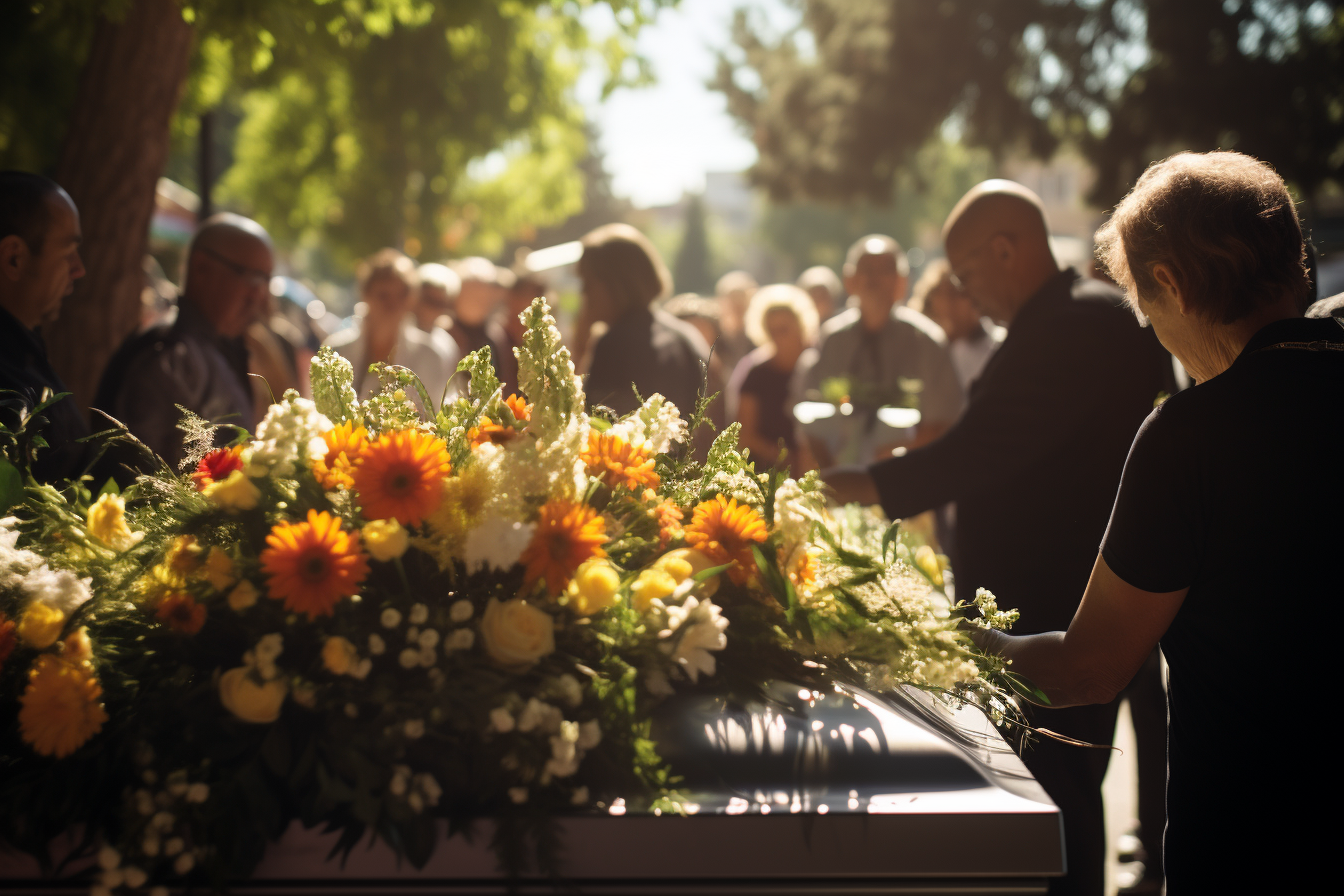
End of life care in Slovakia is provided through a combination of hospital-based palliative units, an expanding hospice sector, and home-care services, all operating largely within the framework of mandatory public health insurance. Following a death in Slovakia, a doctor must be notified without delay, the death must be formally registered at the local registry office (matrika) within a defined period, and — in the case of foreign nationals — the deceased’s home country embassy or consulate must also be informed. Having legal documents prepared in advance and a clear understanding of local procedures can make an already distressing time considerably more manageable.
| Item | Details |
|---|---|
| Death notification to doctor | Immediately upon death; examining doctor notifies registry office within 3 days (as of 2024) |
| Death certificate language | Issued in Slovak only; official translation required for use abroad |
| Funeral deadline | Usually within 14 days of death under Slovak law; extensions granted for foreign nationals (as of 2024) |
| State funeral grant | €79.67 (as of 2024); verify current amount with the Office of Labour, Social Affairs and Family |
| Inheritance/estate tax | None — Slovakia abolished inheritance, estate, and gift taxes |
| Euthanasia/assisted dying | Illegal in Slovakia |
What end of life care options are available in Slovakia, and how does the system work?
Slovakia’s approach to end of life care draws on several interconnected pathways: inpatient palliative units within hospitals, dedicated hospice facilities, community nursing and home-care agencies, and social care services administered in part at the municipal level. Legislative oversight of long-term and end of life care is shared between the Ministry of Labour, Social Affairs and Family (MoLASF) and the Ministry of Health (MoH), a division of responsibility that can sometimes make the system difficult to navigate for patients and families who are new to it.
The long-term care landscape in Slovakia is characterised by a strong emphasis on family-provided care, a residualist approach to welfare, and a comparatively modest level of formal service provision. In practical terms, this means that relatives frequently shoulder the primary burden of home-based care, supported by community nurses, general practitioners, and specialist outpatient services. For those requiring more intensive support, inpatient palliative units and hospices are available in larger towns and cities.
The existing services and funding structures for long-term care are not yet adequately equipped to meet anticipated future demand, which is projected to grow substantially as Slovakia’s population ages. Expats should note that English-language services within end of life care settings are limited, and arranging assistance from a bilingual patient advocate or professional interpreter is advisable wherever possible.
What is palliative care in Slovakia, and who is eligible for it?
Palliative care in Slovakia covers medical, psychological, and social support intended to enhance the quality of life of patients living with serious, life-limiting conditions. It can be delivered alongside curative treatment rather than as a replacement for it, and is not restricted to those with cancer — it is appropriate for any person with an advanced or progressive illness that significantly affects their daily functioning.
The National Cancer Institute (NCI) in Bratislava houses a Palliative Care Department together with an affiliated Mobile Hospice, serving as a national reference centre for oncology care in Slovakia. The Department of Palliative Care was established within the NCI in February 1995, with 19 inpatient beds and an outpatient clinic. Beyond oncology, palliative support is increasingly accessible to those living with heart failure, neurological conditions, and advanced respiratory disease.
Strong opioid medications for pain relief are generally available, with their costs fully reimbursed by health insurance companies, and a growing network of home-care agencies attends to the needs of palliative patients in their own homes. Eligibility for publicly funded palliative care is determined primarily by a treating physician’s referral and the clinical needs of the individual, rather than by meeting a specific diagnostic threshold. Expats who are enrolled in the Slovak public health insurance system can access these services on the same terms as Slovak residents.
Are there hospices in Slovakia, and how do you access them?
Slovakia has a network of hospice facilities, although provision is unevenly distributed across the country and is concentrated mainly in larger urban centres. Hospices may be run by the state, by religious organisations (most notably the Catholic Church), or by non-profit charities. End of life care is accessible throughout all Slovak regions, though the depth of specialist hospice provision differs considerably between Bratislava and more rural parts of the country.
Plamienok is a trailblazing non-profit organisation that provides paediatric home-based palliative and hospice care in Slovakia; since 2002 it has offered home care for dying children free of charge. From 2011, psychological, therapeutic, and counselling support has also been extended to sick children and their close ones, as well as to adults who have experienced the loss of a child.
Access to an inpatient hospice is usually arranged through a referral from a general practitioner (GP) or a specialist hospital physician. Families may also approach hospice providers directly. The International Association for Hospice and Palliative Care (IAHPC) maintains a global directory listing Slovak providers, which can serve as a useful starting point when researching options.
Is palliative or hospice care covered by public health insurance or the national health system in Slovakia, or does it need to be funded privately?
Slovakia operates a mandatory public health insurance system administered through insurance companies such as Všeobecná zdravotná poisťovňa (VšZP). Residents — including expats who are employed or otherwise registered in Slovakia — are required to contribute. Medically necessary palliative care delivered within the health system, including pain management, specialist consultations, and inpatient stays in palliative units, is generally covered by public health insurance.
The cost of strong opioid medications is fully reimbursed by health insurance companies for eligible patients. However, the social care elements of hospice support — such as personal care assistance, residential facility fees, and certain home-help services — may fall under social care funding frameworks rather than health insurance, meaning that patients or families may be required to contribute to costs depending on their income and personal circumstances.
From April 2021, a long-term nursing benefit has been available to compensate for income loss when a family member is providing palliative care at home, payable for a maximum of 90 days. Expats who are not enrolled in Slovak public health insurance — for example, those relying on private international health cover — should review their policies carefully, as private palliative and hospice care can be expensive. Always confirm current coverage details directly with your insurer and your Slovak health insurance provider.
What legal documents should expats have in place before the end of life in Slovakia — such as a living will, advance directive, power of attorney, or healthcare proxy — and how do these work?
Preparing legal documents in advance is strongly recommended for anyone living in Slovakia, and especially for expats who may hold assets, have family ties, or maintain legal connections in more than one country. Slovak law recognises several key instruments, although some are less formally codified than their equivalents in other European jurisdictions.
An advance directive (sometimes referred to as a living will) allows an individual to record their preferences regarding medical treatment in the event that they lose decision-making capacity. Slovak healthcare law acknowledges the principles of patient autonomy and informed consent, and while no single standardised national form exists, a written statement of wishes may be lodged with a GP or treating physician. It is advisable to have any such document notarised and translated into Slovak if it was originally drawn up in another language.
A power of attorney (plnomocenstvo) authorises a nominated individual to act on your behalf in legal and financial matters. A healthcare proxy — a person designated to make medical decisions on your behalf — can be appointed in writing. For more complex arrangements, documents executed before a Slovak notár (notary) carry the greatest legal weight. Expats are strongly encouraged to consult a Slovak-qualified lawyer to ensure that all documents comply with local legal requirements.
Are documents such as advance directives or powers of attorney made in another country legally recognised in Slovakia?
Slovakia is a member of the EU and a signatory to the Hague Apostille Convention, which means that official documents — including notarised powers of attorney — originating in other Apostille Convention member states can generally be validated for use in Slovakia by obtaining an Apostille stamp from the relevant authority in the issuing country.
Slovak documents can equally be authenticated for use abroad with an Apostille stamp when they are destined for other signatory countries, without the need for further certification by the receiving country. The same principle applies in reverse: foreign documents bearing a valid Apostille are recognised in Slovakia. Documents originating from countries that are not parties to the Apostille Convention will require additional legalisation steps.
Under Slovak private international law, a will dealing with movable or immovable property in Slovakia is valid if it conforms to the laws of the deceased’s domicile — however, it will be admitted to probate in Slovakia only if it satisfies the requirements of Slovak law. Any advance directive, healthcare proxy, or power of attorney prepared abroad should be reviewed by a Slovak lawyer to confirm that it will be effective in a Slovak medical or legal setting. Official translations into Slovak will very likely be required.
What are the laws around euthanasia or assisted dying in Slovakia?
Euthanasia and assisted dying are both illegal in Slovakia. The country’s legal framework does not permit any medical practitioner or other individual to deliberately end a patient’s life, even where the patient has made an explicit and informed request. This position reflects Slovakia’s deeply rooted Catholic cultural tradition and the prevailing view within Slovak medical and legislative circles.
Palliative sedation — the administration of sedative medications to relieve intolerable suffering during the final stages of life — may be used in a clinical setting under strict medical supervision, but this is fundamentally distinct from euthanasia and does not constitute assisted dying. Patients and families seeking comfort-focused care at the end of life should discuss all available palliative options with their treating physician. Those moving from countries where assisted dying is legally permitted (such as the Netherlands, Belgium, or Canada) should be aware that such options do not exist in Slovakia.
What are the local customs, traditions, and religious practices around death and dying in Slovakia?
Slovakia is a predominantly Roman Catholic country, and Catholic traditions exert a strong influence over the cultural approach to death and dying. A priest is frequently called to administer the Last Rites to dying Catholics, and religious ceremonies occupy a central place in both funerals and mourning. Wakes — where the body of the deceased is laid out at home or in a chapel of rest — remain common practice, particularly in rural communities, giving family members and friends the opportunity to pay their respects before the funeral takes place.
Funerals are typically solemn, formal events, and wearing black mourning attire is customary. Church funeral Masses are widely held, followed by a graveside service and burial. It is traditional for mourners to bring flowers to both the funeral and the grave. The first anniversary of a death, along with All Souls’ Day on 2 November, are occasions of particular importance, when families visit cemeteries to light candles at the graves of their loved ones — a tradition observed throughout Slovakia.
Protestant and Greek Catholic communities also have a presence in Slovakia, particularly in the central and eastern regions, and their practices — while broadly similar in outline — possess their own distinctive characteristics. Jewish, Muslim, and other minority faith communities in Slovakia each maintain their own funeral and mourning customs, and families belonging to these traditions should contact the relevant faith community or burial society for specific guidance.
What must you do when someone dies in Slovakia? Who do you notify, how quickly, and in what order?
The steps below describe the standard procedure to follow when a death occurs in Slovakia. Acting promptly and in the correct sequence will help prevent administrative delays and ensure that all legal obligations are fulfilled.
- Contact a doctor without delay. Whether the death takes place at home, in hospital, or elsewhere, a medical doctor must examine the body and issue a formal certification of death. If the death occurs at home, call a GP or the emergency services (112). The examining doctor is required to notify the local registry office of the death no later than three days after the person has been declared dead.
- Notify the police if the death is sudden, unexpected, or suspicious. In cases involving an accident, suicide, or any circumstances that are unclear, the police must be contacted immediately. The police and public prosecutor will determine whether next of kin may or must attend to identify the deceased.
- Engage a local funeral director. A relative or formally appointed representative should appoint a local funeral director, who will be able to guide the family through the local process. Funeral directors frequently assist with death registration and mortuary arrangements.
- Arrange for the body to be transferred to a mortuary if necessary. Mortuary facilities exist across Slovakia, though not in every municipality. If the deceased is to be held in a mortuary, the associated costs are the responsibility of the next of kin.
- Register the death at the local registry office (matrika). Death registration takes place at the local registry office; in some cases a funeral director can handle this on behalf of the family. The deceased’s identity documents and the registrant’s own identification will need to be presented.
- Notify the deceased’s home country embassy or consulate if the person who died was a foreign national. This should be done as promptly as possible. The consulate can assist with documentation, provide guidance on repatriation, and help inform next of kin abroad.
- Inform relevant authorities and institutions — including the deceased’s employer, bank, insurance providers, pension authority, and Slovak health insurance company — as soon as practicable following the issue of the death certificate.
- Alert the relevant local authority to any infectious conditions. If the deceased suffered from an infectious illness such as hepatitis or HIV, local authorities must be informed so that appropriate precautionary measures can be taken.
How is a death officially registered in Slovakia, and what documents are needed?
In Slovakia, deaths are registered at the local registry office (matričný úrad). Responsibility for maintaining civil records, including death registrations, rests with municipal or city district offices. The correct office to approach is the one serving the area in which the death occurred.
The examining doctor is required to inform the local registry office of the death within three days of the person being declared dead. The registry office then proceeds to issue death certificates — typically at the request of a funeral director engaged by the deceased’s family. Family members should also present the deceased’s identification documents — passport and/or identity card — together with their own identification. Documentation confirming the deceased person’s full name, date of birth, and passport number will generally be required.
Death certificates are produced in the Slovak language only. An official translation will need to be obtained and paid for if the certificate is to be used in another country. The certificate records the deceased person’s name, date of birth, place of birth, date of death, place of death, and the details of the issuing authority, but it does not include the cause of death. Where a cause of death is required for legal or insurance purposes, a separate medical document must be requested. If a death occurred outside Slovakia and needs to be registered in Slovakia, registration can be carried out through a Slovak consulate or through the Special Registry (Osobitná matrika) in Bratislava.
What happens if a foreign national dies in Slovakia — what are the specific steps for notifying their home country’s embassy or consulate, and what role does the consulate play?
When a foreign national dies in Slovakia, contacting their home country’s embassy or consulate is an essential early priority. Most embassies in Bratislava and consulates elsewhere in Slovakia provide emergency consular services and can be reached outside regular office hours for urgent matters. Contact details are available on the official website of the relevant embassy.
The consulate’s role typically encompasses: verifying the identity of the deceased; helping the family understand local legal and administrative requirements; providing a list of local funeral directors and lawyers; liaising with Slovak authorities on the family’s behalf; and facilitating the documentation needed for the repatriation of remains. Local funeral directors work in conjunction with international counterparts to ensure that all necessary requirements are met both within Slovakia and in the deceased’s country of origin, including providing documents such as a local death certificate and a certificate authorising the transfer of remains.
It is not obligatory to register the death with your own national authorities, since the Slovak death certificate can generally be used in most countries for legal purposes including probate. However, some countries offer an optional consular registration of deaths abroad, which produces a home-country-style death certificate that can be useful when dealing with national institutions. Check with your own country’s foreign affairs ministry for details of its specific procedures.
How are funerals typically arranged in Slovakia, and what are the usual options for burial or cremation?
Both burial and cremation services are available throughout all Slovak regions. Burial in a cemetery (pohreb) remains the more traditional and culturally dominant choice, particularly within Catholic communities, though cremation (kremácia) is a fully recognised alternative. Burial tends to be more costly than cremation, depending on the services selected, the location, and the distances involved in transportation.
Under Slovak law, a deceased person must ordinarily be buried within 14 days of death, with exceptions permitted in cases involving a police investigation or similar circumstances. Where a foreign national is involved, the authorities will generally allow as much time as is reasonably necessary to make arrangements, including repatriation. Families should discuss their preferred options — local burial, local cremation, or repatriation — with the appointed funeral director as early as possible.
Although English is not routinely spoken by funeral directors in Slovakia, they are generally willing to identify an English-speaking point of contact. International funeral directors with experience of the Slovak process can also be engaged from abroad and will coordinate directly with local providers. Religious ceremonies can be arranged through the family’s chosen faith community; non-religious secular services are also possible.
What are the approximate costs of a funeral in Slovakia, and are there any state or insurance-based funds that can help cover them?
Funeral costs in Slovakia vary considerably according to the type of service, the region, the chosen funeral home, and whether burial or cremation is selected. A basic cremation typically starts from around €500–€800, while a full burial with a church ceremony, graveside service, and plot fees can range from approximately €1,500 to €3,500 or more, depending on the location and the services included. Up-to-date price lists should be requested directly from funeral directors. Mortuary storage costs also vary: where a body must be held in a mortuary, the fees are borne by the next of kin and are regulated differently across municipalities, both in terms of daily rates and lump-sum charges.
A state funeral grant is available to help offset these expenses. Applications for the Funeral Grant (príspevok na pohreb) are submitted at the local Office of Labour, Social Affairs and Family; the grant currently stands at €79.67 (as of 2024 — verify the current figure with the relevant office, as this amount may be updated). While modest, the grant is accessible to anyone who has met the funeral costs of a person who was permanently or temporarily resident in Slovakia.
Reimbursement of funeral expenses may also be claimed from occupational injury insurance if the deceased died as a direct result of a workplace injury or occupational disease and you have personally met the funeral costs. Private travel insurance and international health insurance policies frequently include a funeral assistance or repatriation benefit — review your policy terms carefully and notify your insurer promptly following a death.
What is the process for repatriating the remains of a foreign national from Slovakia to another country?
Repatriation of remains requires close coordination between a Slovak funeral director, the home country’s embassy or consulate, and — in most cases — an international funeral director. The process involves assembling a specific set of documents from Slovak authorities and satisfying the entry requirements of the receiving country. Allow for at least one to two weeks for documentation to be processed, though actual timelines can vary significantly depending on the circumstances.
Documents typically required for repatriation include: the Slovak death certificate (with an official translation); a certificate authorising the transfer of remains out of Slovakia; a medical certificate confirming the cause of death or establishing that the body poses no infectious risk; and, where applicable, documentation confirming that embalming has been carried out in compliance with international transport standards. Local funeral directors work alongside international partners to ensure that all requirements are met on both sides, including providing the local death certificate and the transfer authorisation.
No airlines operate direct flights to Slovakia for the transport of human remains, meaning that remains entering or leaving the country are typically routed via Budapest Airport in Hungary or Vienna Airport in Austria, and then transported by road to or from Slovakia. Remains must be placed in a hermetically sealed, zinc-lined coffin that meets international transport regulations. If local cremation has taken place, the funeral director should be consulted regarding the specific regulations governing the export of ashes from Slovakia. The documentation required for transporting an urn differs from that required for a coffin, so confirm the specific requirements with your funeral director and the relevant consulate in advance.
What happens to the estate of someone who dies in Slovakia — how does probate or estate administration work, and are there inheritance taxes?
When a person dies in Slovakia, their estate is subject to a formal inheritance proceeding conducted before a notary appointed by the court. The notary’s role is to identify all heirs, verify whether a valid will exists, establish the assets and liabilities of the estate, and issue a decision confirming how the inheritance is to be distributed. The process is initiated automatically by the district court following notification of the death; heirs are not required to apply separately to open probate. The duration of the process ranges from a few months to more than a year, depending on the complexity of the estate.
Settlement of inheritance through a will is comparatively uncommon in Slovakia — occurring in only 10–15% of cases, compared with inheritance proceedings governed by the Civil Code. Slovak lawyers generally advise expats to draw up a will regardless of whether it is prepared under Slovak law or the law of their country of domicile, as having a will in place is likely to accelerate the proceedings.
Slovakia levies no inheritance, estate, or gift taxes, which represents a meaningful advantage compared with many other European jurisdictions. However, income tax may apply to certain inherited assets if they subsequently generate income, and notarial and legal fees for administering the estate will be payable. EU Regulation 650/2012 on succession may also be relevant for expats residing in Slovakia, as it permits EU residents to elect that the succession law of their country of nationality governs their estate — specialist legal advice is strongly recommended on this point.
If an expat dies without a will in Slovakia, what happens to their assets under local intestacy laws?
When a person dies intestate (without a valid will) in Slovakia, their estate is distributed in accordance with the intestacy rules set out in the Slovak Civil Code. The Code organises potential heirs into inheritance groups (skupiny dedičov), with each successive group called upon only if no surviving heirs exist in the preceding group.
In the first group, the deceased’s children inherit in equal shares. If a child has predeceased the testator, that child’s own children (the deceased’s grandchildren) step in to inherit their parent’s portion. A surviving spouse also inherits equally alongside the children within the first group. If no children survive, the second group applies — the surviving spouse, the deceased’s parents, and any person who had lived in the same household as the deceased for at least one year before death each inherit in defined shares. Further groups extend coverage to siblings, grandparents, and more distant relatives in turn.
If no eligible heirs can be identified in any group, the estate passes to the Slovak state, specifically the municipality in which the deceased was last registered. For expats holding assets across multiple countries, the interplay between Slovak intestacy rules and the laws of other jurisdictions can be highly complex. Slovak lawyers routinely advise foreign nationals to make a will in order to avoid uncertainty and to ensure that their estate is distributed according to their own wishes. EU Succession Regulation 650/2012 may allow EU nationals resident in Slovakia to elect that their home country’s succession law applies to their estate — obtaining specialist legal advice is strongly recommended.
Frequently asked questions
Will my private international health insurance cover palliative or hospice care in Slovakia?
The answer depends entirely on your specific policy. Many international health insurance plans incorporate palliative care within their inpatient or serious illness benefits, but coverage for extended hospice stays or ongoing home-care support varies considerably between providers. Review your policy documents thoroughly and speak directly with your insurer before care is needed. If you are also enrolled in the Slovak public health insurance system, check which medically necessary palliative services are covered under that scheme as well.
Are advance directives or living wills written in another language valid in Slovakia?
Slovak medical and legal authorities will generally require documents to be translated into Slovak by a certified translator before they can be acted upon. A document that has been notarised in another country and bears a valid Apostille stamp (for Apostille Convention member states) can be authenticated for use in Slovakia, but it should nonetheless be reviewed by a Slovak lawyer to confirm that it is effective under Slovak law. Keeping a translated copy on file with your GP and within your personal medical records is advisable.
How long does it take to repatriate remains from Slovakia?
The process typically takes approximately one to two weeks from the date of death, though it may be completed more quickly or take longer depending on the circumstances. Key factors affecting the timeline include whether an autopsy is required, how swiftly the necessary documentation can be obtained from Slovak authorities, the availability of transport or flights to the destination country, and whether additional consular formalities are required. Your funeral director and home country embassy will be able to provide a more precise estimate for your individual situation.
What support is available to bereaved family members in Slovakia?
Bereaved families can access support through the Slovak public health system, including GP referrals for bereavement counselling and psychological services. Non-profit organisations such as Plamienok provide grief support to those who have lost a child, offering psychological, therapeutic, and counselling assistance to sick children and their loved ones, as well as to adults following the death of a child. Certain hospice facilities also offer bereavement follow-up services for families after a death. International employee assistance programmes (EAPs) offered by employers may additionally provide access to counselling support.
Does Slovakia issue death certificates in English, or will I need a translation?
Death certificates are issued exclusively in the Slovak language. You will need to arrange and pay for an official translation if the certificate is to be submitted to authorities in another country. Certified translations into English can be arranged through accredited translators in Slovakia. Your funeral director or the Slovak embassy in the destination country can help you locate a suitably qualified translator.
Can a foreign national be buried or cremated in Slovakia rather than repatriated?
Yes. The next of kin will generally need to decide between local burial, local cremation, or repatriation. Both burial and cremation are fully available options for foreign nationals in Slovakia. A relative or formally appointed representative should engage a local funeral director, who will guide the family through the process and associated costs. If local cremation takes place, bear in mind that this may affect the possibility of a subsequent inquest or post-mortem in some countries — it is advisable to check with your home country’s consulate before proceeding.
Is there a probate fee or notary fee when settling an estate in Slovakia?
Yes. Although Slovakia does not levy any inheritance, estate, or gift taxes, notarial fees are payable in connection with the probate proceedings. These fees are set by law and calculated as a proportion of the estate’s value, meaning that a larger or more complex estate will attract higher fees. Legal fees for any lawyers engaged to assist with the process are charged separately. Consult a Slovak notár or lawyer for current fee schedules, as these are subject to change.
What happens to a Slovak residence permit or EU registration certificate when an expat dies?
Residence permits and EU registration certificates are personal documents that lapse automatically upon the death of the holder. The family or estate representative should notify the relevant Slovak immigration authority (the Bureau of Border and Alien Police) of the death and return any residence documentation. This step is generally handled as part of the broader death administration process, and a funeral director or lawyer assisting with the estate can advise on the specific steps required.