
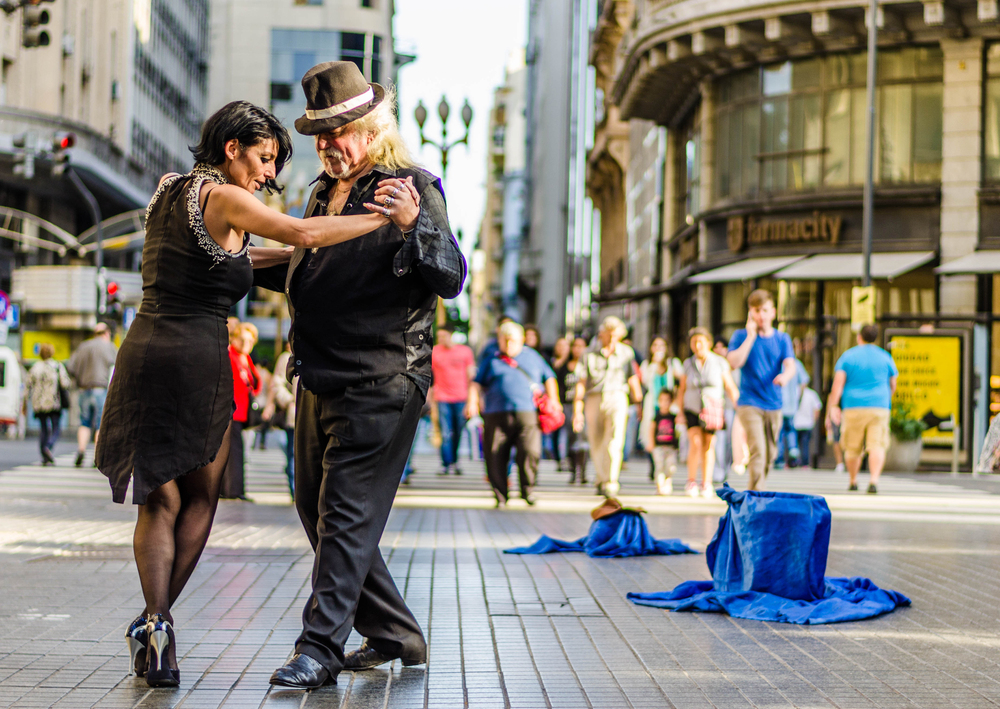
Jerry Nelson discusses how to ditch car dependency, manage daily healthcare, and build reciprocal local relationships from the pavement up in Buenos Aires.
The city doesn’t care that you arrived at Ezeiza with two bags and a head full of romantic grit. You step off the curb into a grid of broken sidewalk tiles and diesel exhaust, and the silent machinery of your old life stops dead.
Back home, you had the quiet comfort of a known block. You knew which floorboard creaked, which bodega clerk slipped you a free coffee when the rain ruined your morning, and who to call when your appendix decided to quit at three in the morning. When you drop yourself into the middle of Buenos Aires alone, you cut that wire. You trade every familiar alley and trusted face for complete silence.
Most people call that freedom. It’s a high-wire act without a net.
You think you can play the lone operator. You rent a high-rise flat in Palermo Soho with double-pane glass and filtered air, three stories above the street noise. You work behind a laptop screen, order groceries through Rappi or PedidosYa, and stick to sterile expat cafes where everyone drinks flat whites and compares tax residencies. It feels clean. It feels safe. You tell yourself keeping everyone at arm’s length protects your focus and your autonomy.
That posture is a slow poison. It’s the isolation paradox: the harder you fight to stay completely detached and invulnerable, the more defenseless you become when life lands a solid punch.
Researchers at the University of Montreal tracked this exact strain of drift. Their study showed that frequent relocations bump your chances of chronic loneliness up by 20 percent. The damage doesn’t come from the flight or the aduana lines. It comes from the brutal tax of rebuilding your social foundations from zero every time you cross an international border.
If you spend all your time inside expat bubbles, you never build those foundations. Expat crowds are transient by design. They pack their bags the second the blue dollar rate shifts or the lease runs out. When your fever spikes to 104 degrees at midnight, a digital nomad across town won’t show up at your door with clean water.
Real security is pedestrian, gritty, and built close to the ground. You don’t buy it with an offshore bank account. You build it on the sidewalk outside your front door.
Start with a walkable neighborhood like Almagro, Colegiales, or San Telmo. Ditch the ride-share apps and force your boots onto the concrete every single morning. Pick one route and stick to it until the cracked pavement becomes muscle memory. Buy your eggs from the corner verdulería with the scarred wood crates. Buy your medialunas from the panadería counter where the radio blasts cumbia every morning at seven.
I looked down at the avenue from my window last night as the rain swept the stone clean. The streetlights flickered against the wet curbs, and the heavy metal shutters on the kiosk below rattled shut with an iron clank. Somewhere out in the dark, an ambulance siren wailed, sharp and climbing, heading toward the hospital on Córdoba.
Navigating the Pavement
You trade two tons of steel and tinted glass for worn boot leather, and the whole city changes. Behind a steering wheel, you sit locked in a private capsule, cursing brake lights and staring through windshields at people you never meet. Leaving the car behind puts you directly onto the pavement. You start breathing the same air as the people living two blocks down.
In Buenos Aires, that means mastering the SUBE card, the colectivo network, and the Subte. Driving a private car in the capital guarantees traffic gridlock, parking headaches, and social isolation. Walking and using transit drops you straight into the daily life of the city.
To make the transition stick, map your new territory with intent. Pick one bus line, like the 39 or the 152, and ride it on a quiet Tuesday afternoon before you depend on it on a tight clock. Walk three blocks to the nearest Subte entrance and catalog the fixed points along the curb. Spot the corner quiosco where the metal shutter goes up at sunrise, the faded transit map on the bus stop pole, and the open lottery shop. These are your anchor points. Identify two reliable safe havens on your daily loop, like a bustling café notable or a hotel lobby with an open desk. Knowing where you can step off the street makes the concrete predictable instead of hostile.
Once you settle on a route, claim it. Stand on the same platform slab at eight in the morning. Buy your cortado at the same zinc counter. When you turn up in the same spot every day, your face registers. The vendor looks up. The dog walker nods. You stop being a shadow passing through and become part of the neighborhood inventory. People notice when you show up, and they notice when you don’t. That recognition is the strongest safety net a city can hand you.
Carry an emergency transit card in your pocket alongside your SUBE card. Print your name, blood type, known medical conditions, and local contact numbers in bold text. If you trip on a loose sidewalk tile or pass out on a crowded train, people around you need immediate answers, not a locked smartphone screen.
A city only gives back what you step onto the sidewalk to claim. The street never forgets a regular face.
The Pharmacy Lifeline
The fluorescent hum of a clinic waiting room sounds the same in every language. It sounds like trouble. When you live alone in a foreign city, that hum hits hard. You don’t have family down the block to bring you clean clothes. You have yourself, a pocket of local cash, and whatever network you put together before the wheels fell off.
Corporate healthcare chains don’t know you. They know your passport number, your copay, and the intake clerk’s lunch schedule. If you want to survive sickness abroad without losing your shirt, you build your own clinic on the street.
- The Neighborhood Farmacia: Skip the massive commercial drugstore chains. Find an independent farmacia de barrio within three blocks of your front door. Walk in when you’re healthy. Buy your aspirin there, your bandages, your soap. Talk to the pharmacist behind the counter. Learn their name. When an emergency hits and you need scarce prescription drugs, corporate clerks quote policy and point to long lines. A local pharmacist who knows your face will check the back stock, call the distributor directly, or hold a scarce box under the counter until you walk through the door. Learn how the local rotating emergency schedule works, known across the country as the farmacia de turno. When night falls and normal shops roll down their shutters, the farmacia de turno stays open through the dark to dispense medicine through a locked iron grate. Know which shop holds that night shift on your block before you catch a fever. That relationship buys you time, and time is the only currency that matters when your body fails.
- The Paper and Digital Split: If you end up flat on your back in an emergency room, nobody is going to crack your encrypted laptop. You need two physical copies of your medical identity. Place a bright plastic red folder on the table by your front door packed with paper copies of your passport, emergency contact numbers, private insurance policies (prepaga information like OSDE or Swiss Medical), blood type, daily medications, and a signed medical proxy valid under local law. Next, slip a laminated pocket card right behind your Argentine DNI or passport card. Print your doctor’s name, blood type, allergies, and two local contact numbers in bold ink, alongside a scannable QR code linked to secure digital scans of your complete medical file. Paramedics and intake nurses can read the basic facts instantly or scan the code in five seconds flat.
- Direct-Hired Aides: A broken ankle or a routine surgical procedure will paralyze a solo household overnight. You can’t carry hot soup on crutches, and delivery apps don’t change surgical dressings. Don’t wait for a hospital discharge to figure out daily survival. Line up a direct-hired home companion (acompañante terapéutico) or professional care aide in advance. You pay them by the hour or the day. They pick up your prescriptions from the chemist who already knows your name, stock your kitchen with real food, and make sure you don’t split your head open trying to reach the bathroom. It costs less than a single night in a private room, and it keeps you out of institutional care.
- The Local Healthcare Advocate: If you’re navigating Argentine medical jargon, terms move fast, especially when your blood pressure spikes. You think you understand the doctor, but you miss critical technical terms and half the cultural cues. Hire a bilingual patient advocate or professional medical translator to sit in the consultation room with you. Their job isn’t to hold your hand; their job is to interrogate the doctor. They ask about dosage schedules, local generic equivalents (genéricos), post-surgery complications, and conflicting prescriptions. They write down every instruction in plain language while you sit on the examination table trying to keep your balance. The clinic employs the doctor. The advocate works for you.
From Stranger to Neighbor
The English-speaking pub crowd looks like a safety net until the room spins and you wake up on the floor.
Expats love comfort. They drift toward trivia nights, nomad meetups, and coffee spots where nobody speaks the local language. It feels like community, but it isn’t. The people buying you drinks are transient. Two months from now, half of them will catch a flight to Lisbon, Mexico City, or Medellín. If you break a hip or catch a violent stomach bug at three in the morning, a person you met three weeks ago won’t sprint down the block to help. They don’t have the legal standing to sign your hospital intake paperwork, and they won’t feed your cat while you lie on a gurney.
Survival in a foreign city comes down to social capital. Social capital is active, hard-earned mutual trust built with the people living thirty feet from your front door. It’s the building superintendent (el encargado) who cleans the sidewalk every morning with a hose and watches who enters the front door. It’s the elderly woman on the third floor who notices when your shutters stay closed two days in a row. It’s the butcher down the street who knows how you like your cut of beef.
You don’t build that bond by spilling your personal history on day one. You use low-stakes disclosure. When you run into your neighbor in the elevator or lobby, drop a single, light detail. Mention that your cat had an ear infection, or that you’re grinding through a rough work deadline. Watch how they react. If they brush past you, keep looking. If they ask about the cat three days later, you found an anchor. That small exchange proves they pay attention.
Once you spot that spark, set up an informal buddy system. You don’t need a legal contract. You need a pact. Agree to trade phone numbers and text each other when you leave town. Swap spare apartment keys with a trusted neighbor or your building’s encargado so someone can shut off a burst water pipe or let the paramedics inside without kicking down the door. Offer to pick up groceries when it rains. Reciprocity turns neighbors into allies.
Get out of the rental bubble and step into the local grind. Sign up for an in-person Spanish class instead of tapping an app. Volunteer at a neighborhood animal rescue shelter. Join a local community sports club (club de barrio) where you have to speak the local tongue badly. You build relationships before the emergency hits, not during the panic.
The stranger walking their dog past your front stoop is the only person close enough to save your skin when the lights cut out.
The Automated Safety Net
The city doesn’t sleep, and it doesn’t knock before kicking down your door. You live alone because you like the quiet, but independence gets brittle when nobody knows whether you’re waking up or rotting on the floorboards.
Safety works best when it keeps quiet in the dark, out of sight.
Anchor your safety to a daily habit you never skip. Pour your first cup of black coffee at seven in the morning, tap the glass on your phone, and let the machinery do the worrying. Dedicated check-in apps like Snug require a single tap before a fixed cutoff hour, say nine in the morning. Tap it, and the app goes silent until tomorrow.
Miss that deadline, and the engine fires up without your permission. The server sends an automated message to your emergency contacts, alerting them that you missed your check-in. Nobody needs to text you three times a day to ask if you’re breathing. You remove the emotional burden from your people while keeping them alert.
A blaring phone won’t unlock a deadbolt. Emergency contacts do zero good standing in the hallway banging on wood. Make sure the neighbor who holds your spare key is on that automated alert chain. When the alert trips, they walk in without waiting for emergency services to bring an axe.
The lock clicks open. You keep the silence, but the room stays cold.
The Expat Emergency Protocol: A Field Guide
When a crisis strikes, your brain drops fifty IQ points. Panic turns basic street logistics into a maze. If you wait until the floor drops out from under you to figure out how to navigate an emergency room or a police station, you will fail.
Use this step-by-step checklist to set up your ground-level safety net within your first thirty days:
- Step 1: Map Your Immediate Medical Perimeter. Walk a four-block radius around your apartment. Identify the nearest private hospital guard clinic (guardia médica) that takes your private insurance, along with the closest public hospital (hospital público). Write down their direct dispatch numbers. Do not rely on dialing general emergency services if you do not speak fluent Spanish under pressure; keep the direct emergency dispatch number of your private insurance provider saved on speed dial.
- Step 2: Formalize Your Keyholder Protocol. Never leave your apartment without two sets of trusted keys in the neighborhood. Hand one set to a reliable neighbor or your building’s encargado. Keep the second set in a secure combination lockbox attached to an immovable pipe or post near your entryway, or leave it with a local friend within walking distance. Ensure your keyholder’s phone number is saved in your wallet card and recorded in your front-door emergency binder.
- Step 3: Establish Legal Medical Agency. An informal buddy cannot authorize an emergency surgery if you slip into a coma. Go to an Argentine notary public (escribano público) and draft a medical power of attorney (poder especial para actos médicos). Name a trusted local resident who has the legal right to make immediate medical decisions on your behalf if you become incapacitated. Place an original notarized copy in your red folder and deliver a digital copy to your primary physician.
- Step 4: Audit Your Prescription Supply. Never let your daily prescription supply drop below a thirty-day buffer. Import restrictions, port delays, or currency volatility can disrupt supply chains without warning. Coordinate with your neighborhood pharmacist to verify which local Argentine brands match your international medications, and secure advance prescriptions from a registered local doctor who writes valid digital or paper scripts.
- Step 5: Run a Dry Run. Once every six months, test your safety system. Send a test alert through your check-in app to make sure your emergency contacts receive the ping. Pull your red folder off the table and check that every phone number, insurance policy, and doctor contact is still current. Knock on your keyholder neighbor’s door, verify they still have your key on hand, and hand them a fresh bag of coffee to keep the relationship warm.
Living alone gives you quiet days, but solitude won’t set a broken bone or turn off a running faucet. When you drop your keys or twist an ankle on a cracked curb, an expat message board across town won’t hear you. You need boots on your own street. Walkable blocks, a pharmacist who recognizes your face, and the neighbor across the hall holding your spare brass key are what keep you alive out here.
The street outside your window doesn’t care about your passport or your plans. It only recognizes the people who walk it every day.
Jerry Nelson has lived in Buenos Aires with his wife, Alejandra, since 2012. Drawing on more than a decade of experience navigating everyday life in Argentina, he writes about building local relationships, creating practical safety nets, and becoming part of the neighborhood rather than living at a distance from it.