
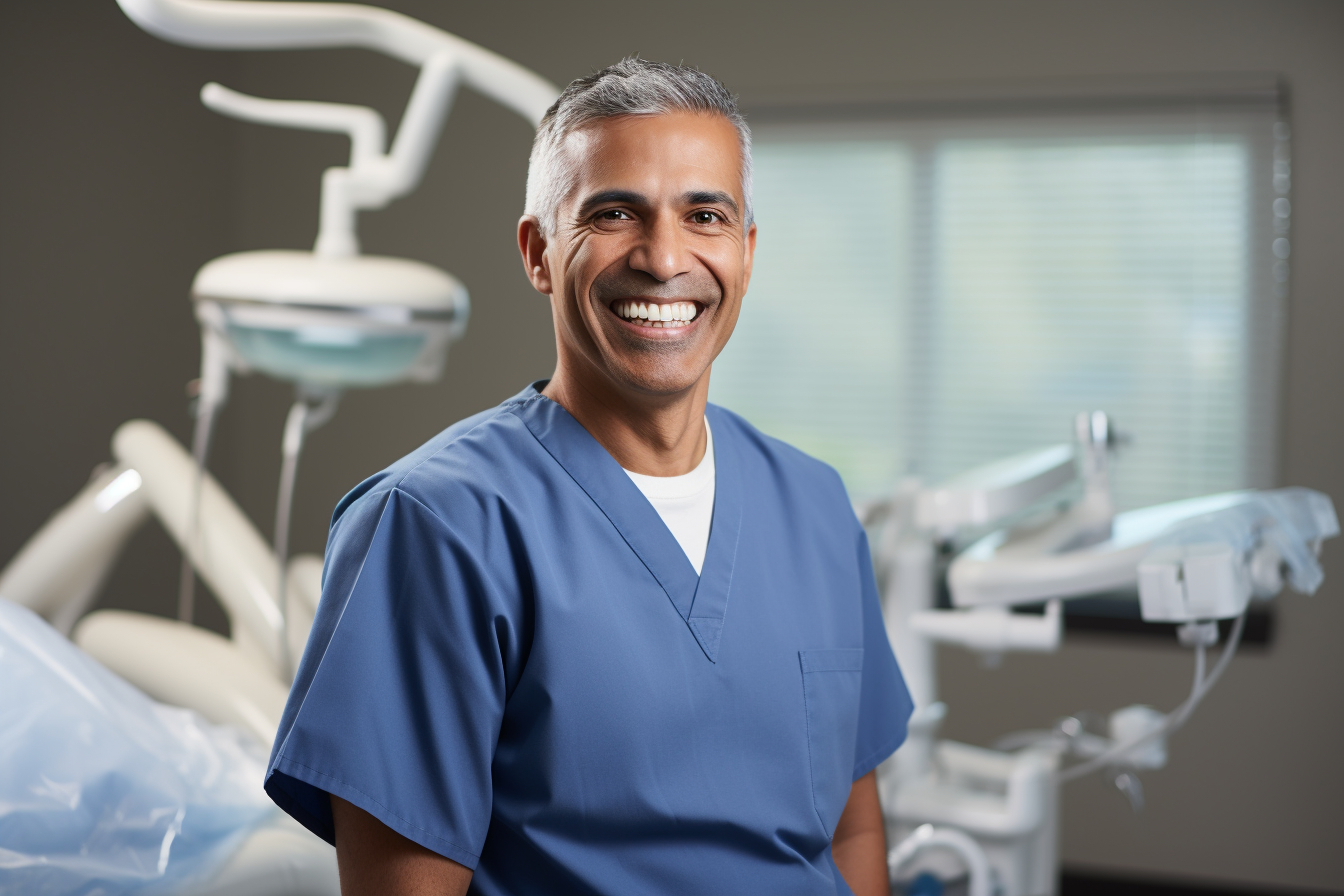
Dental treatment in The Bahamas is provided through a combination of public and private facilities. Government-run dental clinics are open to all residents — including foreign nationals — at no charge, yet the national health insurance programme (NHI Bahamas) makes no provision for dental coverage. In reality, the majority of expats turn to private dental practices, paying out of pocket or through private insurance. Private dental care is of a high quality, especially in Nassau and Freeport.
| Item | Details |
|---|---|
| Public dental care availability | Available to all residents and non-Bahamians at public clinics; no fees listed by Ministry of Health (as of 2024) |
| NHI Bahamas dental coverage | Not covered — NHI Bahamas explicitly excludes dental and vision care (as of 2024) |
| Typical private check-up/clean | Approx. BSD $65+ at walk-in clinics; varies by provider (as of 2022 — verify with clinics for current figures) |
| Private root canal cost range | Approx. BSD $500–$1,300 depending on complexity (as of 2022 — check with individual clinics) |
| Private dental implant cost range | Approx. BSD $2,000–$6,000 per implant (as of 2023 — check with individual clinics) |
| Regulatory body | The Bahamas Dental Council (under the Dental Act 1989), Ministry of Health and Wellness |
How does the dental care system work in The Bahamas — is it public, private, or mixed?
The Bahamas operates a dual healthcare structure that encompasses both government-funded and privately run services, and dental care falls within this same two-tier arrangement. The state maintains a network of public dental facilities, while an independent private sector delivers more extensive services to those who pay directly or hold suitable insurance coverage.
Government dental services across the islands are available to everyone — Bahamian citizens and foreign nationals alike. This open-access approach sets The Bahamas apart from a number of other countries that limit publicly funded dental care to citizens or to those who contribute to a social security system.
Dental services are delivered through a variety of health facilities spread across the islands. These include Princess Margaret Hospital and Sandilands Rehabilitation Hospital in Nassau, along with dental provisions on Grand Bahama. The network also encompasses Family Island dental services, visiting dental teams, prison dental health programmes, and school dental health initiatives. As of September 2004, there were 24 fully equipped government dental clinics in operation. Visitors should consult the Ministry of Health website for the current number and locations.
Resident dental officers are permanently based on Eleuthera, Grand Bahama, Exuma, and Abaco. Dentists make regular trips to those Family Islands without a permanently stationed practitioner. As a result, access to dental care can be considerably more restricted on smaller or more isolated islands, and expats residing away from the principal population centres would be wise to plan their dental care arrangements in advance.
Private dental care enjoys widespread availability in the larger urban centres but can be sparse on smaller islands. In contrast to publicly funded systems like the UK’s NHS — which offers some subsidised dental treatment for enrolled patients — private dental services in The Bahamas receive no government subsidy and are paid for entirely by the patient or their insurer.
The Bahamas Dental Council is the statutory authority charged with overseeing the practice of dentistry, dental services, and related auxiliaries throughout the country, operating under the Bahamas Dental Act (1989). It sits within the Ministry of Health and Wellness, which is the primary official body for dental oversight. The Council’s web presence can be found at bahamas.gov.bs.
How do expats find and register with a dentist in The Bahamas?
Locating a dentist in The Bahamas is generally uncomplicated, especially in Nassau and Freeport. Unlike certain countries that require patients to formally enrol with a single dental practice before any treatment can take place, private dentists in The Bahamas typically work on a straightforward appointment basis, with no mandatory registration procedure. You can simply get in touch with a clinic to schedule a visit.
Holders of a global health plan or a private policy issued by a Bahamian insurer will usually be able to identify suitable dentists through their insurance provider’s directory. NHI Bahamas also publishes a list of primary care providers, which can be consulted regardless of whether you obtain your health coverage through the NHI scheme itself.
Several well-established private clinics operate in Nassau, including The Dental Care Center, Comfort Smiles Family and Cosmetic Dentistry, and Premier Dental Group. In Freeport on Grand Bahama, Sunrise Smiles is a widely recognised general and specialist practice. These are useful starting points for initial research — always confirm current contact details and available services directly with the clinic before attending.
Expat communities — particularly those active on social media platforms — are a helpful informal source of dentist recommendations. Established residents are often happy to share their experiences of particular practitioners. If you are relocating for employment purposes, your employer’s HR team may also hold a list of trusted local healthcare providers.
For those seeking public dental care, the process differs between institutions and service types, so it is advisable to contact the relevant health facility directly for specific guidance. The Ministry of Health and Wellness maintains a directory of dental healthcare facilities across the islands.
Is dental treatment covered by public healthcare or social security in The Bahamas?
This question is among the most consequential for anyone preparing to relocate to The Bahamas, and the answer requires distinguishing between two separate public systems: the government’s network of dental clinics and the National Health Insurance (NHI) scheme.
The government makes dental healthcare services available to all members of the public — Bahamians and non-Bahamians alike — through its public facilities, with no fees listed for these services. In principle, this means basic dental treatment is accessible to residents at no cost. However, this arrangement should not be mistaken for comprehensive dental coverage — the availability of services and associated waiting times vary considerably depending on the facility and the island.
The National Health Insurance Authority (NHIA) administers NHI Bahamas, the country’s central healthcare programme. NHI Bahamas makes no provision for dental or vision care. Patients requiring these services must either hold private insurance or meet the costs themselves. This stands in notable contrast to certain European social security systems, which provide at least partial dental coverage for contributors.
NHI Bahamas covers fundamental primary and preventative healthcare services at public facilities. It does not extend to complex or high-cost medical needs. Among the areas explicitly excluded from coverage are dental care, chemotherapy, and diagnostic imaging.
All lawful residents of The Bahamas are eligible for NHI Bahamas, and no individual is turned away on the grounds of a pre-existing condition, age, or financial situation. Short-term expats are not eligible to enrol. Those on long-term residency permits who do register with NHI should note that dental expenses remain their own responsibility regardless of their NHI status.
Dental care falls outside NHI Bahamas coverage, with the sole exception of emergency dental treatment. This exemption is narrow in scope, and expats should not assume that standard, restorative, or specialist dental work will receive any public funding. In practice, the overwhelming majority of dental treatment — from routine examinations and fillings through to orthodontics and cosmetic procedures — sits entirely outside the public system and must be funded privately. The official NHI Bahamas website at nhibahamas.gov.bs is the most authoritative source for current information on what the scheme does and does not cover.
What does dental treatment typically cost in The Bahamas, and how is it paid for?
Private dental treatment in The Bahamas is widely regarded as expensive by regional standards, and expats who have previously benefited from subsidised dental systems may find costs considerably higher than they are accustomed to. Prices differ depending on the dentist, the clinic, and the location — Nassau and Freeport typically offer a broader range of providers and more competitive rates than the smaller Family Islands.
The following figures offer a general indication of prevailing costs at private clinics. All figures are approximate and should be confirmed with individual clinics, as prices change over time:
| Procedure | Approximate cost (BSD) | Source / Date |
|---|---|---|
| Teeth cleaning (walk-in clinic) | From ~$65 | As of 2022 |
| Root canal treatment | $500–$1,300 | As of 2022 |
| Dental crown | $900–$1,000+ | As of 2022 |
| Dental veneers | ~$900 | As of 2022 |
| Teeth whitening | ~$200 per session | As of 2022 |
| Dental implant (single) | $2,000–$6,000 | As of 2023 |
A routine clean at a walk-in clinic typically starts at around BSD $65, which, while higher than in some other parts of the world, is generally lower than the fees charged by regular dental practices. A dental crown typically costs in the region of $900, while root canal treatment ranges from $500 to $1,300 depending on the complexity of the case.
The cost of a single dental implant can range from $2,000 to $6,000, influenced by factors including the practitioner’s experience, the materials selected, and whether supplementary procedures such as bone grafting are necessary. Always request a full written treatment plan along with a detailed breakdown of costs before committing to any procedure.
The total cost will depend on your individual circumstances and the treatment your dentist recommends. Clinics will typically walk you through pricing and available payment methods before any work begins. Even if you are covered by insurance, it is prudent to have sufficient funds on hand when you attend a clinic, as upfront payment may be required with reimbursement to follow. Some private clinics offer direct billing arrangements with certain insurers — confirm the payment and claims procedure with both your insurer and the clinic before your appointment.
Does private health insurance cover dental treatment in The Bahamas, and is it worth getting?
Given that NHI Bahamas provides no dental coverage and private clinic fees can be substantial, taking out private dental insurance — or a health plan that incorporates a dental component — is highly advisable for most expats making their home in The Bahamas.
International health insurance can shield expats from significant medical expenses and open doors to private healthcare facilities. For all expats in The Bahamas, a private health insurance policy that includes medical evacuation cover is strongly recommended.
Private health insurance is widely used in The Bahamas, particularly among the expatriate population and those with the means to afford it. Key advantages include reduced waiting times for both consultations and procedures. Comprehensive policies can encompass hospitalisation, major surgical interventions, and supplementary benefits such as dental treatment.
International health insurance plans are available in The Bahamas in customisable formats, allowing coverage to be tailored to your specific situation and preferred level of protection. The additional premium associated with dental, outpatient, or maternity coverage will vary according to the plan selected. Dental coverage is commonly offered as an optional add-on rather than forming part of the standard package — examine the precise scope of any dental rider carefully before purchasing, as policies differ considerably in what they include.
Many private dental clinic reception teams are on hand to assist with insurance paperwork and claims and will liaise with your insurer to help ensure your coverage is utilised effectively. It is worth establishing this when you first attend a new clinic.
Common exclusions to watch for in dental insurance policies include: cosmetic procedures such as whitening and veneers; orthodontic treatment (including braces and clear aligners) unless specifically stated; pre-existing dental conditions; and treatment costs exceeding the policy’s annual benefit limit. Dental implant coverage varies by insurer and plan — contact your insurance provider directly for clarity on what is included.
Local Bahamian insurers including BahamaHealth (a division of Family Guardian) and FirstCare Medical Plan Ltd offer plans that may incorporate dental and vision benefits. International providers such as Pacific Prime and Cigna Global also serve the Bahamian market and offer products accepted at private clinics. The Insurance Commission of The Bahamas regulates the domestic insurance industry and is a useful starting point if you wish to verify that an insurer holds legitimate registration. Always read the full policy documentation and check current coverage terms directly with the insurer, as policy conditions and premiums are subject to change.
What is the standard and quality of dental care like in The Bahamas?
The standard of healthcare in The Bahamas is widely recognised as high, with clinicians who are extensively trained — many having obtained their qualifications in the United States, Canada, or Europe — and facilities that make use of contemporary, well-maintained equipment. This positive assessment applies broadly to the dental sector, and particularly to private dental provision.
The quality of medical care in The Bahamas surpasses that found on a number of other Caribbean islands, reflecting a more developed medical infrastructure and a greater concentration of skilled practitioners. This elevated standard is, however, reflected in higher costs compared with neighbouring island nations.
Private dental clinics in Nassau and Freeport offer an extensive menu of services. A well-equipped private practice will typically provide a comprehensive range of general, restorative, and cosmetic dental treatments to serve patients of all ages. Specialist services — including endodontics, prosthodontics, and dental implantology — are available at the more sophisticated private practices in Nassau. For particularly involved cases such as advanced oral surgery or complex orthodontic treatment, referral to a domestic specialist is possible, though some expats opt to travel to Miami or another major city when highly specialised intervention is required.
Across the smaller Family Islands, access to private dental care is considerably more limited. Resident dental officers are permanently stationed on Eleuthera, Grand Bahama, Exuma, and Abaco, while travelling dental teams serve those islands without a resident practitioner on a rotational basis. Expats based on less-populated islands should build travel to Nassau into their dental care planning.
All dentists practising in The Bahamas must be registered with the Bahamas Dental Council, the statutory body responsible for overseeing dental practice and services under the Bahamas Dental Act (1989). Registration can be verified through the Council, which operates under the auspices of the Ministry of Health and Wellness.
Are there language or practical barriers expats should be aware of when seeing a dentist in The Bahamas?
Language presents no real obstacle when accessing dental care in The Bahamas. English is the language of healthcare provision throughout the islands, and this is equally true in both the public and private dental sectors. Treatment plans, consent forms, and all patient communications at dental clinics are handled in English as a matter of course.
Practical matters are of greater relevance than language. Payment arrangements in particular are worth clarifying before your first appointment: as mentioned elsewhere in this guide, many private dental clinics may require payment at the time of treatment, with reimbursement sought from your insurer afterwards, rather than billing your insurer directly. Confirm the payment process with both the clinic and your insurer in advance. Clinics will typically outline the cost of treatment and the available payment options prior to commencing any work.
For those residing on smaller Family Islands, the logistical challenge of reaching a dentist — especially for non-urgent treatment — deserves careful consideration. In the event of an emergency on a remote island, immediate assistance may not be readily available. It is worth establishing a travel plan for reaching a dental facility before any urgent situation arises.
In terms of professional culture, the patient–practitioner dynamic in The Bahamas follows broadly familiar norms. Appointments are arranged by telephone or via online booking systems, treatment options are discussed with patients before any work proceeds, and written informed consent is obtained as standard. Expats who have previously used dental services in countries with comparable practices — including Australia, Canada, or Western European nations — are unlikely to find the experience meaningfully different from what they are used to.
What should expats do in a dental emergency in The Bahamas?
Acute dental problems — including severe tooth pain, a fractured tooth, a dental abscess, or teeth that have been knocked out — can be treated in The Bahamas, though the options available to you will depend on your location and the time at which the emergency occurs.
- Contact a private emergency dental clinic first. A number of private dental practices in Nassau offer emergency dental services and aim to accommodate urgent cases on the day of contact. Emergency appointments are offered alongside routine care at well-equipped private clinics. Telephone ahead to check availability and to confirm whether out-of-hours access is possible.
- Attend a public hospital dental department. Major public hospitals — including Princess Margaret Hospital and Sandilands Rehabilitation Hospital — provide dental services and can be an alternative when private care is not readily available, particularly outside normal working hours.
- Call the national emergency number. The emergency number in The Bahamas is 919, which connects callers to ambulance, police, and fire services. If your dental emergency is accompanied by pronounced facial or neck swelling, an infection that appears to be spreading, or any difficulty breathing or swallowing, call 919 immediately or proceed directly to the nearest hospital emergency department.
- If on a Family Island, arrange transport without delay. Air ambulance services are on hand for inter-island transfers or for evacuation to the United States in serious cases. An untreated severe dental infection can escalate into a life-threatening condition, so do not hesitate to seek help even if you are in a remote location.
- Review your insurance policy’s emergency provisions. NHI Bahamas does provide coverage for emergency dental care, so NHI-registered legal residents may find this limited benefit helpful in an acute situation. Those with private insurance should familiarise themselves with their policy’s emergency dental terms and check whether prior authorisation is required before attending a private clinic.
Emergency dental treatment at private clinics will generally be charged at a higher rate than routine appointments. As with all private dental care in The Bahamas, upfront payment may be required with subsequent reimbursement from your insurer. Keep your insurance documentation and emergency contact numbers somewhere easily accessible at all times.
Frequently asked questions about dental care in The Bahamas
Is dental care free in The Bahamas?
The Bahamian government makes dental healthcare services available to all members of the public — Bahamians and foreign nationals alike — through its public facilities, with no fees listed for these services. However, this provision is limited in scope, and both availability and waiting times differ by facility and island. Private dental treatment is not free and must be met through personal funds or insurance.
Does NHI Bahamas cover dental treatment?
NHI Bahamas does not cover dental or vision care. Patients requiring these services must either have private insurance in place or pay for treatment themselves. The one exception is emergency dental treatment, for which limited NHI coverage exists.
How do I find a reputable dentist in Nassau or Freeport?
Recommendations from expat community networks or your employer’s HR team are a good starting point. Established private practices in Nassau include The Dental Care Center, Comfort Smiles, and Premier Dental Group. In Freeport, Sunrise Smiles is a well-regarded choice. Before attending, confirm that your chosen dentist is registered with the Bahamas Dental Council.
Will my international health insurance be accepted at Bahamian dental clinics?
Many private dental clinics are willing to assist with insurance paperwork and claims and will work alongside your insurance provider. However, direct billing arrangements vary between clinics and insurers. Contact both your insurer and the clinic in advance to establish whether direct billing is an option or whether you will need to pay upfront and seek reimbursement.
How much should I budget for routine dental care as an expat in The Bahamas?
Based on figures available as of 2022, a basic cleaning at a walk-in clinic costs approximately BSD $65, while more involved private treatments come at considerably greater expense. Crown fitting and root canal procedures can run to several hundred or even thousands of dollars. Always ask for a written cost estimate before agreeing to treatment, and verify current prices directly with clinics, as fees are subject to change over time.
Are specialists such as orthodontists and oral surgeons available in The Bahamas?
Specialist dental services — covering prosthodontics, oral surgery, and certain orthodontic treatments — are available at better-equipped private clinics in Nassau. For particularly complex cases, however, some expats choose to travel to Miami or another major regional centre for specialist care. While The Bahamas has private hospitals capable of delivering quality treatment, more complicated procedures may sometimes necessitate going abroad.
What happens in a dental emergency if I am on a smaller island?
Resident dental officers are permanently based on Eleuthera, Grand Bahama, Exuma, and Abaco, and periodic dental visits are made to other Family Islands. For a serious emergency occurring on a remote island, air ambulance services are available for inter-island transfer or evacuation to the United States. Ensure that your insurance policy includes medical evacuation coverage.
Who regulates dentists in The Bahamas, and how can I verify a dentist’s credentials?
The Bahamas Dental Council is the statutory authority responsible for regulating the practice of dentistry, dental services, and auxiliaries throughout the country, operating under the Bahamas Dental Act (1989). You can contact the Council via the Ministry of Health and Wellness website to confirm a practitioner’s registration status prior to booking treatment.
Latest: Expat Focus International Healthcare Update August 2026 →