

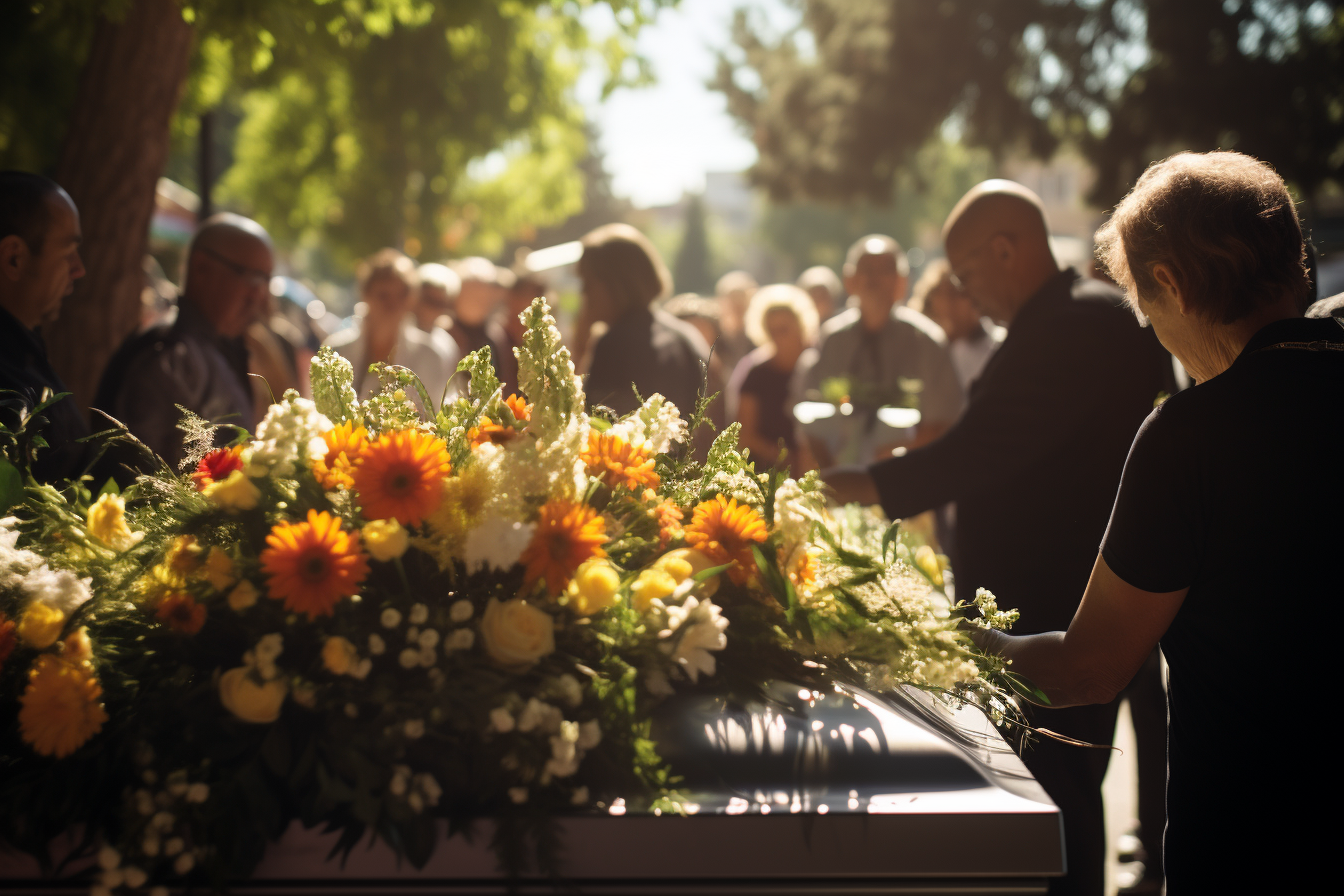
End of life care in The Bahamas remains a developing field, with palliative and hospice services concentrated mainly in Nassau and funded predominantly through private means. Deaths must be registered within 21 days with the Registrar General’s Department, and only licensed morticians are authorised to formally register a death. Expats are strongly encouraged to put legal documents in order well in advance and to secure comprehensive international health and repatriation insurance coverage.
| Item | Details |
|---|---|
| Death registration deadline | Within 21 days of death (as of 2025) |
| Who can register a death | Only registered morticians (as of 2025) |
| Death certificate fee | $10.00 per certified copy (as of 2025) |
| Post-mortem report fee | Approx. $100 (as of 2025) |
| Probate filing deadline | Within 1 year of death (recommended) |
| Euthanasia / assisted dying | Illegal in The Bahamas |
What end of life care options are available in The Bahamas, and how does the system work?
End of life care across The Bahamas is delivered through a mix of public hospital provision, private healthcare facilities, and a small number of specialist organisations. Nassau (New Providence) serves as the central hub for most healthcare services — including those for patients with serious illness — while the Family Islands have considerably more restricted provision. Princess Margaret Hospital is the main public facility, and a number of private hospitals in Nassau offer inpatient care for those approaching the end of their lives.
Unlike nations with extensive integrated public health systems — such as the NHS in the United Kingdom or Medicare in Australia — The Bahamas does not operate a fully funded universal healthcare system that comprehensively covers specialist end of life services. The National Health Insurance (NHI) scheme, introduced in recent years, provides a foundational level of primary care coverage, but specialist palliative and hospice care largely falls outside its scope and is accessed primarily through private arrangements or charitable organisations.
Patients who cannot afford private care but are nearing death are typically supported by nursing staff within the public hospital system. Family members frequently assume a significant informal caring role, reflecting both deep-rooted cultural values and the limited availability of structured home-based palliative services beyond the capital.
What is palliative care in The Bahamas, and who is eligible for it?
Palliative care is concerned with alleviating pain, controlling symptoms, and improving the overall quality of life for people living with serious or life-limiting conditions. It can be initiated alongside curative treatment at any point during an illness — it is not reserved solely for those in the final stages of life. Such care usually encompasses physical symptom management, psychological support, social assistance, and spiritual care for both the patient and their loved ones.
In The Bahamas, palliative care is in principle available to anyone with a serious or terminal illness regardless of nationality or residency status, although access in practice depends heavily on financial means and geographic location. Expats who carry private health insurance or who are able to pay out of pocket are generally best placed to access structured palliative support. Those living beyond Nassau may find specialist palliative expertise to be very scarce, with care largely delivered by general practitioners and nurses.
There is no formal national palliative care programme comparable to those embedded in the healthcare systems of countries such as Canada or Ireland. Expats should speak with their treating physician about referrals to any available specialist services and, wherever a terminal diagnosis is known in advance, should plan accordingly rather than leaving arrangements to the last moment.
Are there hospices in The Bahamas, and how do you access them?
Dedicated hospice facilities in The Bahamas are extremely scarce. Unlike countries such as the UK — where a network of independent hospices provides free inpatient and community-based end of life care — The Bahamas does not yet have an established system of standalone hospices. Some private nursing homes and care facilities in Nassau can offer supportive care to patients with terminal illness, and hospital-based palliative support may be arranged through the public system, but a purpose-built, full-service hospice of the kind common in larger countries does not currently exist in The Bahamas.
Organisations such as the Bahamas Cancer Society have historically provided some practical and emotional assistance to patients living with life-limiting illness and may be able to direct families and expats towards available services or community volunteers who can assist with home care. Families and expats should contact the Bahamas Cancer Society or their private physician to identify care resources that are currently accessible. The society can be reached through the official Bahamas government website.
Home-based care — where a nurse or care worker visits a patient at home — is the most practical alternative to institutional end of life care for those who are not acutely unwell. Arranging such care will typically require private funding and coordination through a private physician or healthcare agency in Nassau.
Is palliative or hospice care covered by public health insurance or the national health system, or does it need to be funded privately?
The National Health Insurance (NHI) scheme in The Bahamas covers a defined range of primary care services. As of 2025, specialist palliative care and hospice-level services are not comprehensively included within the NHI benefit package. Patients who need palliative support beyond what the public hospital system can provide will generally need to fund this privately or seek assistance from charitable organisations.
For expats, this reality makes comprehensive international health insurance an essential consideration. Many international health insurance policies include provisions for palliative and end of life care, and some expat and travel insurance products include specific benefits for terminal illness or repatriation. You should scrutinise your policy documents carefully and confirm with your insurer whether palliative care, nursing home care, and in-home nursing support are included, and whether any relevant coverage is subject to caps or time restrictions.
If you are an expat whose home country has a national health system, it is important to understand that you will generally not retain entitlement to access that system while residing in The Bahamas. Private health insurance arranged specifically for your period of Bahamas residency — ideally without exclusions for pre-existing conditions — is the most dependable way to ensure appropriate care is accessible when needed. Always confirm the latest NHI benefit schedule directly with the Bahamas government, as coverage details are subject to change.
What legal documents should expats have in place before the end of life in The Bahamas — such as a living will, advance directive, power of attorney, or healthcare proxy — and how do these work?
Putting key legal documents in place before a health crisis occurs is something all expats living in The Bahamas would be well advised to do. The principal documents to consider are a will, an enduring power of attorney, a healthcare proxy (also referred to as a healthcare power of attorney), and an advance directive or living will.
An advance directive (sometimes called a living will) records your preferences regarding medical treatment in the event that you become unable to express them yourself — for instance, whether you wish to receive life-sustaining intervention if you have a terminal condition. While The Bahamas does not have dedicated standalone legislation for advance directives equivalent to that found in some other jurisdictions, healthcare professionals and the courts do take clearly expressed written instructions about medical care seriously.
A healthcare proxy or healthcare power of attorney designates a named individual to make medical decisions on your behalf should you lose the capacity to do so yourself. This is distinct from a general or financial power of attorney, which authorises someone to manage your financial and legal affairs. An enduring power of attorney — one that continues to operate even after the donor loses mental capacity — is of particular importance, since an ordinary power of attorney ceases to have effect once the donor is no longer mentally capable.
All such documents should be prepared with the guidance of a Bahamian lawyer to ensure full compliance with local legal requirements. Under the Wills Act (Chapter 115 of the Statute Laws of The Bahamas), a valid will must be made by a person who is at least 18 years of age and of sound mind. Expats should ensure that any Bahamian will is consistent with wills held in their home country, and that each addresses the assets located in the relevant jurisdiction.
Are documents such as advance directives or powers of attorney made in another country legally recognised in The Bahamas?
Whether foreign legal documents are recognised in The Bahamas depends on the type of document involved and the context in which it is being relied upon. For powers of attorney, Bahamian courts and the legal system can give effect to a foreign power of attorney in certain circumstances — particularly where the document has been properly executed in the country of origin and concerns matters governed by that jurisdiction. For affairs and property situated in The Bahamas, however, a locally drafted Bahamian power of attorney is strongly advisable.
Where probate of a will has been granted abroad, that foreign grant of probate must be resealed by the Bahamian court before it can be used to deal with assets located in The Bahamas. This is a well-established procedure for expats who hold assets in multiple countries, and a Bahamian solicitor can advise on how to navigate the resealing process.
For advance directives and healthcare proxies executed in another country, there is no certainty that a Bahamian medical provider will automatically consider themselves bound by the terms of a foreign document. It is therefore prudent to have a locally drafted Bahamian advance directive or healthcare proxy in addition to any document from your home country. At a minimum, keep a copy of any foreign advance directive accessible at all times and make sure your treating physician is fully informed of your wishes. Seek current legal advice from a Bahamian attorney regarding the enforceability of any specific foreign document.
What are the laws around euthanasia or assisted dying in The Bahamas?
Both euthanasia and assisted dying are illegal in The Bahamas. The country’s legal framework, rooted in the common law tradition, makes no provision for any form of physician-assisted suicide or active euthanasia. The Bahamas is a profoundly religious society, and there is no current legislative movement toward legalising assisted dying. This stance is consistent with the position held by the majority of Caribbean nations.
Palliative sedation — the use of medication to relieve severe pain or distress at the end of life — may be available through medical providers in appropriate clinical circumstances and is ethically and legally distinct from euthanasia. If you have concerns about pain management and comfort in the final stages of life, raise these directly and explicitly with your treating physician and any specialist palliative care team involved in your care.
Expats who come from countries where assisted dying legislation is in force — such as the Netherlands, Canada, or Belgium — should be aware that no such rights can be exercised within The Bahamas and that local medical and legal standards apply throughout.
What are the local customs, traditions, and religious practices around death and dying in The Bahamas?
Christianity is by far the predominant faith in The Bahamas, with Baptist, Anglican, Methodist, Roman Catholic, and Pentecostal denominations all widely represented. Death and funeral practices consequently reflect a strong Christian tradition, in which church services, prayer, and scriptural readings occupy a central place. Religious observance carries deep significance, and expats should approach Bahamian funeral and mourning customs with genuine respect.
Funerals in The Bahamas are typically substantial social occasions, reflecting the central importance of family and community in Bahamian life. It is customary for the body to be viewed — or “waked” — at the family home or at a funeral parlour prior to the service, and this viewing may extend for several hours or even through the night. Friends, neighbours, and community members are expected to attend and offer their condolences, and the gathering commonly involves singing, prayer, and shared food.
The funeral service itself is usually held in a church and may be quite lengthy. Burial is the most widely practised choice, though cremation is also available. A formal period of mourning typically follows the death, during which the bereaved family may receive visitors at home. Wearing black or dark clothing to funerals is customary, and expats attending a Bahamian funeral should dress conservatively and with appropriate solemnity.
In some Family Island communities, older traditions of communal mourning — including gathering at the home of the deceased and singing hymns through the night — remain an important part of local practice. Expats residing outside Nassau should be attentive to the specific traditions of their local community, which may differ from island to island.
What must you do when someone dies in The Bahamas? Who do you notify, how quickly, and in what order?
All deaths must be registered within 21 days of the death occurring. The steps below outline the standard process to follow. Note that for sudden, unattended, or suspicious deaths, the police and the coroner’s office must be contacted immediately.
- Call a doctor or emergency services. If a death occurs at home or outside a hospital, contact a doctor or emergency services (911) without delay to certify the death. If the deceased was already under hospital care, hospital staff will manage the certification process.
- Obtain a Medical Certificate of Death. A registered medical practitioner must issue a Medical Certificate of Death. This document is the key requirement for initiating the death registration process.
- Notify the police (for unnatural or sudden deaths). Where a death is sudden, unexpected, or potentially unnatural, contact the Royal Bahamas Police Force immediately. The police will liaise with the coroner’s office, which may instruct that a post-mortem examination be carried out. Any personal belongings found on the deceased will be held by police if family members are not present.
- Engage a registered mortician or funeral director. Only registered morticians are legally authorised to register a death. Registration can take place in person at the Registrar General’s Department or a request can be made online by the mortician. Engaging a funeral director promptly is therefore essential, as they serve as the legal intermediary in the formal registration process.
- Register the death. Submit the Medical Certificate of Death to the Death Registry section of the Registrar General’s Department. Once received, the relevant details are entered into the death register, and a death certificate is printed and signed by the Registrar.
- Notify the deceased’s embassy or consulate. If the deceased is a foreign national, contact their home country’s embassy or consulate at the earliest opportunity (see the dedicated section below). The embassy will guide the family through the relevant consular procedures.
- Contact the deceased’s insurer. If the person who died held insurance, notify the insurance company as soon as possible. Insurers may assist with repatriation costs. Also check bank cards and employer benefits, as some credit cards carry travel insurance that includes repatriation coverage.
- Obtain certified copies of the death certificate. Certified copies of the death certificate can be requested online at a cost of $10.00 per copy. Request several copies, as they will be needed for insurance claims, estate administration, and repatriation arrangements.
How is a death officially registered in The Bahamas, and what documents are needed?
In The Bahamas, deaths are registered at the Registrar General’s Department. The Medical Certificate of Death must be submitted to the death registry section, after which a death certificate is printed and signed by the Registrar. The Registrar General’s Department is situated at the Bahamas Financial Centre, Shirley and Charlotte Streets, Nassau.
A funeral director may be appointed to handle the registration on behalf of the family. Funeral directors are also able to apply for the release of the body and to collect the death certificate, working directly with the morgue, police, coroner’s office, and Registrar General’s Department. In practice, the majority of families rely on a funeral director to manage this process.
Bahamian death certificates do not state the cause of death where the results of a post-mortem examination are still pending. Certificates are usually issued within a few days of the death being registered. In cases of unnatural death, the certificate may be delayed until toxicology results or a doctor’s report are available.
Where the body is to be cremated locally, an additional signature from a second medical practitioner on the death certificate is required. Deaths occurring on the Family Islands are handled locally, and death registrations submitted from the Family Islands are recorded at the Registrar General’s Department in Nassau. The department can be reached at rgd.gov.bs.
What happens if a foreign national dies in The Bahamas — what are the specific steps for notifying their home country’s embassy or consulate, and what role does the consulate play?
When a foreign national dies in The Bahamas, their home country’s embassy or consulate should be informed as promptly as possible — ideally within 24 to 48 hours of the death. Every embassy maintains an emergency consular line for precisely this purpose, available around the clock. The nearest embassy for many nationalities is located in Nassau; where no resident embassy exists, the relevant high commission or embassy in Washington D.C. or another regional centre will hold responsibility.
The consulate’s role is primarily one of guidance and support rather than taking over the administrative process or meeting costs. Consular officers can clarify local legal procedures, help families understand the documentary requirements in The Bahamas, and in some cases supply a list of local funeral directors and legal professionals. Most consulates — including those of major countries — are not in a position to assist with financial costs. They can, however, help to contact next of kin who have not yet been reached and may assist with the transmission of messages or documents between parties.
For nationals of countries where the government maintains an active consular death service — such as the UK’s Foreign, Commonwealth and Development Office (FCDO) — the consulate may also issue a formal notification to the relevant authority in the home country, which may be required for domestic inheritance and estate administration purposes. Documentation typically needed for repatriation includes a local civil registry death certificate, a certificate of embalming, and a certificate authorising the transfer of remains. The consulate can advise on which documents the home country will specifically require.
How are funerals typically arranged in The Bahamas, and what are the usual options for burial or cremation?
Funerals in The Bahamas are arranged through private funeral directors (morticians), who operate under licence and are regulated under Bahamian law. Several established funeral homes operate in Nassau, with more limited availability across the Family Islands. The funeral director oversees the body from collection through to burial or cremation and — as noted above — is the only party legally permitted to register the death.
Burial is the predominant choice in The Bahamas, reflecting both cultural tradition and the Christian faith of the majority of the population. Public cemeteries are maintained in Nassau and on the Family Islands, and private cemetery plots are also available. If burial costs are not covered, the body will be kept in storage for six to eight weeks before being interred in a pauper’s burial at Southern Cemetery.
Cremation is available in Nassau and is a lawful option, though it is less culturally common than burial. It is worth noting that if you want a coroner in your home country to conduct an inquest into the death, the body should not be cremated locally. If local cremation takes place and you wish to carry the ashes back with you, you can generally do so, although you should first check with your airline regarding any specific restrictions. To leave The Bahamas with human ashes, you will be required to present the certificate of cremation.
To proceed with a local burial or cremation, a relative or formally appointed representative must engage a local funeral director. The FCDO maintains a list of funeral directors operating in The Bahamas, and other national consulates can provide comparable guidance.
What are the approximate costs of a funeral in The Bahamas, and are there any state or insurance-based funds that can help cover them?
Funeral costs in The Bahamas vary considerably depending on the level of service chosen, whether the funeral is to be held locally or involves repatriation, and whether burial or cremation is selected. As of 2025, a basic local burial including funeral director fees, a coffin, and cemetery costs can range from approximately $2,000 to $5,000 USD or more for a standard service. More elaborate funerals incorporating extended viewings, inter-island transport, and large church services will cost considerably more. Cremation tends to carry lower overall costs than burial. Current prices should be confirmed directly with local funeral directors, as charges are subject to change.
Repatriation of remains to another country represents a major additional expense. International repatriation — encompassing embalming, specialist coffining, airfreight, and all associated documentation — can readily cost between $5,000 and $15,000 USD or more, depending on the destination and the complexity of the case. This is precisely why comprehensive international health and travel insurance that includes a repatriation benefit is so strongly recommended for all expats.
There is no Bahamian state funeral benefit comparable to the UK’s Funeral Expenses Payment or Australia’s Centrelink bereavement payment. Where the deceased had no insurance, a relative or formally appointed representative will typically need to appoint a funeral director and bear all associated costs. Some Bahamian employers offer a death-in-service benefit, and certain life insurance policies include a funeral benefit. Expats should review their insurance documents carefully and contact their insurer without delay following a death.
What is the process for repatriating the remains of a foreign national from The Bahamas to another country?
Repatriating the remains of a foreign national from The Bahamas is a multi-step process involving local authorities, a funeral director in The Bahamas, and frequently a specialist international funeral director in the destination country. The process typically requires a minimum of several days to one or two weeks, though it can extend considerably longer if a coroner’s investigation is ongoing or the cause of death has not been conclusively established.
If the deceased held insurance, establish at the earliest opportunity whether the policy includes repatriation coverage. Where it does, the insurer will generally take responsibility for making all necessary arrangements. Where there is no insurance coverage, you will need to engage an international funeral director independently.
Local funeral directors will liaise with internationally based counterparts to satisfy all relevant requirements both in The Bahamas and in the destination country. This includes procuring documents such as a local civil registry death certificate, a certificate of embalming, and a certificate authorising the transfer of remains. The body must ordinarily be embalmed before international repatriation, and the coffin must conform to the standards set by the receiving country’s authorities.
In cases where the death was sudden or unnatural, the coroner’s office must complete its investigation and authorise release of the body before repatriation can proceed. Personal belongings found on the deceased at the time of death will be held by police if family is not present. If you choose to repatriate the body, instruct the local funeral director to retrieve all personal belongings from the police or court and arrange for them to be transported alongside the body.
The family or their representative should contact the home country’s embassy or consulate in Nassau to confirm any additional documentation the destination country will require. Airlines have specific regulations governing the carriage of human remains and must be contacted well in advance of any planned repatriation flight.
What happens to the estate of someone who dies in The Bahamas — how does probate or estate administration work, and are there inheritance taxes?
Estate administration in The Bahamas is governed principally by the Probate and Administration of Estates Act, the Wills Act (Chapter 115), and the Inheritance Act (Chapter 116). When a person dies leaving a valid will, the executor named in that will applies to the Probate Registry of the Supreme Court of The Bahamas for a Grant of Probate.
Those who die leaving a valid will rely on the executor to file the application for a grant of probate with the court. The application is made to the Probate Registry of the Supreme Court of The Bahamas in the executor’s personal capacity, asking the court to admit the will to probate and oversee the distribution of property to the deceased’s heirs.
The executor should initiate probate within one year of the death wherever possible. Managing the estate involves producing a thorough inventory of the deceased’s assets and liabilities, settling outstanding debts, and ultimately distributing the remaining assets to the intended beneficiaries. Funeral, testamentary, and administration expenses are accorded first priority, and debts owed to creditors must be cleared before any gifts under the will are paid out to beneficiaries.
Significantly, The Bahamas does not impose inheritance tax or estate duty on assets held within the country. This is one of the reasons the jurisdiction is favoured for wealth and succession planning. There is no capital gains tax in The Bahamas either. However, stamp duty may be payable on real estate transfers that take place as part of estate administration, and expats with assets in other jurisdictions should obtain separate tax advice regarding any liabilities arising there.
Inheritance laws in The Bahamas differ in their application to citizens and foreigners, and expats must pay particular attention to any estate and inheritance tax implications that may arise, which vary depending on residency status and the location of the relevant assets. Engaging a Bahamian attorney with expertise in estate planning is strongly recommended.
If an expat dies without a will in The Bahamas, what happens to their assets under local intestacy laws?
If a person dies without leaving a valid will (dying intestate) in The Bahamas, the Inheritance Act (Chapter 116 of the Statute Laws of The Bahamas) determines how the estate is distributed. The intestacy rules apply to assets located in The Bahamas, and the process begins with an application for Letters of Administration to the Supreme Court.
Under the Inheritance Act, where a person dies intestate leaving a surviving spouse but no children, the entire estate passes to the surviving spouse. Where both a spouse and one child survive, the estate is divided equally between them. Where there is a surviving spouse and two or more children, the spouse inherits half of the estate and the children divide the remaining half equally among themselves. Where no spouse survives but children do, those children share the estate equally.
Where neither a spouse nor children survive but grandchildren do, the grandchildren inherit the estate in equal shares. If there is no surviving spouse or lineal descendants, the estate is shared between the deceased’s parents. Where there is no surviving spouse, no descendants, and no surviving parents, the estate passes to siblings, and thereafter to nephews and nieces, grandparents, aunts and uncles, cousins, and ultimately any other next of kin.
One important note for expats: The Bahamas does not currently recognise common law marriages, and persons in such a relationship are not treated as spouses under Bahamian law. A long-term partner who is not legally married would therefore have no automatic entitlement under the intestacy rules. This makes the existence of a valid Bahamian will absolutely critical for cohabiting expats. Dying without a will can give rise to family disputes, delays in asset distribution, and outcomes that bear no resemblance to the deceased’s actual wishes.
Frequently Asked Questions
Will my international health insurance be accepted by healthcare providers in The Bahamas?
Many private healthcare providers in Nassau do accept international health insurance, but you should verify this with both your insurer and the specific provider before any treatment is given. Some facilities will invoice the insurer directly, while others may require payment upfront with reimbursement sought afterwards. Always carry your insurance card and the emergency contact details for your policy, and inform your insurer as early as possible if a serious illness develops.
Do advance directives or living wills need to be in a specific language to be valid in The Bahamas?
English is the official language of The Bahamas, and all legal and medical documentation within the local system is prepared in English. Documents originating in another language should be accompanied by a certified English translation. For the greatest clarity and legal effectiveness, it is advisable to have any advance directive or healthcare proxy drafted or reviewed by a locally qualified Bahamian attorney, regardless of the language or country in which the original document was created.
How long does the process of repatriating remains from The Bahamas typically take?
Where the cause of death is clear and no coroner’s investigation is required, repatriation can typically be arranged within one to two weeks. If a post-mortem or coroner’s inquiry is necessary — for example in cases of sudden or unnatural death — the process can extend to several weeks or more. Holding comprehensive insurance that includes a dedicated repatriation assistance service considerably streamlines the practical logistics. Engaging a local funeral director promptly and notifying the deceased’s embassy at the earliest opportunity are both essential steps.
Is there any bereavement support available to families in The Bahamas?
Formal bereavement counselling services in The Bahamas are limited compared to countries with large public health systems. Some churches, the Bahamas Cancer Society, and private therapists in Nassau offer counselling and emotional support to bereaved individuals. Hospital social workers may also be able to offer some guidance or direct families to further resources. For expats without close community support nearby, internationally available online counselling services can be a practical supplement, and some international health insurance policies include mental health benefits that extend to bereavement support.
Can a foreign will be used to deal with assets in The Bahamas?
Where probate of a will has already been granted in another country, that foreign grant of probate must be resealed by the Bahamian court before it can be used to administer assets located in The Bahamas. Resealing is a recognised legal process, but it adds time and expense to estate administration. For expats with meaningful assets in The Bahamas, preparing a dedicated Bahamian will to address Bahamian property specifically is generally more efficient and is the approach most local legal practitioners would recommend.
Are there any post-mortem or autopsy requirements in The Bahamas?
A post-mortem examination may be ordered by the Bahamian coroner in cases of sudden, unexplained, or unnatural death. Where the coroner orders one, it is not optional. Families may request a copy of the post-mortem or toxicology report from the morgue, or ask the funeral director to obtain this on their behalf. A fee of approximately $100 is usually charged for this report. Where a coroner’s inquest has been held, no charge is made for the report.
What happens to the body if no one claims it or if costs cannot be paid?
If burial costs remain unpaid, the body will be kept in storage for six to eight weeks before being interred as a pauper’s burial at Southern Cemetery. Families and next of kin should take action promptly to avoid this outcome. Where cost presents a barrier, the deceased’s insurer, embassy, or any relevant charitable organisations in The Bahamas should be contacted without delay. Some international charities and diaspora organisations may be able to assist with funding in exceptional circumstances.
Does The Bahamas have an inheritance or estate tax that could affect expats?
The Bahamas levies no inheritance tax or estate duty on assets held within the country, making it a comparatively favourable jurisdiction from an estate planning perspective. There is no capital gains tax either. Stamp duty may, however, be applicable to real estate transfers carried out during estate administration. Expats should seek separate legal and tax advice regarding any inheritance or estate tax obligations that may arise in their home country or any other jurisdiction in which they hold assets, as those rules will apply independently of Bahamian law.