

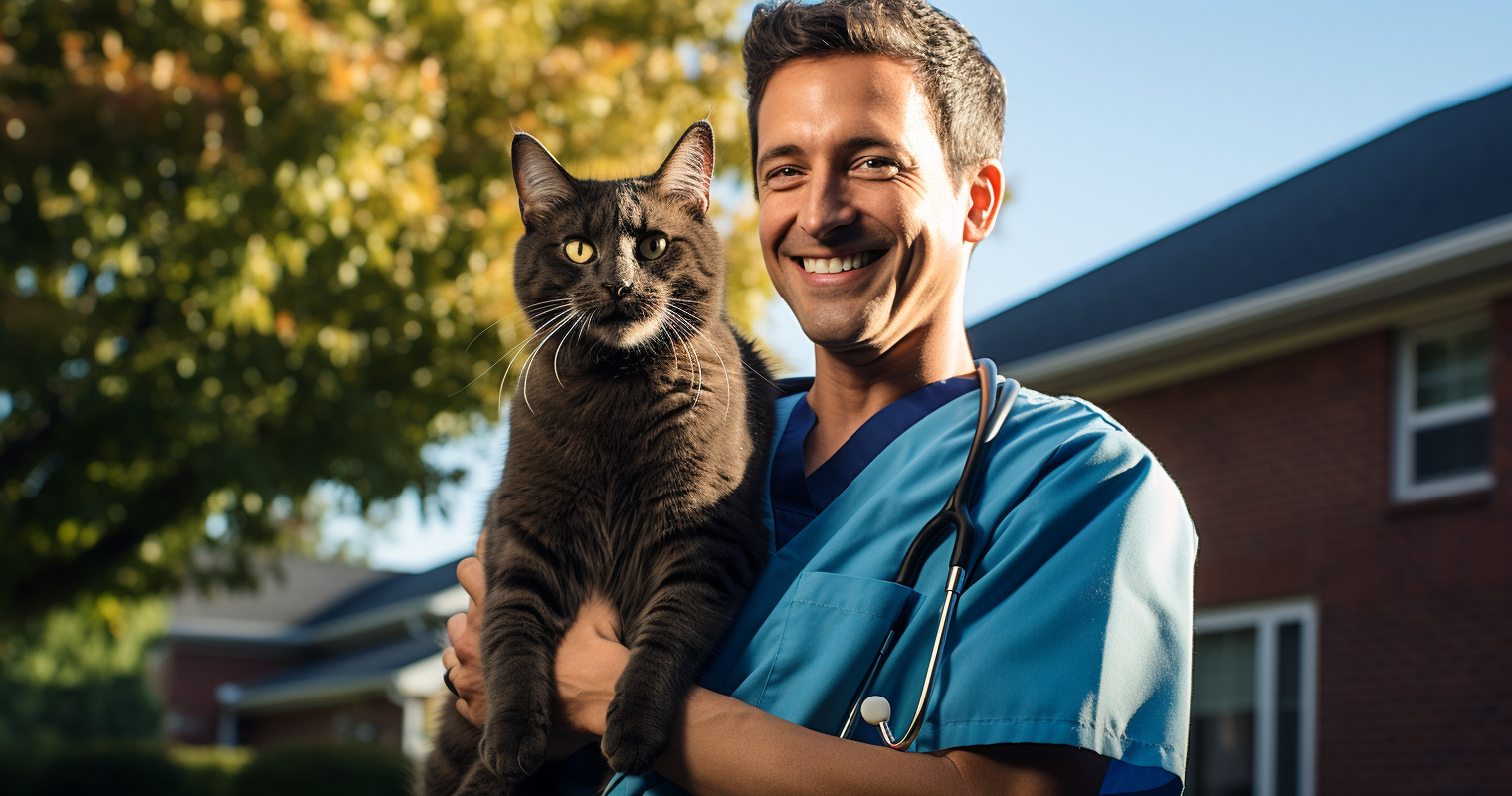
For expats with pets, the Bahamas provides a workable level of veterinary care, with the most established clinics and hospitals found in Nassau and Freeport. Compared to larger nations, specialist referral services and round-the-clock emergency facilities are relatively scarce, making advance preparation particularly important. Living in a tropical island environment also exposes pets to health risks that differ from those in temperate countries, and every animal must satisfy official import conditions before entering the islands.
| Item | Details |
|---|---|
| Main veterinary hubs | Nassau (New Providence) and Freeport (Grand Bahama) |
| National veterinary body | Veterinary Medical Association of the Bahamas (VMAB); website: vmabahamas.com |
| Pet import permit authority | Bahamas Agricultural Health and Food Safety Authority (BAHFSA), via Click2Clear system (as of 2024) |
| Import permit processing fee | US $10.00 + 12% VAT = US $11.20 (as of 2025 — verify with BAHFSA) |
| Import permit processing time | Approximately 2 business days via online system; allow at least 4 weeks before travel |
| Health certificate requirement | Must be issued within 48 hours of embarkation by a licensed vet |
| Key breed restrictions | Pit Bulls, Presa Canario, Cane Corso, American Bulldog, Staffordshire Terrier; Savannah, Chausie, and Bengal cats |
What is the standard of veterinary care in the Bahamas?
Veterinary care in the Bahamas is generally regarded as satisfactory, with clinics and hospitals across the main population centres offering a solid range of services — from routine wellness appointments and vaccinations through to surgical procedures and urgent care. Many of the qualified veterinarians practising in the principal urban areas have received training abroad and work from well-maintained facilities.
The bulk of established practices are concentrated in Nassau and Freeport, though smaller clinics do exist in outlying towns and communities. That said, the Family Islands — the outer island group — have noticeably fewer veterinary options, and animals requiring complex or specialist treatment are typically referred to Nassau for further care.
In contrast to countries such as Australia or the United Kingdom, where board-certified veterinary specialists and multi-disciplinary referral centres are commonplace in major cities, the Bahamas has not yet developed a comparable specialist network. Advanced disciplines such as oncology, complex orthopaedic surgery, and intensive-care emergency medicine remain limited. Pets with serious conditions may need to be transported to a larger country for appropriate treatment. Expats accustomed to dense veterinary infrastructure elsewhere should account for this when making their relocation plans.
The Veterinary Medical Association of the Bahamas (VMAB), which brings together registered veterinary practitioners from across the islands, works collectively to raise professional standards and engages with international veterinary bodies to keep its members current with developments in animal medicine. This relationship with regional and global organisations helps underpin the quality of care delivered throughout the archipelago.
Veterinary professionals have long pressed for more robust legislation, expressing concern that unqualified individuals had been conducting veterinary procedures without proper credentials. New legislation now requires all practitioners to be formally registered and licensed, and to hold a degree from an accredited institution. This represents a meaningful advance in how the profession is regulated and overseen.
Is there a national veterinary association in the Bahamas?
The recognised professional organisation representing veterinarians across the Bahamas is the Veterinary Medical Association of the Bahamas (VMAB). It fulfils a central function in establishing professional benchmarks, advocating on behalf of the profession, and advancing animal health and welfare throughout the island chain.
To gain registration as a veterinarian under the Veterinary Medicine Act, an individual must be a legal resident of the Bahamas, hold a veterinary medicine degree from a university recognised by the National Accreditation and Equivalency Council of the Bahamas, and hold membership of the VMAB.
The passage of the Veterinary Medicine Bill brought into being the Bahamas Veterinary Council — a nine-member body that includes the Director of Veterinary Services, vets employed within the public sector, and veterinarians nominated by the VMAB. This council carries formal authority to oversee the conduct of registered practitioners.
Among its powers, the Council may hear disciplinary complaints and has the authority to remove a practitioner’s name from the register, impose a suspension of registration or licence for a period it deems appropriate, or revoke registration altogether. This gives pet owners a structured channel through which to raise legitimate concerns about veterinary conduct.
The VMAB’s website can be found at vmabahamas.com. Pet owners are encouraged to consult the site directly for the most up-to-date details on registered practitioners; a publicly accessible register is expected to grow in line with the evolving Veterinary Council framework. The VMAB also takes an active role in promoting ongoing education and professional development for veterinary practitioners working across the Bahamas.
How do I find a vet in the Bahamas?
In Nassau and Freeport, finding a reputable veterinary practice is relatively straightforward. Several well-established clinics operate in Nassau, among them Central Animal Hospital (led by Dr Basil Sands), AMG Vets Nassau (situated at Harbour Bay Shopping Plaza on East Bay Street), Happy Pets Animal Hospital, and the Bahamas Humane Society, which provides veterinary services alongside its welfare work.
Nassau practices generally handle routine soft tissue procedures such as spay and neuter operations, as well as more involved work including bone repair, in addition to wellness consultations, dental care, and parasite management. When contacting a clinic, it is advisable to check in advance what services will be available on the day you intend to visit, as this can vary depending on staffing.
Expats settling beyond Nassau and Freeport will need to invest more effort in locating veterinary support. Veterinary coverage on the Family Islands is sparse, and some residents arrange periodic visits from itinerant vets or travel to Nassau for non-urgent procedures. Expat groups on social media platforms — particularly Facebook communities focused on life in the Bahamas — can provide valuable, first-hand recommendations from people already living in the same area.
Before your appointment, it is always worth calling ahead to confirm whether the attending vet is authorised to issue international documentation, since not every practitioner holds this authority. This matters particularly for expats who may need to obtain export health certificates when leaving the Bahamas with their pet.
Online directories such as Vets International and widely used tools like Google Maps allow you to search for clinics by island. The VMAB website at vmabahamas.com is the best starting point for confirming a vet’s registration. As English is the official language of the Bahamas, communication is not normally an obstacle in any established veterinary setting.
What vaccinations and preventive treatments does my pet need in the Bahamas?
When importing cats and dogs, the Bahamas considers a range of diseases to be potential health risks, including rabies, distemper, hepatitis, leptospirosis, parvovirus, adenovirus, feline leukaemia, feline rhinotracheitis, feline calicivirus, feline panleukopenia, and feline pneumonitis. Protection against these conditions is both a legal requirement at the point of entry and an ongoing health priority once your pet is living on the islands.
For dogs, the core vaccination programme recommended in the Bahamas broadly follows international standards and typically covers distemper, parvovirus, adenovirus (hepatitis), and rabies. For cats, core protection generally encompasses feline rhinotracheitis, calicivirus, and panleukopenia — together known as the FVRCP combination — plus rabies. Your vet in the Bahamas will advise on the most suitable schedule based on your individual animal’s age, medical history, and daily environment.
Year-round preventive treatment against fleas, ticks, mosquitoes, and intestinal worms is strongly advisable for pets residing in the Bahamas. The island’s tropical climate sustains parasite populations throughout the year rather than confining them to particular seasons as occurs in cooler regions. Heartworm prevention deserves particular attention: the mosquito population in the Bahamas is substantial, and heartworm disease, if untreated, can prove fatal. This is a significant concern for pets relocating from climates where heartworm is uncommon or absent.
Tick-borne illnesses such as ehrlichiosis and anaplasmosis circulate within the Caribbean region, making routine tick checks and appropriate preventive medication a necessity. Animals arriving from temperate regions where such parasites are rare should begin tick prevention measures before or immediately upon arrival. Leptospirosis — spread through contaminated water and soil — is another disease worth discussing with your vet, particularly for dogs that spend time outdoors near water sources or on beaches.
Requirements are subject to change, and the specific preventive programme that suits your pet will depend on its individual profile. Always seek tailored advice from a licensed veterinarian in the Bahamas once you have settled in.
What does veterinary care cost in the Bahamas?
The cost of veterinary treatment in the Bahamas is broadly in line with what you would expect from private practice in North America — which tends to be higher than what pet owners from countries with more affordable or subsidised veterinary sectors may be used to. There is no publicly funded veterinary health system in the Bahamas; all care, from routine visits to complex procedures, is paid for privately.
As a general indication (based on publicly available clinic information as of 2025 — always verify fees directly with individual practices, as charges vary and are subject to change), a standard consultation in Nassau typically falls somewhere in the range of US $40–$80. Vaccines are generally priced per injection, with individual vaccines costing approximately US $20–$50 depending on the type and the clinic. Spay or neuter surgeries can range from around US $150 to US $400 or more, influenced by the animal’s size, age, and the facilities available at the practice. These are indicative figures only — always request a written estimate before proceeding with treatment.
Specialist procedures, diagnostic imaging such as X-rays or ultrasound, and out-of-hours emergency care will all incur higher charges. On the Family Islands, where fewer practices serve the local population and many supplies must be shipped in, some medications and treatments may carry a premium compared to Nassau prices. Should a pet require referral to a specialist abroad — for instance, for advanced surgical care or oncology treatment — owners should be prepared for the combined costs of international travel and overseas medical fees, which can be considerable.
Requesting an itemised cost estimate before consenting to any procedure is a sound habit, as pricing transparency can differ between clinics. Some practices may ask for a deposit before beginning surgery or extended treatment courses.
Is pet insurance available in the Bahamas, and is it worth it?
A developed local pet insurance market does not currently exist in the Bahamas. Unlike countries such as the UK, Sweden, or Australia — where pet insurance is a well-established financial product available through a wide range of domestic insurers — the Bahamas has no comparable domestic market offering regulated pet insurance products through Bahamian providers.
Expats who arrive with an internationally portable pet insurance policy obtained in their previous country of residence should review their policy documents carefully to establish whether coverage extends to the Bahamas and, if so, for how long. Some international insurers do offer policies that remain active for pets living or travelling outside their country of origin, and investigating these options before your move is far more straightforward than doing so after you arrive.
Given the absence of a robust local insurance market and the relatively high cost of veterinary treatment — especially for emergencies or cases requiring specialist referral overseas — many expat pet owners in the Bahamas choose to build a dedicated savings reserve to cover unexpected veterinary bills. This self-insurance approach is common among pet owners across other Caribbean territories where locally available pet insurance is similarly limited.
If you are exploring international pet insurance options, focus on providers that specifically name the Bahamas or offer “worldwide” coverage within their policy terms. Examine the details carefully, paying particular attention to exclusions for pre-existing conditions, waiting periods before coverage activates, annual limits, and whether overseas specialist referrals or repatriation are included. Always confirm the terms with the insurer directly before purchasing, as these features vary considerably between products.
What are the rules for bringing a pet into the Bahamas?
Responsibility for overseeing the importation of pets into the Bahamas lies with the Bahamas Agricultural Health and Food Safety Authority (BAHFSA). From 1 September 2024, the issuance of pet importation permits transferred to BAHFSA, which now processes applications through the Customs Department’s online Click2Clear platform. Any guidance referring to the former Department of Agriculture paper-based process is now outdated and should not be relied upon.
The following outlines the key steps involved in bringing a dog or cat into the Bahamas:
- Microchip your pet: The most accepted form of identification is a 15-digit pet microchip meeting ISO Standard 11784 or Annex A to ISO Standard 11785. All documents must reflect the microchip number.
- Vaccinate against rabies: An international veterinary certificate is required, attesting that the animal has been vaccinated — for a one-year duration vaccine, it must have been administered no more than ten months and no less than one month prior to importation; for a three-year duration vaccine, no more than 34 months and no less than one month prior.
- Apply for an import permit via Click2Clear: To apply, you must first register with Click2Clear, then email [email protected] to request your password and username to be activated in order to apply for a pet permit with BAHFSA. The application will be processed within two business days, but allow at least four weeks before travel to account for any delays.
- Obtain a veterinary health certificate: Once you receive your permit, give it to your veterinarian and request a veterinary certificate to accompany the permit. The veterinary certificate must be dated 48 hours prior to embarkation.
- Check breed restrictions: The Bahamas prohibits the import of Pit Bulls, Presa Canario, Cane Corso, American Bulldog, and Staffordshire Terrier. Cats prohibited from import are Savannah, Chausie, and Bengal. Mixed breeds with these breeds are also restricted.
- Confirm the port of entry: All live animals entering the Bahamas by air must do so at either Lynden Pindling International Airport in Nassau or Grand Bahama International Airport in Freeport.
- Attend a post-arrival vet check: Your pet will need to visit a licensed veterinarian in the Bahamas for an examination within 48 hours of arrival.
Provided all import conditions are satisfied, your pet will not be subject to quarantine upon entering the Bahamas. If the required conditions are not met, however, the animal may be quarantined, returned to its country of origin, or euthanised. The processing fee for a dog or cat import permit is US $10.00 plus 12% VAT, bringing the total to US $11.20 (as of 2025 — confirm with BAHFSA, as fees are subject to review). Always verify the current requirements directly with BAHFSA or through the official Bahamas government website before making travel arrangements, as conditions can change at any time.
Are there animal welfare laws or pet ownership regulations I should know about in the Bahamas?
The management of animal welfare, including oversight of stray, roaming, and nuisance animals, is governed by the Animal Protection and Control Act, 2010. Enforcement of this legislation is currently confined to New Providence and Grand Bahama. Expats living elsewhere in the archipelago should seek guidance from local sources, as animal welfare enforcement is considerably more limited across the Family Islands.
The Act provides for annual inspections of all animal holding facilities, conducted in collaboration with the Veterinary Services Unit, and makes annual dog licensing compulsory. Dog owners in New Providence and Grand Bahama are therefore legally required to obtain a licence for their animal and renew it each year. Any licensed veterinarian may insert a microchip in a dog, and a microchip dog licence remains valid for one year.
The Animal Health and Protection Act forms the overarching legislative foundation for animal health matters in the Bahamas. The more recent Veterinary Medicine Bill addresses the specific regulation of veterinary practitioners, establishing both the Veterinary Council and the framework for licensed para-professionals. Together, these two pieces of legislation constitute the principal legal architecture governing animal welfare and the practice of veterinary medicine in the country.
It is worth being aware that stray dog and cat populations are a visible and familiar aspect of daily life throughout the Bahamas. The Bahamas Humane Society is deeply involved in rescue operations, rehoming efforts, and policy advocacy. A substantial body of animal welfare legislation exists, and the Humane Society continues to push for stronger enforcement of existing provisions. Expats are encouraged to connect with local animal welfare organisations to gain a clearer picture of conditions in their area.
Beyond the import prohibitions on certain breeds, there is no nationwide breed-specific legislation currently in force. However, individual Family Islands or particular communities may impose their own additional conditions on pet ownership, so it is worth checking with local administrators or relevant authorities when you settle in a new location. Contact details for island administrators and regional Department of Agriculture extension officers are listed on the official Bahamas government website.
Frequently asked questions about veterinary care and pet ownership in the Bahamas
Is there 24-hour emergency veterinary care available in the Bahamas?
Round-the-clock emergency veterinary services are not widely available in the Bahamas in the manner seen in larger countries. Certain practices in Nassau may provide an after-hours contact number for clients already registered with the clinic, but the broader infrastructure for continuous emergency cover remains limited. As soon as you enrol your pet with a practice, ask the vet directly what arrangements exist for handling out-of-hours emergencies.
Do I need to quarantine my pet when bringing it into the Bahamas?
No quarantine will be imposed provided all import requirements are fully satisfied. This entails ensuring your pet carries the correct microchip, holds a current rabies vaccination, has an approved import permit issued by BAHFSA, and is accompanied by a health certificate prepared within 48 hours of departure. Should any requirement not be met, the animal may face quarantine, be sent back to the country of origin, or be euthanised at the owner’s cost.
Can I bring any breed of dog or cat to the Bahamas?
Certain breeds are barred from entry into the Bahamas. Prohibited dog breeds include the Pit Bull, Presa Canario, Cane Corso, American Bulldog, and Staffordshire Terrier. On the cat side, the Savannah, Chausie, and Bengal are prohibited. Mixed-breed animals with ancestry from any of these breeds are also subject to restriction. If you have any doubt about whether your pet’s breed qualifies, contact BAHFSA before finalising your travel plans.
How do I register my dog in the Bahamas after I arrive?
Annual dog licensing is a legal requirement under the Animal Protection and Control Act for owners in New Providence and Grand Bahama. To register your dog, contact the Department of Agriculture or BAHFSA. A licensed vet can microchip your animal, and once chipped, the microchip dog licence is valid for one year. Because fees and procedures may change, it is best to confirm the current requirements directly with the relevant authority.
What should I do if I cannot find a vet on my island?
For expats based on smaller Family Islands where resident veterinary services are scarce or non-existent, the most practical solution is to build a relationship with a clinic in Nassau to handle planned, non-urgent care, and to discuss with that practice how it manages remote consultations and referrals. The Bahamas Humane Society may also be a useful point of contact for identifying the nearest available veterinary resource in your part of the islands.
Are there heartworm and tick risks for my pet in the Bahamas?
Yes, both are genuine concerns. The Bahamas’ tropical climate sustains mosquito populations throughout the year, which means heartworm transmission risk is ever-present rather than seasonal. Tick-borne diseases prevalent in the broader Caribbean region — including ehrlichiosis — are also a consideration. Pets should receive year-round heartworm prevention and consistent tick control. If your animal has come from a cooler climate where these risks were minimal or non-existent, speak with a Bahamian vet promptly after arrival to establish an appropriate preventive programme.
Is pet insurance worth getting for life in the Bahamas?
With veterinary fees in the Bahamas broadly matching North American private practice rates, and specialist or emergency treatment potentially requiring costly overseas referral, having some form of financial protection in place makes considerable sense. A domestically based pet insurance market is not currently available in the Bahamas, so it is worth researching international or “worldwide” pet insurance products before relocating. If no suitable policy can be found, setting aside a dedicated fund specifically for veterinary costs is a practical and widely used alternative.
Where can I verify that my vet is properly registered in the Bahamas?
The official body responsible for maintaining the register of licensed veterinary practitioners in the Bahamas is the Bahamas Veterinary Council, established under the Veterinary Medicine Act. The VMAB website at vmabahamas.com is the recommended first port of call. For the most current version of the public register, contact the VMAB or the Bahamas Veterinary Council directly, as the regulatory framework is still maturing in the wake of the Veterinary Medicine Act’s passage.