

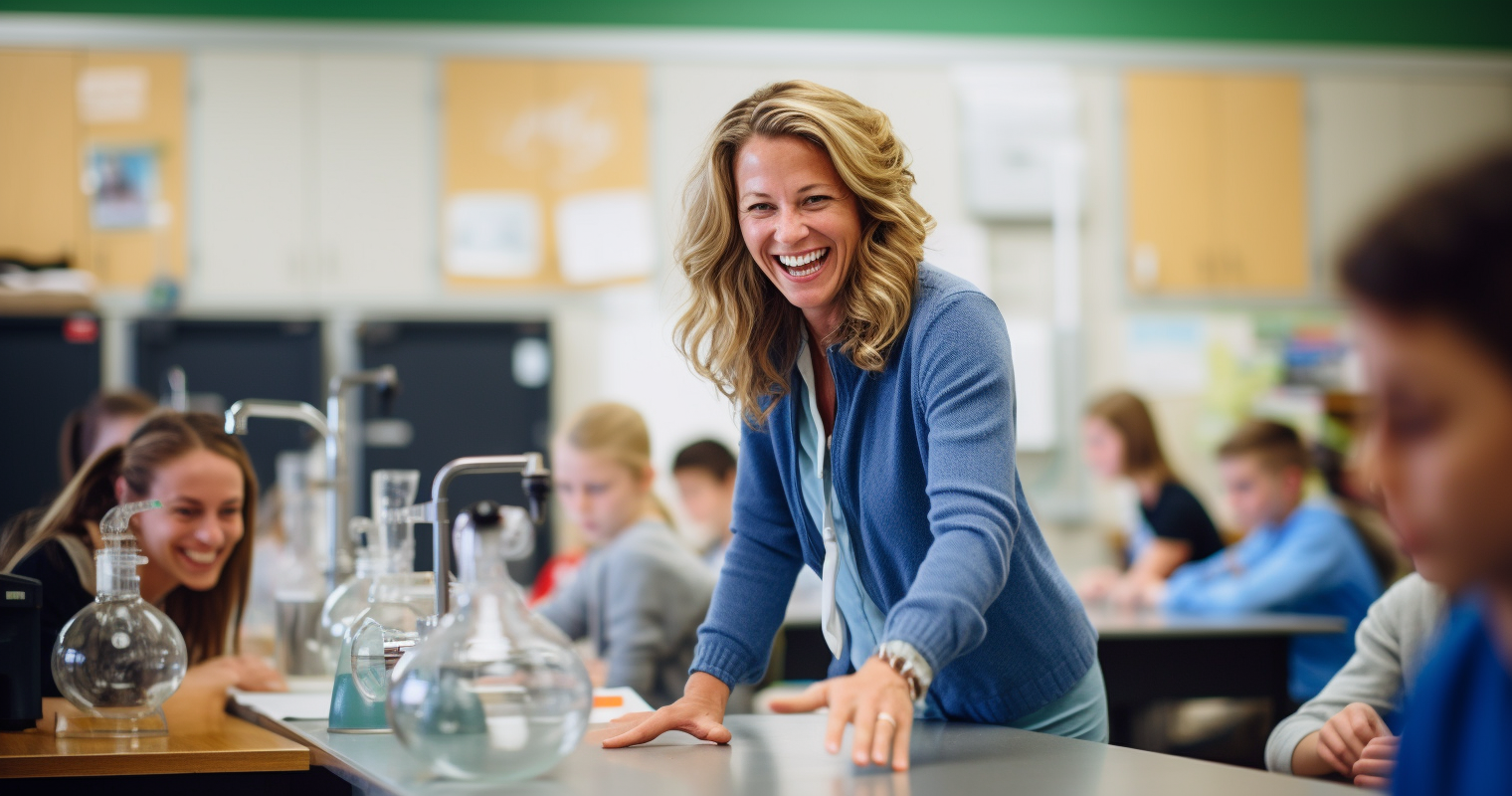
Jamaica’s education system is a structured, English-language framework broadly rooted in the British tradition and administered by the Ministry of Education, Skills, Youth and Information. Attendance is mandatory for all children aged six to seventeen, with schooling organised across early childhood, primary, and secondary stages. Government schools provide free tuition at the primary level, while private, faith-based, and international institutions offer alternative pathways and globally recognised qualifications for families seeking them.
| Item | Details |
|---|---|
| Compulsory school age | 6 to 17 years (as of 2024) |
| Language of instruction | English |
| Primary school | Free in government schools; ages 6–12, Grades 1–6 |
| Key secondary qualification | Caribbean Secondary Education Certificate (CSEC), taken at end of Grade 11 |
| Academic year | September to July, minimum 195 instruction days |
| Main university | University of the West Indies (UWI), Mona Campus, Kingston |
| International school fees | Approx. USD $7,500–$15,677 per year at AISK (verify directly with schools; as of 2024) |
| Oversight body | Ministry of Education, Skills, Youth and Information (MOESY) |
How good is the education system in Jamaica?
Jamaica’s education model draws heavily from the British system, and the country has made meaningful progress in expanding access to schooling over the past few decades. Universal primary enrolment has been achieved — a considerable accomplishment for a small island nation — and the government continues to direct resources toward improving school infrastructure and the quality of teacher training.
Nevertheless, outcomes tell a more nuanced story. On average, Jamaican children spend 11.7 years in school, yet when measured against high-performing systems internationally, those years translate to the equivalent of only 7.2 years of actual learning — a gap of 4.5 years that falls most heavily on children from lower-income households. This learning deficit is an acknowledged challenge that both UNICEF and the Jamaican government are actively working to narrow.
The Human Rights Measurement Initiative finds that Jamaica is fulfilling only 70% of what it should be fulfilling for the right to education based on its income level — achieving 62.8% of what should be possible for primary education and 77.2% for secondary education. Jamaica does not currently participate in the OECD’s PISA assessments, making direct international benchmarking of that type unavailable; for the most recent quality evaluations, refer to the Ministry of Education, Skills, Youth and Information.
School quality is monitored by the National Education Inspectorate, which evaluates institutions and provides recommendations to the Ministry, school boards, and administrators. In practice, the highest-performing public schools produce graduates who are competitive at both regional and international levels, while persistent gaps in resources and infrastructure remain in rural and lower-income communities. Access to the best public schools continues to be strongly tied to a child’s socioeconomic circumstances.
At what age is education compulsory in Jamaica, and how is schooling structured by age?
Schooling in Jamaica is compulsory for all children between six and seventeen years of age, meaning every child living in Jamaica — regardless of nationality — must receive an education from the start of primary school through the end of upper secondary. The system is organised into four distinct phases.
Early Childhood (ages 1–6): This stage encompasses basic schools, infant schools, and privately run pre-schools for children aged one to six. Approximately 62% of children between ages four and six are enrolled — one of the highest rates in the Caribbean. Attendance is not compulsory at this stage but is widespread, and the sector is regulated by the Early Childhood Commission.
Primary School (ages 6–12, Grades 1–6): Six years of primary schooling are both compulsory and free in government-funded schools. Children typically begin at age six and finish at twelve. The primary curriculum is notably demanding, with homework assigned from as early as Grade 1.
Lower Secondary (ages 12–15, Grades 7–9 / Forms 1–3): Secondary schooling is split into a lower phase covering Grades 7 to 9 (Forms 1 to 3) and an upper phase covering Grades 10 and 11 (Forms 4 and 5). During the lower secondary years, students study a broad range of subjects, including Spanish and French as foreign languages. Integrated science is taught through the third form, after which students transition to discrete sciences — physics, biology, and chemistry — studied separately.
Upper Secondary (ages 15–17, Grades 10–11 / Forms 4–5) and Sixth Form: From the fourth form onwards, students select roughly six to ten subjects — eight being the most common number — for their Caribbean Examinations Council school-leaving exams; mathematics and English language are mandatory for all students. Sixth Form is an optional two-year post-secondary programme after which students sit the Caribbean Advanced Proficiency Examinations (CAPE), the regional equivalent of GCE A-Level examinations.
What types of schools are available in Jamaica?
Jamaica offers a variety of school types serving different age groups, communities, and educational philosophies. Knowing the distinctions helps relocating families narrow down their options effectively.
Government (Public) Schools: The overwhelming majority of Jamaican children are educated in government-funded schools. Primary-level tuition is free and compulsory, and the system operates under the central direction of the Ministry of Education, which is supported by six regional offices responsible for managing and overseeing schools across the country. While tuition costs nothing at primary level, families are generally expected to cover uniforms, textbooks, and transportation.
Private and Preparatory Schools: Fees at private schools in Jamaica vary widely, averaging from around USD $500 to $1,500 per term (as of 2024). Private schools commonly offer programmes and facilities beyond what is available in the state sector. Many private preparatory institutions follow a similarly structured curriculum to government schools but feature smaller class sizes and a richer range of extracurricular activities.
Faith-Based Schools: A substantial share of Jamaican schools at both primary and secondary level are run by religious organisations, most notably Anglican, Catholic, and other Christian denominations. Such schools frequently receive government funding while retaining their religious character and are generally held to the same national curriculum standards as fully state-funded institutions.
All-Age and Combined Schools: The secondary school landscape includes all-age schools, primary and junior high schools, and high schools — among them technical highs and independent private highs. All-age schools accommodate both primary and lower secondary pupils and are especially important in rural parts of the island where dedicated secondary provision may be limited.
Technical and Vocational Schools: The National Training Agency coordinates vocational training across Jamaica, delivered through government vocational centres and private academies. Programmes span a wide range of trades and skills, including agriculture, automotive technology, beauty services, garment manufacture, commercial skills, information technology, and construction.
International Schools: A handful of internationally oriented private schools, largely concentrated in Kingston and Montego Bay, offer American, British, or IB curricula. These are covered in detail in the international schools section below.
What curriculum and qualifications do schools in Jamaica follow?
The Jamaican school curriculum is built around the National Standards Curriculum, which covers English language and literature, mathematics, science, social studies, physical education, health and family life education, and visual and performing arts. This framework is set and periodically revised by the Ministry of Education.
At the primary level, the National Assessment Programme (NAP) — introduced in 1999 — employs a variety of teaching approaches designed to make learning broader and more pupil-centred, using an integrated approach for Grades 1 to 3 and a subject-specific structure for Grades 4 to 6. In 2018, the Primary Exit Profile (PEP) replaced both the Grade 4 Literacy and Numeracy Test and the Grade Six Achievement Test as the primary instrument for determining secondary school placement.
The cornerstone qualification at secondary level is the Caribbean Secondary Education Certificate (CSEC), administered by the Caribbean Examinations Council (CXC). Sat at the end of Grade 11, CSEC functions comparably to the GCSE in England and Wales or the Junior Certificate in Ireland — a school-leaving credential awarded at around age 16 to 17 that governs access to further study, with mathematics and English as compulsory subjects.
Students progressing to Sixth Form sit the Caribbean Advanced Proficiency Examination (CAPE) at the end of Grades 12 and 13. CAPE replaced GCE A-Levels as the standard post-secondary qualification in 2003 and is used to gain entry to university programmes both within Jamaica and abroad.
Qualifications available to upper secondary completers include the CSEC, CAPE, and the National Vocational Qualification of Jamaica (NVQJ). The International Baccalaureate (IB) Diploma is available at selected private international schools — most notably the American International School of Kingston — but is not part of the mainstream state curriculum. Families seeking IB provision should contact individual schools directly for availability and entry criteria.
What are typical school hours and holidays in Jamaica?
The Jamaican academic year spans from September to July, with the Education Regulations stipulating a minimum of 195 instructional days. While similar in overall length to academic years in many European countries, the Jamaican calendar continues through the warmer months of the Caribbean spring.
Most primary and secondary schools begin the school day between 7:30 am and 8:00 am, finishing between 2:00 pm and 3:00 pm. A mid-morning break and a lunch period are typically built into the day. Transportation to and from school is not subsidised — students rely on public buses or private taxis — making daily logistics and the associated costs an important consideration for families.
The year is divided into three terms: the first running from September to December, the second from January to March or April, and the third from April or May through to July. The main summer holiday falls between July and early September, with a Christmas break of roughly two weeks and an Easter break of one to two weeks. Private and international schools may operate slightly different calendars — always confirm the schedule with your chosen school directly.
It is worth noting that some Jamaican schools still run a shift system, with one group of pupils attending in the morning and another in the afternoon. The government has committed considerable effort to phasing out this arrangement and reducing overcrowding, though it persists in certain high-demand urban schools. This is an important question to raise when evaluating prospective schools.
How do you enrol a child in school in Jamaica?
The process of enrolling a child in a Jamaican school involves engaging with the school directly and, for secondary placements, with the Ministry’s centralised allocation system. The steps differ somewhat between government and private schools. Always confirm current requirements with the relevant school and consult the Ministry of Education, Skills, Youth and Information for the most up-to-date official guidance.
- Identify suitable schools: Use the Ministry’s regional offices or school directories to research institutions in your area. Weigh up factors such as school type (government, private, faith-based), whether a shift system is in operation, class sizes, and any specialist support your child may require.
- Check entry requirements and deadlines: Enrolment for government primary schools is generally handled at the local level. Secondary school placement is governed by the Primary Exit Profile (PEP), and each Grade 6 leaver may apply to up to seven different high schools. Secondary applications are normally submitted during the academic year preceding the transition, so families arriving in Jamaica should act well ahead of time.
- Prepare documentation: You will typically need the child’s birth certificate, proof of a Jamaican address (such as a utility bill or tenancy agreement), current vaccination records, and previous school reports or academic transcripts. Expat families should also have passport copies and relevant residency documents ready.
- Submit the application: Government school applications go to the school or the relevant Ministry regional office. Applications to private schools are submitted directly to the admissions team; procedures vary between institutions, and available places can be limited, with some schools applying nationality preferences.
- Attend an assessment or interview: Selective government high schools and the majority of private schools require applicants to complete an assessment or attend an interview before a place is offered.
- Confirm the place and arrange uniforms: Upon receiving an offer, families must formally accept, settle any fees due, and obtain the school uniform — worn at virtually every Jamaican school.
High-demand schools in urban centres, particularly in Kingston, are frequently oversubscribed. Sixth Form entry is especially competitive, most acutely in rural and suburban areas where fewer schools offer post-secondary programmes. Families with school-age children should begin researching options no later than six months before their anticipated arrival date.
What international schools are available in Jamaica?
A number of international schools in Jamaica cater specifically to expatriate and non-local families, with the majority concentrated in Kingston and a smaller number located in towns such as Mandeville.
The American International School of Kingston (AISK) is among the most prominent. A private, coeducational day school, AISK accepts students of all nationalities from pre-school through Grade 12, operating across two semesters from late August to early June. The curriculum follows a US college-preparatory approach with a global emphasis, and the International Baccalaureate Diploma is available in Grades 11 and 12. A French language section following the French national curriculum is also part of the school. Annual fees at AISK range from approximately USD $7,500 to $15,677 (as of 2024 — confirm directly with the school, as fees are subject to annual revision). Current information is available at aisk.com.
Hillel Academy in Kingston is another long-established private school with an internationally minded outlook, with fees ranging from approximately JMD $149,000 to $280,000 per year (as of 2024 — verify directly with the school). Belair School in Mandeville provides internationally oriented education from pre-kindergarten through high school, serving expat families based outside the capital. Fairfield International Academy positions itself as offering a rigorous, inquiry-led curriculum aligned with global educational standards.
International schools typically command higher fees than local private schools, but offer high academic standards, smaller classes, well-equipped facilities, and a broad range of extracurricular programmes. Boarding is available at some institutions, though most operate exclusively as day schools.
To locate accredited international schools in Jamaica, consult the Council of International Schools (CIS) directory, the International Schools Consultancy (ISC) database, or the Southern Association of Colleges and Schools (SACS-CASI), which accredits schools following a US curriculum internationally. Always verify a school’s accreditation status and current fee schedule with the institution before committing to a place.
What higher education options are available in Jamaica?
Jamaica’s tertiary education sector is growing and internationally recognised, with the University of the West Indies (UWI) Mona Campus in Kingston at its centre. UWI was established to serve the educational needs of the Caribbean region and today provides higher education to students from 17 Caribbean countries through five campuses across different nations, with the Mona Campus in Jamaica serving approximately 18,000 students. UWI is ranked between 501st and 600th in the Times Higher Education World University Rankings.
Other significant institutions include the University of Technology, Jamaica (UTech), established in 1958, which serves more than 12,000 students across four campuses — including a Western Campus in Montego Bay — and offers programmes in education, science, engineering, computing, law, and the built environment. The Northern Caribbean University (NCU) is a Seventh-day Adventist institution headquartered in Mandeville, with additional campuses in Kingston and Montego Bay.
Community colleges and affiliated institutions offer certificate, diploma, and associate degree programmes, typically requiring CSEC results for entry and lasting between six months and three years. The Council of Community Colleges of Jamaica operates a structured 2+2 pathway in which students complete an associate degree over two years before going on to earn a bachelor’s degree after a further two years of study.
Entry to Jamaican universities generally requires A-level or CAPE results; a three-year diploma from an accredited post-secondary institution also provides a route to admission. Internationally earned qualifications — such as GCE A-levels, the IB Diploma, and comparable national credentials — are also accepted, though individual institutions set their own entry requirements, so prospective students should check directly.
Tuition fees for Jamaican students at undergraduate level typically range from approximately USD $1,000 to $2,000 per year, rising to $2,000 to $5,000 annually for postgraduate study (as of 2024). International students pay higher rates — Northern Caribbean University, for instance, charges international undergraduates approximately USD $3,402 to $6,063 per semester as of 2024; verify current figures with institutions directly. For the latest UWI Mona fee schedules, visit mona.uwi.edu/fees.
A noteworthy development in quality assurance is the requirement for all institutions offering education programmes to register with the Jamaica Tertiary Education Commission (J-TEC), a measure designed to strengthen the consistency and credibility of tertiary qualifications across the island.
What should expat parents know about language of instruction in Jamaica?
All formal instruction in Jamaican schools is delivered in English, which is a significant practical benefit for families relocating from English-speaking countries. Lessons, textbooks, examinations, and official school communications are all conducted in English, meaning children who are already fluent in the language will not encounter the classroom language barrier common in moves to non-English-speaking destinations.
That said, it is important for families to understand that many Jamaicans converse daily in Jamaican Patois (also known as Jamaican Creole) — a vibrant, expressive language shaped by the fusion of English and African linguistic roots. While Patois plays no role in formal classroom instruction, children will inevitably come across it on the playground and in social situations. Most children settle in relatively quickly and find the school environment easy to navigate linguistically, although the distinctive rhythm and accent of Jamaican English may take a little time to become accustomed to.
Children whose home language is not English will face additional challenges, though the English-medium structure of the curriculum makes targeted language support somewhat more accessible than it would be in a non-English system. Parents should enquire directly with prospective schools about what additional English language assistance is available for newly arrived students.
For families whose children have been educated in French-language systems, the American International School of Kingston offers both an English-language curriculum and a dedicated French section following the French national programme, making it a particularly suitable option. Children transitioning from Spanish-medium or other non-English educational backgrounds will need to plan carefully for the shift to English instruction, and parents may find that private tutoring support in the early months makes the transition considerably smoother.
What financial support or subsidies are available for education in Jamaica?
Primary schooling in government-funded institutions is provided free of charge to all children residing in Jamaica between the ages of six and seventeen, regardless of their nationality. In practice, this means that expat children attending a state school are entitled to the same free primary education as Jamaican citizens.
It is important to recognise, however, that “free” education in Jamaica generally refers to tuition only. Families are still responsible for the cost of uniforms, textbooks, meals, and daily transportation — expenses that can add up considerably even within the state system. At secondary level, when students exit secondary school, their education is no longer free of charge, and families should account for these costs from the outset.
The Jamaican government administers several assistance programmes targeting lower-income households, including school feeding schemes and the Programme of Advancement Through Health and Education (PATH), which provides conditional cash transfers to encourage school attendance among disadvantaged children. These programmes are primarily aimed at financially vulnerable Jamaican residents; whether expat families qualify will depend on their residency status and household income level, and current eligibility criteria should be confirmed with the Ministry of Education or your local regional office.
For those considering private or international schooling, government subsidies are not generally available, though individual schools and private organisations do offer merit-based or need-based scholarships that can cover part or all of tuition and, in some cases, living costs. Families exploring this avenue should approach institutions directly to enquire about scholarship opportunities. For official guidance on educational financial assistance, contact the Ministry of Education, Skills, Youth and Information.
Frequently asked questions about education in Jamaica
Will my child face a language barrier at a Jamaican school?
All classroom instruction in Jamaican schools is delivered in English, so children who are already proficient in English will not encounter a formal language barrier in school. In social settings, however, they will likely come across Jamaican Patois, and some adjustment to local accents and expressions should be expected. Children whose first language is not English may need additional support, particularly in the initial period of settling in. Parents should ask prospective schools what language assistance programmes are on offer for newly enrolled students.
Are foreign school qualifications recognised in Jamaica?
Jamaica’s universities generally accept a range of internationally recognised qualifications alongside the local CAPE examinations, including GCE A-levels, the International Baccalaureate Diploma, and comparable national credentials. Entry to programmes at UWI Mona, for example, accepts five CSEC subjects and/or GCE O-Level passes including English language, together with two CAPE or two GCE A-Level subjects in a relevant discipline. As requirements differ by programme and institution, it is essential to verify specifics directly with the university or college concerned.
Can expat adults study at Jamaican universities?
The University of the West Indies operates a model of intraregional student mobility serving learners from 17 Commonwealth Caribbean countries, and the institution is actively seeking to attract a greater number of international students. Most Jamaican universities welcome applications from expats and international students, though fees for non-domestic applicants are typically higher than those for local students. Prospective students should check current fee structures directly with their chosen institution before applying.
Are there waiting lists for popular schools in Jamaica?
Sixth Form entry is highly competitive throughout Jamaica, and especially so in rural and suburban areas where fewer secondary schools offer post-16 provision. Sought-after government high schools in Kingston also face strong demand, with places allocated on the basis of PEP results. Private and international schools frequently have restricted capacity and may maintain waiting lists, particularly for mid-year admissions. Families should begin the application process no later than six months before their planned arrival.
What childcare options exist for very young children before school age?
Pre-school provision in Jamaica encompasses basic schools, infant schools, and privately operated nurseries for children from age one to six. Standards across the sector are overseen by the Early Childhood Commission. Private daycare centres and nurseries are available, particularly in urban areas, though fees and quality vary considerably. The Early Childhood Commission’s website is a good starting point for finding registered providers in your locality.
Do children need to be vaccinated to enrol in school in Jamaica?
Current vaccination records are a standard requirement at the point of school enrolment in Jamaica. The National Health Fund and the Ministry of Health and Wellness publish the recommended immunisation schedule for children. Families relocating to Jamaica should ensure their children’s records are up to date and, where documents were issued in a language other than English, have them translated prior to arrival. Both originals and certified copies should be brought to the enrolment appointment.
Is the IB Diploma available in Jamaica?
The International Baccalaureate Diploma Programme is offered at the American International School of Kingston for students in Grades 11 and 12. It is not available within the Jamaican state school system. Families for whom IB provision is a priority should contact AISK directly at aisk.com, as the number of places is limited and the programme carries specific academic entry requirements.
What vocational training is available for young people who do not pursue university?
The National Training Agency coordinates Jamaica’s vocational training landscape, encompassing both state-run training centres and private academies. Programme areas include agriculture, automotive technology, beauty therapy, garment manufacture, commercial skills, information technology, and construction trades. The National Vocational Qualification of Jamaica (NVQJ) provides a recognised credential for those completing vocational study pathways. The HEART/NSTA Trust is the principal government body responsible for skills training and can be contacted for details on current programme offerings and enrolment.