
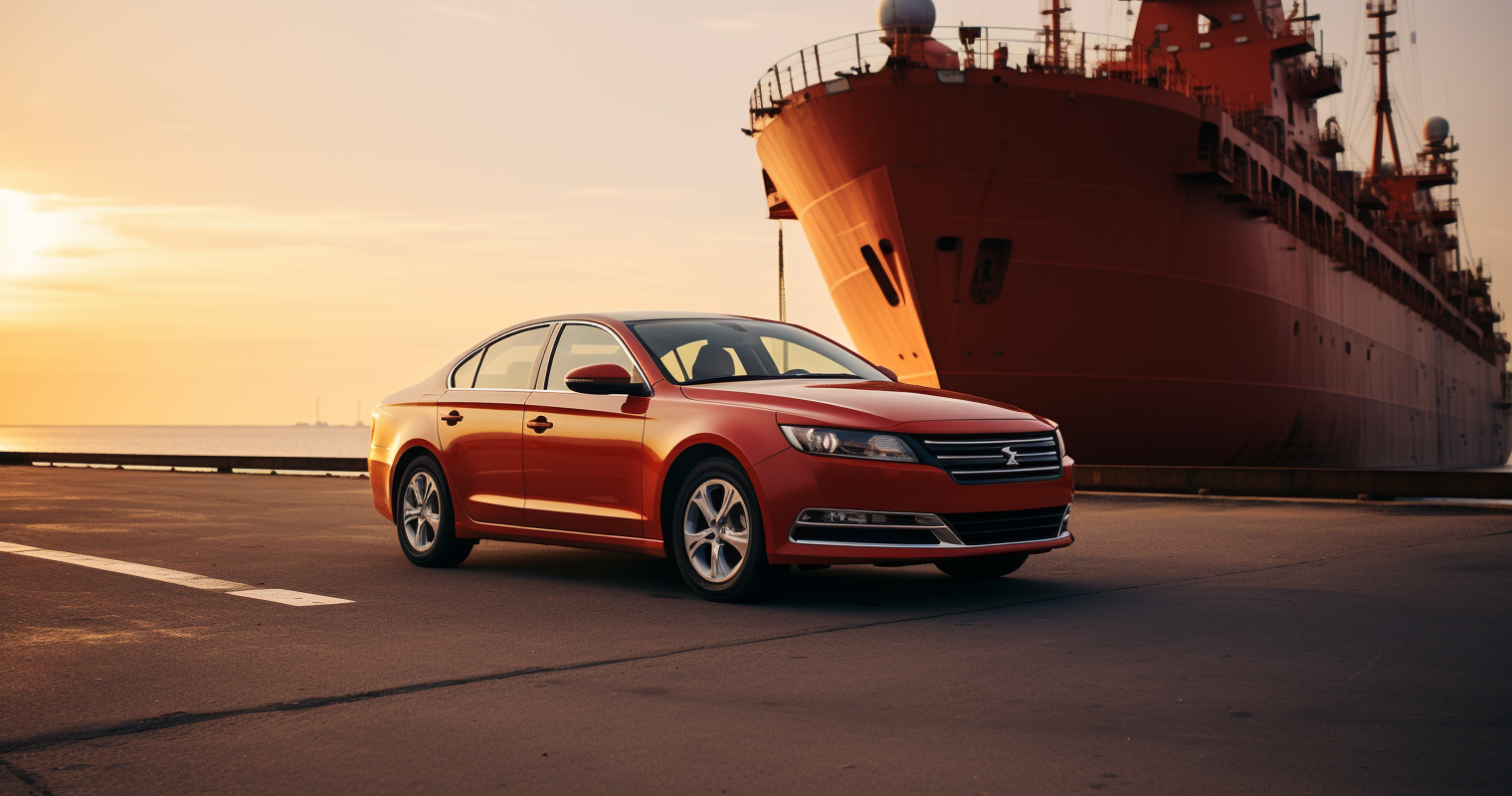
Purchasing or importing a vehicle in Panama is open to foreigners without any residency requirement — visitors travelling on a passport alone can buy a car. The domestic market features a broad selection of new and used vehicles at reasonable prices. While importing a vehicle is permitted, it comes with substantial tax and duty obligations. All vehicles must be configured for left-hand drive, and traffic in Panama flows on the right side of the road.
| Item | Details |
|---|---|
| Residency required to buy a car? | No — tourists and non-residents can purchase using a passport (as of 2025) |
| Import duty on vehicles | Approximately 15–30% of CIF value depending on vehicle type and origin (as of 2025; verify with Aduanas de Panamá) |
| ITBMS (VAT) on imports | 7% applied to the duty-inclusive CIF value (as of 2025) |
| Luxury tax on high-value vehicles | Additional 5–10% may apply above certain thresholds (as of 2025) |
| Foreign licence validity | Valid for first 90 days; Panamanian licence required once residency is obtained |
| Panamanian licence fee | Approximately USD $40 (as of 2025; verify with ATTT/SERTRACEN) |
| Annual vehicle circulation tax | Varies by make, model, and engine size (as of 2025) |
| Key authority | Autoridad del Tránsito y Transporte Terrestre (ATTT) — attt.gob.pa |
How do I buy a new car in Panama as a foreigner?
Panama imposes no residency requirement on vehicle buyers; a tourist with a valid passport can walk into a dealership and drive away in a new car. This level of openness is notable by international standards, where vehicle purchases are frequently linked to proof of legal residence. Whether you are seeking a brand-new model or a pre-owned vehicle, the Panamanian market has plenty to offer.
Choosing a new vehicle from an authorised dealer has clear advantages: full manufacturer warranties, up-to-date safety and technology features, and zero accumulated mileage. To complete a new car purchase at a dealership, you will generally need to present your passport in original and copy form, a proof of address, and either a local or foreign tax identification number. If you plan to finance the purchase through a bank, expect to provide evidence of a Panamanian bank account along with documentation of your income or financial standing.
Panama applies a 7.5% ITBMS sales tax to vehicle purchases. Japanese and Korean manufacturers dominate the local market, which makes sourcing spare parts and finding qualified mechanics considerably easier for owners of those brands. Foreign nationals often find that bank financing is harder to secure than it would be for Panamanian citizens; many lenders insist on proof of residency or a local co-signer. As a result, outright cash purchases or bank transfers are the most straightforward option for newcomers.
One pricing pitfall worth knowing about is what expats informally call the “Gringo Tax” — a practice among certain dealers of adding supplementary charges of anywhere from $1,000 to $2,000 for foreign buyers. Shopping around, comparing prices across multiple dealerships, and working only with reputable sellers is the most effective way to sidestep such practices. Always confirm documentation requirements and applicable tax rates directly with the dealership and with Panama’s tax authority, the Ministerio de Economía y Finanzas (MEF).
How do I buy a used car in Panama?
Panama’s used car market is accessible through both private sellers and dealerships. Buying directly from a private individual typically costs less than going through a dealer. Popular platforms for finding listings include Encuentra24, MercadoLibre, and OLX Panama, all of which carry advertisements from individual owners as well as commercial sellers.
Thorough due diligence before committing to a purchase is absolutely essential. A prospective buyer must verify that the vehicle carries no outstanding warrants, unpaid traffic fines, or financial liens. In Panama, these obligations travel with the vehicle rather than the seller — meaning the incoming owner inherits full responsibility for any debts or penalties that remain unsettled at the time of transfer. This contrasts with practices in certain other jurisdictions where such encumbrances are cleared before a sale can proceed, and overlooking this point can expose a new owner to unexpected liabilities.
Examining the vehicle’s full history — including any recorded accidents and its maintenance record — is strongly advisable. The Autoridad de Tránsito y Transporte Terrestre (ATTT) can provide a transit history document that captures this information. Commissioning an independent mechanical inspection before finalising any deal is also a wise step. Used cars in Panama are sold strictly “as is,” so identifying any defects prior to purchase is the buyer’s own responsibility. That said, used vehicles sold through dealerships must by law come with a warranty of six months or 15,000 kilometres, in accordance with Article 3 of Law 14 of 20 February 2018.
Once you have confirmed the vehicle’s condition and verified its legal standing, the transfer of ownership — referred to locally as a traspaso — must be formalised. Where a dealership is involved, it will typically manage this paperwork on the buyer’s behalf. In a private sale, the new owner is responsible for arranging the transfer themselves.
Completing the traspaso requires a visit to the local City Hall (Municipio) to register the transaction, followed by a joint appearance by both buyer and seller at the ATTT to have the change of ownership entered into the vehicle register. A Paz y Salvo — a certificate confirming that no outstanding municipal charges or penalties are attached to the vehicle — must also be obtained from the seller’s municipal office or, in some cases, through the PanamáTramita online portal.
Can I import a vehicle into Panama, and how does the process work?
Panama places no blanket restrictions on the importation of new or used private cars and trucks. Since the country drives on the right, only left-hand drive vehicles are road-legal; right-hand drive configurations are not in use and should not be shipped. There is no formal age limit on imported vehicles, but older models may attract higher duty rates and will be expected to satisfy local safety and emissions requirements.
Before a vehicle can be imported, the importer must hold a clean, unencumbered title in their own name. Being the registered owner is not sufficient on its own — the title must be fully transferable and must belong to you personally, free of any financing or lease arrangements. Vehicles that are subject to outstanding finance or leasing agreements cannot legally be imported.
Panama’s customs authority, the Autoridad Nacional de Aduanas (ANA), oversees all vehicle imports. Temporary circulation permits for foreign-registered vehicles are not available, so every vehicle brought into the country must be formally cleared through customs and properly registered before it may be driven on Panamanian roads.
The import process involves the following steps:
- Arrange shipping: Engage a shipping company to deliver the vehicle to a Panamanian port — typically the Port of Balboa or Colón. Secure a Bill of Lading (B/L) and comprehensive marine cargo insurance for the voyage.
- Engage a customs broker: Retain a licensed Panamanian customs agent (agente aduanero) to manage clearance procedures on your behalf. Given the procedural complexity involved, professional assistance is strongly advisable.
- Prepare documentation: Assemble the original unencumbered title, Bill of Lading, original purchase invoice, your passport, and any relevant residency or visa paperwork.
- Port arrival and customs inspection: All incoming shipments are subject to inspection upon arrival at the port. For an additional fee, it may be possible in some circumstances to have the inspection conducted at a private address within Panama City limits.
- Pay duties and taxes: Your customs broker will calculate the total import duty, ITBMS (VAT), and any further charges due. Full payment must be made to ANA before the vehicle will be released.
- Technical inspection: The vehicle must be assessed by an authorised inspection centre to confirm it meets Panamanian safety and emissions standards. Modifications may be necessary to achieve compliance.
- Register the vehicle: After customs clearance has been finalised, register the vehicle with the ATTT and collect Panamanian licence plates.
A duty-free concession is available to certain visa holders. Pensionado visa holders may import a vehicle free of customs duty, though the 7% ITBM (VAT) charge still applies. If the vehicle is subsequently sold to a buyer who does not qualify for duty-free importation, the previously waived duty must be paid before the title can change hands. Different visa categories — including working, investor, and self-sufficiency visas — operate under separate rules. Confirm your eligibility with ANA or a qualified Panamanian immigration lawyer before proceeding.
What are the costs involved in importing a car to Panama?
Working out the total cost of importing a vehicle into Panama requires an understanding of how multiple tax layers interact, how duty rates vary by vehicle category, and how Panama’s valuation methodology inflates the taxable base above the headline purchase price. With import duties running from 15–25%, ITBMS at 7%, and potential luxury surcharges on higher-value vehicles, accurate budgeting depends on understanding the CIF valuation system and any exemptions that may apply to your circumstances. All figures cited here are as of 2025; confirm current rates with the Autoridad Nacional de Aduanas before making financial plans.
Panama calculates import duties using the CIF (Cost, Insurance, and Freight) method, which takes the vehicle’s purchase price and adds shipping and marine insurance costs to arrive at the taxable value. Because this approach incorporates more than just the sale price, the figure on which tax is levied will always exceed what you paid for the car at the point of purchase.
A typical cost breakdown for importing a vehicle to Panama includes:
| Cost item | Typical rate or amount |
|---|---|
| Import duty | 15–25% of CIF value (may be higher for some vehicle types; verify with ANA) |
| ITBMS (VAT) | 7% of duty-inclusive CIF value |
| Luxury tax (if applicable) | Additional 5–10% for high-value vehicles above specified thresholds |
| Customs broker fee | Variable; obtain quotes from licensed brokers |
| Port handling and storage charges | Variable; depends on port and time in storage |
| Technical inspection | Variable; charged by authorised inspection centre |
| Vehicle registration fees | Variable by vehicle type; check with ATTT |
| Ocean freight (shipping) | Varies by origin country, vehicle size, and route |
| Marine cargo insurance | Typically 1–2% of vehicle value; varies by insurer |
Panama customs authorities may apply inflation adjustments to historical purchase prices, particularly for vehicles that were acquired several years before being shipped. This can have a significant effect on the tax calculation, with real-world cases showing original purchase prices adjusted upward by 50% or more. Anyone planning to import an older vehicle they have owned for a number of years should factor this into their calculations.
Vehicles manufactured in the United States may be eligible for reduced duty rates under the US-Panama Trade Promotion Agreement. Qualification requires that the vehicle was manufactured in the US, satisfies specific content thresholds, and is accompanied by the required certification documentation. Where applicable, trade agreement benefits can yield a meaningful reduction in import duties. Speak to your customs broker or contact ANA directly to confirm whether your vehicle qualifies.
On balance, many expats conclude that sourcing a vehicle within Panama is more economical than shipping one from abroad, particularly once all applicable taxes and freight costs are taken into account. The general consensus among experienced arrivals is that buying locally tends to be the wiser financial decision.
How do I register a vehicle in Panama?
Vehicle regulation in Panama falls primarily under the authority of the Autoridad del Tránsito y Transporte Terrestre (ATTT) and the Panama National Police. Every vehicle operating in Panama must be registered with the ATTT. The ATTT maintains its website at attt.gob.pa, and registration is administered through SERTRACEN, which runs service centres throughout the country.
The registration process involves the following steps:
- Obtain a technical inspection certificate: Secure a certificate from an authorised inspection centre confirming the vehicle’s roadworthiness. Brand-new vehicles purchased locally may be exempt from this requirement, but it is generally mandatory for used and imported vehicles.
- Gather documentation: Assemble proof of ownership (original title or traspaso), your passport or national identity document, customs clearance paperwork (for imported vehicles), proof of address, and valid insurance.
- Visit a SERTRACEN service centre: Present your full document pack at any SERTRACEN branch. Staff will verify ownership and check for any unpaid fines or debts associated with the vehicle.
- Pay registration fees: The applicable fees depend on the vehicle type and registration category. Check current rates with SERTRACEN or the ATTT ahead of your visit.
- Obtain licence plates: Once registration is complete, the vehicle is assigned licence plates, which must be affixed to both the front and rear of the car.
For imported vehicles, customs clearance documentation from ANA must be included in the submission. The local police may also need to inspect the vehicle and issue a certificate confirming it has not been reported stolen, before the paperwork is forwarded to the Municipio for formal registration in the new owner’s name.
Licence plates bear the vehicle’s registration number and are subject to annual renewal. Staying on top of renewal deadlines and settling charges promptly will prevent penalties from accumulating. For the most current fee schedules and document requirements, consult the ATTT directly at attt.gob.pa.
What insurance do I need to drive legally in Panama?
Having valid insurance in place before taking a vehicle onto Panamanian roads is a legal obligation, not merely good practice. Cover can be arranged through any of the insurers authorised to operate in the country. Panama’s insurance market is a competitive private sector, overseen by the Superintendencia de Seguros y Reaseguros de Panamá (SSRP), which means motorists select from a range of commercial providers rather than obtaining cover through a state-run scheme.
The legally required minimum is third-party liability insurance (seguro de responsabilidad civil), which covers loss, damage, or injury sustained by other people as a result of an accident you cause. Comprehensive cover (seguro todo riesgo) is also widely available and extends protection to your own vehicle in addition to third-party claims.
Foreign residents are well advised to obtain quotations from several insurers and to confirm that the policy they select is recognised by the ATTT. Panama does not operate a formal system for transferring no-claims discount entitlements from foreign policies, so if you wish your prior claims-free history to influence your premium, you will need to negotiate individually with each insurer and provide supporting documentation from your previous provider.
When acquiring a used vehicle that already carries an active insurance policy, the buyer must contact the insurer promptly after the title transfer to have the policy reissued in their own name. Cover does not carry over automatically to a new owner simply by virtue of the sale.
For an up-to-date list of licensed insurers and current minimum cover requirements, refer to the Superintendencia de Seguros y Reaseguros de Panamá.
What driving licence do I need in Panama as an expat?
Foreign nationals may drive in Panama on a valid licence issued by their home country for up to 90 days from the date of arrival. After that window closes, local law requires conversion to a Panamanian licence. Carrying an International Driving Permit (IDP) alongside your home-country licence can serve as a useful translation document, but it does not add any extra time beyond the initial 90-day allowance.
One important nuance applies to anyone pursuing residency. While a tourist may drive on a foreign licence for those first 90 days, the moment an application for a residency visa is submitted, tourist status ends — and with it the entitlement to drive on a foreign licence. This distinction catches many new arrivals by surprise, so it is prudent to initiate the Panamanian licence conversion process without delay once residency proceedings are underway.
Driving licences are issued under the authority of the Autoridad del Tránsito y Transporte Terrestre (ATTT), with applications processed in partnership with SERTRACEN at service centres across the country. Foreign nationals applying for conversion must present their passport and a valid residence visa.
To convert a foreign licence, the typical process is:
- Obtain embassy certification: Your home country’s embassy or consulate in Panama must certify that your existing licence is authentic and in good standing. This certification then requires authentication by Panama’s Ministry of Foreign Affairs (Ministerio de Relaciones Exteriores).
- Gather documents: You will need originals and copies of your passport, immigration card, and foreign licence, together with the results of a blood-type test from a certified laboratory — unless your blood type is already recorded on your licence.
- Complete medical exams: Both a vision and hearing test must be carried out at a centre authorised by SERTRACEN, with results dating no more than six months before the application.
- Attend a SERTRACEN service centre: Submit your full document package, complete the on-site visual and auditory checks, and settle the applicable fee.
- Pay the fee: The application fee for a Panamanian driver’s licence is $40 USD (as of 2025; confirm the current amount with SERTRACEN before attending).
Certain countries have bilateral agreements with Panama that streamline the conversion procedure. Italian nationals, for example, are generally not required to sit practical or written driving tests thanks to a bilateral arrangement between Italy and Panama, though the vision and hearing examination remains mandatory regardless. Check with your home country’s embassy in Panama to find out whether an equivalent agreement covers your nationality.
A Panamanian driving licence is valid for four years. Once the holder reaches the age of 70, the validity period reduces to two years, and drivers in that age group must additionally obtain a medical certificate from a specialist in gerontology or internal medicine. New licence designs incorporating enhanced security features, including a QR code, are being introduced from November 2025 onwards.
How do I sell a car in Panama?
Selling a vehicle in Panama involves settling all outstanding obligations attached to the car, ensuring documentation is in order, and completing the formal transfer of ownership. As the vendor, the full burden of providing accurate paperwork and clearing any existing debts before handover rests with you.
Before putting the vehicle on the market, you should:
- Obtain a Paz y Salvo from your municipal office confirming that no outstanding fines, road tax arrears, or other dues are linked to the vehicle.
- Confirm that the title is registered in your name and carries no liens or other encumbrances.
- Compile the original registration documents, any service records, and your personal identification.
Once a buyer has been identified and a price agreed, ownership is transferred through a traspaso. Both parties must appear in person at the ATTT so that the change of ownership can be entered into the vehicle register. Until this formal registration step is completed, the seller may remain legally exposed for any fines or incidents involving the vehicle — even after the keys have changed hands. It is therefore critical to ensure that the traspaso has been formally recorded before regarding the sale as concluded.
Private individuals selling vehicles in Panama are not generally subject to capital gains tax on the transaction. However, Pensionado visa holders who originally imported a vehicle under duty-free provisions face a specific obligation: if the car is sold to a buyer who does not qualify for the same duty exemption, the previously waived import duty must be paid in full before the title can be transferred. If you have any uncertainty about your tax position, seek advice from a qualified Panamanian tax professional or lawyer. For the most current guidance, contact the Ministerio de Economía y Finanzas (MEF).
What are the ongoing costs and obligations of vehicle ownership in Panama?
All vehicle owners in Panama are required to pay an annual circulation tax (Impuesto de Circulación), the amount of which is determined by the vehicle’s make, model, and engine displacement. This charge is broadly equivalent to what many other countries describe as a vehicle excise duty or road tax — a recurring annual fee for keeping a vehicle in lawful operation. Verify current rates with the ATTT or the MEF, as they are subject to revision.
Registration with the ATTT is compulsory for all vehicles. Maintaining that registration requires proof of ownership, payment of the applicable taxes and fees, and a periodic technical inspection for vehicles above a certain age or of certain types. Licence plates must be renewed on an annual basis, in a process similar in structure to annual vehicle registration schemes found in many countries, though the specific charges and thresholds are particular to Panama.
Panama enforces emissions standards as part of its efforts to limit air pollution. Vehicles are required to undergo emissions testing as a component of the broader technical roadworthiness inspection, rather than through a separate standalone annual test — a model comparable to smog-check regimes in several other jurisdictions. The frequency with which inspections are required may depend on the age of the vehicle; confirm current requirements directly with the ATTT.
The Panamanian government actively promotes the uptake of electric vehicles (EVs) through a package of financial incentives including tax exemptions and rebates. If you are considering an electric vehicle purchase, check with the MEF for the most up-to-date details of the incentive programme, as the terms may have changed since initial implementation.
Beyond the statutory costs, routine ownership expenses include insurance premiums, fuel, regular servicing, and repairs. Panama’s automotive market is well supplied, and parts for leading brands such as Toyota, Kia, Hyundai, Suzuki, Mitsubishi, Nissan, Chevrolet, and Honda are readily available, with experienced mechanics easy to locate. Opting for one of these popular makes will generally keep ongoing maintenance costs manageable and predictable.
Frequently asked questions
Do I need to be a resident of Panama to buy a car there?
No. Residency is not a prerequisite for purchasing or selling a vehicle in Panama; tourists can participate in these transactions on the strength of their passport alone. However, bank financing may be harder to access without residency or a local account, making cash or bank-transfer purchases the more practical route for newcomers.
Are there any restrictions on what type of vehicle I can import into Panama?
There are no blanket restrictions on importing new or used cars and trucks into Panama. However, since Panama drives on the right, only left-hand drive vehicles are permitted on the road. All imported vehicles must satisfy Panama’s local safety and emissions standards, and modifications may be necessary to achieve compliance.
How much will I pay in import taxes when bringing a vehicle into Panama?
Import duties typically fall in the range of 15–25% of the CIF value, with ITBMS (VAT) charged at 7%, and an additional luxury tax of 5–10% potentially applying to high-value vehicles above defined thresholds (as of 2025). The applicable rate varies by vehicle type, country of origin, and declared value. Always confirm current figures with the Autoridad Nacional de Aduanas (ANA) before finalising your budget.
Can I drive in Panama on my foreign driving licence?
Foreign nationals are permitted to drive in Panama on their home-country licence for the first 90 days of their stay. Crucially, however, submitting a residency visa application ends your tourist status immediately — and with it your right to drive on a foreign licence. Once you have obtained residency, conversion to a Panamanian licence is required.
Is there a duty-free exemption when importing a vehicle as part of a relocation?
Holders of a Panama Pensionado visa may import a vehicle duty-free as part of their relocation, though the 7% ITBM (VAT) charge still applies. Other visa categories may be eligible under differing conditions. Establish your entitlement with ANA or a qualified Panamanian immigration lawyer before arranging shipment.
What checks should I do before buying a used car in Panama?
Verify that the vehicle carries no outstanding warrants, unpaid traffic fines, or financial liens, as all such obligations transfer to the new owner at the time of sale. Obtain the vehicle’s transit history from the ATTT to review any recorded accidents or maintenance issues. An independent mechanical inspection is also strongly recommended, since used vehicles are sold strictly “as is” in Panama.
How do I transfer ownership when buying or selling a used car in Panama?
Completing a title transfer — known locally as a traspaso — requires the sale to be registered at the City Hall (Municipio), after which both buyer and seller must attend the ATTT together to have the new ownership formally recorded in the vehicle register. A Paz y Salvo confirming no outstanding obligations is required from the seller before the transfer can proceed.
What are the ongoing annual costs of owning a vehicle in Panama?
Owners must pay an annual circulation tax (Impuesto de Circulación), the amount of which depends on the vehicle’s make, model, and engine size. Licence plates require annual renewal, and vehicles must pass periodic technical and emissions inspections. Check current rates and inspection schedules with the ATTT, as these are subject to change.