
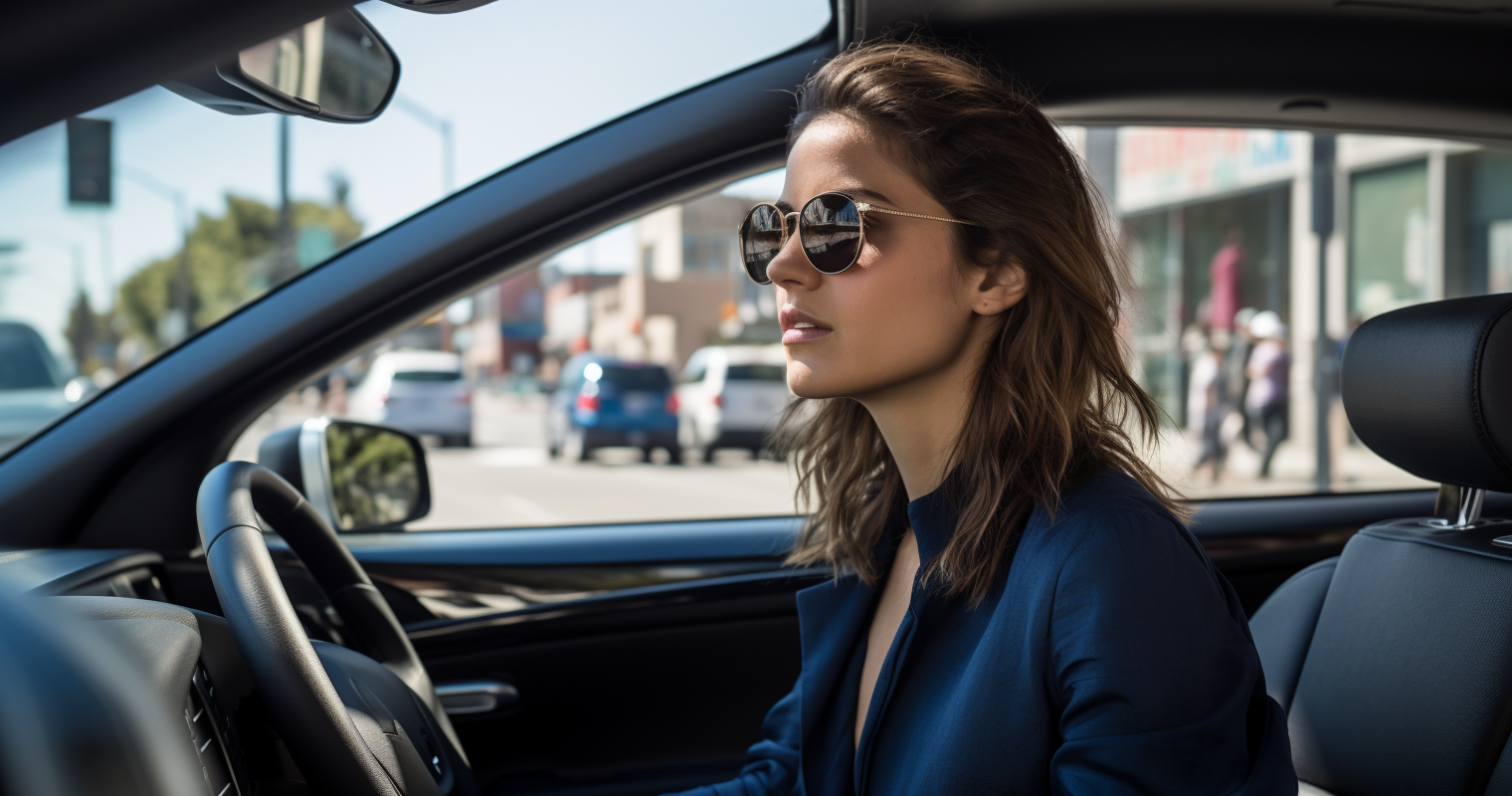
Getting behind the wheel in South Africa means entering a driving environment that differs in meaningful ways from most of Europe and the wider world. Vehicles travel on the left, the national highway speed cap sits at 120 km/h, and overseas licences are recognised for a period of up to three months. Road safety demands serious attention, but thorough preparation makes driving in this country an experience well worth having.
| Item | Details |
|---|---|
| Side of the road | Left-hand side |
| Speed limits (as of 2025) | 60 km/h urban, 100 km/h rural/secondary roads, 120 km/h national highways and freeways |
| Blood alcohol limit (as of 2025) | 50 mg per 100 ml of blood |
| Foreign licence validity | Up to 3 months; IDP required if licence is not in English |
| Road fatalities (2024) | Over 10,000 deaths recorded in 2024 |
| Emergency number | 10111 (police); 10177 (ambulance); 112 (all emergencies from mobile) |
Is South Africa safe to drive in?
The safety picture on South Africa’s roads is one that anyone planning to drive there must face honestly. In 2024 alone, more than 10,000 people died in road crashes, with the Minister of Transport confirming a toll of 10,154 fatalities by December of that year. The country’s road death rate sits at 20.7 per 100,000 people — substantially above the figures recorded across most of Western Europe, where equivalent rates generally fall between 3 and 6 per 100,000.
Human error underpins the vast majority of fatal collisions, accounting for 84.1% of incidents. Speeding, alcohol impairment, driver fatigue, and deliberate disregard for traffic regulations are the primary causes. Pedestrians and vehicle passengers bear the greatest burden of fatalities, making up 40% and 33% of victims respectively, while drivers account for the remaining 26%.
South Africa does maintain an extensive road network. Major national routes include the N1 linking Johannesburg and Cape Town, the N2 tracing the Garden Route between Cape Town and Durban, and the N3 connecting Johannesburg with Durban. Service stations appear at regular intervals along principal routes, typically offering fuel, restrooms, restaurants, ATMs, and shops. Urban freeways and well-kept national highways are broadly comparable to those found in many parts of the world, but conditions on rural and township roads can be a markedly different matter.
Away from the main arteries, road quality deteriorates quickly. Gravel roads are widespread; most are graded with reasonable regularity and can be navigated safely at reduced speeds, but caution is essential. After dark, hazards multiply considerably: pedestrians without reflective clothing, animals wandering across the road, and vehicles in poor condition create risks that are far less common on rural routes in Western Europe. Night driving in rural South Africa carries a substantially elevated level of danger, and many seasoned local drivers simply opt not to attempt it.
The provinces contributing most to fatal crash statistics are Gauteng at 23%, KwaZulu-Natal at 19%, Western Cape at 12%, and both Limpopo and Eastern Cape at 11% each — collectively representing 76% of all fatal crashes recorded in 2023. The Road Traffic Management Corporation (RTMC) and the Arrive Alive road safety platform publish detailed statistics and practical safety guidance that every driver in South Africa should take time to read.
What side of the road do you drive on in South Africa?
Traffic in South Africa travels on the left-hand side of the road, with the steering wheel located on the right-hand side of the vehicle. This is the same arrangement found in the United Kingdom, Australia, Japan, India, and numerous other countries. Drivers arriving from nations where traffic flows on the right — including most of continental Europe, the United States, and Canada — will need a period of conscious adaptation.
The greatest risk for drivers making this switch arises at junctions, roundabouts, and when pulling away after a stop or park. The deeply ingrained instinct to move to the right can create dangerous situations if not actively overridden. Turning left out of a side road — the equivalent of turning right in a right-hand-traffic country — requires particular concentration, as it is the manoeuvre most likely to produce a head-on collision. Drivers also accustomed to changing gear with their right hand may find operating controls with the left adds an extra layer of initial confusion.
Several practical measures can help during the settling-in phase: a small written reminder on the dashboard, a conscious mental note of “keep left” every time you rejoin a road after stopping, and heightened alertness at roundabouts, where traffic circulates clockwise. Most expats report that meaningful confidence returns within one to two weeks of regular driving, but sustained caution throughout the first full month is worthwhile.
What are the main driving rules in South Africa?
Speed limits: The applicable speed limits in South Africa are 60 km/h within urban areas, 100 km/h on secondary and rural roads, and 120 km/h on national highways and freeways. Limits are communicated through road signs and can vary along a given route, but will never exceed the 120 km/h national maximum. On gravel roads, speeds of between 60 km/h and 80 km/h are generally appropriate. Proposed reductions to national speed limits had not been implemented as of early 2025, according to confirmation from the Department of Transport.
Drink-driving: South Africa’s legal blood alcohol threshold is 50 mg per 100 ml of blood — a stricter limit than some countries apply, and one where even a single drink could push a person over the line. This mirrors the limits applied in countries such as Germany and France. Given the country’s road safety context, in which alcohol is a significant factor in fatal crashes, the practical guidance from authorities is unambiguous: if you are driving, do not drink.
Mobile phones: Operating a handheld mobile phone while at the wheel is unlawful in South Africa. Calls may only be made or received using a hands-free setup. Sending or reading text messages while driving is equally prohibited. Violations attract fines and demerit points under the developing AARTO framework (see below).
Seatbelts and child safety: Every person travelling in a vehicle must wear a seatbelt. Children may not occupy the front seat without a proper restraint system in place. Child seats are mandatory for young children, and any seat used should conform to the relevant safety standards. For detailed and current child restraint regulations, consult the Department of Transport.
Right of way and four-way stops: Among the features of South African roads that catch newcomers off guard is the prevalence of four-way stops — also referred to as all-way stops. At these intersections, vehicles proceed strictly in the order of their arrival. Where two vehicles reach the stop simultaneously, the vehicle on the right takes priority. These junctions require drivers to apply their own judgement rather than following automated signals, so approaching them with care and patience is essential.
Traffic fines and the AARTO system: South Africa is progressively introducing the Administrative Adjudication of Road Traffic Offences (AARTO) demerit system. Under this scheme, all licence holders begin with a zero demerit score, and each infringement adds a specified number of points against the licence of the driver responsible. On-the-spot fines are issued as tickets to be paid at a bank or police station within a defined window — ordinarily 14 days. It is never legitimate for a police officer to demand cash payment on the roadside; if this happens, request payment through official channels or ask for a formal receipt. The Road Traffic Infringement Agency (RTIA) publishes current fine schedules and is the appropriate authority to consult.
What equipment are you legally required to carry in your car in South Africa?
Compared to some countries — France, for example, where a warning triangle, high-visibility vest, and breathalyser are all mandatory items in every vehicle — South Africa’s legally prescribed list of in-car equipment is relatively brief. Even so, best practice on South African roads goes considerably beyond what the law strictly demands.
The items below are either required by law or strongly recommended by South African road safety authorities:
- Spare wheel (or tyre repair kit): Although not explicitly written into law as a mandatory requirement, venturing onto South African roads — including gravel surfaces and pothole-ridden routes — without a usable spare or a reliable repair kit is strongly inadvisable.
- Reflective warning triangle: Mandated under the National Road Traffic Act. Following a breakdown or collision, drivers are legally obliged to position a warning triangle at least 45 metres behind the vehicle on a standard road, or at least 150 metres behind on a freeway, to alert approaching traffic.
- Fire extinguisher: A legal requirement for certain vehicle categories, including public transport and those carrying hazardous goods. For privately owned passenger vehicles it is not legally compulsory but is strongly advised.
- First aid kit: Not required by law in private vehicles, but consistently recommended by Arrive Alive and other road safety bodies given the considerable distances that can separate an incident from the nearest medical facility.
- Valid licence disc: The annual vehicle licensing and roadworthiness sticker must be affixed to the windscreen and kept up to date at all times.
A breathalyser is not a legal requirement in South Africa (in contrast to France’s mandatory rule), and high-visibility vests are not obligatory for private vehicle occupants — though keeping them in the car is sensible. Drivers of foreign-registered vehicles should ensure their vehicle satisfies both the requirements of its registration country and South Africa’s basic safety equipment standards. For a definitive and current statement of legal requirements, refer to the Road Traffic Management Corporation or the Department of Transport.
What are the most important road signs in South Africa?
South Africa’s road signing system is rooted in the Vienna Convention on Road Signs and Signals, so drivers from the many countries that are also signatories — including the majority of European nations — will recognise much of it. The familiar logic of shapes and colours applies: red triangles signal warnings, red circles denote prohibitions, blue circles or rectangles carry mandatory instructions, and green or blue rectangles provide directional and informational guidance.
That said, several signs and conventions are unique to South Africa or appear far more frequently here than elsewhere:
- Four-way stop signs: These are encountered throughout the country and are identified by a rectangular supplementary plate beneath the standard stop sign, reading “4-WAY” or “ALL WAY”. As outlined above, all drivers must come to a full stop and yield in the order they arrived.
- Yield signs: South Africa uses the word “YIELD” on its give-way signs rather than the “GIVE WAY” wording familiar to British and Australian drivers.
- Freeway signs: National routes carry green signs displaying their route numbers (N1, N2, and so on). Metropolitan routes appear on blue signs, while regional routes use white signs with their corresponding numbers.
- Speed hump signs: Road humps are a frequent feature of South African roads, appearing on rural roads and in townships as well as in urban areas. Warning signs are posted in advance, though the distance between sign and hump is not always generous. Approaching any unfamiliar road at a cautious speed is good practice.
- Pedestrian crossing signs: These follow the international standard but deserve particular alertness in South Africa, where pedestrian deaths on the roads account for a disproportionately high share of all fatalities.
Traffic lights (robots): South Africans refer to traffic lights as “robots” — a term that tends to puzzle newcomers on first encounter. The operating sequence mirrors that of most countries: red means stop, amber means prepare to stop or proceed with care if already in motion, and green means go. One important local nuance: in certain areas at night, traffic lights switch to a flashing amber or red mode, effectively converting them to yield or stop signs respectively. A flashing red should be treated as a four-way stop. In high-crime urban areas, many experienced local drivers practise slowing down rather than stopping completely at red lights during late-night hours — a widely discussed safety precaution — but be aware that legally you remain bound to obey traffic signals. Seek local advice specific to the areas you plan to drive through.
What must you do if you have a road accident in South Africa?
South African law places specific obligations on everyone involved in a road traffic collision. Failing to comply with these obligations can expose you to criminal liability regardless of whether you were at fault for the crash. The South African Police Service (SAPS) is the principal authority for road incidents, operating alongside provincial traffic departments.
- Bring your vehicle to a halt immediately. Regardless of how minor the collision may appear, the law requires you to stop. Departing the scene without stopping constitutes a criminal offence.
- Secure the scene and contact the emergency services. If it is safe to do so, move injured persons away from ongoing danger. Dial 10111 for SAPS, 10177 for an ambulance, or 112 for all emergency services from a mobile phone. Deploy your warning triangle to alert approaching traffic.
- Share your details with other parties. The law requires you to provide your name, address, and vehicle registration number to any other party involved. If you have damaged an unattended vehicle and the owner is absent, leave your contact details somewhere clearly visible or proceed to the nearest police station to report it.
- File a police report. Where the accident has resulted in injury or death, or where the other driver cannot be identified, you are required to report the incident to the nearest police station within 24 hours. Even when the collision is minor and no one is hurt, making a report is strongly advisable for insurance purposes.
- Gather evidence at the scene. Photograph all vehicles involved, the extent of the damage, the condition of the road, and any visible road signs or markings. Record the contact details of any witnesses present.
- Inform your insurer promptly. Notify your insurance company as soon as possible after the incident, even if you have no intention of making a claim. Most policies impose a duty of timely notification. Retain the SAPS case reference number for your records.
- Explore your Road Accident Fund entitlement. South Africa’s Road Accident Fund provides compensation to road accident victims for loss arising from bodily injury or death caused by another party’s negligent driving. Both residents and visitors affected by accidents where another driver was at fault may be eligible to lodge a claim. Consult the RAF website for current eligibility criteria and claim procedures, as these are subject to change.
Current emergency numbers (as of 2025): 10111 (SAPS — police), 10177 (national ambulance service), 112 (all emergencies via mobile phone). Individual provinces and metropolitan areas may also operate dedicated traffic emergency lines — check with your local municipality for numbers specific to your area.
Where can you find up-to-date road traffic information for South Africa?
Keeping abreast of road conditions, traffic disruptions, and route options is relatively straightforward in South Africa’s larger cities, though coverage becomes thinner in rural regions. The most complete picture comes from combining official sources, navigation applications, and broadcast radio.
Official sources: The Road Traffic Management Corporation (RTMC) publishes road safety reports and incident statistics. The Arrive Alive website functions as South Africa’s primary road safety information hub and carries current road safety news, incident updates, and practical driving guidance. The South African National Roads Agency Limited (SANRAL) oversees the national road network and publishes information about toll roads, planned closures, and network conditions.
Navigation and mapping applications: Both Waze and Google Maps enjoy widespread use across South Africa and deliver real-time data on traffic flow, accident alerts, speed trap warnings, and route optimisation. Waze in particular benefits from an active local user community that reports hazards, incidents, and enforcement activity with considerable promptness. Both platforms perform reliably in major urban centres; rural coverage is workable but may be slower to reflect conditions on very minor routes.
Radio traffic broadcasts: Bulletins covering traffic conditions are aired regularly on major South African radio stations. In Johannesburg, 702 is a principal source; in Cape Town, 567 CapeTalk fills that role; regional SABC stations serve other areas. Most stations carry dedicated traffic and travel updates during morning and afternoon peak periods.
Gauteng freeway information: For drivers in Gauteng specifically, the SANRAL website provides detail on the province’s freeway management system, including variable message signs, lane control, and live freeway alerts. Verify that any links and digital portals are current, as South Africa’s online traffic infrastructure is continuously being developed and updated.
How does parking work in South Africa?
The parking landscape in South Africa varies considerably depending on whether you are in a city centre, a suburban neighbourhood, or a small rural town. In major urban centres such as Johannesburg, Cape Town, Durban, and Pretoria, parking is predominantly a paid activity, whether in multi-storey structures, open surface lots, or metered on-street bays. Genuinely free parking is scarce in city centres, though rates tend to be reasonable by international standards.
Parking regulations: Vehicles must always be parked facing the direction of traffic flow. Parking on a yellow line is forbidden, and stopping or parking on a red line is also prohibited. Mounting the pavement to park or stopping within five metres of a junction or intersection is unlawful. Rather than the ticket-machine model common across much of Europe — where a receipt from a pay-and-display machine must be placed on the dashboard — many on-street paid parking areas in South Africa operate through a system of informal attendants known as car guards. These individuals are not employed by local authorities but assist with parking manoeuvres and expect a small gratuity, typically R5–R10 per hour as of 2025. While there is no legal obligation to tip car guards, doing so is the accepted cultural norm and their presence can serve as a practical deterrent to vehicle crime.
Paid parking and permits: Shopping centre car parks — both multi-storey and surface level — are found throughout South Africa and are generally either free for customers or charge modest hourly rates. Residential on-street parking permits for designated spaces are administered by individual municipalities; the application process and associated costs vary by location and are subject to change, so contact your local municipality directly for current information.
Disabled parking: Bays reserved for disabled drivers (marked with the international wheelchair symbol) are available at shopping centres, public buildings, and in on-street locations across major cities. Vehicles using these bays must display a valid South African disabled parking permit. These permits are issued by local municipalities through the relevant provincial Department of Transport. Foreign disabled parking permits are not automatically valid in South Africa; anyone relocating will need to apply for a locally issued permit. Contact your municipality or provincial transport department for current application requirements, supporting documents, and any applicable fees. For national policy guidance on disability parking, the Department of Transport is the appropriate reference point.
Can you drive in South Africa on a foreign or international licence?
Foreign nationals wishing to drive in South Africa must hold a full driving licence issued in their home country. Licences printed in English are accepted as they stand; where a licence is issued in any other language, an International Driving Permit (IDP) must accompany it as a translation document. This is a significant practical point: if your licence is written in French, German, Arabic, Mandarin, or any language other than English, you must carry both your licence and a valid IDP whenever you drive.
Foreign licences printed in English are broadly accepted for driving in South Africa, but only for up to three months. After that period, a South African licence is required. The three-month window runs from the date you establish ordinary residence in the country, not necessarily from the date you first entered. If you are arriving on a long-term basis — whether for work, study, or permanent settlement — you should factor in converting your foreign licence within this timeframe. The broader requirement is that a South African equivalent must be obtained within five years of taking up residence, after which a foreign licence may lose its legal standing. Always check the current position with the RTMC or eNaTIS, as requirements can be revised.
International Driving Permit (IDP): An IDP is a supplementary document and cannot function independently — your domestic licence must always be carried alongside it. Officially recognised under United Nations conventions, IDPs are accepted in more than 150 countries as an internationally legible form of identification. South African licence holders who wish to drive abroad can obtain an IDP through the Automobile Association of South Africa (AA).
Converting a foreign licence: The conversion process takes place at a driving licence testing centre (DLTC). Depending on your country of origin and the category of licence held, you may be asked to pass a learner’s test, a yard test, and/or a road test. Precise documentation requirements and procedures should be confirmed with your nearest DLTC or the Department of Transport, as the process and any applicable fees (as of 2025) are subject to revision. Bring your foreign licence, your IDP if applicable, your passport, and proof of residence when you attend.
Car hire and licences: Car rental companies in South Africa typically require a full photo-bearing driving licence, and most will additionally ask for an IDP if your licence is not in English or does not use the Roman alphabet. Confirm the precise requirements with your chosen hire company before you travel.
Frequently Asked Questions About Driving in South Africa
Are there toll roads in South Africa, and how do I pay?
Toll roads exist throughout South Africa, and the great majority accept both card and cash at booths positioned at the end of each tolled section. Gauteng is the exception, offering prepaid passes valid for one day or longer periods. The open-road e-tolling system on Gauteng’s urban freeways has had a turbulent history — consult the SANRAL website for the most accurate and current information on tolling arrangements in your area, given that the system has undergone significant changes.
Do I need car insurance to drive in South Africa?
Comprehensive motor vehicle insurance is not a legal requirement for private vehicles in South Africa, unlike in many European countries. South Africa does operate the Road Accident Fund (RAF), a compulsory state compensation scheme funded in part through a levy on fuel. The RAF compensates victims of road accidents for bodily injury or death caused by another driver’s negligence. Critically, it does not cover damage to your vehicle. Taking out comprehensive or third-party vehicle insurance is strongly recommended and widely available; without it, you carry the full financial risk of repairs following an accident.
What are the penalties for drink-driving in South Africa?
Failing a breathalyser test and the subsequent blood test will result in a fine, the loss of your licence, and prosecution through the courts, potentially including a custodial sentence. Drink-driving is classified as a criminal offence in South Africa, and the penalties reflect that — fines can be substantial, licence suspension is standard, and imprisonment is a real possibility. Enforcement is particularly intensive during peak festive periods, when alcohol-related crashes are at their highest. The message from authorities is unambiguous: the only safe choice is not to drink if you are driving.
What are the rules for driving with children in South Africa?
Every child travelling in a vehicle must be secured in an appropriate restraint. This means correctly fitted child seats or booster seats for young children and infants — the specific requirements by age and body weight should be verified with the Department of Transport. Children are not permitted to travel in the front seat unless a suitable restraint system is in place. Following the manufacturer’s guidelines on weight and height when choosing and fitting infant or child seats is essential.
Is there a vehicle roadworthiness requirement in South Africa?
Yes. Every vehicle registered in South Africa must carry a valid licence disc — also known as a motor vehicle licence — which is renewed on an annual basis and displayed on the windscreen. This differs from a roadworthiness certificate, which is specifically required when a vehicle is being sold or re-registered. A vehicle found to be unroadworthy during a police inspection or following an accident investigation may be impounded. The eNaTIS portal is the appropriate resource for registration and licensing requirements.
Are speed cameras common in South Africa?
Speed camera detection devices are not prohibited in South Africa. Both fixed and mobile cameras are deployed, with a particular concentration on national routes and urban freeways. If a camera catches a driver using a hire car, the rental company will pass the fine through to the hirer’s credit card along with an administration fee. Traffic officers operating handheld or vehicle-mounted speed measurement equipment are also commonly encountered. Many Waze users in South Africa flag active camera positions in real time, making the app a useful supplementary tool.
What is the minimum driving age in South Africa?
The minimum age to hold a full driving licence and drive independently in South Africa is 18. Car hire companies, however, frequently set their own minimum age — often 25 — before they will rent a vehicle to a driver, and younger drivers who do qualify may face a daily surcharge reflecting their age. Applying for a learner’s licence is possible from the age of 17.
Is it safe to drive at night in South Africa?
Driving after dark carries a significantly higher level of risk in South Africa, especially outside major urban centres. Pedestrians without reflective clothing, livestock crossing the road, vehicles with faulty or absent lights, and deteriorating road surfaces all raise the danger considerably once daylight fades. Fatal crash data shows that weekends — Friday through Sunday — are the most dangerous, with the window between 17:00 and 22:00 recording the highest concentration of fatal incidents. When night driving is unavoidable, keeping to well-lit national routes, ensuring your own headlights are fully operational, and reducing your speed are all prudent measures. A great many experienced residents in South Africa make a firm personal rule of avoiding rural roads entirely after dark.