
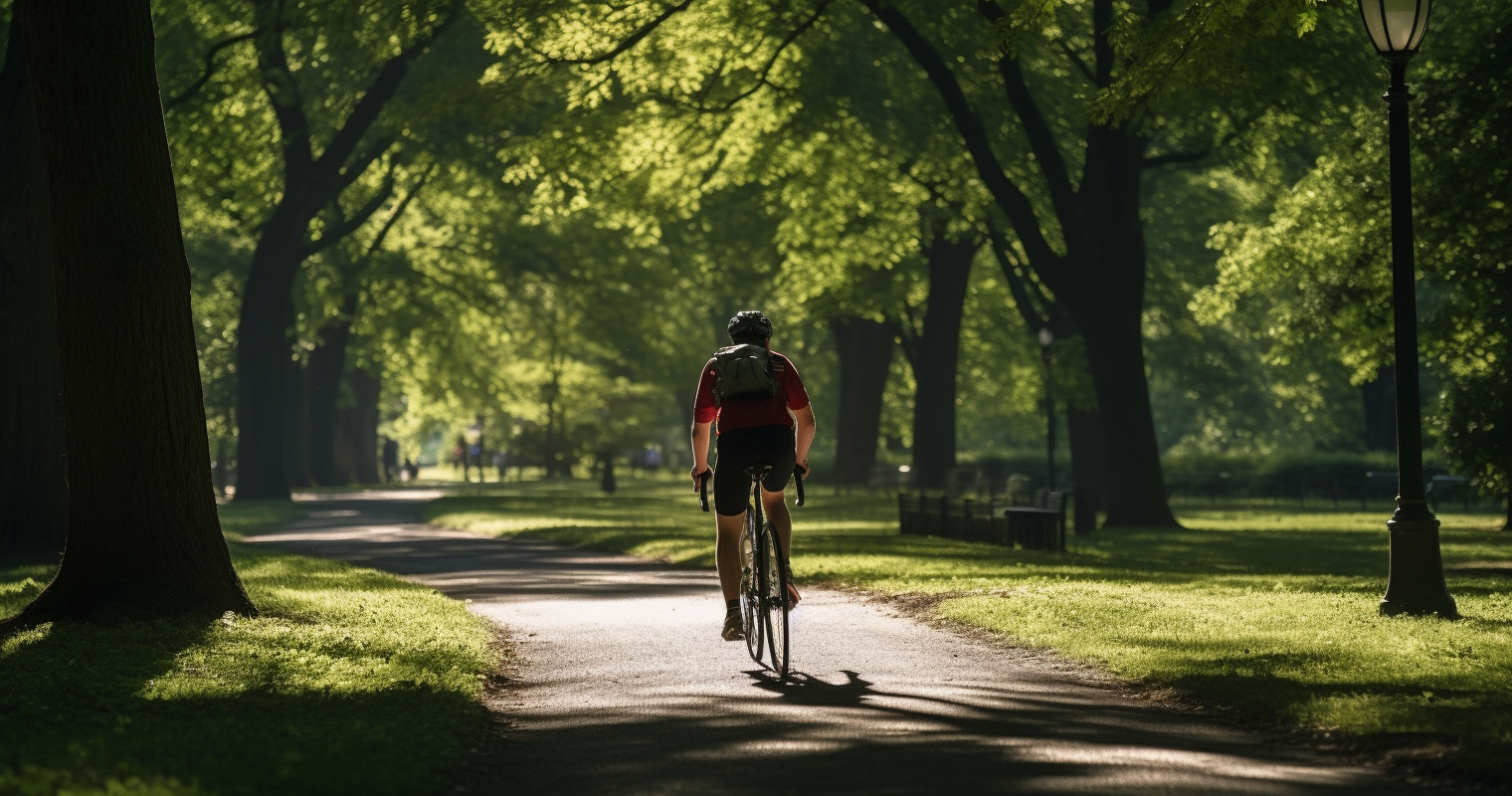
Few countries in Latin America can match Colombia’s passion for cycling. The sport is woven into daily life, from purpose-built urban cycle networks to competitive road racing traditions stretching back over seven decades. Bogotá and Medellín are regional leaders when it comes to dedicated cycling lanes, bike-share programmes, and car-free street events. Whether you plan to pedal to work each morning or simply explore the countryside on weekends, cycling offers expats in Colombia a rewarding and practical way to engage with their new home.
| Item | Details |
|---|---|
| Helmet law | Helmets are legally required for all cyclists under Colombian law |
| Bogotá bike lane network | Over 600 km of permanent ciclorrutas (as of 2024) |
| Ciclovía (car-free Sundays) | Over 100 km of streets closed to cars every Sunday and public holiday in Bogotá; approximately 2 million participants weekly |
| Cycling modal share (Bogotá) | Approximately 8–10% of daily trips made by bicycle (as of 2019–2024) |
| Medellín EnCicla bike-share | Free public bike system with 50 stations and 1,300 bicycles integrated with metro |
| Minimum passing distance (motor vehicles) | 1.5 metres required by law when overtaking a cyclist |
How popular is cycling in Colombia — is it a common way to get around?
Over recent decades, cycling has embedded itself firmly into Colombian life at two distinct levels: as a widely cherished sport and recreational pastime, and as an increasingly prominent form of everyday urban travel. Both dimensions are visible and significant, and newly arrived expats will encounter them within days of settling into any major Colombian city.
After football, cycling is arguably Colombia’s most beloved sport — a fact that becomes apparent during weekend mornings in any large city, when groups of riders pour through the streets and tackle the surrounding hills. The roots of this cycling culture reach back to 1951, when the first edition of the Vuelta a Colombia was held. Inspired by the Tour de France, this staged road race — the oldest of its kind in Latin America — captured the national imagination and ignited a passion for cycling that has only grown stronger over the generations.
Today, Bogotá stands out as one of the most bicycle-friendly cities on the continent, with 608 kilometres of permanent cycling lanes and bicycles accounting for up to 10 per cent of the city’s daily transport movements. According to Bogotá’s own Encuesta de Movilidad survey from 2019, cycling represented around 8% of all trips — approximately 900,000 journeys per day. To put that in perspective, cycling accounted for just 3% of trips across England in 2020. While Bogotá has not yet reached the levels of Amsterdam or Copenhagen, where cycling makes up 25–30% of all journeys, the comparison underlines just how deeply the bicycle has penetrated the city’s daily rhythms.
Cycling is not a phenomenon confined to the capital. Across cities of varying sizes, elevations, and climates, two-wheeled travel is steadily gaining ground. In rural areas, bicycles have long served as an affordable and practical means of transport for local communities. The sport has taken particular hold in the Andean region — especially in the departments of Antioquia, Boyacá, and Cundinamarca — which have produced the overwhelming majority of Colombia’s celebrated professional riders and world-class champions.
What is the cycling infrastructure like in Colombia?
Bogotá boasts a city-wide network of dedicated cycling paths stretching over 600 kilometres — the most extensive in Latin America and one of the largest anywhere in the world. Known locally as ciclorrutas, these routes connect the city centre, residential neighbourhoods, TransMilenio bus terminals, and parks and cultural attractions. Cyclists travelling on a cicloruta average around 17 km/h, compared with just 13 km/h for public transport during peak hours — a meaningful advantage for daily commuters.
Despite its scale, Bogotá’s cycling network has real shortcomings. Routes are often fragmented, compelling cyclists to navigate stretches of busy road where no dedicated infrastructure exists. Maintenance gaps and uneven surface quality continue to affect usability across parts of the system. In this respect, Bogotá resembles many large European cities where significant investment has been made but seamless end-to-end connectivity remains an ongoing project rather than a finished achievement.
Medellín operates EnCicla, a free public bicycle system comprising 50 stations and 1,300 bicycles, fully woven into the city’s wider transport network via Metro and Metroplús interchange points. EnCicla was developed as a central pillar of Medellín’s Metropolitan Bicycle Master Plan, which sets a target of 10% of all trips in the Aburrá Valley being made by bicycle by 2030. Medellín began investing in cycling infrastructure around the turn of the century and already has an extensive path network, with ambitious plans for further expansion in the years ahead.
Bike-sharing initiatives have also been established in Bucaramanga, Cali, Bogotá, and Montería, signalling that cycling infrastructure is spreading well beyond the two main cities. In smaller urban centres and rural areas, however, dedicated provision remains limited and road conditions can be inconsistent. Expats relocating to mid-sized or smaller towns should expect a more variable experience and will benefit from planning routes with care.
At the national level, key policy frameworks guiding sustainable urban transport include the National Development Plan, the National Urban Transport Policy, and the sectoral mitigation action plans for transportation. The National Urban Transport Policy addresses passenger mobility across Colombian cities with specific attention to non-motorised transport and road safety. The Ministry of Transport (Ministerio de Transporte) is the primary national body responsible for transport policy and publishes route maps and planned developments on its website.
Is cycling safe in Colombia?
The safety picture for cyclists in Colombia is genuinely mixed. Sustained investment in cycling infrastructure in Bogotá and Medellín has made urban riding considerably safer over the past two decades, yet real challenges persist — especially on roads that cyclists share with heavy motor vehicle traffic, including large numbers of motorcycles.
Colombian law provides a meaningful framework of protections for cyclists: motor vehicle drivers must give priority to cyclists and pedestrians; parking in dedicated cycling lanes is prohibited; and vehicles overtaking a cyclist must leave a minimum clearance of 1.5 metres. In practice, however, enforcement of these rules is uneven and varies considerably from one area to another.
Congestion on Bogotá’s ciclorrutas has become an increasing concern, with electric bicycles and scooters sharing space with conventional cyclists. Current rules cap electric cycle-path users at 25 km/h and 35 kilograms. The presence of illegally powerful electric mopeds on ciclorrutas has emerged as a growing safety issue, and expats should be aware that dedicated cycling lanes are not always as free from motorised traffic as they might initially appear.
One factor that can catch people arriving from Northern Europe or North America off guard is the influence of security concerns on everyday travel decisions. In some Colombian cities, fear of crime discourages people from cycling or using public transport, particularly at certain times of day or in certain neighbourhoods. Bicycle theft is a well-known problem; investing in a quality lock and avoiding leaving a bike unattended in unsecured locations is strongly advisable.
Colombian law requires all cyclists to wear an appropriate helmet — this is a legal obligation rather than merely a recommendation, comparable in approach to Australia’s national helmet laws, though enforcement in Colombia varies. The Agencia Nacional de Seguridad Vial (ANSV) — the national road safety authority — publishes cycling accident statistics and is the authoritative source for current safety data. Consulting the ANSV website before drawing conclusions about the relative safety of specific routes or areas is always worthwhile.
What are the rules of the road for cyclists in Colombia?
Cycling regulations in Colombia are primarily set out in the National Highway Code (Código Nacional de Tránsito, Law 769 of 2002), with significant additions and amendments introduced by Law 1811 of 2016, which brought in new protections and obligations for cyclists. The Ministry of Transport is the authoritative source for the complete and up-to-date legal text.
Key rules that cyclists in Colombia must observe include:
- Helmets: All cyclists on public roads are legally required to wear an appropriate helmet, regardless of age.
- Use of cycle lanes: Where designated ciclorrutas exist, cyclists must use them. This can create friction where lanes are congested or in poor condition.
- Passing distance: Motor vehicles must maintain a minimum of 1.5 metres when overtaking a cyclist, and parking in cycle lanes is prohibited by law.
- E-bike rules: Electric bicycles with motors of 350 watts or less, a maximum speed of 25 km/h, and a weight of no more than 35 kilograms may use cycle paths. More powerful electric vehicles are classified differently and subject to additional requirements.
- Alcohol: Cycling under the influence of alcohol is prohibited. Colombia applies a zero tolerance standard (0.0‰) for vehicle operators, and cyclists fall within the scope of traffic law. Always verify the current position with the ANSV.
- Lighting: Front and rear lights are strongly recommended for riding after dark. Check current requirements with the Ministry of Transport for any specific legal obligations regarding lighting.
An important caveat is that legal rules are not always uniformly enforced, and individual municipalities may introduce supplementary local measures. Bogotá’s Secretaría Distrital de Movilidad, for example, issues local transport orders that add to the national framework. If you are moving to a specific city, contact the local transport authority to identify any municipality-level requirements alongside national law.
Do I need to register my bike or have insurance to cycle in Colombia?
There is no mandatory registration requirement for standard pedal bicycles in Colombia. Unlike motor vehicles, conventional bikes do not need to be entered in any national transport registry or fitted with licence plates. This is consistent with the approach taken in most countries — voluntary registration schemes exist in some places, but compulsory registration of pedal cycles is not the norm here.
Equally, there is no statutory third-party liability insurance requirement for cyclists riding ordinary pedal bicycles. That said, given the realities of urban traffic conditions, taking out personal accident or liability cover through a private insurer is a sensible precaution — particularly for those who commute regularly or ride in heavy traffic. Several Colombian insurance providers offer personal accident policies that include cycling incidents.
Higher-powered electric mopeds — those capable of up to 4,000 watts and speeds exceeding 40 km/h — fall into an entirely different regulatory category. Riders of such vehicles must register them, hold an appropriate licence, wear a helmet, and purchase obligatory health insurance (SOAT), albeit at a lower tariff than applies to petrol-powered motorbikes. If you intend to ride an electric bike, establish its wattage classification carefully before buying, as the legal requirements diverge substantially depending on the power output of the motor.
For the most current guidance on registration and insurance obligations — particularly given how rapidly e-bike regulations are evolving — consult the Ministerio de Transporte and the Federación de Aseguradores Colombianos (Fasecolda), the body that oversees the insurance industry in Colombia.
Are there public bike-sharing or rental schemes in Colombia?
Medellín’s EnCicla system is one of the most developed integrated bike-share programmes in Latin America. It encompasses 50 stations and 1,300 bicycles, all linked seamlessly into the city’s broader mass transport network at Metro and Metroplús interchange points. The scheme was created as part of Medellín’s Metropolitan Bicycle Master Plan and is available free of charge to registered users. Visit encicla.gov.co for registration details and current station maps.
In Bogotá, more than half of all households own at least one bicycle, but for those who do not, borrowing a bike is straightforward. Virrey Park in the north of the city makes 50 bicycles available through the Pedelea Por Bogotá scheme. Additional lending points are located at Santander Park and Plaza Bolívar, where city bikes can be borrowed at no cost by pre-registered users.
Bogotá also has a docked bike-share system operated by Tembici — one of Latin America’s leading mobility operators — offering a mix of conventional and electric bicycles. Pricing structures change periodically; check the operator’s website or the Secretaría Distrital de Movilidad for current subscription plans and station locations (always verify directly with the operator for the latest fares, as of 2025).
For tourist-oriented or longer-duration hire, private rental outlets are easy to find in Bogotá, Medellín, Cartagena, and other popular destinations. Rates for standard bicycles typically start from around COP 15,000–30,000 per hour, though charges vary by location and bicycle type — confirm current pricing with the operator, as of 2025.
Where can I buy or service a bike in Colombia?
Given the country’s deep cycling culture, it is no surprise that Bogotá is home to some of the best-stocked bicycle retailers on the continent. Well-regarded shops include Cornelia, Cletta, Bike House, Bike Tech, Trotar, and Strongman, many of which carry not only a full range of bicycles, safety equipment, and technical components, but also custom builds and specialist accessories.
The Colombian cycling market is mature and well-supplied, especially in Bogotá, Medellín, and Cali. Road, mountain, urban, and hybrid bikes are available from specialist retailers and larger sporting goods chains alike. Entry-level models start from around COP 400,000–700,000 (check current exchange rates), while quality road or mountain bikes from established international brands are priced at broadly similar levels to those found in European or North American markets. As a major cycling nation, Colombia stocks most globally recognised brands.
Used bicycles are widely available through platforms such as OLX Colombia and Facebook Marketplace, as well as dedicated cycling communities and forums. As with any second-hand purchase, expats should inspect frames carefully for damage and verify the seller’s identity where possible to reduce the risk of inadvertently buying stolen goods.
In Medellín, repair paths run alongside major urban arteries, accessible from affluent neighbourhoods to the city’s more outlying districts. Both Bogotá and Medellín have abundant independent repair workshops (talleres de bicicletas) offering affordable servicing. Consumer rights in Colombia fall under Law 1480 of 2011 (the Consumer Statute), which provides warranty protections for new goods — generally a minimum of one year for manufacturing defects, broadly comparable to consumer protection regimes in many other markets.
Can I bring my bike when I move to Colombia, and are there any import rules?
Relocating to Colombia with your bicycle is entirely feasible, but understanding the customs framework before you ship is essential. Colombia’s customs authority, the DIAN (Dirección de Impuestos y Aduanas Nacionales), governs all import procedures and remains the definitive source for current requirements.
Colombia’s national customs regime underwent significant revision in 2024. The Ministry of Finance and Public Credit issued Decree 659 of 2024, partially amending the existing Customs Code (Decree 1165 of 2019) to modernise customs procedures and enhance the country’s logistical performance. The Decree introduces changes to the import regime, customs classification, and related areas. One of the key new requirements is the submission of an Advance Declaration for all import operations — this must be lodged at least 48 hours before the goods reach Colombian territory.
For individuals relocating to Colombia as new residents, personal effects — including bicycles — may qualify for an import duty exemption under the menaje doméstico (household goods) regime, provided the items are used, have been owned for a minimum period, and arrive within the permitted timeframe after the applicant establishes residency. Bicycles shipped as personal sporting equipment within a household goods consignment are generally treated more favourably than commercial imports. However, the specific conditions, timelines, and documentation requirements are subject to change, so you should:
- Confirm your eligibility for the household goods exemption with the DIAN before arranging shipment.
- Engage a licensed Colombian customs broker (agente de aduanas), as professional assistance is strongly recommended to ensure full compliance and to expedite clearance.
- Declare the bicycle accurately — including make, model, and value — on all shipping documentation.
- Retain evidence of prior ownership, such as purchase receipts and photographs, to support your personal use claim.
If a bicycle is imported as a new commercial item rather than a personal effect, standard import duties and VAT (currently 19% in Colombia, as of 2024) may apply. Always verify current tariff codes and rates with the DIAN or a customs broker before shipping, as these figures can change.
What are the best cycling routes or destinations in Colombia?
In recent years, Colombia’s tourism agencies have begun actively promoting bicycle touring as a way to experience the country’s extraordinary natural and cultural diversity. With terrain ranging from towering Andean passes to flat Caribbean plains, Colombia can offer 38 distinct cycling itineraries for those wishing to explore beyond the cities.
Among the most celebrated routes and destinations are:
- Bogotá’s Ciclovía and surrounding climbs: The Páramo del Verjón, on the road linking central Bogotá with Choachi, is considered one of the most scenic ascents in the city’s immediate surroundings. The weekly Ciclovía event itself — transforming over 100 kilometres of streets into car-free space every Sunday in a metropolis of nearly 9 million people — is an experience no newly arrived cyclist should miss.
- Boyacá and the Altiplano Cundiboyacense: This highland department contains some of the most legendary climbs in Colombian cycling, many of which feature in the Vuelta a Colombia. The roads around Villa de Leyva, Tunja, and the high passes of the Eastern Andes draw dedicated riders from across the country and from abroad.
- The Coffee Region (Eje Cafetero): The departments of Caldas, Risaralda, and Quindío offer scenic mountain riding through coffee plantations and cloud forest, supported by a growing network of cycle-friendly lodging and services.
- Medellín’s urban network and surroundings: City bike paths run alongside major arteries and connect riders to parks, universities, library parks, and tourist attractions. Combining a ride through the city with the Metrocable ascent to Parque Arví is a favourite outing among locals and visitors alike.
- The Caribbean coast: The flatter topography around Cartagena and the Guajira Peninsula suits those seeking long-distance rides rather than mountain climbing, with coastal roads offering dramatic scenery along the way.
Though Colombia’s bicycle tourism potential remains largely untapped, the country possesses the landscapes, climate variety, and cultural richness to establish itself as a major international cycling destination. For route planning, the Colombia Tourism Board (ProColombia) and the Federación Colombiana de Ciclismo are valuable official resources for curated itineraries and details of upcoming cycling events.
Frequently asked questions about cycling in Colombia
Is cycling a realistic option for commuting to work in Bogotá?
Yes — for a great many people living and working in Bogotá, cycling is both a practical and time-competitive way to commute. The cicloruta network allows cyclists to move at an average of 17 km/h, compared with 13 km/h for public transport during rush hour. The main variables are how directly your route aligns with the existing cicloruta network and whether you have secure cycle storage at your workplace or destination.
Do I legally have to wear a helmet when cycling in Colombia?
Yes — Colombian law requires all cyclists to wear an appropriate helmet. This is a legal obligation rather than a mere recommendation. Enforcement varies in practice, but wearing a helmet is strongly advisable regardless of where you are riding — particularly on any road shared with motor vehicles.
Is bike theft a major problem in Colombia?
Bicycle theft is a genuine concern in Colombian cities, particularly in Bogotá and Medellín. Using a high-quality D-lock or chain lock in addition to any built-in frame lock, and avoiding leaving your bicycle unattended in poorly lit or unsupervised locations, significantly reduces your risk. Facilities that meet certified standards for safe cycle parking can receive a quality seal, allowing cyclists to identify trustworthy parking locations. Making use of accredited secure cycle parking wherever available is one of the most effective ways to protect your bike.
What is the Ciclovía, and is it suitable for new cyclists?
On 15 December 1974, a small group of Bogotá residents closed 5 kilometres of road to motor traffic and the Ciclovía — or “Open Streets” — was born. Today the event closes over 100 kilometres of streets to cars every Sunday and public holiday across a city of nearly 9 million inhabitants, drawing approximately 2 million participants each week. It is welcoming for all abilities and ages, with families, beginners, and competitive cyclists all sharing the space together.
Are there cycling routes outside of Bogotá and Medellín?
Colombia’s varied landscape and diverse climates support 38 cycling itineraries spread across the country, taking in everything from the flat expanse of the Caribbean lowlands and the Amazon basin to demanding Andean mountain passes. The Boyacá highlands, the Coffee Axis, and the Caribbean coastline each offer their own distinctive cycling experiences far beyond the two main cities.
Can I use a standard bicycle on Bogotá’s ciclorrutas, or do I need a special bike?
Any conventional pedal bicycle — whether road, mountain, hybrid, or urban — can be used on Bogotá’s ciclorrutas. Electric bicycles with motors of 350 watts or less, a top speed of 25 km/h, and a weight under 35 kilograms are also permitted on cycle paths. More powerful electric vehicles are not allowed in dedicated cycling lanes and must use the carriageway.
Where can I find official information about cycling rules and infrastructure in Colombia?
The main official sources are the Ministerio de Transporte for national traffic law and cycling regulations, the Agencia Nacional de Seguridad Vial (ANSV) for road safety statistics, and the Secretaría de Movilidad of whichever city you live in for local rules and infrastructure maps. The Federación Colombiana de Ciclismo is the national cycling federation and a valuable resource for sporting events and touring information.
Is cycling in Colombia’s cities suitable for people arriving from countries with strong cycling cultures?
Colombia’s urban cycling infrastructure is impressive by Latin American standards and continues to improve, but it differs in important ways from the systems found in the Netherlands or Denmark, where near-universal driver deference to cyclists and fully connected route networks are the established norm. Local advocates acknowledge that while physical infrastructure has been central to progress, Colombian cities still need to develop further in areas such as safety, security, cultural attitudes, and the overall user experience before they can be considered fully mature cycling environments on a par with Copenhagen or Amsterdam. Approaching your move with a flexible, open mindset and a readiness to learn local riding customs will make the adjustment considerably smoother.