
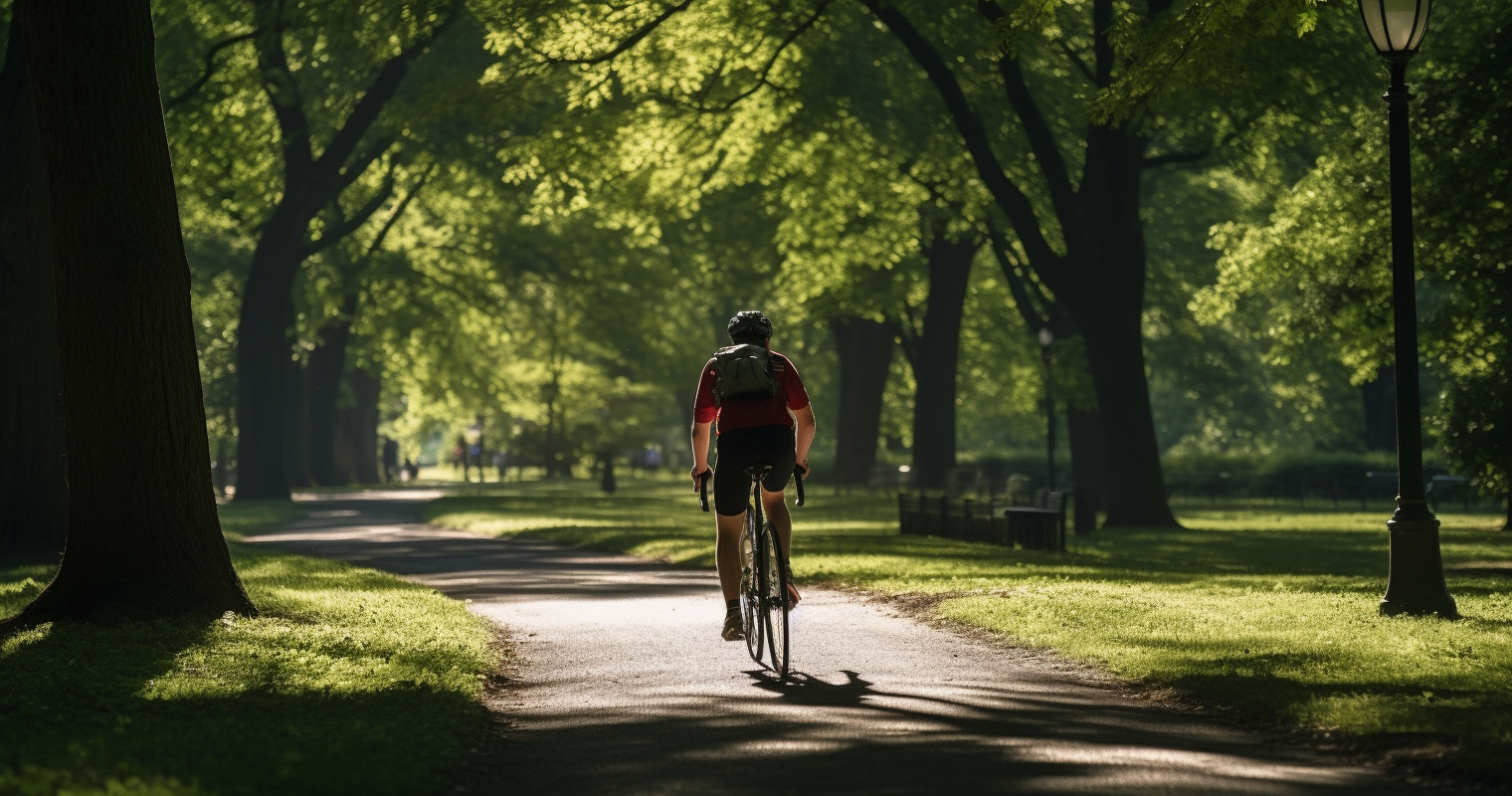
For cyclists, Costa Rica presents a land of striking contrasts: active riding communities flourish in coastal towns and certain urban centres, and lawmakers have made meaningful legal and infrastructural commitments in recent years, yet dedicated cycling facilities remain inconsistent, road safety is a real issue, and the prevalence of everyday cycling varies widely from one region to another. Expats arriving with bikes in tow will find it most rewarding to treat cycling as a blend of practical local transport and enjoyable recreation — while maintaining a clear-eyed view of what the roads actually offer.
| Item | Details |
|---|---|
| Helmet law | Mandatory for all cyclists (as of 2024); fines apply |
| Fine for no helmet | Approx. ₡94,000 (as of 2024) |
| Reflective vest | Required for night riding (as of 2024) |
| Key cycling law | Law 9660 on Cycling Mobility (enacted 2019) |
| Road safety authority | COSEVI (Consejo de Seguridad Vial) |
| Bike registration | Not mandatory for standard bicycles |
How popular is cycling in Costa Rica — is it a common way to get around?
Cycling in Costa Rica plays two quite distinct roles depending on where you are: in certain parts of the country it is genuinely woven into everyday life as a form of transport, while in others — especially the congested greater San José metropolitan zone — it tends to be pursued mainly for recreation or sport. The picture shifts considerably by region, and newly arrived expats should adjust their expectations accordingly.
In coastal cities such as Puntarenas, cycling is deeply embedded in how many residents move around their municipality, and this region concentrates the greatest number of regular cyclists on the Pacific coast. A similarly organic cycling culture has taken hold in beach communities along the Nicoya Peninsula and in smaller towns, where level terrain and short distances make a bicycle the natural choice for everyday tasks and errands.
Both public and private initiatives driving bicycle use are gaining real momentum across the country. BiciBus — a company that advises people who want to swap their cars for bikes — is one example; another is the Cycle-Inclusive badge, awarded to businesses that actively welcome and support cyclists. These grassroots efforts point to a growing urban cycling advocacy movement, even if mass cycle commuting in the capital has yet to reach the levels seen in countries with mature cycling cultures such as the Netherlands or Denmark, where decades of investment and cultural shifts have produced very different conditions.
Cycling organisations in Costa Rica have made the case that the bicycle offers a practical solution to both chronic road congestion and the health consequences of sedentary lifestyles. By offering tax incentives to employers who encourage staff to ride, improving street-level infrastructure, investing in road safety education, and supporting public and private cycling initiatives, Costa Rica has set a meaningful example for other countries in the region. The ambition is clear — but in practice, regular cycle commuting in urban areas is still developing and has some way to go.
What is the cycling infrastructure like in Costa Rica?
Cycling infrastructure has been growing steadily across Costa Rica, but it remains uneven. Dedicated lanes, shared paths, and signposted cycling routes are concentrated in particular urban and coastal areas, while rural roads typically offer little or nothing for cyclists. Quality varies considerably from one municipality to the next.
San José Municipality opened a 15.4-kilometre cycle lane connecting La Sabana with San Pedro. The route begins at the Art Museum in La Sabana, follows 4th Avenue, links up with 10th Avenue, passes the Biblica Hospital, and continues to the University of Costa Rica in San Pedro. One of the most frequented cycling paths in the capital is the Ciclovía, which extends for 6 kilometres through San José. Because the route is flat and accessible to riders of all abilities, it is particularly popular with families and those new to urban cycling.
In Puntarenas, more than 15 kilometres of bikeway network — predominantly protected lanes — have been built over the last decade with the aim of reducing exposure to risk and cutting accident rates. Even so, there remain areas with substantial numbers of cyclists but insufficient infrastructure and safety measures to serve them. This pattern of partial networks interspersed with gaps is a recurring feature throughout the country.
The Municipality of Montes de Oca has begun marking out a new cycling path for urban riders in the capital, forming the first phase of a broader network of bike paths planned for the cantons of Montes de Oca and Curridabat. These projects have benefited from international sustainability funding, reflecting the wider collaborative effort to improve urban mobility. Cyclists should consult the Ministry of Public Works and Transport (MOPT) website for details of current route plans and ongoing developments.
Cycling advocacy groups have called for plans to be drawn up in full compliance with Law 9660 on Cycling Mobility, and in particular for cantonal cycling plans and municipal budgets for cycle lane development to be put in place as the law requires. The Ministry of Public Works and Transportation (MOPT), working alongside the Ministry of Public Education (MEP), is also expected under the Cycling Mobility Law to deliver road safety and education programmes in schools and colleges.
Beyond the capital and major coastal towns, cycling infrastructure on rural roads is largely absent. Many secondary routes lack hard shoulders and can be narrow. Cyclists planning to venture beyond established urban areas should research their routes carefully and set realistic expectations — the contrast with cycle-infrastructure-rich environments such as Germany’s intercity cycling network is considerable.
Is cycling safe in Costa Rica?
Road safety is among the most pressing considerations for anyone planning to cycle in Costa Rica. Although fatality figures have shown some improvement, the broader road environment carries genuine risks, and cyclists must exercise real caution — particularly on busy roads, during the rainy season, and wherever dedicated cycling infrastructure is absent.
Between 2012 and 2021, road deaths declined among pedestrians, cyclists, and vehicle occupants. While this trend is encouraging, the full picture is more nuanced. In 2021, Costa Rica’s road mortality rate stood at 13.7 deaths per 100,000 inhabitants. COSEVI publishes road fatality data on its website, drawn from police reporting. Expats should visit the COSEVI (Consejo de Seguridad Vial) website regularly for the most up-to-date figures, as these are revised on an ongoing basis.
In Costa Rica, pedestrians and cyclists face the highest collision risk because the road system was largely designed around motorised traffic, with insufficient consideration given to other road users. In practice, cars, buses, lorries, taxis, trains, motorcycles, pedestrians, and cyclists all compete for space on narrow, busy streets that frequently lack parking, have deteriorated pavements, and are crowded with street vendors.
Driver behaviour is mixed and tends to be location-specific. Some cyclists report respectful treatment from motorists, particularly in rural settings — there are significant numbers of cyclists on the Nicoya Peninsula, for instance, and drivers there can be quite considerate. In higher-traffic environments, however, cyclists are more exposed. Costa Rica recorded a notable increase in traffic accidents and road deaths in 2023, with speeding, drink-driving, and reckless manoeuvring identified as the leading causes.
The rainy season, running roughly from May to November, introduces additional hazards. Two-wheeler riders require a heightened level of alertness during these months: potholes that would ordinarily be visible become hidden beneath standing water, and flash flooding can strike without warning at any point in the season. Cycling after dark or in heavy rain without proper lighting and visibility equipment significantly increases the risks involved.
What are the rules of the road for cyclists in Costa Rica?
Costa Rica has a dedicated legal framework governing cyclists, and its provisions carry enforceable financial penalties. Understanding these requirements before you ride is not optional. Traffic law in the country is contained within the Ley de Tránsito por Vías Públicas Terrestres y Seguridad Vial, and cyclists fall squarely within its scope.
Helmets are a legal requirement. Costa Rica is among the countries that have made helmet use compulsory for all cyclists, regardless of age. This is broadly comparable in scope to Australia’s mandatory helmet legislation — though unlike the Netherlands or Germany, where helmet use remains voluntary and safety policy centres on infrastructure, Costa Rica mandates personal protective equipment. The penalty for riding without a helmet is ₡94,000 (approximately $78–$235 depending on the exchange rate, as of 2024).
Reflective vests must be worn at night. Costa Rican law requires all two-wheeler riders, including cyclists, to wear reflective bands after dark so they remain visible to other road users. Front and rear lights are strongly recommended in addition to reflective clothing.
In 2019, Costa Rica enacted Law 9660 on cycling mobility and safety. The law is intended to improve public health outcomes and foster the development of alternative transport modes in both urban and rural settings. It also establishes obligations for cycling infrastructure development at the municipal level and requires road safety education to be embedded in school curricula.
Key rules every cyclist should know include:
- Helmets must be worn at all times — fines are applied for non-compliance.
- Reflective gear is compulsory when riding at night.
- Cyclists are required to obey standard traffic signals, road signs, and lane markings.
- Riding on pedestrian pavements is generally prohibited where cycle lanes or roads are available.
- Alcohol limits apply to cyclists — drink-cycling is treated seriously under Costa Rican traffic law.
- Driving under the influence with a blood alcohol level exceeding 0.75 grams per litre carries a fine of ₡280,000 and a potential prison sentence of one to three years. Cyclists should be aware that similar principles apply to them under the traffic code.
Practical enforcement can vary between municipalities, and some local authorities may impose additional requirements. Always confirm the full and current legal obligations with MOPT or COSEVI before heading out on your bike.
Do I need to register my bike or have insurance to cycle in Costa Rica?
Unlike motor vehicles, standard bicycles in Costa Rica are not subject to mandatory registration. There is no equivalent of a vehicle licence plate or annual roadworthiness inspection for bicycles. This means that purchasing and riding a bicycle requires no formal registration with any transport authority.
There is equally no legal obligation for cyclists to hold third-party liability or personal accident insurance as a condition of riding on public roads. This stands in contrast to the mandatory vehicle insurance — known as SOAT — that all motor vehicles must carry, managed by the Instituto Nacional de Seguros (INS). That said, given the road conditions and accident rates discussed above, taking out personal accident or health insurance is strongly advisable for anyone cycling regularly in the country.
Voluntary cycling insurance products are available from private insurers operating in Costa Rica. The INS, as the state insurer, also offers personal accident policies that can provide worthwhile coverage. Expats who are enrolled in Costa Rica’s public social security health system — the Caja Costarricense de Seguro Social (CCSS) — will have access to public healthcare following an accident, but private insurance can significantly reduce waiting times and cover costs that the CCSS does not meet.
For the latest guidance on insurance options available to cyclists, visit the INS website or speak with a licensed insurance broker based in Costa Rica. As both requirements and available products are subject to change, always confirm current details directly with the relevant authority.
Are there public bike-sharing or rental schemes in Costa Rica?
The type of large-scale public bike-share programme common across many European and North American cities — such as the Vélib’ network in Paris or London’s Santander Cycles scheme — has not yet been widely established across Costa Rica’s urban areas. However, rental and community cycling options are growing, particularly in tourist-heavy locations and larger cities.
The government is actively encouraging and working to regulate municipal public bicycle systems. Some municipalities within the Greater Metropolitan Area have piloted or launched shared bicycle schemes, though availability and reliability differ from one area to another. Riders should contact the MOPT or their local municipal authority to find out what is currently available in their area.
In tourist destinations such as La Fortuna, Tamarindo, Nosara, Monteverde, and communities on the Nicoya Peninsula, bicycle rental shops are plentiful and well suited to both visitors and new residents. Daily rental prices for standard bicycles typically fall in the range of $5–$20 USD (as of 2024), while mountain bikes and e-bikes are priced higher. Costs vary by location and season, so always check directly with individual operators for current rates.
Organisations such as BiciBus — a company that helps people transition from car use to cycling — can also assist newcomers in navigating the local cycling landscape, making connections within cycling communities, and identifying the most practical cycling options for daily life in their area. For up-to-date information on schemes and community rides, the national cycling federation and local clubs are also well worth contacting.
Where can I buy or service a bike in Costa Rica?
Purchasing a bicycle in Costa Rica is relatively straightforward in the main population centres. San José and the broader Central Valley are home to a reasonable number of dedicated bike shops carrying both imported and locally assembled models, including road bikes, mountain bikes, hybrids, and — with increasing frequency — e-bikes. Because of import duties and the comparatively modest size of the market, prices for quality imported bicycles tend to be higher than what expats may be accustomed to from competitive retailers in Europe or North America.
Second-hand bicycles can be found through online platforms such as Facebook Marketplace and local classified listings, as well as through word of mouth within expat and cycling circles. Buying used can represent good value, but as in any informal market it is worth inspecting the bike thoroughly or having someone with mechanical expertise accompany you. Unlike regulated used vehicle transactions in some countries, private bicycle sales in Costa Rica are generally conducted on a buyer-beware basis, with no specific consumer protection framework covering them.
For new bicycles, the ongoing investment in cycling infrastructure has encouraged more specialist retailers to set up in Costa Rica. Shops such as Bike Station CR, Trek dealerships in San José, and a range of independent local stores can be found in the capital as well as in Heredia, Alajuela, Cartago, and other larger towns. In coastal areas popular with expats, small rental and repair outlets often stock bikes for sale alongside their other services.
Workshop servicing and repairs are accessible in cities and tourist zones, but spare parts for high-specification or niche bicycles can be harder to locate, and waiting times for ordered components may be longer than in larger cycling markets. Expats bringing performance or specialist bikes to Costa Rica are advised to pack critical spare parts when relocating or to order them from abroad as needed. Social media cycling groups and local expat forums are a practical starting point for finding recommended shops and mechanics.
Can I bring my bike when I move to Costa Rica, and are there any import rules?
Bringing your bicycle to Costa Rica when you relocate is perfectly feasible, but understanding how import duties work is essential before you ship anything. Costa Rica’s customs authority — the Dirección General de Aduanas, operating under the Ministry of Finance (Hacienda) — is responsible for overseeing the importation of goods, bicycles included.
As a baseline, bicycles brought into Costa Rica as new goods are subject to the country’s standard import tariff structure. Bicycles (classified under HS code 8712) may attract import duties, and VAT at the current rate of 13% (as of 2024) will generally be applied to the declared value. However, there is an important exemption worth knowing about: individuals establishing residency in Costa Rica may qualify for the menaje de casa (household goods exemption), which permits them to import personal belongings — including a bicycle — free of import duty, provided the relevant conditions are met and approval is obtained.
To use the menaje de casa exemption, applicants must apply in advance and provide documentation confirming their residency status. Items must be used personal possessions rather than new or commercially intended goods. A single bicycle brought as part of a residential move would ordinarily qualify, but it must be declared and approved through the correct process. The procedure is broadly analogous to personal effects exemptions available in other countries — such as those available to new residents relocating to Canada or Australia.
Given that customs regulations, tariff rates, and documentation requirements are subject to revision, it is essential to confirm the current rules and procedures with the Dirección General de Aduanas before dispatching your bicycle. Engaging a reputable customs broker (agente aduanero) in Costa Rica is strongly recommended to avoid delays or unforeseen charges upon arrival.
What are the best cycling routes or destinations in Costa Rica?
Costa Rica offers genuinely outstanding cycling across a remarkable variety of landscapes — from mountain passes and volcanic roads to jungle trails and coastal stretches. Whether you ride mainly for leisure or take your cycling seriously, the country’s extraordinary biodiversity and varied topography make it a remarkable place for both cycling tourism and competitive sport.
La Ruta de los Conquistadores is one of the most celebrated and demanding cycling events anywhere in the world. La Ruta de los Conquistadores is a well-known Costa Rican cycling event, and online resources can help put cyclists in touch with support contacts for it. The multi-day race traverses Costa Rica from the Pacific coast to the Caribbean Sea, crossing volcanoes, cloud forests, and river valleys in what is widely regarded as one of the toughest and most iconic challenges in endurance cycling.
The Orosi Valley in Cartago province is consistently recommended as an outstanding cycling base. The province of Cartago is considered the most progressive in terms of cycling infrastructure. The Orosi Valley is suggested as a base, with many cyclists riding up and down the valley and even up to Irazú Volcano and back.
The Lake Arenal loop in the northern lowlands is a firm favourite among expats and touring cyclists, offering sweeping views of the lake and the Arenal Volcano across a combination of paved and unpaved roads. The route lends itself well to guided cycling tours and independent self-supported rides.
For mountain biking, trail networks around Monteverde, the Osa Peninsula, and the flanks of various volcanoes cater to a wide range of abilities, from gentle forest tracks to demanding technical singletrack. Across all of these areas, Costa Rica delivers spectacular scenery alongside cycling suited to every level of rider.
For urban cycling, the Central Valley provides a solid base for day trips by bike. The Ciclovía in San José, the La Sabana–San Pedro cycle lane, and the expanding network in Curridabat and Montes de Oca all offer accessible rides within the city. The Costa Rica Tourism Board (ICT) and the national cycling federation are useful first ports of call for route maps and event calendars.
How do I get set up with a bike and start cycling after I arrive in Costa Rica?
- Research your region before you arrive. Cycling conditions, infrastructure, and culture vary significantly between San José, coastal areas, and rural zones. Join online expat and cycling groups to get current, local advice before and after your move.
- Decide whether to bring your bike or buy locally. If bringing your own bicycle, check the Dirección General de Aduanas for current import rules and the menaje de casa exemption. If buying locally, plan to visit shops in San José or your nearest city shortly after arrival.
- Equip yourself for legal compliance. Purchase a certified helmet and reflective vest before your first ride. These are legally required and fines for non-compliance are enforced.
- Get lights and repair essentials. Front and rear lights are essential for any riding after dark, and given the road conditions, a basic puncture repair kit and pump are wise investments from day one.
- Plan your routes using available tools. Apps such as Bikemap have over 1,000 mapped routes in Costa Rica. Start with known, recommended routes and build local knowledge gradually.
- Connect with local cycling communities. Groups like BiciBus, local cycling clubs, and municipal cycling associations can provide route advice, riding partners, and advocacy support.
- Consider cycling insurance. Contact the INS or a private insurer about personal accident coverage. If you are enrolled in the CCSS, ensure your contributions are up to date so you have access to public healthcare.
- Stay current on road safety data. Check the COSEVI website periodically for updated road safety statistics and any new regulations affecting cyclists.
Frequently asked questions about cycling in Costa Rica
Is wearing a helmet really enforced for cyclists in Costa Rica?
Yes — Costa Rica is among the countries that have made helmet use legally compulsory for cyclists. The penalty for riding without a helmet is ₡94,000 (as of 2024). Although the intensity of enforcement differs from one area to another, the law is genuine and fines are issued. Wearing a helmet on every ride is both a legal obligation and sound judgement given the conditions on Costa Rican roads.
Can I cycle to work in San José every day?
It is possible, and an increasing number of people do, but it takes thoughtful preparation. Cars, buses, trucks, taxis, motorcycles, pedestrians, and cyclists all share narrow, congested streets with limited parking, deteriorated pavements, and numerous obstacles. The La Sabana–San Pedro cycle lane provides a useful corridor through the city, and the network continues to expand. Setting off early, using high-visibility gear, and sticking to routes with dedicated infrastructure will make the daily commute considerably more manageable.
Do I need to register my bicycle in Costa Rica?
No. Standard bicycles are not required to be registered with any transport authority in Costa Rica. There is no licence plate, no annual inspection, and no registration fee applicable to a bicycle. You can buy and ride one without completing any formal registration process.
What cycling law should I be aware of before I ride?
In 2019, Costa Rica enacted Law 9660 on the mobility and safety of cyclists. The law is designed to improve public health and promote alternative transport in both urban and rural areas. Under this legislation and the broader traffic code, helmets are mandatory, reflective gear is required at night, traffic signals must be obeyed, and alcohol limits apply to cyclists. Consult the MOPT and COSEVI websites for the complete and current legal requirements.
Is cycling safe in the rainy season?
The rainy season presents significant additional hazards for cyclists and demands a heightened level of attention. Potholes that would normally be easy to see become concealed under water, flash floods can develop without warning at any point during the season, and reduced visibility increases risk considerably. Riders who cycle throughout the year should invest in waterproof clothing, powerful lights, and mud-resistant tyres, and should avoid roads known to flood.
Are there bike-share schemes in Costa Rica similar to those in European cities?
There is currently no national or major-city bike-share programme operating on the scale of large European equivalents such as Paris’s Vélib’ or London’s Santander Cycles. The government is actively encouraging and working to regulate municipal public bicycle systems, and some local schemes do exist, but coverage remains limited and inconsistent. For short-term access to a bicycle, rental shops in tourist areas are the most dependable option.
Can I bring my bicycle to Costa Rica duty-free when I move?
Potentially yes — through the menaje de casa (household goods) exemption, which allows newly arrived residents to import used personal possessions, including a bicycle, without paying import duty, subject to prior approval and appropriate documentation. However, the qualifying conditions and procedures can change, so it is essential to verify current requirements with the Dirección General de Aduanas before shipping your bike. Working with a licensed customs broker will help the process run smoothly.
Where are the best areas in Costa Rica for recreational cycling?
Cartago province is widely regarded as the most progressive in Costa Rica in terms of cycling provision, and the Orosi Valley makes an excellent base — many riders enjoy exploring the valley itself before venturing all the way up to Irazú Volcano and back. The Lake Arenal area, the Nicoya Peninsula, and the trail networks around Monteverde are also highly regarded for recreational and sport cycling. The ICT (Costa Rica Tourism Board) publishes route information and can point you toward current cycling resources.