
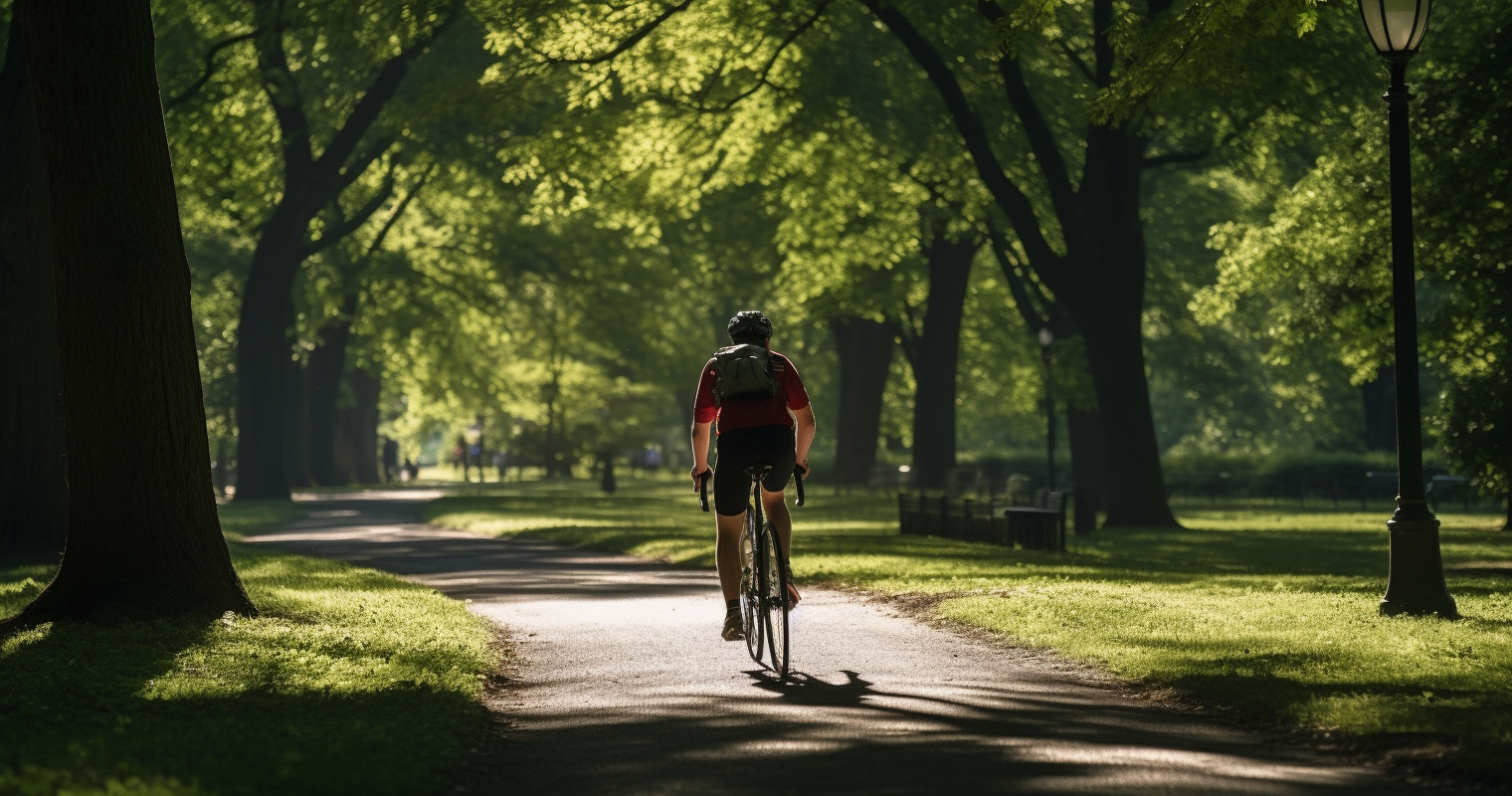
Croatia presents cyclists with a fascinating set of contrasts. Sweeping coastal scenery, dense inland forests, and scattered island chains combine to make it one of the most visually striking places to ride a bicycle in Europe, and the recreational cycling scene — especially across Istria, Dalmatia, and the Kvarner Gulf — continues to flourish. Yet for those hoping to use a bicycle as their primary means of getting around day to day, the reality outside a few urban centres is rather different. Dedicated infrastructure remains sparse in many parts of the country, and expats would do well to arrive anticipating a wonderful environment for leisure riding alongside gradual urban progress, rather than the seamlessly integrated networks they might be used to in Germany or the Netherlands.
| Item | Details |
|---|---|
| Helmet law (adults) | Not legally required for adults; mandatory for under-16s (as of 2025) |
| Helmet law (children) | Mandatory for cyclists under 16 on public roads (as of 2025) |
| Lighting requirement | Front and rear lights required at night and in low-visibility conditions (as of 2025) |
| Bike-share (Zagreb) | “Bajs” system operated by Nextbike; account activation €10 (as of 2025) |
| Bike-share coverage | Nextbike operates in more than 40 cities across Croatia (as of 2025) |
| Bike registration | Not mandatory in Croatia |
| Key cycling body | Cikloturizam Hrvatska (national cycling advocacy association) |
How popular is cycling in Croatia — is it a common way to get around?
Cycling in Croatia holds a very different place in daily life compared to countries such as the Netherlands or Denmark, where it functions as a mainstream form of urban transport embedded in both city planning and social habit. In Croatia, the bicycle is understood primarily as a vehicle for leisure, sport, and tourism. Football, tennis, and basketball command the greatest sporting loyalties, and while cycling is gaining ground, it has yet to become the kind of everyday activity routinely seen across northern and central Europe.
Cikloturizam Hrvatska is a voluntary advocacy association working to improve conditions for cyclists, promoting the bicycle as an efficient, sustainable, and health-promoting means of transport and pushing for urban environments that are cleaner, safer, and more welcoming to people on two wheels. Their vision of “cities for people” represents a genuine grassroots push to reshape attitudes, though meaningful change is taking time.
In cities like Zagreb, cyclists do appear in noticeable numbers when weather cooperates, so urban riding is not an unusual sight — particularly among students and younger residents. That said, the absence of safe, connected cycling routes means that a great deal of this activity involves sharing pavements with pedestrians rather than using purpose-built lanes.
It is in cycling tourism that Croatia truly stands out. The country offers riding opportunities in every season, and its varied landscape — river valleys, rolling hills, mountainous terrain, and a stunning Mediterranean coastline — makes it genuinely exceptional for those who ride for pleasure and fitness. Expats arriving with that expectation will not be disappointed. Those hoping to ditch their car or public transport pass in favour of a bicycle for everyday errands, however, should set their expectations carefully, particularly outside the major urban centres.
What is the cycling infrastructure like in Croatia?
The quality and availability of cycling infrastructure across Croatia varies enormously from one region to the next. The honest picture is that dedicated urban cycle lanes, continuous route networks, and well-maintained shared paths remain the exception rather than the norm — though advocacy efforts and investment are producing meaningful, if incremental, change in certain areas.
Inadequate infrastructure is a significant issue across much of the country. Official bicycle parking facilities are scarce in many towns, and while cycle lanes do exist in places, they are frequently short stretches that fail to connect into anything usable as a coherent network. This stands in marked contrast to countries like Germany or the Netherlands, where cycling provision is conceived and built as an integrated system with protected junctions and continuous lanes.
Istria is generally regarded as the most cycle-friendly region in Croatia, even if it does not yet match the standard of neighbouring Italy or Slovenia. The peninsula benefits from purpose-built trail networks, specialised cycling hubs, and considerable tourist investment. A notable recent development is the Bike Centre Poreč — Croatia’s largest cycling centre, which opened in 2024 — positioned conveniently beside the Parenzana Trail and serving as the official Parenzana Zero Station.
In Zagreb, conditions are gradually getting better. The city adds new cycling routes on a regular basis, frequently incorporating them into ongoing road renovation projects, though progress is widely characterised as slow but heading in the right direction. Along the coast, cities such as Split, Zadar, and Dubrovnik offer limited dedicated urban cycling provision, although some tourist-oriented paths do exist.
Road surface quality is variable, and bike paths and lanes are frequently described as insufficient and oriented towards leisure or tourist use rather than the practical needs of daily commuters and touring riders. Expats accustomed to well-developed cycling networks will likely find the adjustment challenging when it comes to regular riding.
For up-to-date route information and details on planned developments, the Croatian National Tourist Board’s cycling pages and the EuroVelo Croatia portal are valuable resources. The Ministry of the Sea, Transport and Infrastructure is responsible for national transport planning and should be consulted for the most current infrastructure updates.
Is cycling safe in Croatia?
Safety deserves careful consideration for any cyclist making their home in Croatia, and a realistic assessment is essential. The country’s quiet rural roads and off-road trails can offer deeply enjoyable, low-risk riding — but sharing busy urban roads and coastal main routes with motor traffic brings genuine challenges that should not be underestimated.
Driver behaviour towards cyclists can vary considerably and is not always predictable. Reports of vehicles overtaking cyclists immediately and with very little clearance are common, and this experience is frequently noted by those riding on busier routes. While attitudes differ between areas and individuals, this is a widely observed pattern that should influence how you plan your rides, particularly on popular coastal roads during the summer months.
Some counties have invested in signage and designated cycling corridors on main roads, but these measures do not always correspond to any physical changes to the road itself, which means they offer less protection in practice than they might suggest on paper. Experienced local cyclists often recommend riding in groups to increase visibility, or choosing quieter — if hillier — backroads over main arterial routes.
Wearing high-visibility clothing is strongly advised, with fluorescent colours offering the greatest effectiveness. This is particularly important on any route shared with motor vehicles. Summer heat in Croatia is also a genuine safety consideration: staying well hydrated, applying sunscreen, and taking regular breaks in the shade during extreme heat are all sensible precautions on longer rides.
On helmet requirements: there is no legal obligation for adult cyclists to wear one, though it is a requirement for riders under 16. Regardless of what the law says, wearing a helmet is strongly recommended for all cyclists, especially on roads where motor traffic is present. The Croatian Auto Club (HAK), which functions as the Road Safety Directorate under the Croatian Interior Ministry, publishes updated road safety statistics — checking their website for the latest figures is always worthwhile.
What are the rules of the road for cyclists in Croatia?
The rules governing cyclists in Croatia are established by the national Road Traffic Safety Act and apply throughout the country. Taking time to familiarise yourself with these regulations before riding is important — the rules may differ from what you are accustomed to in your home country.
Where dedicated bike paths or cycle lanes are available, cyclists are required to use them. In their absence, cyclists must stay as close as practicable to the right-hand side of the road. When riding in a group of two or more, cyclists must travel in single file rather than side by side. Cyclists are prohibited from doing anything that compromises the stability of their bicycle or places other road users at risk — this includes removing both hands from the handlebars, holding onto another vehicle, or carrying objects that impede safe control of the bike.
Cyclists under the age of 16 are legally required to wear a helmet when riding on public roads. For adults, there is no legal requirement, though wearing one is universally recommended. At night and whenever visibility is poor, bicycles must be fitted with lights and carry reflective markings. A bell is mandatory equipment for all cyclists, and reflective clothing is required not only at night but also during daylight hours in dim winter weather conditions.
This legal framework differs from that of countries such as Australia, where mandatory helmet laws cover all age groups — in Croatia, the obligation applies only to those under 16. It also differs from the Netherlands, where an extensive network of protected infrastructure largely sidesteps the question by keeping cyclists physically separated from motor traffic.
There is no blood alcohol limit established specifically for cyclists under Croatian law, but riding while impaired remains inadvisable and may attract criminal liability under the general provisions of road safety legislation. Cycling on motorways (autoceste) is explicitly prohibited. Riding on pavements or pedestrian areas is not formally permitted on public roads, though enforcement tends to be inconsistent in urban settings.
For a full and current overview of the legal framework, consult the official Croatian Government portal or the Croatian Auto Club (HAK) at hak.hr, which publishes traffic regulations in several languages.
Do I need to register my bike or have insurance to cycle in Croatia?
Bicycle registration is not a legal requirement in Croatia. Unlike motor vehicles, standard bicycles are not required to be registered with any authority, and no national registration system exists for them. Even so, it is sensible practice to note down your bicycle’s serial number and keep photographs of it — both can prove invaluable if the bike is ever stolen.
There is also no legal requirement for cyclists to carry third-party liability insurance in Croatia. This distinguishes it from the approach taken in some other countries — certain German cycling clubs and household insurers, for instance, automatically include bicycle liability cover in their policies — but in Croatia, neither the law nor widespread local custom demands it.
That said, taking out personal liability insurance is a reasonable precaution, particularly if you cycle frequently in busy tourist areas or on shared paths where accidents involving third parties are more likely. If you cause an incident that results in injury or property damage to someone else, civil liability could follow without adequate coverage. Many home contents or personal liability policies available in Croatia can be extended to include cycling-related cover; your insurer will be able to outline the available options and current costs. For up-to-date regulatory guidance on insurance matters, consult the Croatian Financial Services Supervisory Agency (HANFA) at hanfa.hr.
Are there public bike-sharing or rental schemes in Croatia?
Croatia has a growing public bike-share network, with the Nextbike system providing the primary layer of coverage across the country. This is encouraging news for expats arriving in one of the larger cities, although provision in smaller towns and rural areas remains limited.
Nextbike operates in more than 40 cities across Croatia, including Split, Zadar, and Šibenik in addition to Zagreb. This makes it one of the most geographically dispersed bike-share networks in southeastern Europe — comparable in reach, if not yet in scale, to the well-established systems found in cities such as Vienna or Berlin.
Zagreb has officially launched “Bajs”, a dedicated public bicycle-sharing service run by Nextbike Croatia. The system began with an initial fleet of 500 bikes spread across 40 stations, with plans in place to scale up to 2,000 bikes and 180 stations over time. Account activation requires a payment of €10 (as of 2025), which is converted into riding credits visible within the app.
Bikes can be reserved at no cost for up to 10 minutes; cancelling a reservation after this point incurs a charge of €0.50 (as of 2025). Ending a journey outside a designated station attracts an additional fee of €30. For short trips around the city, whether for commuting or leisure, the system is practical and affordable once the app is set up.
Beyond bike-share, a wide range of private rental operators serve the tourist market, particularly across Istria, Split, and the Dalmatian islands. Offerings typically include road bikes, mountain bikes, e-bikes, and guided tour packages. The Bike Centre Poreč, for example, provides bike hire and support services for riders of all abilities, including electric and traditional bicycles, guided excursions, and a fully equipped workshop. Rates vary by season and operator, so always check the relevant official website or local municipal transport authority for current pricing and availability.
Where can I buy or service a bike in Croatia?
Purchasing a bicycle in Croatia is a relatively uncomplicated process in the larger cities and main tourist regions, though the range of options narrows considerably in rural and inland areas. Zagreb, Split, Rijeka, and Osijek all have established bicycle retailers stocking a variety of new bikes — from city hybrids and mountain bikes through to e-bikes — alongside accessories and workshop services.
In the tourist-heavy zones of Istria and the Dalmatian coast, the cycling economy is well-developed and well-resourced. Facilities such as the Bike Centre Rabac rank among Croatia’s premier cycling destinations, equipped to cater to everyone from professional athletes to families on a relaxed holiday. These centres typically combine retail with rental, servicing, and spare parts, making them useful points of contact for newly arrived expats as well as visitors.
For those seeking second-hand options, Njuškalo.hr — Croatia’s dominant online classifieds platform — carries regular listings for used bicycles. Prices vary considerably according to condition and specification, but serviceable city or hybrid bikes are generally available at accessible price points. As with any second-hand purchase, viewing the bicycle in person before committing to a sale is strongly recommended.
Consumer protections in Croatia align with EU standards, given that Croatia is a member state of the European Union. New goods purchased from registered retailers are covered by a statutory two-year warranty under EU consumer law — the same guarantee framework that applies when buying a new bike in France, Spain, or Germany. Retaining receipts and warranty documentation is particularly important for higher-value purchases such as e-bikes. In areas away from the main cities, servicing options can be limited, so expats settling in rural locations may find it worthwhile to develop basic maintenance skills or plan occasional trips to a well-stocked urban workshop.
Can I bring my bike when I move to Croatia, and are there any import rules?
For those relocating to Croatia, bringing a bicycle as part of a household move is generally uncomplicated — especially when moving from another EU country. As a full EU member state, Croatia participates in the single market, which means that goods transferred between EU countries as personal effects during a permanent move are not subject to customs duties or import VAT.
If you are arriving from outside the EU — for example from the United States, the United Kingdom following Brexit, or Australia — different rules come into play. Personal effects and household goods, including bicycles, may qualify for a customs duty exemption under the EU personal effects relief provisions as implemented in Croatia. To be eligible, you will generally need to show that you are transferring your permanent residence to Croatia, that the items have been in your possession for a minimum period (typically six months), and that they are not being brought in for commercial purposes.
Bicycles are not subject to any additional import restrictions beyond the standard customs and VAT rules that apply to personal goods generally. For the most accurate and current information on import duty rates, exemption thresholds, and required documentation (as of 2025), always consult the Croatian Customs Administration (Carinska uprava) directly before arranging shipment, as regulations can be updated and individual circumstances vary. Your removal company or international freight forwarder should also be able to guide you through the correct procedures for declaring personal effects on arrival.
What are the best cycling routes or destinations in Croatia?
Croatia’s diverse geography — stretching from the flat agricultural plains of Slavonia through the rugged Dinaric Alps down to the island-dotted Adriatic — creates an impressive range of cycling environments. Whether your preference is road cycling, mountain biking, relaxed leisure riding, or e-biking, there is almost certainly a corner of Croatia well-suited to your style.
The Parenzana Bike Trail traces the course of a historic narrow-gauge railway that operated through northwestern Istria between 1902 and 1935, making it one of the most atmospheric rail-trail routes in the wider region. It weaves across the borders of Croatia, Slovenia, and Italy, with gentle gradients that make it accessible to a broad range of riders. Istria as a whole remains the most comprehensively developed cycling region in the country, with well-signed trails, cycling-friendly accommodation, and specialist facilities throughout.
Croatia features on two significant EuroVelo long-distance international routes: EuroVelo 6, which runs all the way from the Atlantic Ocean to the Black Sea, passes through Austria and across Croatia before continuing into Serbia via Budapest and Belgrade, covering approximately 580 km within the region; and EuroVelo 8, the Mediterranean Route, which follows the Adriatic coast from Istria all the way south to Dubrovnik. Both routes offer an established structure for long-distance cycling and connect Croatia directly to the broader European cycle network.
The country offers an impressive diversity of trails to suit every taste — from the extraordinary natural landscapes of Kopački Rit and Medvednica in Slavonia and Central Croatia, to wine and food-themed routes that wind through vineyards, such as the Istria Wine or Gastro Cycling Tour.
Krk, the largest island in Croatia and one of the most easily reached thanks to its mainland bridge connection, is a popular base for cyclists of all abilities. The island combines coastal roads, peaceful inland lanes, and clearly marked mountain bike trails — appealing to dedicated MTB riders while remaining accessible and enjoyable for road cyclists and casual riders alike.
For route planning, the Croatian National Tourist Board offers comprehensive cycling information including regional maps and trail guides. The EuroVelo Croatia portal and the Croatian Cycling Federation (Hrvatski biciklistički savez) at hbs.hr are further useful resources for both planning rides and connecting with the wider local cycling community.
How do I get set up with cycling in Croatia — a step-by-step guide for new arrivals
- Research your local area before you arrive. Use the Croatian National Tourist Board’s cycling pages and the EuroVelo Croatia portal to understand what infrastructure and routes exist near your new home. Regional variation is significant — what applies in Istria may not apply in inland Slavonia.
- Decide whether to bring your bike or buy locally. If relocating from within the EU, bringing your bike as a personal effect is straightforward. If coming from outside the EU, check with the Croatian Customs Administration (Carinska uprava) about personal effects relief before shipping.
- Equip your bike to meet Croatian legal requirements. Ensure your bike has a working bell, front and rear lights, and reflective markings for night riding. If you are riding with children under 16, helmets are legally required for them. Adults are strongly advised to wear a helmet regardless of the legal position.
- Download the Nextbike app. If you are settling in one of the 40+ cities covered by Nextbike Croatia, register and activate your account (€10 activation fee, as of 2025, converted into ride credits) to access the city bike-share network straight away.
- Find a local bike shop. In cities, specialist bike shops offer new and second-hand bikes, servicing, and accessories. In Istria and along the Dalmatian coast, dedicated cycling centres also serve residents year-round. For second-hand options, check Njuškalo.hr.
- Consider third-party liability insurance. Though not legally required, personal liability cover that includes cycling activity is worth adding to a home contents or personal insurance policy, particularly if you will be riding in busy areas.
- Connect with the local cycling community. Cikloturizam Hrvatska and local cycling clubs are active across the country. Joining a club or advocacy group is a practical way to learn the safest local routes, receive advice from experienced riders, and contribute to improving cycling conditions in your area.
Frequently asked questions about cycling in Croatia
Do I legally have to wear a helmet when cycling in Croatia?
Adult cyclists are not legally required to wear a helmet in Croatia, though the obligation does apply to riders under the age of 16. Notwithstanding this absence of a legal requirement for adults, wearing a helmet is strongly encouraged given the state of road infrastructure and the driving behaviour encountered on many Croatian roads. This contrasts with countries such as Australia and New Zealand, where mandatory helmet laws cover all age groups.
Can I realistically commute to work by bicycle in Croatia?
The feasibility of cycle commuting depends greatly on where you live. In Zagreb, Split, and a small number of other urban centres, using a bicycle for shorter commutes is entirely possible, though gaps in infrastructure mean that sharing roads or pavements with other users is commonplace. In rural areas and smaller coastal towns, dedicated cycling provision is very limited, making regular commuting by bike substantially more difficult. Progress is being made, particularly in Zagreb, but Croatia has not yet reached the level of normalised cycle commuting seen in northern European cities.
What are the rules about cycling with lights in Croatia?
When cycling at night or in conditions of poor visibility, a bicycle must be equipped with lights and carry reflective markings. A bell is a mandatory fitting for all cyclists, and reflective clothing is required not only after dark but also during the daytime in gloomy winter weather. Failing to comply can result in a fine and, more significantly, substantially increases your risk on the road.
Is there a bike-share system I can use when I first arrive?
Nextbike operates in more than 40 cities across Croatia, making it one of the most accessible cycling options for new arrivals. In Zagreb specifically, the “Bajs” public bike-sharing service, run by Nextbike Croatia, provides a formalised city-wide network. Account activation costs €10 (as of 2025), which translates into ride credits within the app. If you already use Nextbike in another country, your existing account may work directly within Croatia’s network.
Do I need to register my bicycle with any authority in Croatia?
No — bicycle registration is not required anywhere in Croatia. There is no national or municipal scheme for registering bikes. It is nonetheless advisable to keep a note of your bicycle’s frame serial number along with photographs of the bike, both of which can significantly assist in recovery efforts if it is stolen.
What should I be aware of when cycling on Croatian roads?
Cyclists must use a cycling track or lane where one is available; where none exists, they should keep as far to the right edge of the road as practicable. When passing parked vehicles, maintaining a gap of approximately one metre is wise to avoid collisions with doors being opened unexpectedly. High-visibility clothing is especially advisable on coastal and main roads. Cycling on motorways is prohibited under Croatian law.
Can I bring my bike to Croatia when I relocate, and will I pay customs duty?
If you are moving from another EU country, no customs duty applies to personal effects including bicycles. If you are relocating from outside the EU, you may be entitled to personal effects relief from import duty and VAT, provided you can demonstrate that the bicycle has been in your possession for the required minimum period and that you are establishing permanent residence in Croatia. Always verify the current requirements with the Croatian Customs Administration before arranging shipment.
Where are the best areas for cycling as a newly arrived expat?
Istria is widely regarded as the most developed cycling region in Croatia, offering signed trail networks, dedicated cycling centres, and a mature leisure riding culture. The Parenzana Trail, the island of Krk, and the Dalmatian coast all provide excellent recreational riding. For those settling in a city, Zagreb offers the most developed urban cycling infrastructure and the most active advocacy community. Wherever you end up, linking up with local cycling groups is the most effective way to quickly discover the safest and most enjoyable routes in your area.
Is cycling insurance required or recommended in Croatia?
There is no legal requirement to hold cycling insurance in Croatia. That said, personal liability cover is a sensible consideration, particularly for those who ride regularly in urban areas or busy tourist zones. Unlike motor vehicles, bicycles do not automatically come with any form of third-party liability protection. Speak to Croatian insurers or your existing household contents provider about the possibility of extending your policy to include cycling-related liability; always confirm current terms and pricing directly with your insurer.